تمت ترجمة هذا النص بواسطة الذكاء الاصطناعي وقد يحتوي على أخطاء.
تخطي إلى المحتوى

Research & Commentary Results

تصفية حسب
1402 Results
Political risk vs. risk to force: How policy decisions impact risk and capability in partner operations
Photo by BULENT KILIC/AFP via Getty Images
  • التحليل
  • Political risk vs. risk to force: How policy decisions impact risk and capability in partner operations

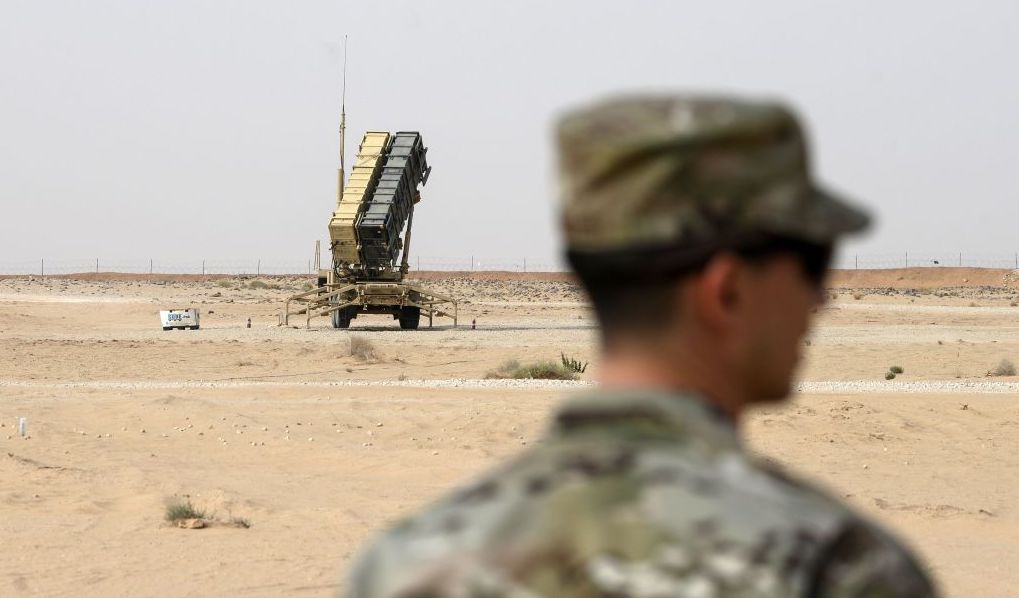
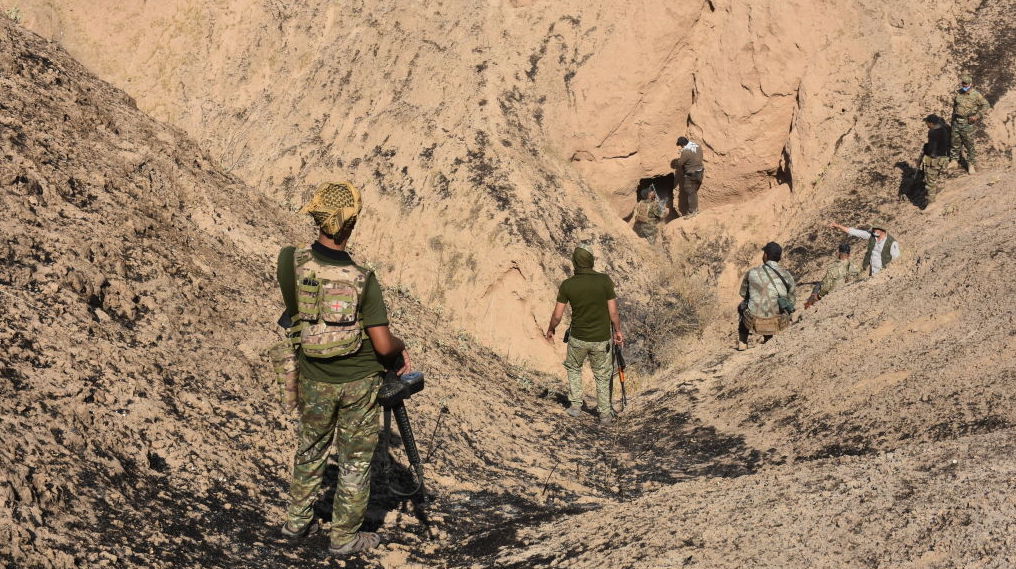
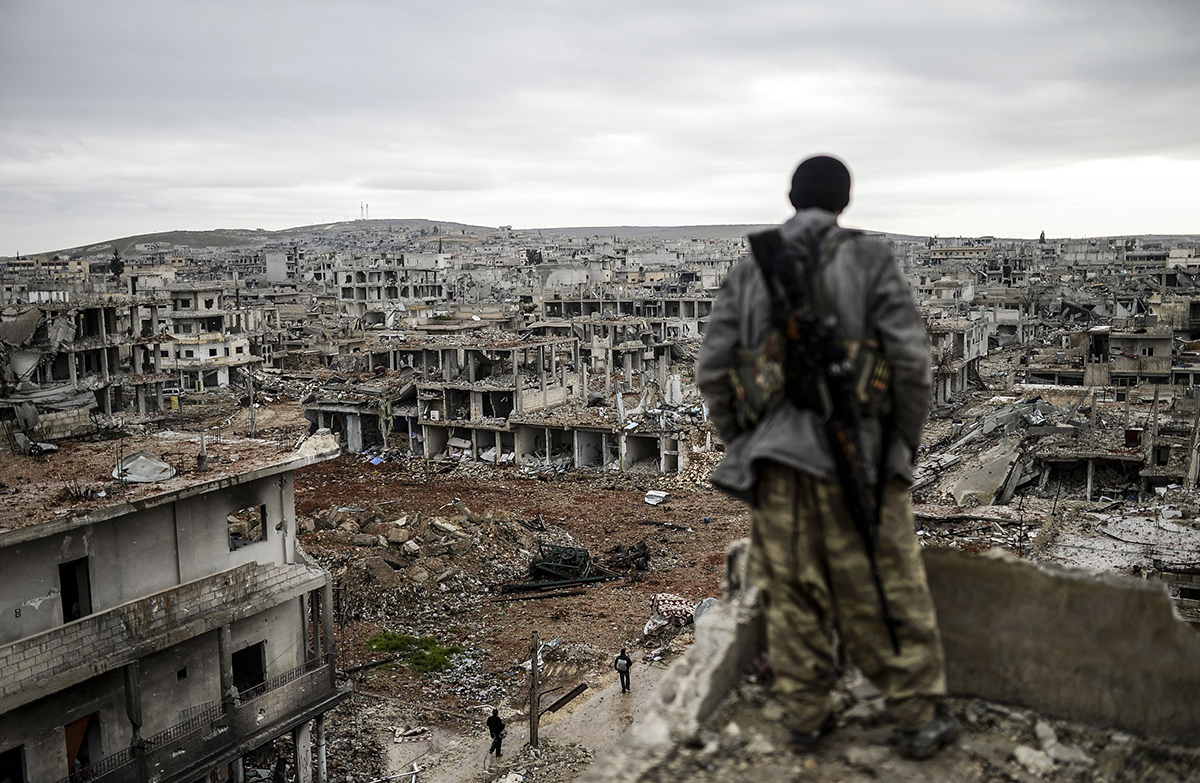
    Operation Inherent Resolve (OIR) is the U.S. military’s name for the international intervention to defeat ISIS in Syria and Iraq starting in 2014. While OIR has been a success, it has necessarily been imperfect. Throughout the campaign, cost-benefit calculations made by policymakers led to missed opportunities and possibly a longer conflict. These decisions will have lasting repercussions that could undermine the hard-won victory against ISIS, as well as the ability to partner in future interventions. In particular, the United States mishandled its partner relationships in the war to defeat ISIS. Political considerations apparently won out against supporting and sustaining the SDF, our military partner forces.

    Iraqi protesters’ perilous journey to the ballot box
    Photo by AHMAD AL-RUBAYE/AFP via Getty Images
  • التحليل
  • Iraqi protesters’ perilous journey to the ballot box

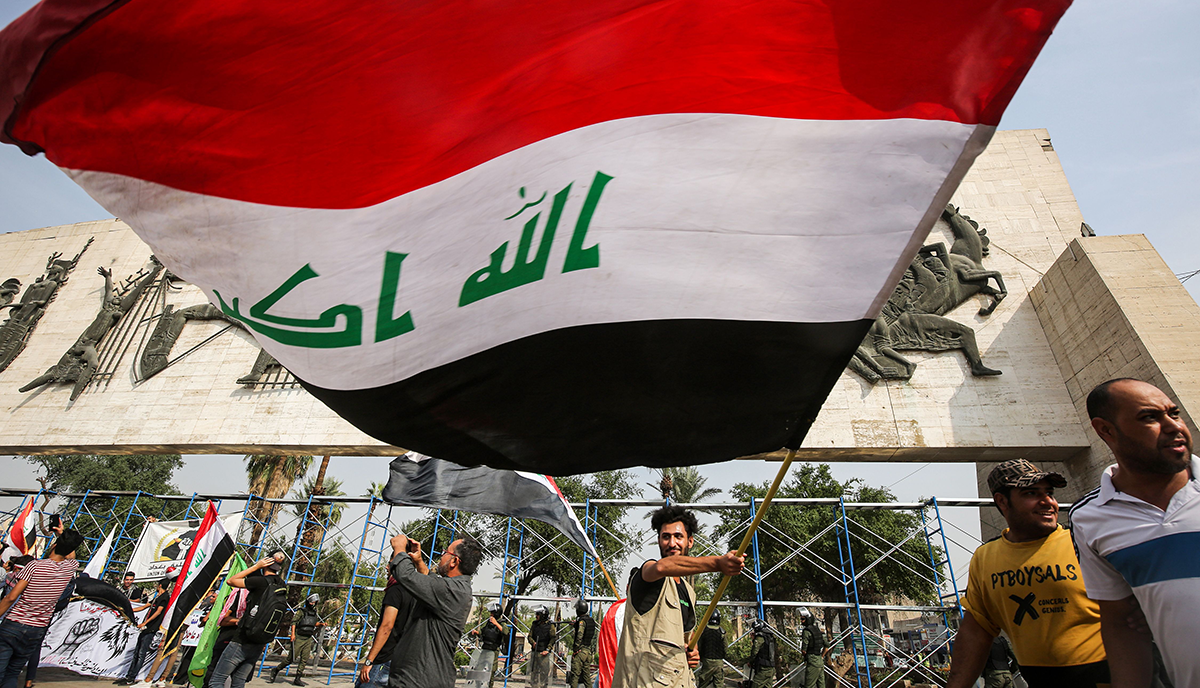
    With the approach of Iraq’s next parliamentary elections in October 2021, pro-reform candidates are facing troubling obstacles as they prepare to compete against the country’s establishment parties, which include armed militias that have dominated Iraq’s parliament since 2018. To ensure a fair electoral playing field, reformers are asking the international community to quickly step up elections-related assistance and planned oversight, as well as publicly reaffirm a readiness to call out observed violations.

    March 22, 2021

    Water scarcity could lead to the next major conflict between Iran and Iraq
    Photo by Feriq Ferec/Anadolu Agency/Getty Images
  • التحليل
  • Water scarcity could lead to the next major conflict between Iran and Iraq

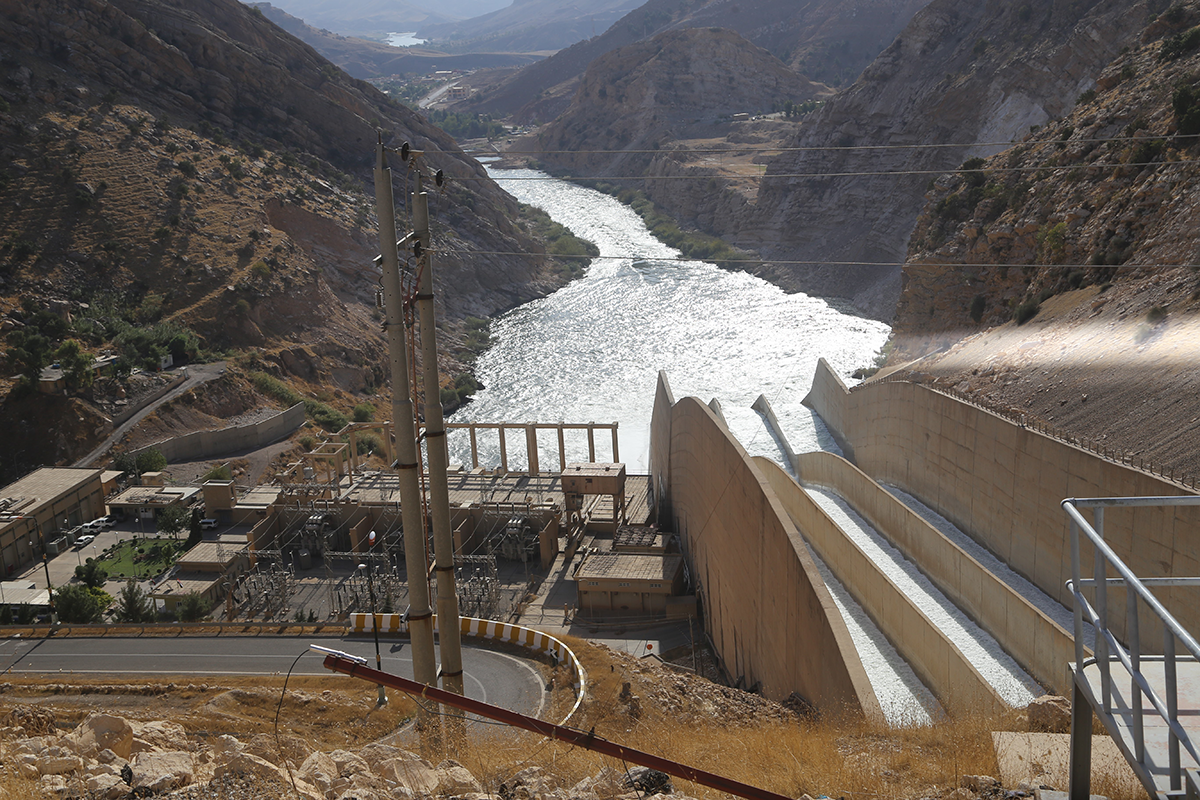
    Iran and Iraq are frequently at odds over water issues. Iraq depends on the Tigris and Euphrates rivers for nearly all of its water. But Iran is building dams to redivert some of that water, causing alarm and creating major water shortages for Iraq.

    March 18, 2021

    The coming US-China cold war: The view from the Gulf
    Photo by Lintao Zhang/Getty Images
  • التحليل
  • The coming US-China cold war: The view from the Gulf

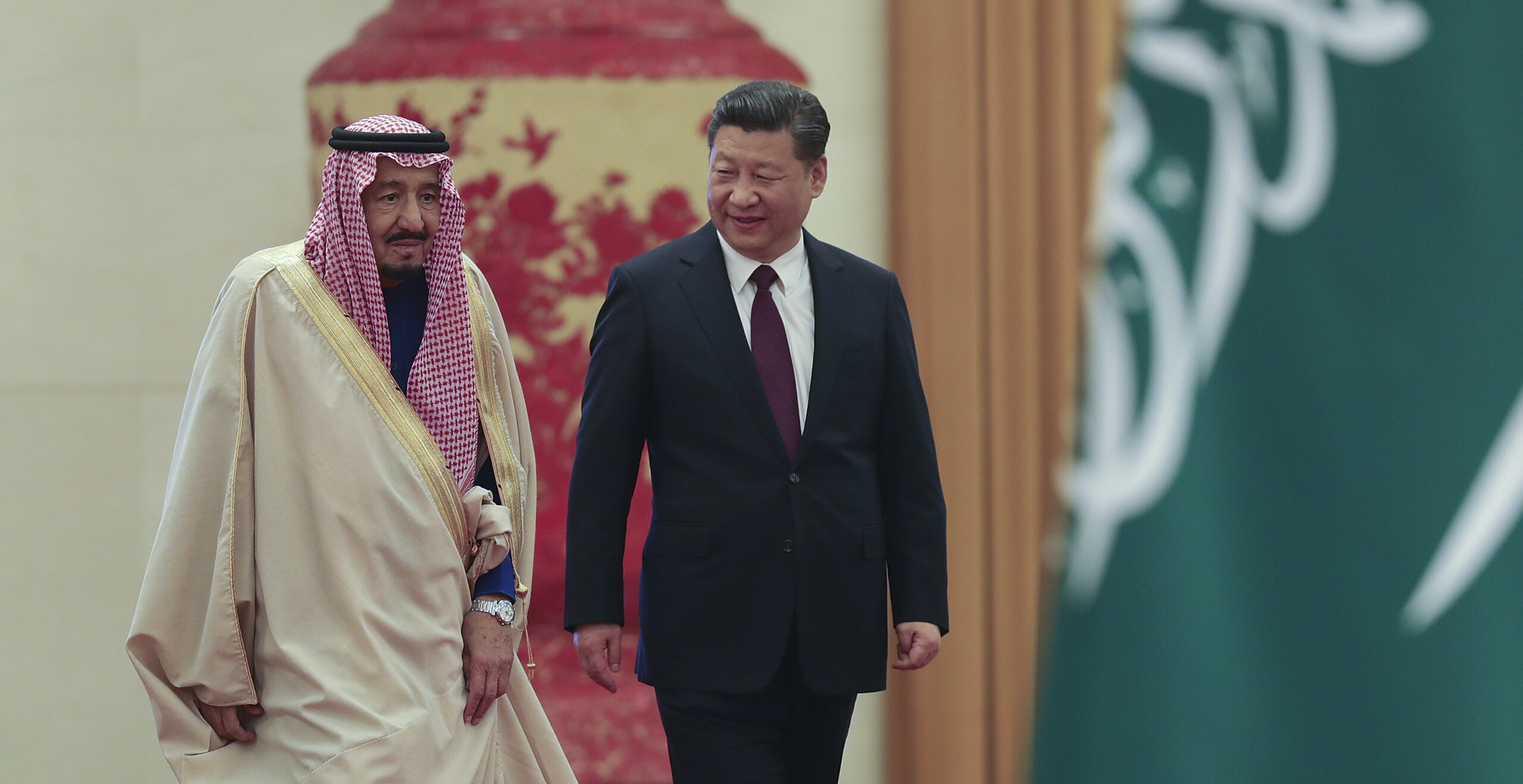
    Around the world, leaders are scrambling to define their strategy for dealing with the inevitable U.S.-China cold war to come, and the Gulf is no exception. Considering the different objectives and perspectives that the region has in regard to the two superpowers, any misstep in forming alliances could be detrimental to its future.

    After last year’s crisis, Pakistan and Saudi Arabia pursue a reset
    Photo by Bandar Algaloud/Saudi Kingdom Council /Handout/Anadolu Agency/Getty Images
  • التحليل
  • After last year’s crisis, Pakistan and Saudi Arabia pursue a reset

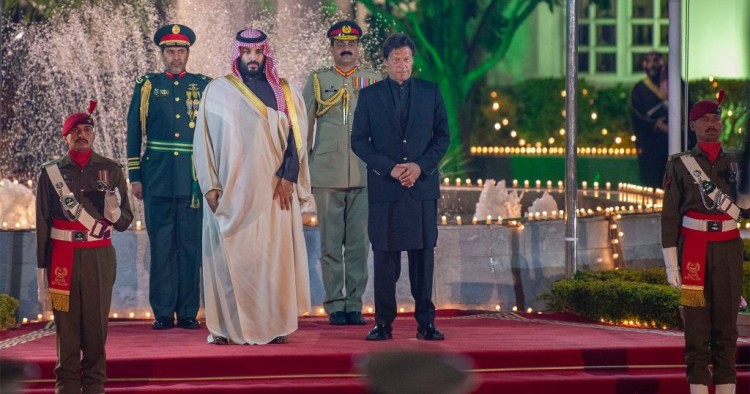
    After last year’s much-publicized spat between Pakistan and Saudi Arabia — culminating with Riyadh’s demand for early repayment of $3 billion in loans meant to shore up Islamabad’s foreign exchange reserves — tensions between the two countries have since cooled. Pakistan and Saudi Arabia appear to be in the midst of a reset of relations.

    March 11, 2021

    Iranian and Saudi women: Overcoming comparative suffering?
    الصورة من ATTA KENARE/AFP عبر Getty Images
  • التحليل
  • Iranian and Saudi women: Overcoming comparative suffering?

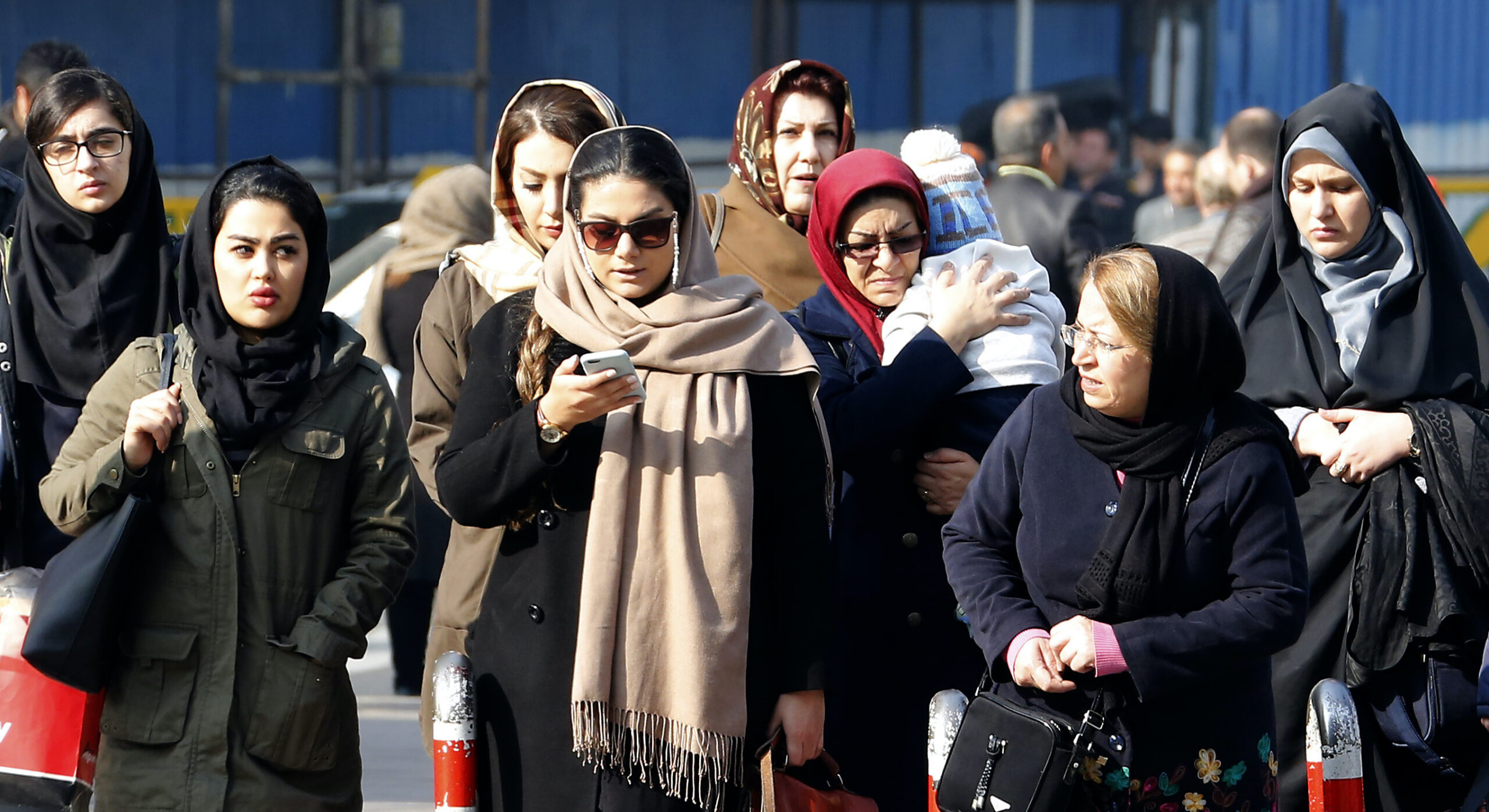
    For many decades, Iran and Saudi Arabia have been bitter rivals, but not over women. If there was a competition, it was only over whose government could impose more limitations on their female population.

    March 8, 2021

    OPEC+ extends production cuts as Riyadh and Moscow find common ground
    Photo by Omar Marques/SOPA Images/LightRocket via Getty Images
  • التحليل
  • OPEC+ extends production cuts as Riyadh and Moscow find common ground

    On March 4, OPEC+ members agreed to maintain their current production cut levels into April, and the Saudi- and Russia-led cartel’s decision further strengthened the upward trajectory of oil prices. While there were differing opinions among the OPEC+ members regarding the state of the global economy, the group’s unanimous decision reflects Riyadh’s current take on the markets, which is that the health of the world’s economy remains fragile as the recovery from the pandemic continues.

    March 8, 2021

    Waiting for a miracle in Iraq
  • التحليل
  • Waiting for a miracle in Iraq

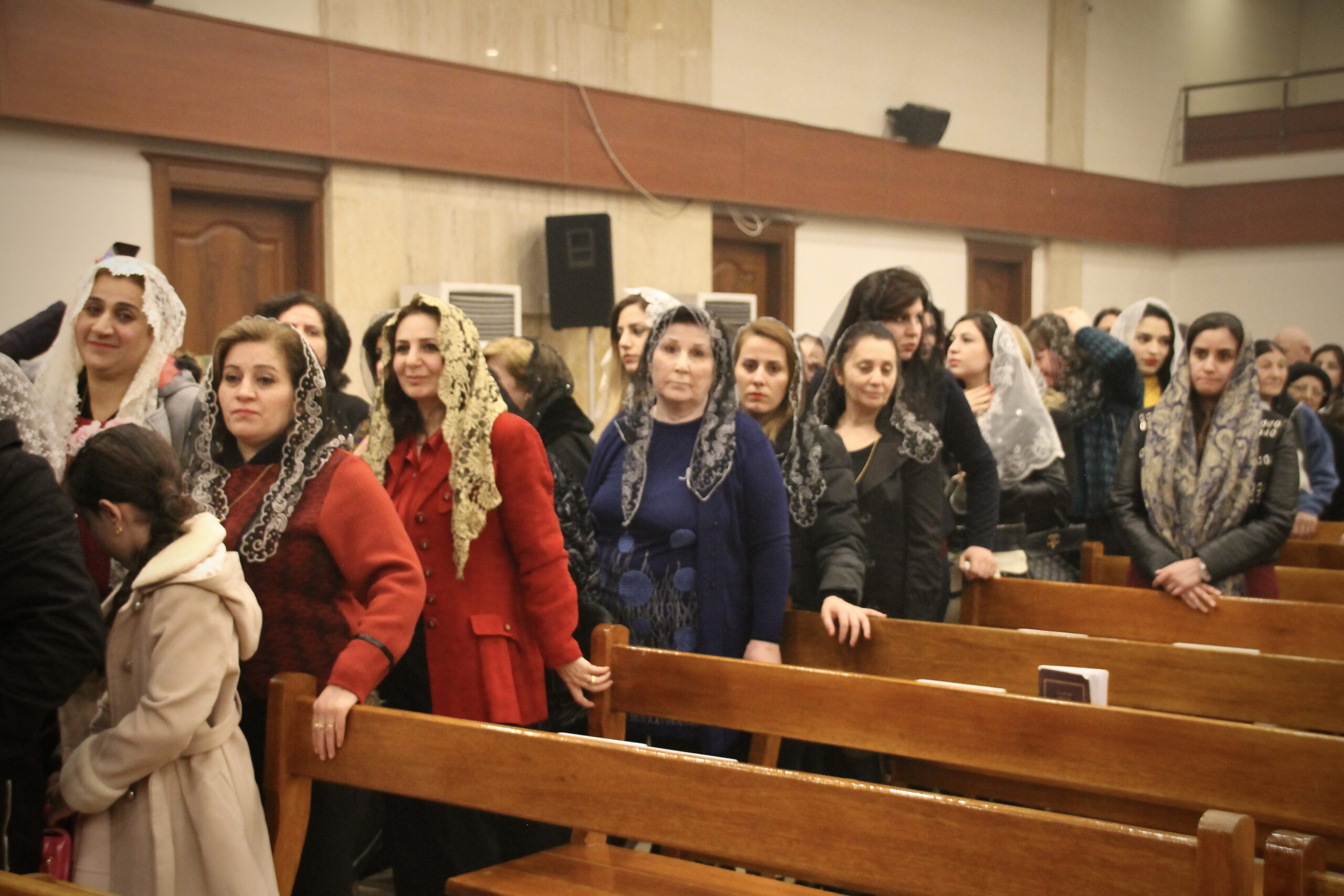
    Only two days after an extremist attack that saw 14 missiles rain down on Erbil, and in the midst of a new coronavirus surge and lockdown, the Chaldean Catholic Archbishop of Mosul, Najeeb Michaeel, was optimistic about the upcoming visit of Pope Francis.

    “Everyone is very happy about this historic event,” he said of Iraq’s inaugural papal visit, from his home in Ankawa, Erbil’s Christian enclave, which has given refuge to thousands of those displaced by ISIS. A previously planned visit in 2000 by Pope John Paul II to Ur, birthplace of the Prophet Abraham according to the Torah, was foiled by protracted negotiations with the government of Saddam Hussein. In 2020, Pope Francis had to cancel a trip due to security and pandemic concerns.
    February 27, 2021

    Geo-technology trends to watch in MENA in the 2020s
    Photo by GIUSEPPE CACACE/AFP via Getty Images
  • التحليل
  • Geo-technology trends to watch in MENA in the 2020s

    Ongoing conflicts in Syria, Libya, and Yemen are expected to continue to destabilize the Middle East and North Africa (MENA) in 2021. However, technology will likely add another layer of complexity to these conflicts and reshape the region throughout the 2020s. When the Arab Spring began a decade ago, the biggest challenge facing long-standing Arab autocrats was grappling with the power of social media and the rise of online political opposition by tech-savvy millennial activists. In the 2020s, however, regional governments are now facing a new set of emerging technologies that will shape not only domestic politics but also regional geopolitical dynamics. These advancing technologies include: drone, cyber, and space technologies.