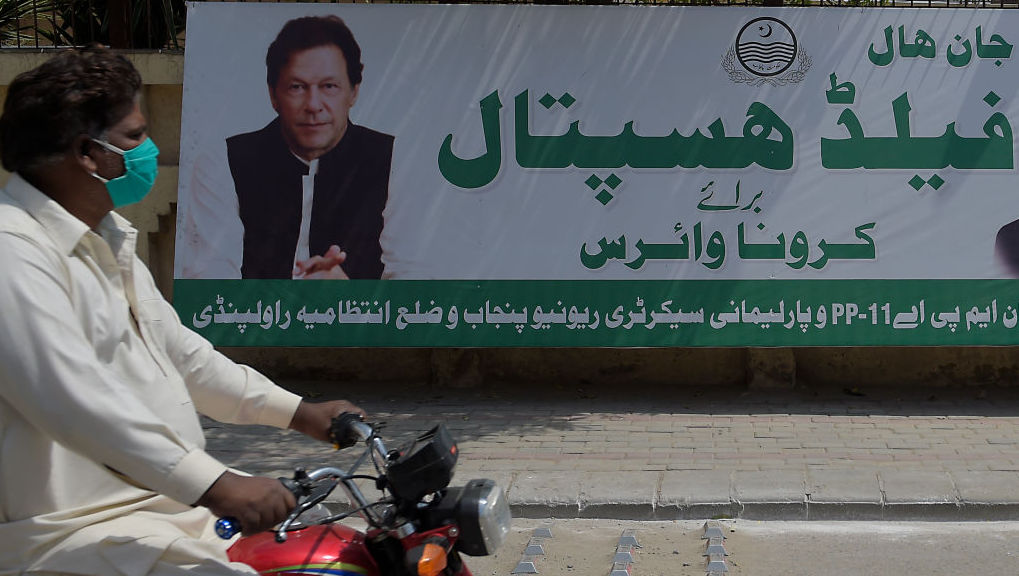
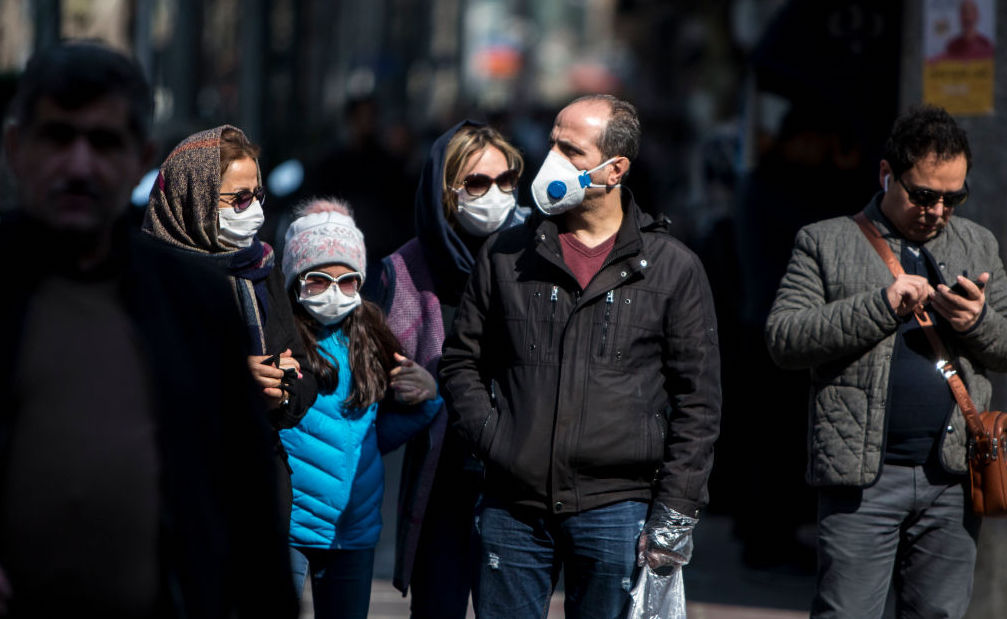
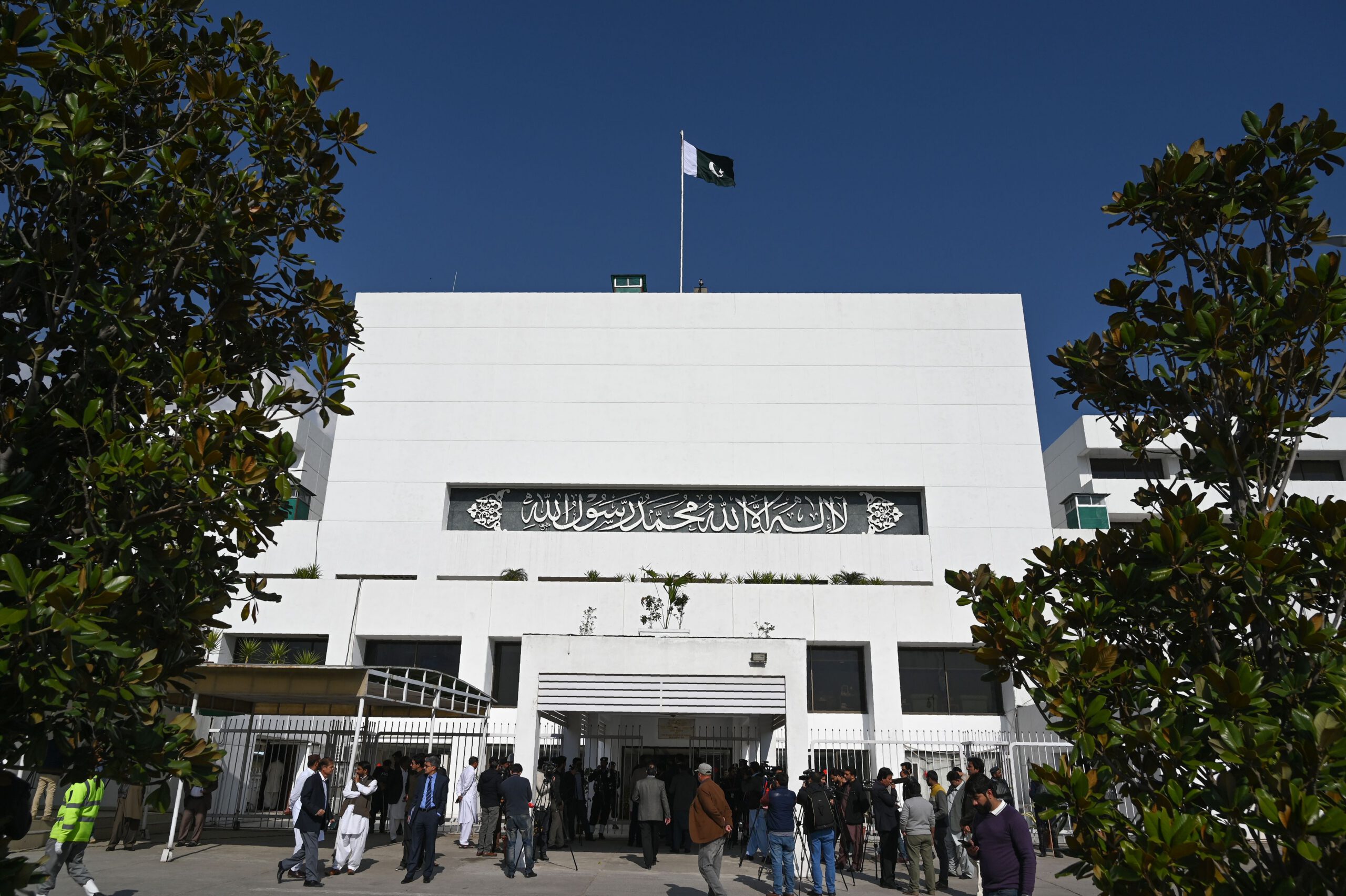
Pakistan’s coronavirus controversies fall along familiar fault lines
Rather than being visibly engaged, the military seems content with having the civilian authorities carry the responsibility for dealing with the crisis.
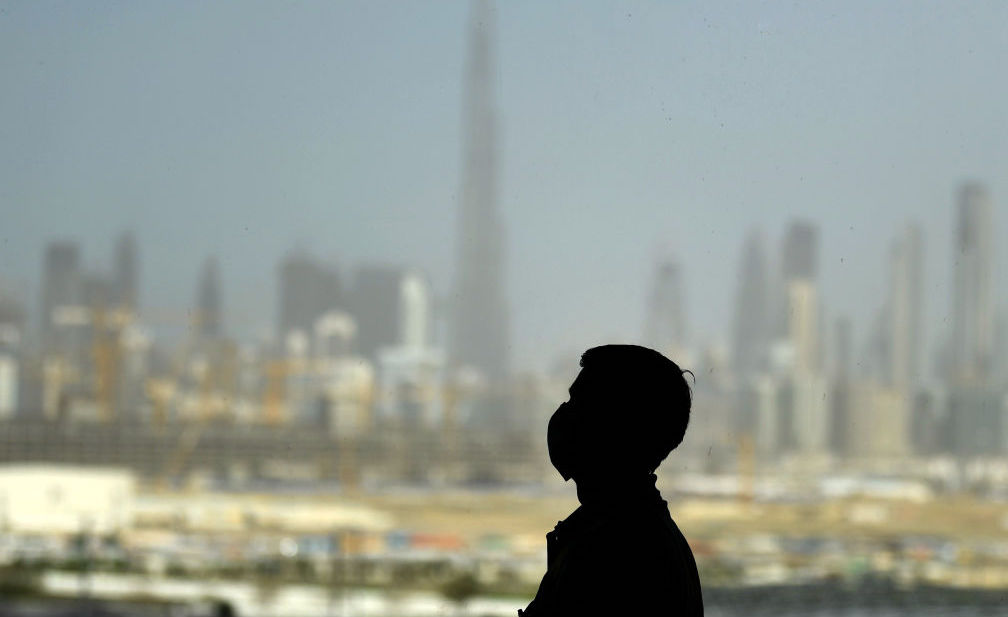
COVID-19, the oil price war, and the remaking of the Middle East
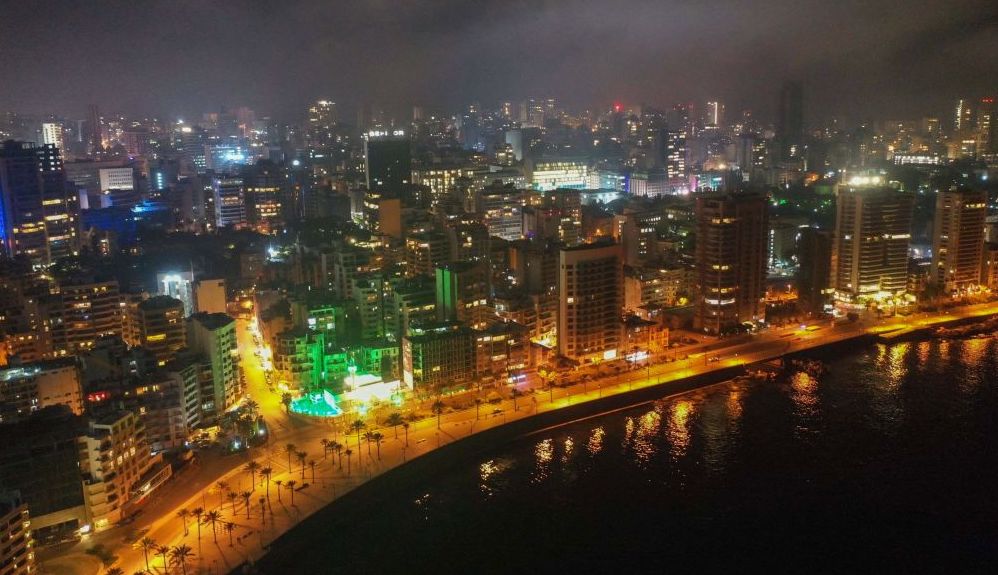
The Middle East is facing an unexpected turning point. The region will not look the same after COVID-19 as it did before it. The geoeconomics and geopolitics of the world are in free fall because of COVID-19, the oil price war, and a severe economic shutdown. For the Middle East and the Gulf monarchies in particular, the oil price war against Russia and U.S. shale and the shutdown of economies around the world have increased the pressure on the Gulf’s already-depleted financial resources, which usually act as a safety valve for the turbulent region.
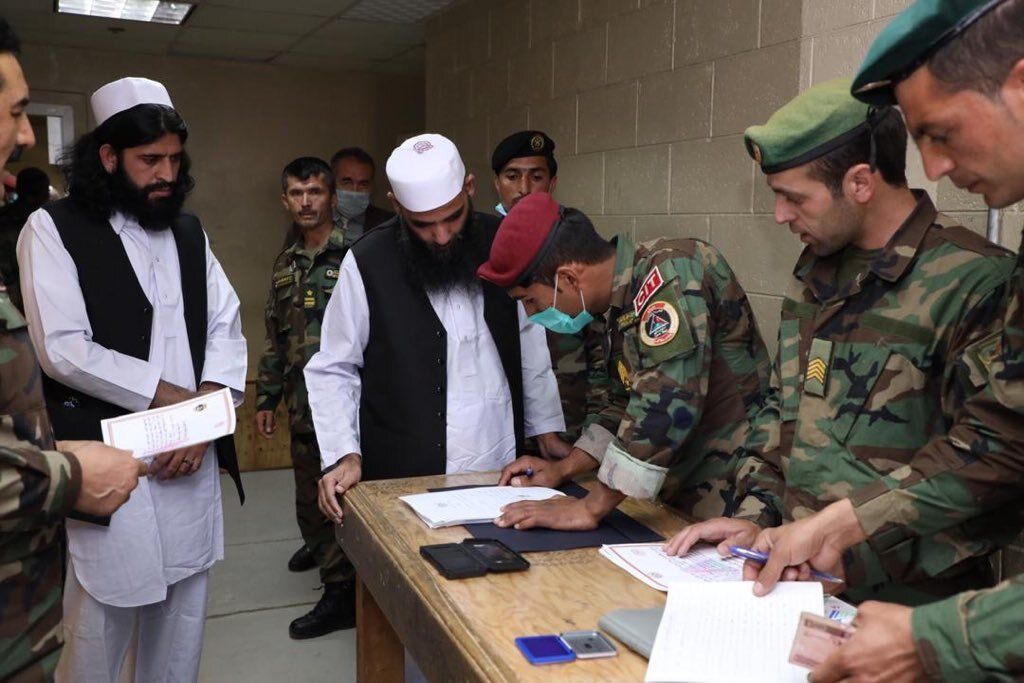
Vanda Felbab-Brown, Michael Kugelman, and Marvin Weinbaum join host Alistair Taylor to discuss the recent US-Taliban agreement in Afghanistan, the political power struggle over the presidency, the challenges facing the intra-Afghan dialogue, and the effects of coronavirus.
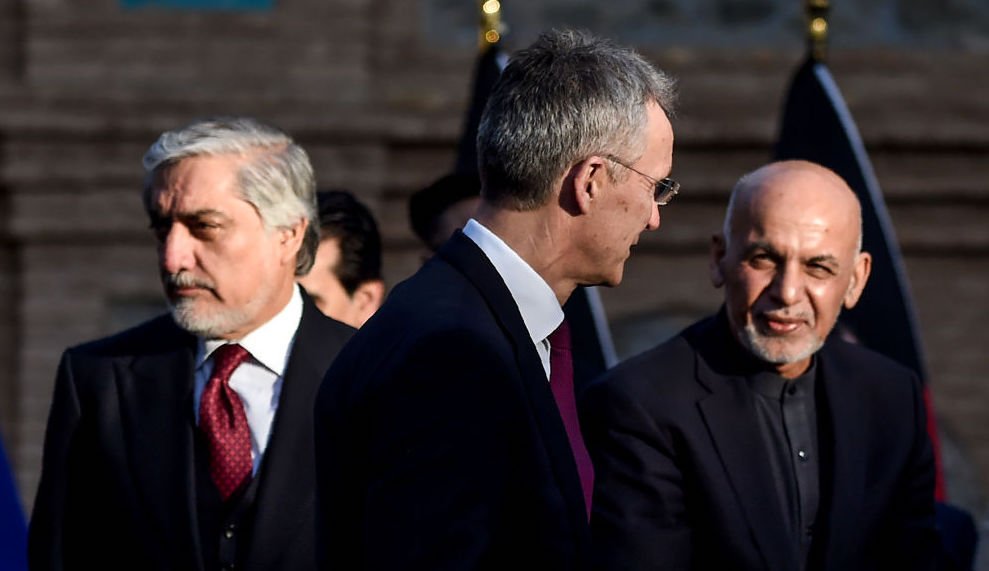
Uncertainty and chaos as Afghanistan’s political crisis deepens
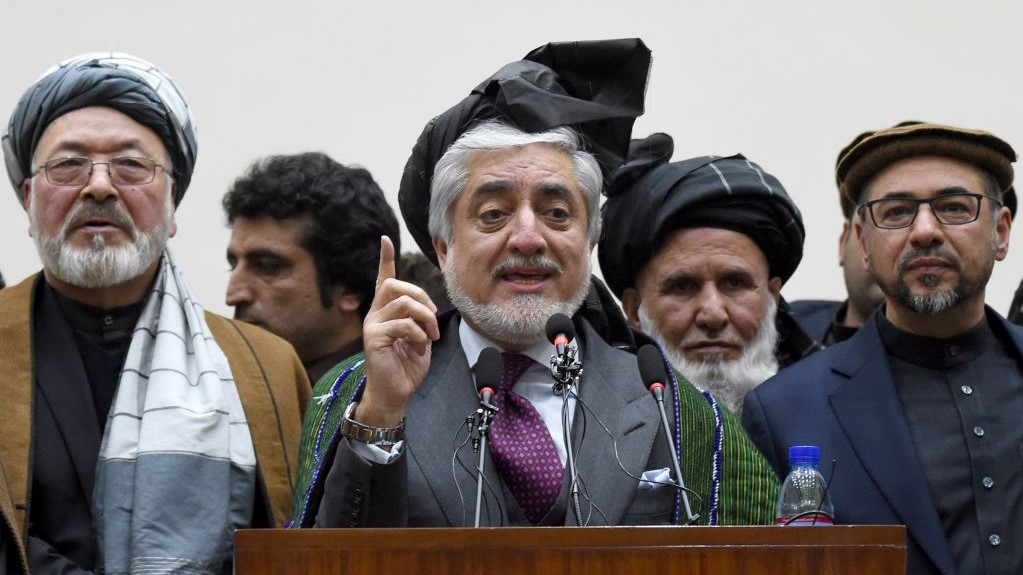
On March 9, Afghanistan’s sitting president, Ashraf Ghani, took the oath of office for a second term. However, on the same day the country’s chief executive, Abdullah Abdullah, also declared himself president at a rival swearing-in ceremony. The controversy has plunged the country into further political uncertainty and potential chaos, dashing hopes of an immediate return to peace following the historic U.S.-Taliban deal on Feb. 29.
Seizing the Moment for Change: Pathways to a Sustainable US-Pakistan Relationship
It is a near truism that U.S. relations with Pakistan have been historically unstable, waxing and waning, climbing to heights of interdependence and sinking to mutual recrimination. Yet this is presently a period unmarked by either high promise or driven by crisis. Rather than a reason, however, for leaving the relationship untouched and unexamined, this can be a time of unusual opportunity to create a more deliberative approach to thinking about the bilateral relationship and for shaping fresh initiatives.
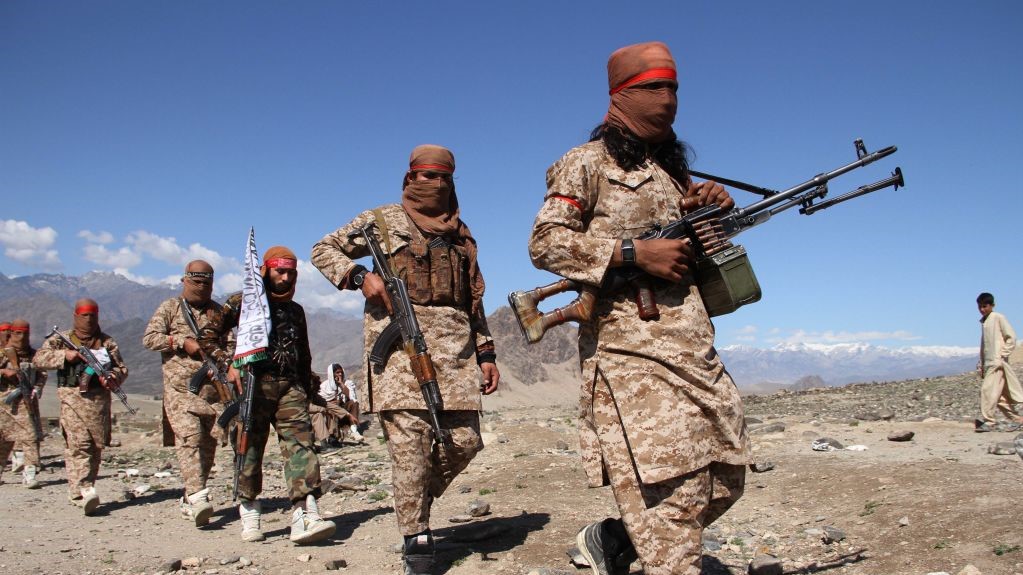
US and Taliban move closer to a deal, but major questions remain
Whatever else it may do, the pending agreement is intended to provide the political cover for a U.S. departure from Afghanistan at an opportune time with this an election year.
US policy in Afghanistan: Smoke and mirrors, but not yet hopeless
18 years after CIA and U.S. special operations elements touched down in Afghanistan to pursue al-Qaeda and topple the Taliban, ongoing, incremental troop reductions reveal the smoke and mirrors manner in which the U.S. is withdrawing from the conflict in lieu of a negotiated settlement.