Tehran Celebrates Arsal "Victory" as Sign of Hezbollah’s Growing Power
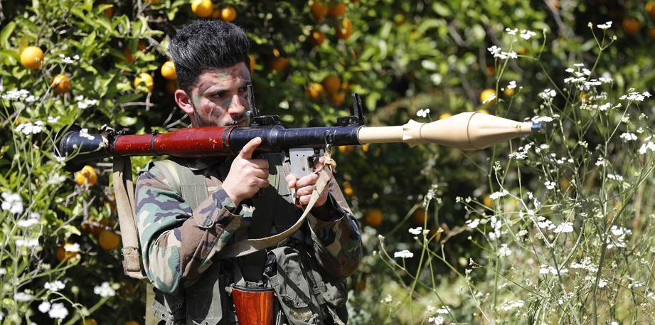
From Tehran’s view, Hezbollah’s military operation against Nusra Front militants on the outskirts of the Lebanese town of Arsal near the Syrian border signifies Hezbollah’s growing political and military influence in Lebanon and the broader region. “There was more cooperation between Hezbollah and the Lebanese Army in the battle of Arsal than at any time in the past. And this cooperation signifies fundamental changes in Lebanon’s political sphere.
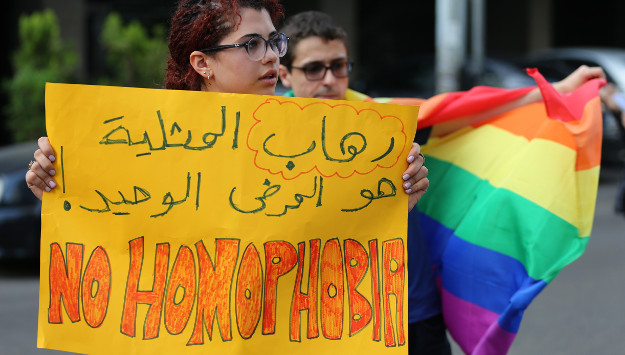
One of the most revealing moments of the recently concluded Ramadan TV season occurred in the new Egyptian series, Don’t Turn Off the Sun. A newly-wedded young wife finds out that her husband is having an affair with his male friend; a liaison that ultimately leads to the dissolution of their marriage. The most telling aspect of what was potentially perceived as a provocative move from the series’ makers was the fact that it didn’t stir any controversy at all.
Iran’s Islamic Azad University Plans to Open New Branches in Lebanon and Iraq
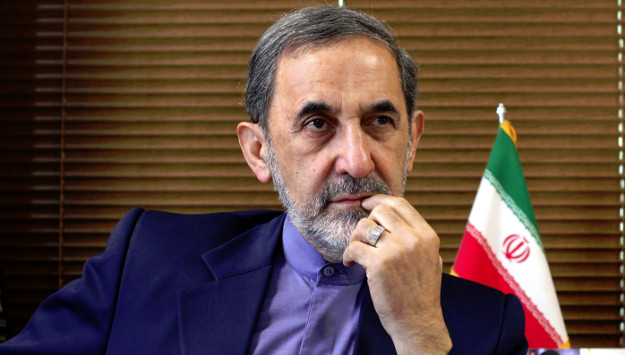
Iran’s Islamic Azad University (IAU) plans to open new branches in Lebanon and Iraq, according to Ali Akbar Velayati, the head of the university’s board of founders and an influential political figure in the Islamic Republic.
Israel and Hezbollah have recently raised the profile of their long quiescent front across the Blue Line border. Warnings have increased that a conflict will soon engulf Lebanon, and perhaps even draw in the United States. Hezbollah’s leader Hassan Nasrallah has threatened to attack Israel’s nuclear reactor at Dimona and Israeli chemical installations in Haifa.
Israel to Announce Settlement Expansion | Monday Briefing
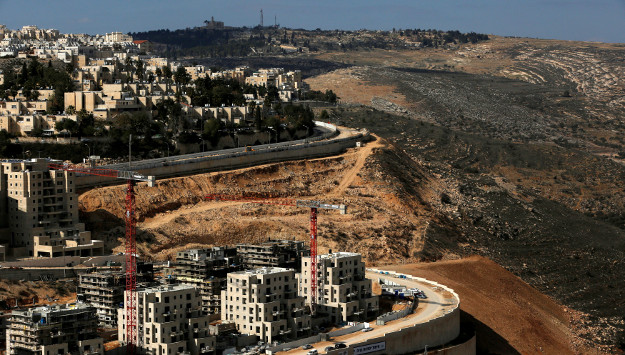
In this week’s Monday Briefing, MEI experts Yousef Munayyer, Randa Slim, and Paul Salem provide analysis on recent and upcoming events including Israel’s expected announcement of new settlement expansion, the escalating risk of a clash between U.S.-backed and pro-Iranian forces in southeastern Syria, and Lebanon’s efforts to pass a reformed election law.
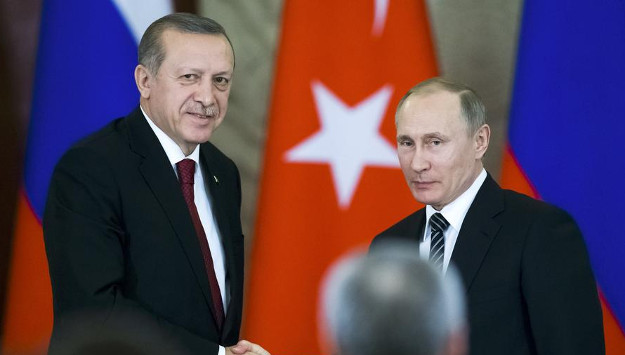
In this week’s Monday Briefing, MEI experts Gonul Tol, Randa Slim, Alex Vatanka, Marvin G. Weinbaum, and Mabrouka M’Barek provide analysis on recent and upcoming events including Turkish President Erdogan’s upcoming meeting with Russian President Putin, the upcoming speech by Hezbollah Secretary General Nasrallah, the suprising popularity of Rouhani’s VP in the Iranian Presidential Race, the Taliban’s new Spring offensive, and protests in Tunisia over a government proposal to give amnesty to the country’s corrupt financial elite.
Hezbollah, the Lebanese Sectarian State, and Sectarianism
This essay discusses Hezbollah’s gradual acceptance of Lebanon’s sectarian political system, the means by which it has achieved hegemony over Lebanon’s Shiite population, and how its intervention in Syria has accentuated sectarianism and Sunni-Shiite tensions in Lebanon.
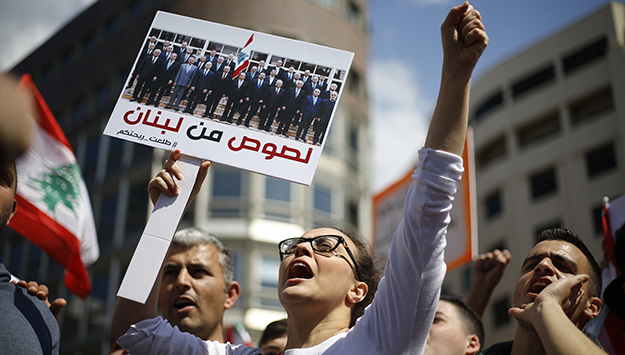
Lebanese protesters were out on the streets again over the weekend, this time against a new national budget that includes a number of tax hikes. The government claims the tax hikes are necessary to fund an overdue pay raise for public sector employees. In a country steeped in overt corruption—Lebanon ranks 136 of 176 states in Transparency International’s Corruption Perception Index—that message was always going to be a tough sell.
I.R.G.C.-Linked Media Delegation Visits Beirut to Discuss Regional Issues with Hezbollah Leaders
A senior delegation of Iran’s Tasnim News Agency has held meetings with a number of high-ranking officials of the Lebanese Hezbollah in Beirut, the Iranian media reports.
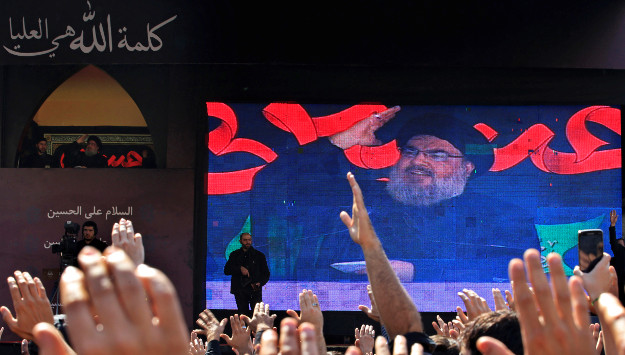
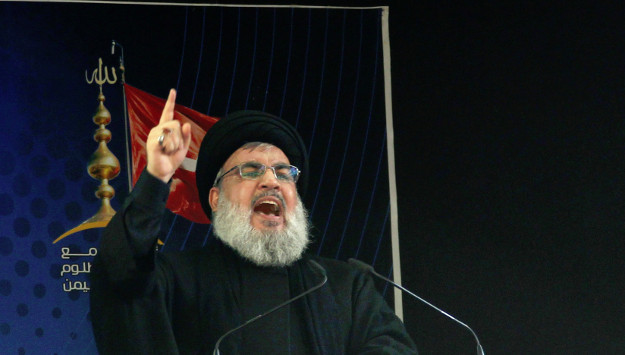
In a fiery speech, Hassan Nasrallah, the head of Lebanon’s Hezbollah organization, has threatened Jerusalem with devastating military response in the event of a new round of conflict between Hezbollah and Israel.
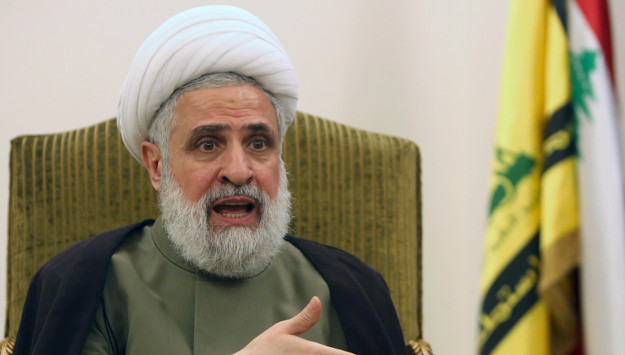
Hezbollah Deputy Leader Expresses Gratitude to Iran and Syria
The deputy head of Lebanon’s Hezbollah organization, Naim Qassem, has again come out to remind a skeptical Lebanese population about reasons why the militant group has intervened in the Syrian conflict. According to Qassem, Hezbollah’s approach is “non-interference in the affairs of other countries” but
Lebanon’s Government Should Lay the Groundwork for Fairer Representation and Accountability
The Lebanese parliamentary electoral system is the worst in the world. It ensures that a small sectarian oligarchy can monopolize control of parliament and state power, and it sets impossible obstacles to the rise of new political parties and alternative leadership. The necessary remedy is to introduce proportional representation, either through the mixed system proposed by the National Electoral Law Commission headed by Fouad Boutros in 2006, or through other variations proposed by a number of groups since then.