Western Sahara: It’s Time for the People to Choose
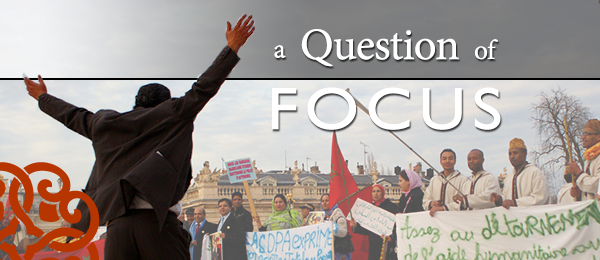
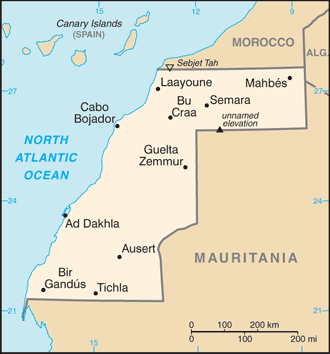
The latest diplomatic dance on whether or not former US Ambassador Christopher Ross should be allowed to continue to mediate UN-led talks between the Frente Polisario and Morocco on the future of Western Sahara is symptomatic of a much bigger problem ― the large powers’ unwillingness to advance an end to a dispute that they mistakenly see as peripheral to their strategic interests, and their resultant acquiescence in the brutal and illegal occupation of Western Sahara by Morocco for more than 35 years.
Western Sahara: Deferred Referendum or Lasting Settlement?
Over the last decade, the dispute over the future status of the Western Sahara territory, which has set Morocco and the Algeria-backed pro-independence Polisario front in opposition, has entered a qualitatively new phase. This is due to attempts at finding a negotiated outcome instead of the long-delayed self-determination referendum. The idea of a political solution to break a twice deadlocked (1997 and 2000) UN self-determination referendum for the Western Sahara territory has steadily revived the prospect of autonomous status for the territory within Moroccan jurisdiction.
Dr. Makram-Ebeid, along with ten other liberal and leftists members, recently resigned from Egypt's Constituent Assembly in protest over its Islamist majority, leaving only five women and five Christians remaining in the assembly. With the transition process in turmoil, a diverse coalition of Egyptian generals, liberals, bureaucrats, and judges are turning to the courts to attempt to diversify the composition of the Constituent Assembly, which is currently almost entirely dominated by Islamists – both Salafists and members of the Muslim Brotherhood.
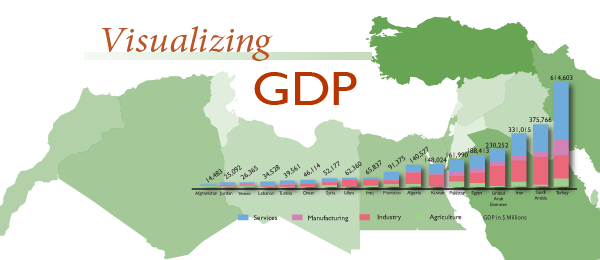
Arab Economic Challenges and Opportunities in the Wake of the Upsrisings
What are some of the fundamental socio-economic features they all share and what steps must they take if their economies are to enjoy sustained growth in the medium to long term? Dr. Toufic Gaspard, the economic adviser to Lebanon's minister of finance, will focus on Arab economies in Egypt and the Levant to examine how to solve the dominant regional problems of unemployment and poor productivity with the goal of establishing social and political stability.
Egypt and the Dynamics of Transition and Revolution
Today, more than a year after the Tahrir Square protests toppled the Mubarak regime, tension remains between the old guard and the new. As the Muslim Brotherhood works to assert political authority, the military elite, as represented by the Supreme Council of the Armed Forces, seeks to retain some vestige of power in government. Dr. Ghabra posits that the ongoing attempts on the part of the SCAF to retain control over Egypt's political future will not succeed, given the new political awareness and involvement of Egyptian citizens.
Dr. George Gavrilis of the Hollings Center for International Dialogue will serve as the discussant. The talk will focus on Younis's recent publication in the Turkish Policy Quarterly on the role of Turkey in a changing MENA region and the potential influence it can have on the process of democratization in Egypt. Younis will also share some insights from Gallup's polling in other Arab Spring countries on the public's perceptions of the challenges facing their nations following the uprisings of 2011.