Biden’s Options in Afghanistan
The United States and Pakistan must work together to secure the country’s future.
“من غير المرجح حدوث تقارب، ما لم ير المصريون تقدمًا فيما يتعلق بالقضايا التي يعتبرونها إشكالية، لا سيما ليبيا وشرق البحر المتوسط”.
اقرأ تقرير MEI الأسبوعي الذي يتضمن تحليلات الخبراء للتطورات الإقليمية الرئيسية للأسبوع المقبل.
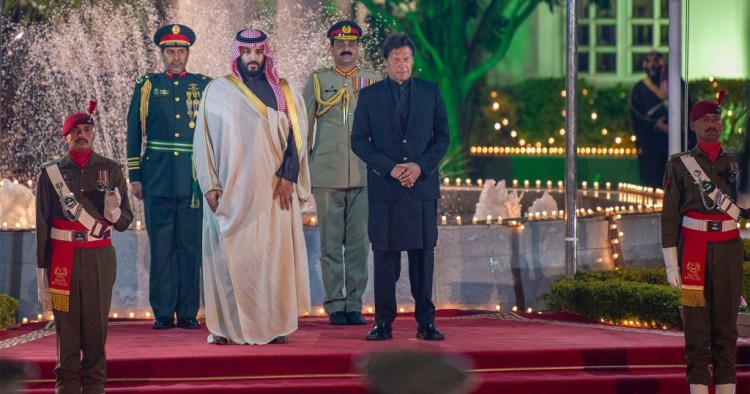
After last year’s much-publicized spat between Pakistan and Saudi Arabia — culminating with Riyadh’s demand for early repayment of $3 billion in loans meant to shore up Islamabad’s foreign exchange reserves — tensions between the two countries have since cooled. Pakistan and Saudi Arabia appear to be in the midst of a reset of relations.
In a new policy briefing book, entitled The Biden Administration and the Middle East: Policy Recommendations for a Sustainable Way Forward, MEI scholars tackle a large number of country-specific and region-wide issue areas, laying out both the abiding U.S. interests and specific recommendations for Biden administration policies that can further U.S. interests amid a region in turmoil.
“منذ وقت تدمير تماثيل بوذا، أثبتت طالبان عدم مبالاتها بالضغوط الدولية عند تحديد أهدافها”.
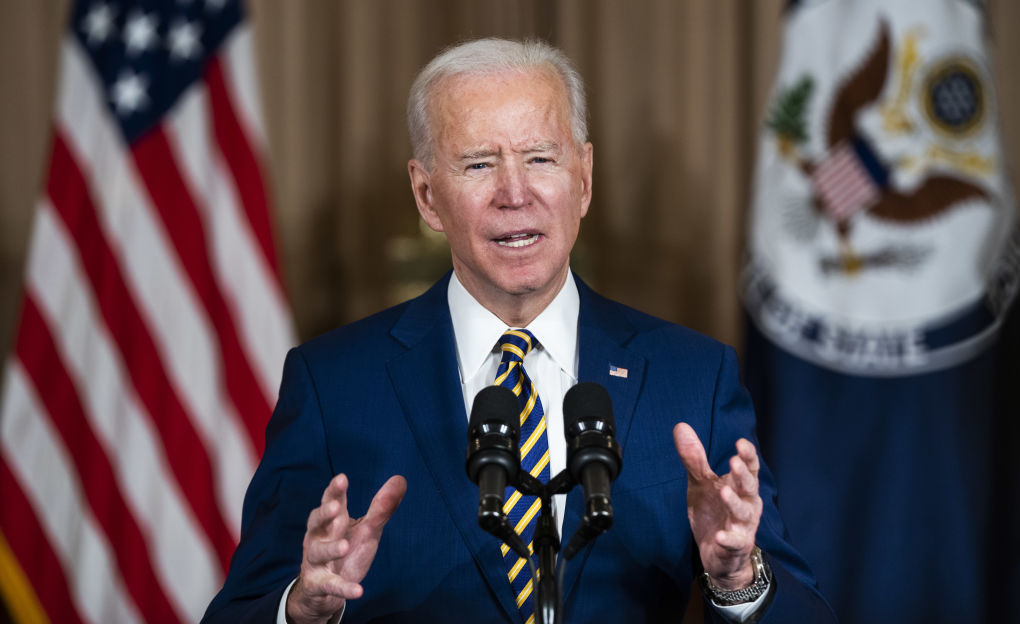
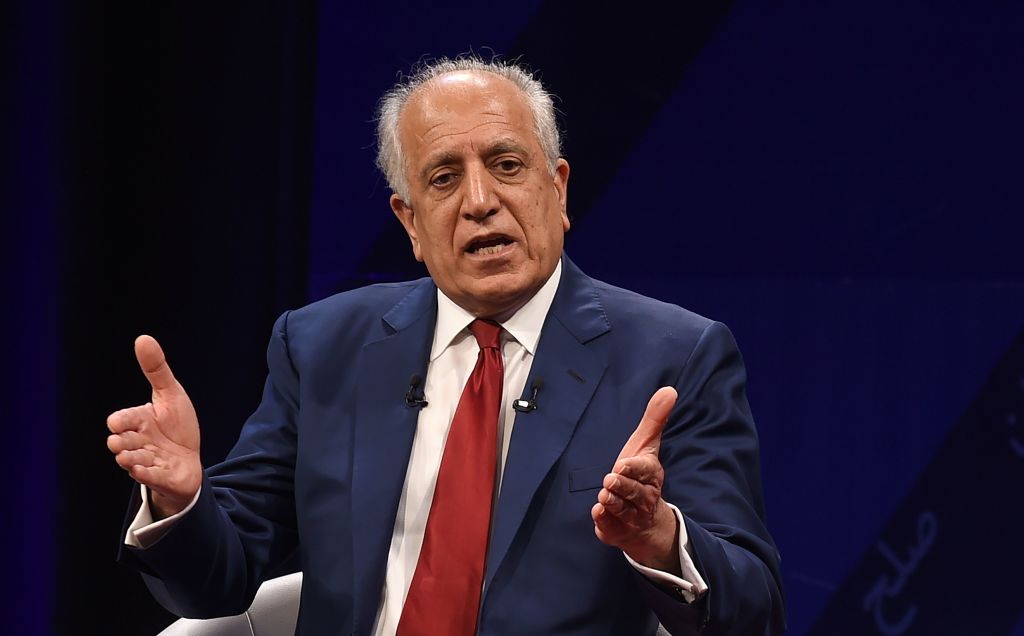
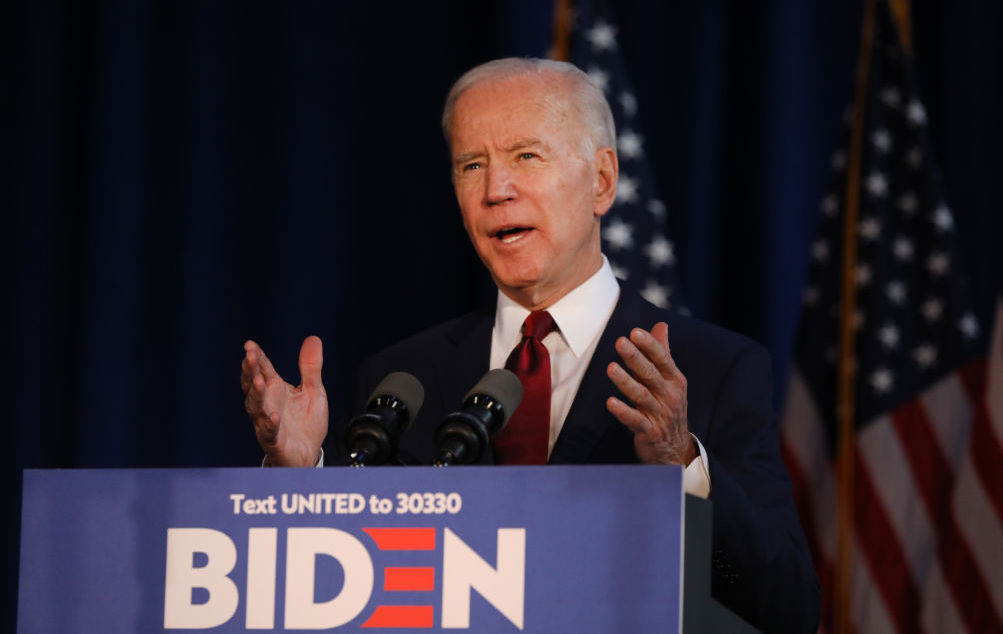
In his book Obama’s Wars, Bob Woodward describes a meeting about Afghanistan in the White House. He writes how Gen. David Petraeus said, “I understand the [Afghan] government is a criminal syndicate,” to which then-Vice President Joe Biden asked, “If the [Afghan] government is a criminal syndicate, a year from now, how will troops make a difference?” Mr. Biden’s question remains unanswered.
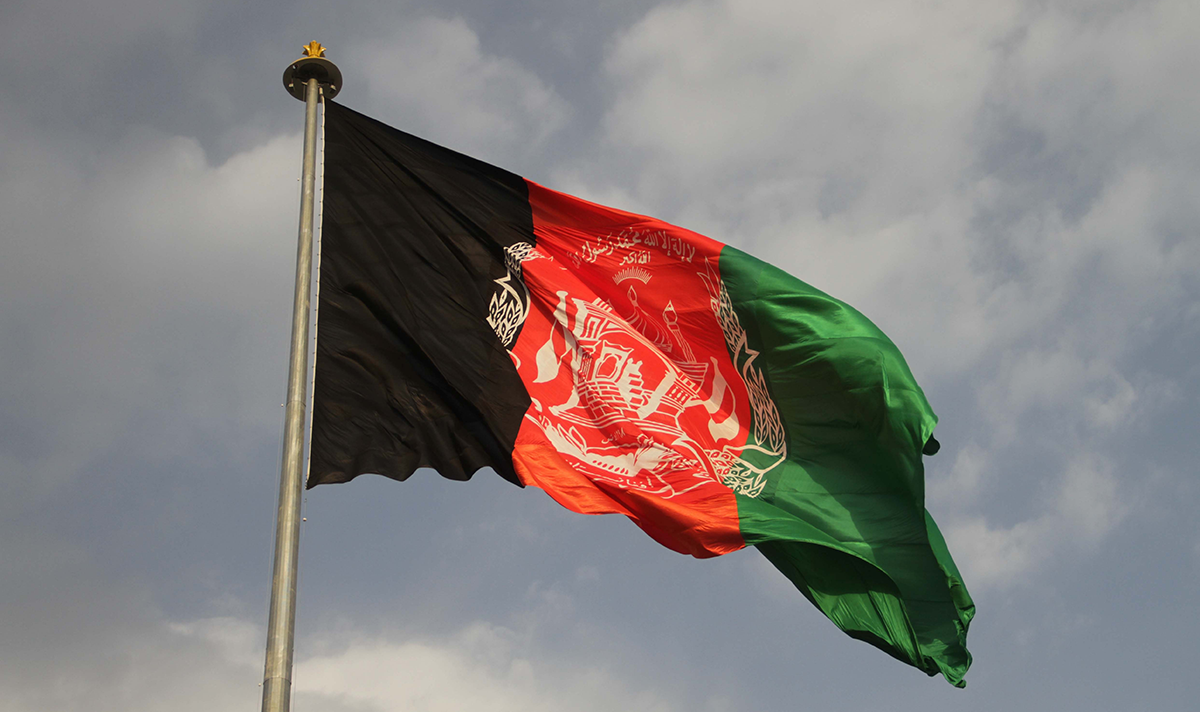
Biden, of course, is now the president. I wonder if he remembers his unanswered question from all those years ago. Despite the many years of tragic, seemingly endless war in Afghanistan, Mr. Biden’s question remains relevant today. I’ll take a shot at answering it: No number of troops could make a difference. The root of the problem is Washington’s willingness to partner with thieves and warlords.
اقرأ تقرير MEI الأسبوعي الذي يتضمن تحليلات الخبراء للتطورات الإقليمية الرئيسية للأسبوع المقبل.
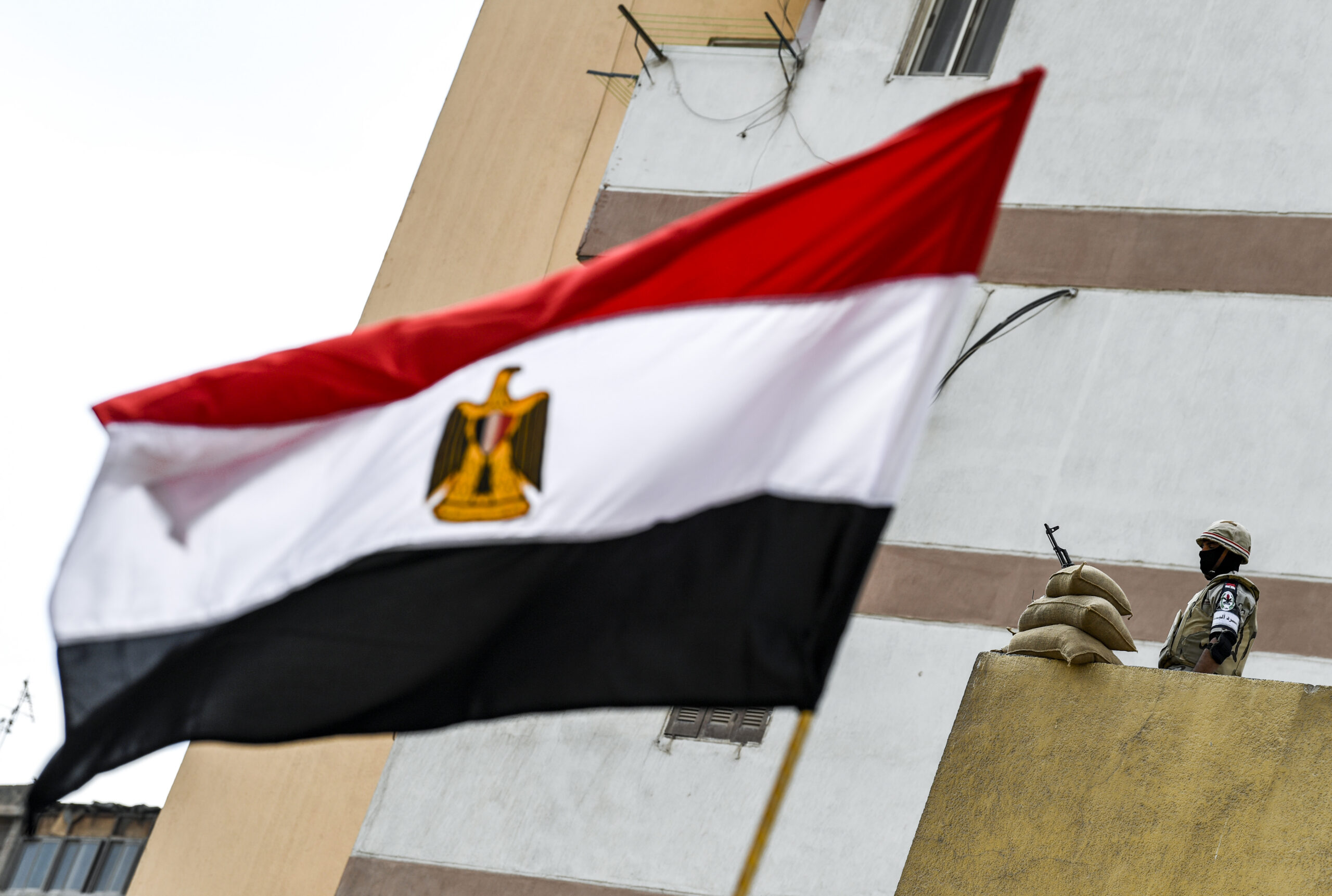
Thinking out of the box means recognizing that the old paradigm of scapegoating Israel undermines Egyptian national security interests.
اقرأ تقرير MEI الأسبوعي الذي يتضمن تحليلات الخبراء للتطورات الإقليمية الرئيسية للأسبوع المقبل.
Sahar Khamis, Sabina Henneberg, Karam Shaar, and Ibrahim Jalal join host Alistair Taylor to examine the legacy and impact of the Arab Spring in Tunisia, Egypt, Yemen, and Syria ten years after the uprisings began.
اقرأ تقرير MEI الأسبوعي الذي يتضمن تحليلات الخبراء للتطورات الإقليمية الرئيسية للأسبوع المقبل.
Jessica Donati, foreign affairs reporter for the Wall Street Journal, joins host Alistair Taylor to discuss her new book, Eagle Down: The Last Special Forces Fighting the Forever War.
Ongoing conflicts in Syria, Libya, and Yemen are expected to continue to destabilize the Middle East and North Africa (MENA) in 2021. However, technology will likely add another layer of complexity to these conflicts and reshape the region throughout the 2020s. When the Arab Spring began a decade ago, the biggest challenge facing long-standing Arab autocrats was grappling with the power of social media and the rise of online political opposition by tech-savvy millennial activists. In the 2020s, however, regional governments are now facing a new set of emerging technologies that will shape not only domestic politics but also regional geopolitical dynamics. These advancing technologies include: drone, cyber, and space technologies.
تحليل إقليمي متخصص من قبل باحثي ومساهمي معهد الشرق الأوسط.