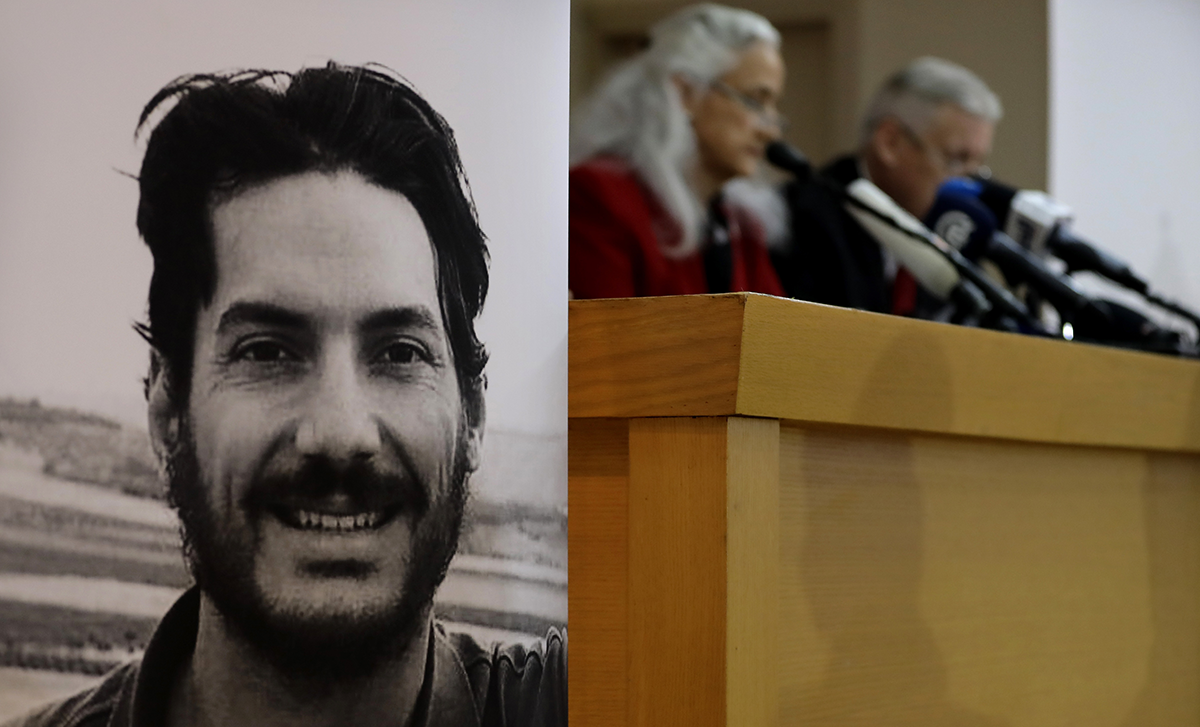
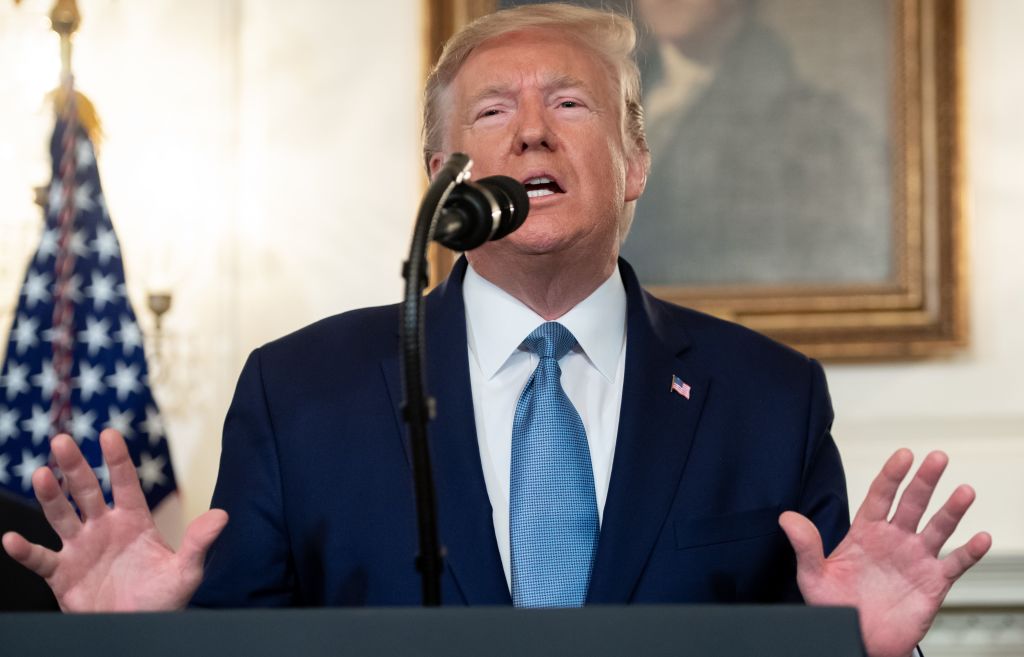
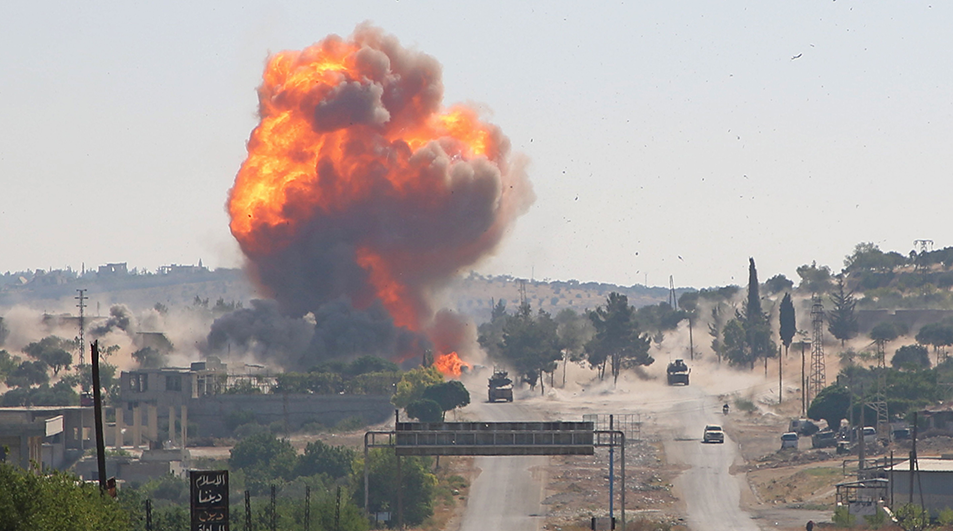
With a presidential election looming in the United States, the continuing crisis in Syria is unlikely to make headlines. Aside from the COVID-19 pandemic, raging wildfires, and the occasional flare-up of violence in Idlib, Syria has been largely off the radar in the U.S. for quite some time. Yet dramatic new revelations suggest that Syria could be on the administration’s agenda more prominently as President Donald Trump makes a serious, if desperate, move to secure American hostages thought by U.S. officials to be held in Damascus.
Monday Briefing: Secret diplomatic visit to Damascus raises questions about US Syria policy
This week’s briefing on recent news and upcoming events in the region featuring Charles Lister, Ruba Husari, Marvin G. Weinbaum, and W. Robert Pearson.
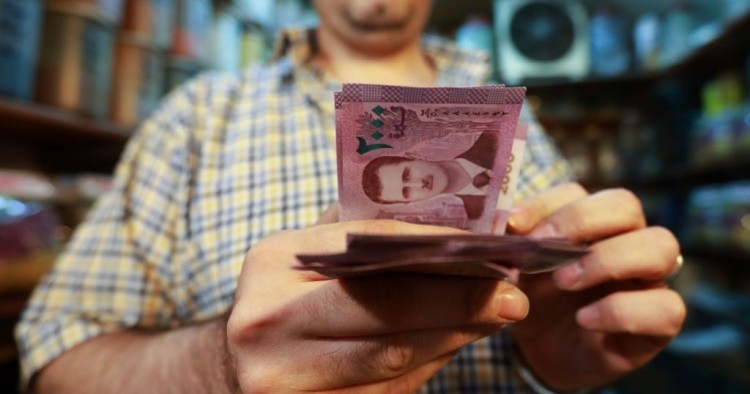
US sanctions hurt Syrian civilians — they need to be worth it
On June 17, 2020, the U.S. State Department’s special envoy to Syria, Joel Rayburn, announced the beginning of the “summer of Caesar,” promising a wave of sanctions designations under the newly activated Caesar Syria Civilian Protection Act. Summer has come and gone, but there’s little to show for it.
How are Russia and China responding to the Caesar Act?
The Caesar Civilian Protection Act sanctions on Syria, which were signed into law by U.S. President Donald Trump in December and took effect on June 17, have polarized the international community. Most European countries have supported the Caesar Act’s use of sanctions to punish Syrian President Bashar al-Assad for war crimes, but Russia and China have stridently criticized the legislation.
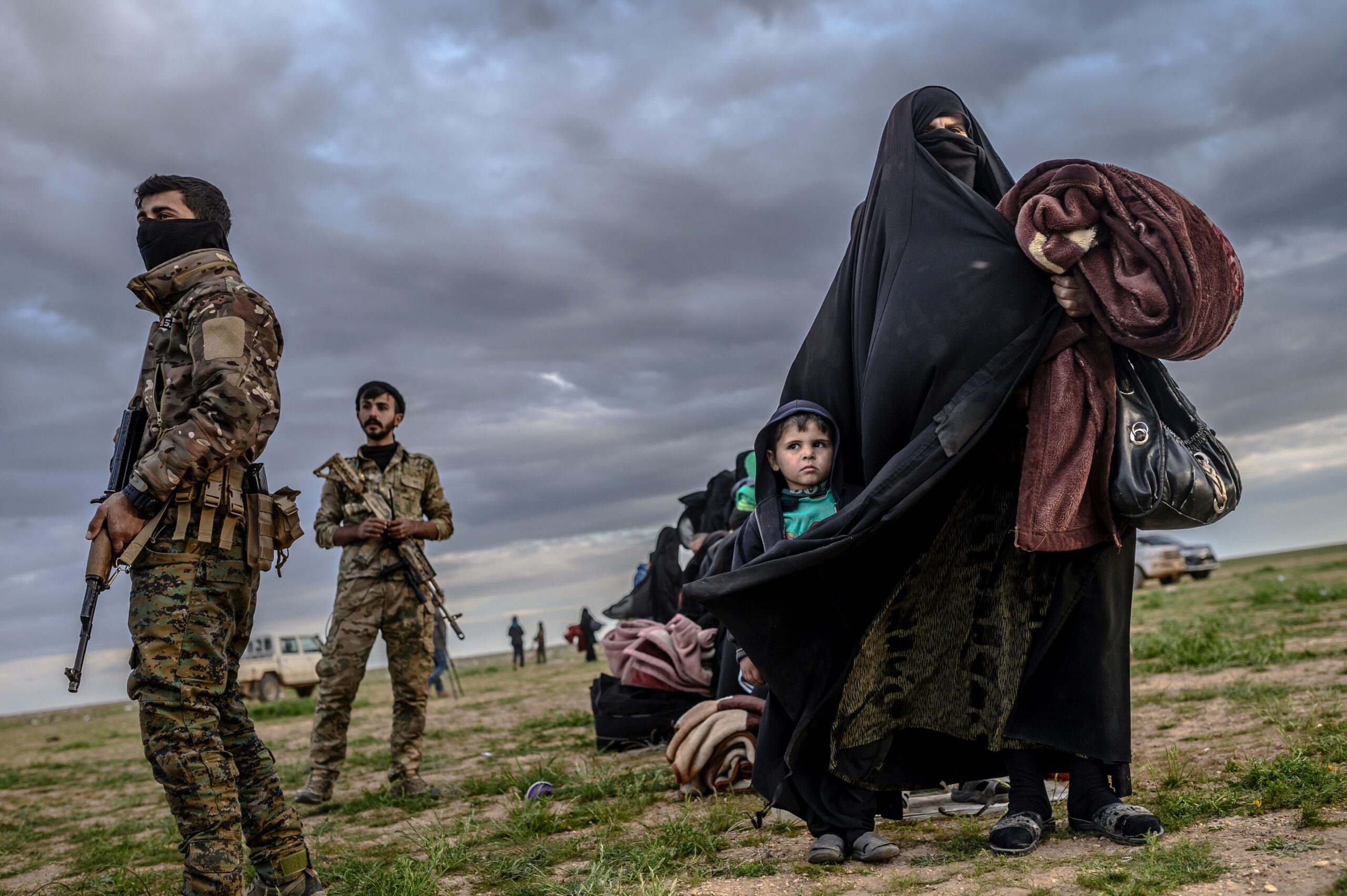
Jannah or Jahannam: Options for Dealing with ISIS Detainees
Thousands of former ISIS fighters and tens of thousands of civilians indoctrinated in the group’s extremist ideology currently sit in prisons and refugee camps across Iraq and Syria. Leaving the detainees there is dangerous, but transitioning them will require some type of accountability for the crimes committed. This paper explores options for international action to deal with the detention of ISIS members from Iraq and Syria and the foreign terrorist fighters who joined the group from around the globe.
Southern Syria: “Sibling feud” or engineered violence?
The significant increase in tit-for-tat kidnappings between Daraa governorate and As-Suwayda governorate has become a defining characteristic of volatile southern Syria. Contrary to the belief of many, instances of kidnappings between the “plain” (Daraa) and “mount” (As-Suwayda) of Hauran, which have been occurring since at least 2011, are not driven by Sunni-Druze sectarian hatred. Rather, the deteriorating economy, decline of agriculture, unemployment, desperate poverty, and abundance of weapons are the core factors pushing many individuals to participate in criminal groups and engage in profit kidnapping, drug dealing, and gun running.
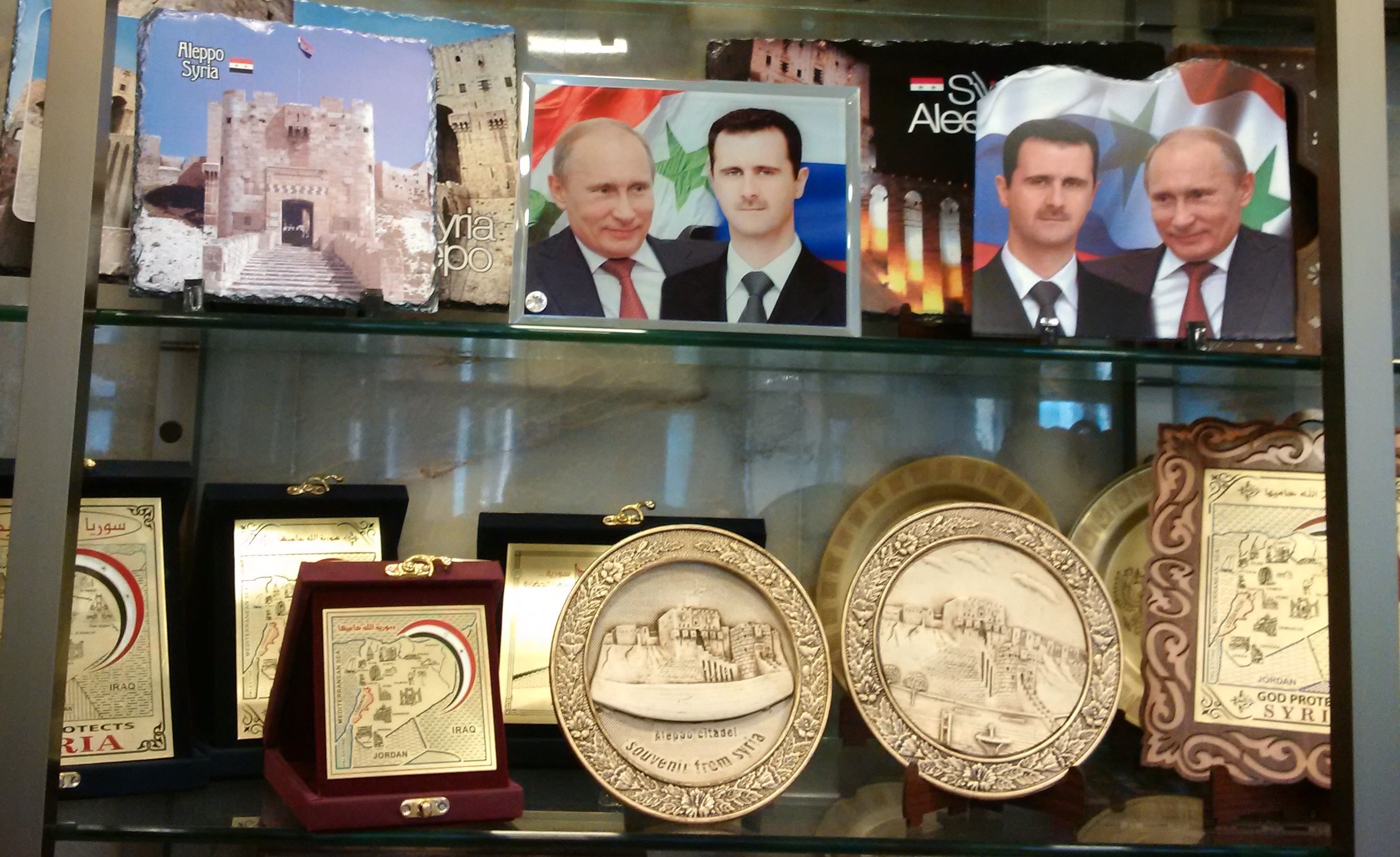
Political manipulation of cultural heritage is a powerful tool in the armory of soft power. Syria’s President Bashar al-Assad understands this well, as does Russia’s President Vladimir Putin and Turkey’s President Recep Tayyip Erdogan.
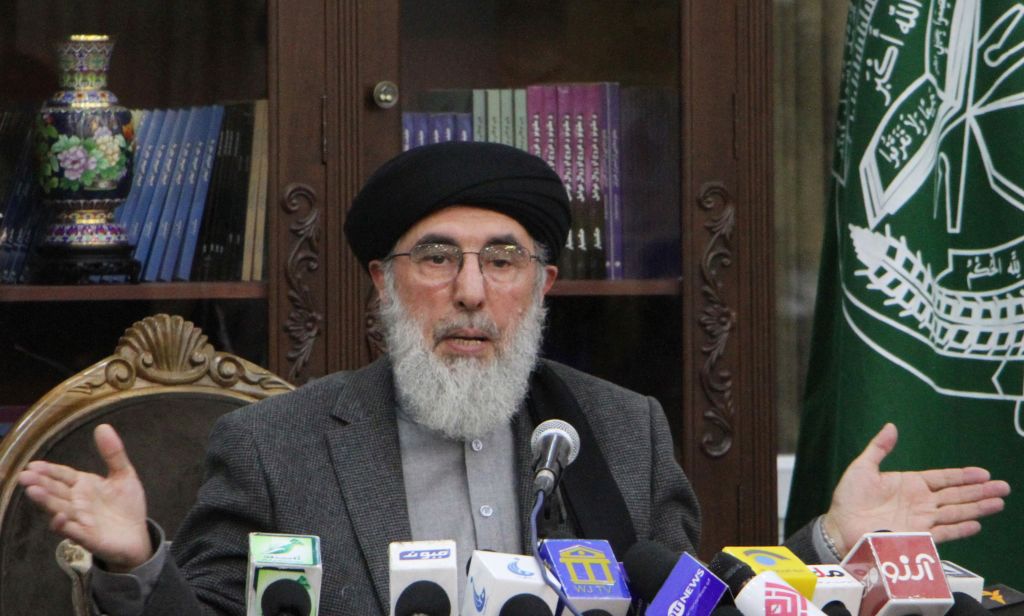
Monday Briefing: In Afghanistan a major player plans to jump ship
This week’s briefing on recent news and upcoming events in the region featuring Marvin G. Weinbaum, Charles Lister, Hafsa Halawa, Bilal Y. Saab, Anthony Elghossain, and Michael Sexton.
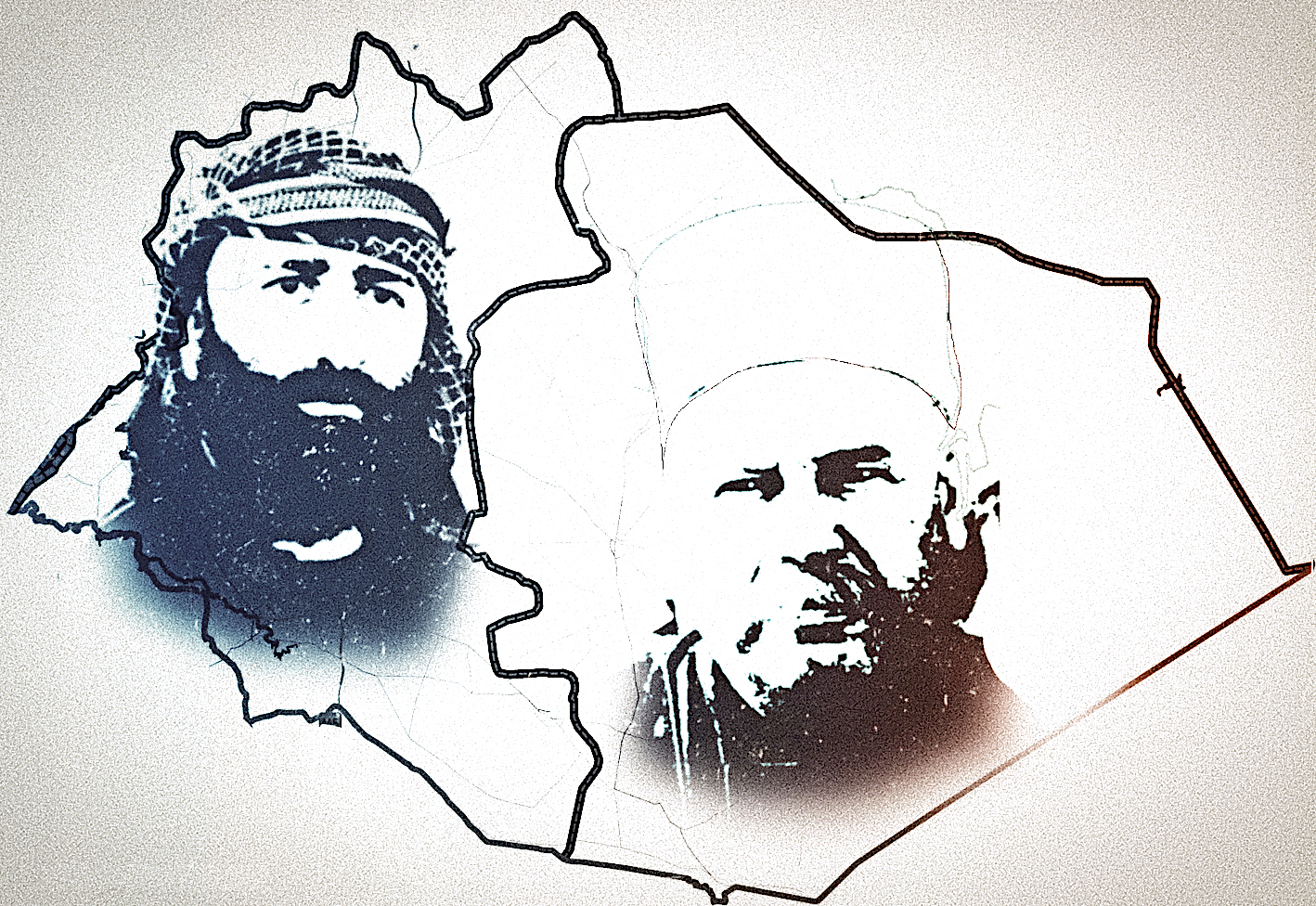
Foreign fighters have played a major role in Syria’s ongoing conflict, with a presence in the country that numbered in the tens of thousands at its peak. One of the most mythologized sources of foreign recruits has been Chechnya, the once-separatist province of Russia’s North Caucasus that was reconquered by the Russian army in the early 2000s. Several thousand Chechen fighters traveled to Syria to fight in various opposition and Islamist factions, where their battlefield prowess made them a prized commodity among Syrian rebel militants.
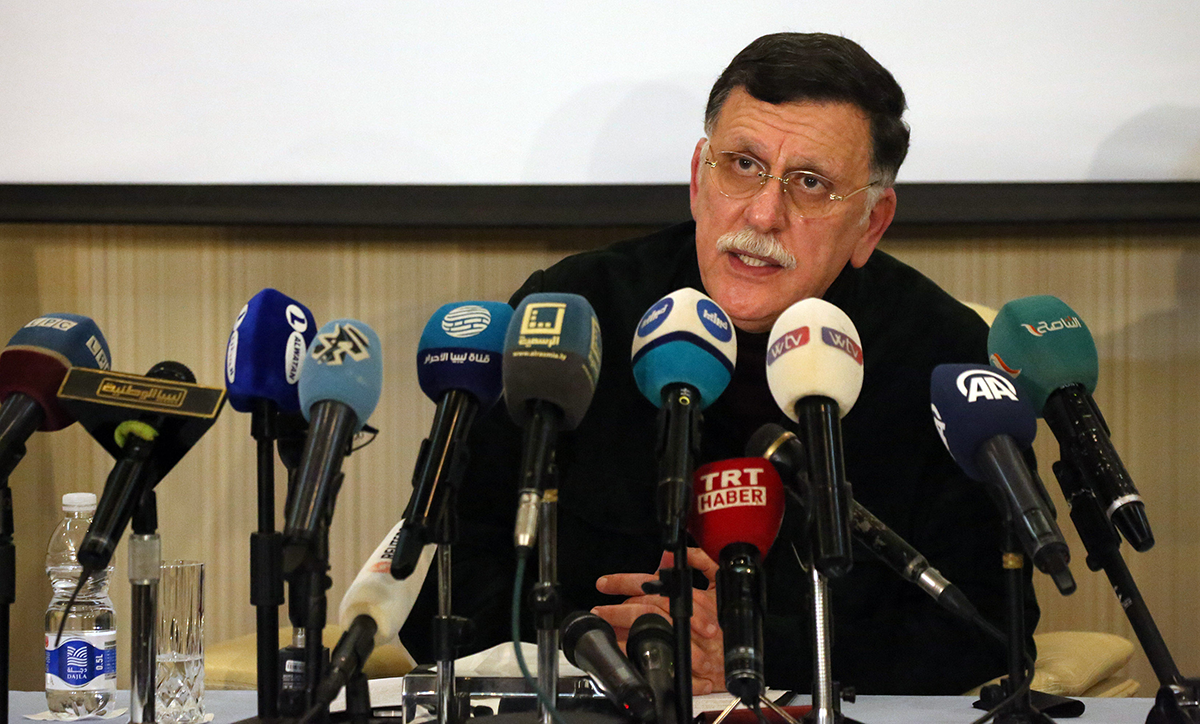
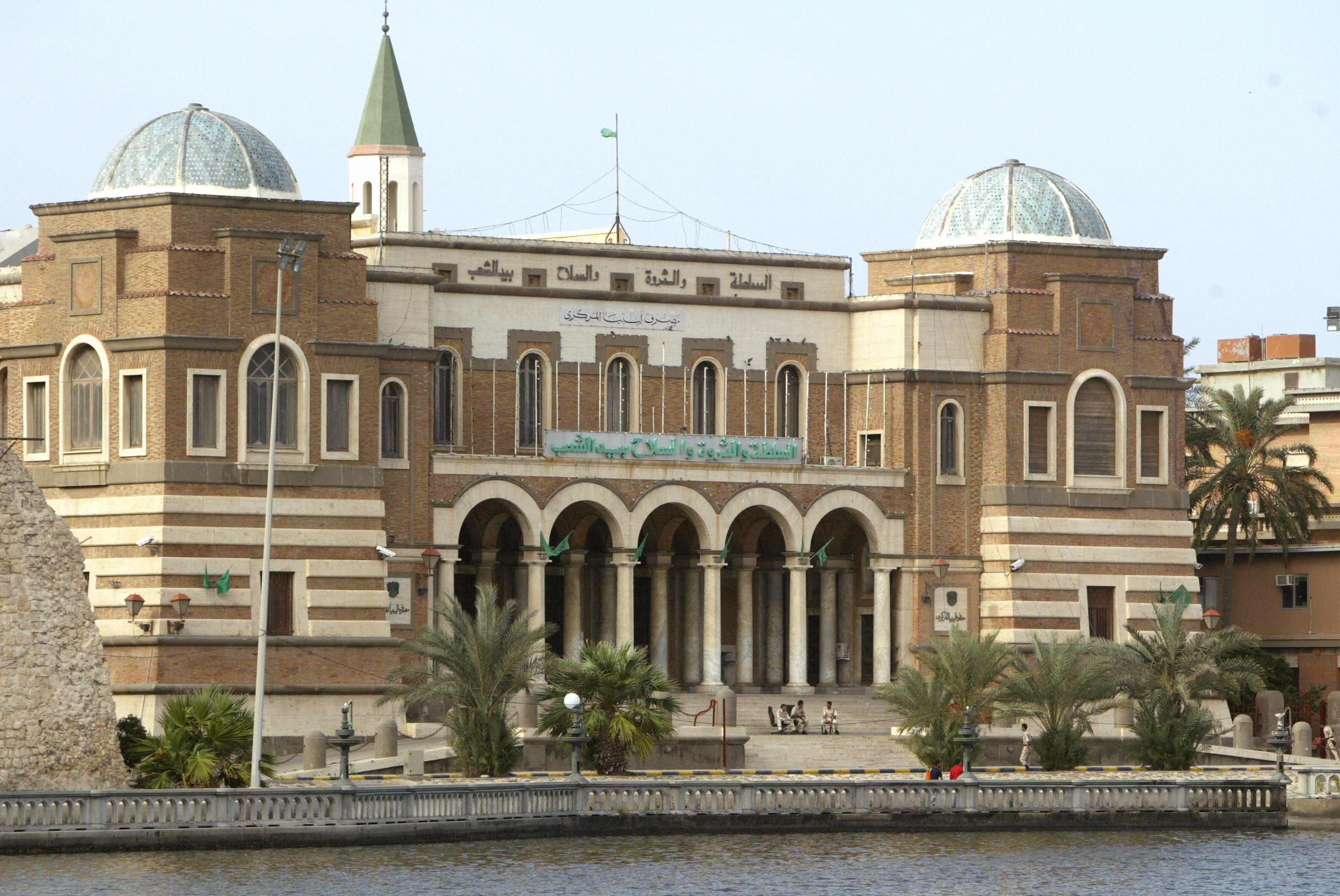
An International Financial Commission is Libya’s Last Hope
For the last five years, the international community has tried a range of different approaches to mediating the Libyan civil war. All have failed. Most nations not actively fueling the war with weapons, money, training, and mercenaries now see that halting these destructive flows is critical to bringing the rival militias to the negotiating table. However, this will not be enough to solve the conflict. Once militias are cut off from external sources of support, the core economic issues that gave rise to the conflict will still remain. Only a new approach empowering Libyan economic reformers and reworking the economic system can fix the dysfunction. To achieve this, international actors need to facilitate the establishment of a Libyan-led International Financial Commission with the authority to restructure the economy.
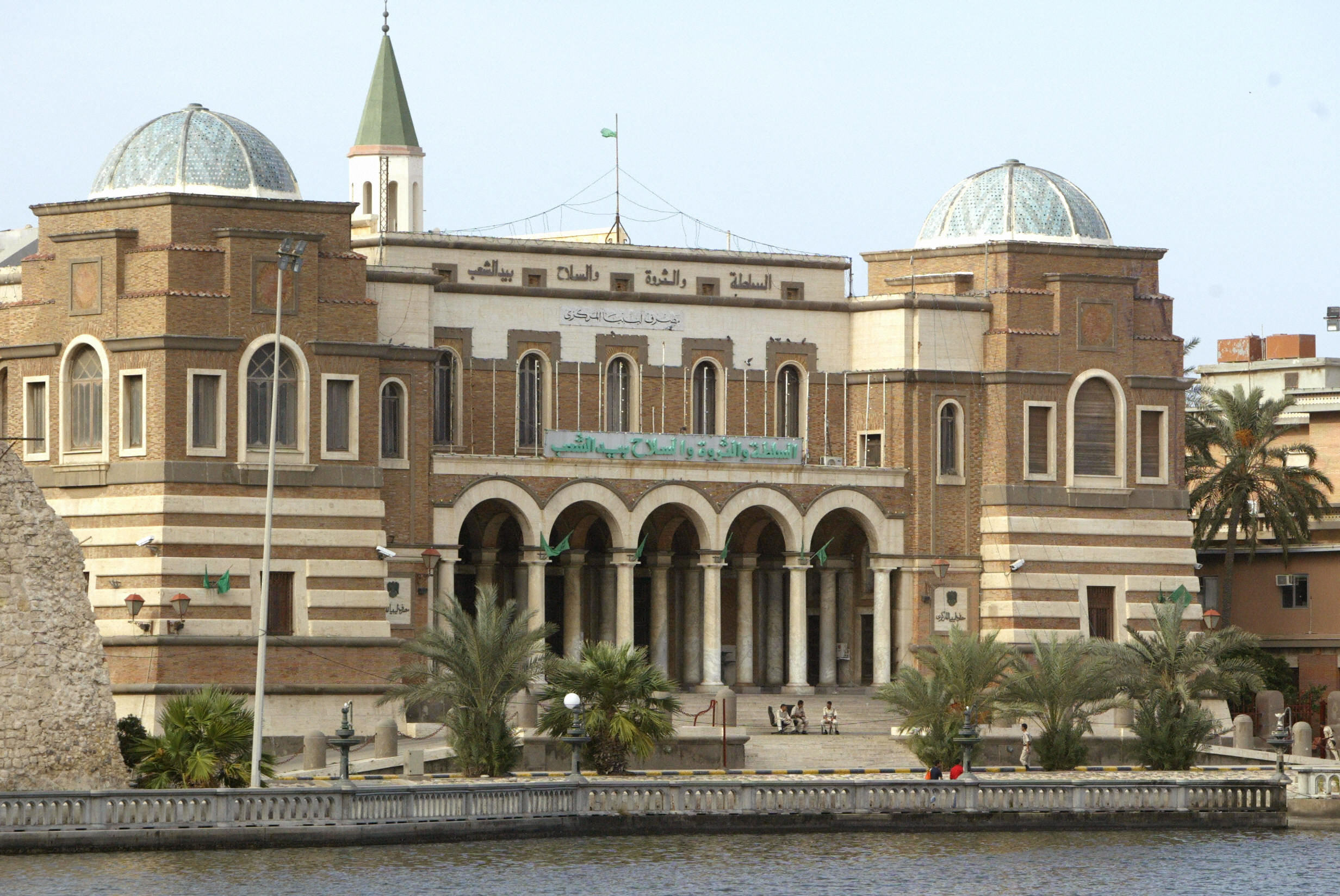
Economic transparency and structural reform remain Libya’s last hope
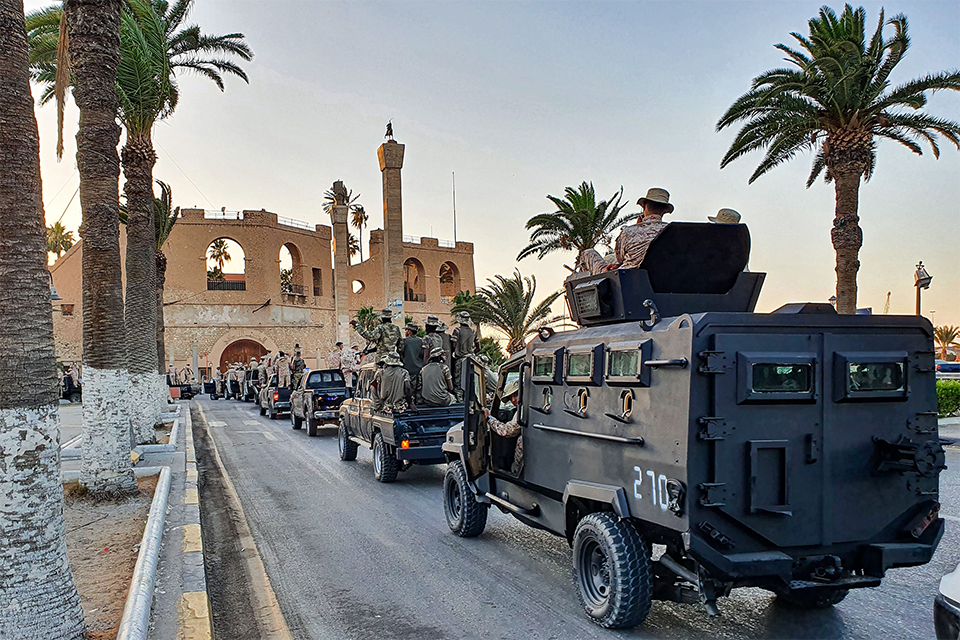
Since 2011 Libya’s seemingly endless Wars of Post-Gadhafi Succession have not fundamentally been fought over the control of territory, but rather over the control of economic institutions, patronage networks, and the amorphous optics of legitimacy and international support. The most recent battle, the 2019-20 “War for Tripoli,” was about gaining access to the fonts of both legitimate and corrupt enrichment: letters of credit, smuggling networks, subsidized petrol, and control of those myriad institutions to which Libya’s sui generis economic system grants the ability to exert de facto fiscal, financial, and legal power. Therefore, although Hifter and his allies have been wholesale evicted from western Libya, the grievances they highlighted, preyed upon, and took advantage of remain unchanged.
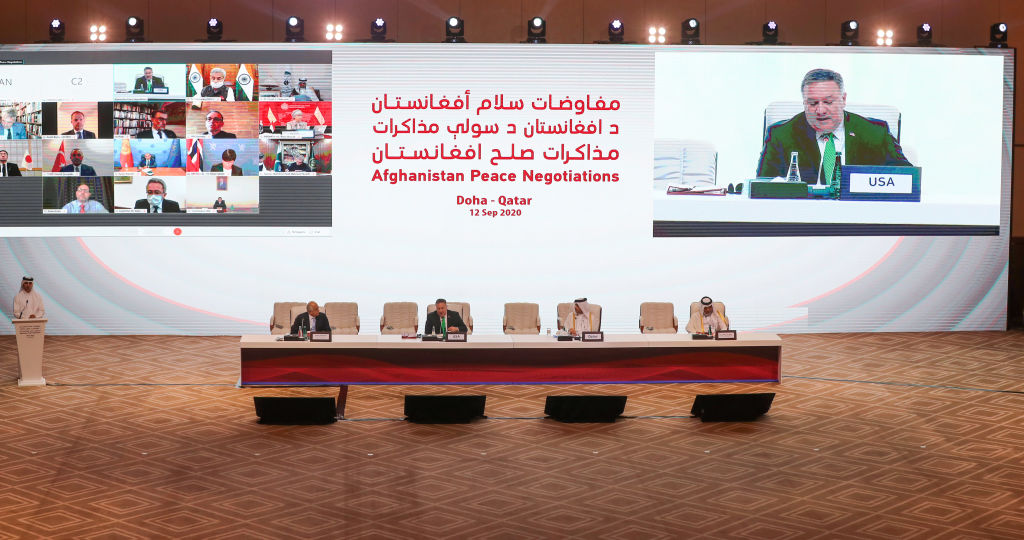
Monday Briefing: Intra-Afghan talks begin with pomp and circumstance
This week’s briefing on recent news and upcoming events in the region featuring Marvin G. Weinbaum, Grace Wermenbol, Jason Pack, Shahla Al-Kli, and Khaldoun Khelil.