Understanding the growing Indo-Israeli strategic cyber partnership
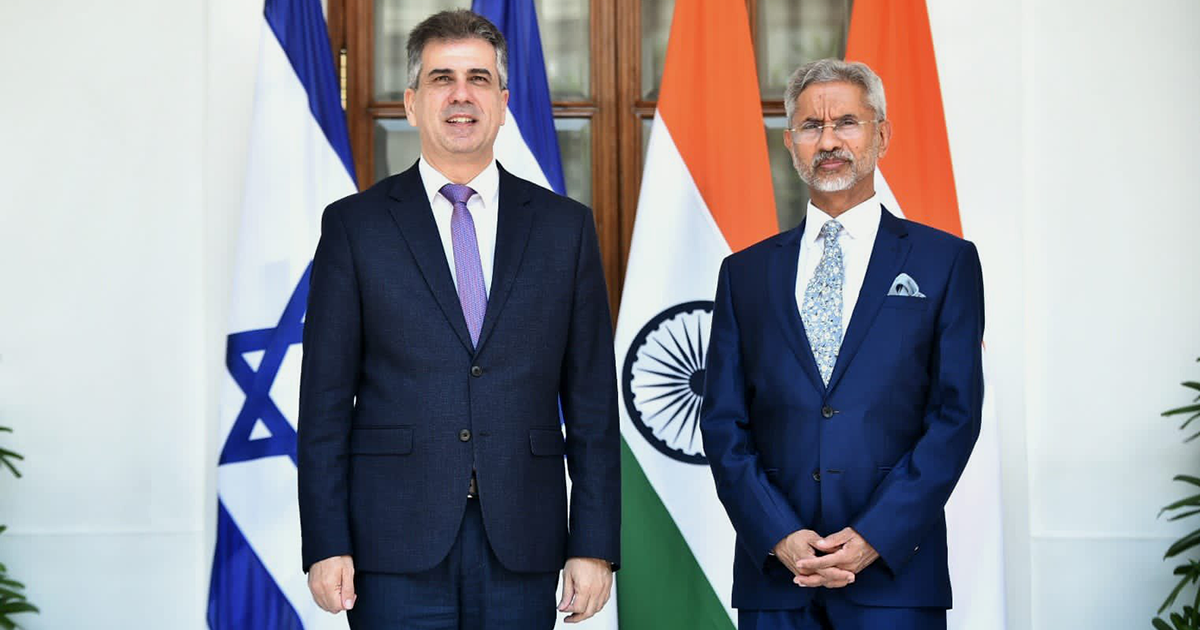
India and Israel have embarked on a mission to enhance their bilateral strategic cyber partnership. Private-sector collaboration and investment have laid the foundation for this partnership, which has now expanded to government-level agreements and frameworks.
The U.S. and EU Should Coordinate their Saudi and Israeli-Palestinian Efforts
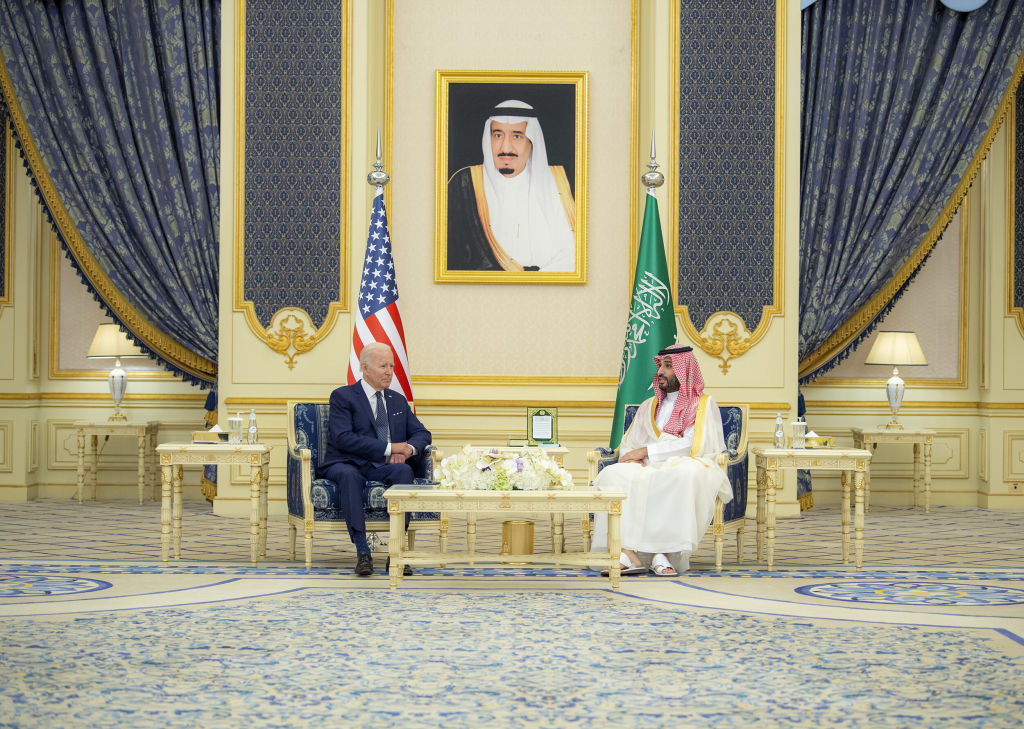
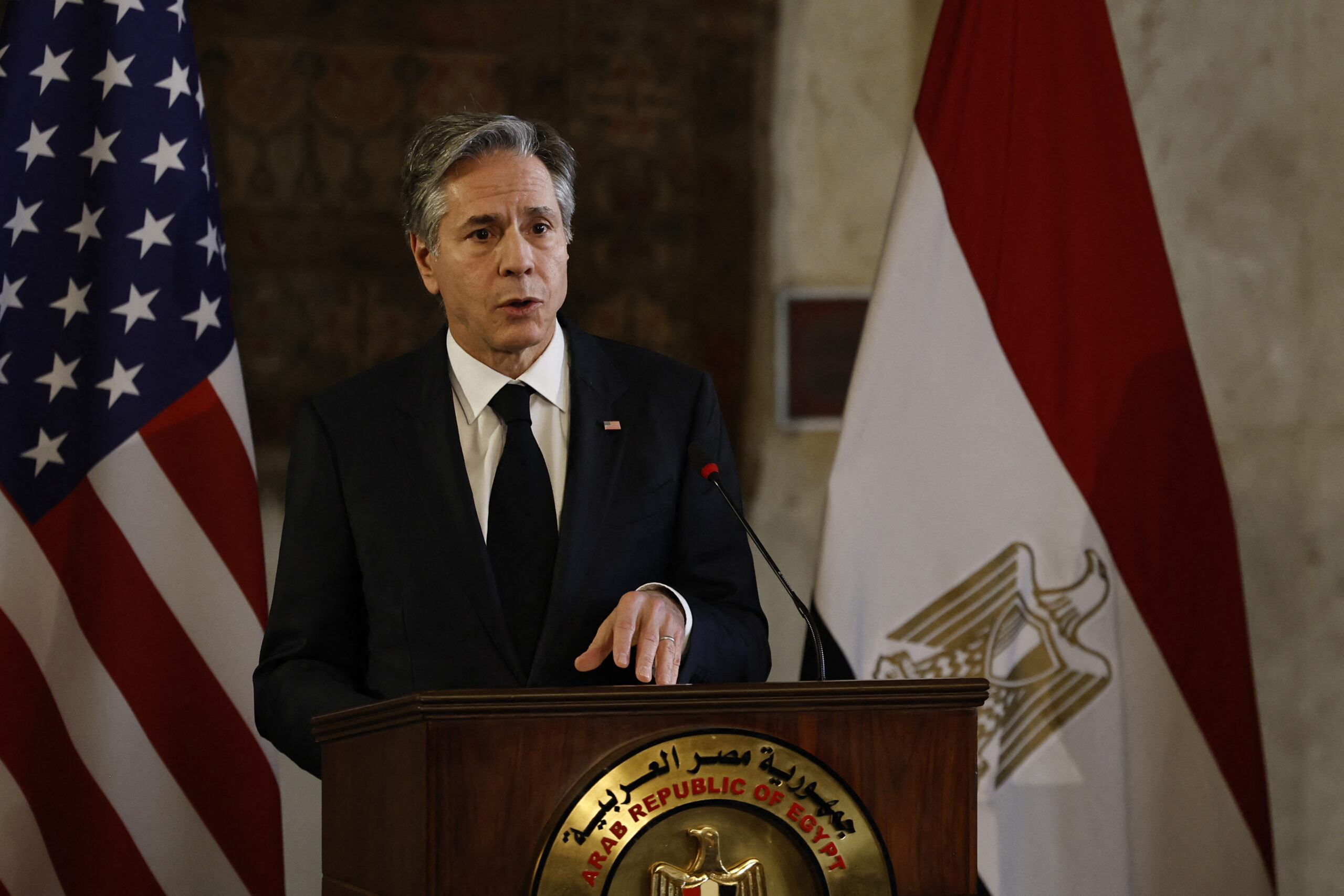
American and European eyes are set on Riyadh. Both the Biden administration and the European External Action Service are currently trying to advance policy moves that involve Saudi Arabia and that – if successful – will reshape the Middle East. Alas, when it comes to the Israeli-Palestinian issue, these European and American efforts are quite different, and even seem contradictory.
According to multiple media reports, Taliban anti-narcotics units have managed to effect a drastic reduction in opium cultivation in Afghanistan. Assisted by armed Taliban soldiers, stick-wielding personnel are hopping from one opium-growing field to another, destroying standing crops in a large number of provinces. Overseen by international media, such operations may have resulted in an almost 80 percent reduction in opium cultivation this year in the country, which not long ago accounted for 85 percent of the world’s opium.
Brookings’ Distinguished Fellow on Foreign Policy Itamar Rabinovich discusses his new book – “Middle Eastern Maze: Israel, the Arabs, and the Region” – as well as contemporary Israeli politics with MEI’s VP for Policy Brian Katulis.
Pakistan’s establishment closing the curtain on Imran Khan and his party
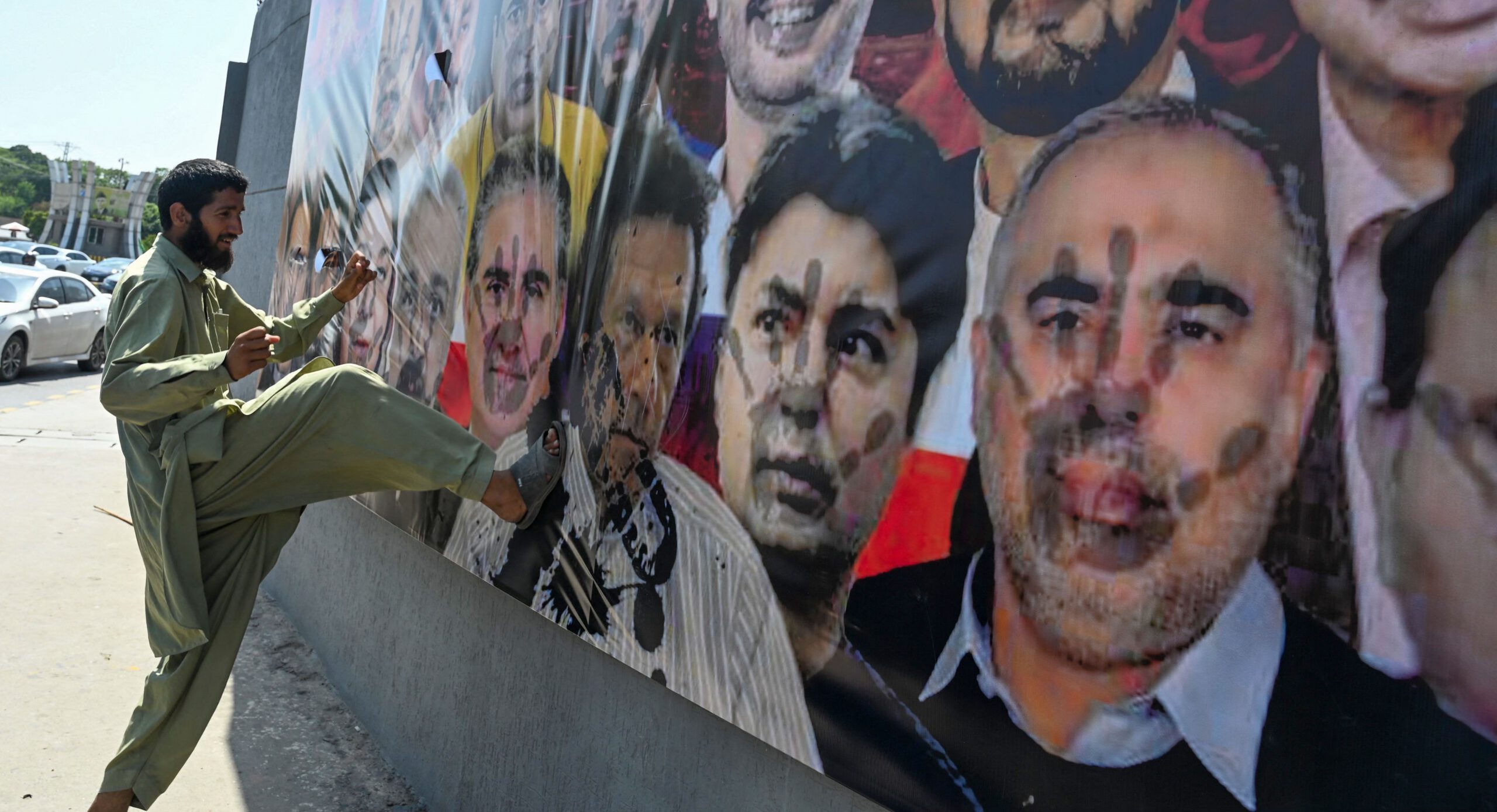
The likelihood of former Pakistani Prime Minister Imran Khan successfully extricating himself from his entwined battle with the Army now appears to be nearly impossible. He has crossed too many red lines for the military establishment to give him slack. The developing situation ahead of the October elections looks set to culminate with Khan imprisoned and stripped of his political party.
Putting Diplomacy First in the Middle East: Creating Incentives for De-Escalation
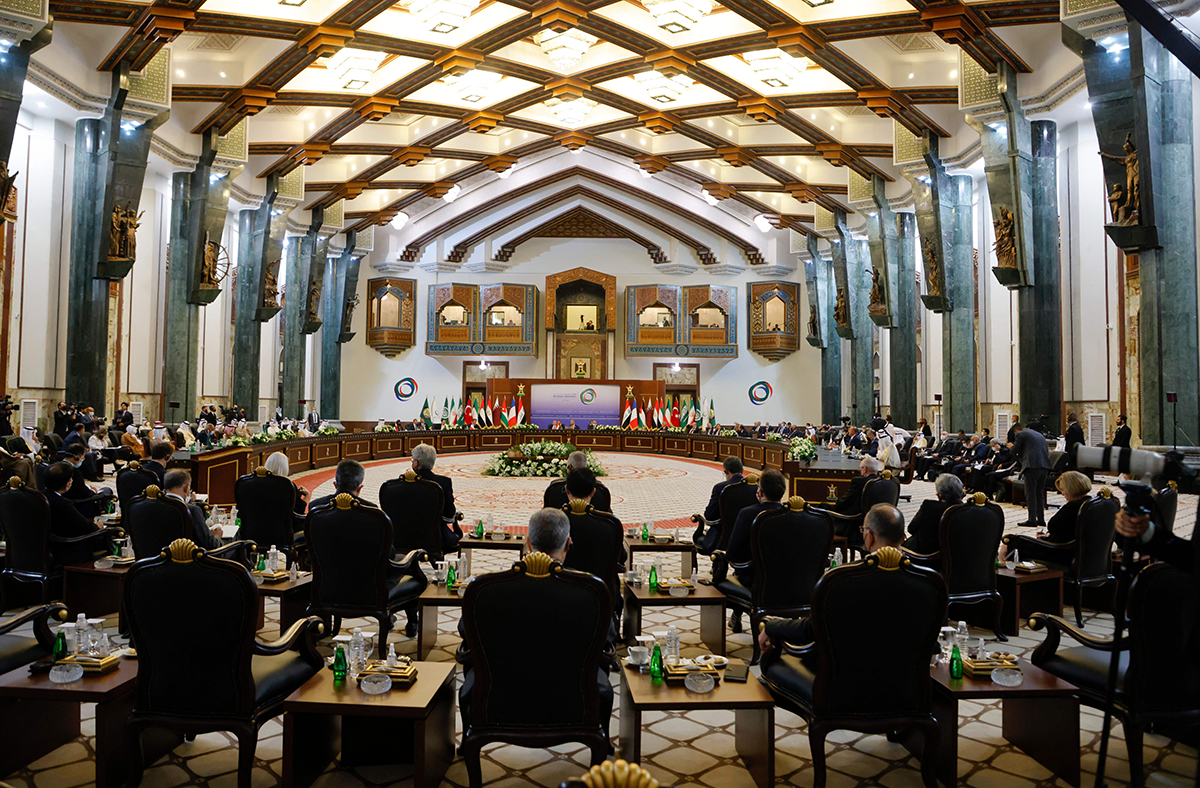
The Middle East is undergoing a historic transformation with unprecedented opportunities to build new relationships, de-escalate tensions, and foster conditions for stronger integration. At the same time, the region remains on edge because of ongoing tensions in Yemen, Syria, Iraq, and other conflict zones, a civil war that broke out recently in Sudan, along with the overarching challenges presented by fraught relations between Iran, Israel, and several Arab Gulf countries — with the longer-term implications of the still-fragile Iranian-Saudi rapprochement yet to be fully assessed.
India-Taliban relations: A careful balancing act, driven by pragmatism
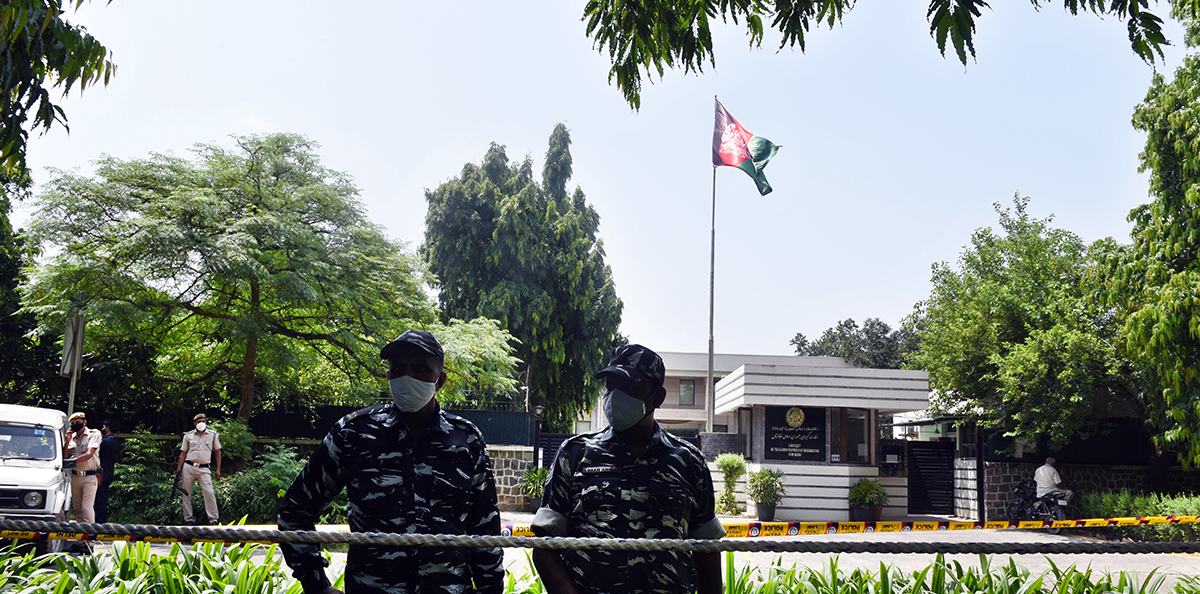
An ongoing power struggle for the position of ambassador at the Afghan embassy in New Delhi underlines India’s diplomatic quandary about the nature of its engagement with the Taliban regime in Afghanistan.
The Slowing Down of Israel-Arab Relations Under the Netanyahu Government
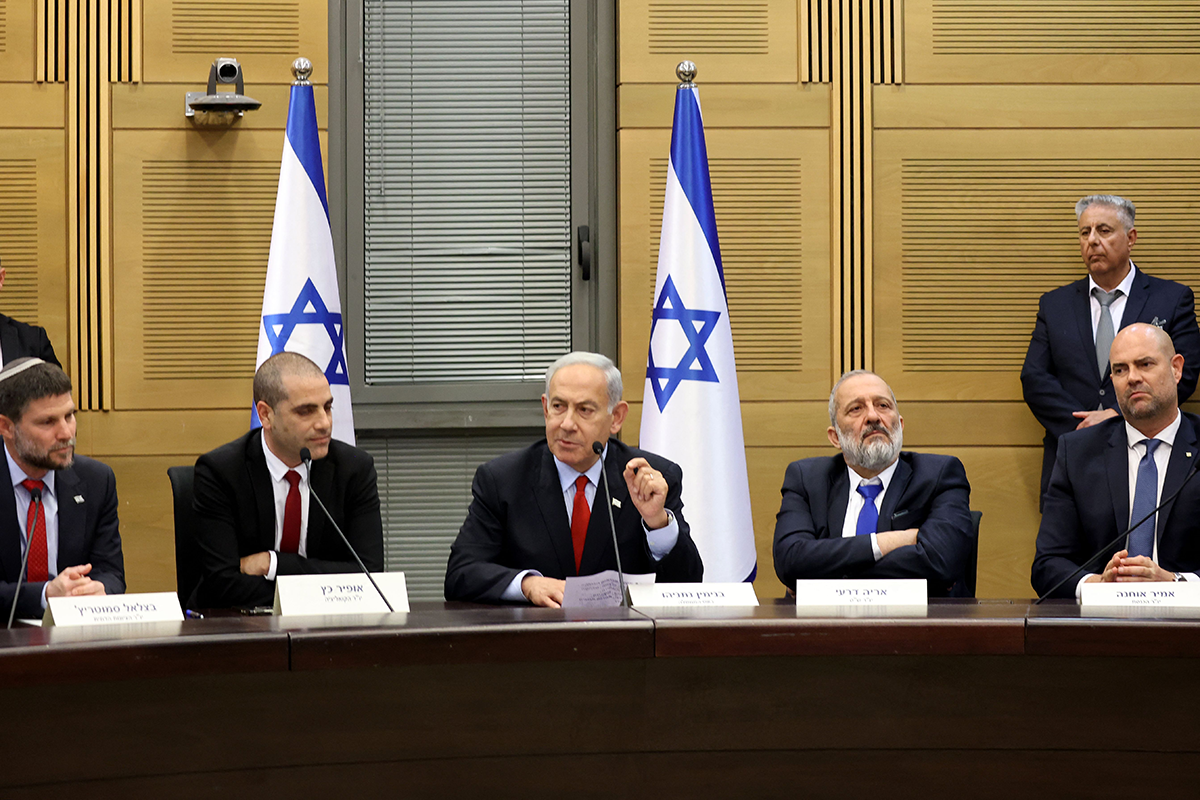
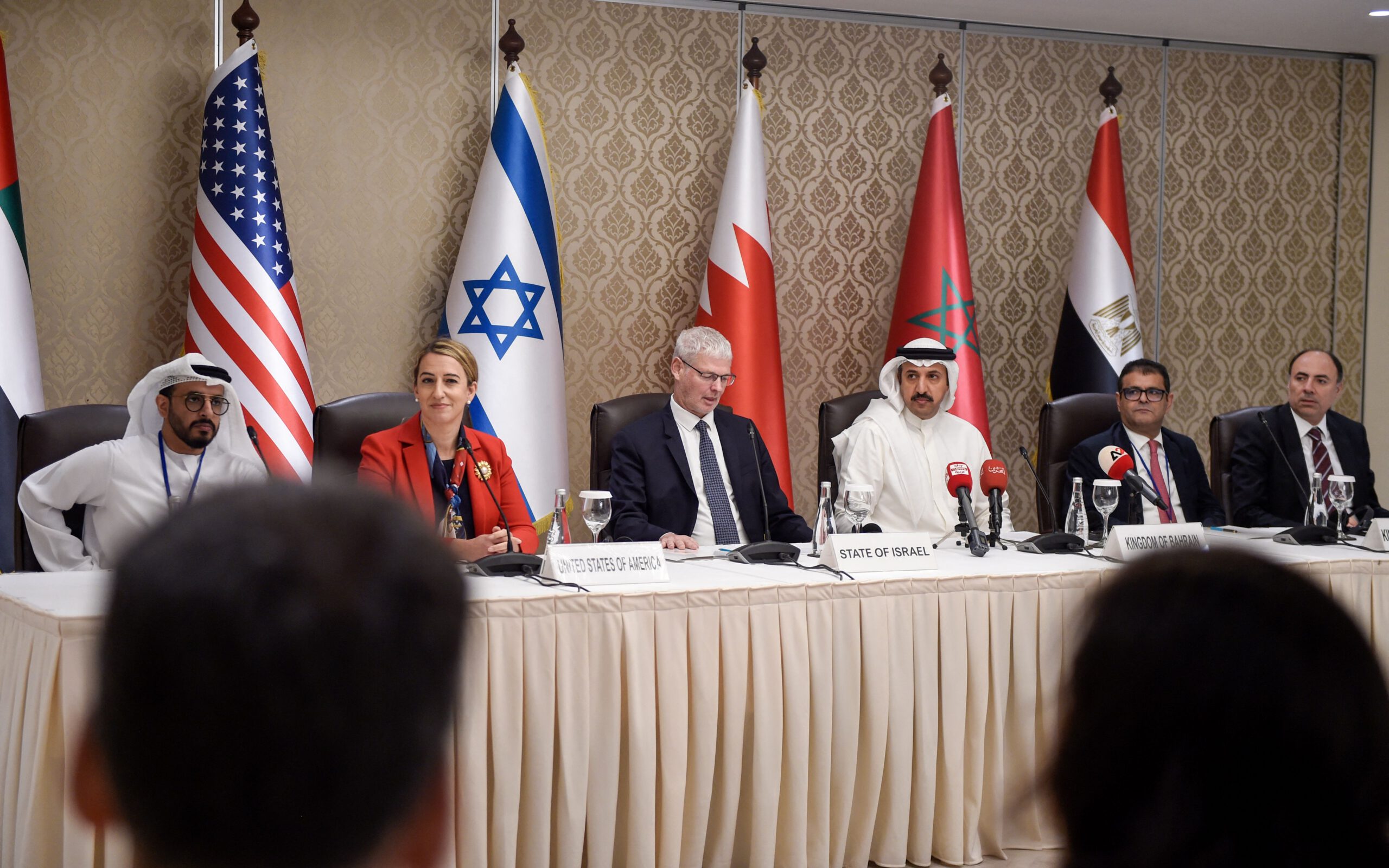
Dynamics between Israel and the Arab world have taken a turn for the worse in the first few months of the new Israeli government. The positive momentum in Israel-Arab relations, which Prime Minister Netanyahu himself was key in generating through the signing of the Abraham Accords and which picked up pace during the Bennett-Lapid government that followed, has slowed down. Only limited progress may be feasible under the current government, but conditions for positive change do exist and include marginalizing Israeli extremists, avoiding a flare-up with the Palestinians, reducing the domestic turmoil in Israel, and ensuring the effective involvement of the U.S. and the EU.
In an era of Middle East détente, how should the US and Israel respond?
Both Washington and Jerusalem welcome any reduction in regional tensions and prospects for a more stable, secure, and prosperous environment. However, there is a risk for U.S. and Israeli policy priorities, such as that regional de-escalation will reduce pressure on Tehran to negotiate on issues of concern, especially its nuclear weapons program.
International institutions confront Taliban troubles
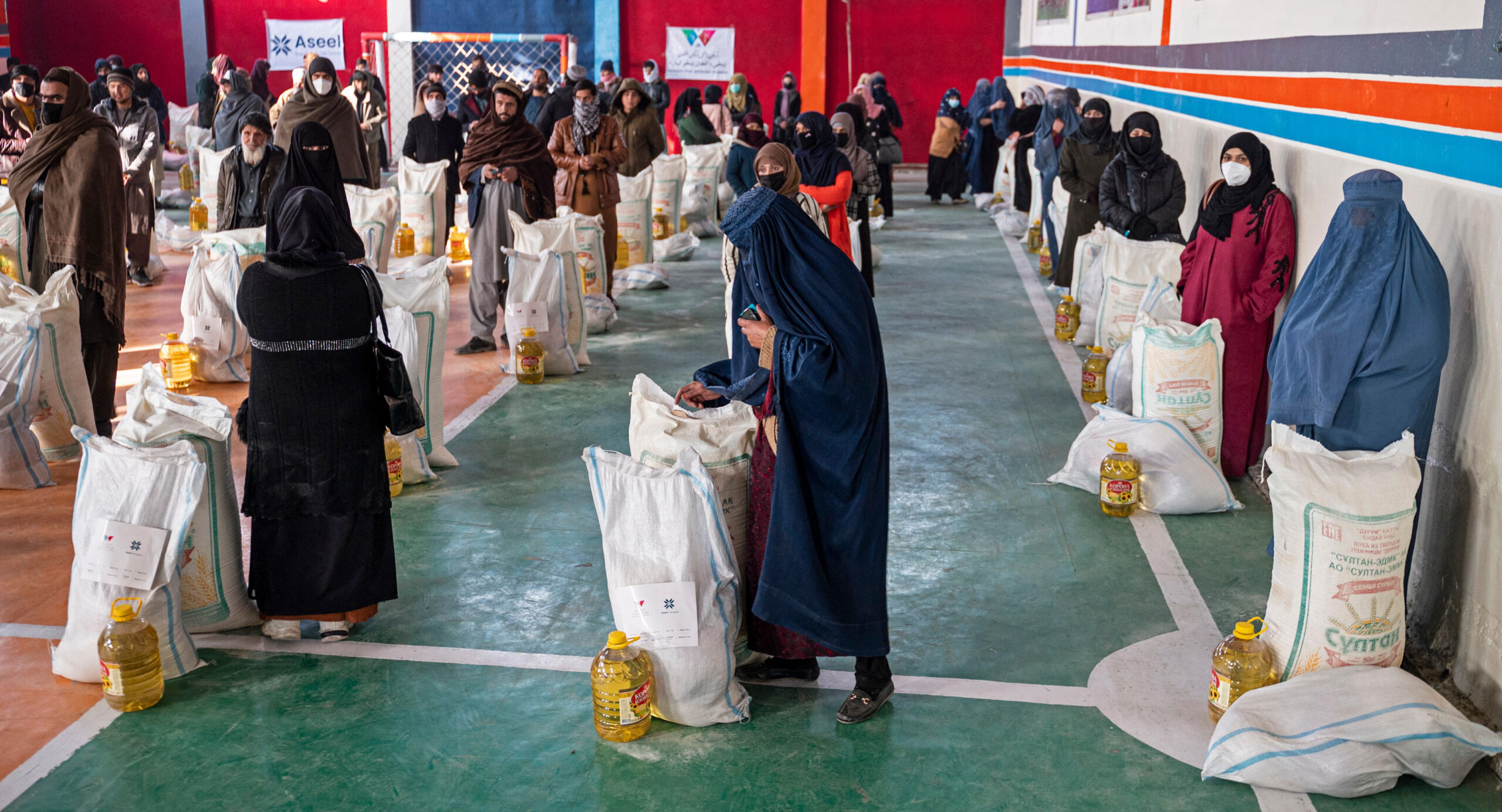
International leaders are struggling to manage a Taliban-ruled Afghanistan; they are torn between their commitment to alleviate Afghans’ suffering and their reluctance to legitimize a Taliban government that violates its people’s basic rights. Helping Afghans but not their new “de facto authorities” is a difficult balance for a diverse group of international actors with often divergent long-term interests.