تمت ترجمة هذا النص بواسطة الذكاء الاصطناعي وقد يحتوي على أخطاء.
تخطي إلى المحتوى

Research & Commentary Results

تصفية حسب
857 Results
How the War on Terror paved the way for online censorship of Palestinians
Photo by AHMAD GHARABLI/AFP via Getty Images
  • التحليل
  • How the War on Terror paved the way for online censorship of Palestinians

    In May 2021, the world watched in horror, as Israeli police evicted the Palestinian residents of Jerusalem’s Sheikh Jarrah neighborhood against their fervid resistance. Meanwhile, another fight was raging: that of narrative power. As journalists, citizen activists, and human rights organizations attempted to document Israel’s brutal crackdown, many found their communications subject to overzealous content moderation. Key social media posts were removed from influential platforms, including Twitter, Facebook, and Instagram, precisely when those posts were most crucial.

    February 2, 2022

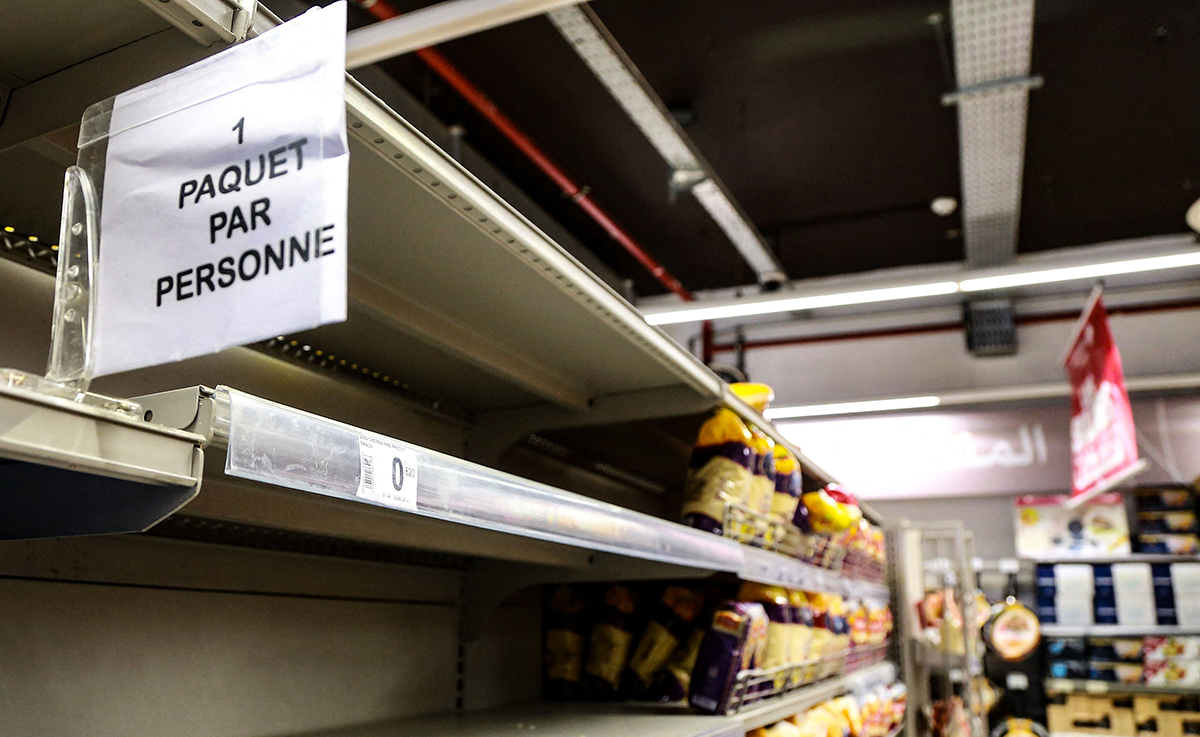
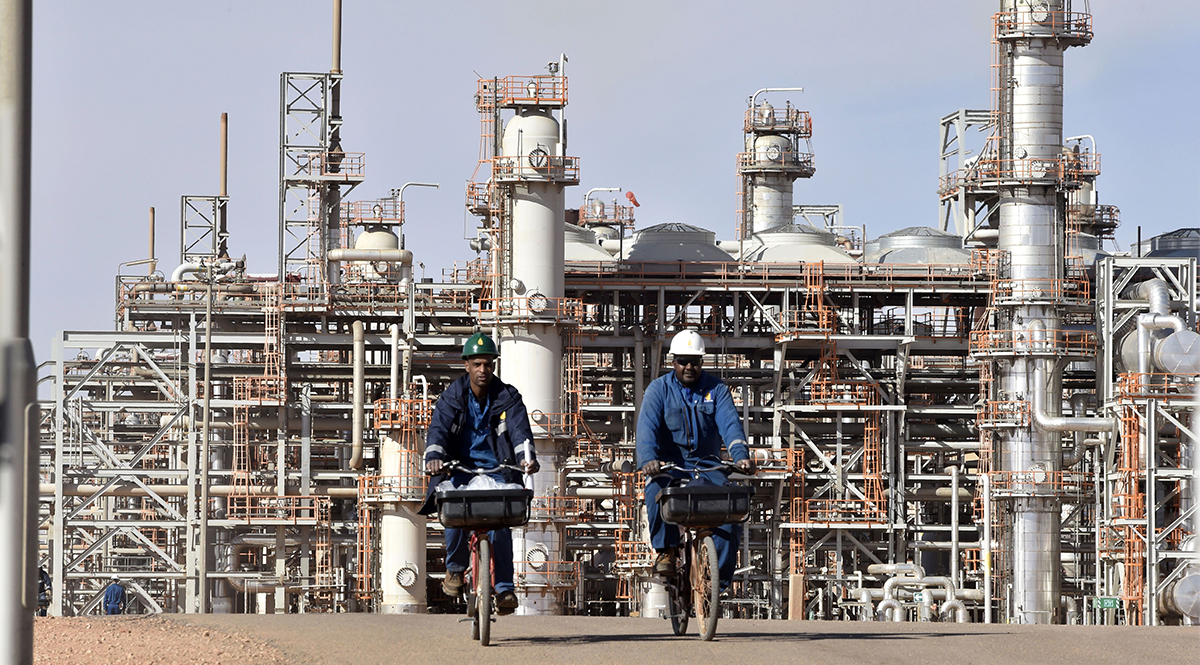
    Algeria’s recurring food crises: The sign of an ailing economy
    Photo by Billal Bensalem/NurPhoto via Getty Images
  • التحليل
  • Algeria’s recurring food crises: The sign of an ailing economy

    Beset by severe socioeconomic grievances, Algeria is now facing the most challenging economic situation since the 1988 October Riots, when thousands of young people took to the streets to protest an economic crisis caused by the decline in oil prices, austerity measures, and a youth bulge that led to mass unemployment. The latest food shortages are not the first, however, and given the administration’s current approach, they are unlikely to be the last. While the authorities have blamed business owners and even consumer behavior for the crisis, the underlying drivers are more systemic and structural.

    February 1, 2022

    Women’s labor force participation and COVID-19 in Jordan
    Photo by Xinhua/Mohammad Abu Ghosh via Getty Images
  • التحليل
  • Women’s labor force participation and COVID-19 in Jordan

    Jordan has the lowest rate of women’s economic participation of any country not at war. According to the ILO, the kingdom’s female labor force participation rate is below 15%, while that of men is about 60%. This is lower than rates of female labor force participation in neighboring Lebanon (23%), Saudi Arabia (22%), and the West Bank and Gaza (18%). As the COVID-19 pandemic stretches on, the government of Jordan should take the opportunity to expand the accessibility of remote work and corresponding opportunities for Jordanian women who aim to play a role in their nation’s economy.

    February 1, 2022

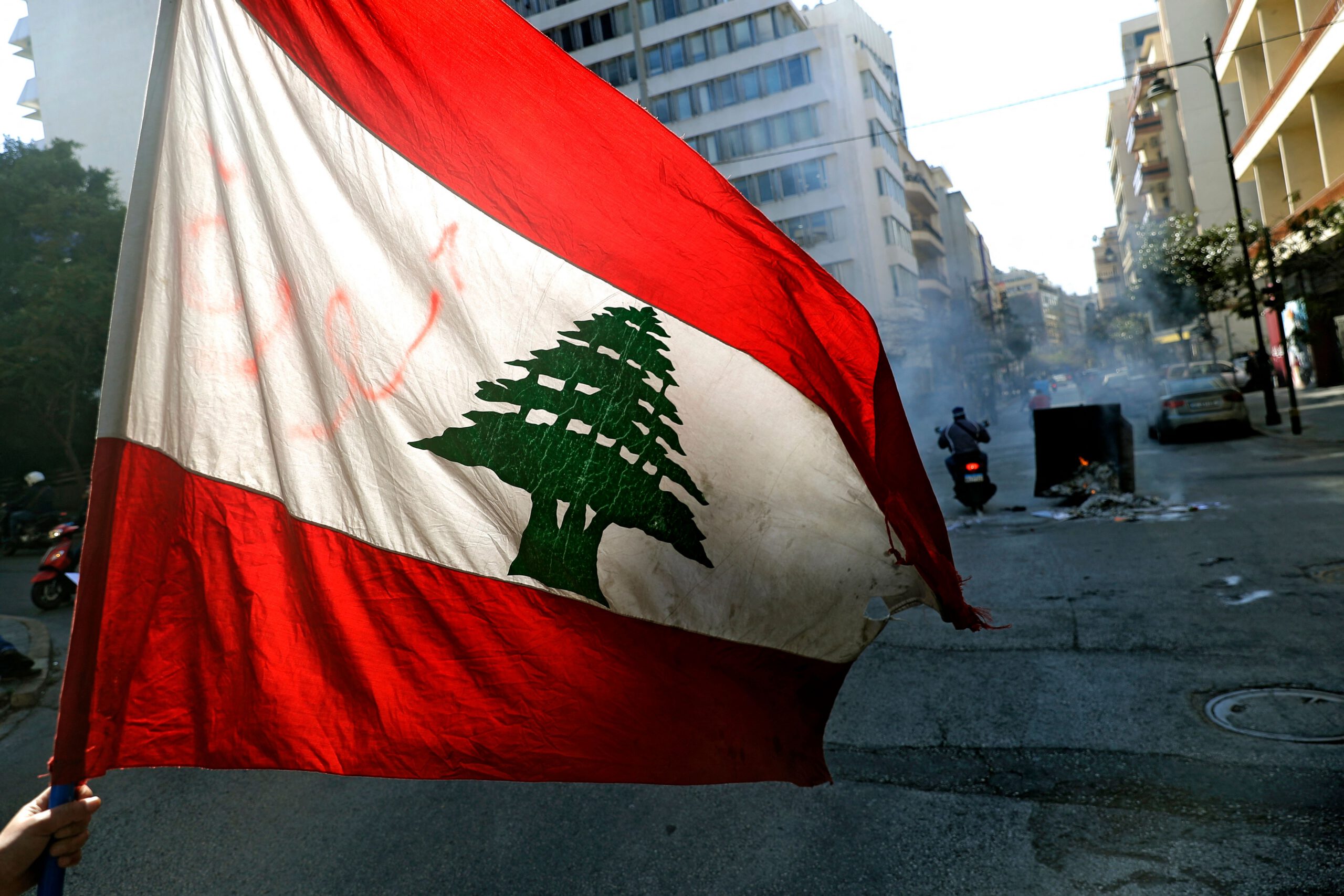
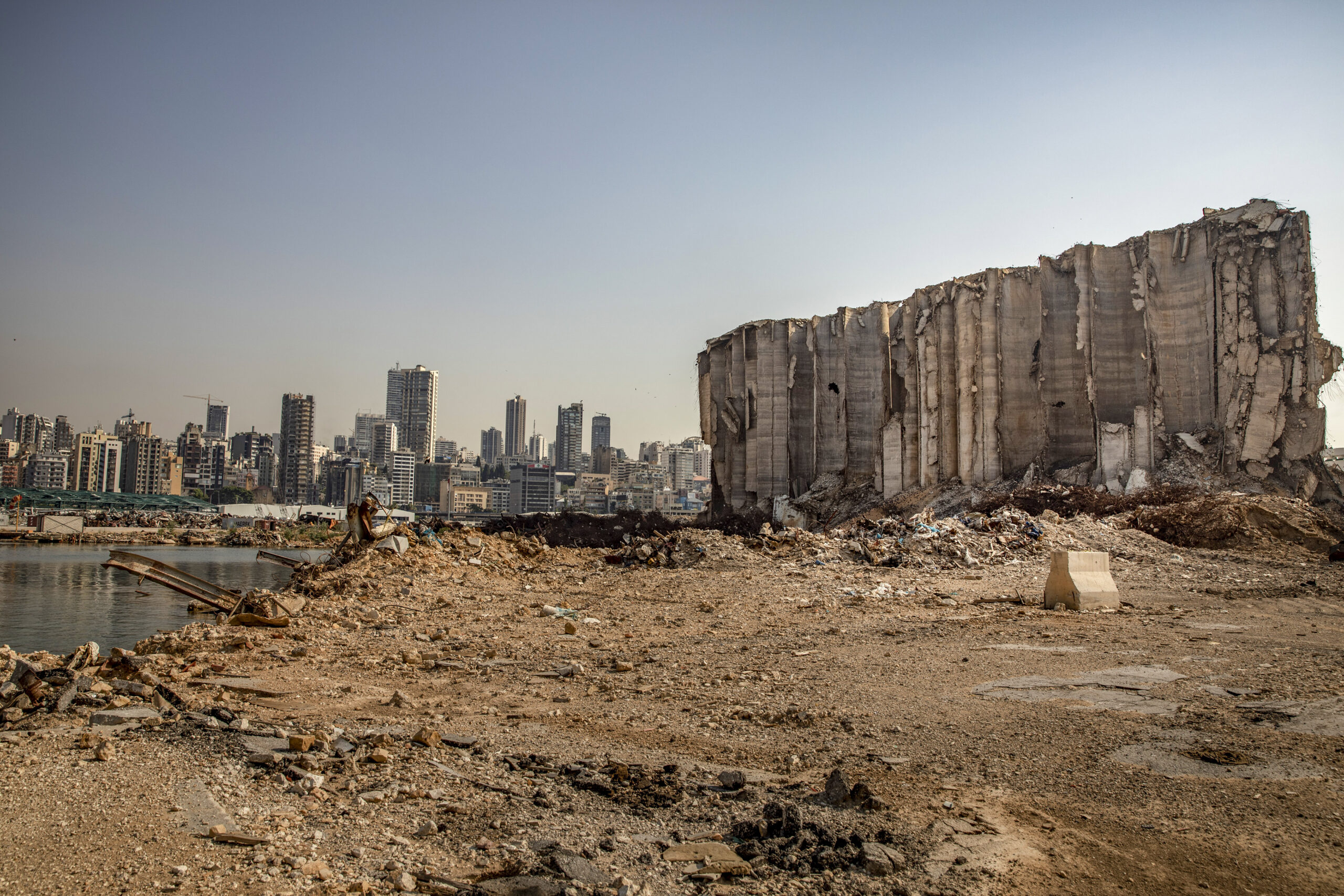
    Helping the Lebanese People Move Toward Recovery: Recommendations for US Policy
    Photo by JOSEPH EID/AFP via Getty Images
  • التحليل
  • Helping the Lebanese People Move Toward Recovery: Recommendations for US Policy

    Lebanon is currently at a crossroads as the government faces the daunting tasks of rebuilding the economy, restoring public trust, and clearing the way for free and fair parliamentary elections in May of 2022. The country finds itself spiraling downward — an agreement with the IMF is yet to be realized, poverty and emigration are increasing, and there are growing threats to stability due to a failing economy and widespread corruption. Given this critical situation, it is worthwhile to review U.S. interests in Lebanon’s survival and consider key recommendations for U.S. policy to help Lebanon avoid complete collapse and help the Lebanese people move toward economic recovery, political legitimacy, and a more capable, transparent, and sovereign state.

    February 1, 2022

    For Gulf producers, decarbonization does not mean zero oil production
    Maya Siddiqui/Bloomberg via Getty Images
  • التحليل
  • For Gulf producers, decarbonization does not mean zero oil production

    Gulf oil producers do not envisage a post-2050 world devoid of hydrocarbons, even though two of the region’s biggest producers, the UAE and Saudi Arabia, have committed to net-zero carbon emissions by 2050 and 2060, respectively. Reconciling their future environmental commitments with their current reliance on hydrocarbons is going to be an arduous and expensive journey that starts with decarbonizing their oil and gas production to reduce their carbon footprint and increasing their domestic green energy production. With demand for oil and gas forecast to continue post-2050 — albeit at lower levels than now — their net-zero target does not equate to zero oil and gas production. Instead, their transition will differ from that of other countries and will happen at a different pace.

    January 31, 2022

    The MBS Economy
    Faisal Al Nasser/Bloomberg via Getty Images
  • تعليق
  • The MBS Economy

    Saudi Arabia has undergone tremendous social change in recent years, but it has struggled to make good on some of its more ambitious financial goals. Much of the promised foreign direct investment has yet to arrive, and the kingdom’s growth agenda has drained its foreign reserves. Most of Mohammed bin Salman’s more eye-catching promises, including futuristic urban megaprojects, remain unfinished.

    Halal trade cooperation between Iran and Russia
    Photo by PAVEL BEDNYAKOV/SPUTNIK/AFP via Getty Images
  • التحليل
  • Halal trade cooperation between Iran and Russia

    Since the fall of the Soviet Union and the rise of Vladimir Putin in the 1990s, military and economic relations between Iran and Russia have improved, as their tensions with the West have intensified. One aspect of the relationship that has received little attention is their growing economic and trade cooperation involving the production, export, and import of halal meat and other products since 2015.

    January 26, 2022

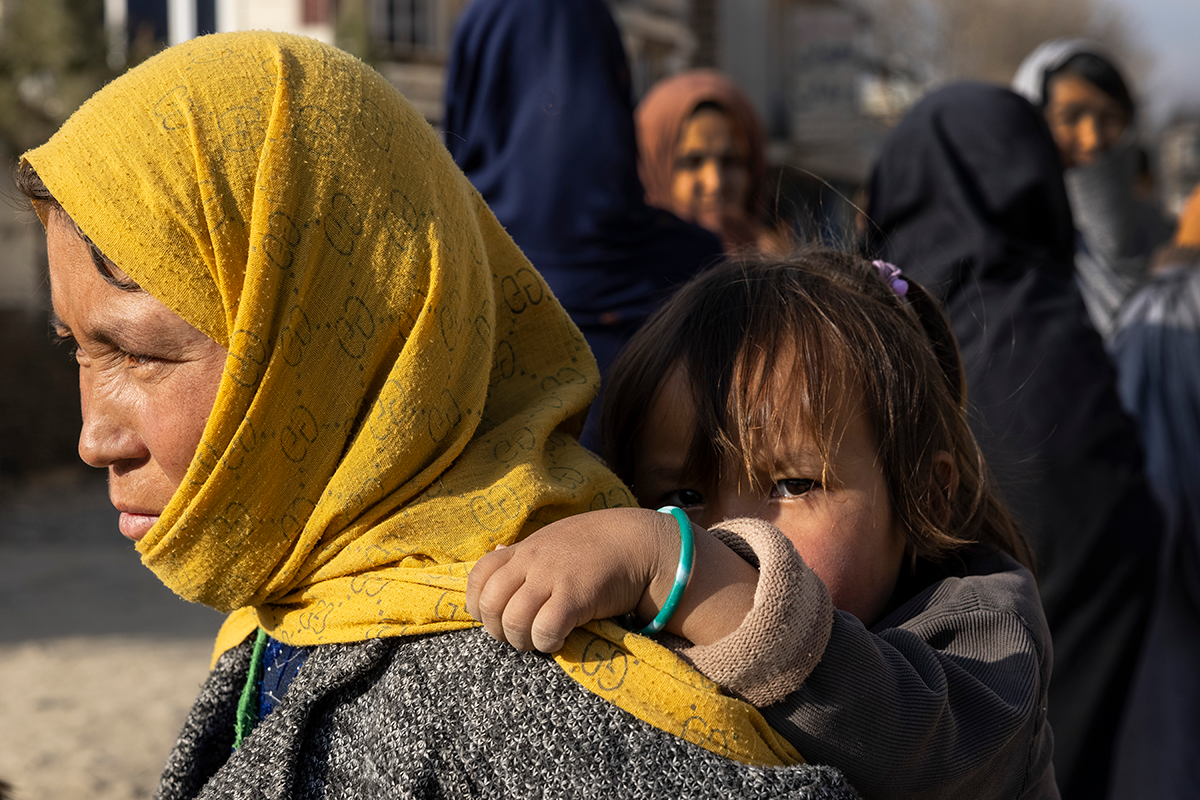
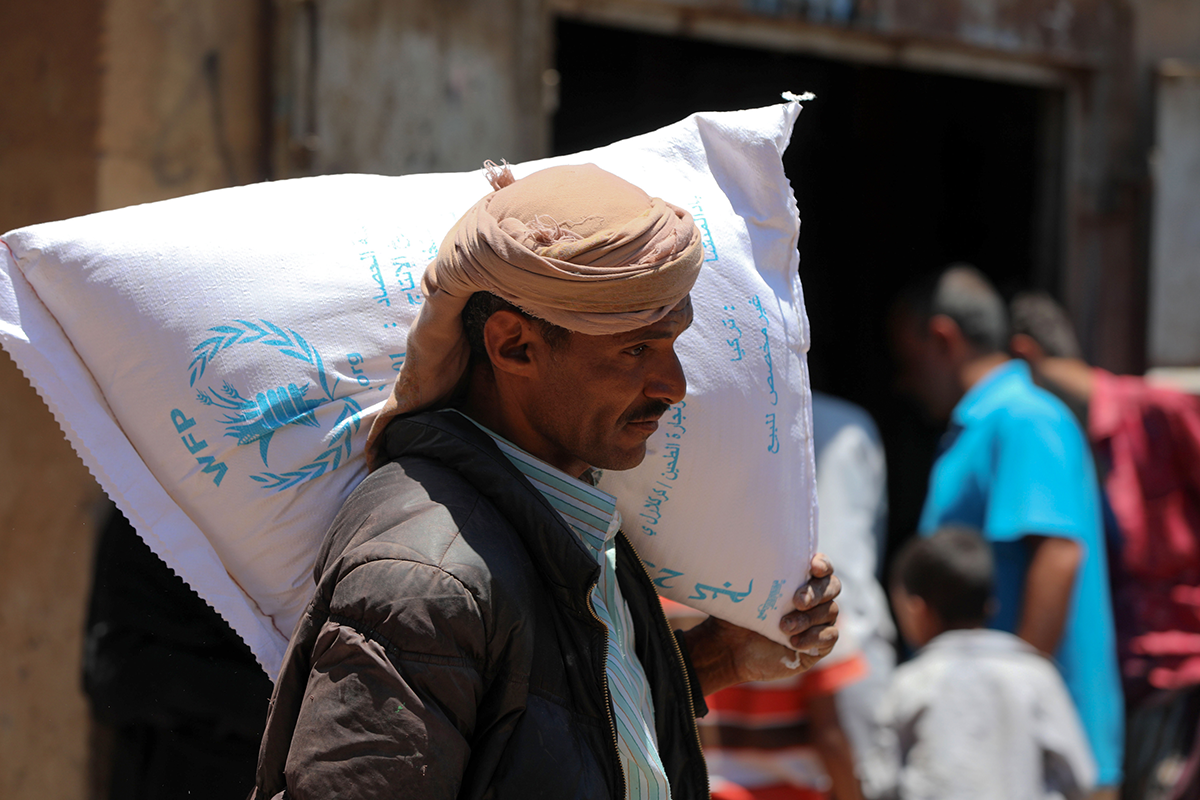
    Afghanistan’s economy: Collapse and chaos
    Photo by Scott Peterson/Getty Images
  • التحليل
  • Afghanistan’s economy: Collapse and chaos

    On Jan. 13, U.N. Secretary-General Antonio Guterres expressed alarm that millions of Afghans are on the “verge of death” thanks to a lethal brew of “freezing temperatures and frozen assets.” This was no idle warning. Notwithstanding the decline in fighting following the Taliban’s victory in August 2021, Afghanistan’s economy is in a deepening spiral of impoverishment and destitution.

    January 21, 2022

    Raisi's shrinking budget cements the Islamic Republic's "trinity"
    Photo by Meghdad Madadi/ATPImages/Getty Images
  • التحليل
  • Raisi's shrinking budget cements the Islamic Republic's "trinity"

    Iran’s new president, Ebrahim Raisi, has presented his first draft budget bill for the upcoming Iranian year (1401), which starts on March 21, 2022. Rather than facilitating a much-needed economic recovery, the proposed budget is designed to strengthen the regime’s power base and impose austerity while keeping society under control.

    January 20, 2022

    الخليج لديه معضلة الجيل الخامس والـOpen RAN هو المفتاح لسيادته التقنية
  • تعليق
  • الخليج لديه معضلة الجيل الخامس والـOpen RAN هو المفتاح لسيادته التقنية

    إن التوترات الاقتصادية والسياسية القائمة منذ فترة طويلة بين الولايات المتحدة والصين تستمر في الامتداد إلى قطاع التكنولوجيا، حيث جعلت القوتان العظمتان هذه الصناعة الحيوية أكثر من أي وقت مضى مسرحًا لحرب باردة جديدة. يبدو أن حدة التوتر ستزداد سوءًا في الفترة القادمة، مما قد يؤدي إلى ما وصفه البعض بانشقاق العديد من العُقَد المترابطة فيما يتعلق بتصنيع التكنولوجيا وتطويرها.

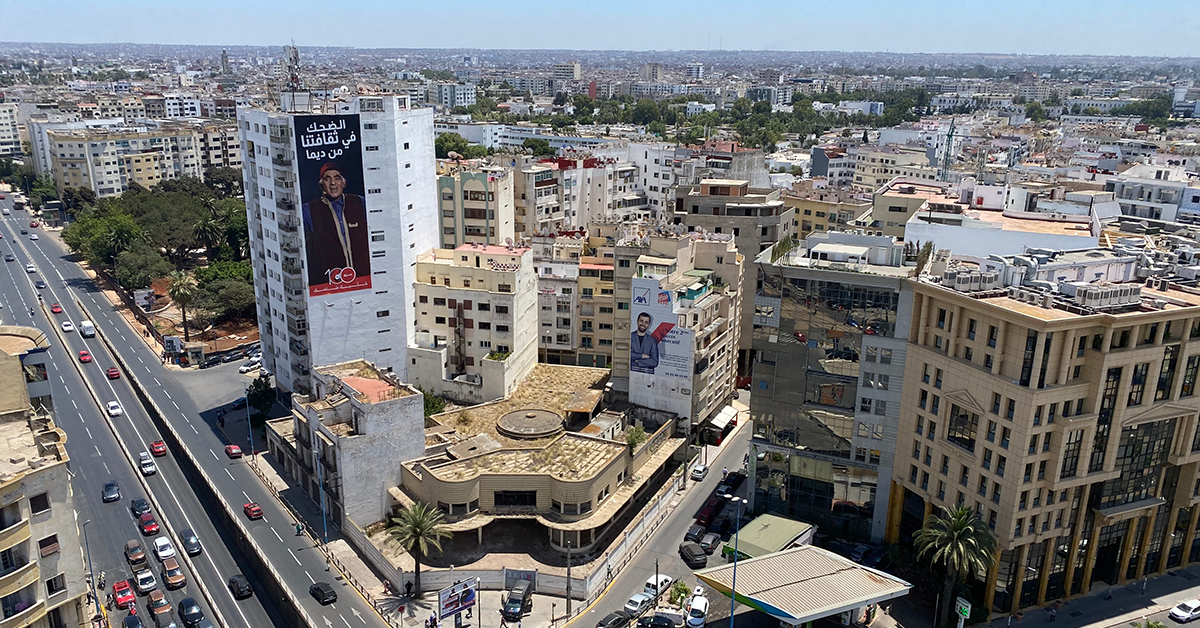
    Morocco’s New Challenges as a Gatekeeper of the World’s Food Supply: The Geopolitics, Economics, and Sustainability of OCP’s Global Fertilizer Exports
    الصورة من فاضل سينا/وكالة فرانس برس عبر غيتي إيمدجز
  • التحليل
  • Morocco’s New Challenges as a Gatekeeper of the World’s Food Supply: The Geopolitics, Economics, and Sustainability of OCP’s Global Fertilizer Exports

    Morocco’s phosphorus fertilizer industry, with its massive production capacity and international reach, has transformed the kingdom into a gatekeeper of global food supply chains. Morocco’s centrality to global food security rests with the fact that all food crops, indeed all plant life, require the element phosphorus to grow and Morocco possesses over 70% of the world’s phosphate rock reserves, from which the phosphorus used in fertilizers is derived. By becoming one of the world’s leading fertilizer exporters, instead of continuing to just export the raw material, Morocco has enriched its economy and elevated its international standing. In Sub-Saharan Africa in particular, the kingdom’s combination of joint venture partnerships in local fertilizer production and deft direct outreach to farmers has resulted in a remarkable boost in African agricultural yields and the notable expansion of Morocco’s soft power influence across the continent.

    Israel's Digital Occupation
    معهد الشرق الأوسط
  • Podcast
  • Israel's Digital Occupation

    Eliza Campbell and Emerson T. Brooking discuss the Israeli government’s suppression of Palestinian online speech and activism, the surprising role that American social media companies play in the process, and their recent article for Foreign Policy, “How to End Israel’s DIgital Occupation.”

    المزيد من الحلقات

    January 14, 2022

    Tunisia’s Kais Saied becomes an ordinary politician
    الصورة من FETHI BELAID/AFP عبر Getty Images
  • التحليل
  • Tunisia’s Kais Saied becomes an ordinary politician

    While some of Saied’s rhetoric as well as his symbolic and legislative decisions may appear to some as revolutionary, the post-July 25 political system has thus far maintained continuity from both the pre- and post-revolutionary way in which the state governs: a top-down, policing approach with deference to — and reinforcement of — existing socio-economic hierarchies. In presiding over and perpetuating this system, whether with verve or reluctantly, Saied has become an ordinary politician, following in the footsteps of many others who have held positions of power.

    January 14, 2022

    COVID-19, security, and governance in the Sahel
    Photo by OLYMPIA DE MAISMONT/AFP via Getty Images
  • التحليل
  • COVID-19, security, and governance in the Sahel

    In a volatile international environment, unpredictability reigns. Perhaps nowhere is this more true than in the Sahel, where myriad existing security challenges have only been exacerbated by the devastating impact of COVID-19. Despite significant stabilization efforts, the situation is growing increasingly complex and various interrelated vulnerabilities weigh heavily on the region’s security agenda, including the pandemic, terrorist threats, chronic economic instability, climate change, skyrocketing demographics, and weak governance systems, as well as unprecedented food insecurity and extreme poverty.

    January 12, 2022