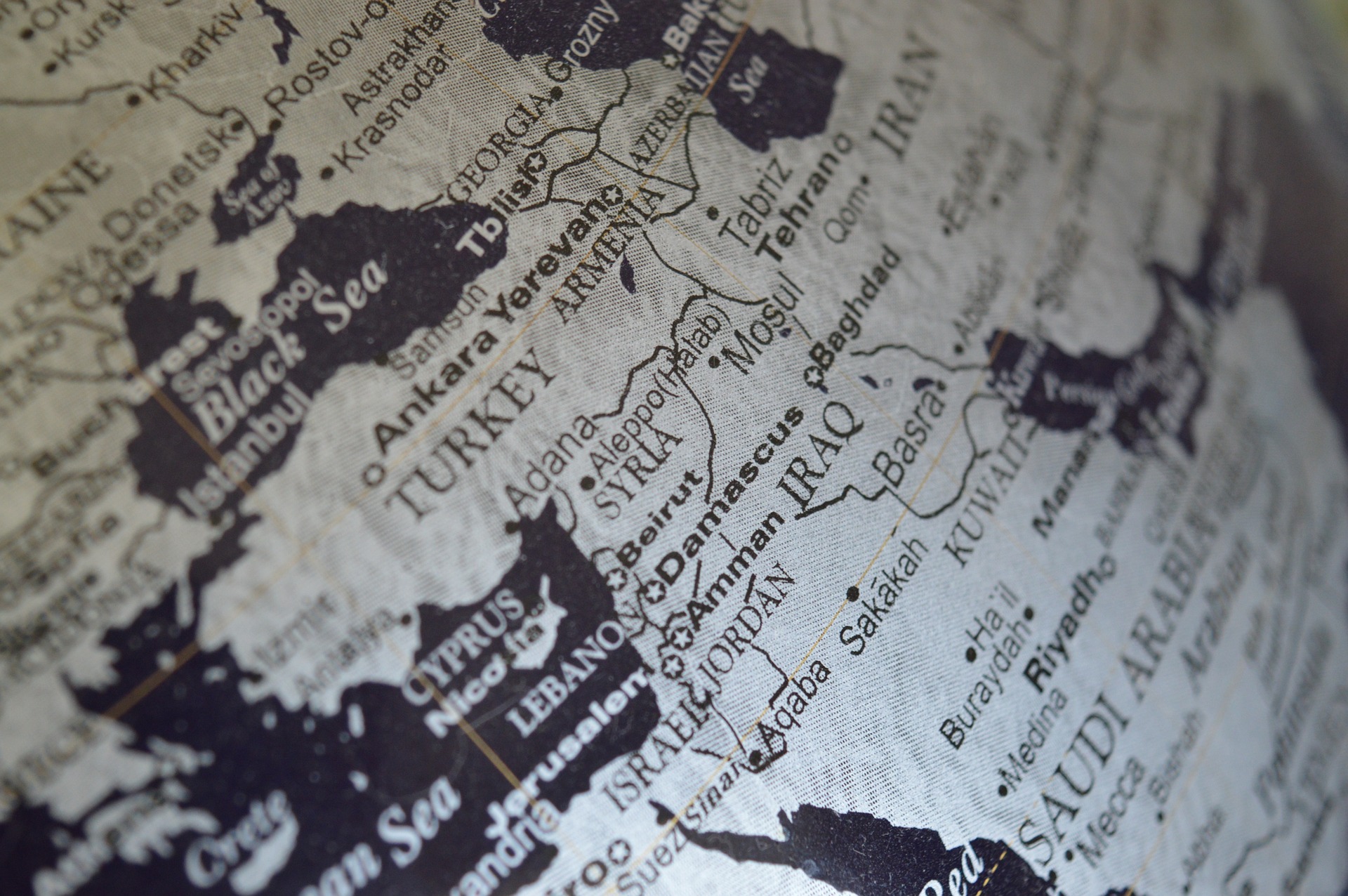

Is the Black Sea European? The European Union is still hesitating
Last week, one day before the European Council, the sixth Eastern Partnership summit took place. For weeks, questions about a potential Russian invasion of Ukraine have been asked around the world. But the Eastern Partnership summit declaration, signed by Ukraine, Georgia, Moldova, Armenia, and Azerbaijan, includes no mention of Russia. The Partnership appears hesitant to commit to more security (or integration), perhaps because some members were hoping for a greater European Union commitment to Black Sea security.
Climate change in Georgia
In the aftermath of the fragmentation of the USSR, the South Caucasus region went through a period of transformational change, during which it had to redesign and rebuild its energy systems and energy security routes. The latest U.N. Intergovernmental Panel on Climate Change (IPCC) report demonstrates that anthropogenic warming has caused extreme temperatures, precipitation levels, and drought in the region. While Georgia has significant potential for additional clean energy generation and other climate change measures, the current pace of transformation needs to increase.
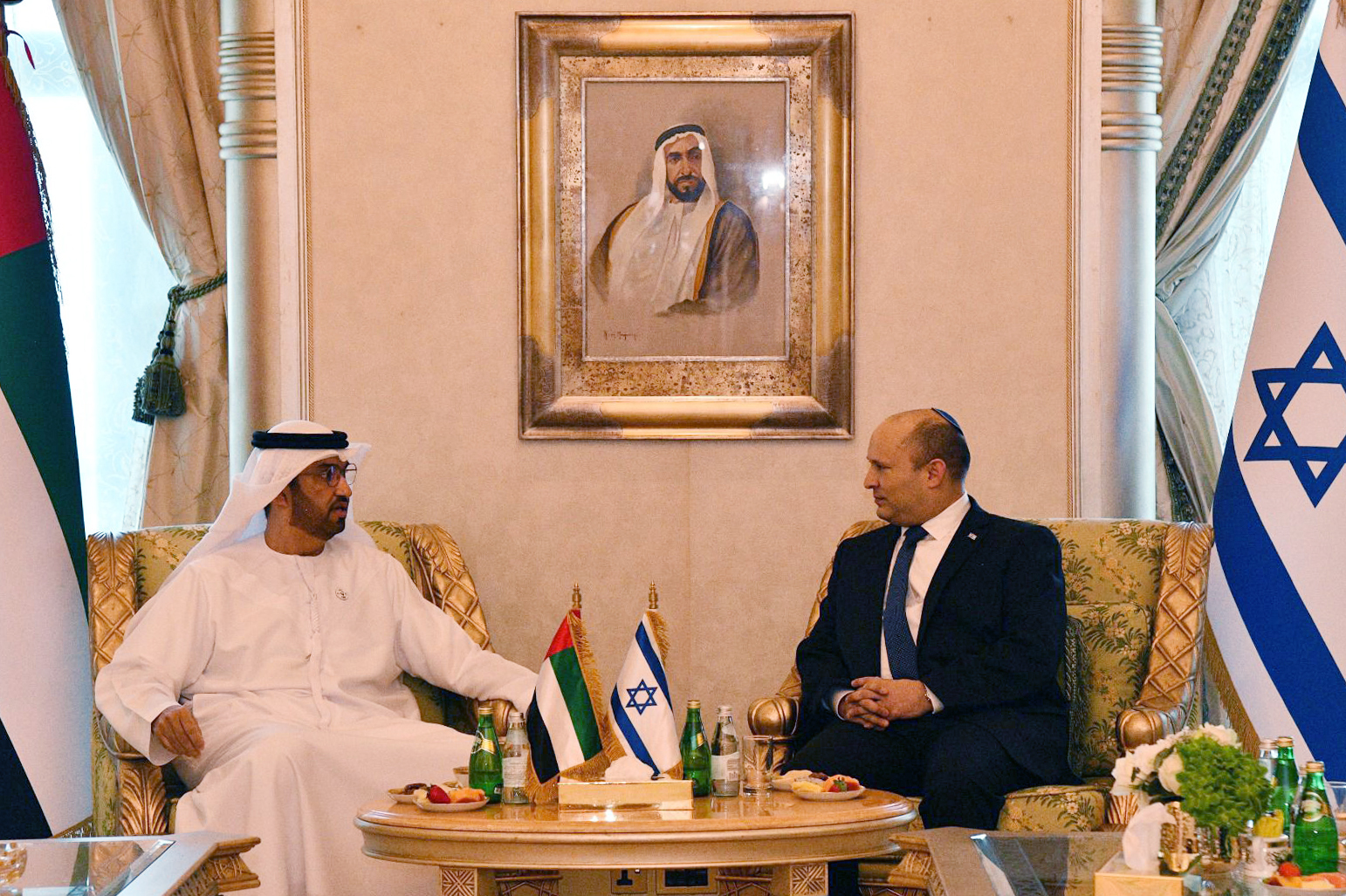
Monday Briefing: A flurry of diplomatic exchanges on the eve of the GCC Summit
Read MEI’s weekly briefing featuring expert analysis of key regional developments for the week ahead.
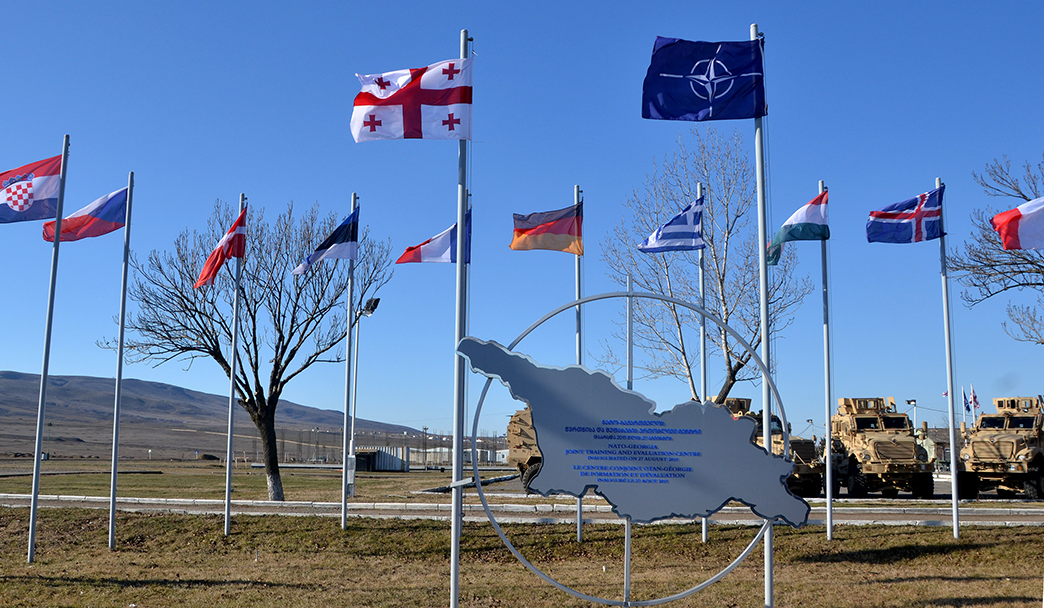
Georgia’s thorny path to NATO
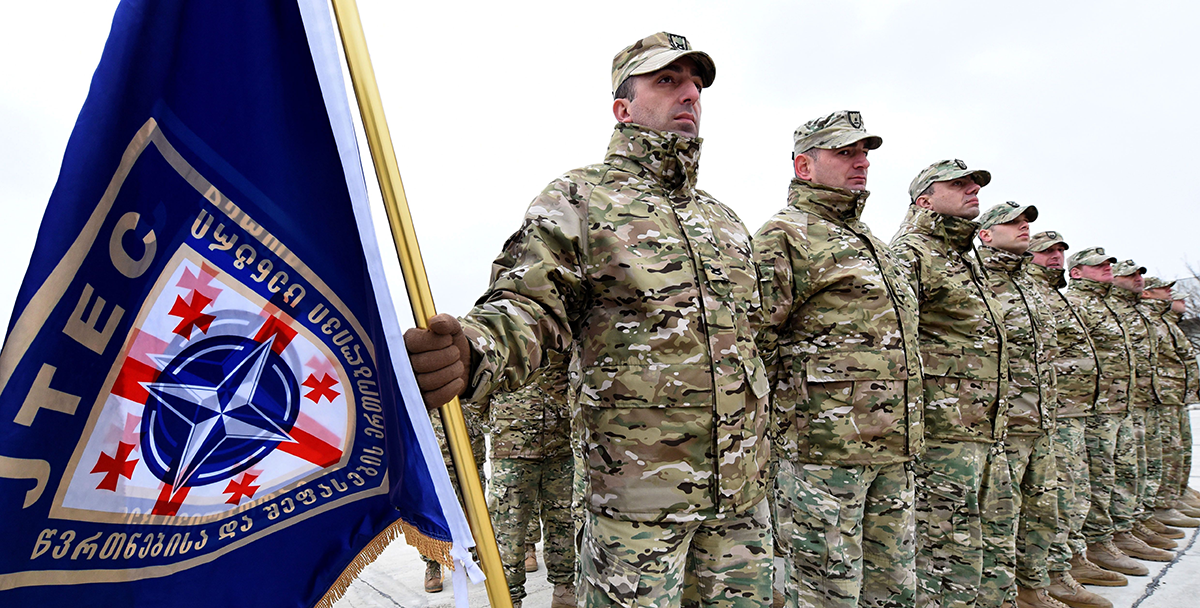
Amid heightened tensions between the U.S. and Russia over Ukraine, the issue of Georgia’s path to NATO membership is once again in the spotlight. While Tbilisi has made real progress in its military reform efforts, the major hurdle is political, not military, in nature and until the Alliance can achieve consensus, the future of Georgia’s relationship with NATO will remain uncertain.
Georgia and NATO: The case for a 2.0 partnership
Under the Biden administration, calls for a NATO Black Sea strategy have amplified. A gamechanger for the much-needed regional strategy is Georgia’s and Ukraine’s path to membership. NATO’s strategic reassessment, to be finalized next year at the Madrid summit in June, will likely fall short of granting Ukraine and Georgia the desired Membership Action Plan. Nevertheless, NATO’s strategic reassessment offers the opportunity of a partnership upgrade for one or both countries.
The 3+3 format in the South Caucasus doesn’t add up
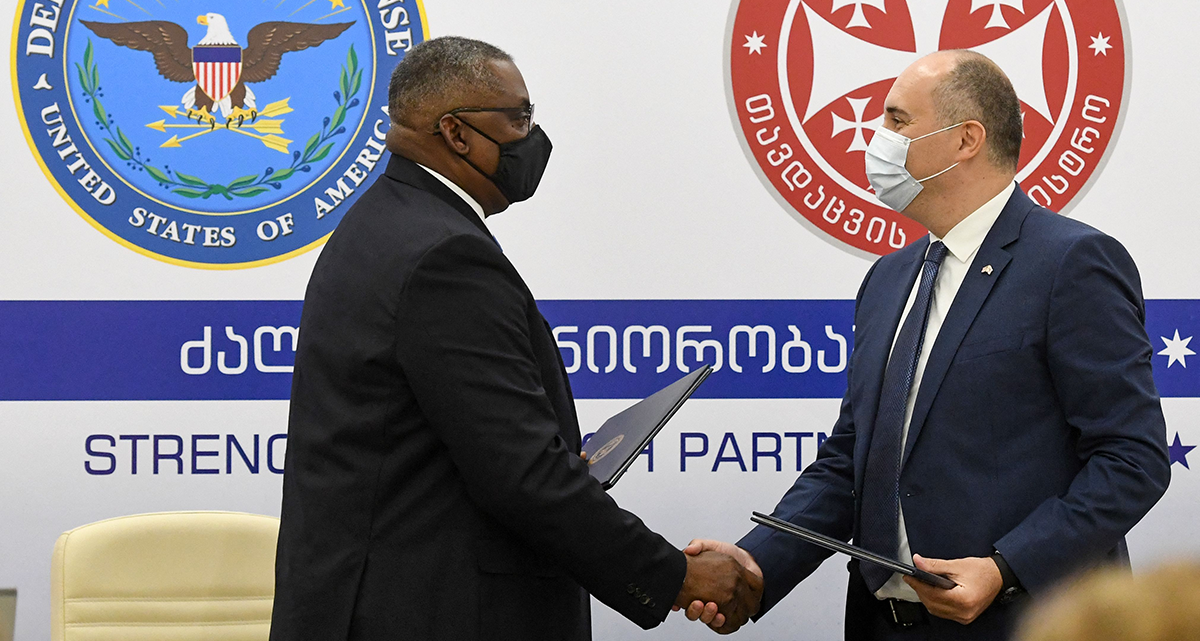
During his recent visit to Tbilisi, U.S. Defense Secretary Lloyd Austin poured cold water on the idea of American support for a so-called “3+3 format” in the South Caucasus. When asked about the proposal, he said, “I would just say that Russia, which currently occupies 20% of Georgia’s territory, should focus on honoring its 2008 cease-fire commitments before promoting any new discussion platforms.”
Will China save the Afghan economy?
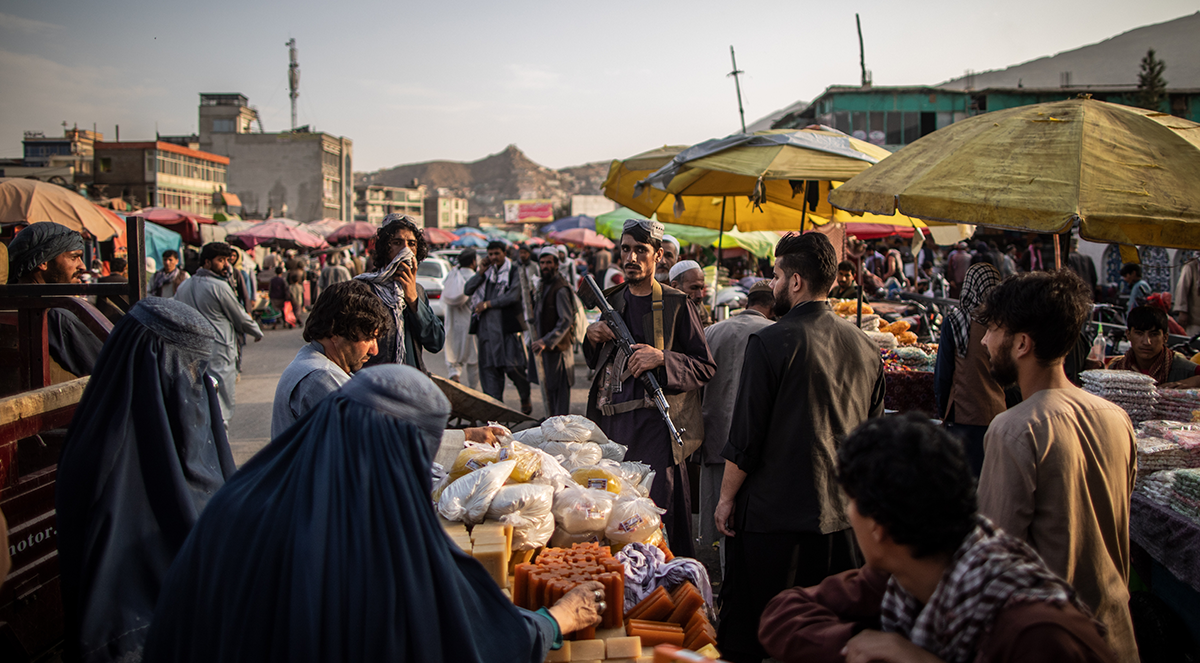
Afghanistan’s economy is collapsing. The Taliban’s forceful seizure of power led to a curtailment of almost all foreign aid, a devastating development for a nation overwhelmingly dependent on international assistance. Widespread drought, pervasive corruption, the perennially inadequate use of the country’s human capital, and a population largely unvaccinated against COVID-19 have exacerbated this longstanding problem of foreign financial dependence.
A storm brews over the Black Sea: Turkey’s contradictory maritime policy
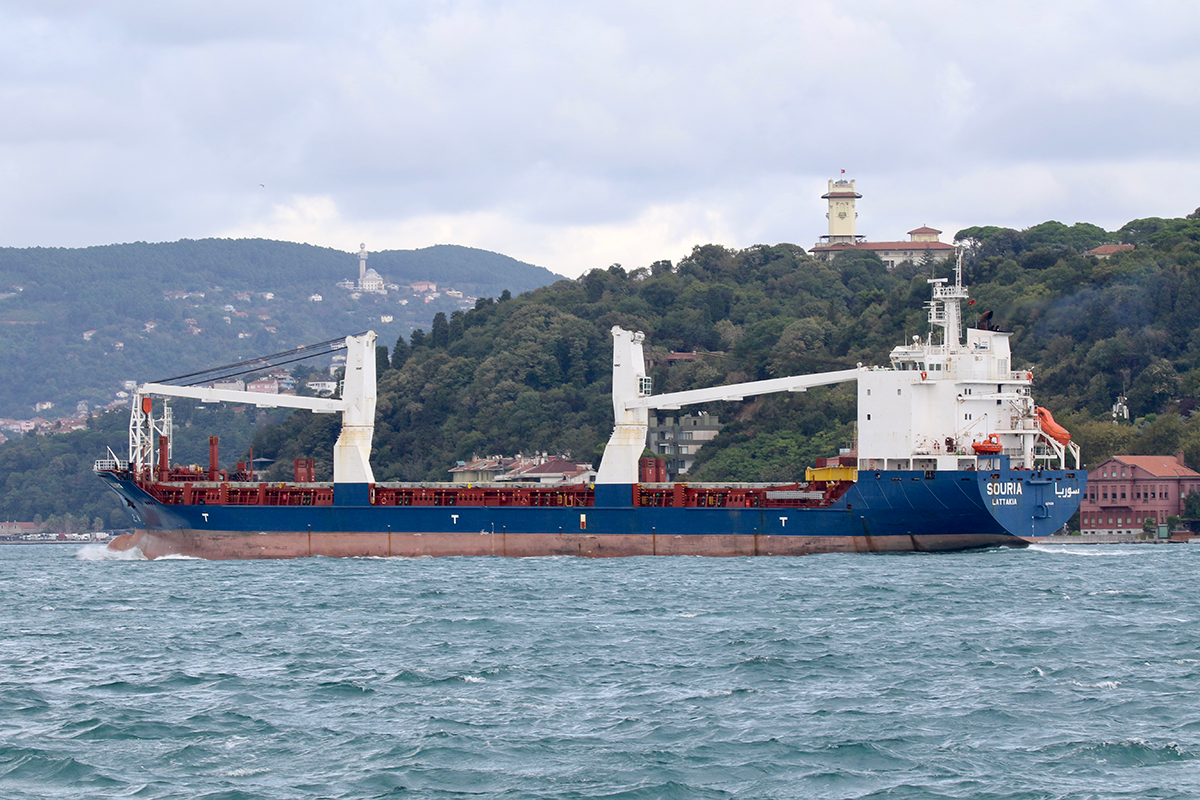
Turkey’s official policy supports the territorial integrity of Ukraine and Georgia, and it sells UAVs and ships to Ukraine. Yet, trade continues with the Russian-occupied territories of Abkhazia and Crimea. By allowing this illegal trade, Turkey undermines both its own credibility and its trading partners’ security. Shipped goods not only help connect occupied zones to Russia, but trade also brings hard currency into these zones, which are outside the international banking system.
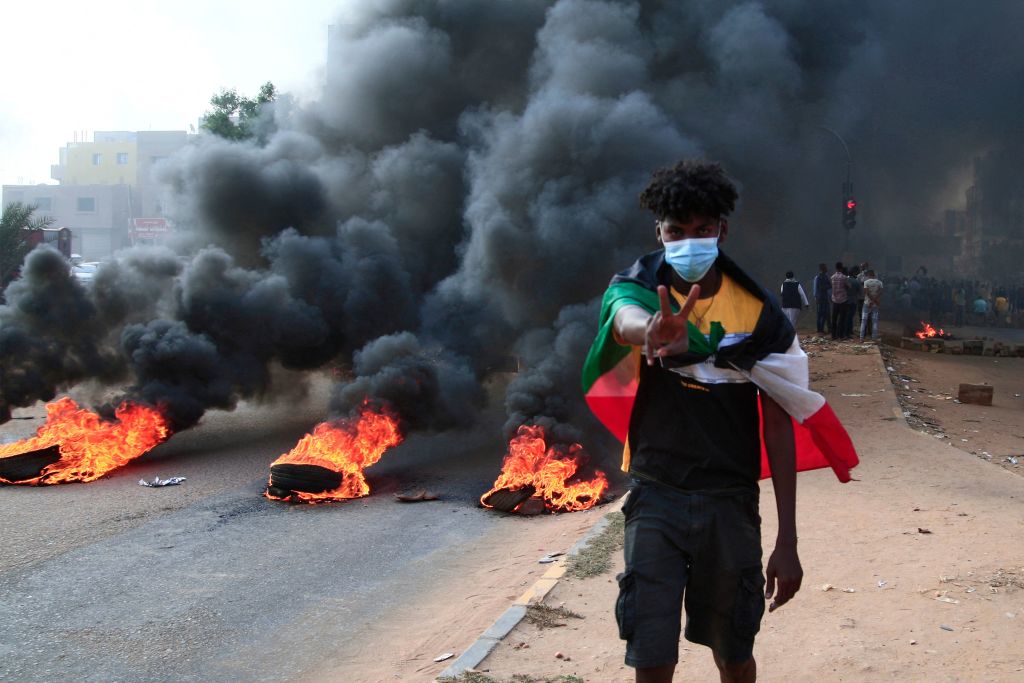
Monday Briefing: Protests in Sudan end in apparent coup
Read MEI’s weekly briefing featuring expert analysis of key regional developments for the week ahead.
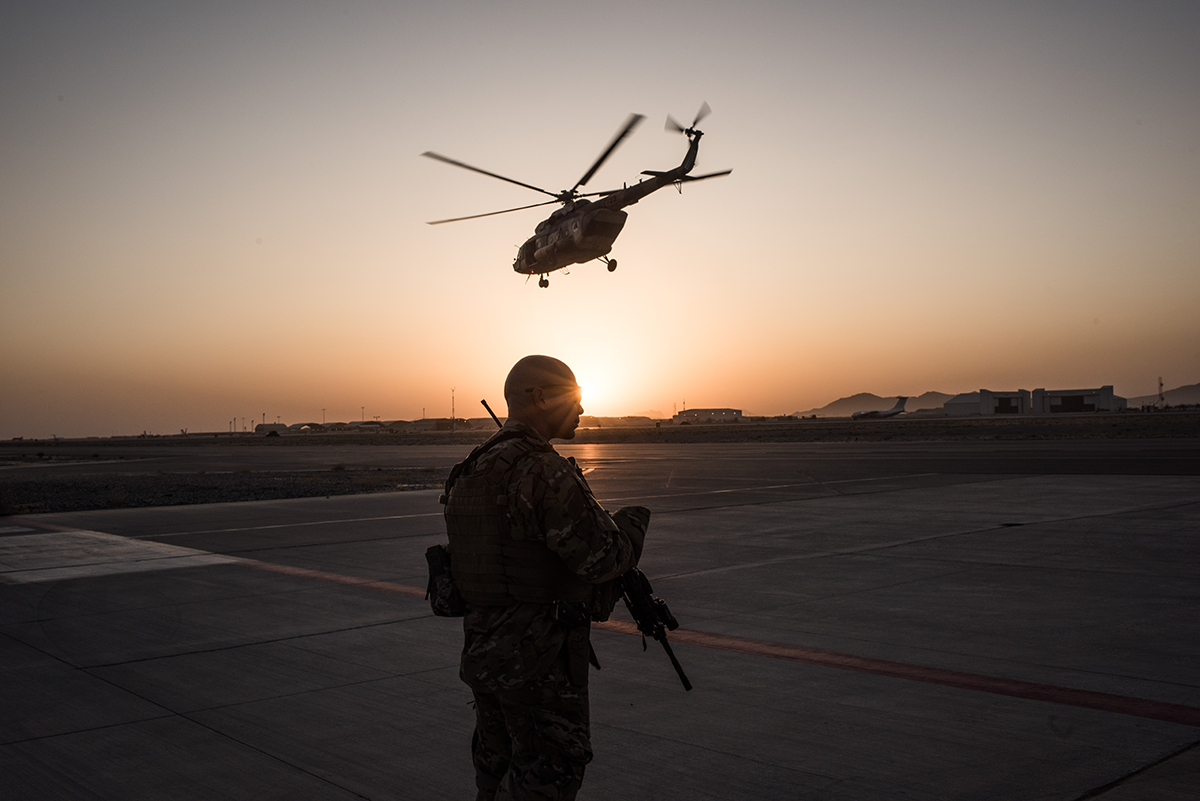
America’s reputation and local actors in a trust vacuum
The rapid collapse of the U.S.-supported Afghan government after the withdrawal of U.S. troops raised a number of questions about America’s credibility and reputation in the eyes of its allies, especially those who had participated in and contributed to the 20-year war. Analysts and commentators have focused on how NATO member states or the European Union now perceive the U.S., but it is also important to consider the perspective of non-state groups or individuals who served or could serve as local partners for the U.S. government and military.
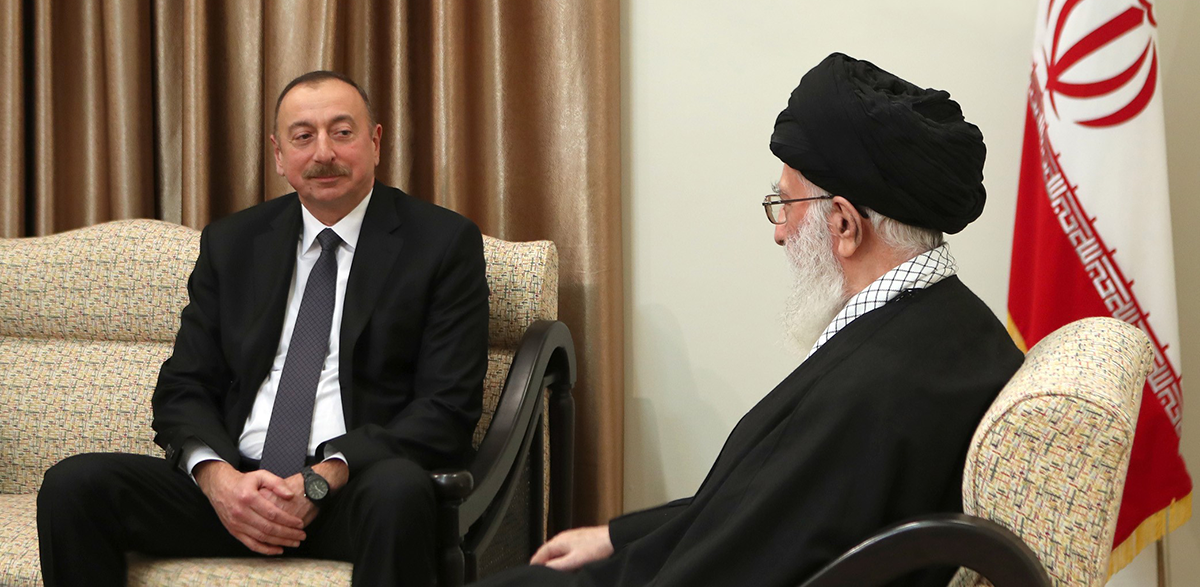
Iran’s threats could strengthen Azerbaijan-Israel relations
Iran-Azerbaijan relations have been going through a rough patch recently; both sides have genuine concerns that they want addressed.
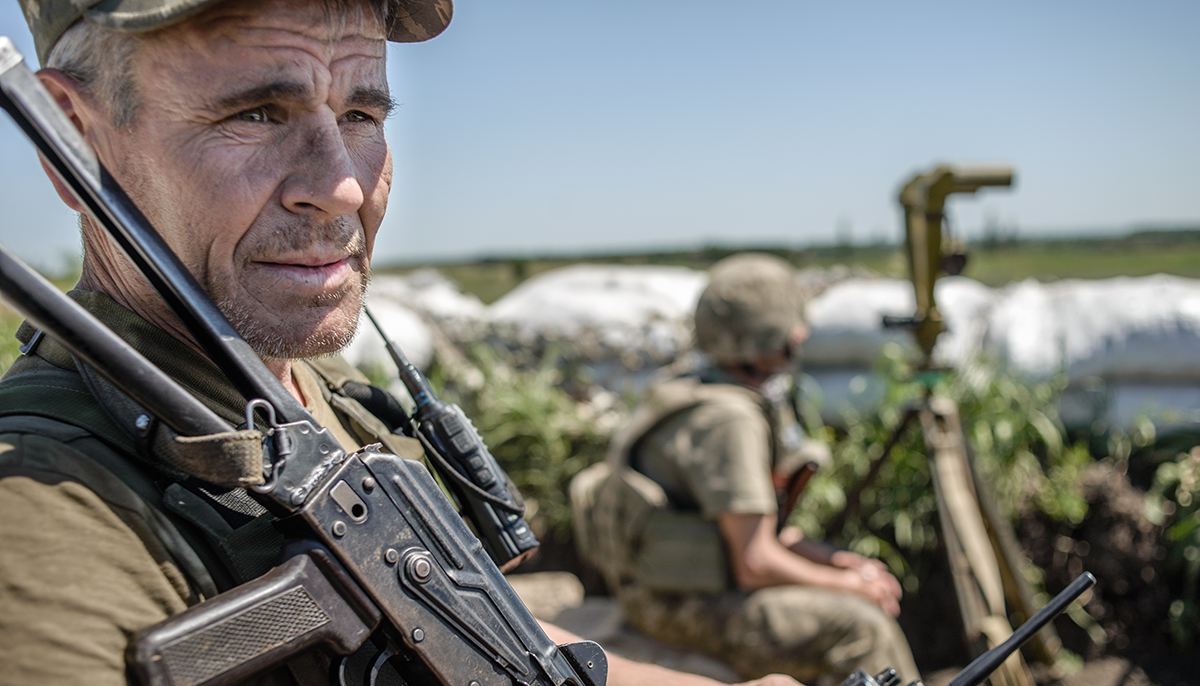
Cost of Conflict: An Analysis of the Costs of Russia’s Ongoing Hostilities in the Black Sea Region
Conflicts are enormously destructive. They destroy lives and property, uproot communities, and reduce the economic potential for all involved. This devastation often has an unaccounted cost, both in terms of the obvious direct destruction of lives and assets, as well as the indirect costs that weigh on economies, often for years to come. This is true of all conflicts, and has certainly been true, and visible, during Russia’s unjustified and illegal invasions of its neighbors, Georgia and Ukraine.
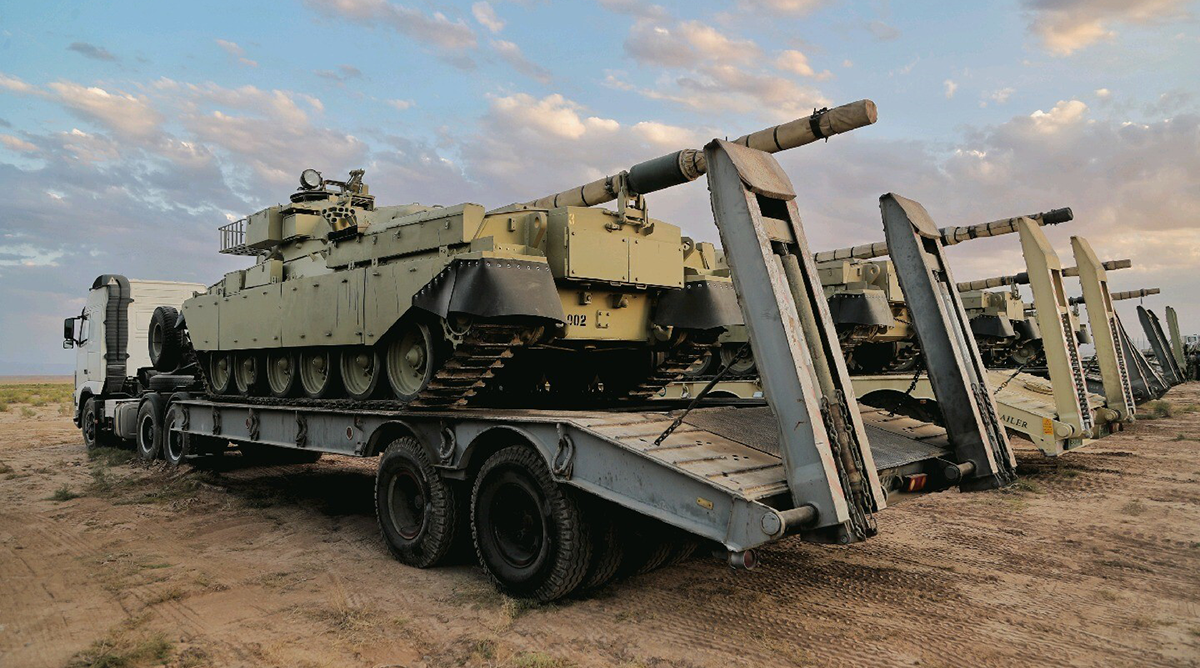
Azerbaijan and Israel’s encirclement of Iran
Tensions between Iran and Azerbaijan are high right now but both sides will very likely soon step down. Neither Tehran nor Baku can afford to let recent events lead to a full-fledged crisis or a military showdown between the two Shi’a Muslim-majority countries. On the surface, this latest spat is about Azerbaijan’s resentment toward Iran for providing an economic lifeline through trade and transit options to its landlocked arch nemesis, Armenia. In reality, the split that underpins the ongoing Iranian-Azerbaijani tensions is more about fundamental foreign policy choices that Tehran and Baku have each made and are unlikely to reverse.
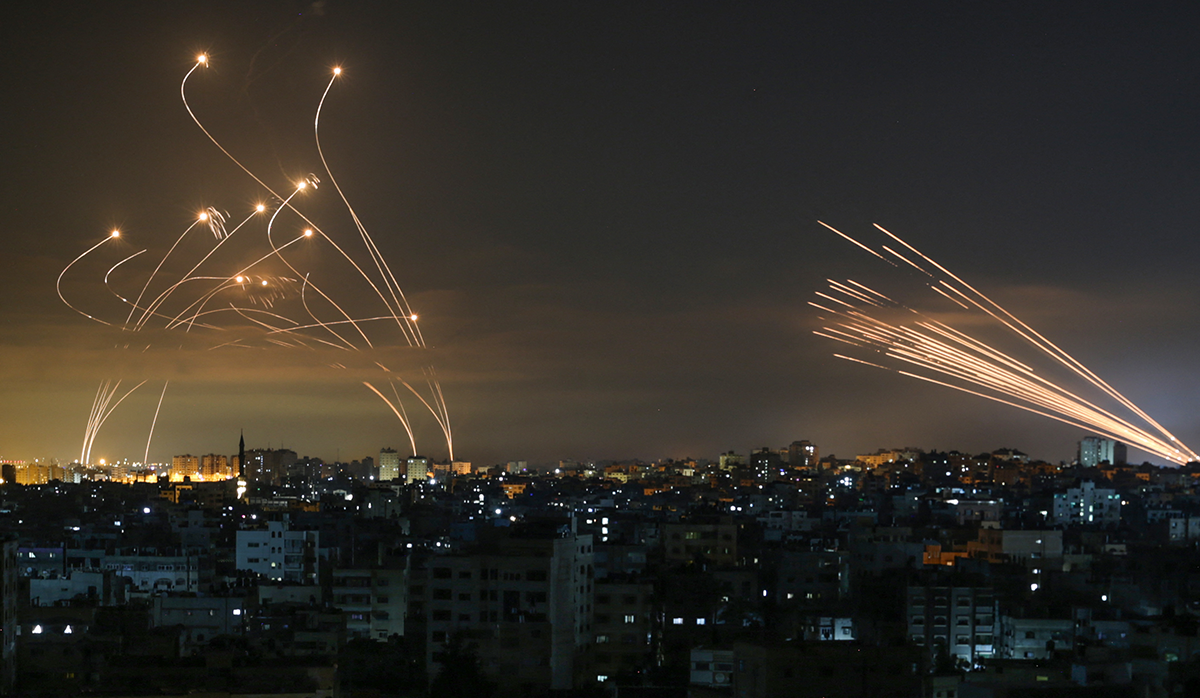
لا، القبة الحديدية لا تحمي أرواح الفلسطينيين
الجدل المستمر (والمبالغ فيه إلى حد كبير) حول قرار أعضاء الكونغرس التقدميين بإعاقة إدراج مليار دولار في التمويل الإضافي لنظام الدفاع الصاروخي الإسرائيلي المسمى بالقبة الحديدية، إلى جانب الـ 3.8 مليار دولار من المساعدات العسكرية الأمريكية التي تتلقاها إسرائيل بالفعل، كشف عن تصدعات في داخل الحزب الديمقراطي وكذلك عن مدى إمكانية إجراء نقاش حقيقي حول القضايا المتعلقة بإسرائيل/فلسطين في واشنطن.