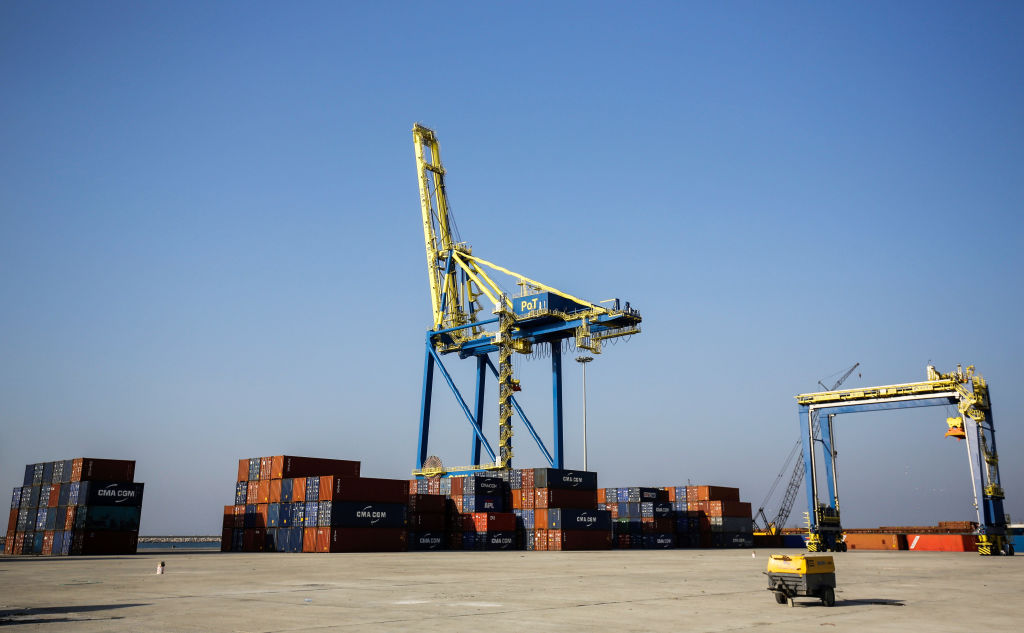
The idea of establishing a Levant Union — one not unlike the European Union (EU), but composed of the Levantine states of Lebanon, Syria, Iraq, Palestine, Jordan, and by extension, Egypt and Cyprus — is one that ought to be explored. Such an arrangement would offer untapped potential for trade, supported by the growing trend toward greater regionalization, fueled by the rise in protectionism, increasing multipolarity, and corporate regionalization.
The UAE drawdown in Yemen is a welcome step, but it needs to be reciprocated
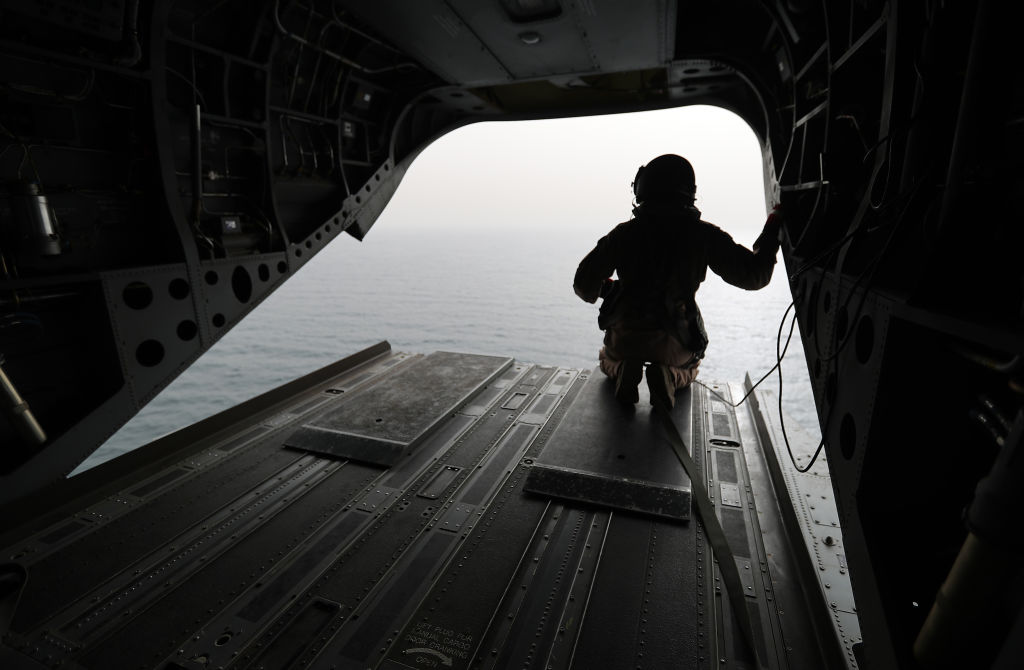
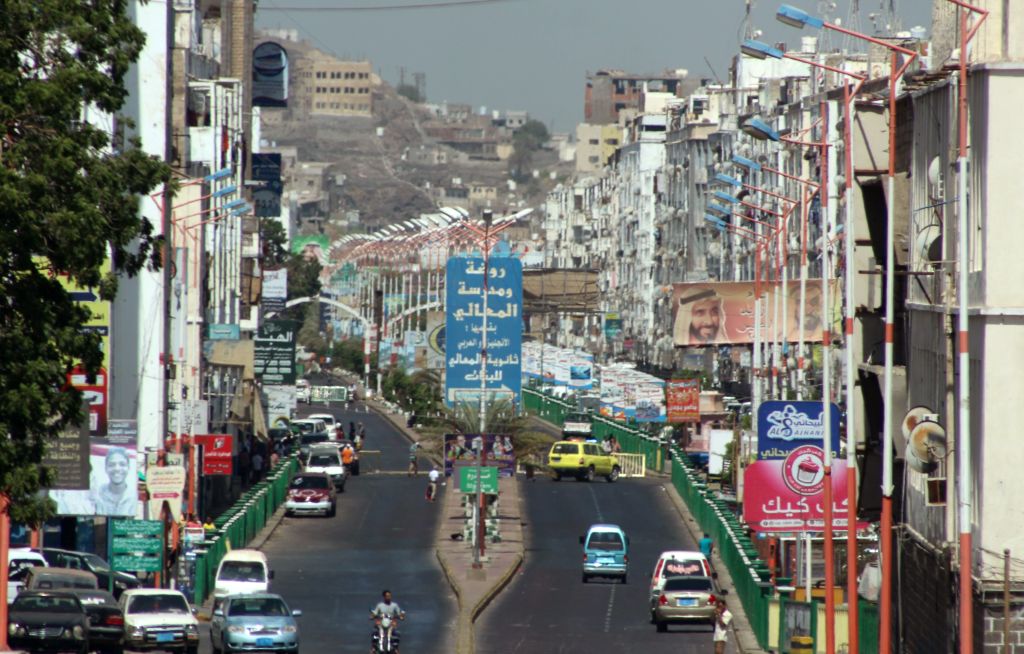
Reports that the UAE, a key member of the Saudi-led coalition fighting in Yemen, has decided to draw down and reposition its troops should be welcomed and taken seriously. It is not a small or symbolic move, but rather a serious, strategic, and thoughtful military and political decision. If reciprocated by the Iranian-backed Houthi militia, it could serve as the long-awaited breakthrough in the five-year-old Yemen war.
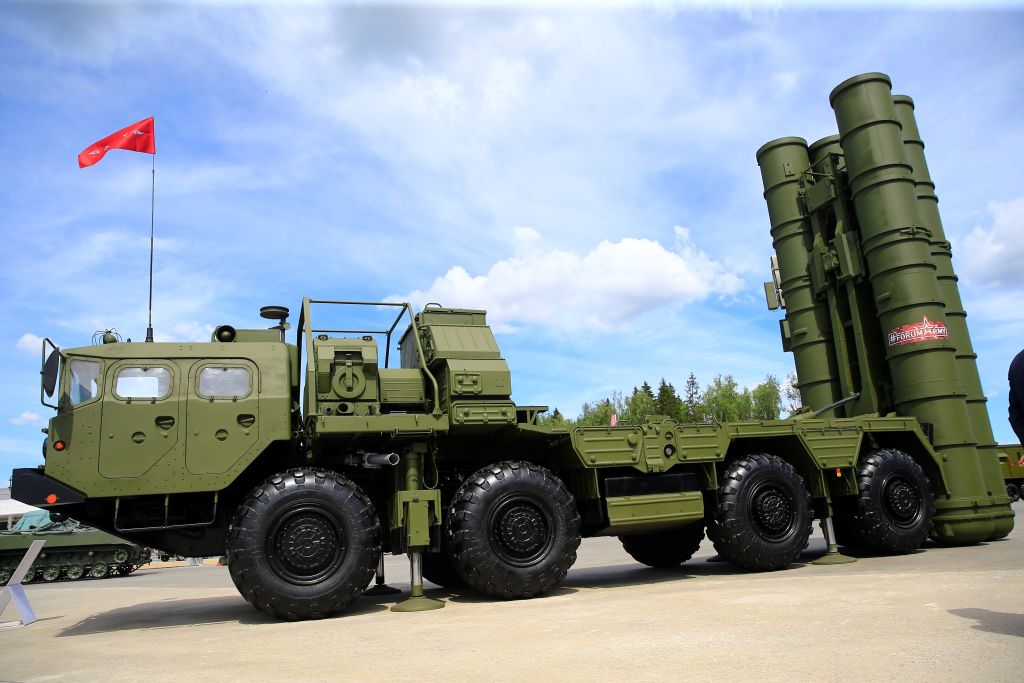
With delivery of the Russian S-400 air defense system to Turkey looming, a new crisis in U.S.-Turkey relations is slowly emerging. While it is obvious that Turkey needs a new air and missile defense system given the security risks in its region, it remains unclear why Turkish President Recep Tayyip Erdogan seeks to acquire the capability from a historical rival and potential adversary instead of through NATO. This decision will likely have major consequences for Turkey and its future geopolitical orientation.
Freshwater Resources in the MENA Region: Risks and Opportunities
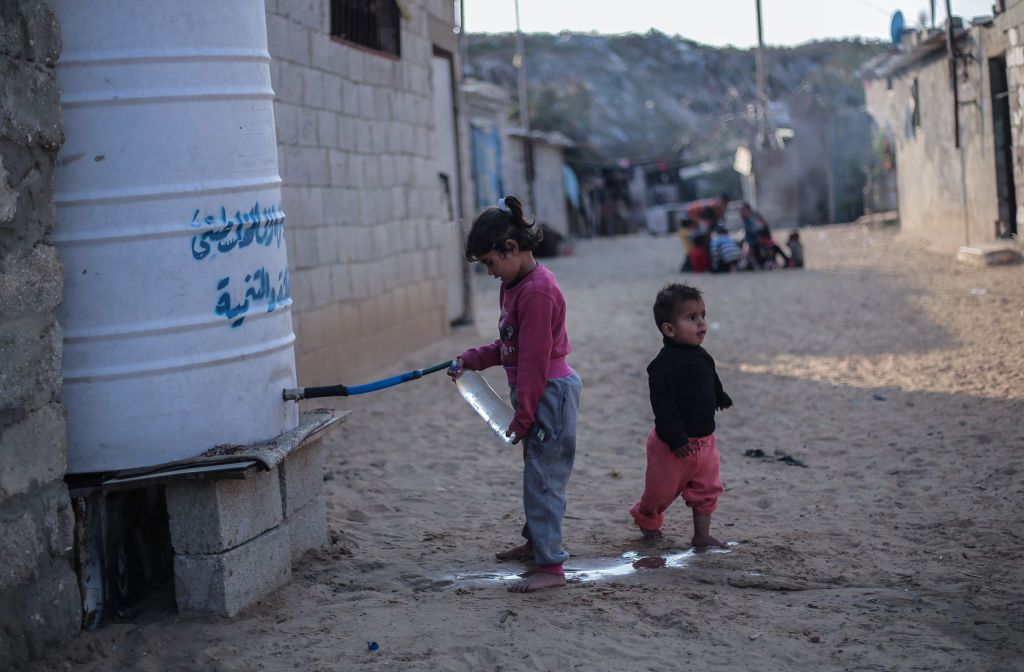
A reliable supply of freshwater is a prerequisite for sustainable socioeconomic development, as well as for sociopolitical stability and human prosperity, especially in semi-arid and arid regions of the world. The Middle East and North Africa’s freshwater resources are under immense pressures and are facing significant risks to their sustainability due to overexploitation, climate change, and interstate competition over their use that extends beyond the region’s boundaries.
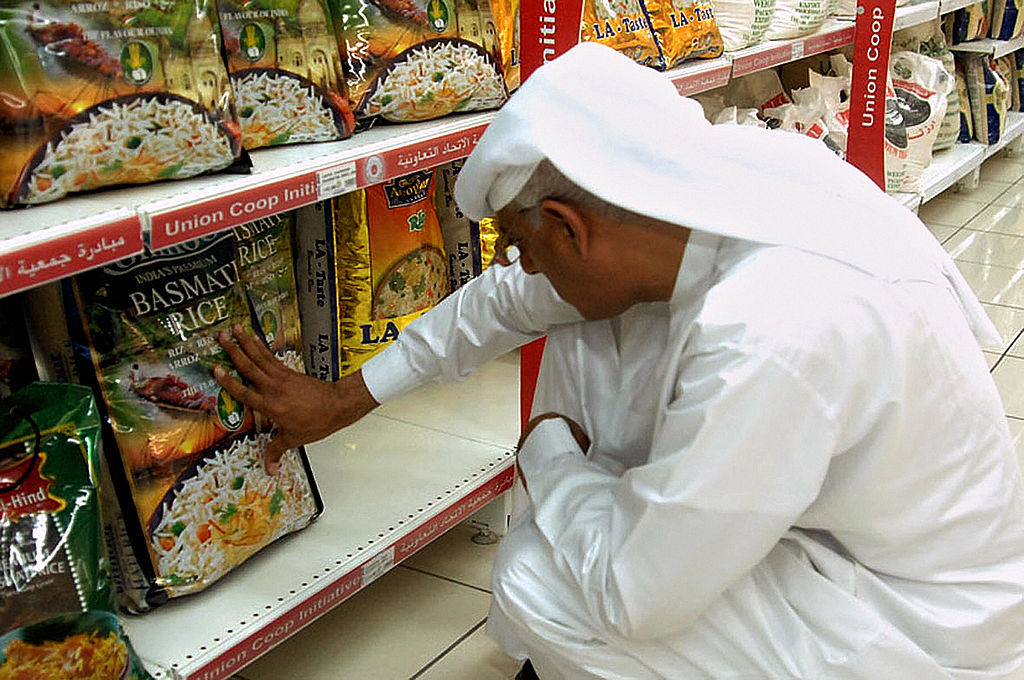
Interconnected: Trade, food security, and stability in the GCC and MENA
It is easy to overlook the fact that food security could be an issue of concern in the Gulf Cooperation Council. After all, its member states have some of the world’s highest per capita income levels. Food supplies in the Gulf are normally abundant and stable. Were they to be disrupted, however, it could lead to food security challenges and a chain of adverse consequences for human security throughout the region.
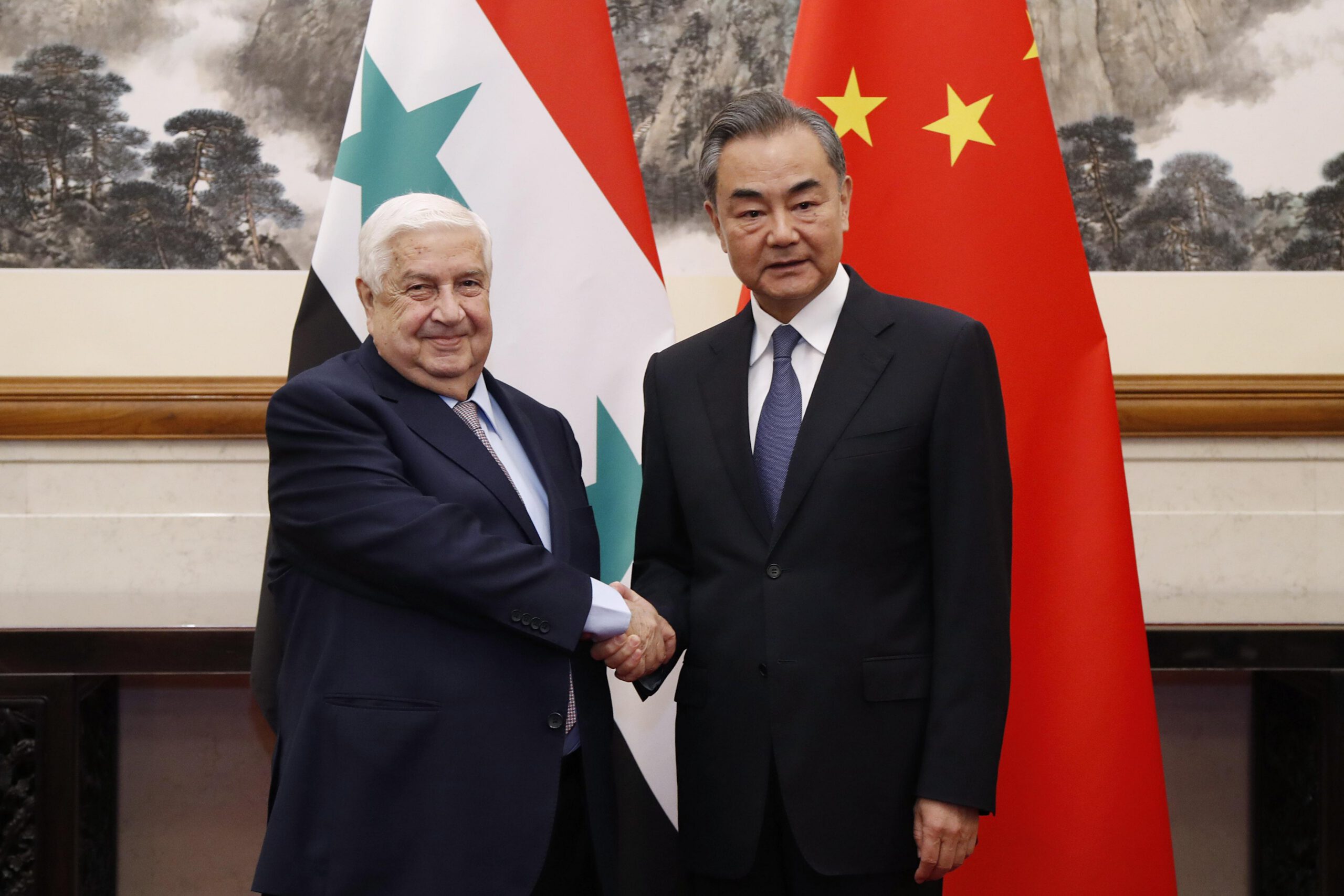
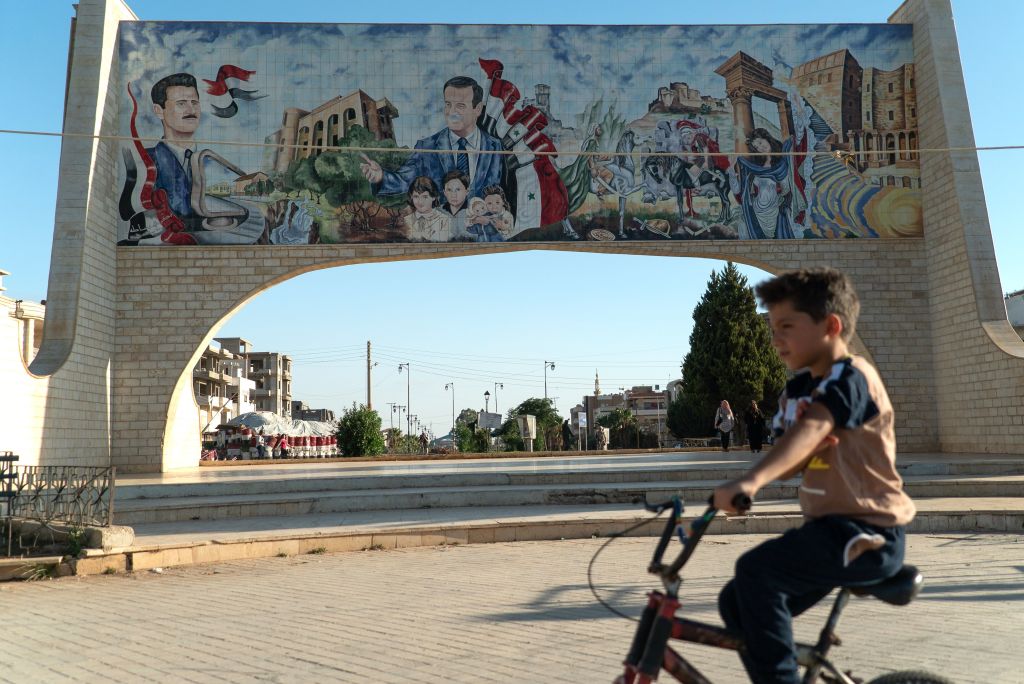
Traditionally, Syria has not been a strategic priority for China. Nor is it today. However, this does not mean that Beijing has been indifferent to the wide-ranging adverse effects of Syria’s disastrous civil war or to the opportunities that its postwar rebuilding might present. China’s Syria policy derives from its broader security and economic interests in the region. Accordingly, China’s two primary policy aims are 1) maintaining a constructive relationship with a government in Damascus that is stable, friendly, and capable of preventing the spread of transnational jihadist activity from its territory; and 2) developing an economic partnership that is compatible with and in furtherance of the Belt and Road Initiative (BRI). This article examines how China has pursued these aims during the eight-year Syrian conflict.
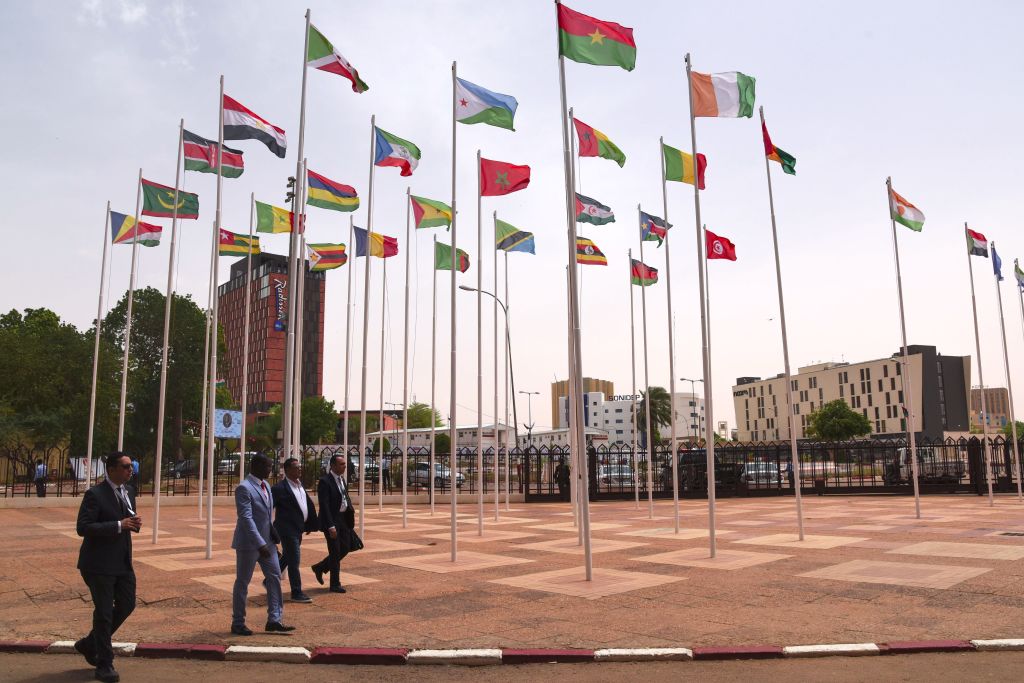
Monday Briefing: Strengthening Egypt’s ties with Africa
In this week’s Monday Briefing, MEI experts Mirette F. Mabrouk, Charles Lister, Gonul Tol, and Alex Vatanka provide analysis on recent and upcoming events including Egypt’s engagement with Africa to boost trade and investment, the reshuffling of leadership of Syria’s security apparatus, the firing of Turkey’s central bank governor, and Russia’s positioning to act as mediator between Iran and the Gulf states.
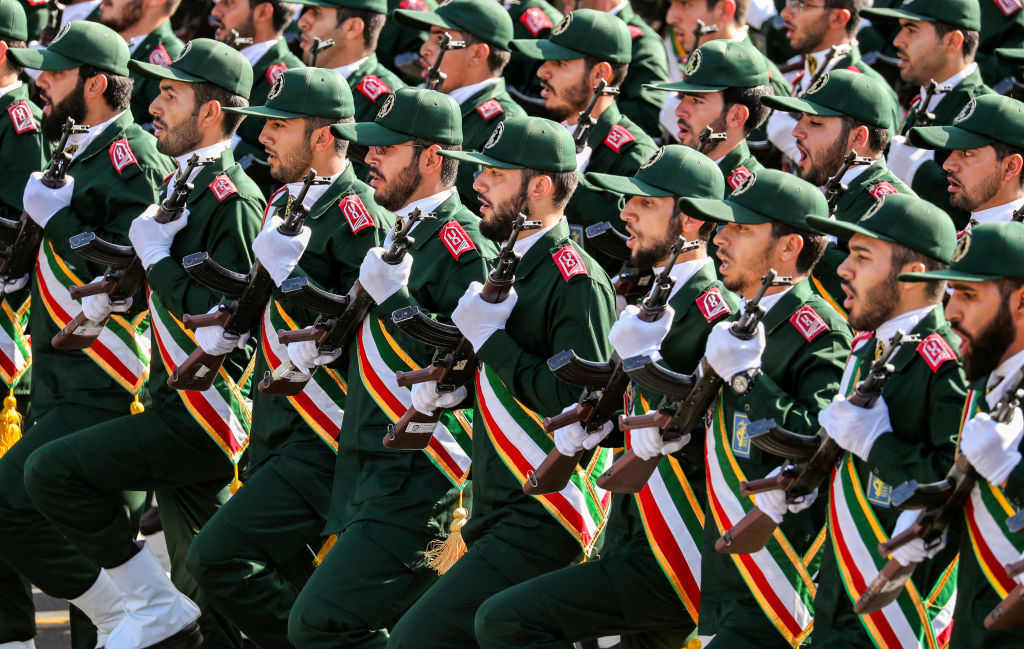
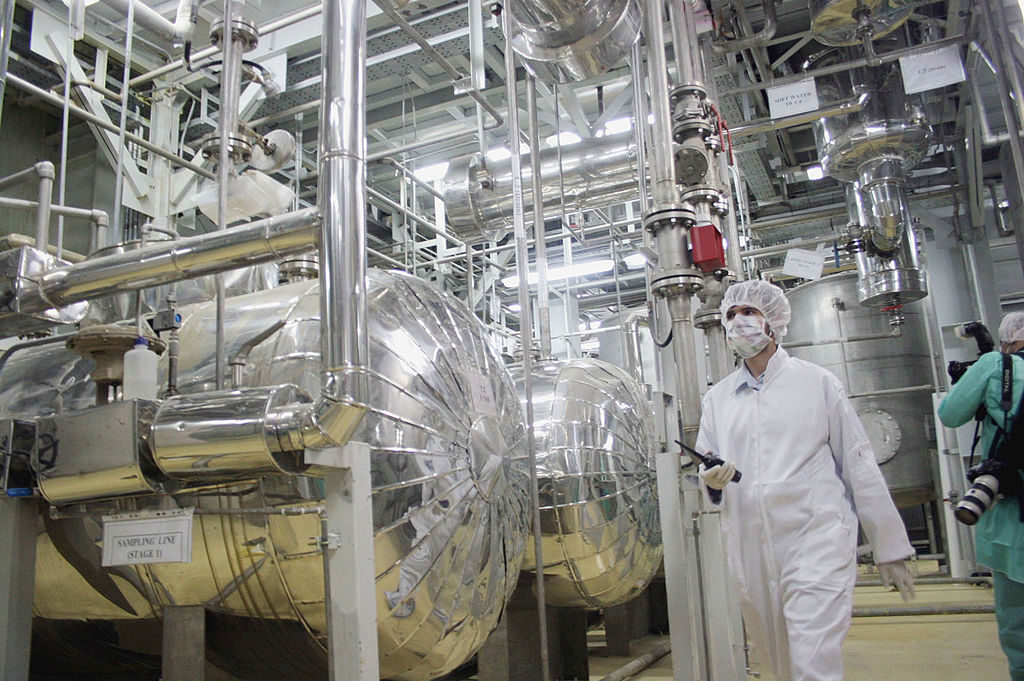
Having earlier threatened Iran with “obliteration” in the event of war, U.S. President Donald Trump warned on July 2 that the Islamic Republic was “playing with fire” after it breached the 300-kg cap on the stockpile of low-enriched uranium set by the nuclear deal. Yet, despite reportedly engaging in suspected “sabotage attacks” on a number of oil tankers, Iran is very unlikely to initiate a direct conflict with the U.S., but the scale and scope of its response to potential U.S. military action is not clear. Will it resort to overwhelming strategic force in the hope of dissuading the “aggressor” from further escalation, thus risking a major confrontation, or respond surgically to potential U.S. “tactical” strikes?
Becca Wasser, policy analyst at the RAND Corporation, and NPR national security correspondent and MEI scholar Greg Myre join host Alistair Taylor to discuss Moscow’s growing political, economic, and military footprint in the region.
As violence flares up in Daraa, control can be an illusion
Violence has been flaring up at an alarming rate in the southern Syrian province of Daraa, amid dozens of unclaimed attacks by gunmen. Over the last three months, assassinations, checkpoint attacks, fires, and sporadic clashes have wreaked havoc in the area and signaled a potential return of conflict.
UNIFIL and the Lebanese Army, a worthwhile US investment
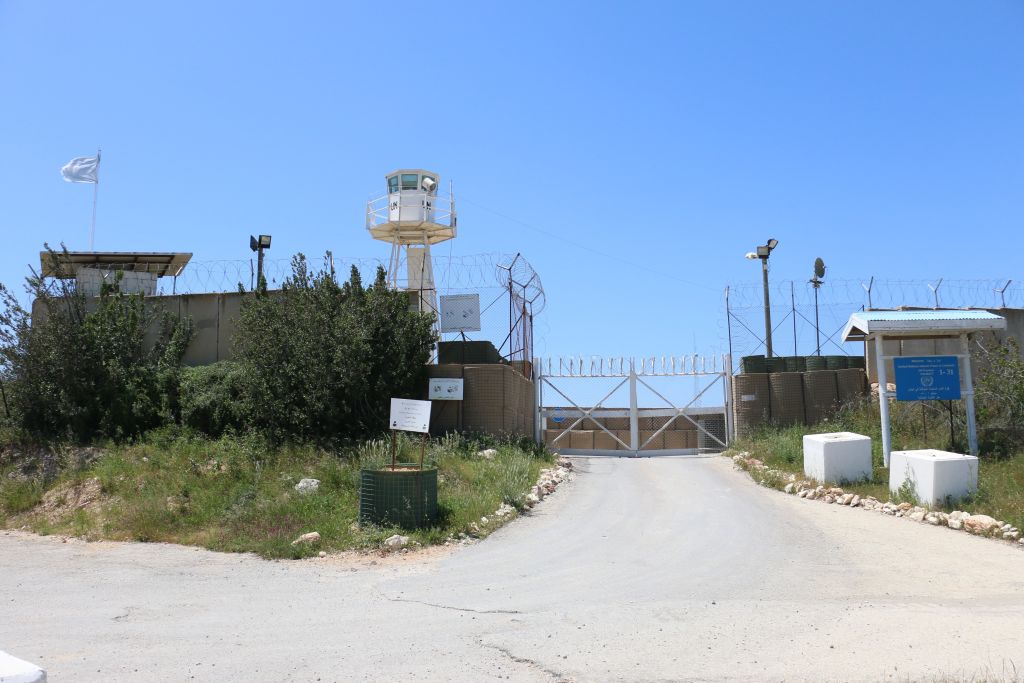
My colleagues and I at the American Task Force for Lebanon (ATFL) visited the LAF southern headquarters, the UNIFIL headquarters, and the Blue Line, established in 2000, separating Israel and Lebanon. We were encouraged by what we saw.
One hallmark of Sudan’s most recent protests has been the protestors’ fierce determination that the military not be their partner in the struggle for democratization. Some GCC states, however, are getting involved in Sudan, using their financial means to influence the country’s future. In doing so, they risk making it the Arab world’s next theater for intra-GCC rivalry.
Balancing local autonomy and national unity in Yemen
International attention on the Yemen conflict remains focused heavily on the humanitarian dimensions of the crisis, Saudi-Iranian competition for advantage there, and the UN’s fitful efforts to return the parties to the negotiating table. But another aspect of the conflict may have more significant long-term consequences for both Yemenis and the international community: the declining relevance of Sana’a at the center of a unified Yemeni state and the increasing local autonomy in large parts of the country.
In this week’s Monday Briefing, MEI experts Alex Vatanka, Gonul Tol, Gerald Feierstein, Marvin G. Weinbaum, Rauf Mammadov, and Robert S. Ford provide analysis on recent and upcoming events including Iran’s announcement that it has exceeded its enriched uranium limit, Turkey’s purchase of Russia’s S-400s missile defense system over American objections, an Emirati announcement that it will downsize military involvement in Yemen, the resumption of intra-Afghan peace talks, Russia’s continuing embrace of OPEC+ oil production cuts, and the emergence of potential threats to Tunisia’s democracy.
A way out for Russia and Turkey from Idlib's spiral of violence
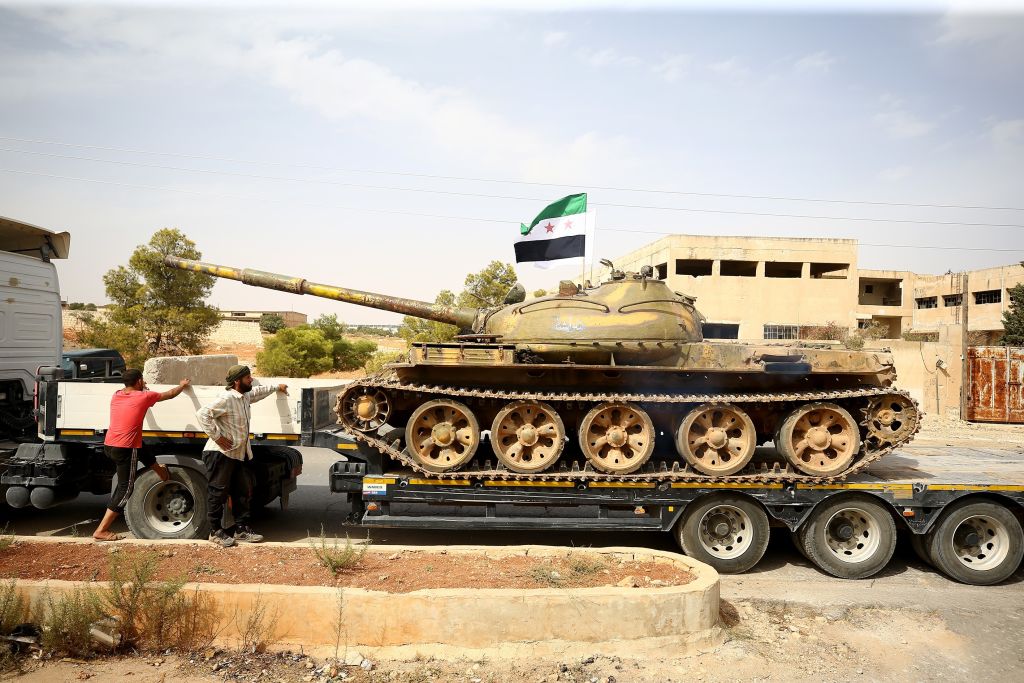
Since the start of the regime’s military campaign in Idlib last month, a group of Free Syrian Army factions that fought alongside Turkish soldiers has gradually entered the region. This development may balance the Hayat Tahrir al-Sham presence and ultimately help to force the group out of the demilitarized zone, ensuring a continued Turkish-Russian consensus on Idlib.