Measure, verify, certify: How to future-proof Gulf companies in the energy transition
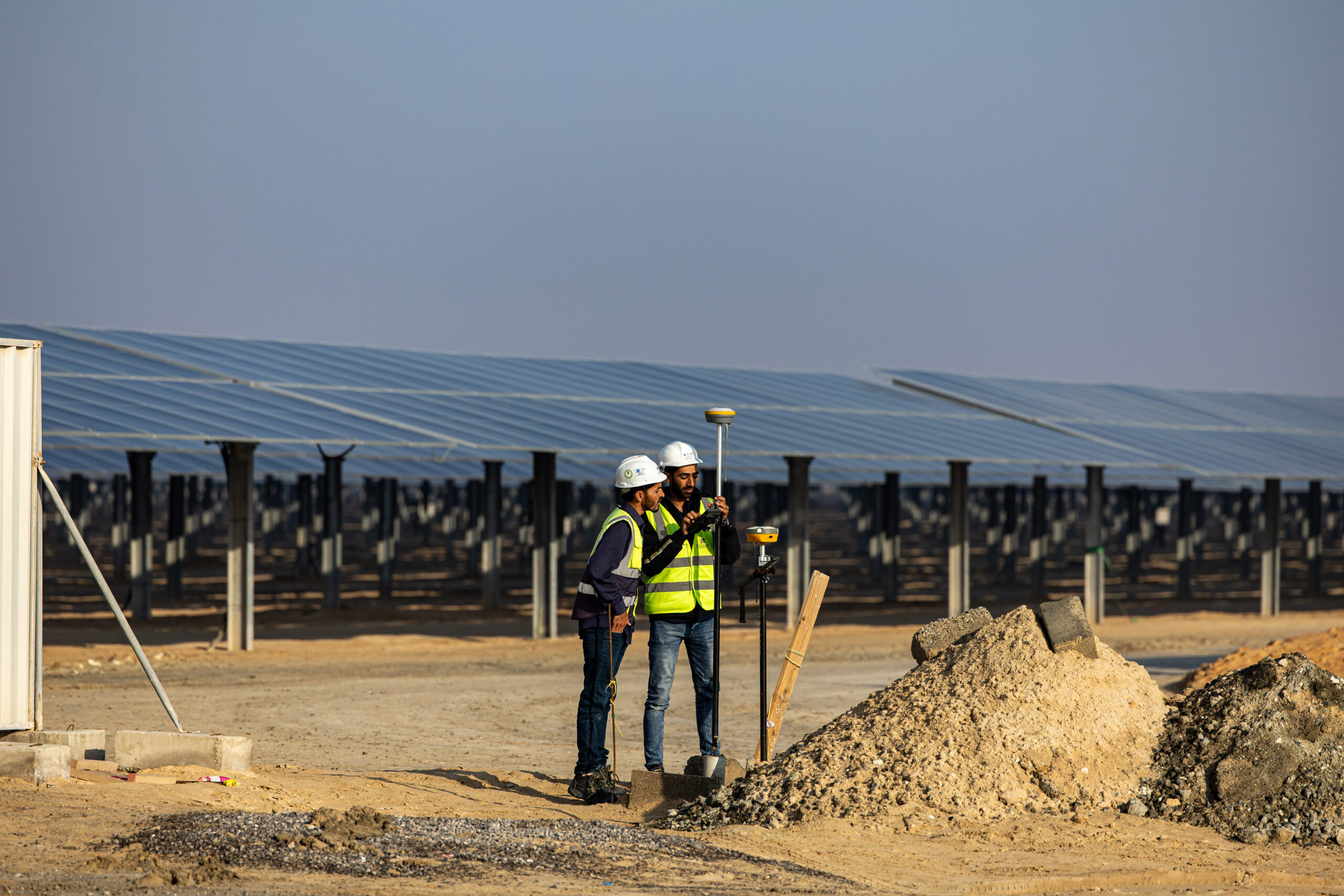
Several Gulf states have introduced renewable energy certificates into their low-carbon energy eco-system. What are RECs and how can they help companies navigate the energy transition?
Brookings’ Distinguished Fellow on Foreign Policy Itamar Rabinovich discusses his new book – “Middle Eastern Maze: Israel, the Arabs, and the Region” – as well as contemporary Israeli politics with MEI’s VP for Policy Brian Katulis.
Art in Dialogue with Nature: An Exploration of Saudi Arabia’s New Valley of the Arts
Wadi AlFann (‘Valley of the Arts’) is a new global cultural destination in Saudi Arabia, where monumental contemporary artworks are being commissioned for AlUla’s majestic desert landscape.
Curator Iwona Blazwick and participating Saudi artist Manal Al Dowayan speak with MEI’s Senior Vice President Kate Seelye about Wadi Al Fann’s permanent art commissions and the impact of the Kingdom’s investment in the arts as part of Saudi Vision 2030 on local communities and the international art scene.
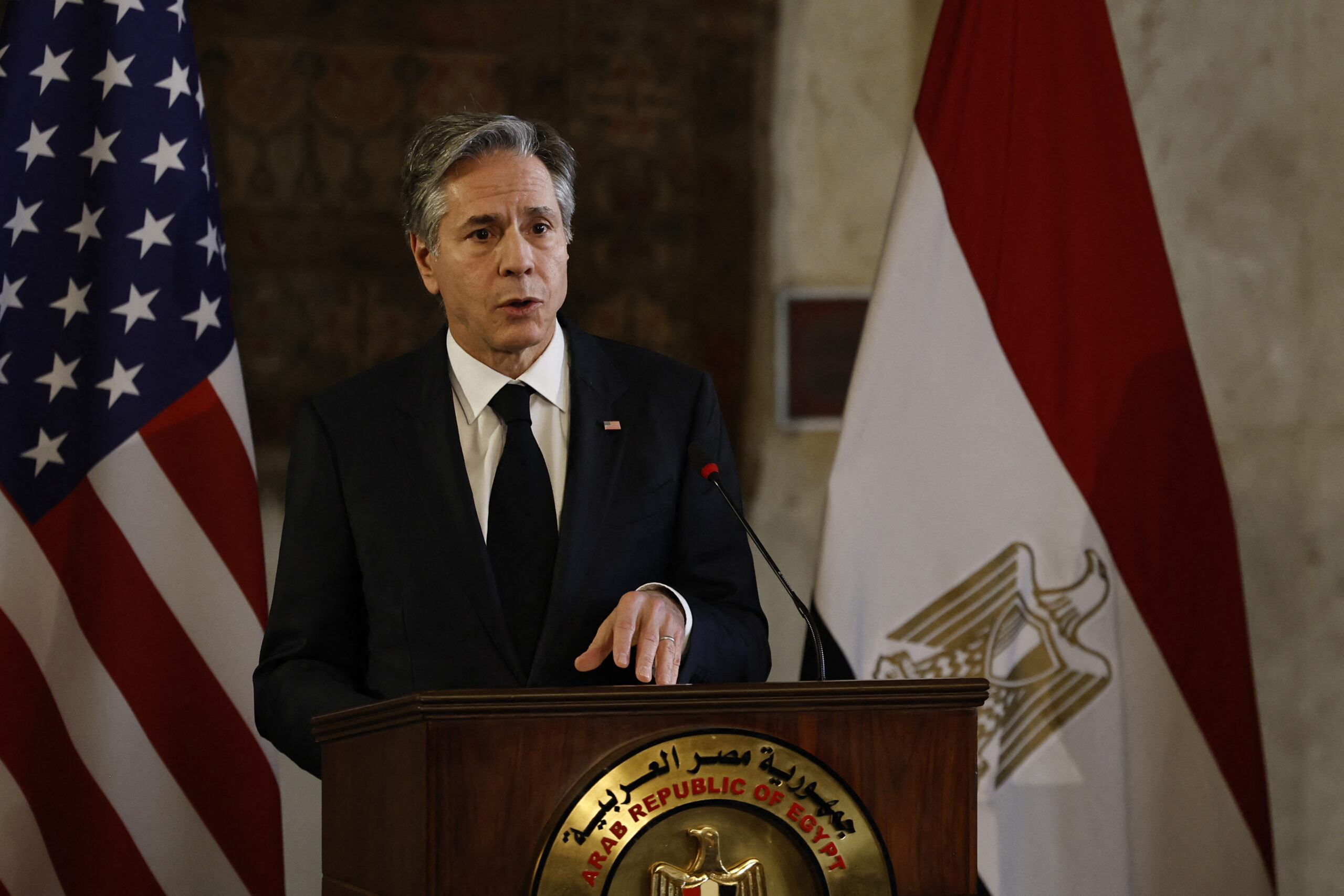
Putting Diplomacy First in the Middle East: Creating Incentives for De-Escalation
The Middle East is undergoing a historic transformation with unprecedented opportunities to build new relationships, de-escalate tensions, and foster conditions for stronger integration. At the same time, the region remains on edge because of ongoing tensions in Yemen, Syria, Iraq, and other conflict zones, a civil war that broke out recently in Sudan, along with the overarching challenges presented by fraught relations between Iran, Israel, and several Arab Gulf countries — with the longer-term implications of the still-fragile Iranian-Saudi rapprochement yet to be fully assessed.
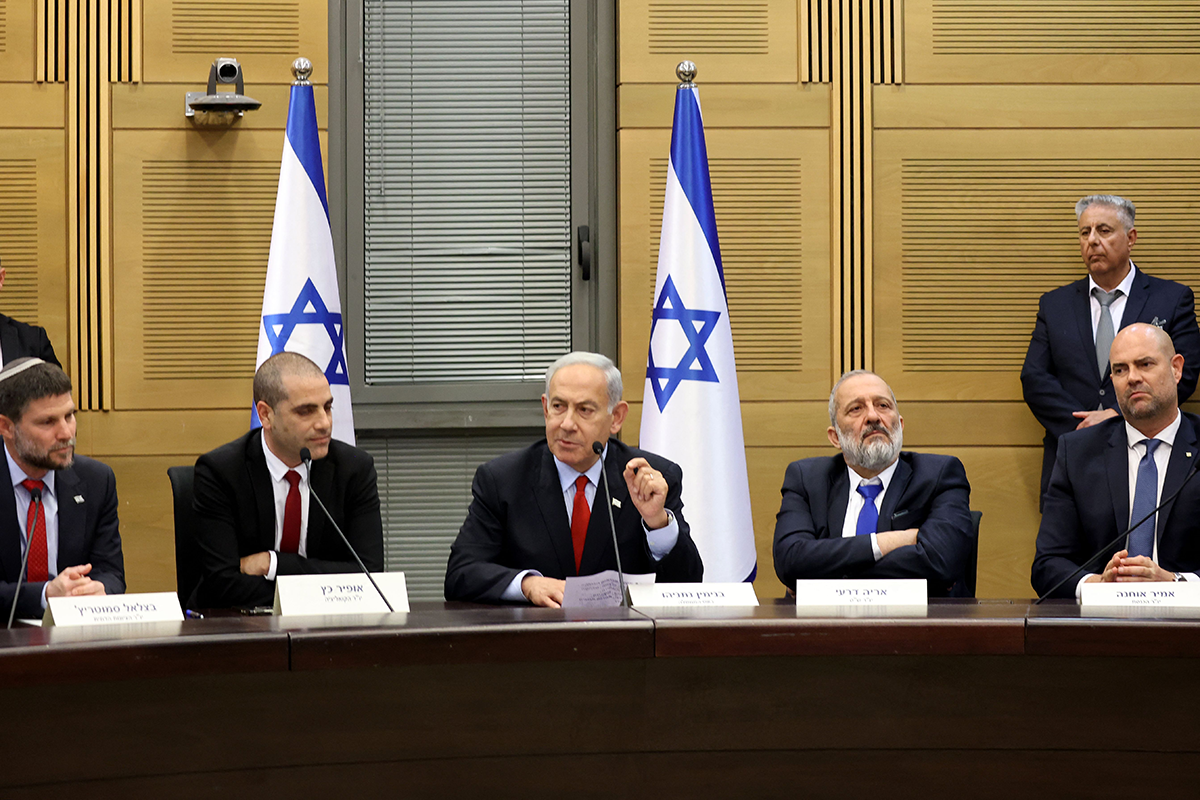
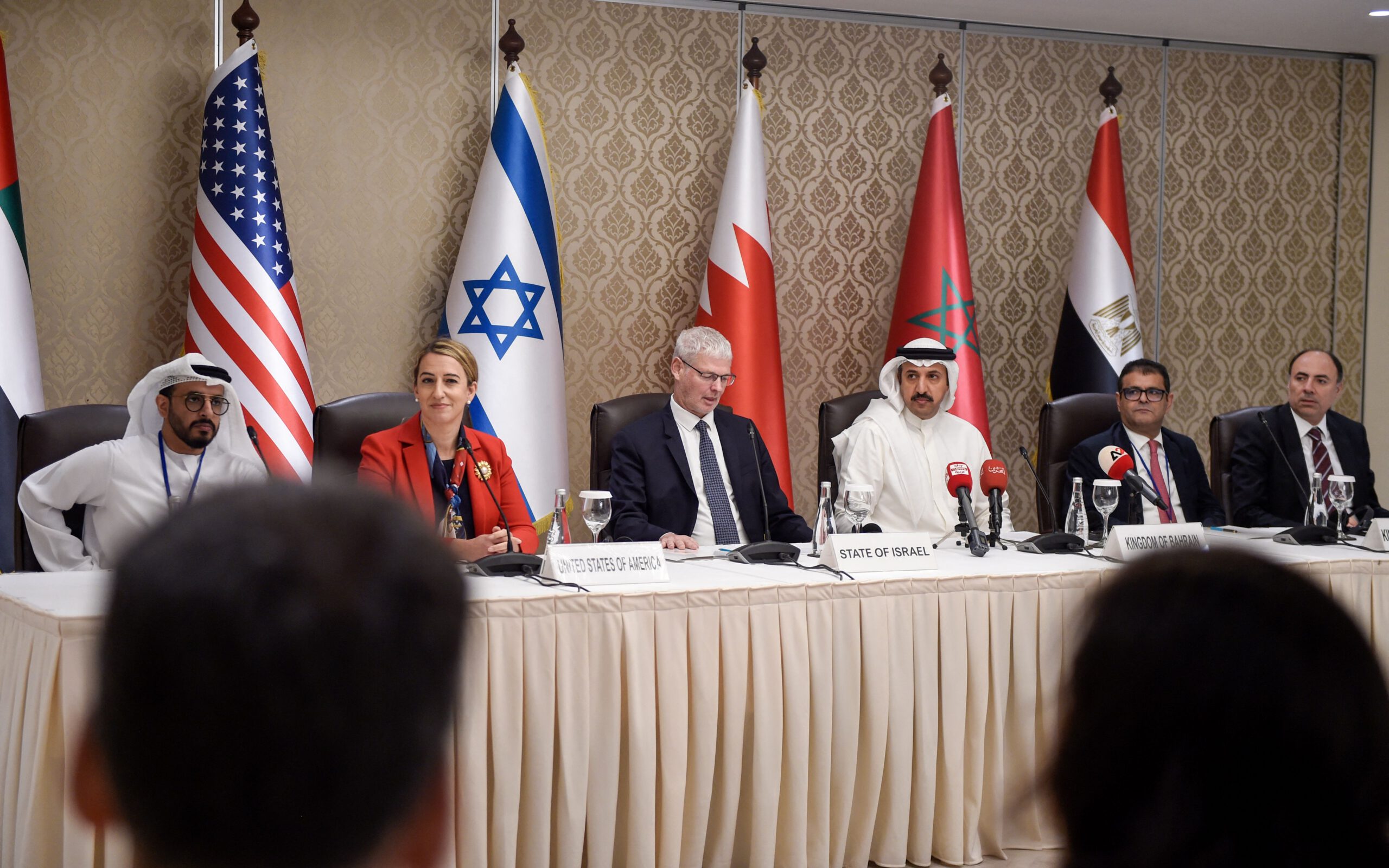
The Slowing Down of Israel-Arab Relations Under the Netanyahu Government
Dynamics between Israel and the Arab world have taken a turn for the worse in the first few months of the new Israeli government. The positive momentum in Israel-Arab relations, which Prime Minister Netanyahu himself was key in generating through the signing of the Abraham Accords and which picked up pace during the Bennett-Lapid government that followed, has slowed down. Only limited progress may be feasible under the current government, but conditions for positive change do exist and include marginalizing Israeli extremists, avoiding a flare-up with the Palestinians, reducing the domestic turmoil in Israel, and ensuring the effective involvement of the U.S. and the EU.
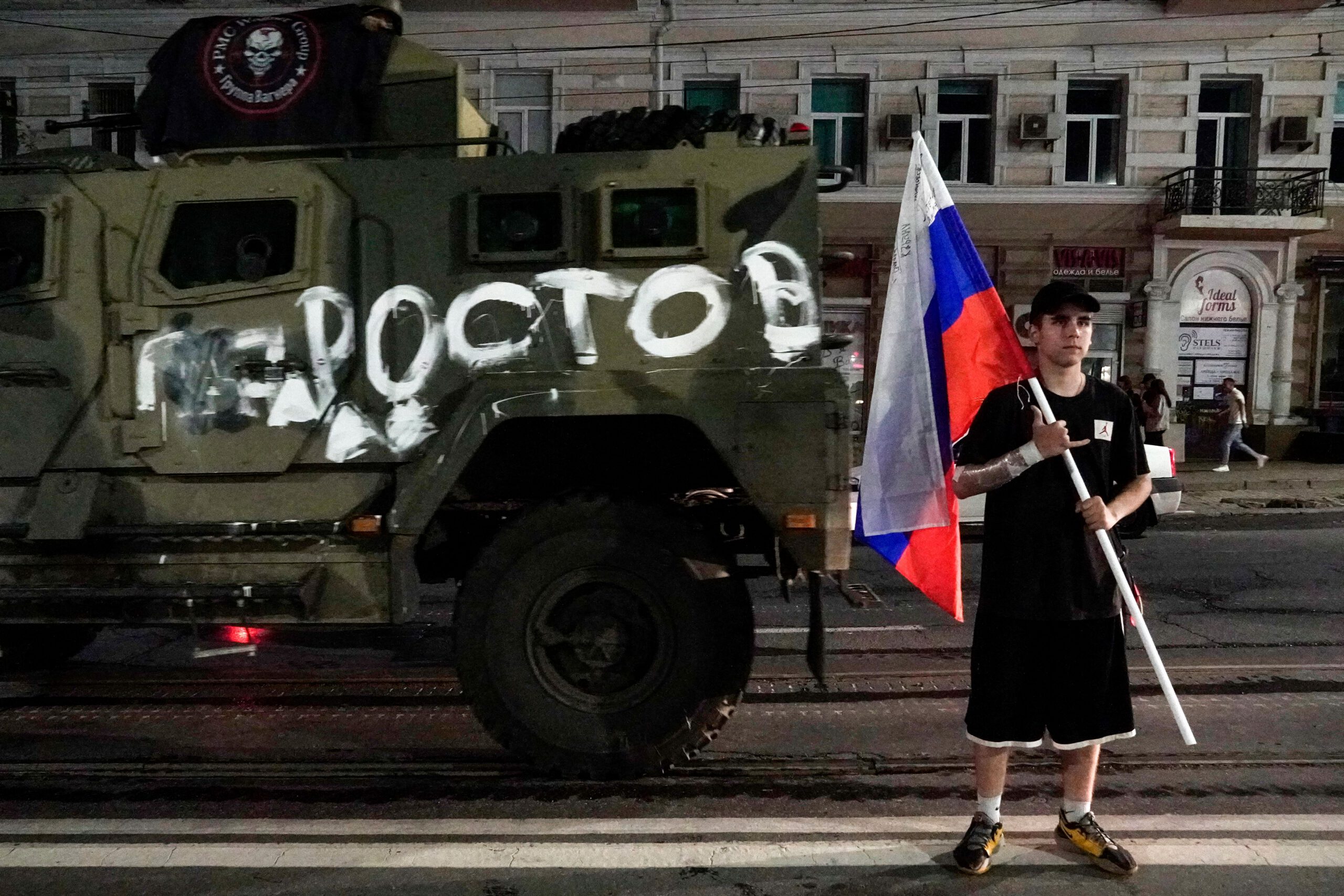
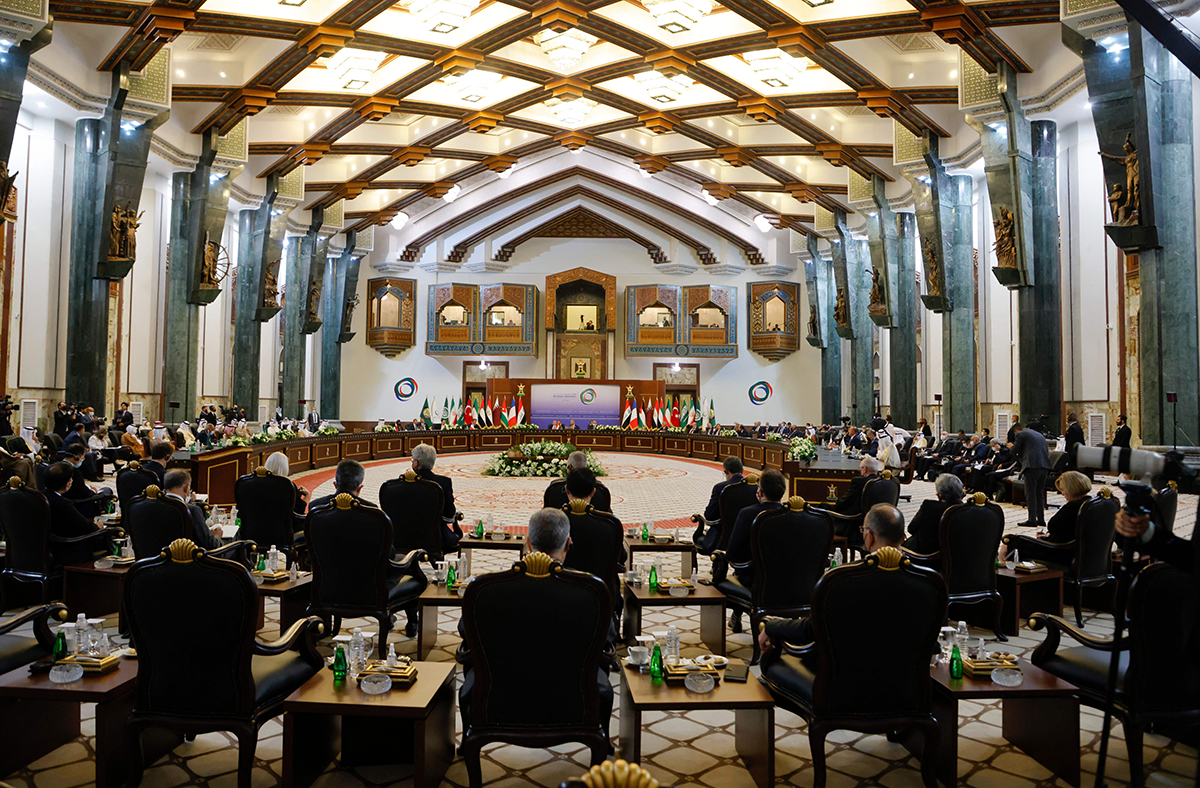
War as a catalyst for greater Black Sea-Gulf interconnectivity
Russia’s full-scale invasion of Ukraine has destabilized and distressed the entire Black Sea neighborhood. Yet despite the war, or perhaps because of it, strategically important foreign direct investments into Black Sea littoral countries, including from the Gulf, have endured or even grown.
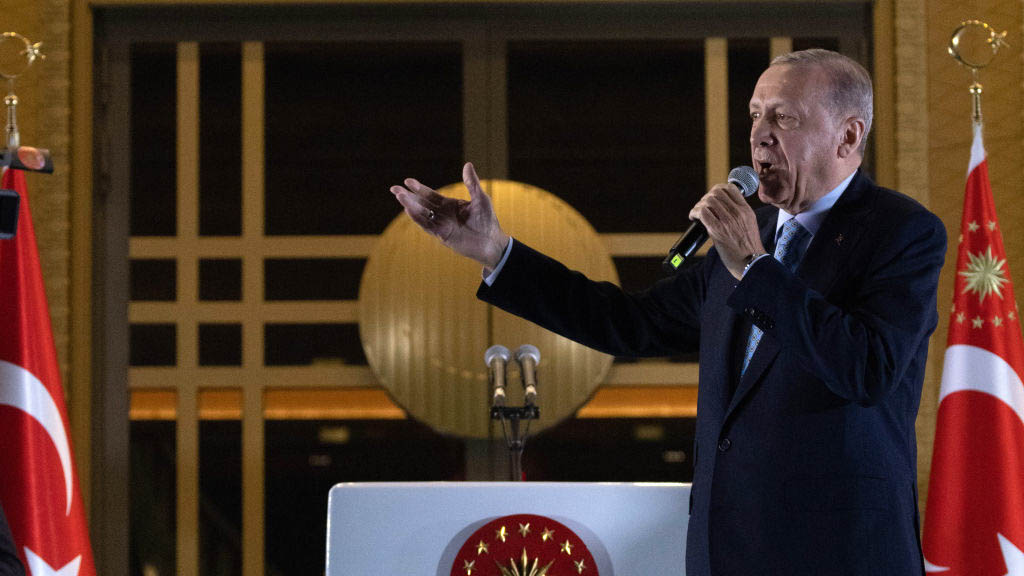
In an era of Middle East détente, how should the US and Israel respond?
Both Washington and Jerusalem welcome any reduction in regional tensions and prospects for a more stable, secure, and prosperous environment. However, there is a risk for U.S. and Israeli policy priorities, such as that regional de-escalation will reduce pressure on Tehran to negotiate on issues of concern, especially its nuclear weapons program.
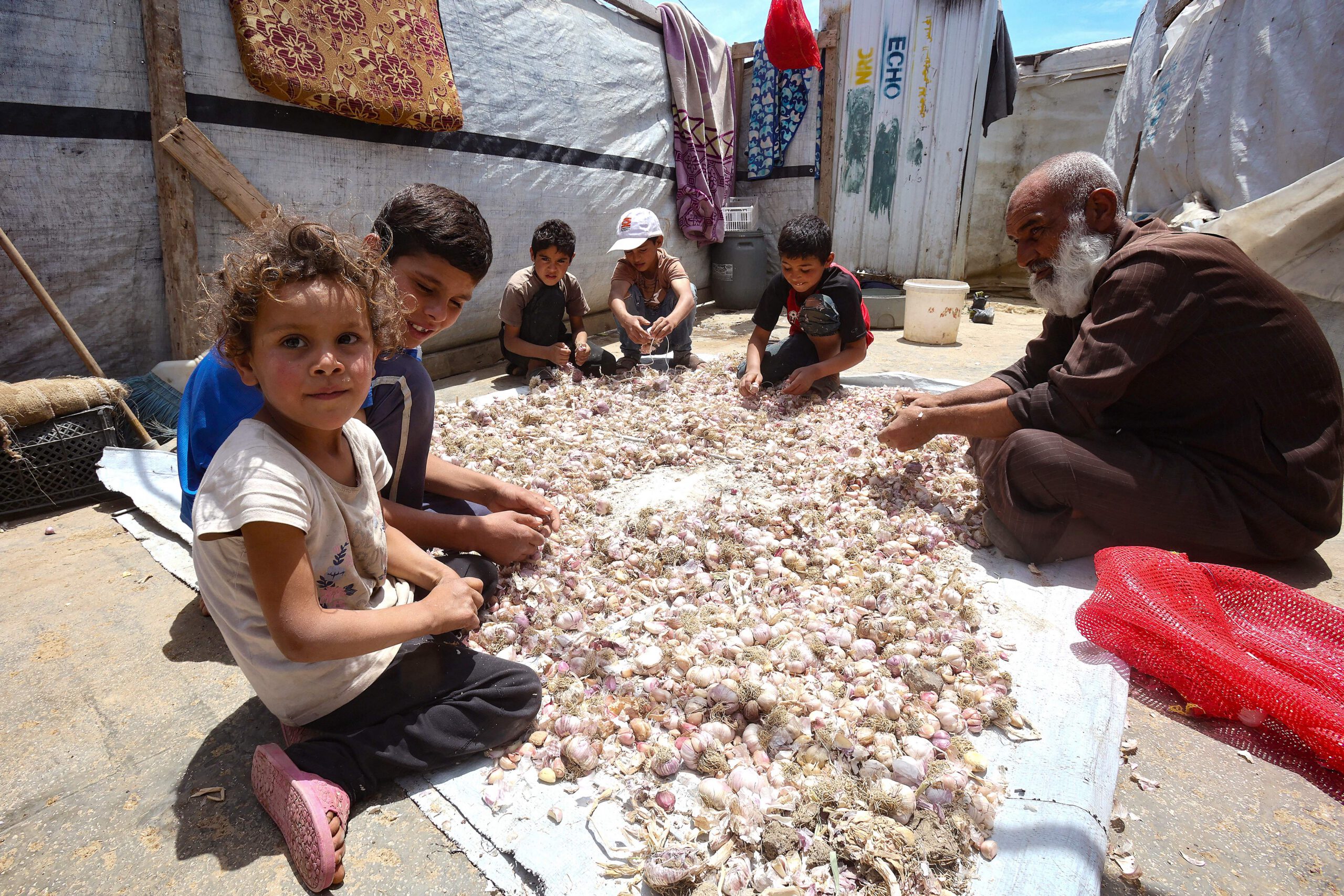
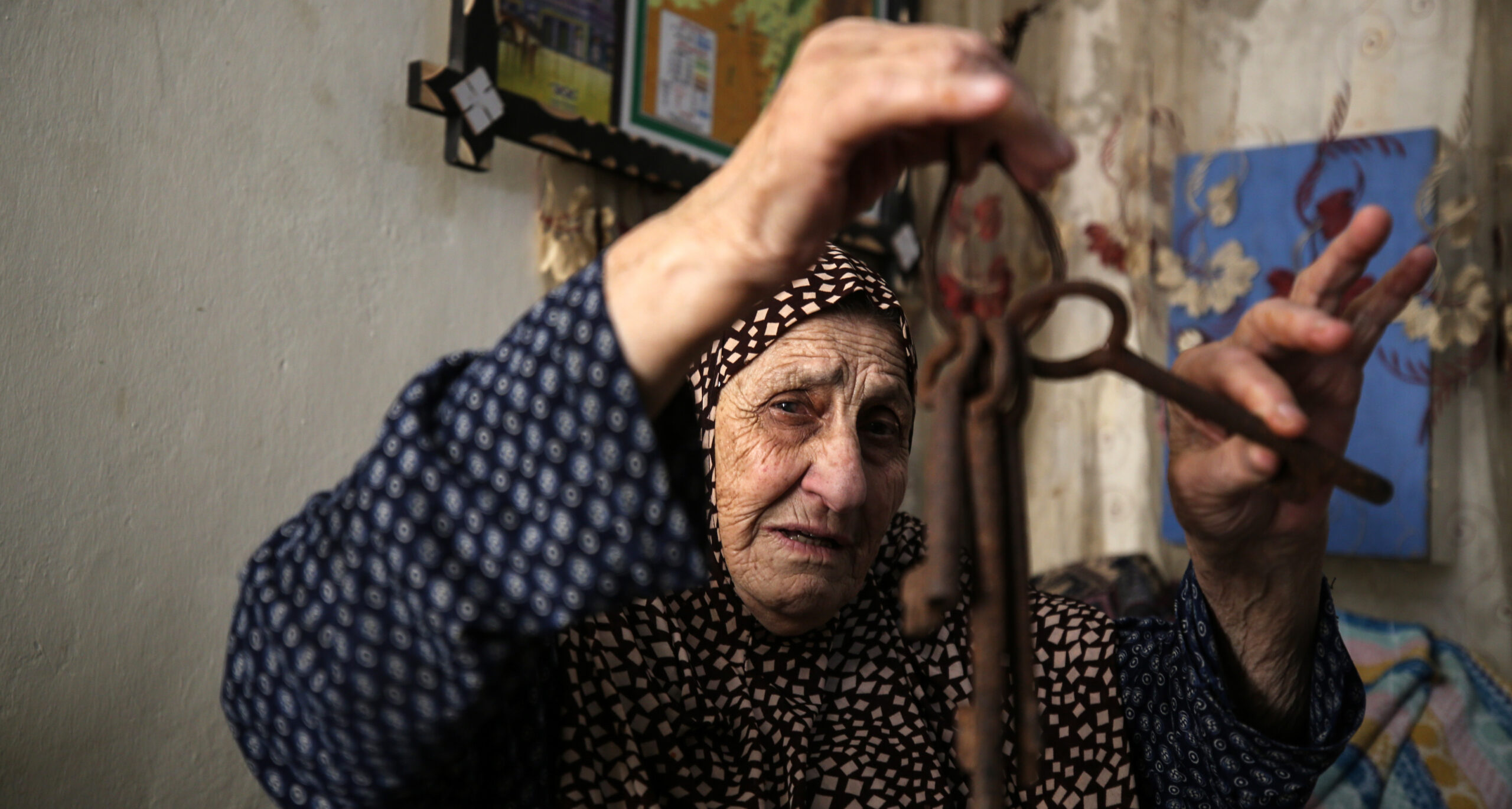
For Palestinians, the Nakba (Catastrophe) is a somber occasion that represents the loss of their homeland and the forced displacement that followed. To truly understand the tragedy of the Nakba and the ongoing trauma experienced by Palestinians, it is important to humanize their experiences. By listening to and amplifying these voices, we can begin to truly understand the complexity and depth of the Palestinian experience.