The successes and failures of Turkey’s new economic team
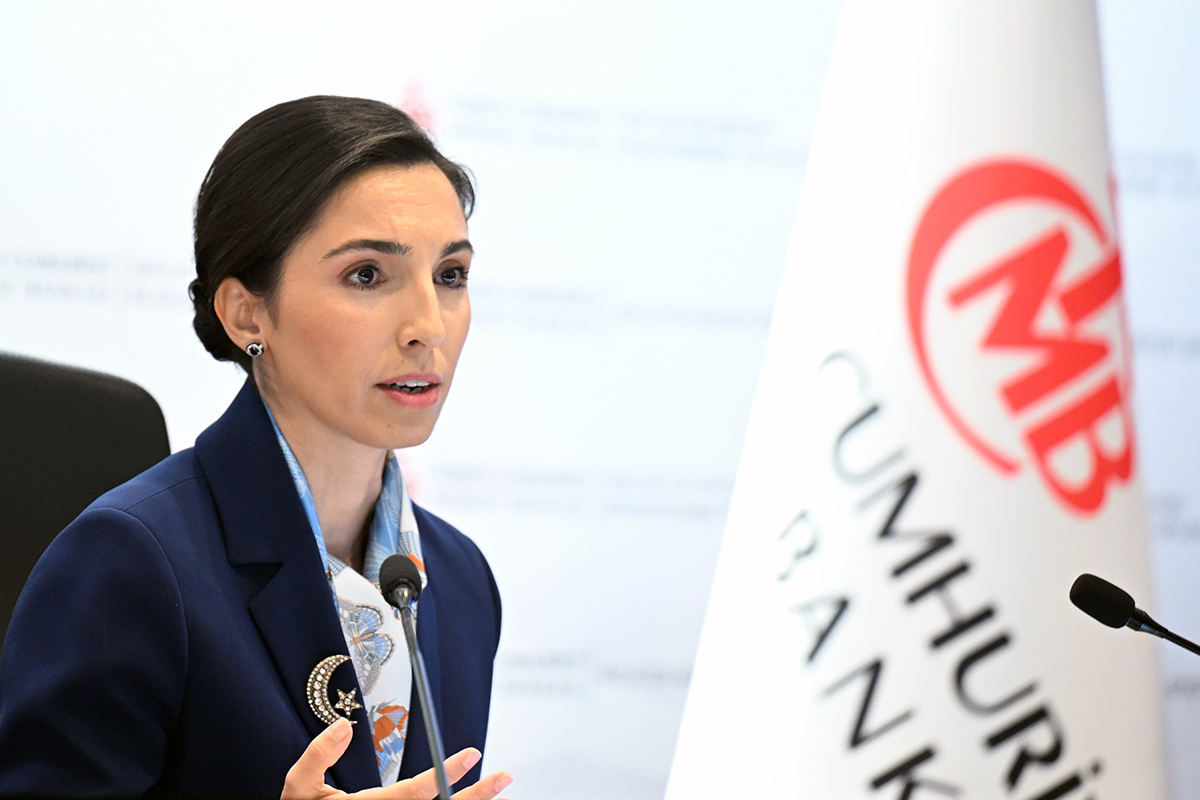
It has been two months since Turkey’s new economic team took over and some progress has been made. Market normalization has begun and the risk of a balance-of-payments crisis has been reduced. At the same time, however, inflation is gaining new momentum, the budget deficit is sharply worsening, and no reform agenda has yet been announced to tackle these threats.
Five factors to watch in US diplomatic efforts on a possible Israel-Saudi deal
Forging a deal establishing open, normal bilateral ties between Saudi Arabia and Israel would be a major feat with plenty of potential perils along the way — the diplomatic equivalent of climbing Mount Everest. If done right, the result would be historic and transformative for the Middle East with positive geopolitical repercussions. Here are five factors to watch as the Biden administration continues its efforts to produce a major diplomatic breakthrough in the region.
Amid a long, hot summer, Israel finds itself in uncharted territory
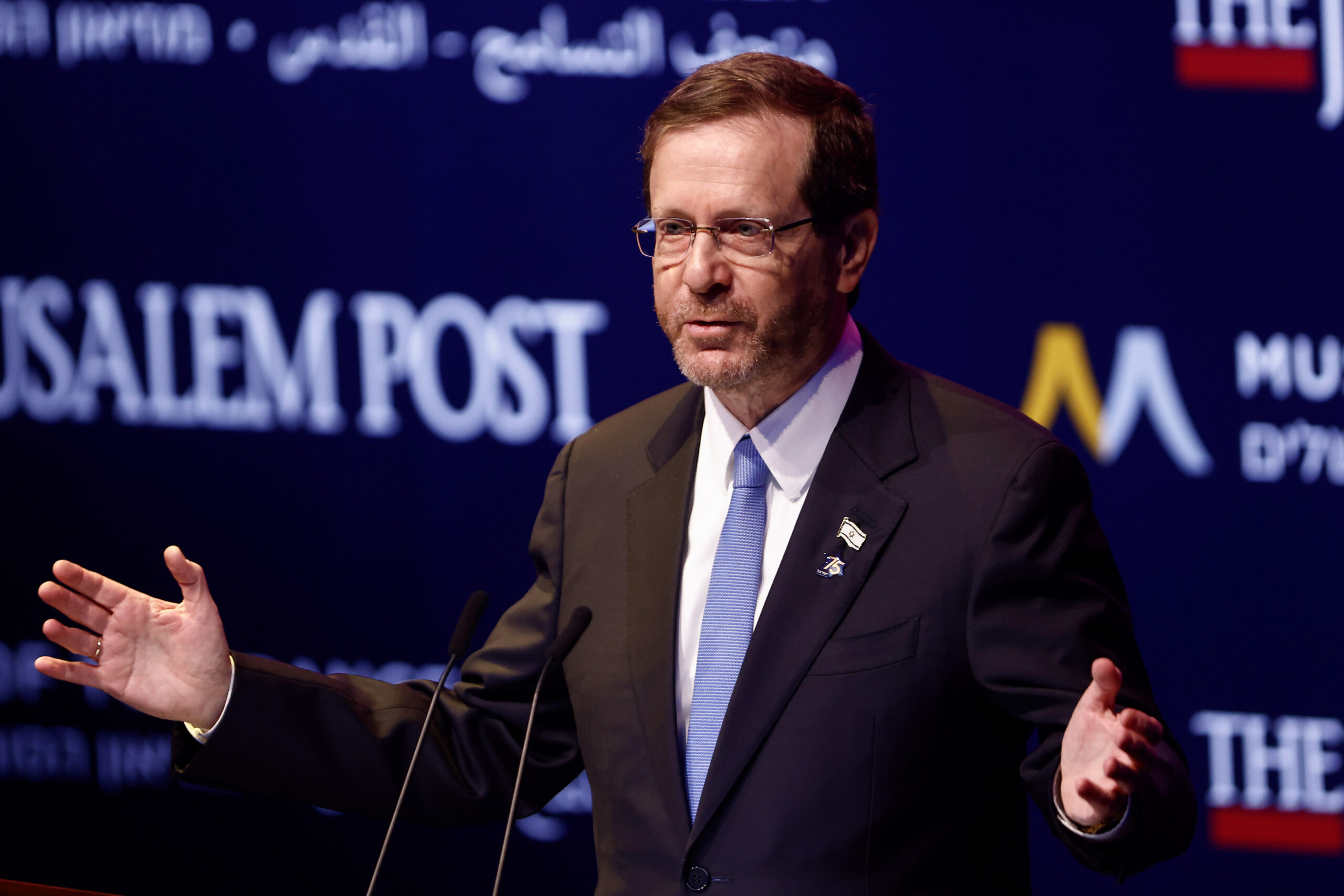
It’s been a long, hot summer in Israel, not only because of the multiple heat waves, but also due to the domestic political developments that have been heating up throughout 2023 and are now reaching a boiling point. With the Supreme Court gearing up to make highly consequential decisions in September and the Knesset in recess until mid-October, it is a good time to look back at all that Israel has gone through since the beginning of the year. For some on the Israeli right, it is a midsummer night’s dream come true, but for a large number of Israelis, it seems like more of a nightmare.
Iran gleefully eyes the protests in Israel, looking for weaknesses to exploit
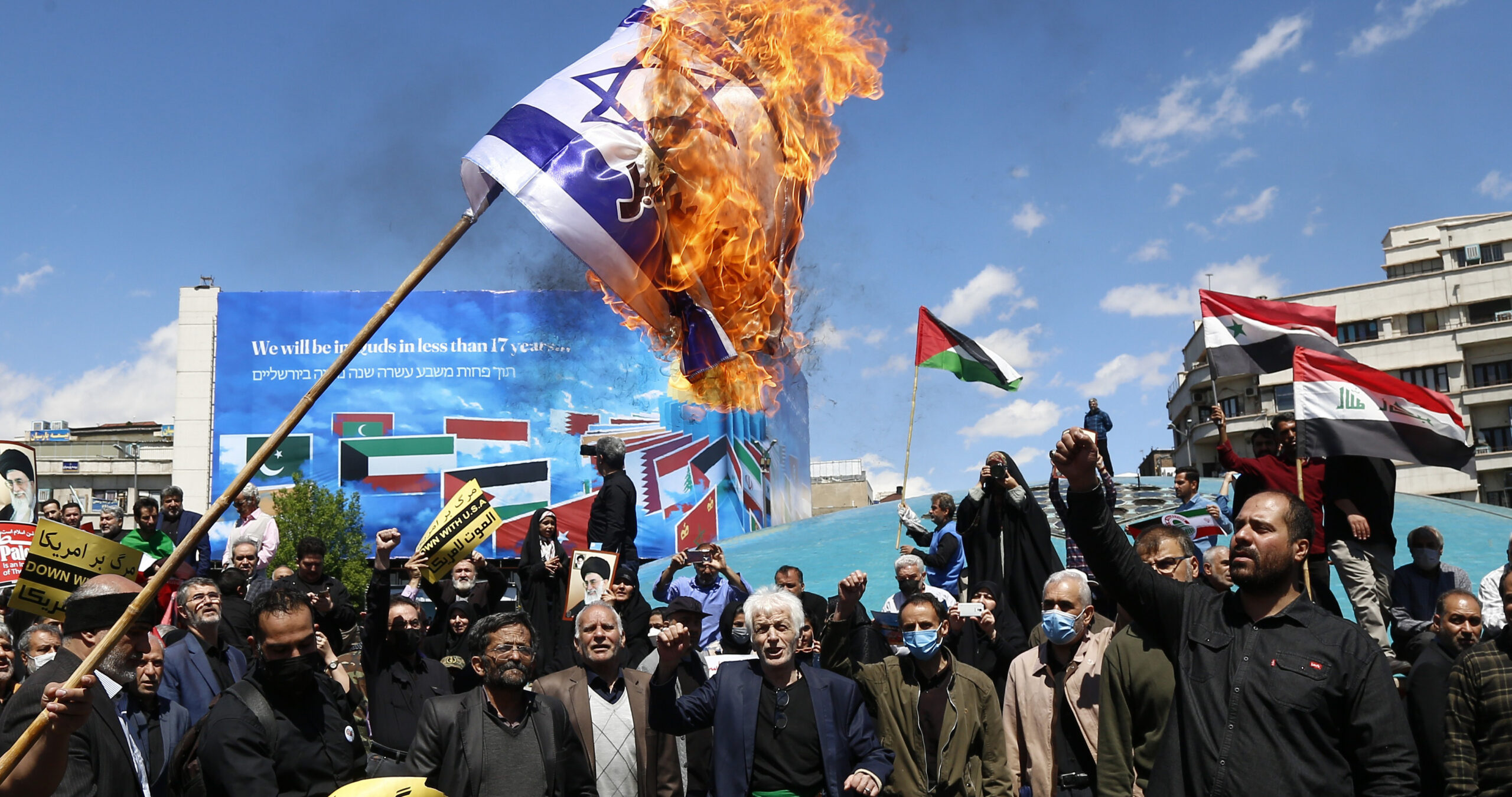
As Israel grapples with fundamental questions of identity and societal fissures years in the making, Iran and its Axis of Resistance continue to employ their escalation-ready approach of pushing the envelope in multiple geographic theaters, launching cyber operations to foment disunity in Israeli society, and attempting to neutralize the regional gains Israel has made after signing the Abraham Accords with several Arab neighbors in 2020.
A difficult road ahead for Israel’s far-right government despite its victory
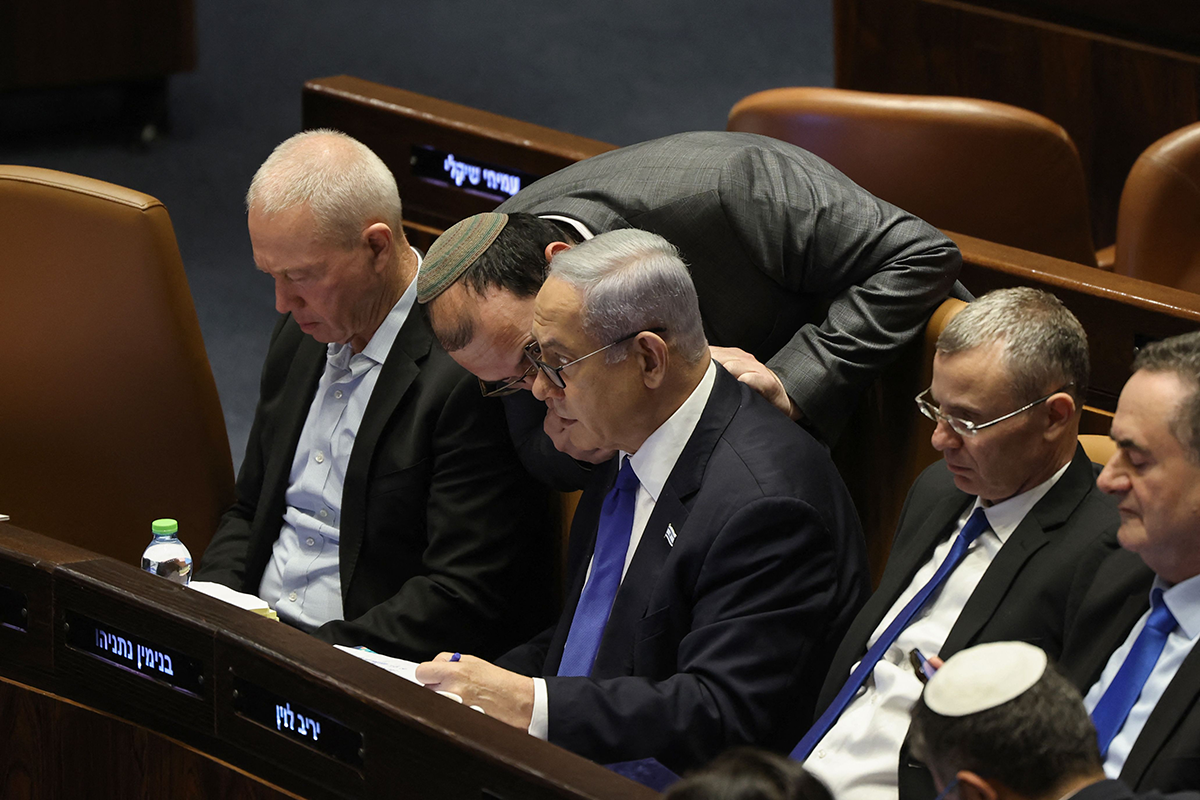
On July 24, the Knesset voted to limit the powers of the Supreme Court to strike down legislation as the first step in a comprehensive “judicial overhaul” orchestrated by Israel’s far-right government. This is by no means the “end” of Israeli democracy. To the contrary, the coalition that forced it through is itself the product of some unlikely circumstances and may not survive much longer, especially given the economic, security, and diplomatic chal-lenges it will very shortly face.
Realigning priorities: Egypt's strategic shift toward Qatar, Turkey, and Iran
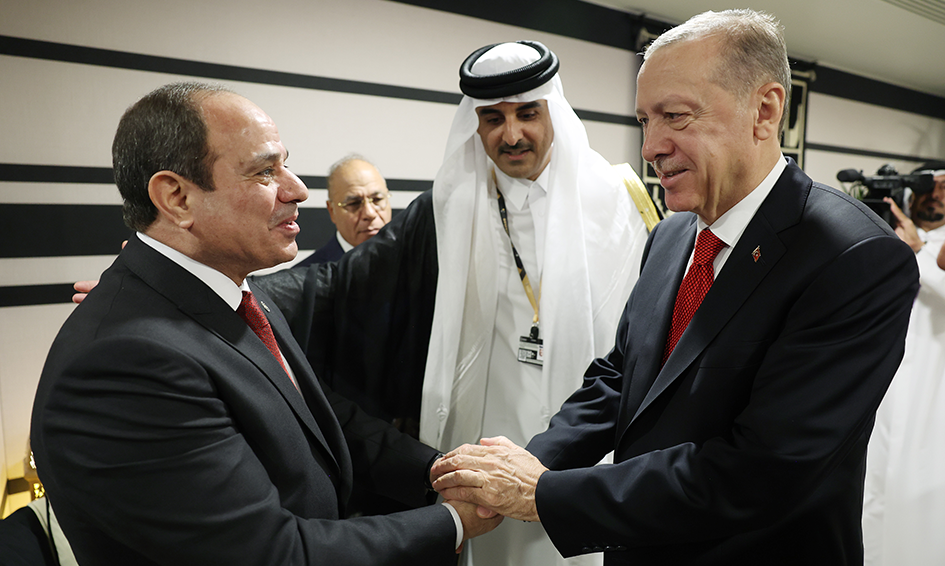
While some analysts attribute Egypt’s realignment toward Turkey, Qatar, and Iran to a change in the foreign policies of its influential allies, the UAE and Saudi Arabia, it can be argued that Egypt’s shift is primarily motivated by its domestic dynamics and its unfulfilled foreign policy objectives between 2014 and 2018. Egypt’s realignment, in that sense, seeks to achieve multiple unmet domestic and regional aims.
Turkey's role after the Black Sea grain deal collapse has become even more critical
During the 500 days since Russia’s invasion of Ukraine, the Middle East avoided a catastrophic food crisis, thanks in part to the Black Sea grain initiative. Russia’s decision to cancel that agreement is raising fears that the return of supply shortages and skyrocketing wheat prices could quickly plunge the most vulnerable countries of the region into crisis.
Climate Change Threatens Turkey’s Role as a Food Supplier to Europe and the Middle East
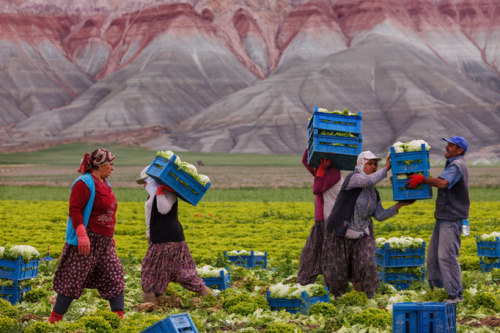
The persistence of high food inflation in Turkey belies a deeper problem. Turkish agrifood production cannot adequately cope with increasing water scarcity due to climate change. Challenging Turkey’s own food security, the growing crisis also threatens Turkey’s role as a food supplier to Europe and the Middle East. Regional food supply chain breakdowns due to a decline in Turkish production would create a debilitating economic impact on both regions.
5 ways the US, Europe can push for Israel-Arab environmental cooperation – opinion
Environmental challenges are creating new priorities for countries in the Middle East and the Mediterranean and increasing cross-border cooperation – including between Israel and Arab countries. Such cooperation can assist in tackling climate change through a regional and global lens, can foster regional stability, maintain and expand circles of peace and normalization, and increase prosperity and economic development.
After Jenin, the US should invest more in improving Israeli-Palestinian relations and advancing peace
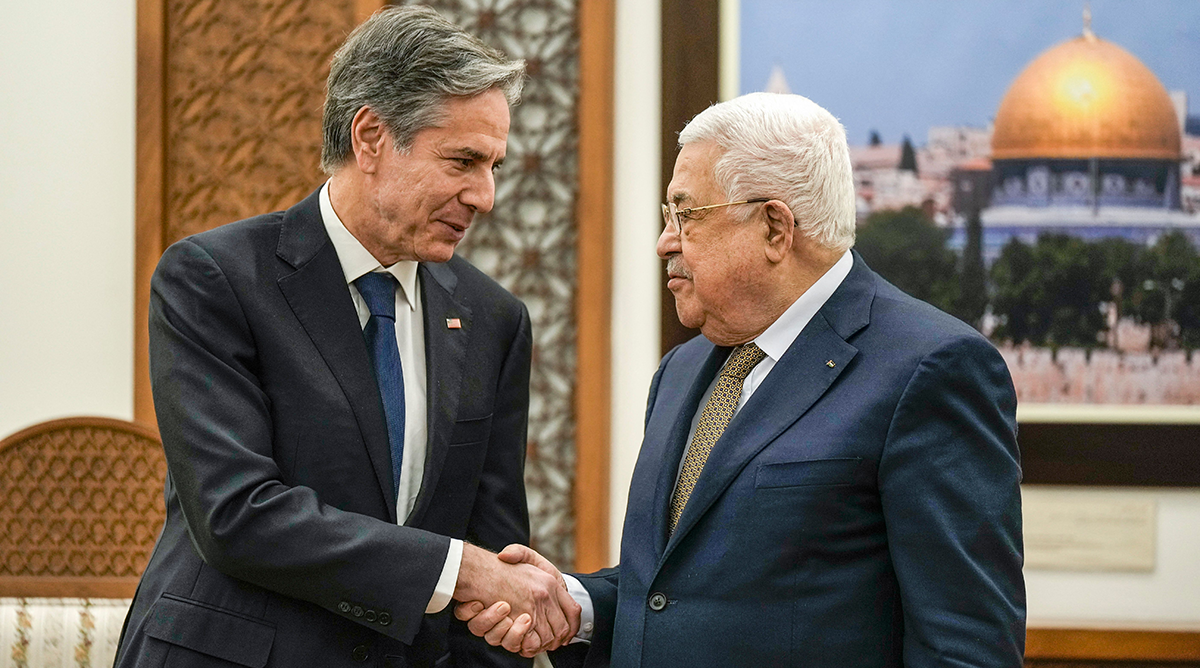
Since the current Israeli government was established in December 2022, Israeli-Palestinian escalation has seemed inevitable. Tensions have steadily mounted and if that trend continues unchecked, a wider and more significant flare up might eventually happen. Given the worrying trajectory, the U.S. needs to get more involved.
Regional Environmental Cooperation Between Israel and Its Neighbors
As environmental challenges become a priority for countries across the Middle East and the Mediterranean, this creates new opportunities for regional environmental cooperation, including between Israel and its neighbors. Despite being limited in scope and facing several key obstacles, regional cooperative endeavors are taking place, including on both the bilateral and multilateral levels, and efforts to sustain and expand them are underway. This new report, written under the auspices of the Israel Climate Forum, addresses the importance of regional environmental cooperation in the Middle East and Mediterranean, examines the scope of such cooperation between Israel and its neighbors, and spells out opportunities, obstacles, and recommendations for increased coordination and joint action, including the role the U.S. and Europe can play.
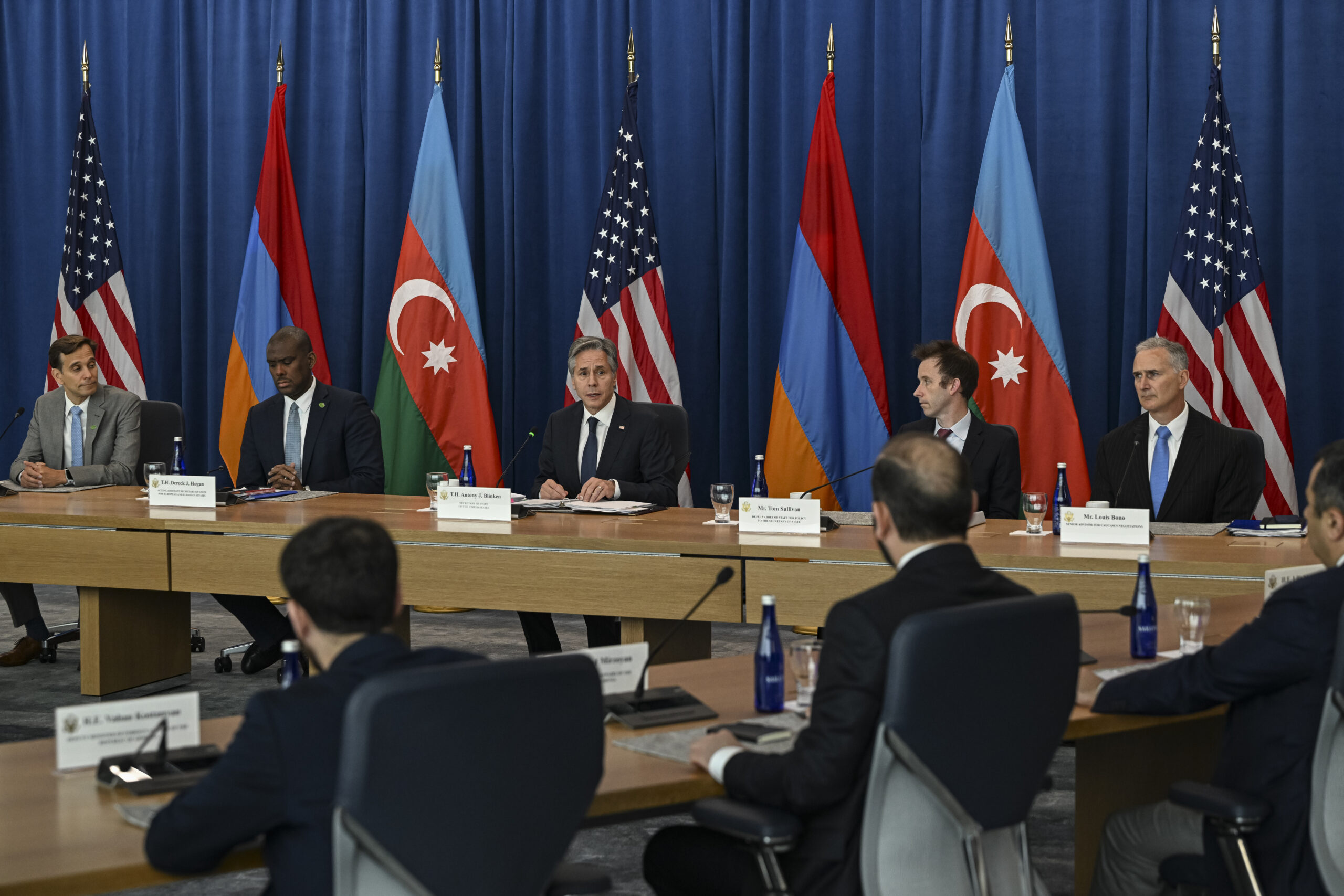
Mastering the growing crisis in the South Caucasus: A role for the West and Turkey
The South Caucasus region needs a clear push from the West to ensure its long-term stability and achieve a pro-Western orientation. But no lasting solutions in this space will be possible until there is an end to the war in Ukraine that fulfills the interests of both Ukraine itself and the broader West. The United States and the European Union, in cooperation with other key players — foremost Turkey — must showcase greater determination, flexibility, and coordination when it comes to their policies toward the region.