Digitization and the future of Middle East economies
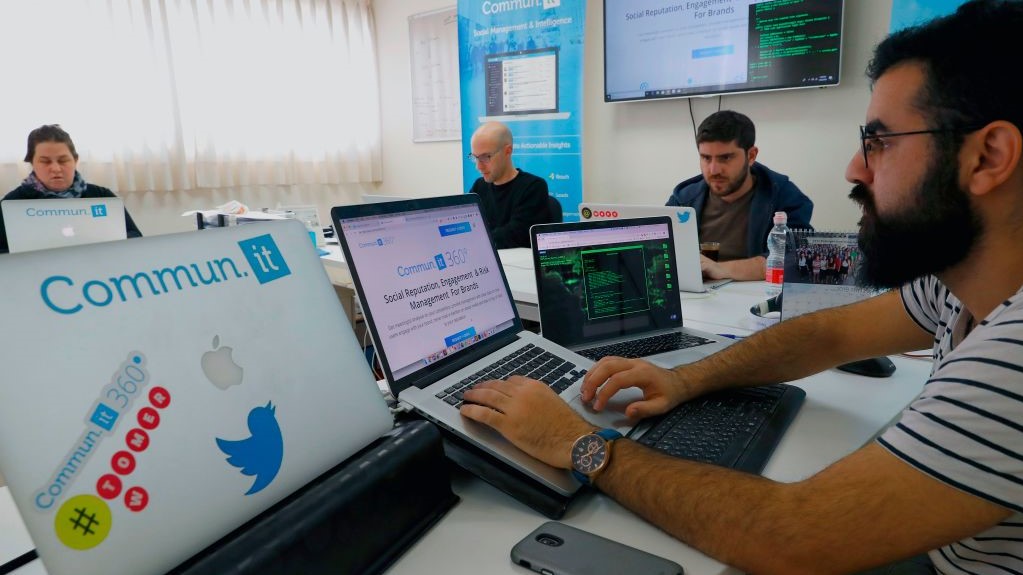
The digitization of business in the Middle East has enormous implications for the future of regional economies, as well as for education, employment, and beyond. The way this digital transition shapes the region will be influenced by the degree to which policymakers consider this shift in its context and with an eye toward the future, as the opening session of the MEI Cyber Program’s recent conference explored.
Gulf regimes may oppose annexation, but they helped bring it about
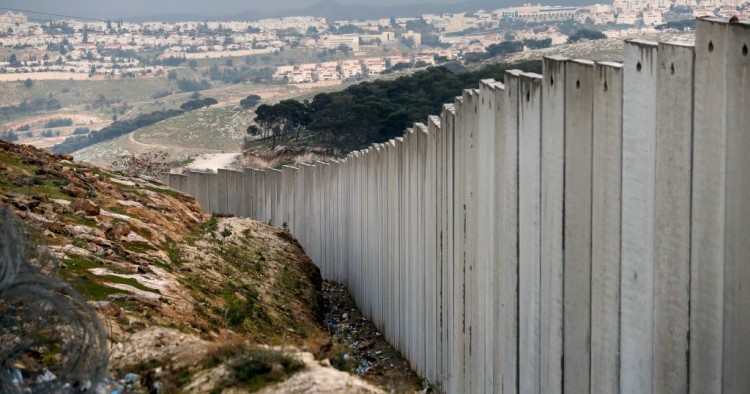
Leaders of Arab Gulf regimes now decry the attempt to implement the vision of the Israeli Right, which aims to prevent the establishment of a Palestinian state. But it is exactly the policies of the Arab Gulf regimes, through their normalization of ties with Israel at the expense of the Palestinians, that directly contributed to the rise of the Israeli Right and made this annexation more likely.
Free speech, civil society, and equity in cyberspace
From the growing impact of social media on popular movements and politics in the Middle East to the changing face of journalism and civil society online, the intersection of digital spaces with politics is one of the most critical emerging areas for examining the future of dissent, human rights, and democracy in the region. This issue was a central focus during the second panel of the MEI Cyber Program’s inaugural June conference, with experts highlighting several critical areas for consideration and examination in the years to come.
Public diplomacy and influence campaigns in the Middle East
Despite the empowering and liberating potential of new communications technologies, the growing power and influence of autocrats is undermining pressure for human rights and good governance. Authoritarian regimes have embraced new technologies and influence campaigns have become one of the many ways in which they seek to reassert their control over the media and civilians. During the third panel of the MEI Cyber Program’s inaugural June conference, experts examined the development of online manipulation campaigns and discussed how governments conduct these operations, as well as the campaigns’ dangers, limits, and the best policies to encourage free speech online in the Middle East.
Cyber conflict in the Middle East: Considerations for the future
The growing role of cyber conflict in the Middle East continues to raise questions about the future of regional relations, national security, and defense. A diverse group of experts provided a close-up perspective on the region’s cyber threat landscape and its major players and tools during the fourth panel of MEI’s Cyber Program conference, shedding light on how these threats are shaped by specific regional dynamics.
Why aren’t mainstream Israelis and American Jews supporting Palestinians?
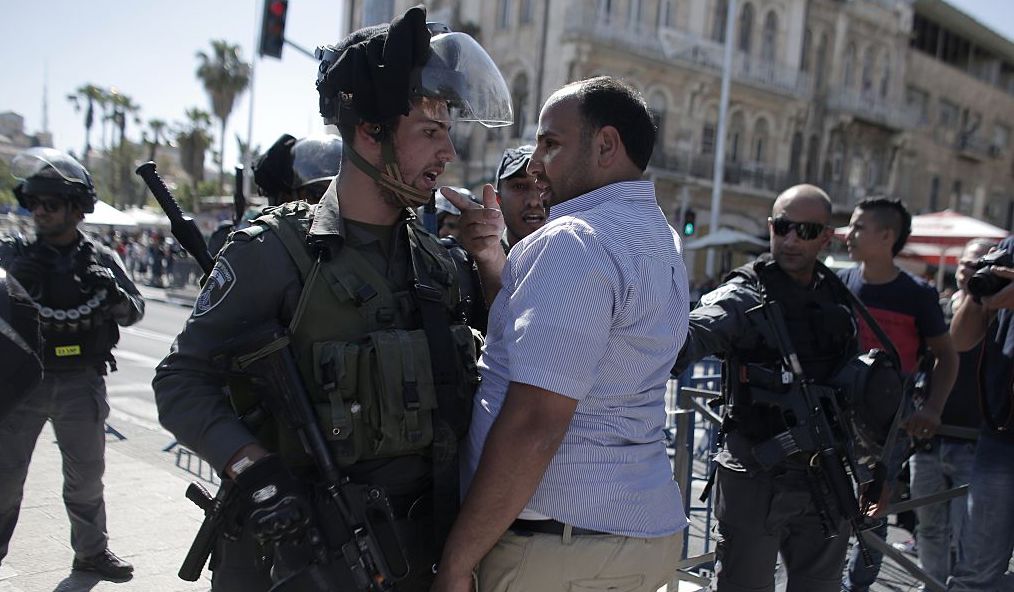
When the video emerged of a Minneapolis policeman pressing his knee on the neck of George Floyd as he lay on the ground, Palestinians were surprised by the image — the technique was all too familiar. But while hundreds of thousands of people have taken to the streets to protest the killing of George Floyd, an African-American male, by police across the U.S. and around the world, the response among Israelis and American Jews to violence against Palestinians is quite different. Many liberal Jewish leaders and thinkers who have spoken out forcefully against the killing of Floyd are silent when it comes to the atrocities committed by Israeli soldiers.
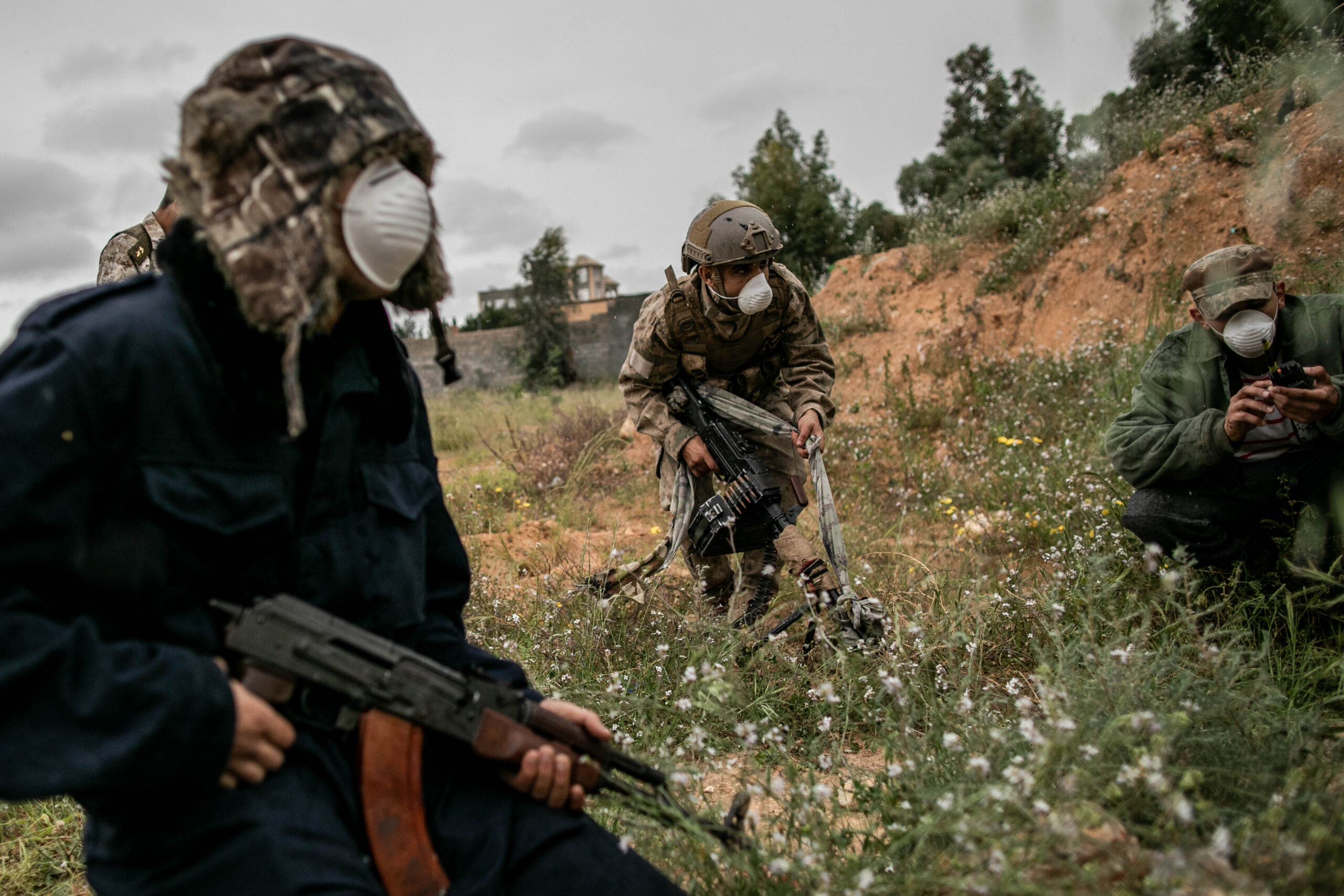
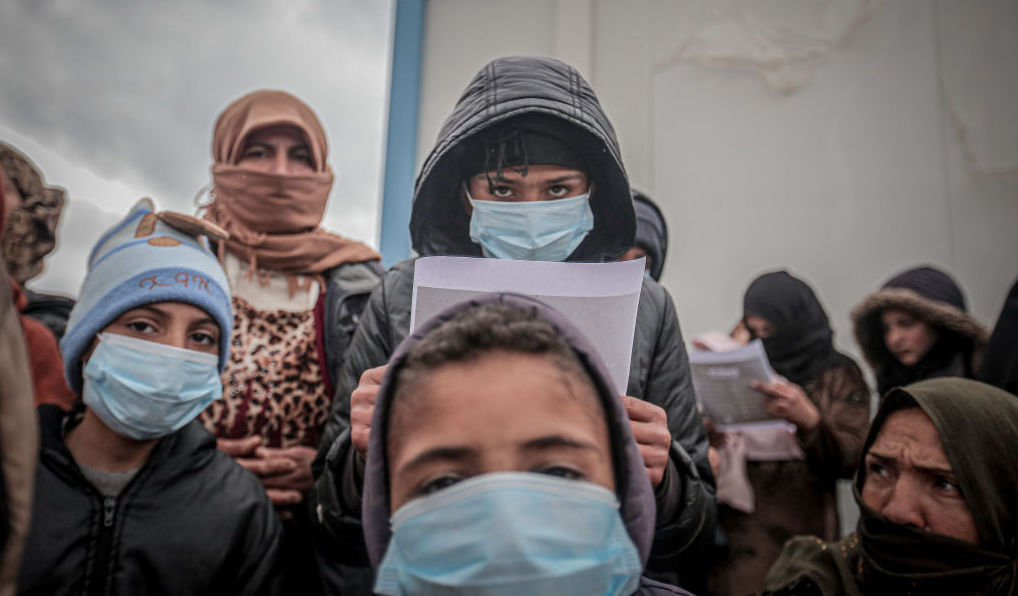
Steven Kenney and Ross Harrison join host Alistair Taylor to discuss their recent policy paper, “Conflict in the Middle East and COVID-19 — A View from 2025.” The COVID-19 crisis is disrupting the status quo on nearly everything, including regional conflict. How will that disruption worsen — or possibly improve — the trendlines of regional conflicts as we head toward 2025?
Middle East Conflict and COVID-19 – A View from 2025
Conflict and instability have been constant features of the Middle East for decades. Over the most recent decade, four civil wars and fraught relationships between the major regional powers have been pushing the region toward a potentially perilous political and economic future. We know that the COVID-19 crisis is disrupting the status quo on nearly everything, including regional conflict. What we do not know is how that disruption today might worsen — or improve — the trendlines of those conflicts as we head toward 2025. In this MEI Strategic Foresight Initiative paper we employ a scenario-based methodology to explore this question.
In Brief: Middle East Conflict and COVID-19 – A View from 2025
Our ongoing analysis in MEI’s Strategic Foresight Initiative examines scenarios built around different combinations of drivers of change related to the COVID-19 pandemic. We used the scenarios to analyze what conflict in the region could look like in 2025, as we believe that how these drivers change the dynamics of the Iran-Saudi Arabia rivalry and the civil wars could be a primary determinant of what the region is like in that timeframe and beyond. Our study posited differences in the health response of governments, the economic response from governments, and the social dynamics of populations to the COVID-19 crisis. Rather than consider them as independent forces of change, our foresight analysis focuses on the interaction between these drivers.
Quickly attributing or blaming a country for a cyber incident without technical analysis, proof, and government officials willing to go on record only inflames an already tense situation.
The May 20 announcement is something of a watershed, in which Palestinian decision-makers appear to have chosen to leave behind the professionalism of President Abbas and instead adopt the Fatah revolutionary way of making strategic decisions and then implementing them on an ad hoc basis while making adjustments along the way.
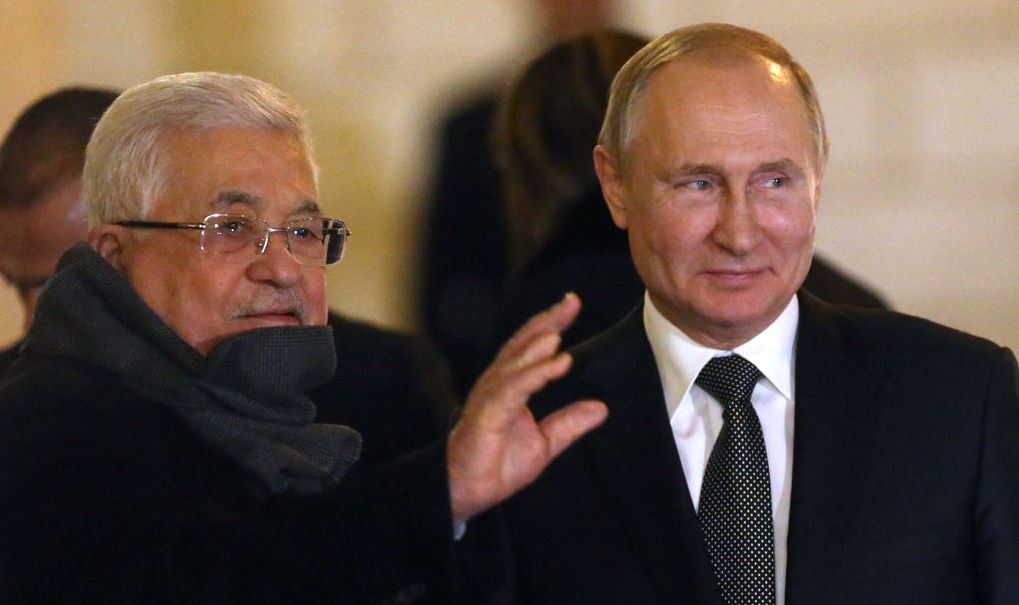
The last few days have seen an unprecedented flurry of Russian activity on the Israeli-Palestinian track. On May 19, Russia’s Deputy Foreign Minister and Vladimir Putin’s Special Envoy for the Middle East and Africa Mikhail Bogdanov spoke on the phone with Assistant to the U.S. President and Special Representative for International Negotiations Avi Berkowitz.
The Abbas declaration: Why this time may be different
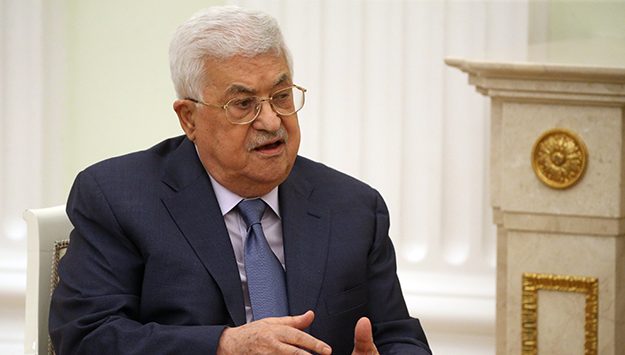
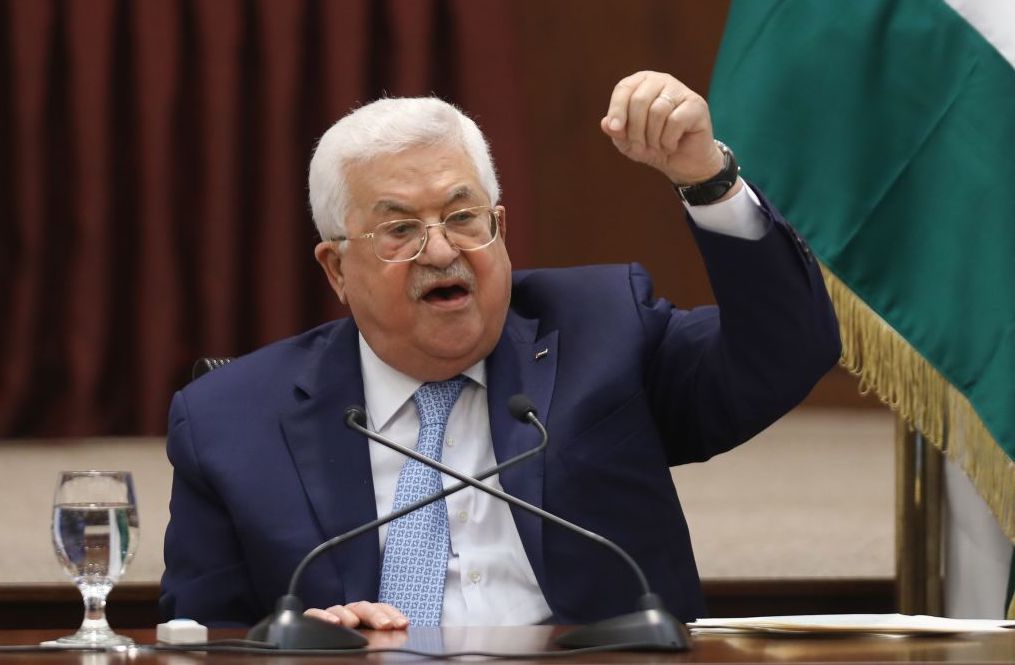
In a dramatic statement delivered yesterday in Ramallah and broadcast on Palestine TV, Palestinian President Mahmoud Abbas declared an end to all agreements signed between the Palestine Liberation Organization (PLO) and both Israel and the United States. In light of the newly sworn in Israeli government’s commitment to the annexation of Palestinian land in the West Bank, declared Abbas, the Palestinian leadership would henceforth be “absolved, as of today, of all the agreements and understandings with the American and Israeli governments and of all the obligations based on these understandings and agreements, including the security ones” — thus implying that the security coordination between the Palestinian Authority (PA) and Israel would come to an end.
Israel finally has a government, but for how long?
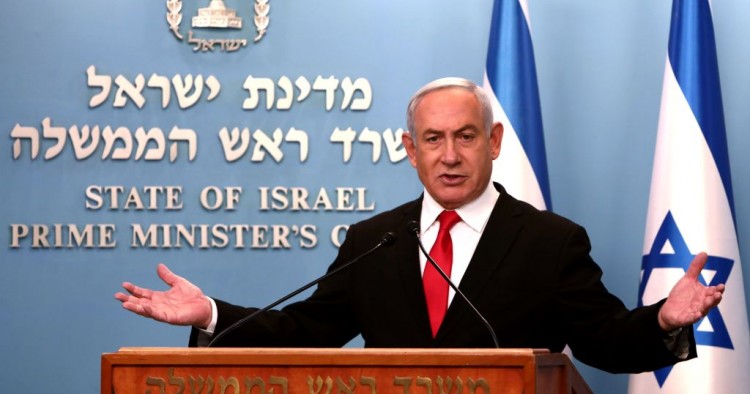
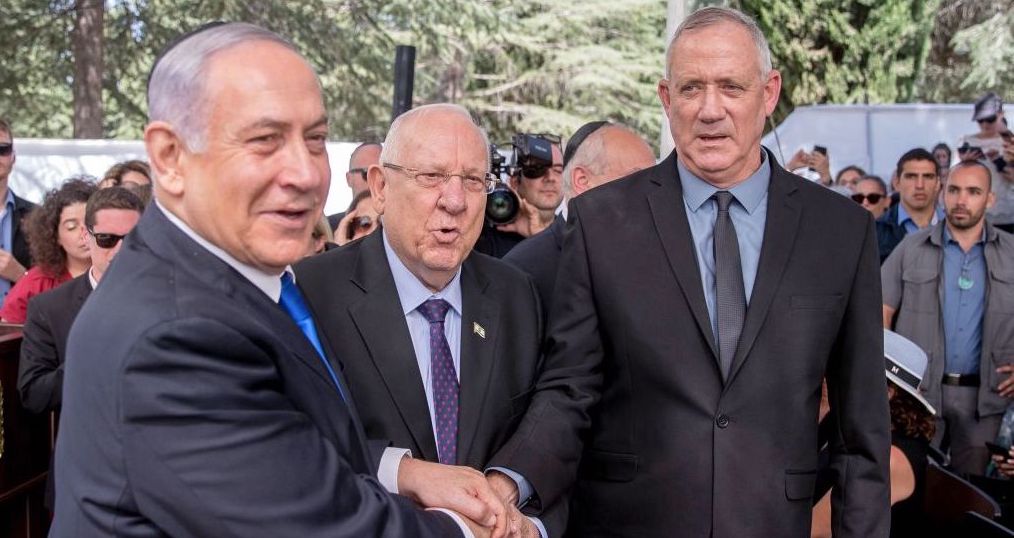
Israel’s 17-month ordeal without a functioning government has mercifully come to an end. An unlikely coalition that agrees on little has given birth to a monstrosity that is the largest government in Israel’s history, with 34 cabinet positions (some reports say 36) plus 16 deputy ministers.