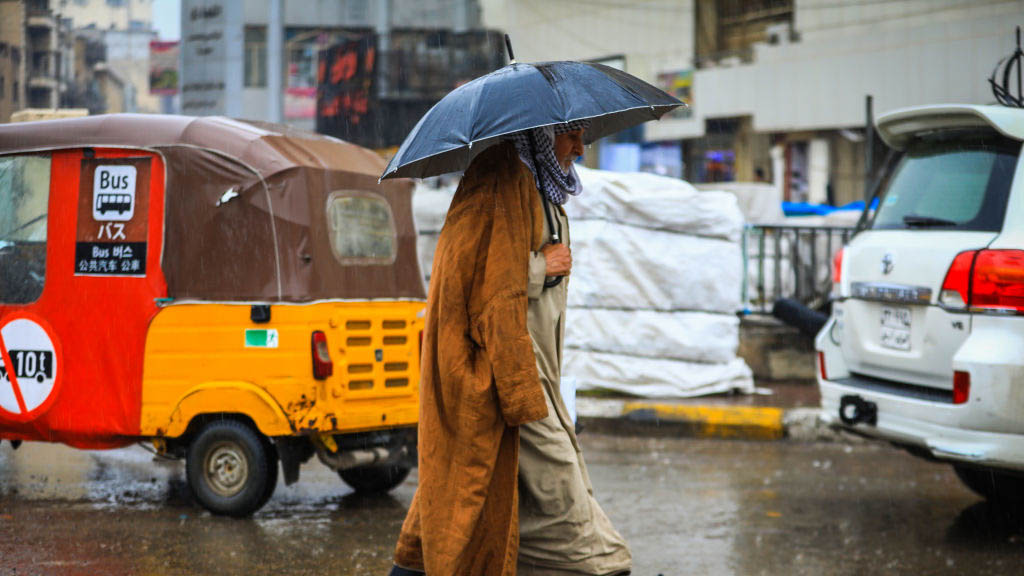
From the streets to the border: Iran’s growing paranoia toward Azerbaijan
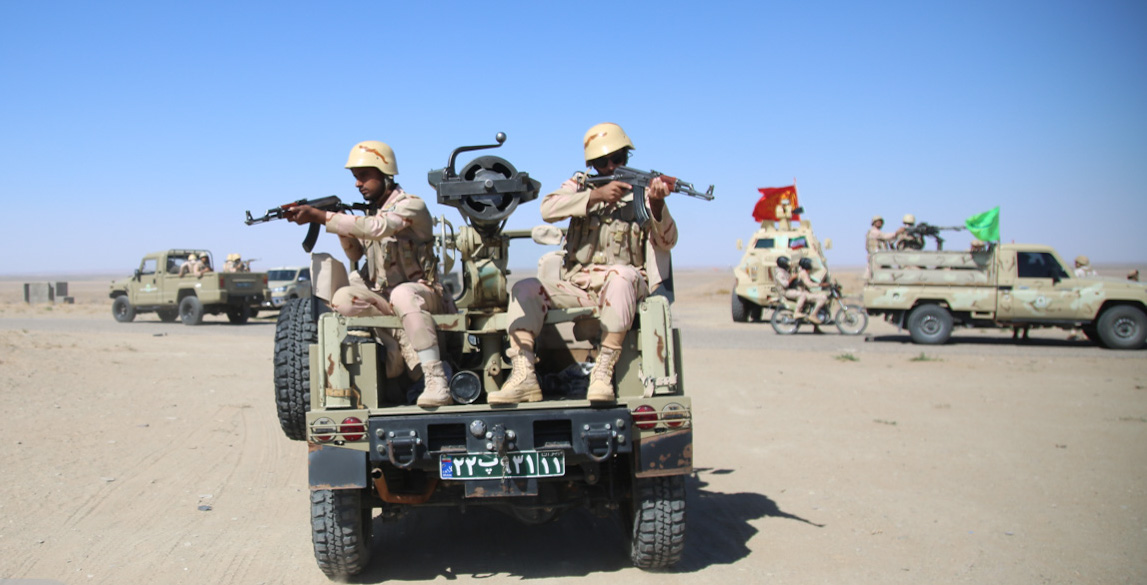
Azerbaijani-Iranian relations have been strained since Azerbaijan’s victory in the 2020 war with Armenia. However, the situation dramatically worsened in the last few months, with Iran holding two large-scale drills near the border with Azerbaijan and accusing Baku of colluding with its enemies and interfering in its internal affairs.
Mahsa Amini and the future of internet repression in Iran
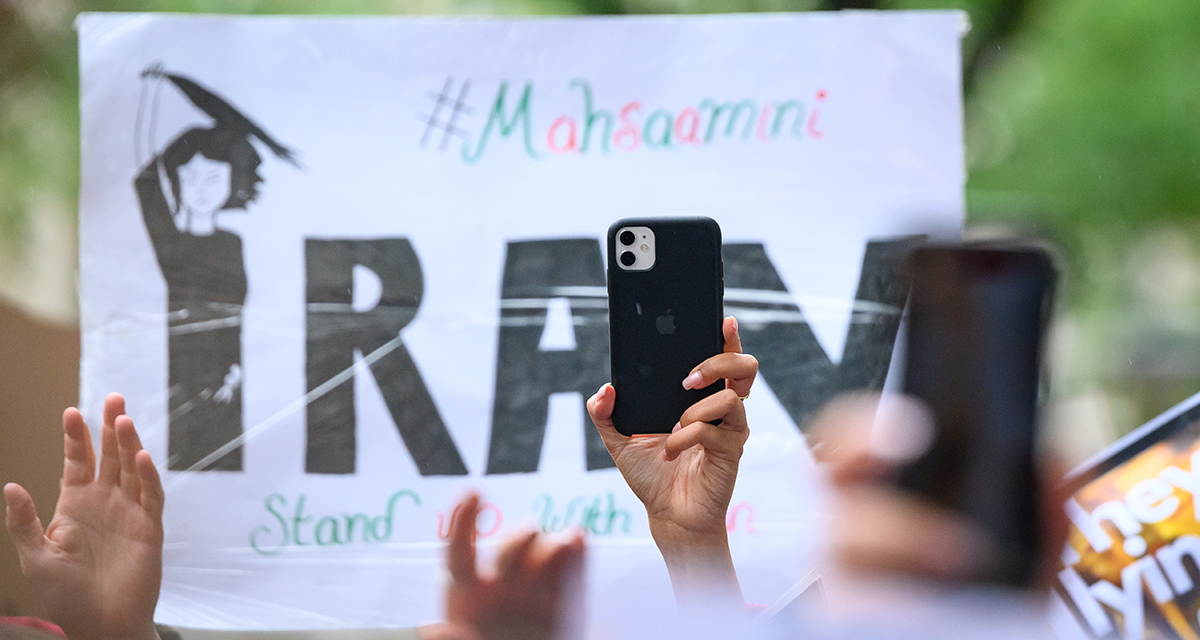
The death of Mahsa Amini in September 2022 has remained the catalyst and central rallying cry of almost half a year of escalating protests in Iran — protests that have, like many before, and like many will in the future, lived as much online as they have on the ground. What is clearer than ever is that the Iranian state’s relationship to dissent will continue to be predominantly mediated by its practices and attitude toward freedom of information, which, today, largely remains a question of internet access.
The French cultural center shuttered: What does cultural isolation mean for Iranians?
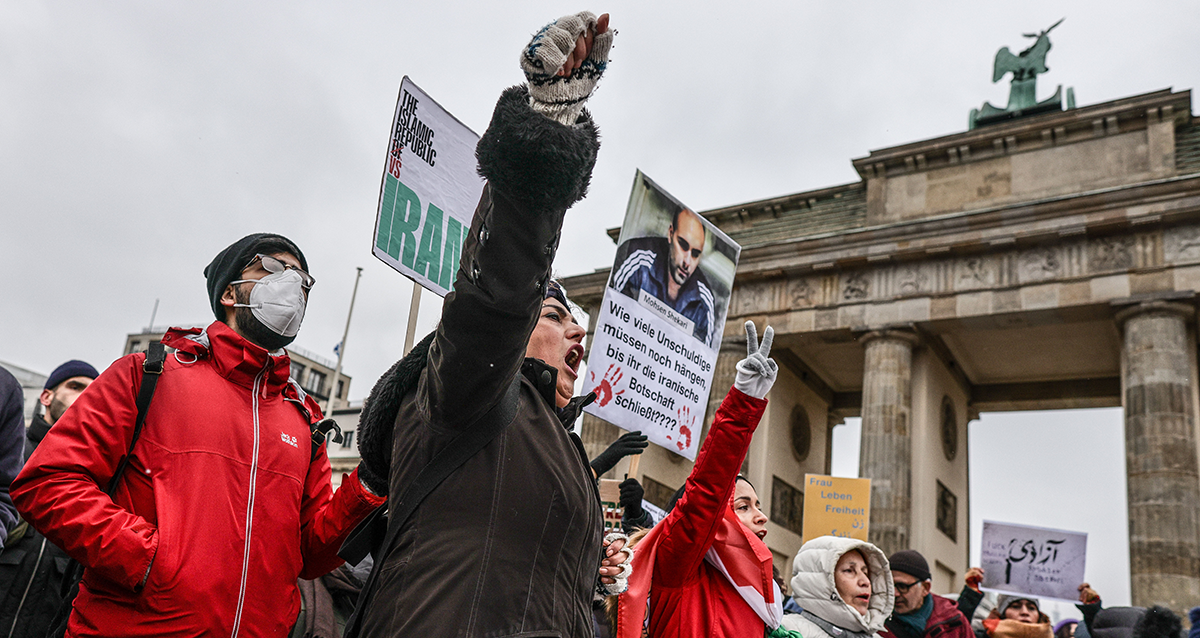
The general policy of the Islamic Republic is to constrain, as much as possible, its citizens’ exposure to foreign cultures and prevent their engagement with the outside world, which explains why cultural ties, even with neighboring or friendly countries, are so limited.
The Iran protests and US policy on Tehran’s nuclear program
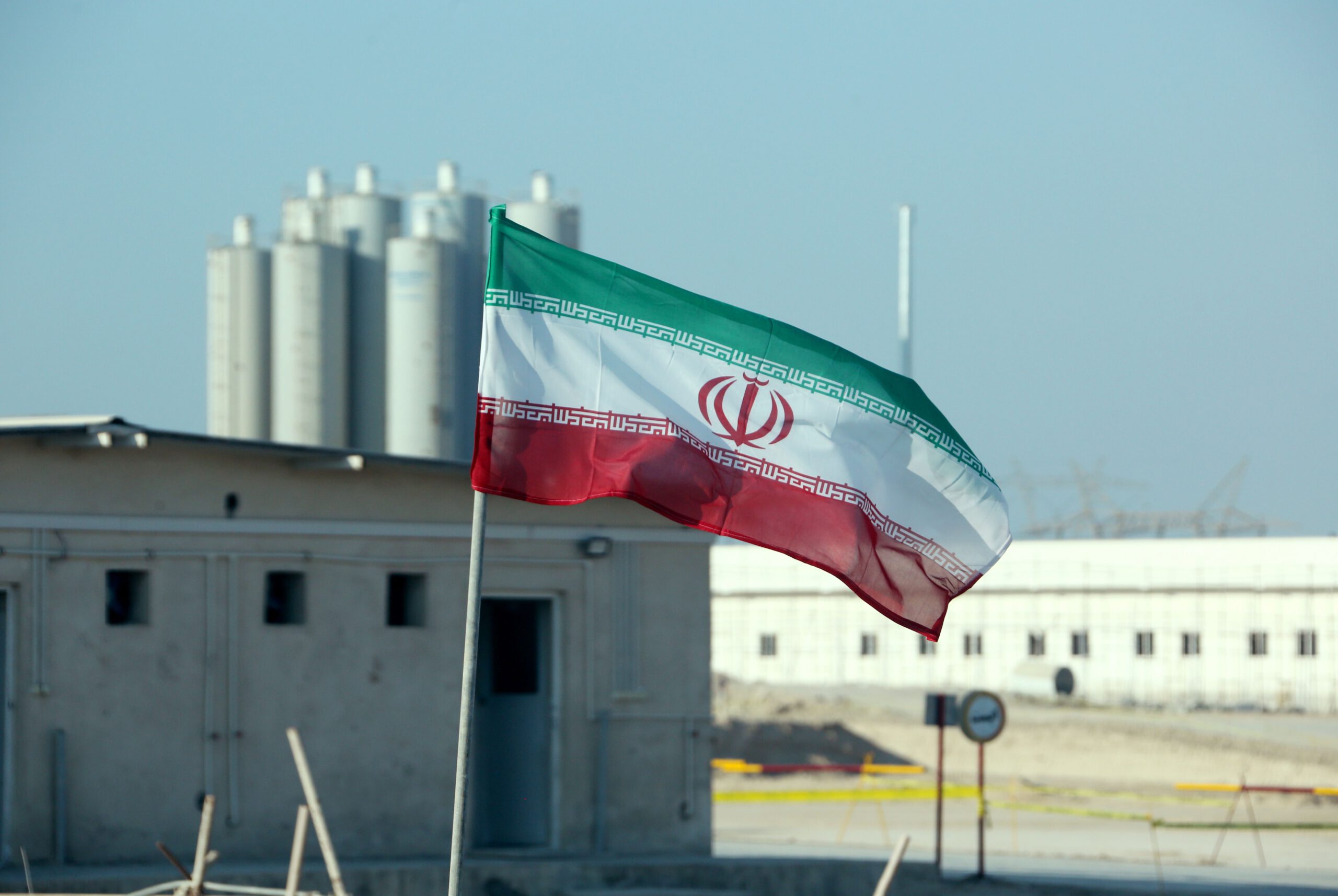
When the Iranian government faces intense Western criticism, such as over its brutal suppression of the protest movement and its recent executions, it frequently resorts to specific actions, one of which is hostage-taking. Nevertheless, perhaps the most important “hostage” Tehran counts on to influence the positions of Western powers is not their imprisoned citizens, but rather Iran’s nuclear program.
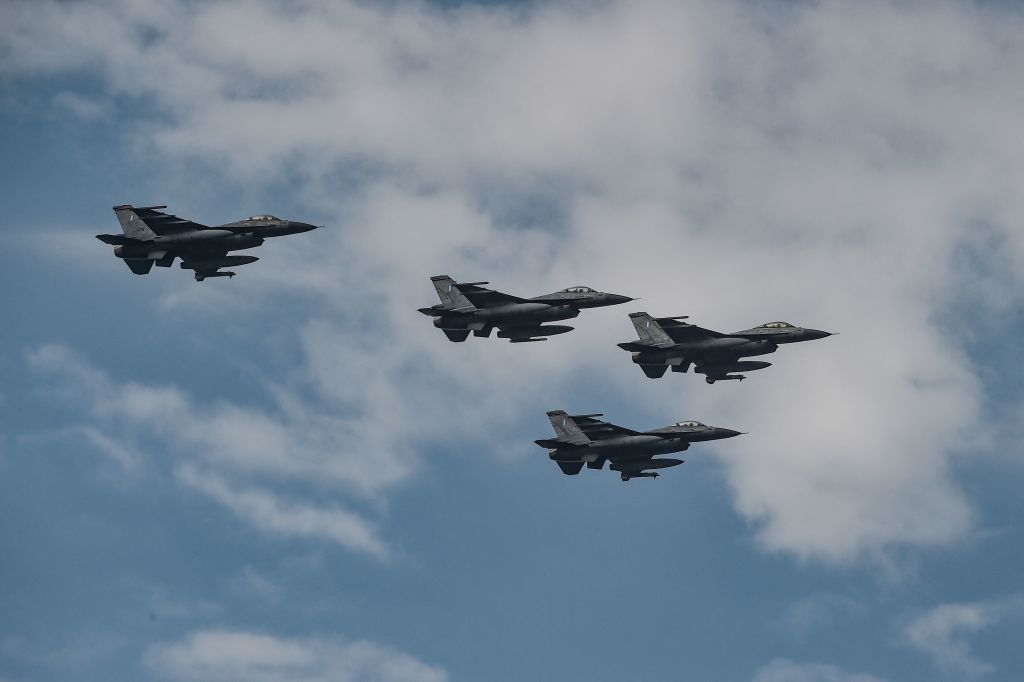
Weekly Briefing: Ball is in Turkey’s court on US sale of F-16s
تحليل إقليمي متخصص من قبل باحثي ومساهمي معهد الشرق الأوسط.
Rome’s Economic Rebalancing in the Maghreb
For the past ten years, Italy and Morocco have been two of the most economically dynamic countries in the Mediterranean basin. Morocco’s rise as a manufacturing and distribution hub for companies seeking to nearshore operations close to mature European end-markets, as well as emerging African end-markets, has created new potential synergies for a deeper Italy-Morocco commercial partnership.
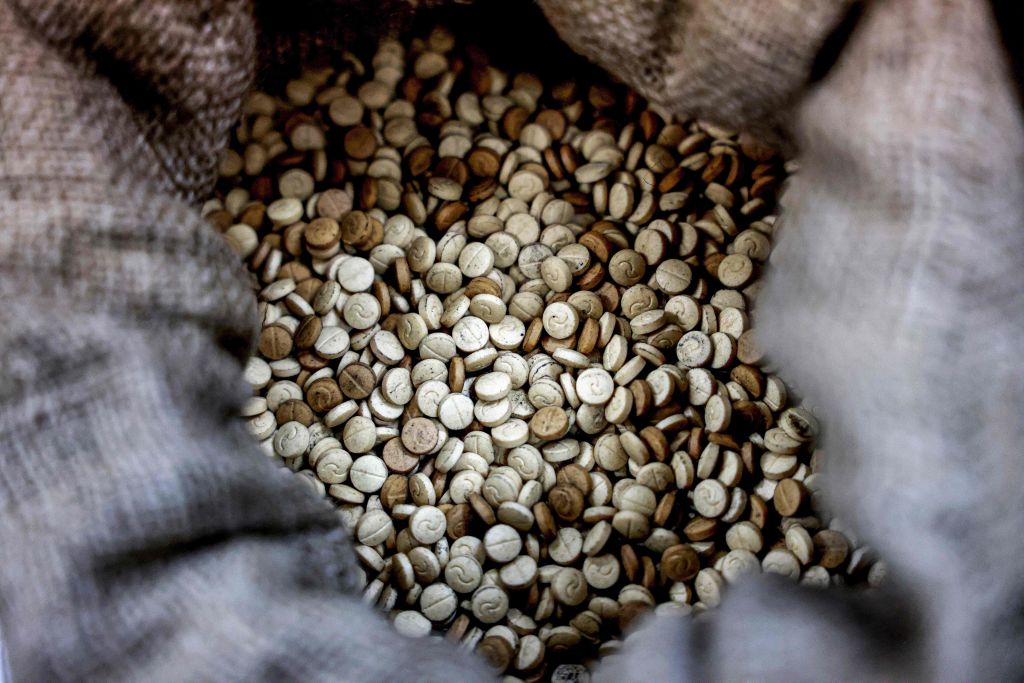
Monday Briefing: Assad’s narco-state enriches itself as Syrians face a spiraling economic and humanitarian crisis
اقرأ تقرير MEI الأسبوعي الذي يتضمن تحليلات الخبراء للتطورات الإقليمية الرئيسية للأسبوع المقبل.

Iran and cryptocurrency: Opportunities and obstacles for the regime
While cryptocurrency may offer Iran the opportunity to bypass sanctions and boost trade, it is by no means a panacea for such outcomes and comes with a host of obstacles, such as price volatility, economic uncertainty, energy consumption, and evolving regulation.
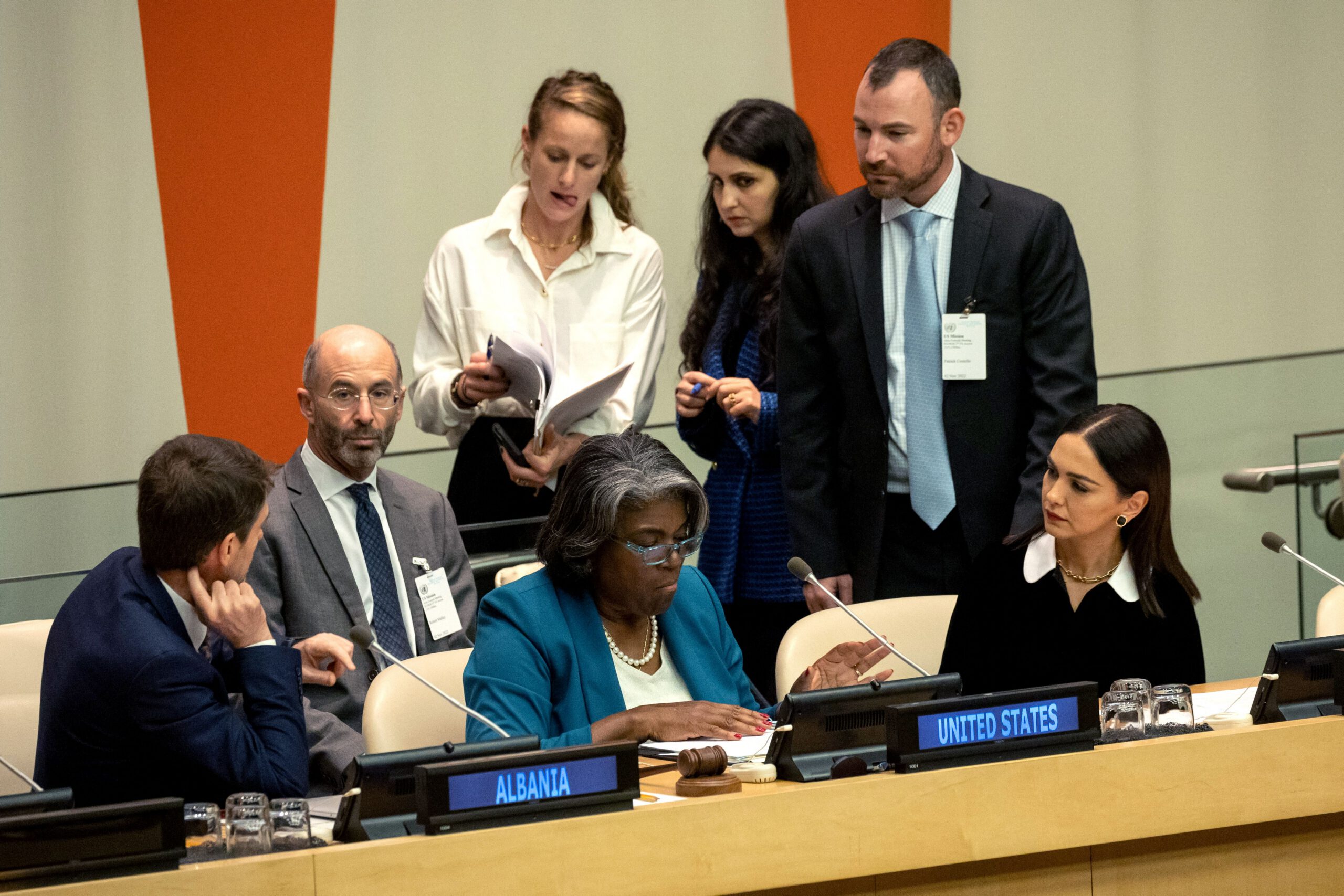
Iran’s Balkan front: The roots and consequences of Iranian cyberattacks against Albania
A series of damaging Iranian hacks of Albania’s critical digital infrastructure over the summer pushed Tirana to break off bilateral diplomatic relations. Iran has regularly responded to sanctions or perceived provocations through cyberattack campaigns, as was visible in the case of Albania, guilty in the Iranian authorities’ eyes for the accommodations it has given to the anti-regime group MEK .

Iran’s Protests 3 Months On
Now entering their fourth month of defiance, the people of Iran continue to protest the regime of Ali Khamenei. Since protests began in September, the crackdown by security forces has become increasingly severe and the government has now begun executing protesters. According to figures from the Human Rights Activists News Agency, as of Dec. 15, nearly 500 protesters have been killed and almost 20,000 people have been arrested.
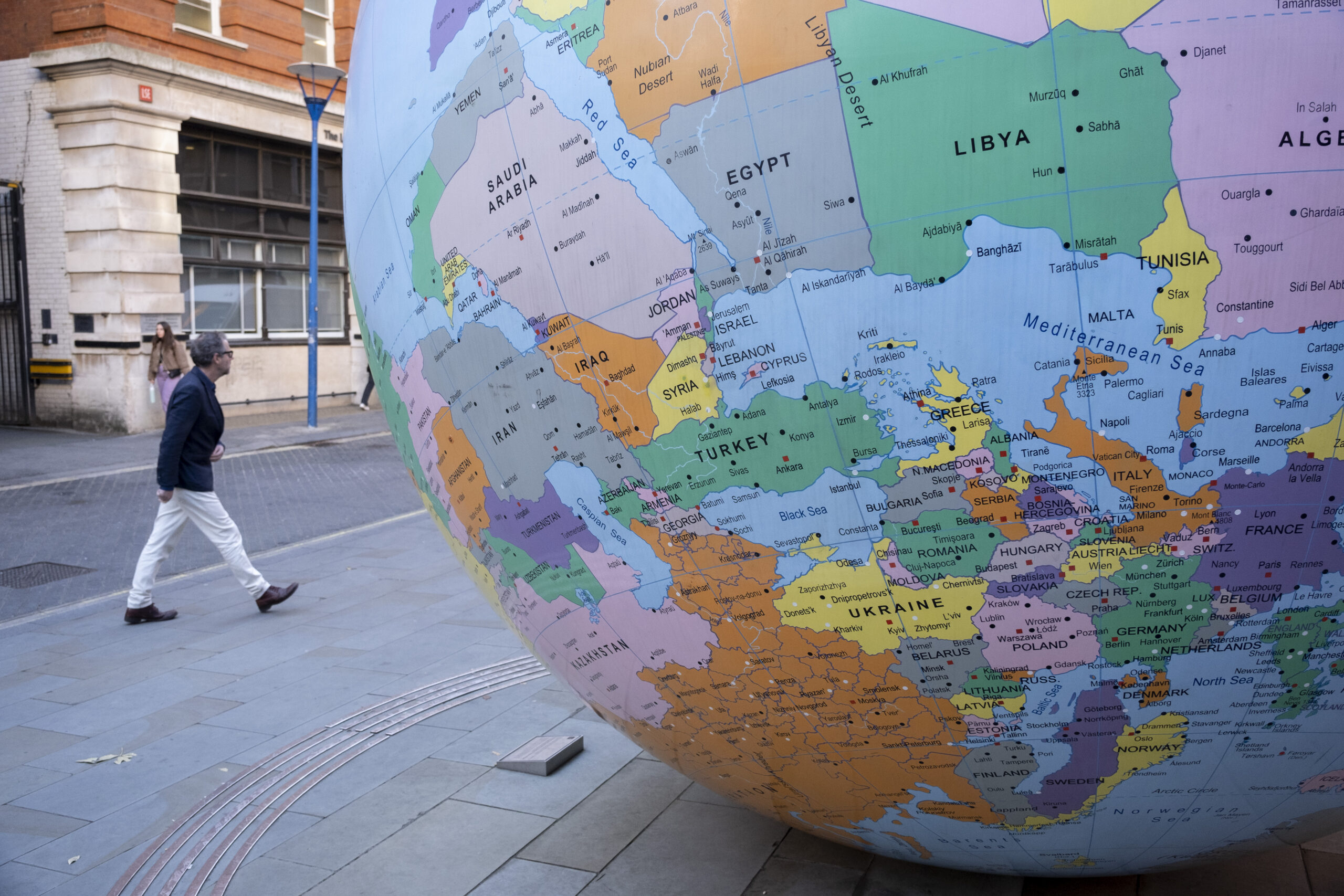
10 key events and trends in the Middle East and North Africa in 2022
Ten of the most important or far-reaching events and trends that dominated the MENA region in 2022.
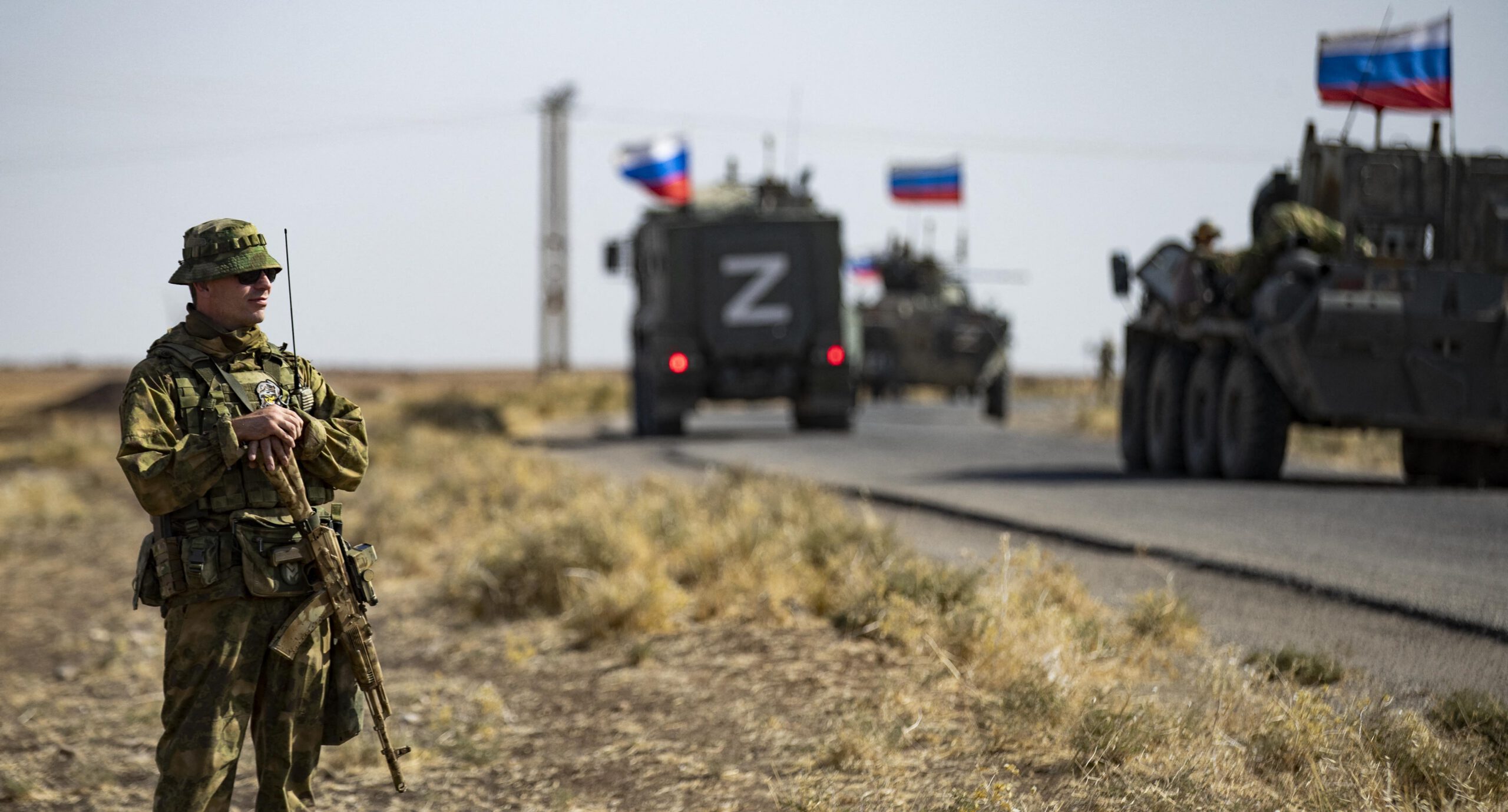
Keeping up appearances: The Ukraine war’s effect on Russian deployments in Syria
As Russia’s 2022 invasion of Ukraine turned into protracted positional and attrition warfare, often speculative reports emerged about the imminent reduction of the Russian military presence in Syria. Several factors may explain the changes in the Russian military presence in Syria and its future.
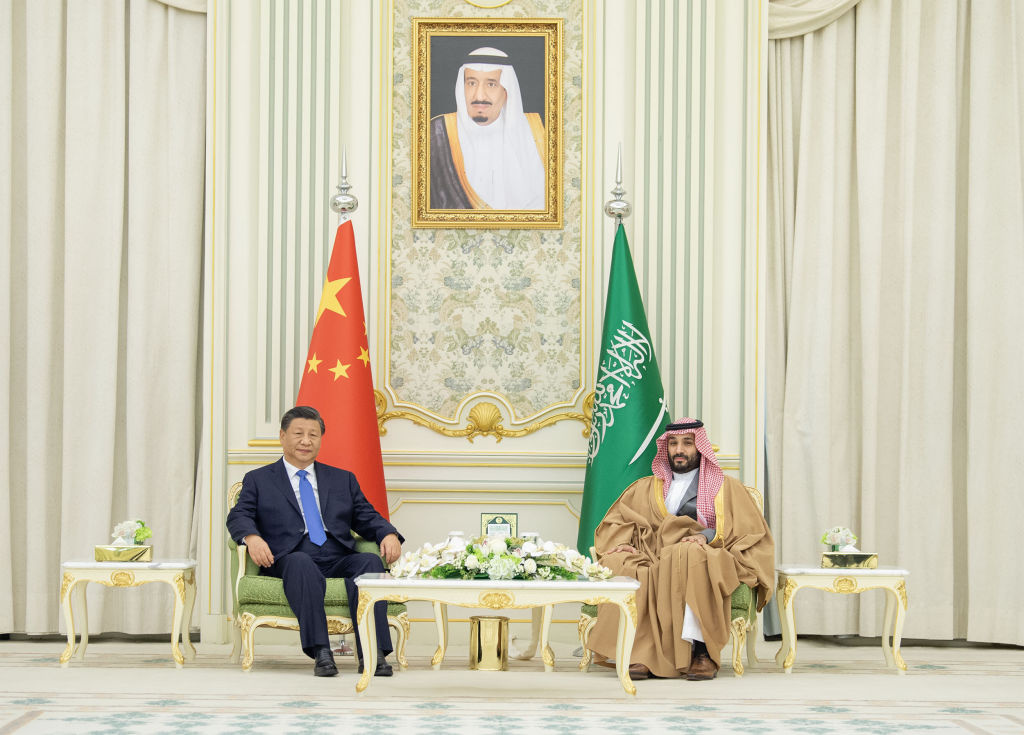
Monday Briefing: Tech a top item on Xi’s visit to Saudi Arabia
اقرأ تقرير MEI الأسبوعي الذي يتضمن تحليلات الخبراء للتطورات الإقليمية الرئيسية للأسبوع المقبل.
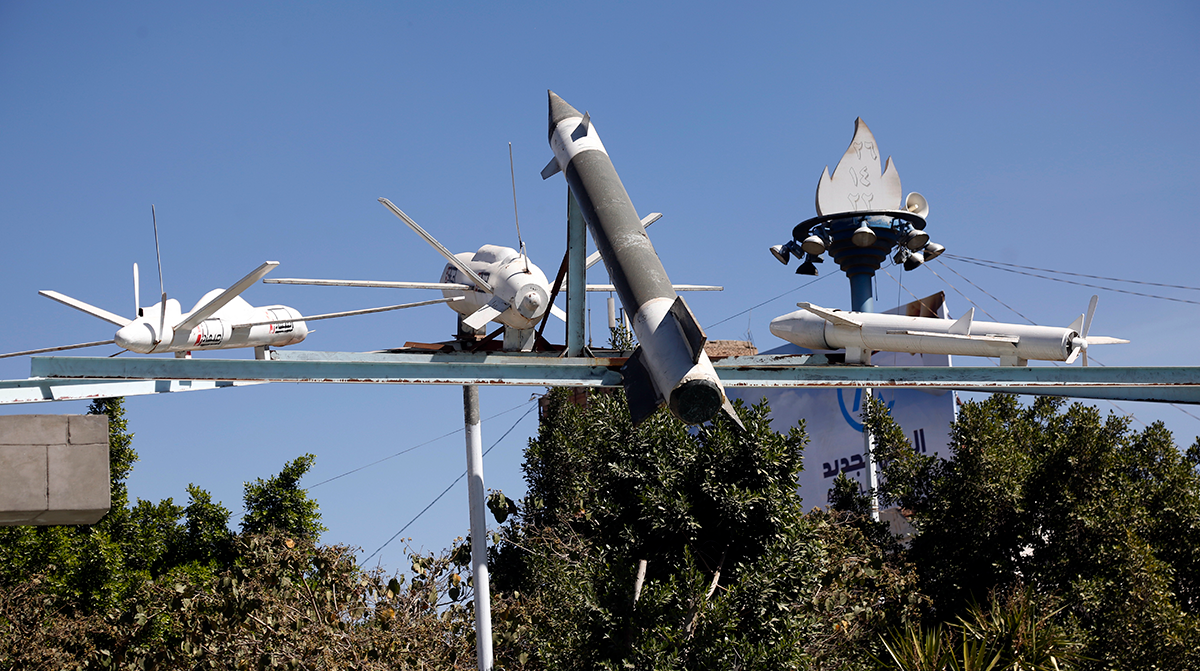
The Houthis' embargo on Yemen's oil exports
On Nov. 21, the Iranian-backed Houthi militia launched a drone attack against the Dhabba Oil Terminal in Yemen’s Hadramawt Governorate. The threat of further attacks on oil ports and military targets remains high as the militant group tests the tolerance and response of Yemen’s government and the international community while increasing its demands.