تمت ترجمة هذا النص بواسطة الذكاء الاصطناعي وقد يحتوي على أخطاء.
تخطي إلى المحتوى

Research & Commentary Results

تصفية حسب
1476 Results
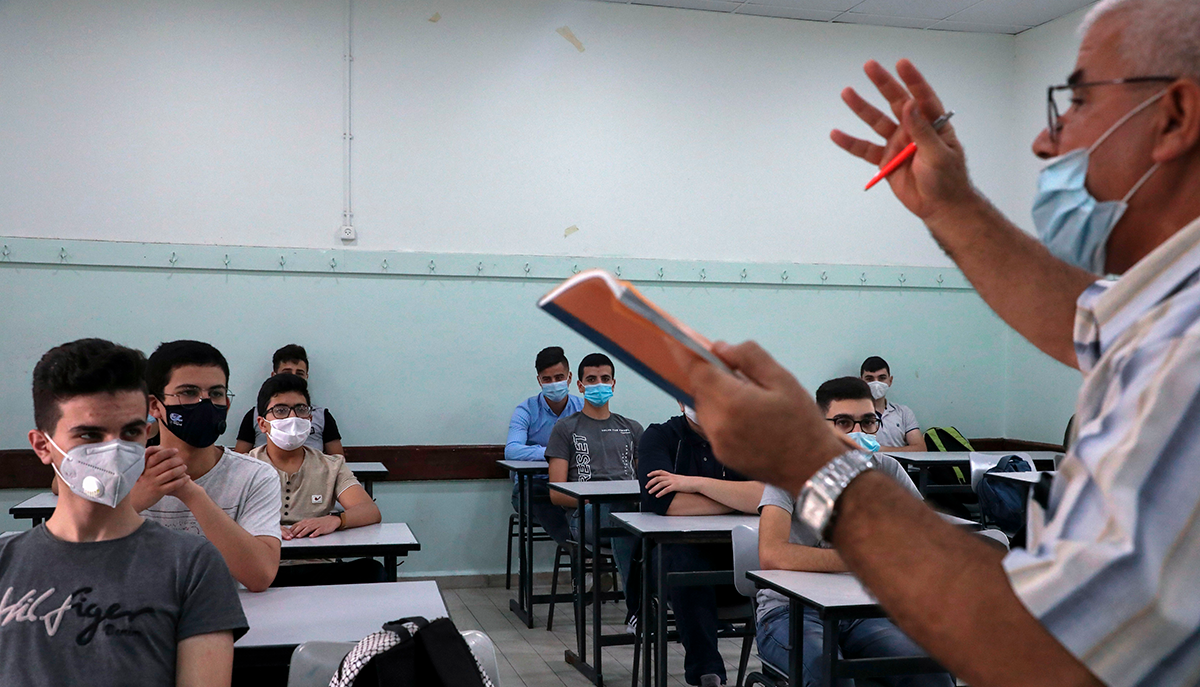
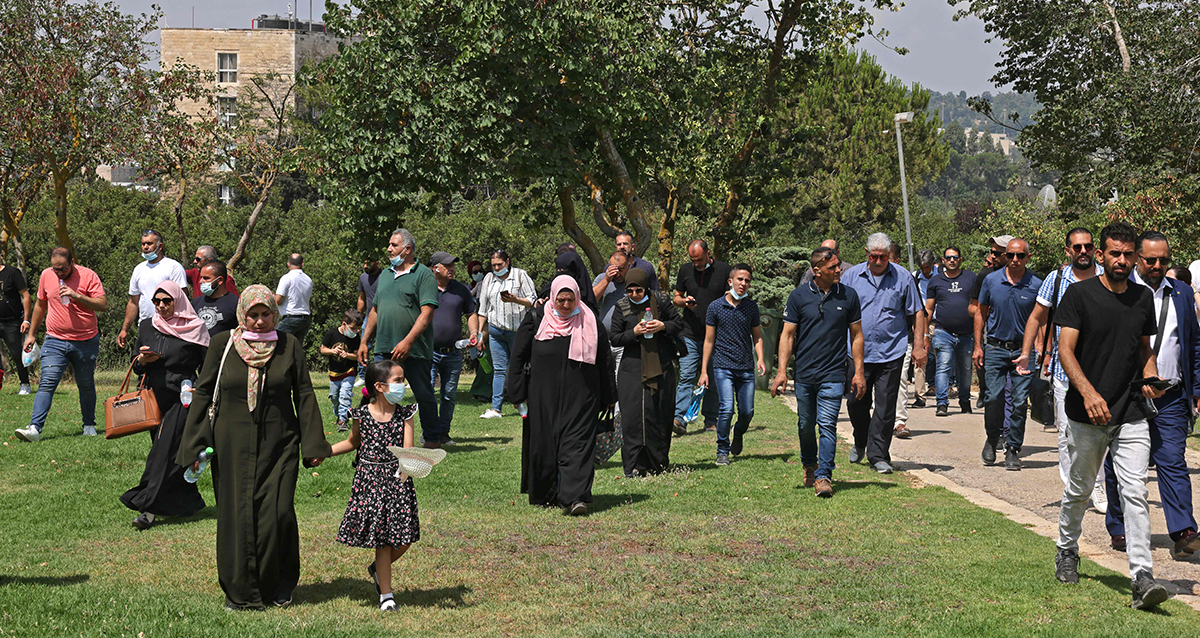
Going back to school on Palestinian textbooks
Photo by HAZEM BADER/AFP via Getty Images
  • التحليل
  • Going back to school on Palestinian textbooks

    It would be an understatement to say that the Georg Eckert Institute for International Textbook Research in Germany has written the book on how to analyze textbooks. The Institute has actually published many books — ones that are meticulous, detailed, and dispassionate. Now the Institute has published one more, this time on Palestinian textbooks.

    July 12, 2021

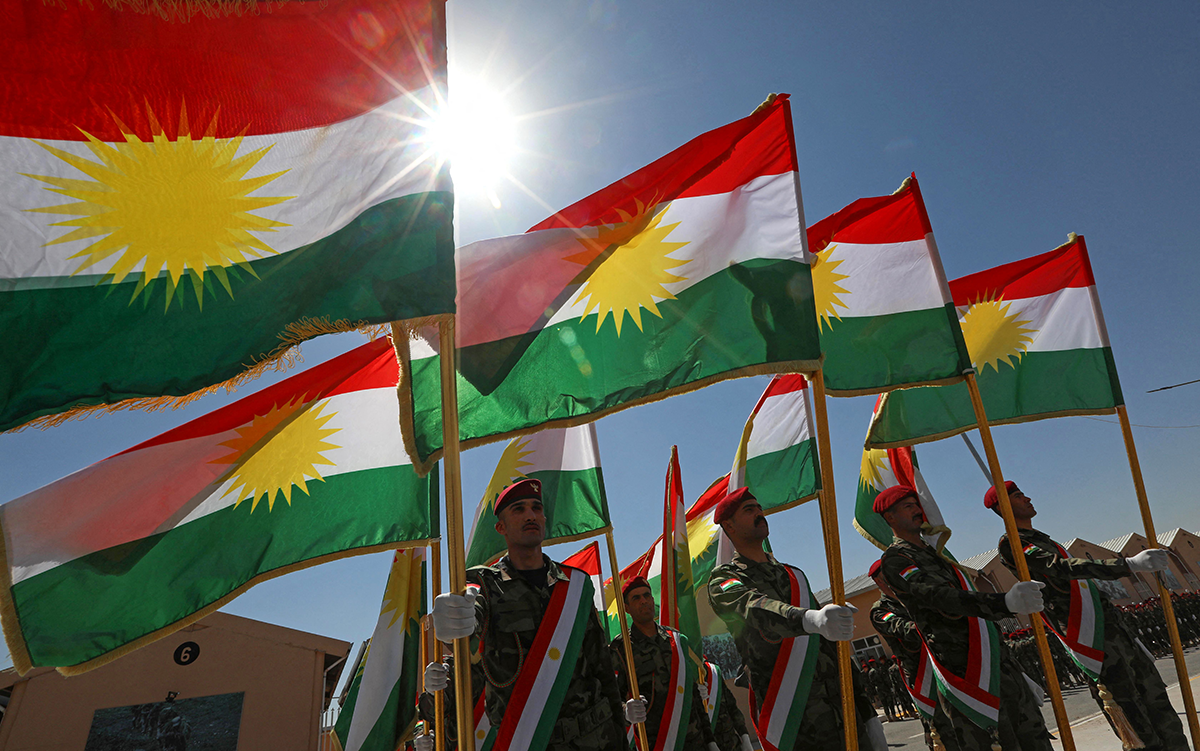
    The War at Home: The Need for Internal Security Sector Reform in Iraqi Kurdistan
  • التحليل
  • The War at Home: The Need for Internal Security Sector Reform in Iraqi Kurdistan

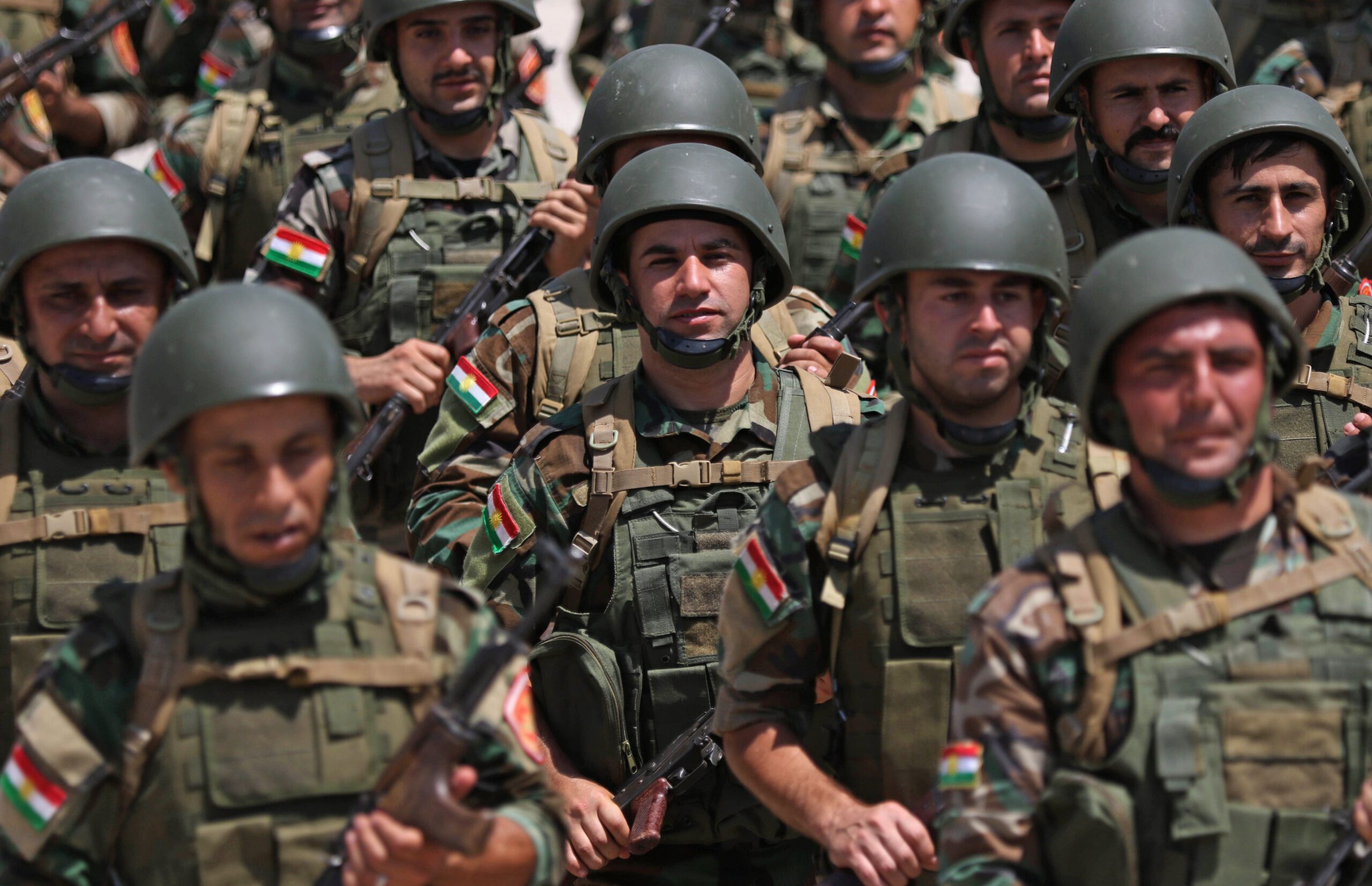
    The forces and agencies of Kurdistan’s Ministry of Interior and the Kurdistan Region Security Council, collectively referred to the Kurdistan Region Interior Forces, are now the region’s main security actors, but their role as instruments of partisan rivalry and enforcers of public loyalty to the political bureaus threatens the Kurdistan Region’s stability. This report makes the case that coalition security sector reform efforts should be refocused on them. Although Peshmerga reform is necessary to improve the Kurdistan Region’s ability to combat external threats, it is equally, if not more important to start the same reform within these internal forces and agencies to achieve durable stability.

    July 6, 2021

    الضربات الجوية الأمريكية على الميليشيات العراقية وخطر دوامة التصعيد
  • تعليق
  • الضربات الجوية الأمريكية على الميليشيات العراقية وخطر دوامة التصعيد

    مهما كانت شدة محاولات الحكومة العراقية لتوجيه البلاد بعيدًا عن الصراع الإيراني الأمريكي، فإن الميليشيات العراقية المدعومة من إيران ستظل تسحبها مجددًا لهذا الصراع

    June 29, 2021

    The promise and the pitfalls of Iraq’s tripartite New Mashreq
    Photo by AHMAD AL-RUBAYE/AFP via Getty Images
  • التحليل
  • The promise and the pitfalls of Iraq’s tripartite New Mashreq

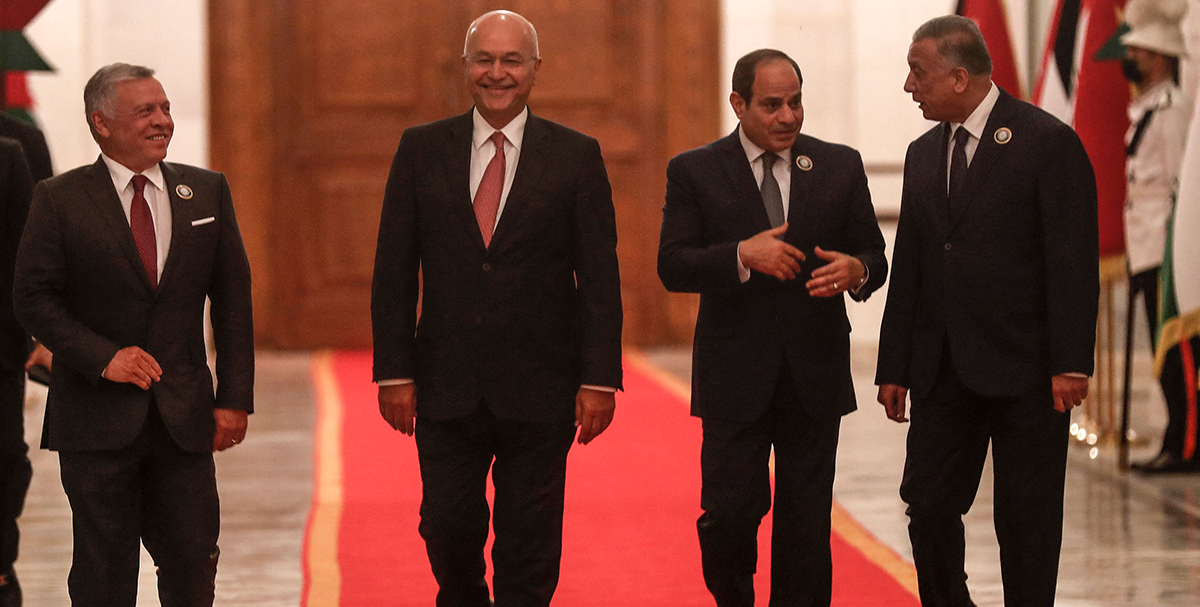
    Sunday was a festive day in Baghdad. The last time Iraqis had received an Egyptian president 30 years ago, the region was gearing up for war and uncertainty as the late President Hosni Mubarak shuttled between Baghdad and Gulf capitals prior to Saddam Hussein’s invasion of Kuwait in 1990. The circumstances were quite different on June 27, when Egyptian President Abdel-Fattah el-Sisi and King Abdullah II of Jordan were given the red-carpet treatment at a tripartite summit marking the fourth meeting between the leaders of the three countries aiming to form a new regional alliance.

    June 29, 2021

    The “Palestinian exception”: Social media censorship of Palestinian activism
    Photo by Gokhan Kurtaran/Anadolu Agency/Getty Images
  • تعليق
  • The “Palestinian exception”: Social media censorship of Palestinian activism

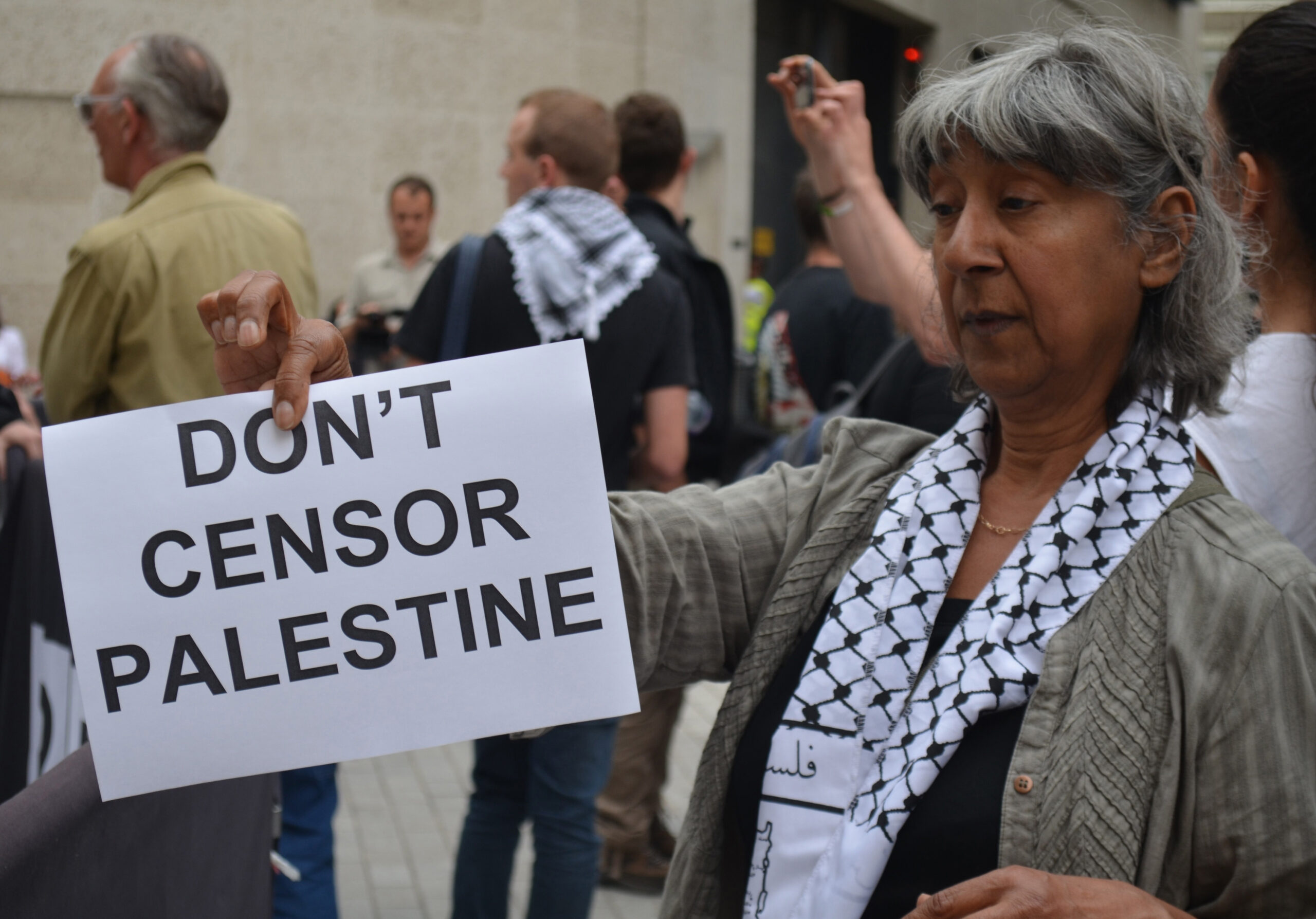
    In a landscape of suppression and retaliation against Palestinian journalists and activists at the hands of Israel, social media networks have been at once critical organizing platforms and tools for exacerbating censorship.

    June 23, 2021

    Games without Frontiers: Renegotiating the Boundaries of Power in Iraqi Kurdistan
  • التحليل
  • Games without Frontiers: Renegotiating the Boundaries of Power in Iraqi Kurdistan

    Over the past year, intensifying political and economic conflicts between the Kurdistan Region’s two hegemonic parties, the Kurdistan Democratic Party and the Patriotic Union of Kurdistan, have challenged the legal and institutional order in which the Kurdistan Regional Government operates. A new generation of leadership within the parties, a fraught relationship with the federal government, and a prolonged economic crisis have strained the relationship between the two parties to its breaking point.

    June 23, 2021

    The Trilemma of Power, Aid, and Peacebuilding in the Israeli-Palestinian Context
    Xinhua/xiongsihao via Getty Images
  • التحليل
  • The Trilemma of Power, Aid, and Peacebuilding in the Israeli-Palestinian Context

    On Dec. 21, 2020, the United States Congress passed the Nita M. Lowey Middle East Partnership for Peace Act. The new law provides $250 million over five years to expand peace and reconciliation programs between Israelis and Palestinians as well as to support projects bolstering the Palestinian economy. But such programs are unlikely to be effective because the whole approach on which they are based is structurally flawed in two critical ways: first, because it is disconnected from local political, social, cultural, and economic processes and expectations; and second, because it tends to reinforce the inequalities that sustain the conflict between the two sides while undermining the declared goals of this intervention.

    June 21, 2021

    Up for Debate: The Biden administration's approach to Israel/Palestine
    Photo by ALEX BRANDON/POOL/AFP via Getty Images
  • التحليل
  • Up for Debate: The Biden administration's approach to Israel/Palestine

    The Biden administration has repeatedly said that Israelis and Palestinians “deserve equal measures of security, freedom, opportunity and dignity” (sometimes expressed as “equal measures of freedom, security, dignity and prosperity”). Since the recent crisis in Gaza and East Jerusalem, Secretary of State Antony Blinken and other U.S. officials have reiterated this formula in one form or another. What is its significance? What does (or should) it mean in the context of the Biden administration’s approach to Israel/Palestine — particularly given the dire humanitarian situation in Gaza, pending expulsions in East Jerusalem, and ongoing settlement expansion in the occupied West Bank and East Jerusalem? We asked eight experts to weigh in with their thoughts.

    June 21, 2021

    Changing the rules of the game: Reforming the party system in Iraq
    Photo by Haydar Karaalp/Anadolu Agency/Getty Images
  • التحليل
  • Changing the rules of the game: Reforming the party system in Iraq

    The performance of Iraqi political parties over the past two decades can be assessed in how they manage three major transformations: the transition from an authoritarian political system to a democratic and pluralistic one, the participation of these parties in managing the transformation of the state from a central to a federal system and the smooth transition from a directed economy to a free market one, and the social transformation from an oppressed society to a free, productive, and reconciled one. Despite the great challenges faced by the various governments since 2003, the parties that participated in the political process (to varying degrees) were unable to succeed in managing these three transformations.

    June 16, 2021

    The nascent Israeli government: The thread that binds?
    Photo by RONEN ZVULUN/POOL/AFP via Getty Images
  • التحليل
  • The nascent Israeli government: The thread that binds?

    There is only one thread holding together the unprecedentedly disparate parties that will establish and support the nascent Israeli government announced on the night of June 2, an hour before the midnight deadline. That thread is, of course, a shared loathing for Benjamin Netanyahu. Whether that thread will even get the new government past its first hurdle, which is a vote of confidence in the Knesset, much less to its theoretical four years, is an open question. Until recently no one could have imagined such a political monstrosity might be conceived, let alone gestated, but there’s a decent chance this government will get off the ground.

    June 4, 2021

    مجلس حقوق الإنسان التابع للأمم المتحدة يوافق على لجنة غزة لتقصي الحقائق
  • تعليق
  • مجلس حقوق الإنسان التابع للأمم المتحدة يوافق على لجنة غزة لتقصي الحقائق

    “إن استعداد مجلس حقوق الإنسان لإنشاء لجنة دائمة ذات تفويض شامل يشير إلى مدى التغيير في التصورات الدولية للصراع الإسرائيلي الفلسطيني في السنوات القليلة الماضية”.

    June 2, 2021