This text has been translated by AI and may contain errors.
Skip to Content

Research & Commentary Results

Filter by
1431 Results
The race to reset the Middle East's maritime map
Photo by Xinhua/Wu Lu via Getty Images
  • Analysis
  • The race to reset the Middle East's maritime map

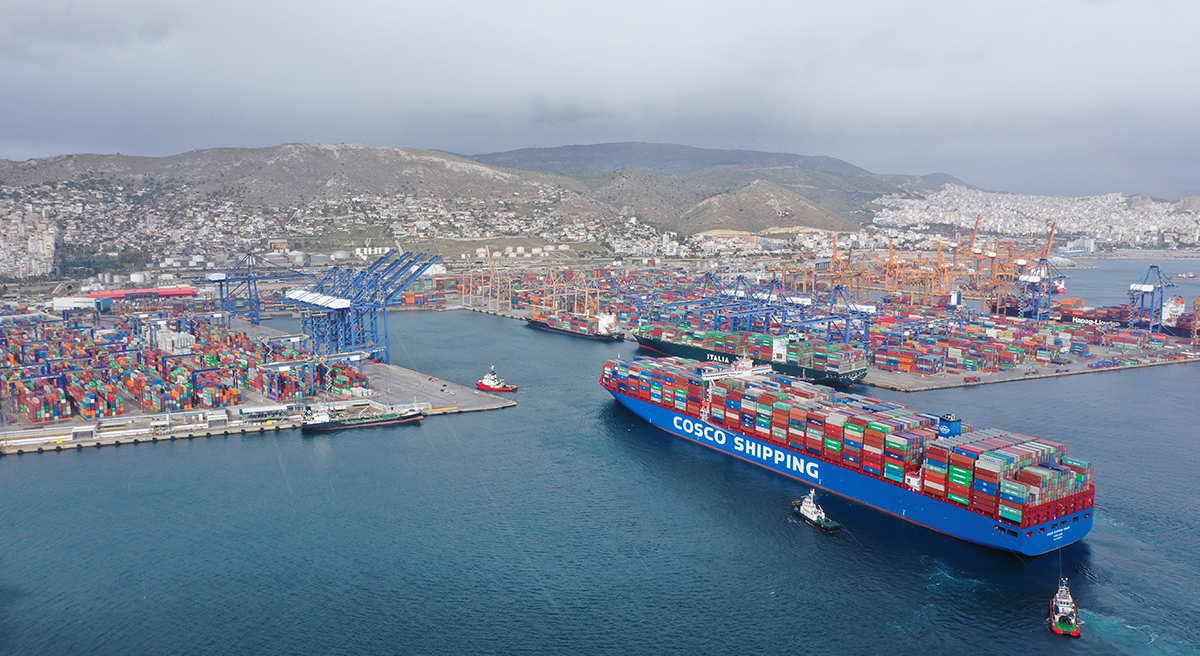
    One of the most consequential changes in the Middle East’s geopolitical map is happening at the water’s edge. Along the entire eastern rim of the Mediterranean basin, global and regional actors are engaging in a spate of port capacity expansions, new private port construction, and the sell-off of major state-owned ports that will determine who sits atop the region’s global trade flows for decades to come. The international competition to rebuild Beirut’s port is one key puzzle piece in this larger process that is reconfiguring the Levant’s maritime commercial architecture and, as a consequence, the geopolitical contours of the Middle East.

    The possibility that the Lebanese government could opt for China to reconstruct Beirut’s port has raised alarm in Washington and European capitals given China’s already outsized commercial port presence in Egypt, Israel, and Greece. Increased Chinese involvement in Lebanon’s port operations could consolidate Beijing’s hold over the commercial connectivity architecture of the Levant. Re-orienting global commercial flows between Europe, the Middle East, and Asia according to Beijing’s priorities would make China’s Belt and Road Initiative a dominant organizing principle in the international relations of the Middle East. The most effective way to offset China’s ambition may be to facilitate Mediterranean rivals France and Turkey to jointly rebuild Beirut’s port.

    The Taliban takeover of Afghanistan
    Middle East Institute
  • Podcast
  • The Taliban takeover of Afghanistan

    Dr. Marvin Weinbaum, director of MEI’s Afghanistan and Pakistan program, joins host Alistair Taylor for a bonus episode responding to the Taliban’s rapid overthrow of the Afghan military and government over the past week.

    August 17, 2021

    الكارثة الأفغانية وعواقبها على الشرق الأوسط الكبير
  • Commentary
  • الكارثة الأفغانية وعواقبها على الشرق الأوسط الكبير

    أولًا، انتصار طالبان يمثل انتصارًا هائلًا لرواية القاعدة والحركة الجهادية الأوسع. فبعد عشرين عامًا من وقوع الهجمات على الولايات المتحدة، ها هي الولايات المتحدة تُهزَم مرة أخرى وتُجبّر على الانسحاب بشكل مُذَل. سيكون هذا الانتصار بمثابة “برهان على صحة مبدأ” التجنيد الرئيسي للحركات الجهادية المتطرفة لعقود قادمة، ويجب أن نتوقع زيادة جديدة في التجنيد والعمل الجهادي في المنطقة، وزيادة المخاطر على المصالح الأمريكية والأراضي الأمريكية. ومن ثم فعلى الولايات المتحدة العمل مع الحلفاء والشركاء في المنطقة لوقف هذا المد المحتمل.

    August 17, 2021

    The Painful Lessons of Afghanistan
  • Commentary
  • The Painful Lessons of Afghanistan

    The Cipher Brief:  Did you ever envision that the U.S. would pull out so quickly or completely leaving the Afghan military on its own without U.S. air support?  

    General Votel: I did not anticipate this during my time – but once the President sets a hard departure date – then a fast withdrawal is inevitable.  No Commander wants to accept unnecessary risk with troops on the ground when you are up against a clearly articulated departure date.

    “You’re all going to die”: Persuading Pakistan’s generals to see the light
    Photo by AAMIR QURESHI/AFP via Getty Images
  • Analysis
  • “You’re all going to die”: Persuading Pakistan’s generals to see the light

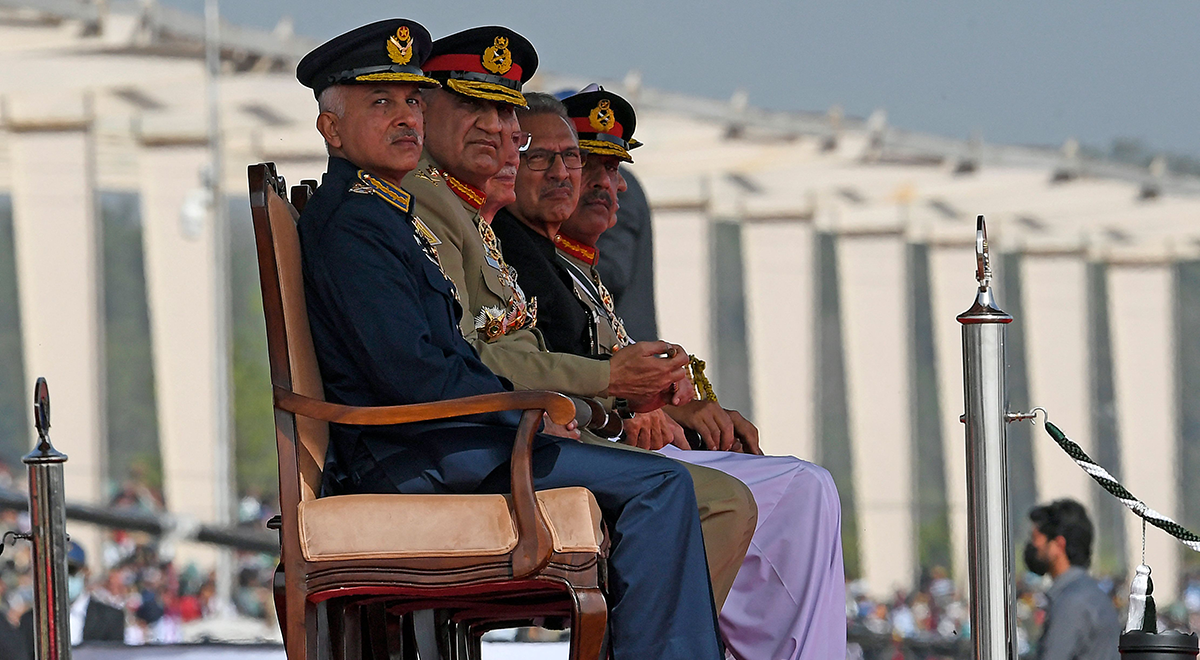
    “You’re all going to die,” the diminutive, senior U.S. intelligence official observed in matter-of-fact fashion to her stunned Pakistan Inter-Services Intelligence (ISI) hosts. Her rather blunt appraisal was uncharacteristic of the engagement to which the senior Pakistani officials had grown accustomed and cut to the chase: the consequences of decades of Pakistan’s support to the Taliban, violent Kashmiri liberation groups, radical madrassas, and extremist local political groups were coming home to roost.

    August 16, 2021

    An al-Qaeda dream come true
    Photo by Wali Sabawoon/NurPhoto via Getty Images
  • Commentary
  • An al-Qaeda dream come true

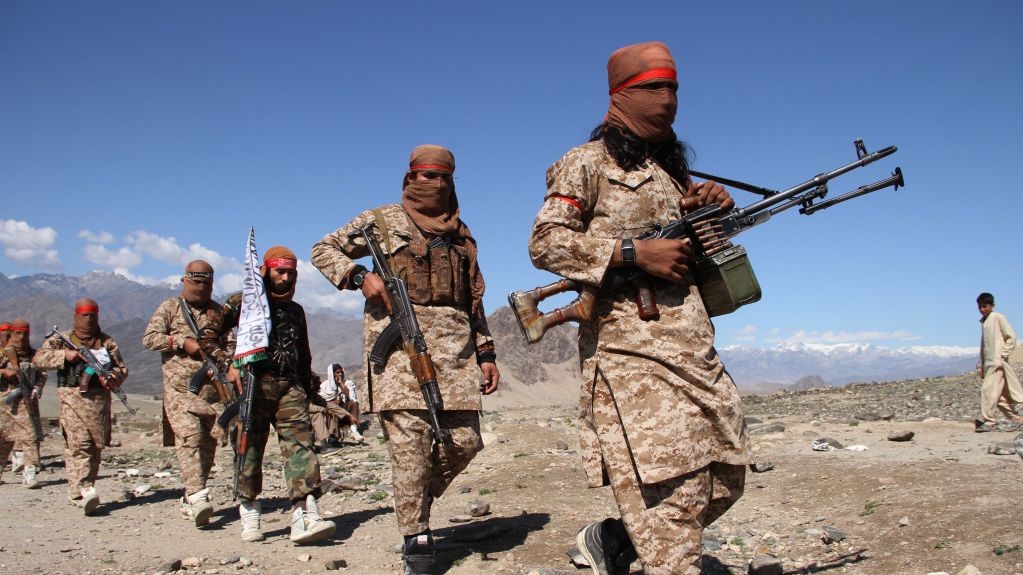
    As Kabul falls to the Taliban, it’s safe to say that this is without a doubt the most significant day for al-Qaeda since 9/11. After two decades of relentless counterterrorism pressure from the United States and allies, al-Qaeda’s central leadership was in dire straits just weeks ago.

    Expert Views: The crisis in Afghanistan
    Photo by Paula Bronstein/Getty Images
  • Analysis
  • Expert Views: The crisis in Afghanistan

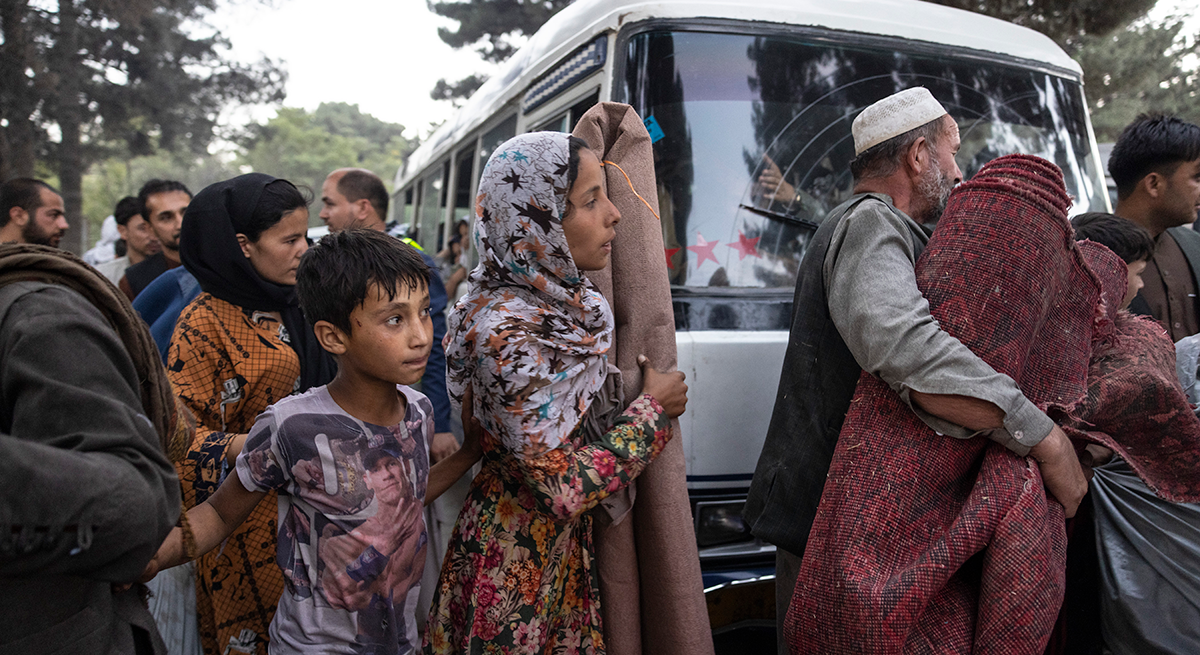
    Weeks before the official U.S. military withdrawal, Afghanistan is unraveling rapidly as the Taliban continue their swift military advance. They now control more than two-thirds of the country and half of the provincial capitals. With the government’s hold on Kabul in doubt, the Biden administration has dispatched troops to evacuate U.S. citizens from the country. We asked experts and scholars from across MEI to weigh in with their thoughts on the situation and what it means for the country, the wider region, and key international players.

    Now is the time for difficult conversations on Afghanistan
    Photo by Andrew Renneisen/Getty Images
  • Commentary
  • Now is the time for difficult conversations on Afghanistan

    The debate about whether Afghanistan was worth thousands of U.S. lives and a trillion U.S. taxpayer dollars should have occurred before those lives were lost and the money was spent. The decision to pull out our remaining 2,500 troops was made after all of that was done. That minimal number of troops preserved everything we fought for in the last two decades. We had significantly reduced the risk to our forces and the expense to the U.S. taxpayer. 

    Missing the bigger implications of US withdrawal from Afghanistan
    Photo by BRENDAN SMIALOWSKI/AFP via Getty Images
  • Analysis
  • Missing the bigger implications of US withdrawal from Afghanistan

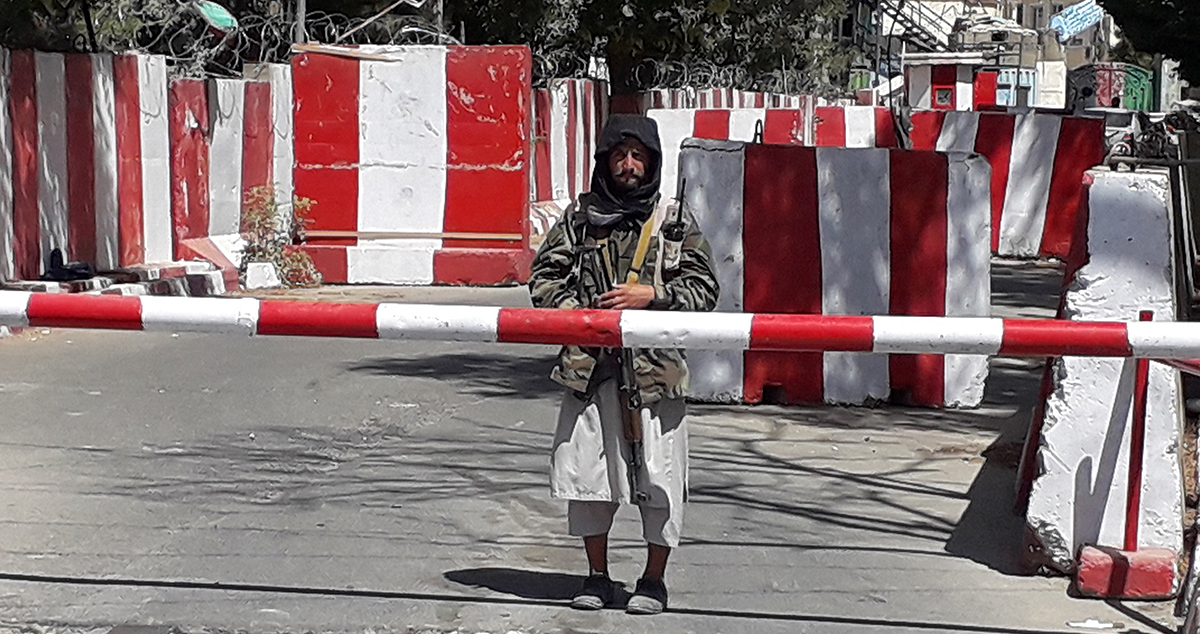
    As the United States exits from Afghanistan, on the eve of the 20th anniversary of the 9/11 attacks, it is important to reflect on the broader and longer-term reverberations of that withdrawal. In examining the withdrawal, peace process, and the recent dynamic of militia building and Taliban control, it’s becoming clear that a different transnational threat to U.S. interests is emerging.

    July 29, 2021