Algeria’s recurring food crises: The sign of an ailing economy
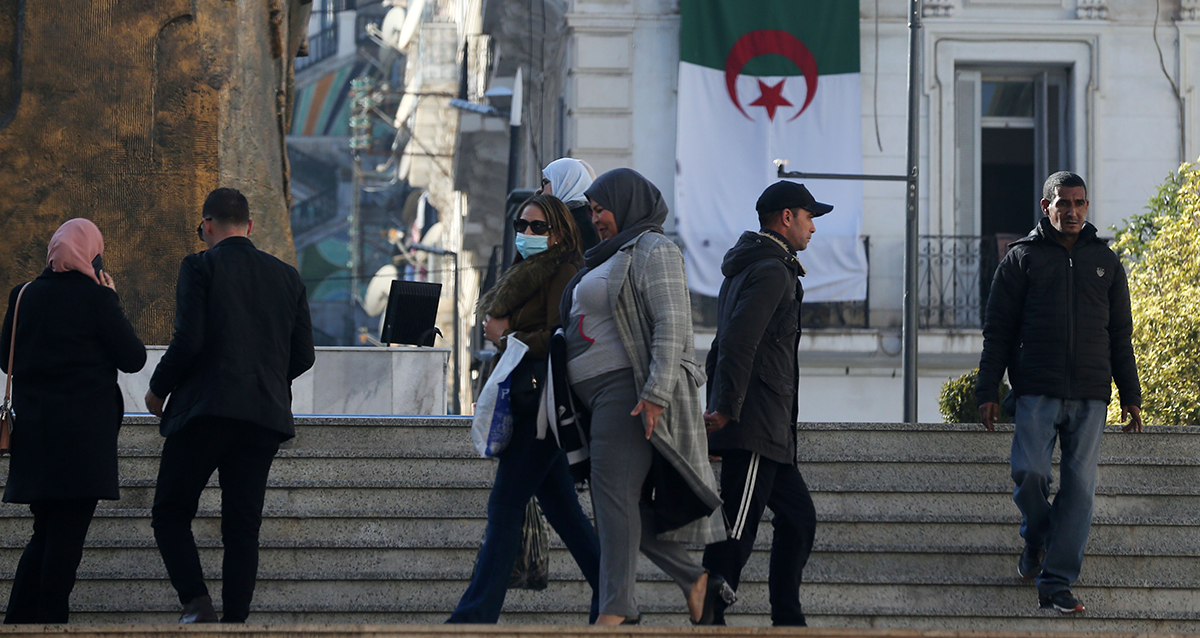
Beset by severe socioeconomic grievances, Algeria is now facing the most challenging economic situation since the 1988 October Riots, when thousands of young people took to the streets to protest an economic crisis caused by the decline in oil prices, austerity measures, and a youth bulge that led to mass unemployment. The latest food shortages are not the first, however, and given the administration’s current approach, they are unlikely to be the last. While the authorities have blamed business owners and even consumer behavior for the crisis, the underlying drivers are more systemic and structural.
Women’s labor force participation and COVID-19 in Jordan
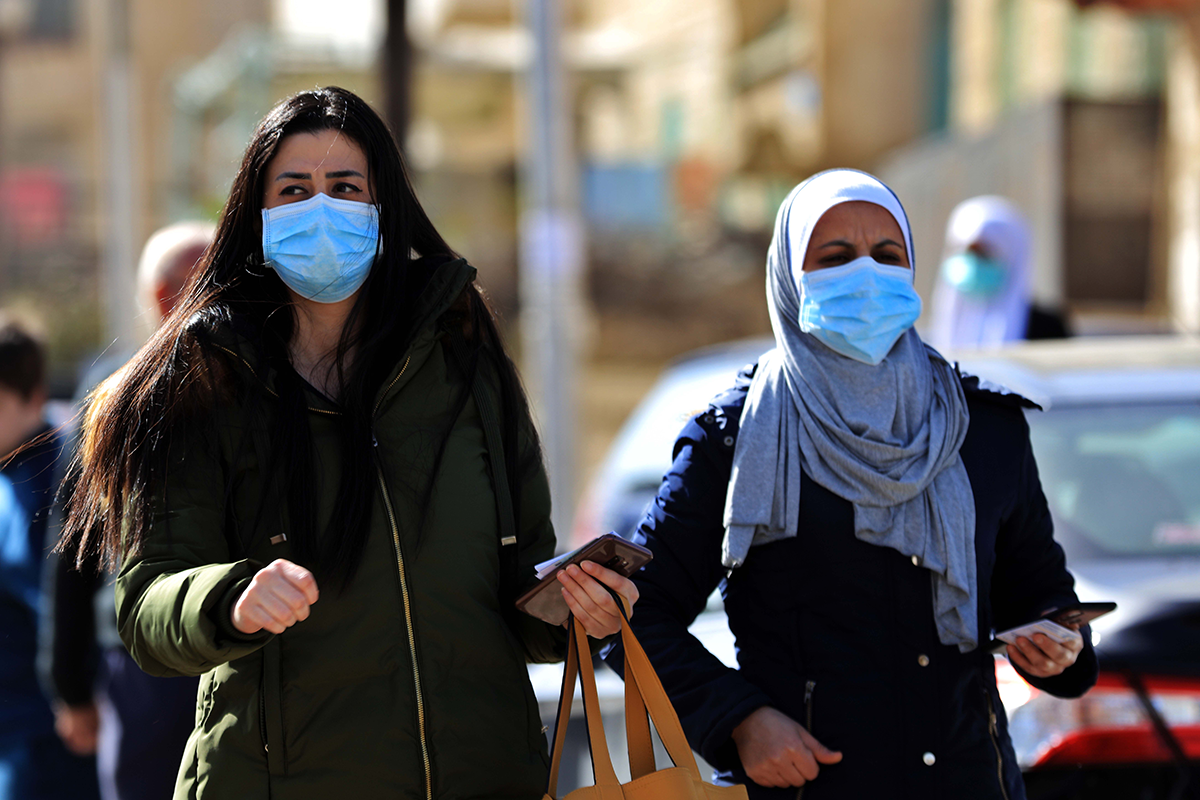
Jordan has the lowest rate of women’s economic participation of any country not at war. According to the ILO, the kingdom’s female labor force participation rate is below 15%, while that of men is about 60%. This is lower than rates of female labor force participation in neighboring Lebanon (23%), Saudi Arabia (22%), and the West Bank and Gaza (18%). As the COVID-19 pandemic stretches on, the government of Jordan should take the opportunity to expand the accessibility of remote work and corresponding opportunities for Jordanian women who aim to play a role in their nation’s economy.
Helping the Lebanese People Move Toward Recovery: Recommendations for US Policy
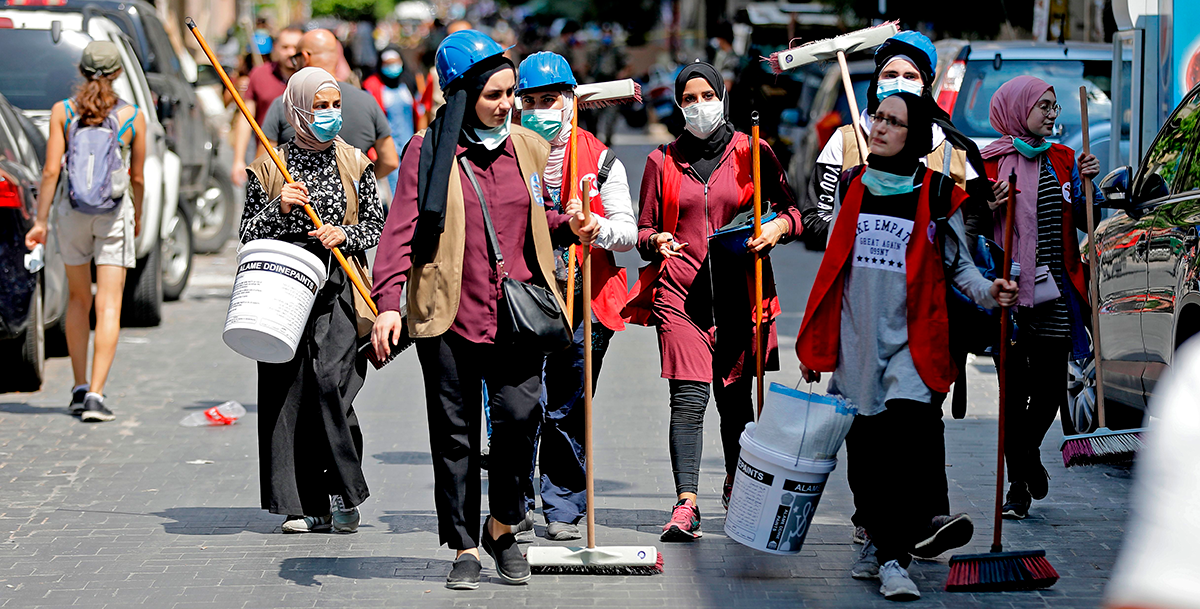
Lebanon is currently at a crossroads as the government faces the daunting tasks of rebuilding the economy, restoring public trust, and clearing the way for free and fair parliamentary elections in May of 2022. The country finds itself spiraling downward — an agreement with the IMF is yet to be realized, poverty and emigration are increasing, and there are growing threats to stability due to a failing economy and widespread corruption. Given this critical situation, it is worthwhile to review U.S. interests in Lebanon’s survival and consider key recommendations for U.S. policy to help Lebanon avoid complete collapse and help the Lebanese people move toward economic recovery, political legitimacy, and a more capable, transparent, and sovereign state.
For Gulf producers, decarbonization does not mean zero oil production
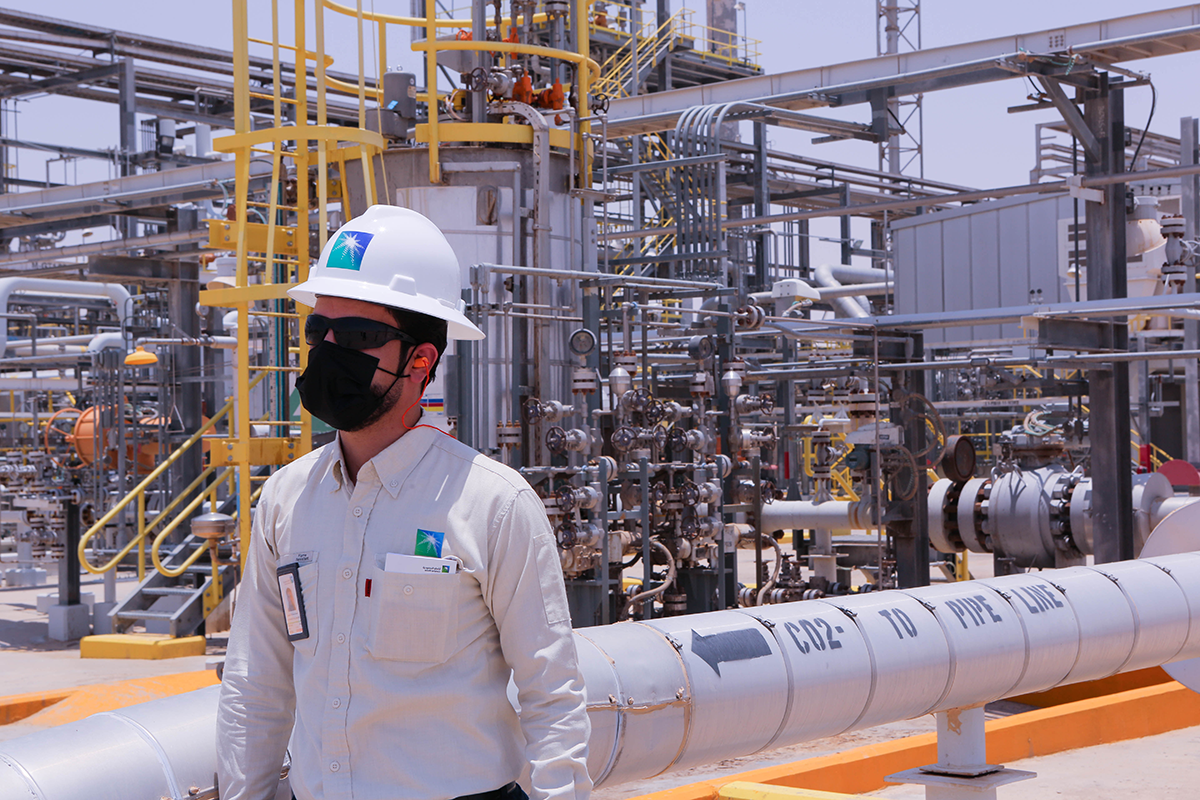
Gulf oil producers do not envisage a post-2050 world devoid of hydrocarbons, even though two of the region’s biggest producers, the UAE and Saudi Arabia, have committed to net-zero carbon emissions by 2050 and 2060, respectively. Reconciling their future environmental commitments with their current reliance on hydrocarbons is going to be an arduous and expensive journey that starts with decarbonizing their oil and gas production to reduce their carbon footprint and increasing their domestic green energy production. With demand for oil and gas forecast to continue post-2050 — albeit at lower levels than now — their net-zero target does not equate to zero oil and gas production. Instead, their transition will differ from that of other countries and will happen at a different pace.
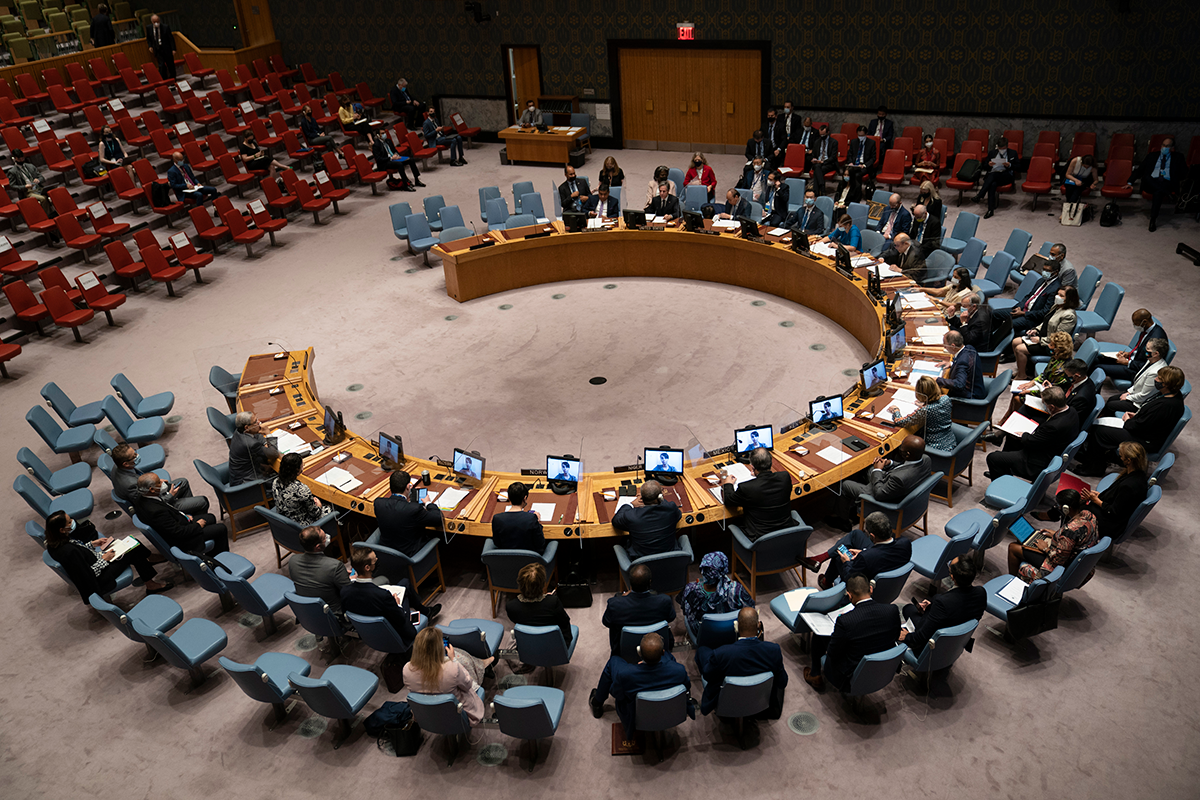
On Dec. 13, 2021, at a United Nations Security Council (UNSC) meeting, a draft resolution that would have recognized climate change as a security threat was rejected. The resolution, co-sponsored by Niger and Ireland, would have incorporated climate change as a security risk within the U.N. framework of conflict prevention strategies. What are the potential implications of this and what comes next? We asked seven experts to weigh in with their thoughts.
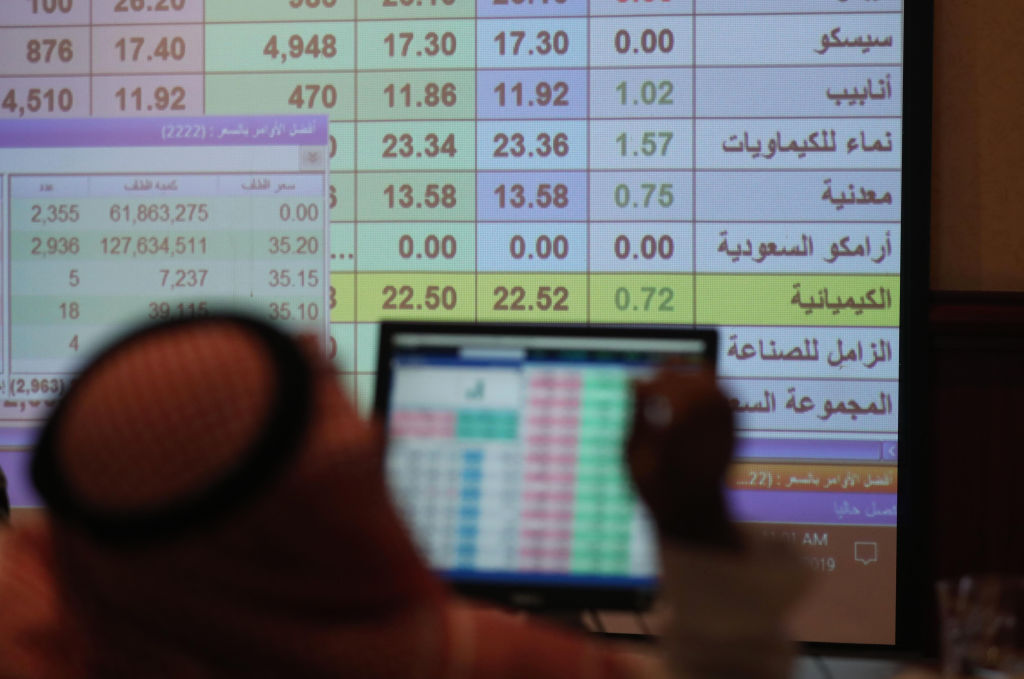
Saudi Arabia has undergone tremendous social change in recent years, but it has struggled to make good on some of its more ambitious financial goals. Much of the promised foreign direct investment has yet to arrive, and the kingdom’s growth agenda has drained its foreign reserves. Most of Mohammed bin Salman’s more eye-catching promises, including futuristic urban megaprojects, remain unfinished.
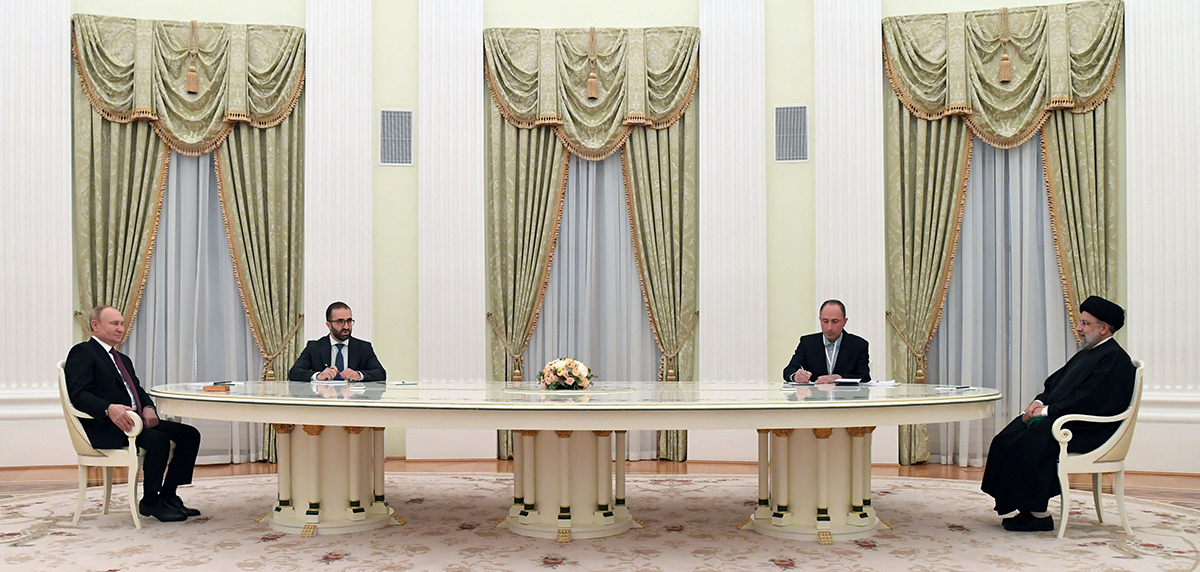
Since the fall of the Soviet Union and the rise of Vladimir Putin in the 1990s, military and economic relations between Iran and Russia have improved, as their tensions with the West have intensified. One aspect of the relationship that has received little attention is their growing economic and trade cooperation involving the production, export, and import of halal meat and other products since 2015.
Confronting climate change, Turkey needs “green” leadership now more than ever
Turkey, like all other countries, is facing the harsh reality of climate change. Last year, it experienced one of the hottest summers on record. Blistering heat waves led to widespread wildfires in the country’s southwest, affecting five times more land than normal during the summer. Though Turkey usually has large water surpluses, some areas experienced shortages due to extreme drought. Others suffered heavy flooding, leaving scores dead.
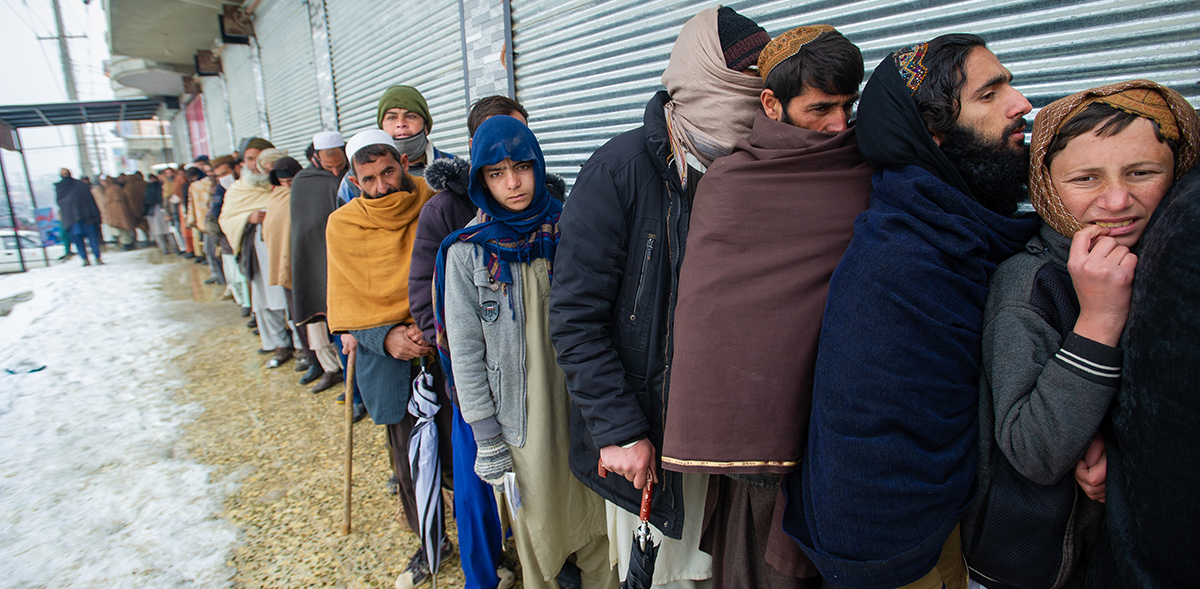
On Jan. 13, U.N. Secretary-General Antonio Guterres expressed alarm that millions of Afghans are on the “verge of death” thanks to a lethal brew of “freezing temperatures and frozen assets.” This was no idle warning. Notwithstanding the decline in fighting following the Taliban’s victory in August 2021, Afghanistan’s economy is in a deepening spiral of impoverishment and destitution.
Raisi's shrinking budget cements the Islamic Republic's "trinity"
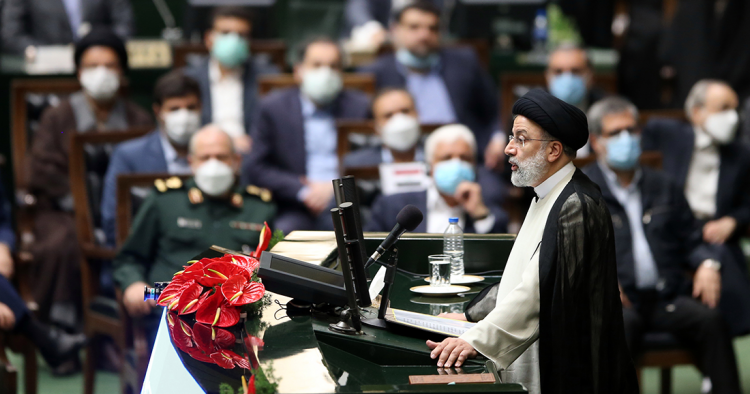
Iran’s new president, Ebrahim Raisi, has presented his first draft budget bill for the upcoming Iranian year (1401), which starts on March 21, 2022. Rather than facilitating a much-needed economic recovery, the proposed budget is designed to strengthen the regime’s power base and impose austerity while keeping society under control.
Morocco’s New Challenges as a Gatekeeper of the World’s Food Supply: The Geopolitics, Economics, and Sustainability of OCP’s Global Fertilizer Exports
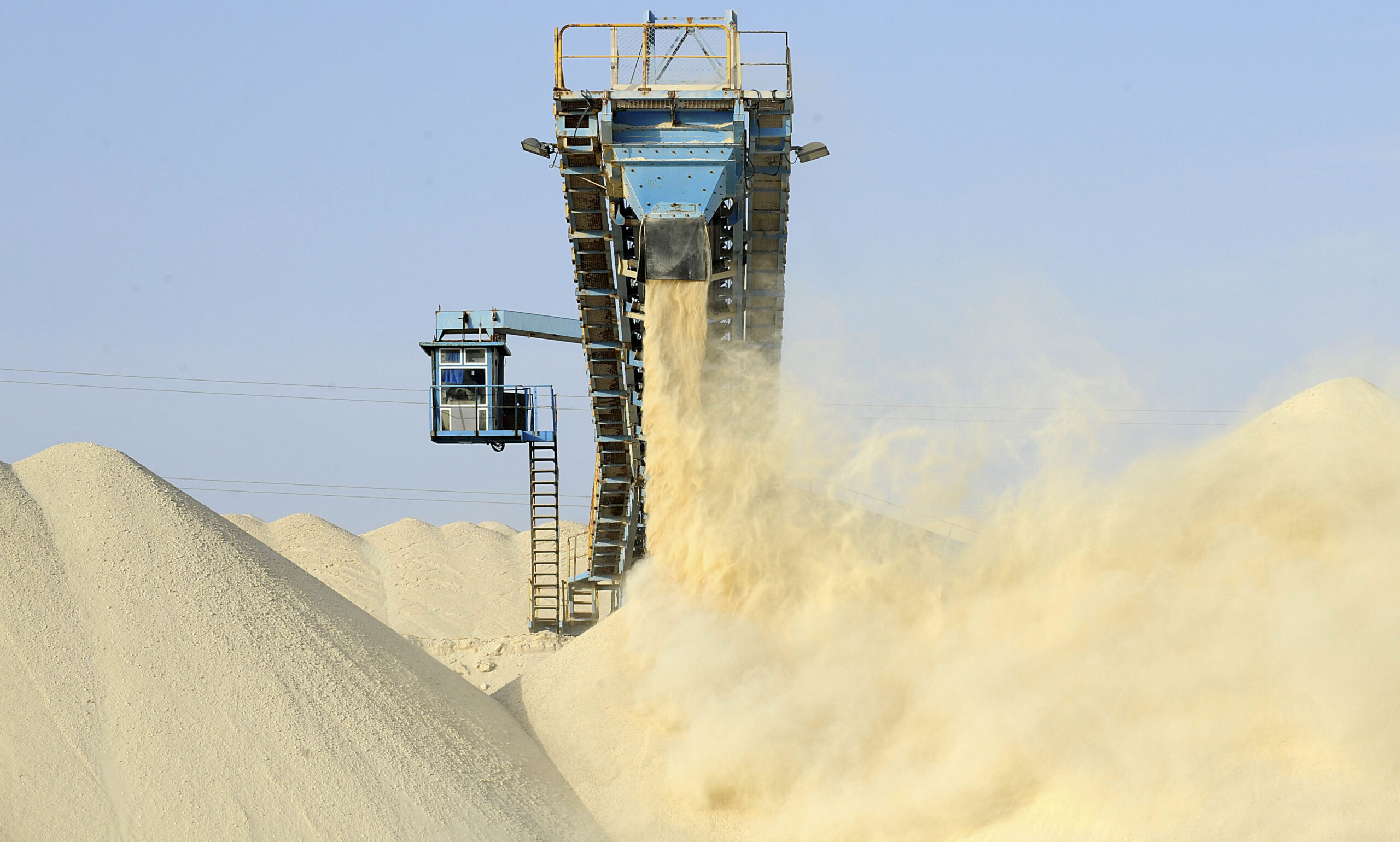
Morocco’s phosphorus fertilizer industry, with its massive production capacity and international reach, has transformed the kingdom into a gatekeeper of global food supply chains. Morocco’s centrality to global food security rests with the fact that all food crops, indeed all plant life, require the element phosphorus to grow and Morocco possesses over 70% of the world’s phosphate rock reserves, from which the phosphorus used in fertilizers is derived. By becoming one of the world’s leading fertilizer exporters, instead of continuing to just export the raw material, Morocco has enriched its economy and elevated its international standing. In Sub-Saharan Africa in particular, the kingdom’s combination of joint venture partnerships in local fertilizer production and deft direct outreach to farmers has resulted in a remarkable boost in African agricultural yields and the notable expansion of Morocco’s soft power influence across the continent.
As UN climate summit returns to the Middle East, Arab youth fear a lack of representation and opportunities
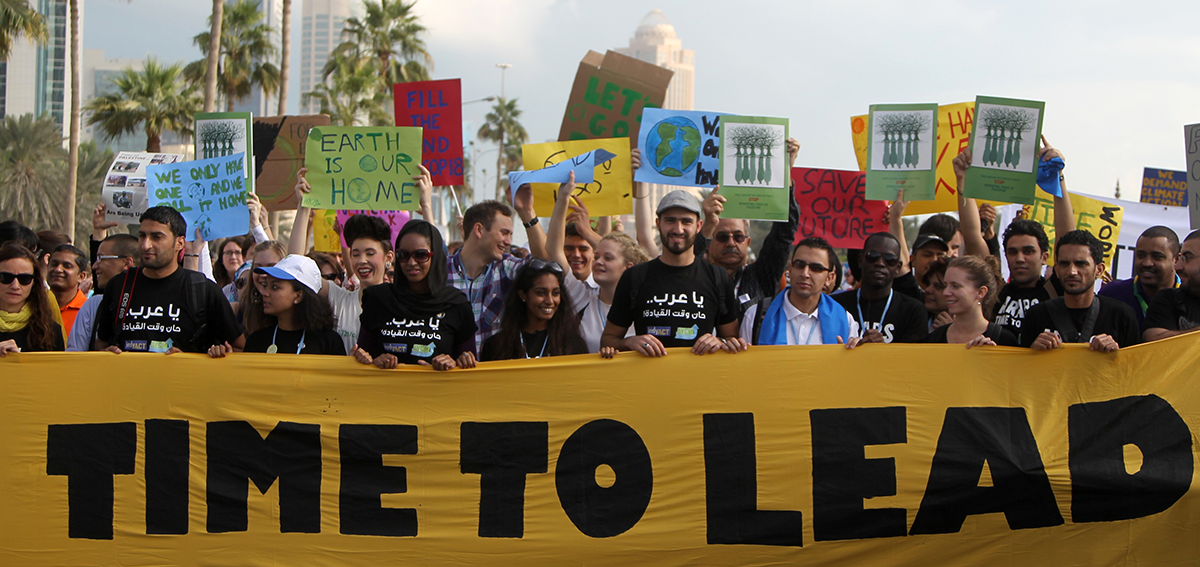
It’s worth considering how youth in the Arab region have fared and are expected to fare in terms of climate activism. While this has historically been excellent, there are some disparities masked by the glossy big picture in the global climate movement.
Tunisia’s Kais Saied becomes an ordinary politician
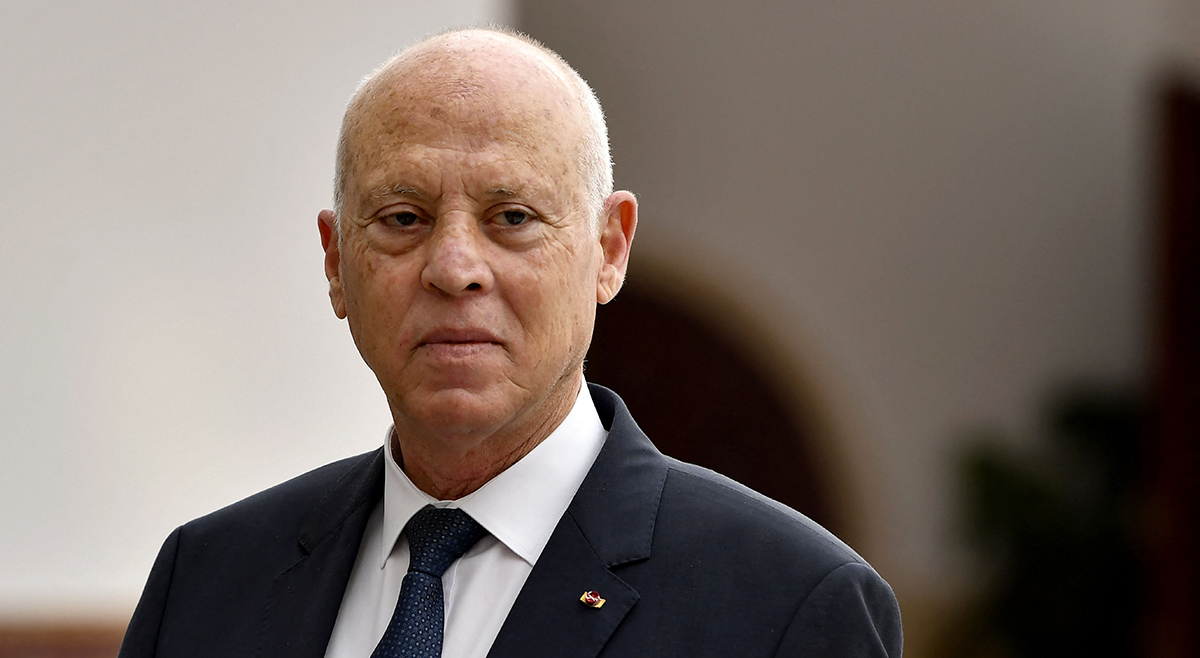
While some of Saied’s rhetoric as well as his symbolic and legislative decisions may appear to some as revolutionary, the post-July 25 political system has thus far maintained continuity from both the pre- and post-revolutionary way in which the state governs: a top-down, policing approach with deference to — and reinforcement of — existing socio-economic hierarchies. In presiding over and perpetuating this system, whether with verve or reluctantly, Saied has become an ordinary politician, following in the footsteps of many others who have held positions of power.
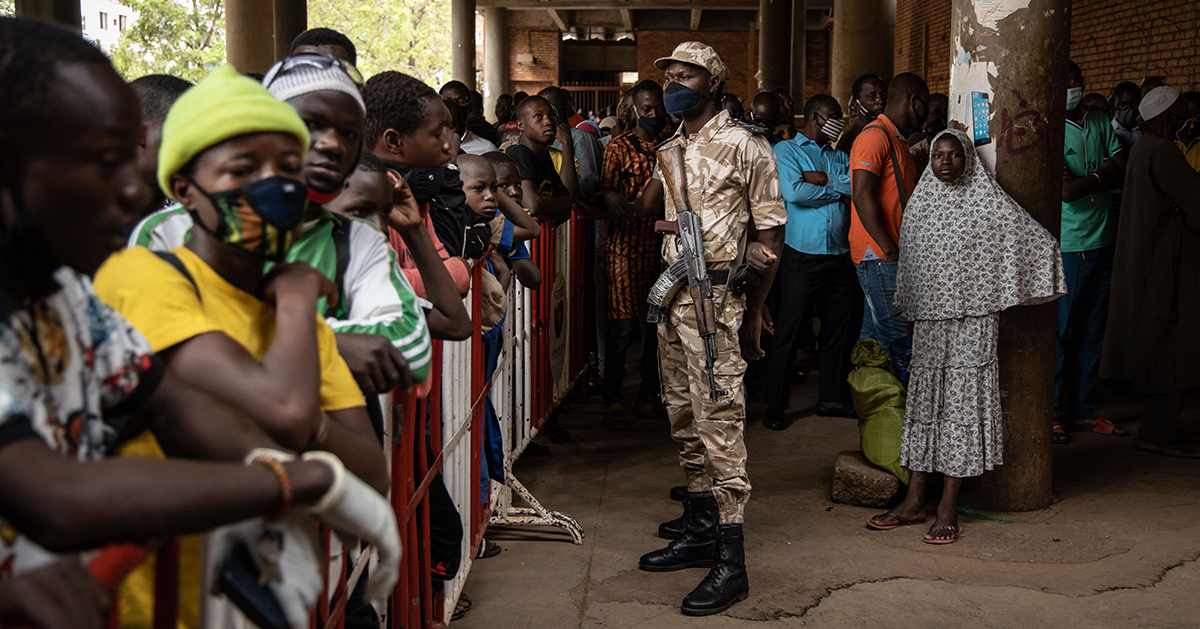
In a volatile international environment, unpredictability reigns. Perhaps nowhere is this more true than in the Sahel, where myriad existing security challenges have only been exacerbated by the devastating impact of COVID-19. Despite significant stabilization efforts, the situation is growing increasingly complex and various interrelated vulnerabilities weigh heavily on the region’s security agenda, including the pandemic, terrorist threats, chronic economic instability, climate change, skyrocketing demographics, and weak governance systems, as well as unprecedented food insecurity and extreme poverty.
The Gulf has a 5G conundrum and Open RAN is the key to its tech sovereignty
Long-simmering economic and political tensions between the U.S. and China have continued to spill over into the technology sector, where the two superpowers have made this ever-more vital industry the site of a new Cold War. The acrimony looks poised to only get worse moving forward, potentially leading to a tech decoupling, and 5G is at the heart of it. Some third parties have sought to find a way to navigate this divide and the dilemma is particularly acute for the Gulf states. As they seek to balance their relationships with both Washington and Beijing, several have chosen to stake out their own territory by building an Open Radio Access Network (RAN). This initiative could be a potential solution to the current conundrum that would give states 5G sovereignty in an era of great power competition, with a digital twist.