Breaking down the details of the UAE’s climate strategy
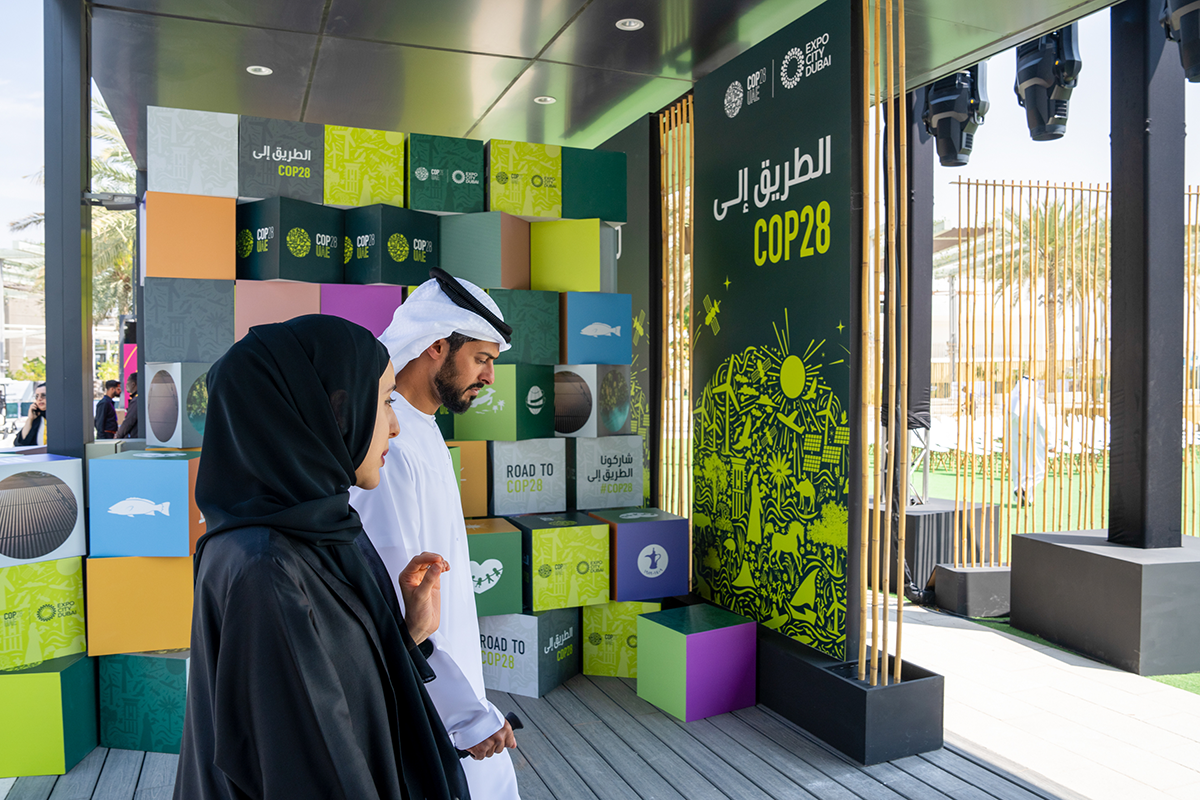
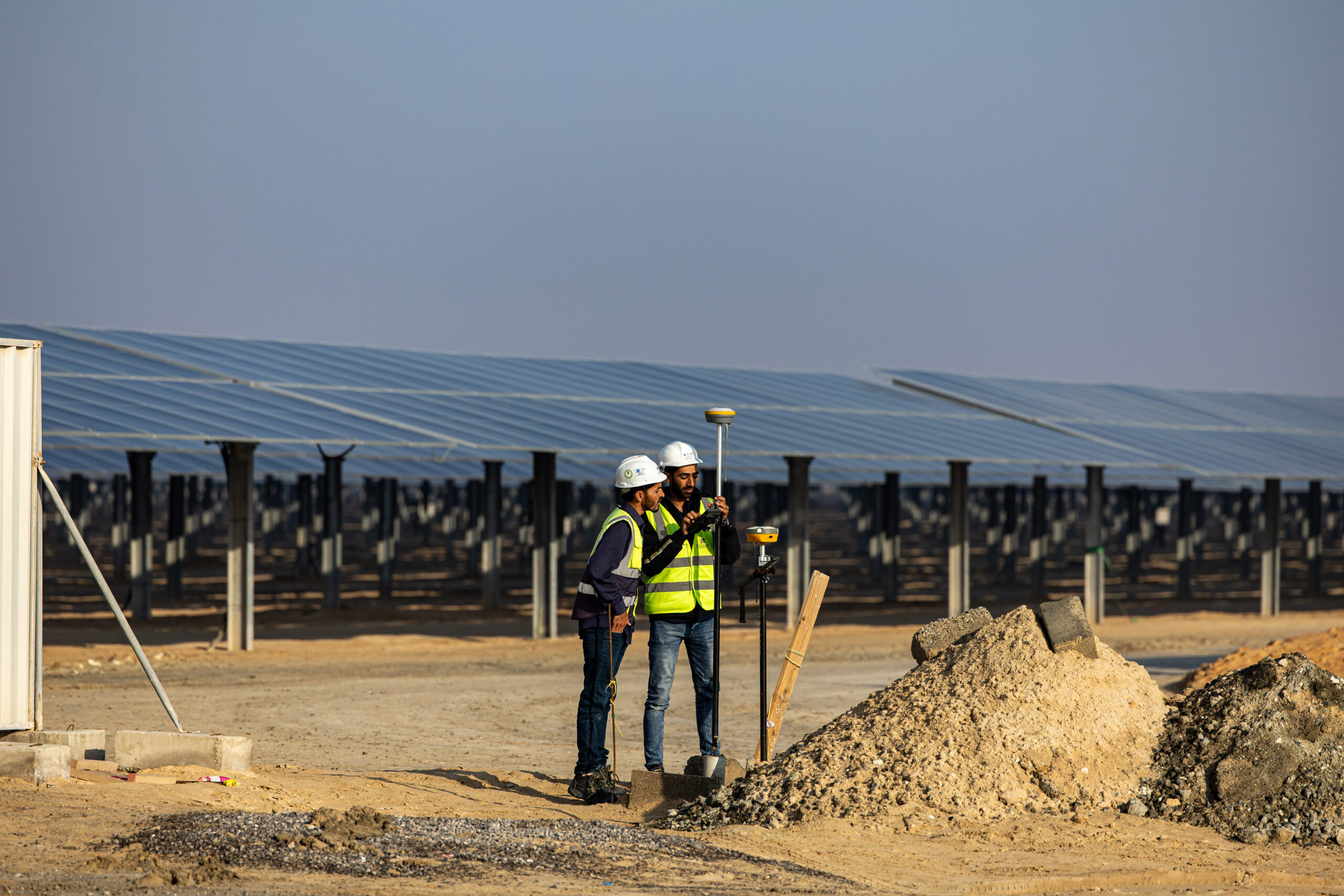
In the race to manage climate change, the UAE is ramping up its efforts in a bid to accelerate its transition to a green economy. In the first two weeks of July 2023, it published several important documents laying out its actions and objectives, including a revised version of the national climate pledges it made under the Paris Agreement, as well as a number of targeted policies and strategies.
Regional Environmental Cooperation Between Israel and Its Neighbors
As environmental challenges become a priority for countries across the Middle East and the Mediterranean, this creates new opportunities for regional environmental cooperation, including between Israel and its neighbors. Despite being limited in scope and facing several key obstacles, regional cooperative endeavors are taking place, including on both the bilateral and multilateral levels, and efforts to sustain and expand them are underway. This new report, written under the auspices of the Israel Climate Forum, addresses the importance of regional environmental cooperation in the Middle East and Mediterranean, examines the scope of such cooperation between Israel and its neighbors, and spells out opportunities, obstacles, and recommendations for increased coordination and joint action, including the role the U.S. and Europe can play.
Perspectives from the Bonn Climate Change Conference Ahead of COP28
This year’s Bonn Climate Change Conference featured events and discussions focusing on climate issues such as adaptation, mitigation, the global stocktake, and climate loss and damage. Progress on these issues at the Bonn Conference is intended to translate into potential draft decisions to be adopted at the COP28 meeting taking place in the UAE later this year. Mohammed Mahmoud discusses the details of the Bonn Conference, how it may have shaped the MENA climate change agenda, and other major outcomes with Athra Khamis and Neeshad Shafi, two of MEI’s non-resident scholars in the Climate and Water Program that attended the Bonn Conference.
Measure, verify, certify: How to future-proof Gulf companies in the energy transition
Several Gulf states have introduced renewable energy certificates into their low-carbon energy eco-system. What are RECs and how can they help companies navigate the energy transition?
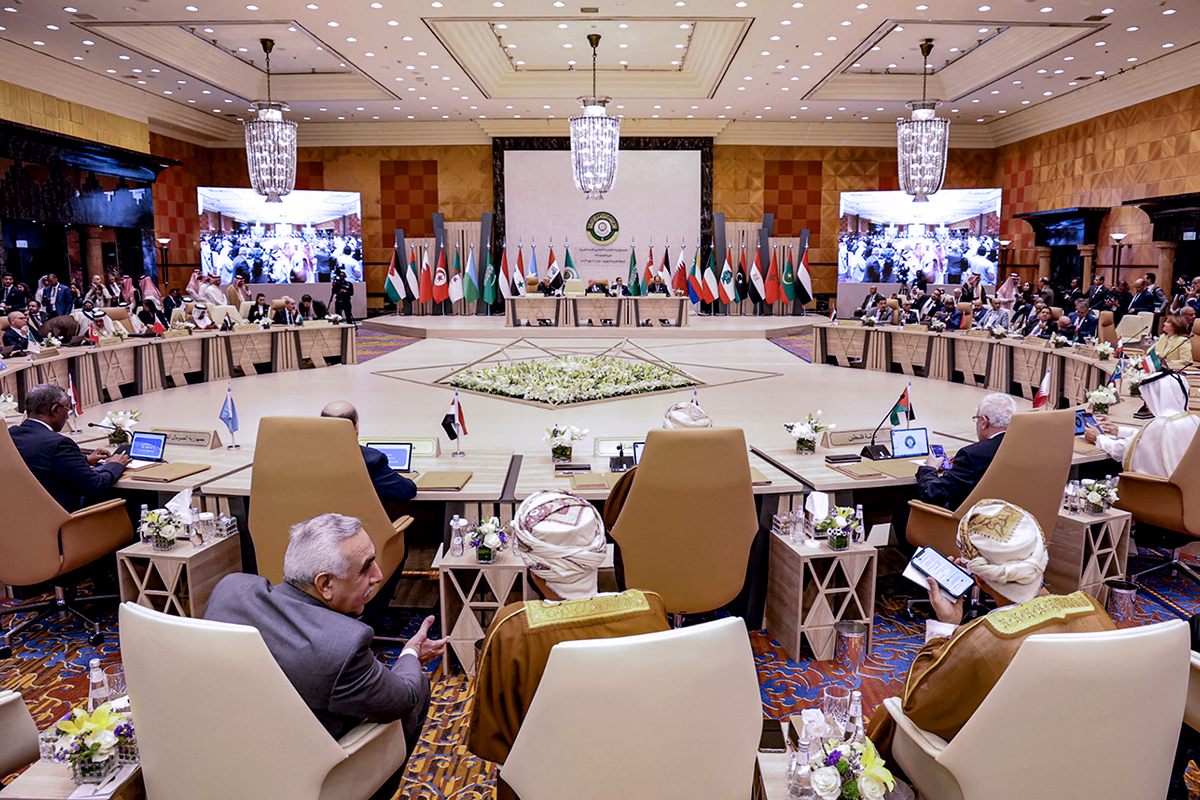
Stabilizing instability: The challenges of Middle East peacebuilding
The Middle East is experiencing a remarkable spate of diplomacy, de-escalation, and normalization. This is generally a positive development, as the region needs to take charge of its own destiny. But normalization and de-escalation does not always lead to meaningful conflict resolution; indeed, sometimes the reverse is true. What needs to be done so that this positive momentum can be the first phase of a more meaningful set of engagements to build a more lasting regional peace and integration?
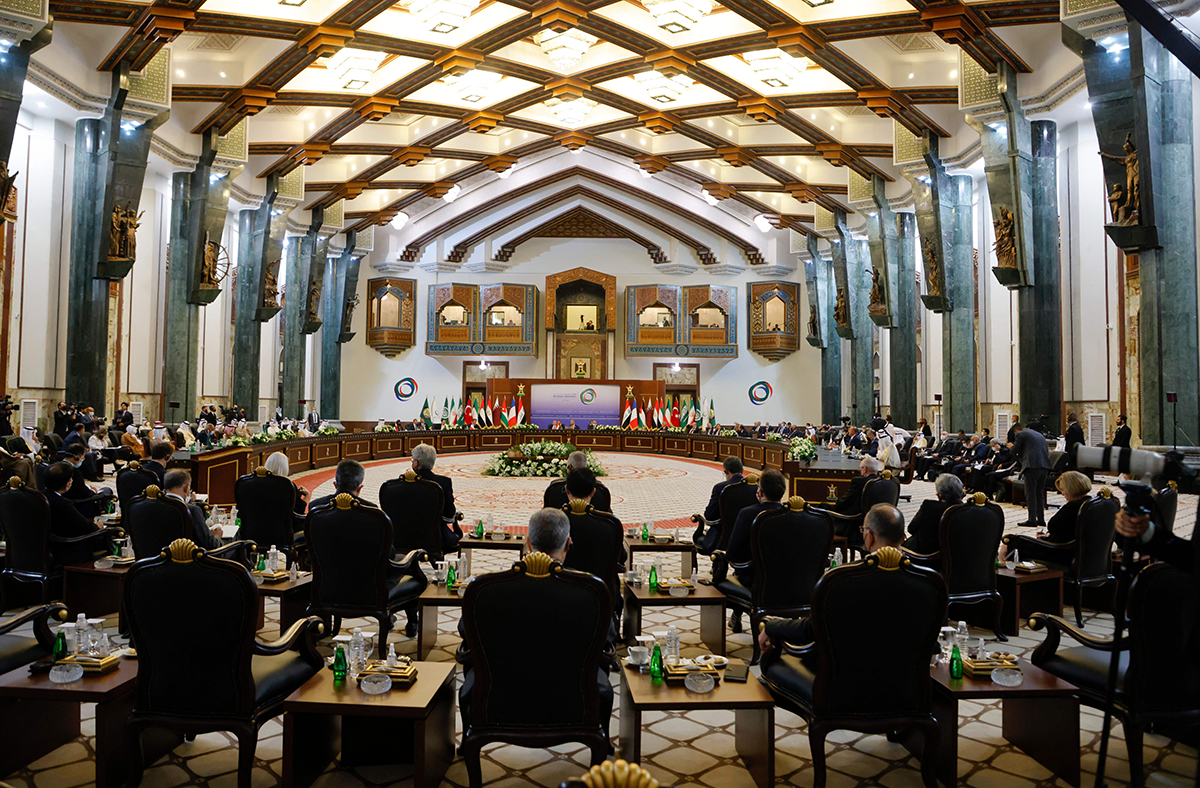
Putting Diplomacy First in the Middle East: Creating Incentives for De-Escalation
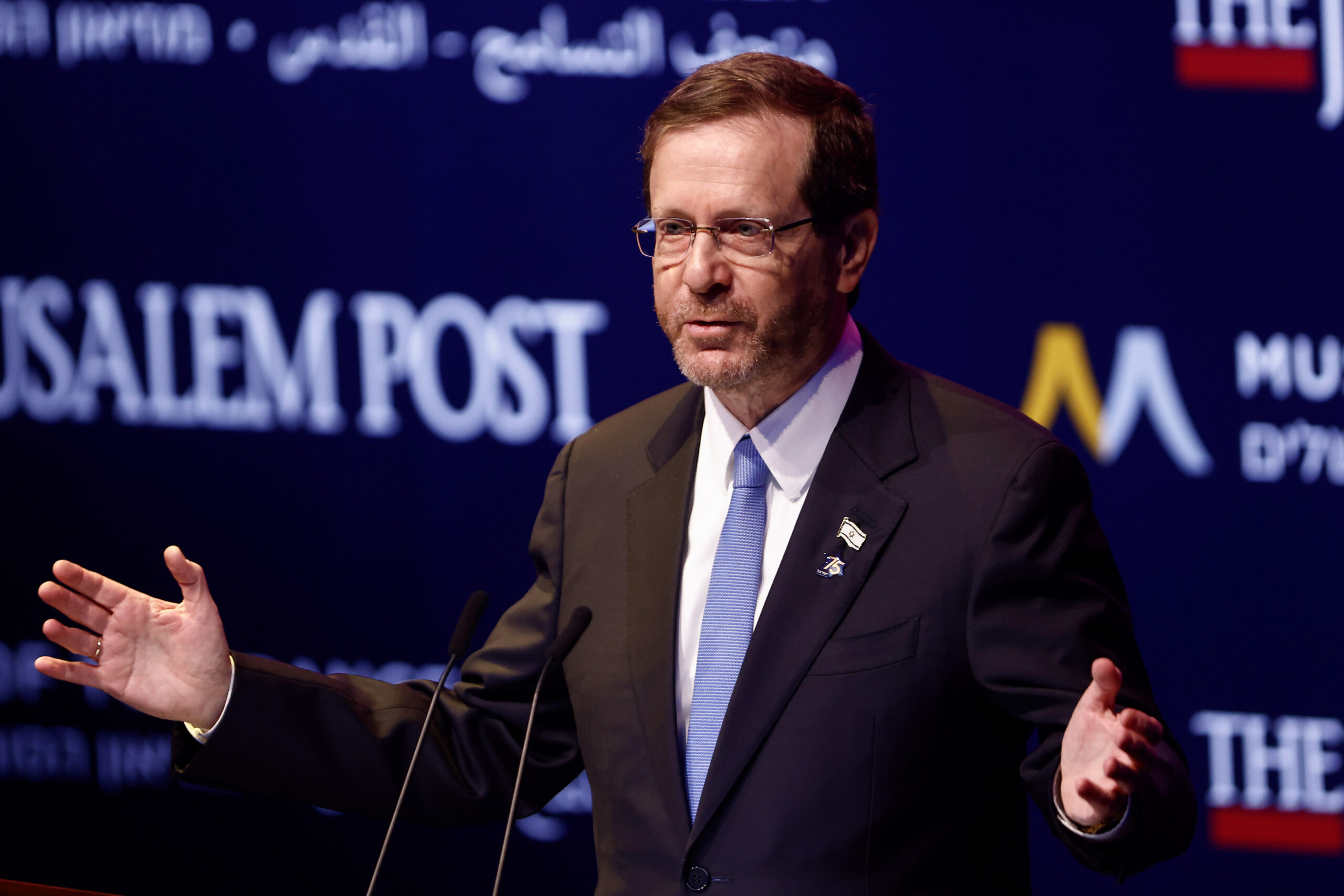
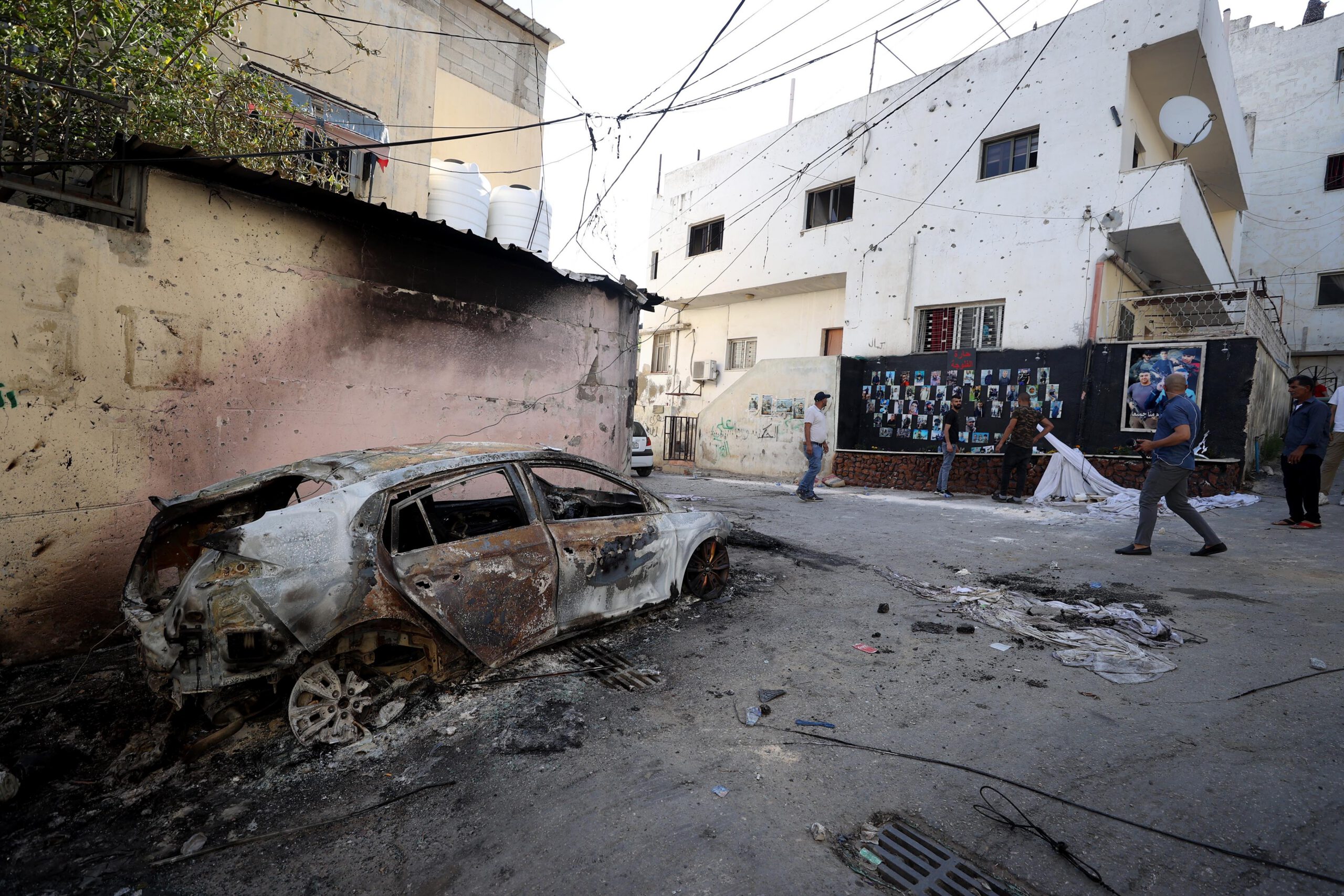
The Middle East is undergoing a historic transformation with unprecedented opportunities to build new relationships, de-escalate tensions, and foster conditions for stronger integration. At the same time, the region remains on edge because of ongoing tensions in Yemen, Syria, Iraq, and other conflict zones, a civil war that broke out recently in Sudan, along with the overarching challenges presented by fraught relations between Iran, Israel, and several Arab Gulf countries — with the longer-term implications of the still-fragile Iranian-Saudi rapprochement yet to be fully assessed.
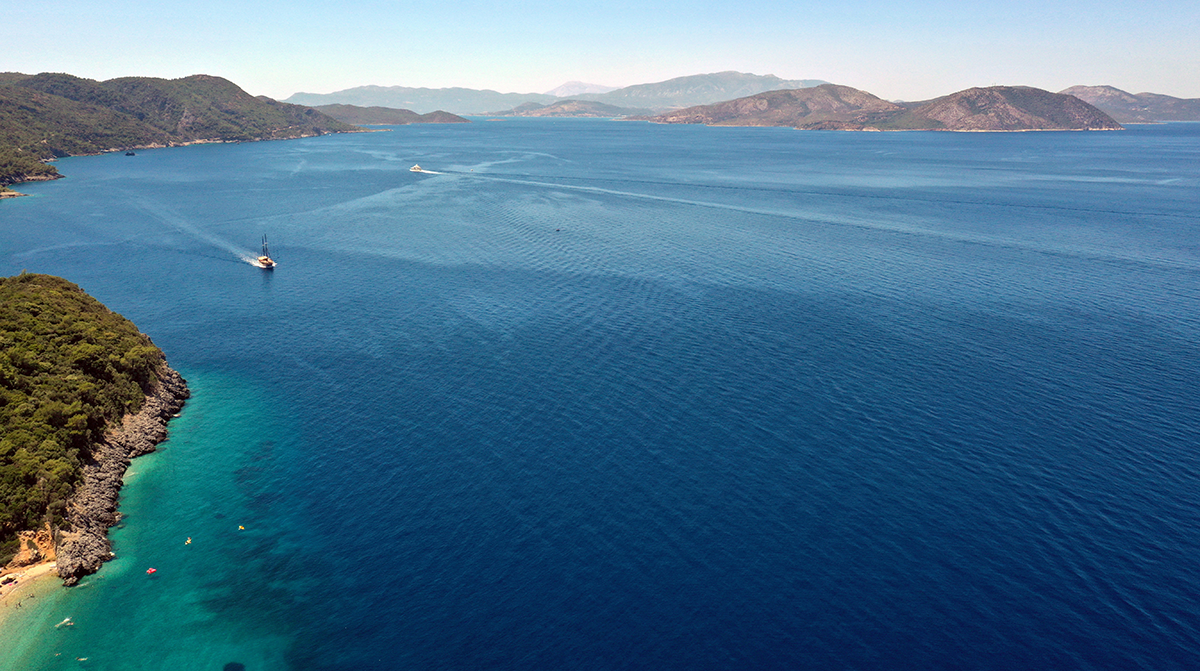
Is blue the new green? Opportunities for developing a climate-resilient blue economy in the MENA region
The blue economy can offer huge potential in climate change mitigation and resilience, given the fact that marine habitats, such as mangroves, tidal marshes, and seagrass meadows, provide significant protection from erratic climate events. MENA countries would benefit from developing the blue economy to aid in reversing natural resource degradation, sustaining inclusive economic development, and building resilience to climate change.
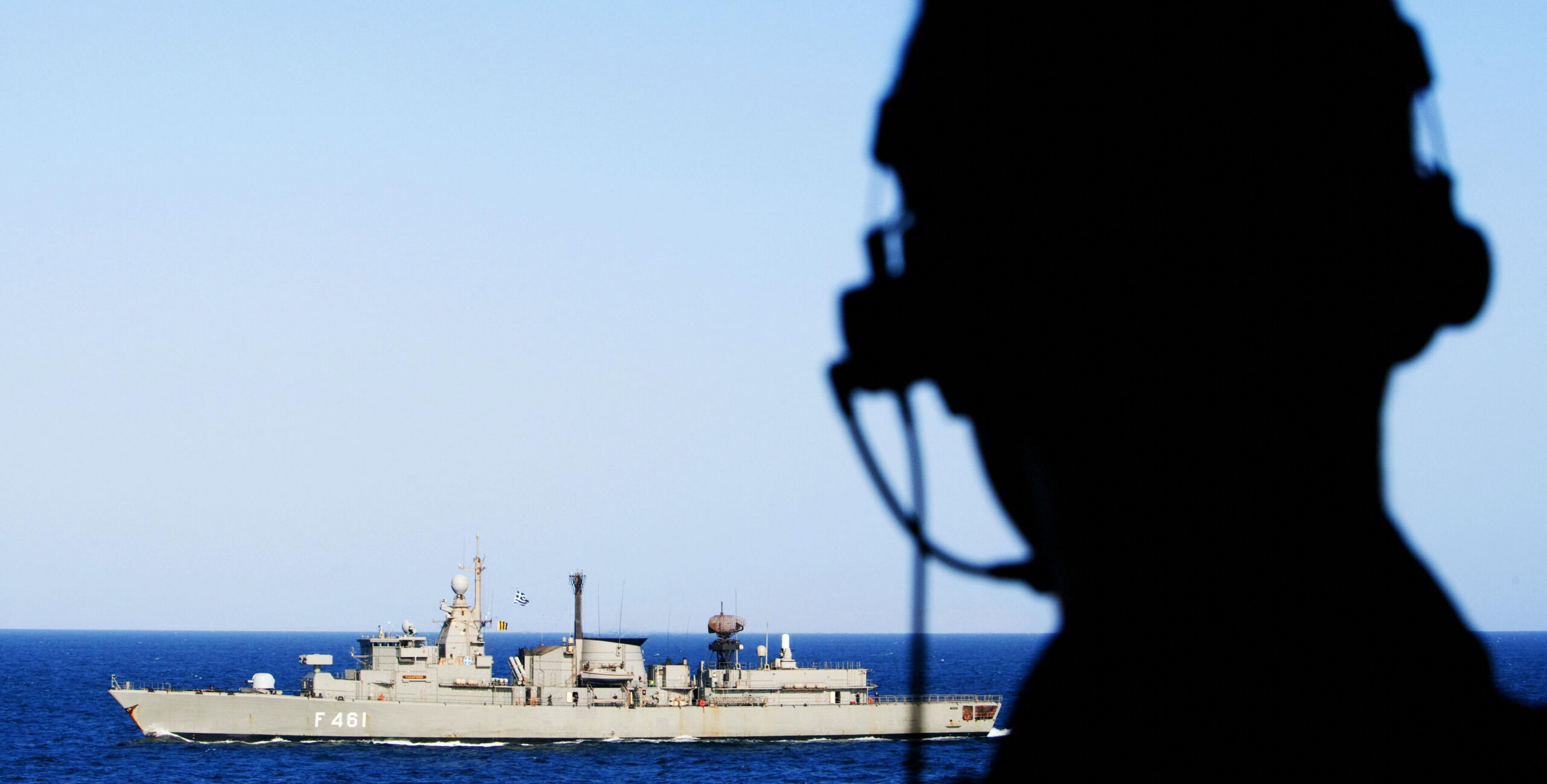
Joining the pieces together: Toward a comprehensive EU maritime approach for the Northwestern Indian Ocean, Persian Gulf, and Red Sea
Until recently, the EU has favored a piecemeal approach toward the Northwestern Indian Ocean, the Gulf, and the Red Sea, despite their close interdependence and inter-connectedness in the security, political, and economic realms. But the EU is now signaling a growing desire to steer its naval policy toward a more holistic and organic process, creating an opportunity for Brussels to become a more relevant security actor in the waters off the Arabian Peninsula.
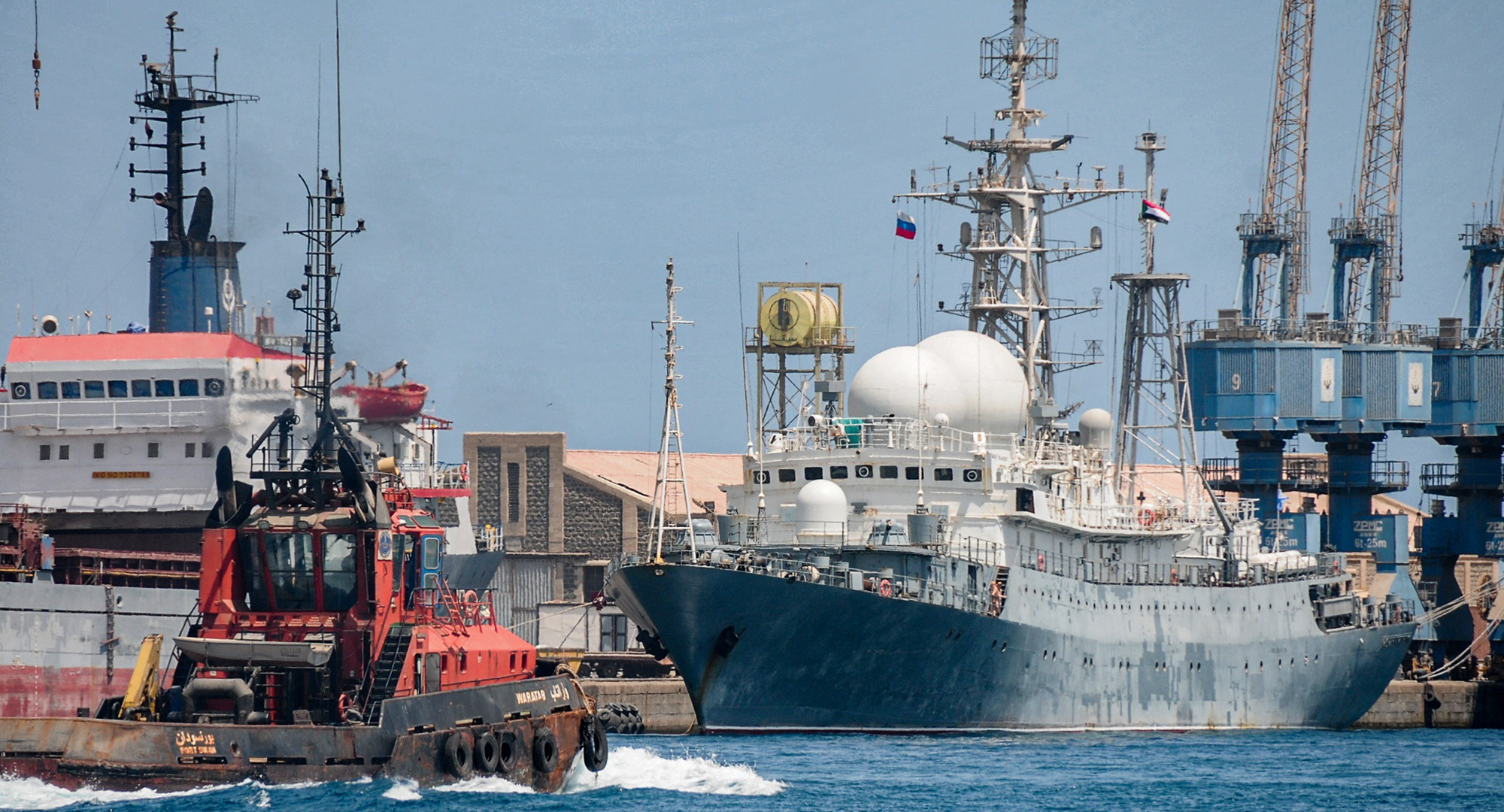
As fighting in Sudan rages, Russia’s primary goal is to ensure authoritarian rule
Although Russia has vested interests in the Burhan-Hemedti conflict, it is unlikely to actively pursue a blanket destabilization strategy in Sudan. Instead, it is likely to balance close ties with both warring parties and continue actively opposing a democratic transition in Sudan.