The 25-year Iran-China agreement, endangering 2,500 years of heritage
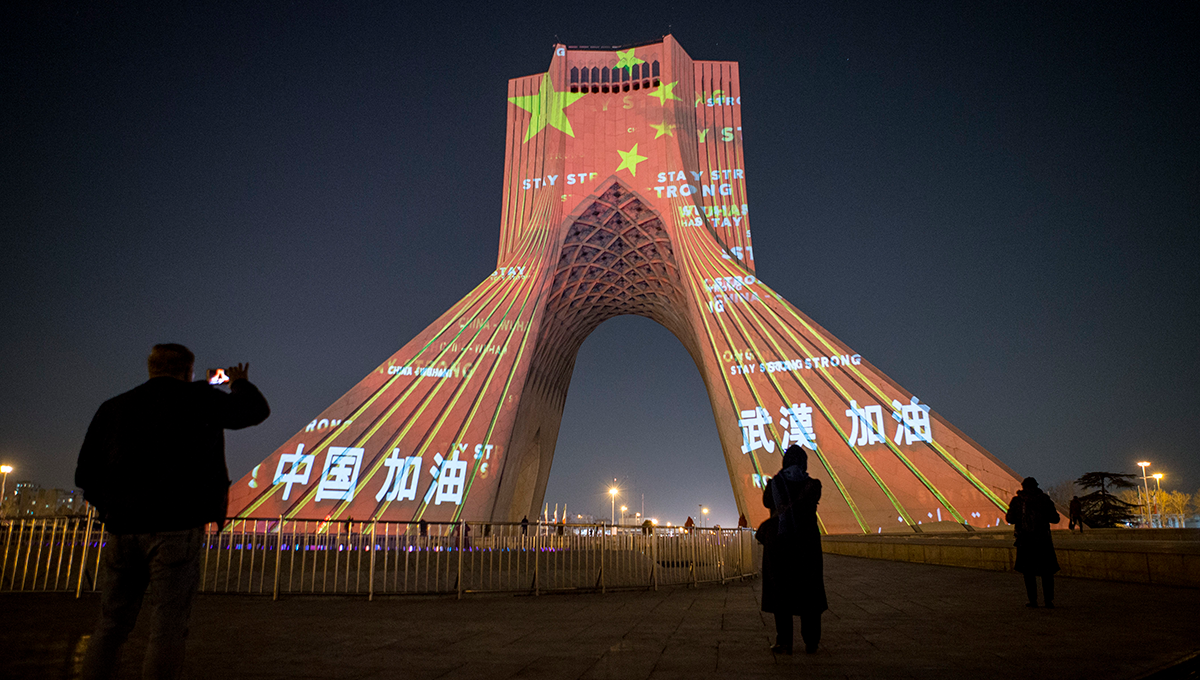
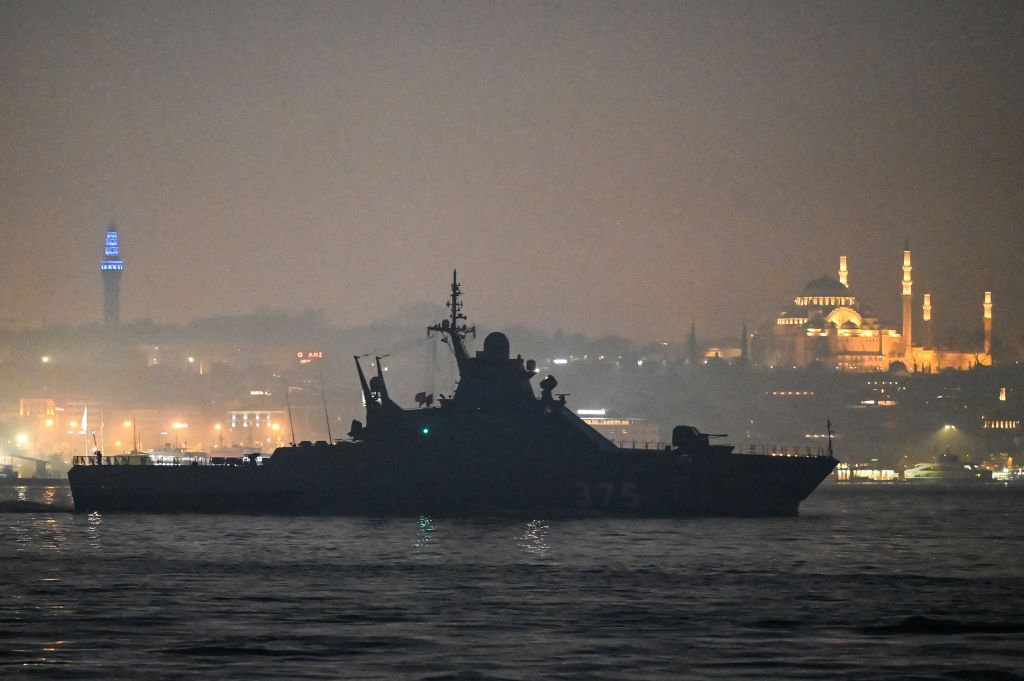
The 25-year strategic cooperation agreement between Iran and China, signed in March 2021, is coming to fruition, sparking debate among Iranians about the potential effects of deepening ties with Beijing.
Roundtable on Energy Transitions in MENA: IDRC-MEI Report
The first International Development Research Centre (IDRC)-Middle East Institute (MEI) Roundtable on Energy Transitions in the Middle East and North Africa (MENA), held on January 20, 2022, explored the challenges and opportunities facing the region as a result of the global energy transition. As it accelerates over the course of the century, this global transition will provide new opportunities for economies to evolve while putting a strain on the current economic model of many nations in MENA.
The smell of the revolution: The prospects for reform under the next Iraqi government
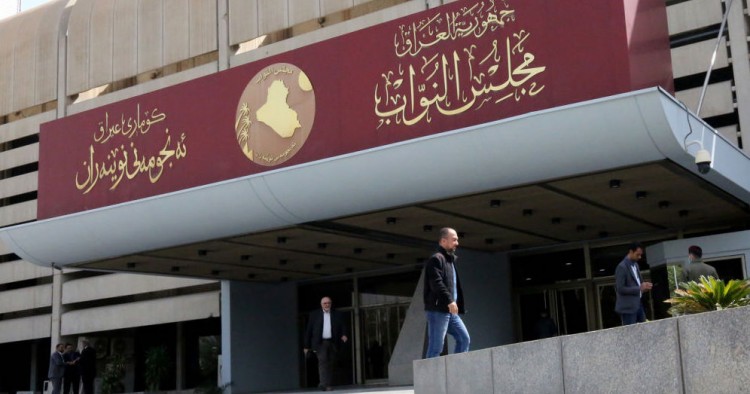
In its first session the new Iraqi government will find on its desk a number of thorny files, which vary in their degree of importance, danger, and urgency. Its first task will be to prioritize them. How it chooses to do so will be shaped by several sets of factors, including intrinsic internal ones, as well as regional and international developments. Its priorities when it comes to the security, economic, and service files will play an important role in determining if the government will be able to remain in office and complete its constitutional term.
The Pakistani Taliban’s radical rebranding: Is there more than meets the eye?
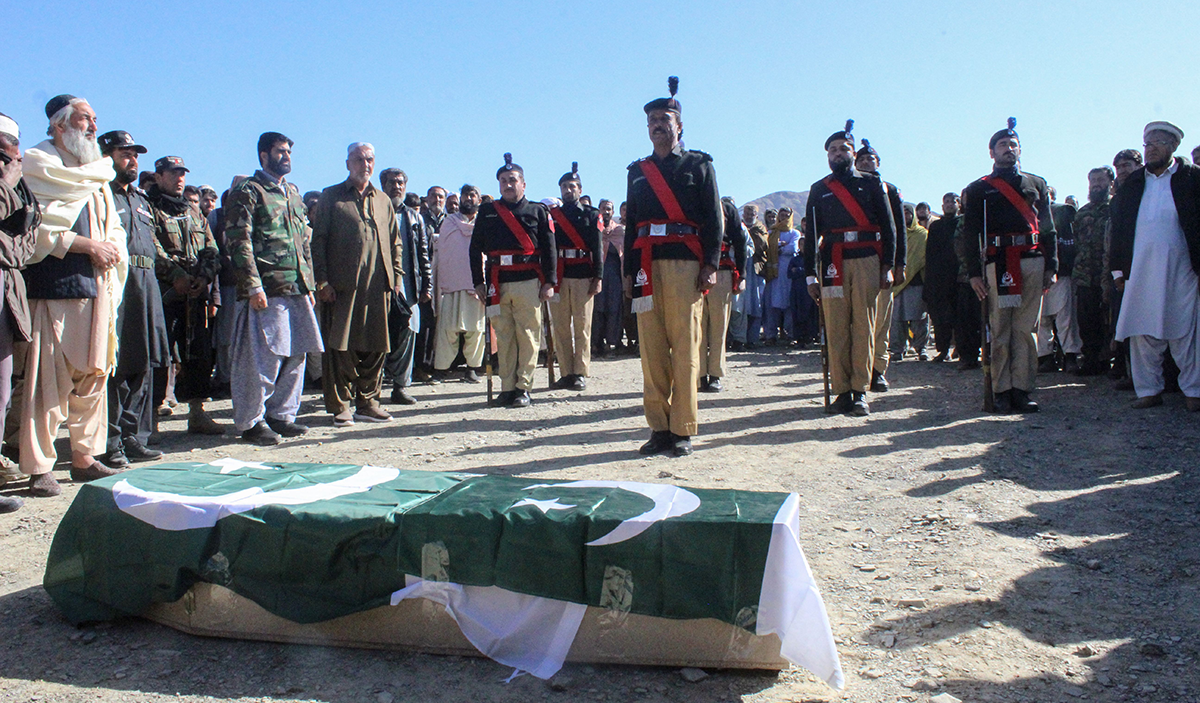
In a statement released on Feb. 12, the Tehreek-e Taliban Pakistan (TTP) distanced itself from international terrorism, declaring that its violence was singularly focused on Pakistan. While the TTP’s recent comments on America are unprecedented, they do fit into its broader rebranding effort under the leadership of Noor Wali Mehsud, who took over the group in 2018.
Qatar and global LNG: Potential pivot from Asia to Europe?
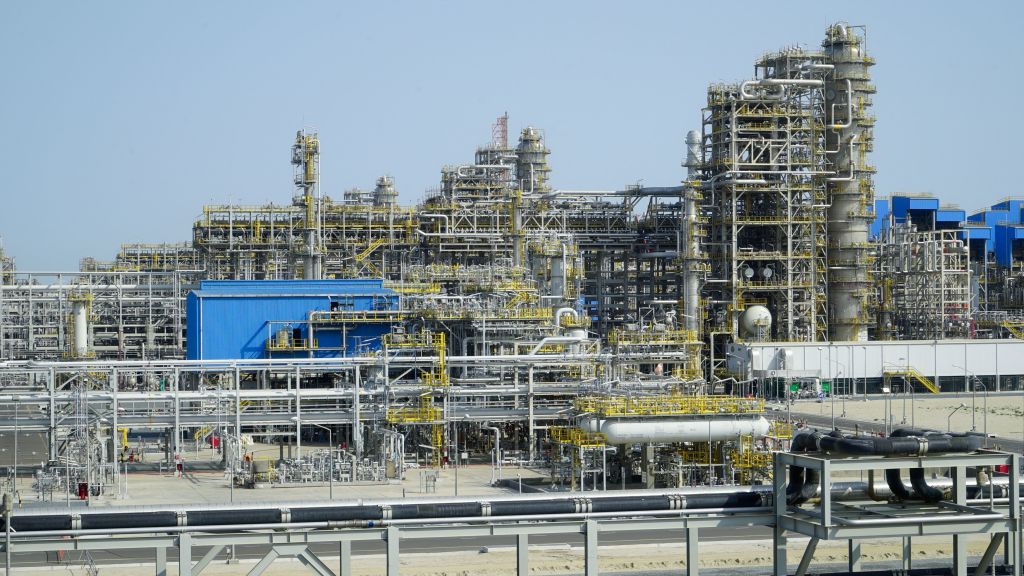
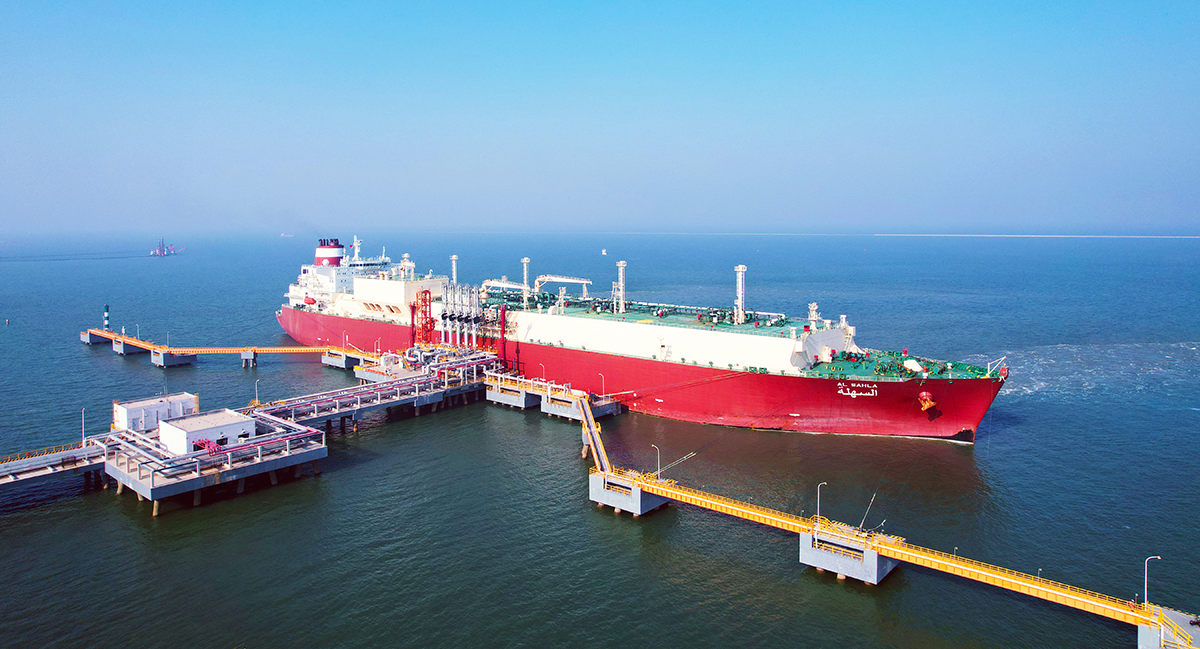
The global LNG landscape is changing, and while Qatar will continue to be a major LNG exporter, it will briefly drop to third in the global rankings until planned expansion projects come on stream in the middle part of the decade. Strategically, Qatari suppliers may opt to change their market supply profile, which will have a knock-on effect on the global market, both LNG suppliers and buyers.
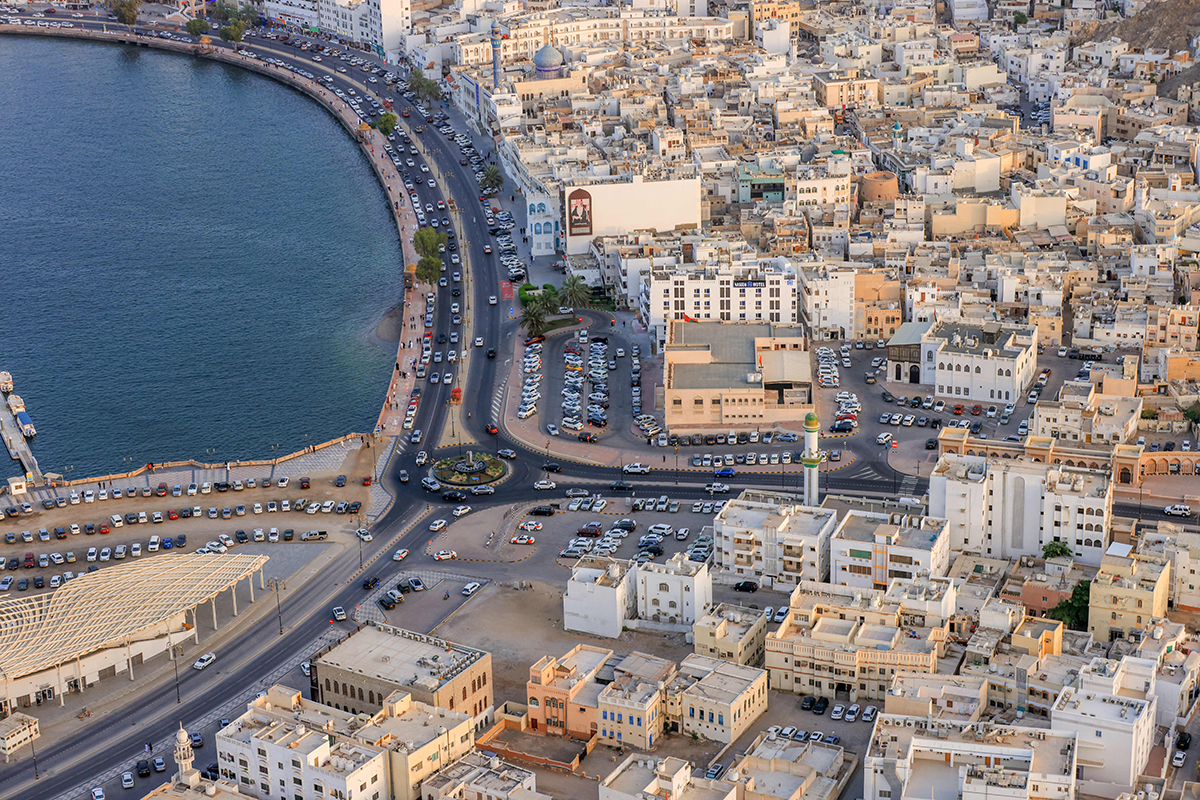
Balancing the books: A deep dive into fiscal policy and diversification in Oman
This policy brief provides a deep dive into the far-reaching and interrelated policies imposed by the government to reduce the country’s deficits, debts, and reliance on hydrocarbons.
تفاصيل هجوم "داعش" على سجن الصناعة في مدينة الحسكة السورية
في العشرين من شهر كانون الثاني/ يناير، هاجمت مجموعات تابعة لتنظيم “داعش”، سجن الصناعة الواقع في الجهة الجنوبية لمدينة الحسكة أقصى شمال شرق سورية، الهجوم الذي أستمر لقرابة تسعة أيام، أنتهى بمقتل العشرات من مقاتلي التنظيم ومعتقليه داخل السجن، إضافة لمقتل قرابة 140 عنصراً من قوات سوريا الديمقراطية وحامية السجن التابعة لها.
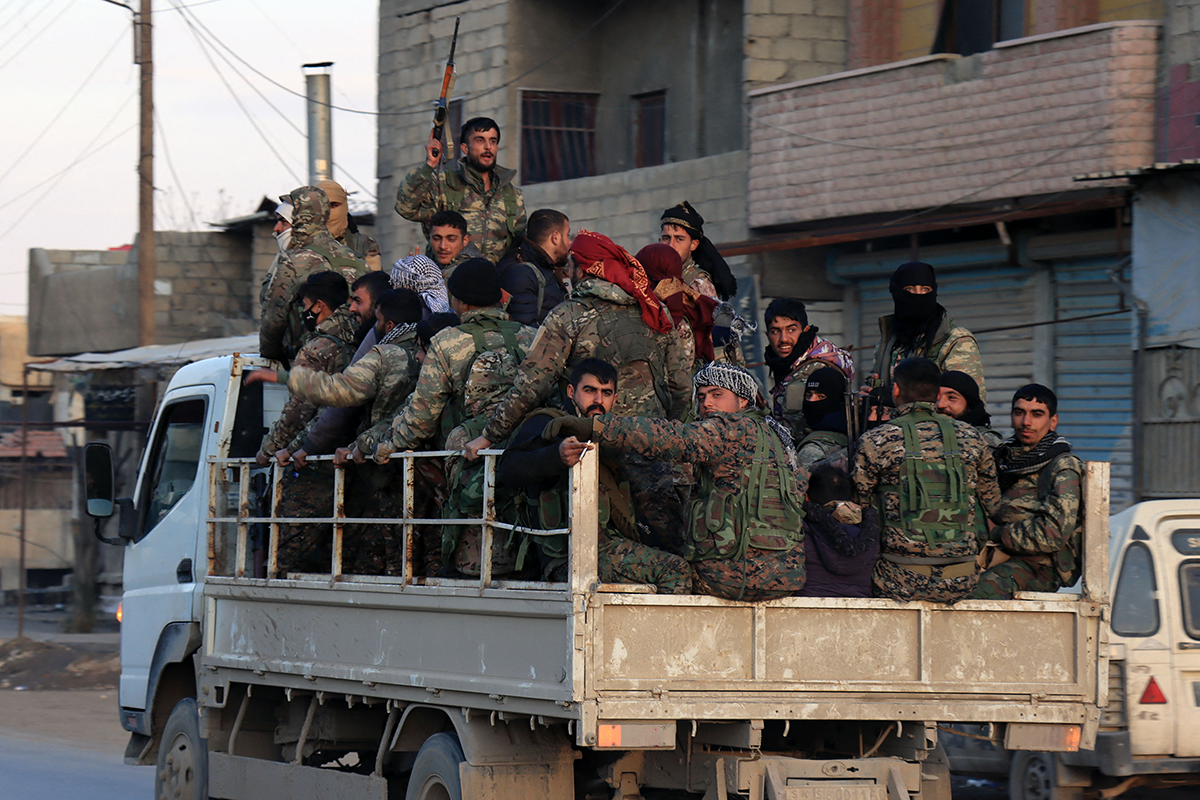
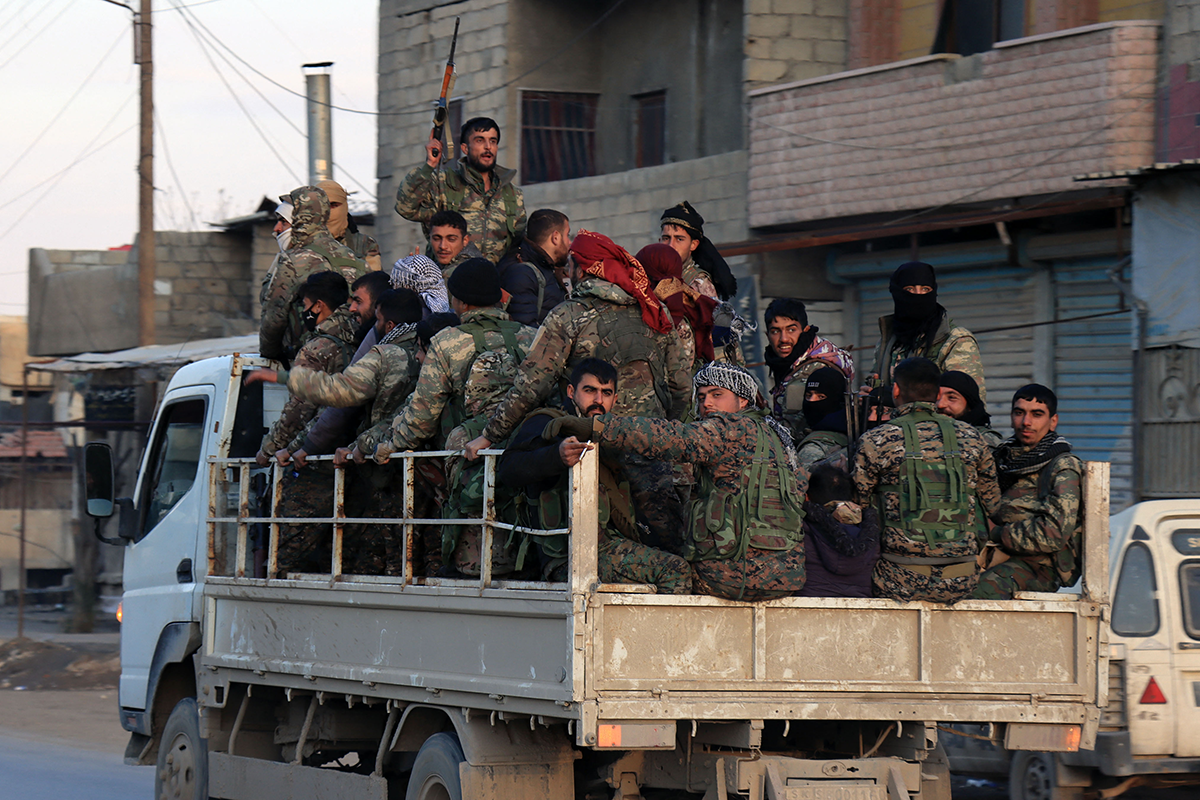
A closer look at the ISIS attack on Syria’s al-Sina Prison
On Jan. 20, 2021, groups affiliated with ISIS attacked al-Sina Prison in the southern part of the city of al-Hasakah, in Syria’s far northeast. The attack, which lasted for nearly nine days, ended with the killing of dozens of ISIS fighters and detainees inside the prison, in addition to approximately 140 members of the SDF and its prison guards.
Lama Kiyasseh and Lina Osman join Karen Young, director of MEI’s Economics and Energy program, to discuss how sustainable finance is changing the region by channeling financial resources toward addressing environmental and social challenges.
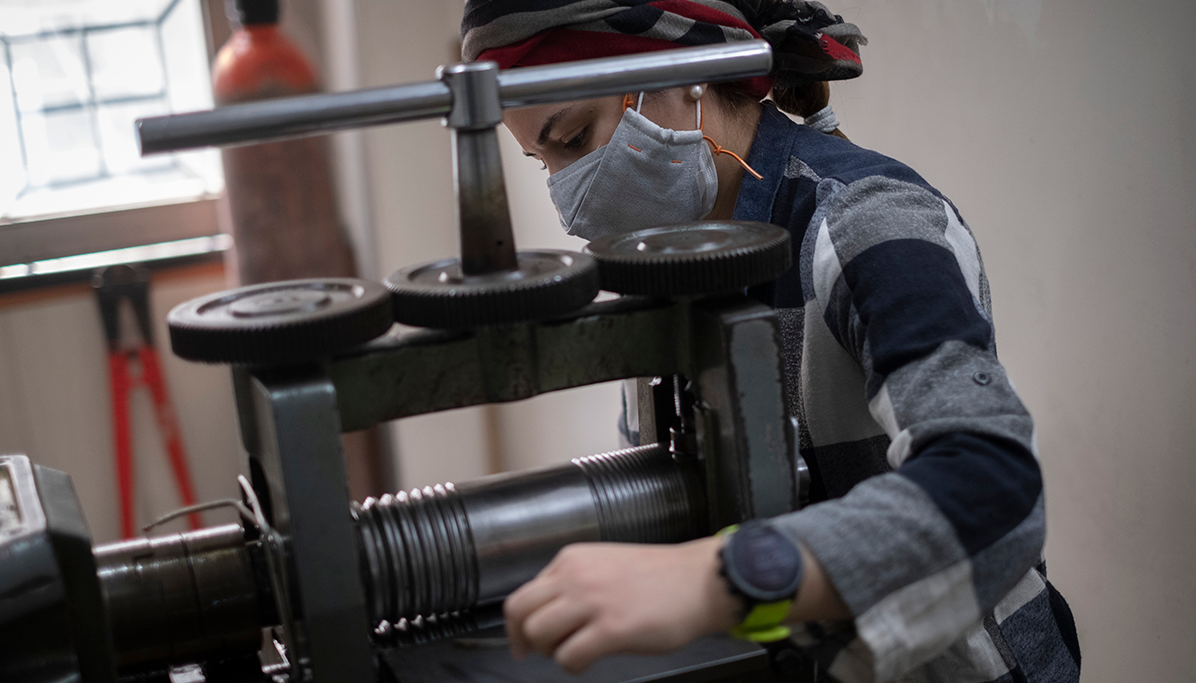
Promoting Entrepreneurship in MENA: A Catalyst for a Sustained and Inclusive Recovery from COVID-19
Academic and policy-based research demonstrates that women and youth in most MENA countries face legal, regulatory, and socio-cultural barriers to entering the formal labor market and generating income. Entrepreneurship can be a viable alternative for MENA women and youth because of its prestige in the region and its ability to catalyze inclusive growth. This brief draws on research and evidence to formulate policy advice on how support for entrepreneurship can enhance the economic security of women and youth in what will be a slow and painful post-pandemic recovery.
Saudi Arabia’s natural gas aspirations: The domestic outlook
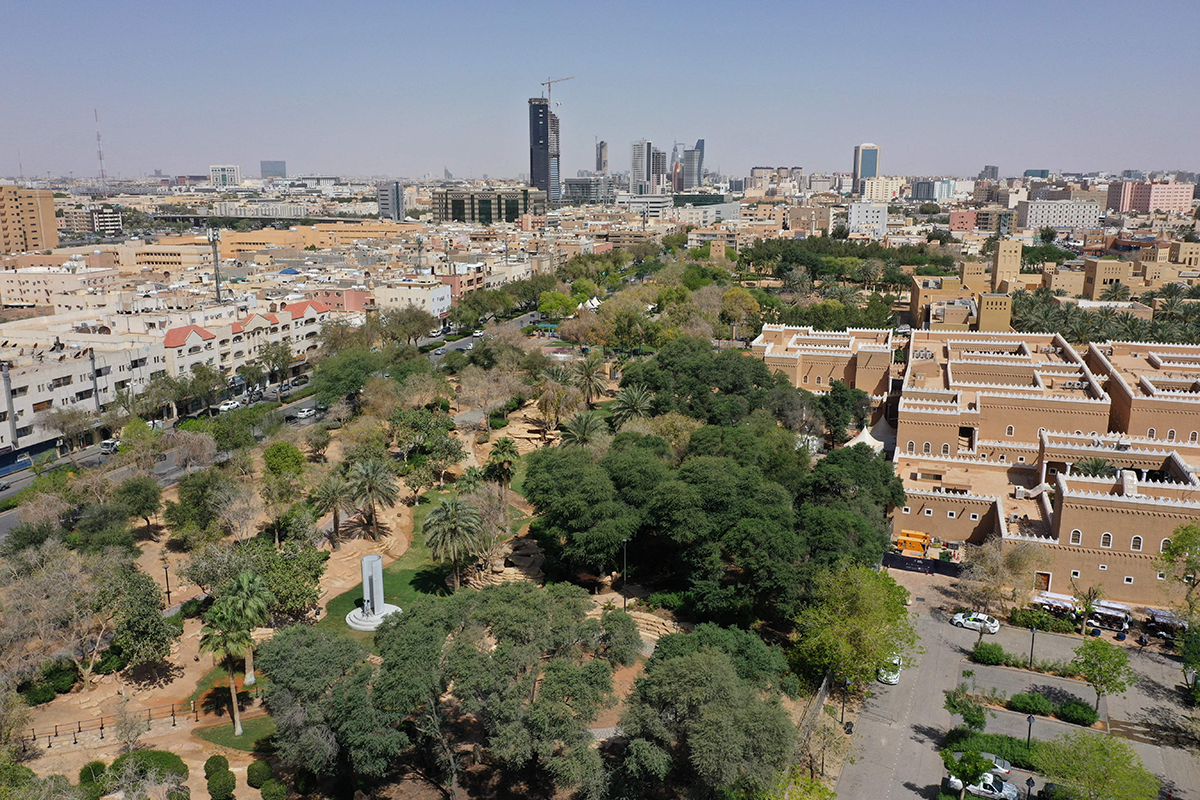
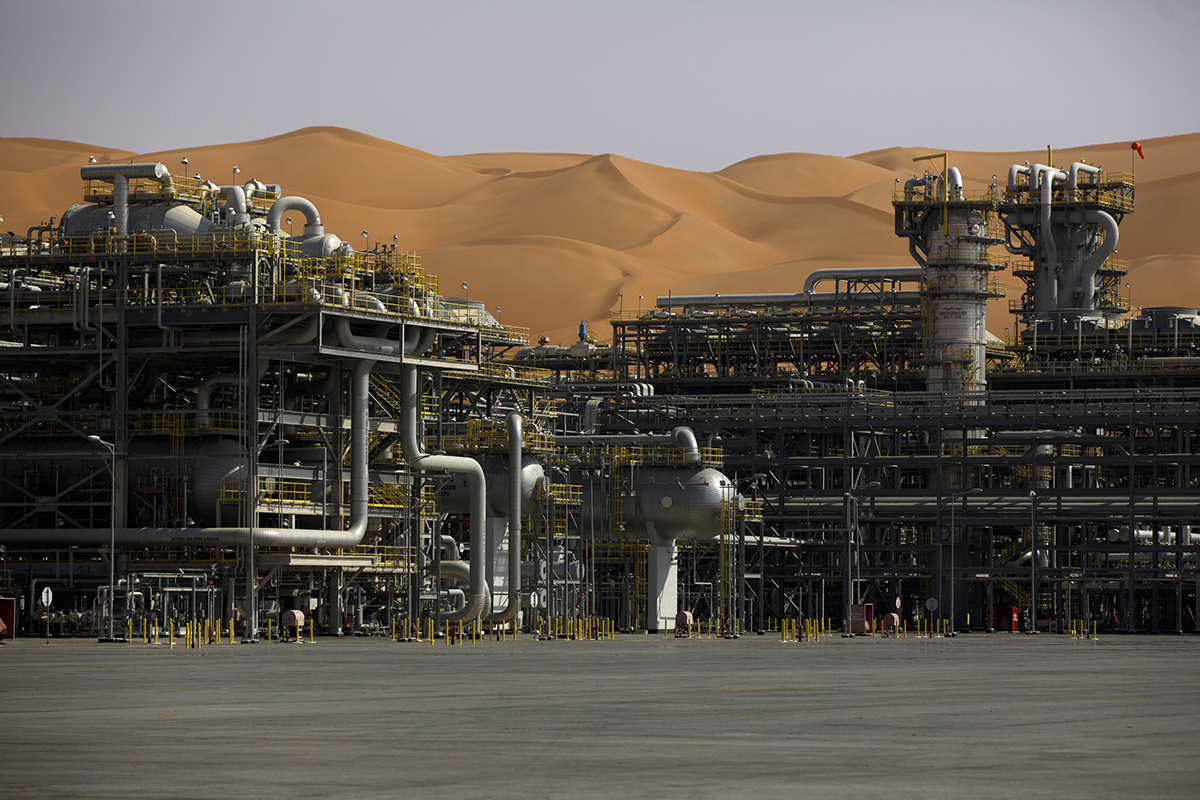
With the recent announcement of the Jafurah Field, a massive unconventional, non-associated gas play, Saudi Arabia is looking to enter the global gas sector. The field’s estimated reserves, while substantial, are insufficient to meet current domestic needs and, in the future, displace dirty heavy fuel oil used in power generation and satisfy international export goals. The kingdom thus faces difficult decisions regarding the allocation of the Jafurah gas — to either domestic or international markets — and both options have significant challenges.
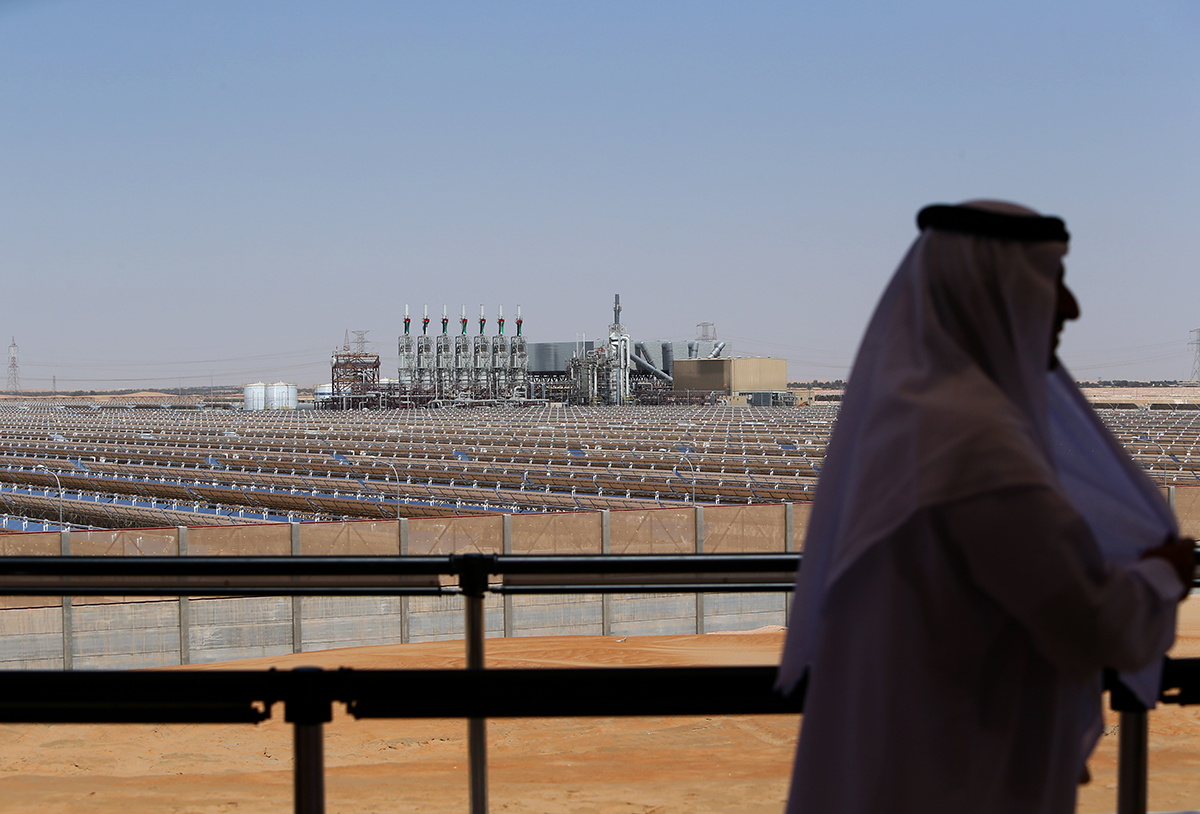
The Arab Gulf states appear to be following a common template in responding to the global transition toward an energy system in which renewables play an increasingly central role. They are publicizing renewable energy targets, decarbonizing upstream and downstream oil and gas operations, commissioning renewable energy projects, and improving energy efficiency, among other strategies. A closer look, however, reveals differences in how they have deployed solar and wind power capacity.