Iraq’s competition to control local administrations goes national
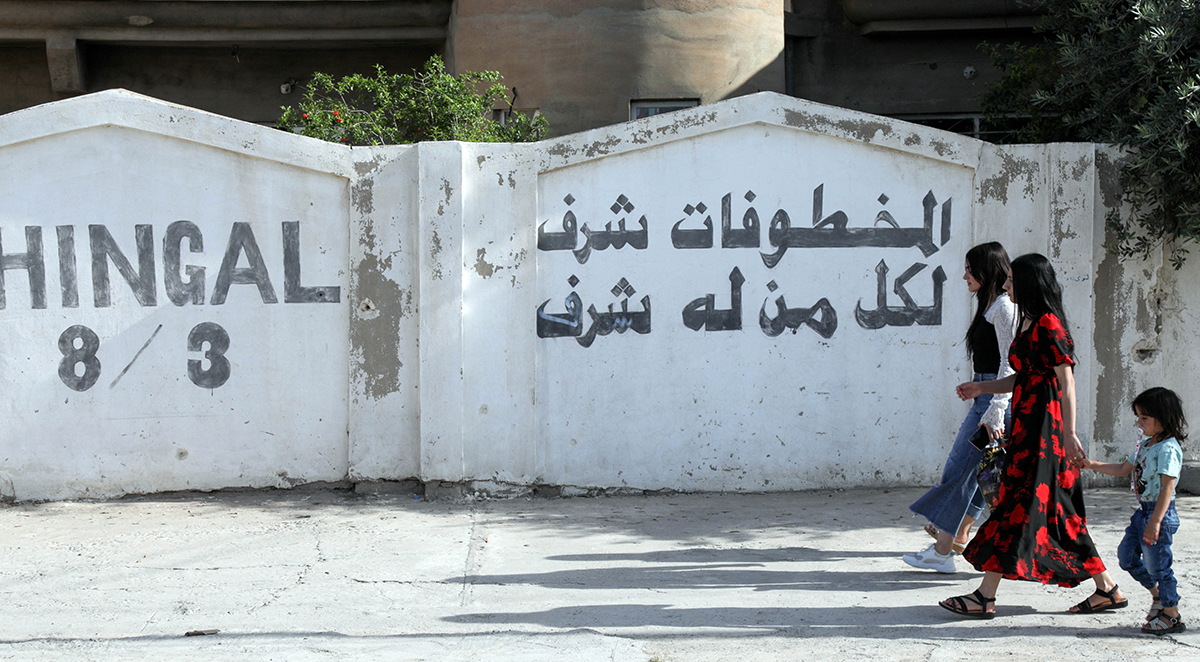
In the aftermath of the December 2023 Provincial Council (PC) elections, political parties across Iraq have been seeking to shore up their gains or minimize their losses in the formation of the provincial executive governments, with some provinces, like Kirkuk and Diyala, remaining in deadlock at time of writing. However, in other provinces, such as Ninewa, those now in power are looking to ensure that they are maximizing their new gains by dominating key administrative positions at the district and subdistrict levels.
CENTCOM says ISIS is reconstituting in Syria and Iraq, but the reality is even worse
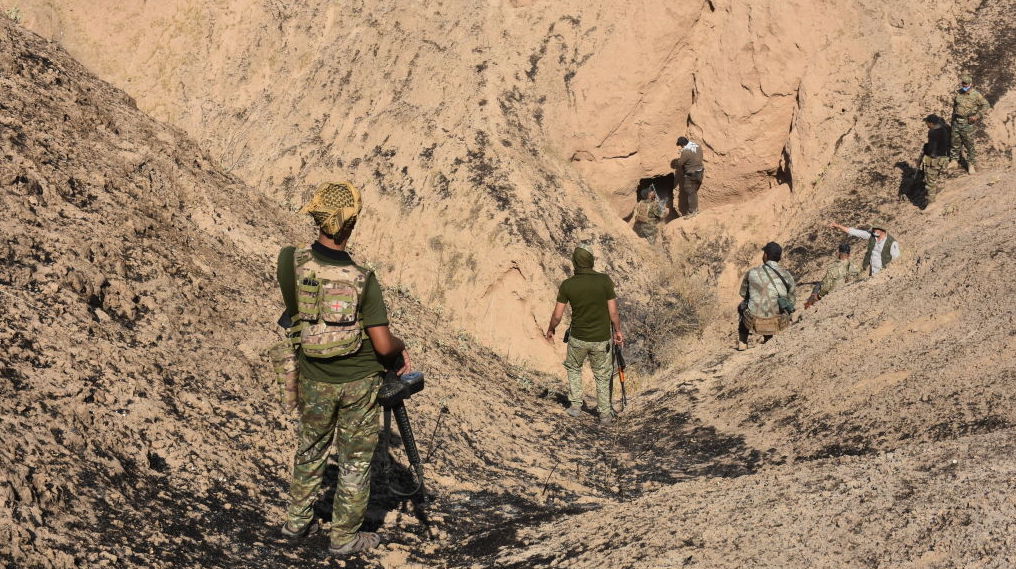
On July 16, CENTCOM announced that after six months of 2024, “ISIS is on pace to more than double” the number of attacks in Syria and Iraq it claimed in 2023. But the reality is far worse than this statement suggested because the data represents only a fraction of ISIS’s actual attacks in Syria and Iraq.
No real alternative: The failure of opposition parties in Iraq’s Kurdistan Region
Politics in Iraq’s Kurdistan Region is centered on the ruling duopoly of the Kurdistan Democratic Party (KDP) and the Patriotic Union of Kurdistan (PUK). Other political parties — broadly referred to as the opposition — offer themselves as alternatives to the KDP and the PUK, but are disorganized, divided, and largely unable to capitalize on public grievances about governance. At present, they do not constitute a viable alternative to the ruling parties.
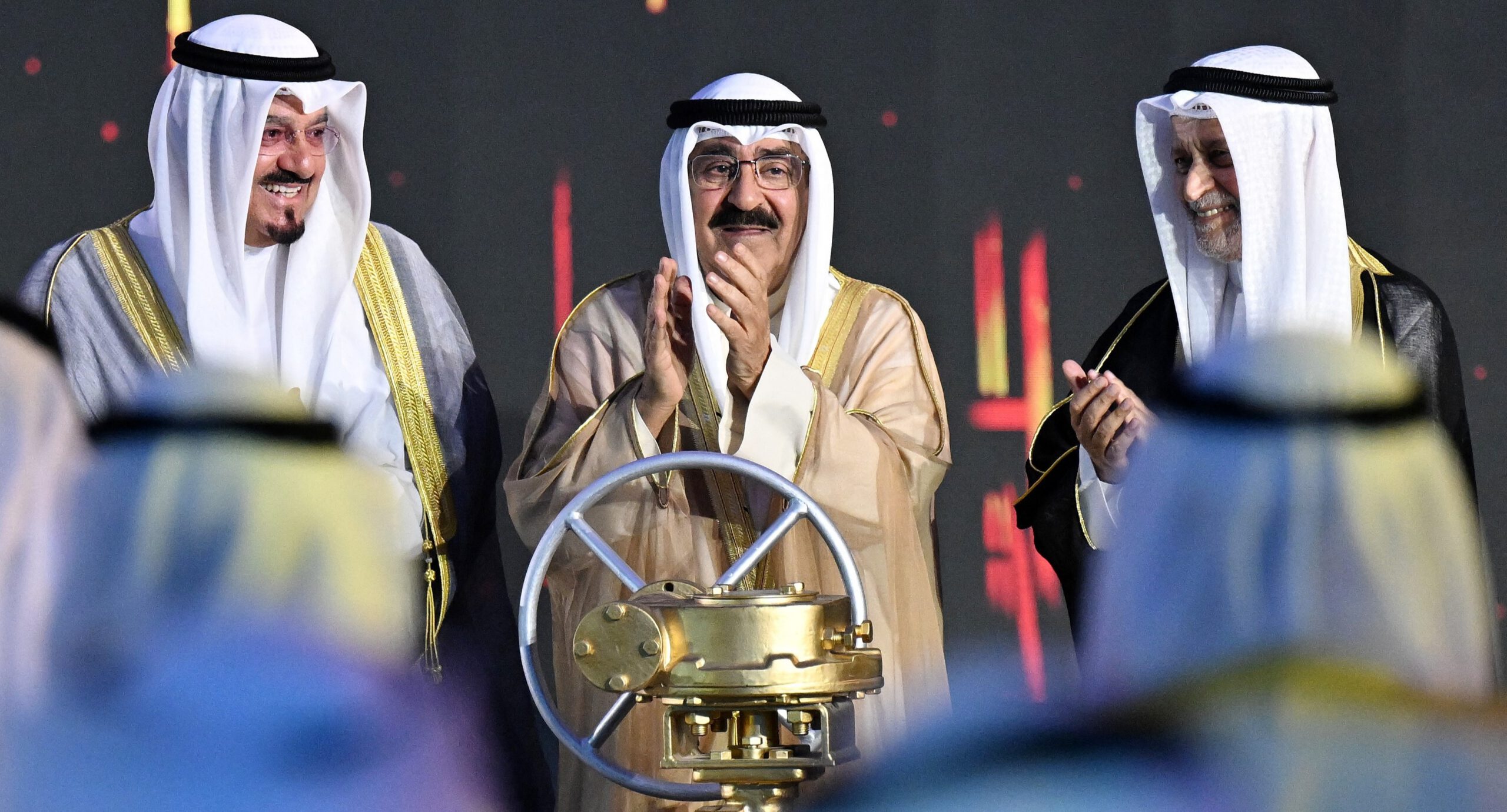
The clock is ticking to reset Kuwait’s economic course and reinstate legislature
Kuwait’s emir, Sheikh Mishal Al Ahmad Al Jaber Al Sabah, took his next step in governance without a parliament in place on June 1, when he appointed Sheikh Sabah Khalid Al Sabah as crown prince. Although the timing of the announcement suspending portions of the constitution and dissolving the parliament caught most observers off guard, the emir’s decision was not surprising.
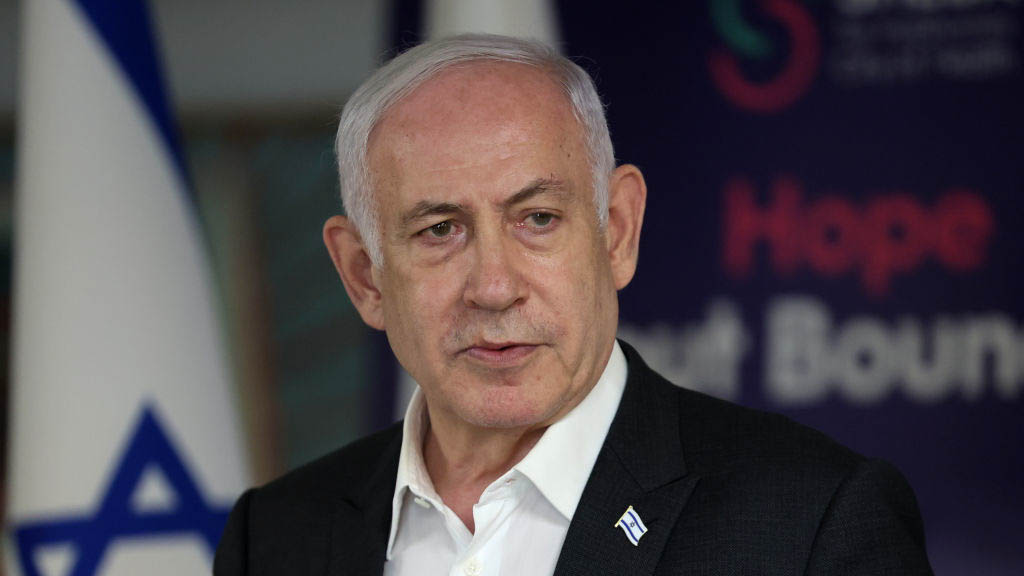
Iraq’s prime minister will toe a fine line in Washington visit
Prime Minister Sudani has been delicately balancing between maintaining bilateral relations with Washington and ensuring political support for his cabinet from pro-Iran hardliners in Baghdad. Both sides have conflicting expectations from the prime minister, and delivering on his promises will come down to his ability to convince each to compromise. But Sudani’s task has now become even more challenging as Iraq finds itself in the middle of direct confrontation between Iran and Israel.
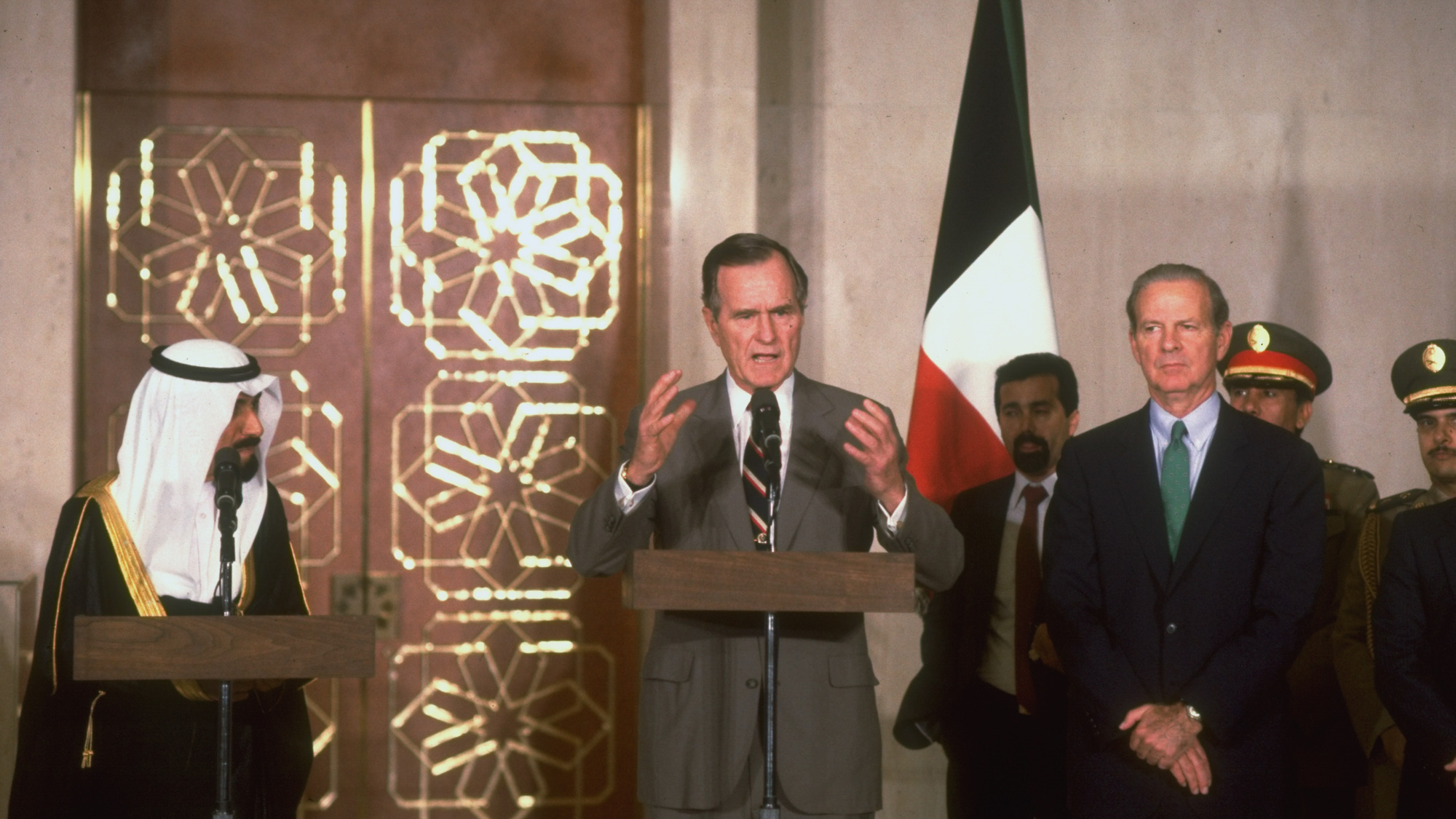
In his new book, Steve Coll casts doubt on whether Iraqi intelligence had actually tried to assassinate former President George H. W. Bush in Kuwait in April 1993. If the Kuwait plot were a fabrication, it would fit yet another brick in the wall of many well documented falsehoods and misunderstandings that led to the US invasion. Unfortunately for that allegation, the plot was very likely to have been quite real.
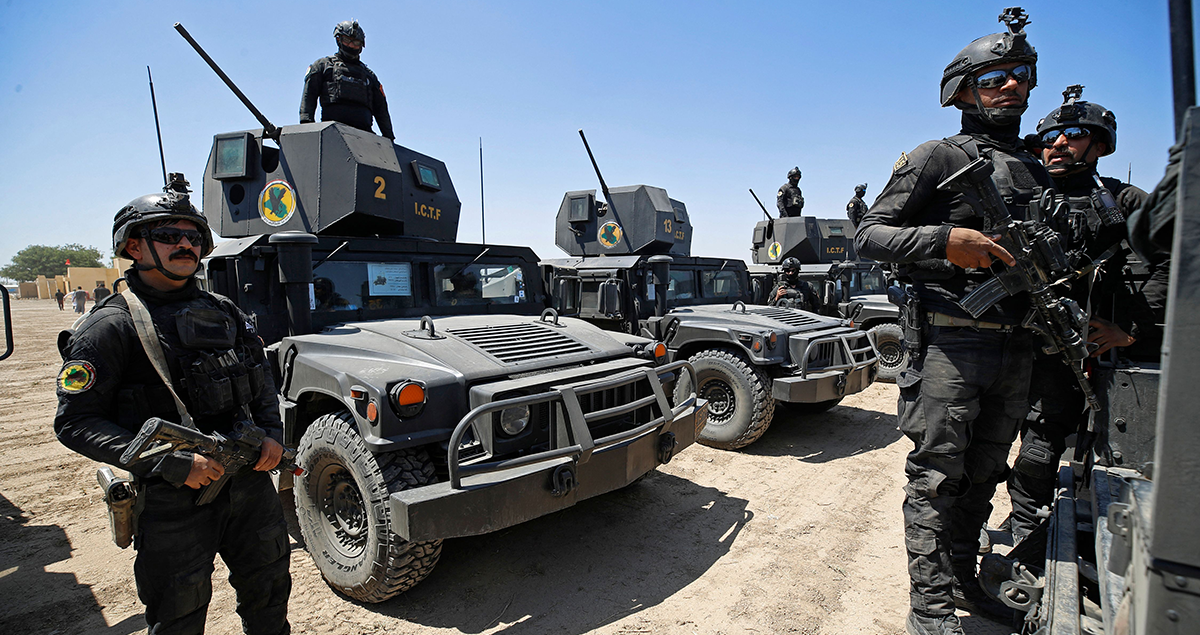
Maintaining the best thing the US built in Iraq: Continued support to the Iraqi Counterterrorism Service
As the US engages in a dialogue with the Iraqi government over the future of the coalition forces combating the Islamic State, Washington must ensure a continued relationship between the US Special Operations Forces and the Iraqi Counterterrorism Service.
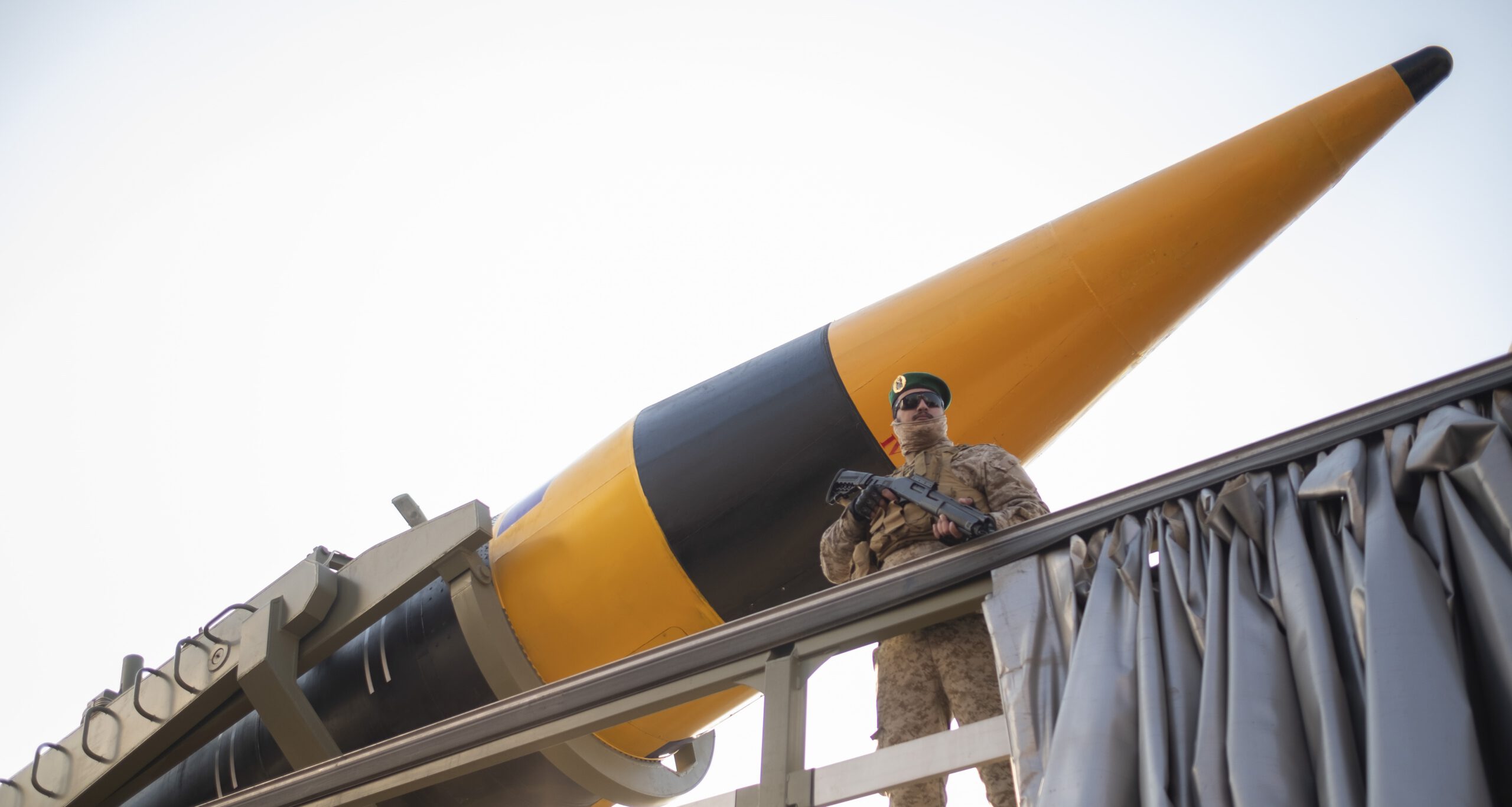
“Exporting its internal problems”: Understanding Iran’s January missile salvos against its neighbors
In mid-January, with the war in Gaza continuing to rage on, Iran launched a series of surprise missile attacks on its immediate neighbors Iraq, Syria, and Pakistan over two days. Taken together, these attacks illustrate that the Islamic Republic puts regime survival above national interest in its foreign policy calculations, which undermines its efforts to engender solidarity and good relations with other Muslim-majority states in the region.
US response to Tower 22 attack in Jordan: Less intense, more restrained than anticipated
On the evening of Saturday, Feb. 3, local time, US warplanes bombed facilities used by Iranian forces and Iran-backed militias in Syria and Iraq, in retaliation for the death of 3 US service members in a Jan. 28 drone attack on Tower 22, a US military base in northeastern Jordan on the Syrian border. The airstrikes primarily targeted locations in eastern Syria and western Iraq.
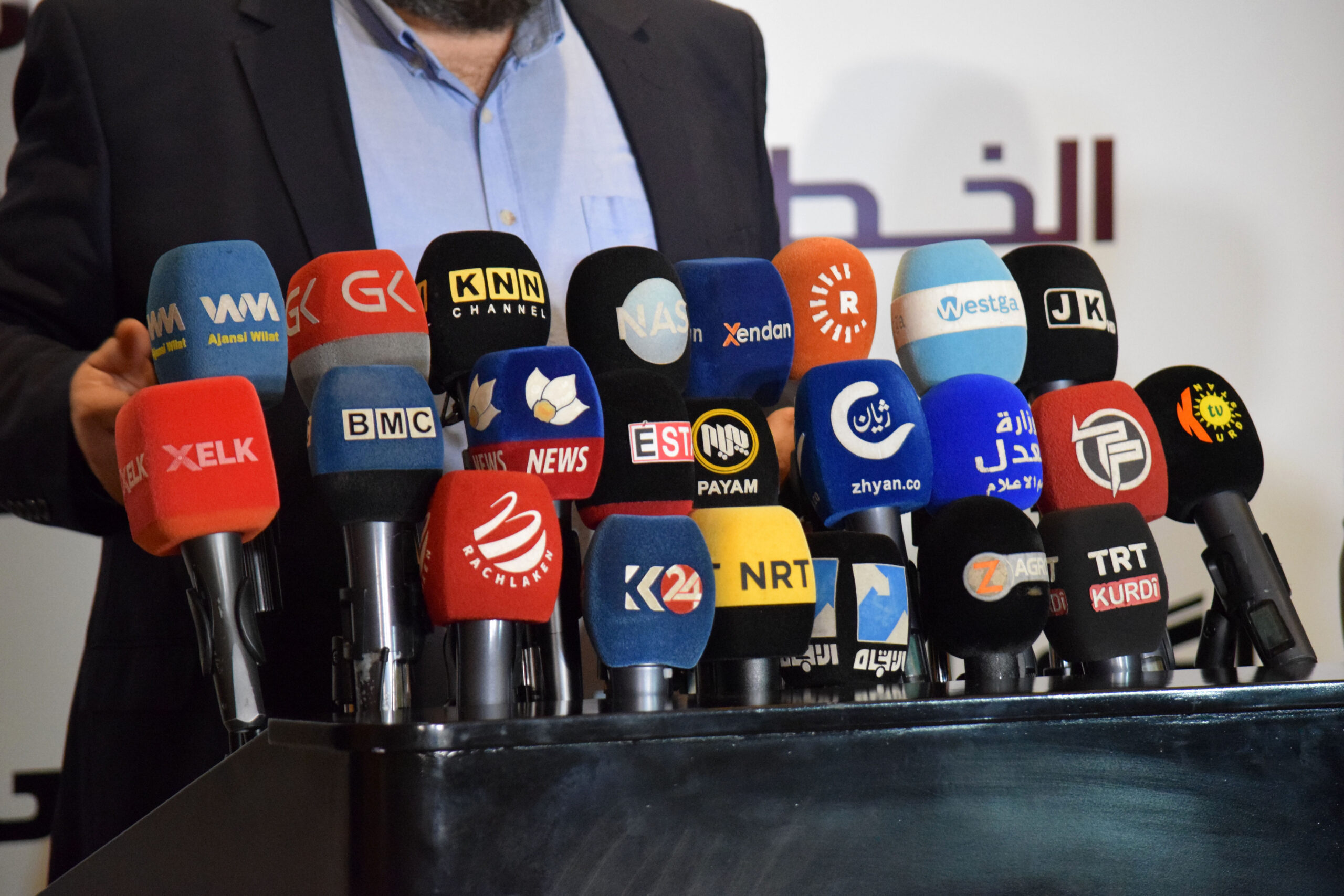
Partisan press: The dominance of party-backed media in Iraq’s Kurdistan Region
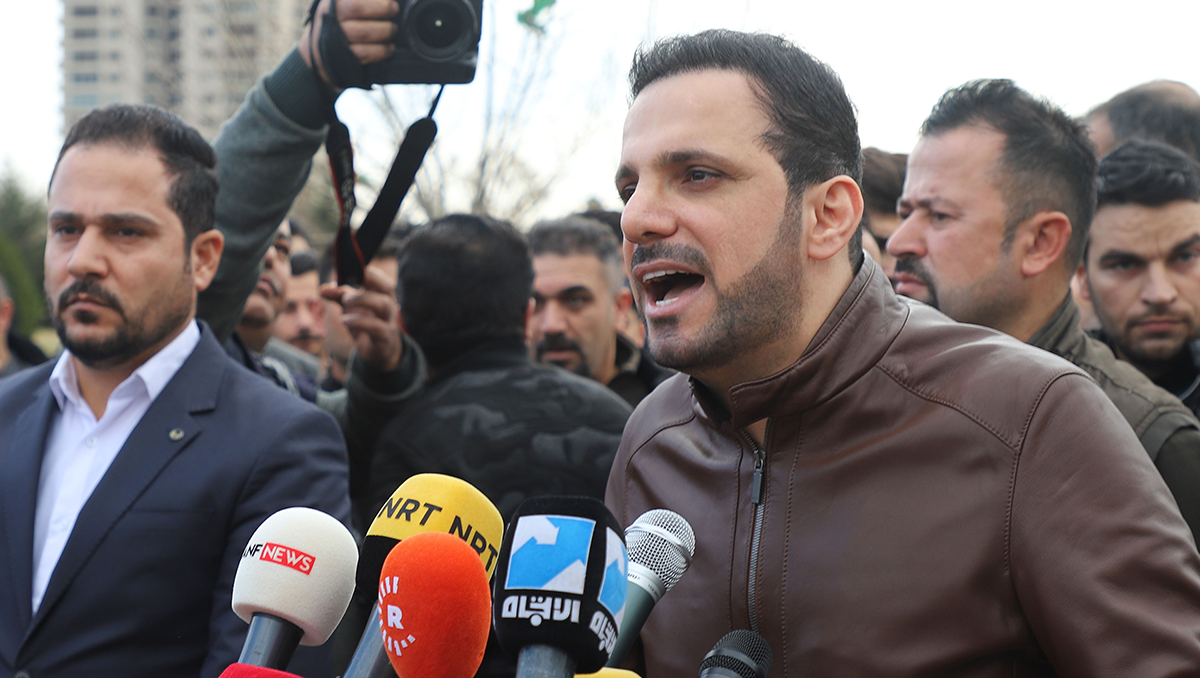
The media landscape in Iraq’s Kurdistan Region is dominated by outlets affiliated with political parties. As a result, media coverage largely promotes the interests of politically motivated patrons, rather than performing a public service mission of providing impartial and high-quality information.