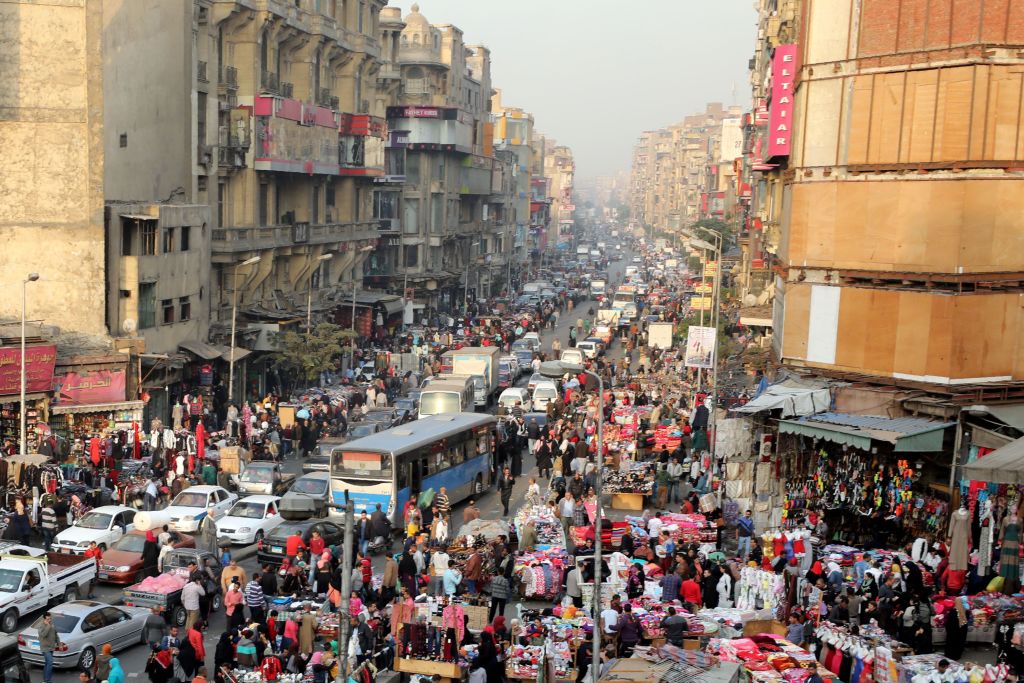
Egypt’s sizeable informal economy complicates its pandemic response
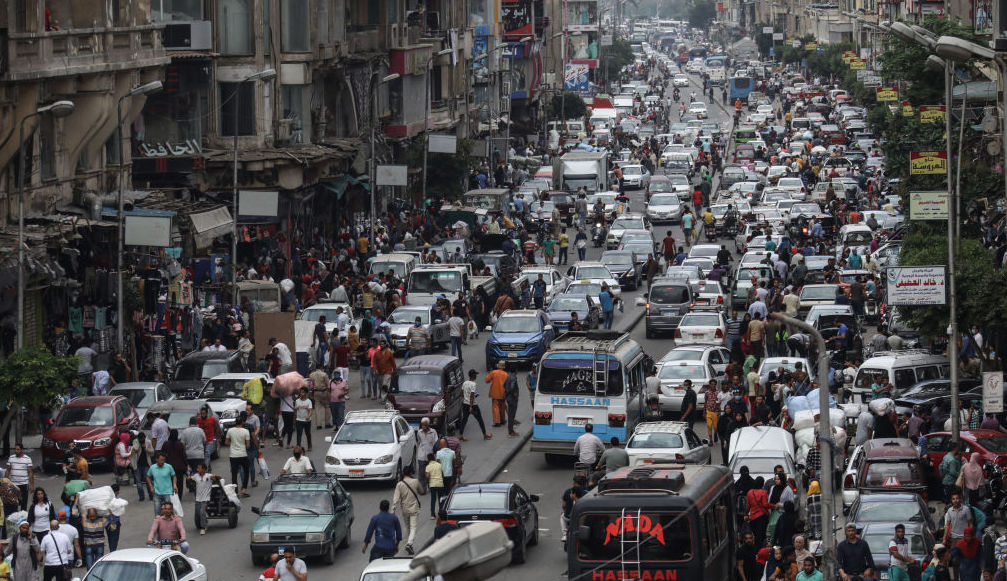
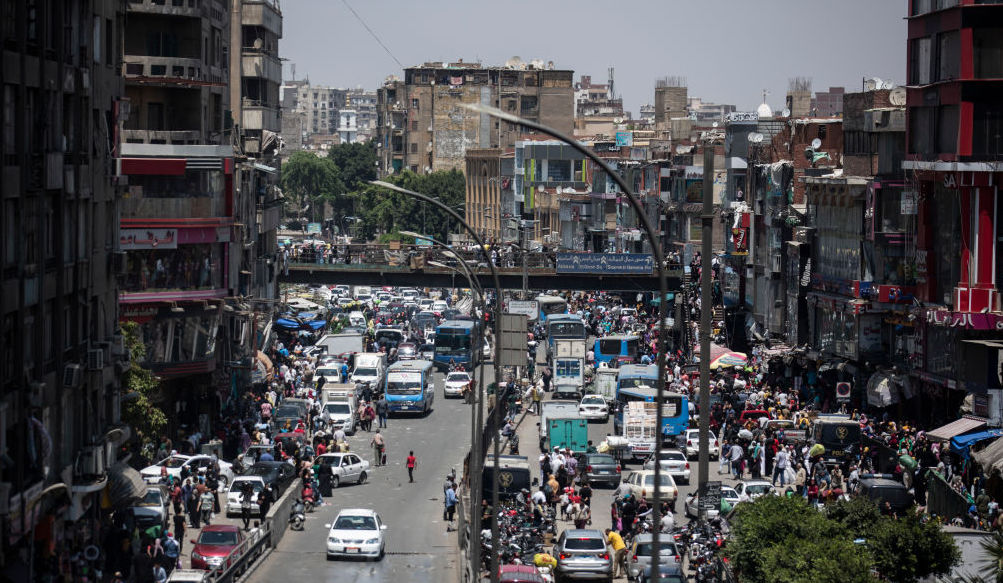
The lockdown conditions have meant that demand for the services of informal market laborers has declined, leaving them with no means of making a living and no form of insurance or savings to fall back on.
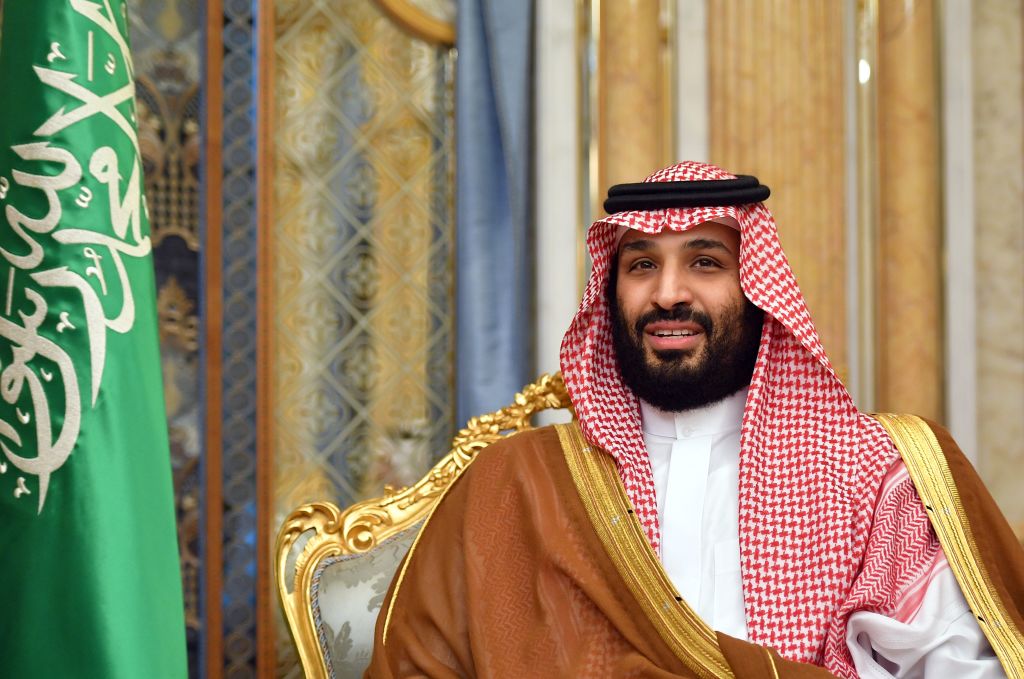
Mohammed bin Salman marks 1,000 controversy-filled days as crown prince
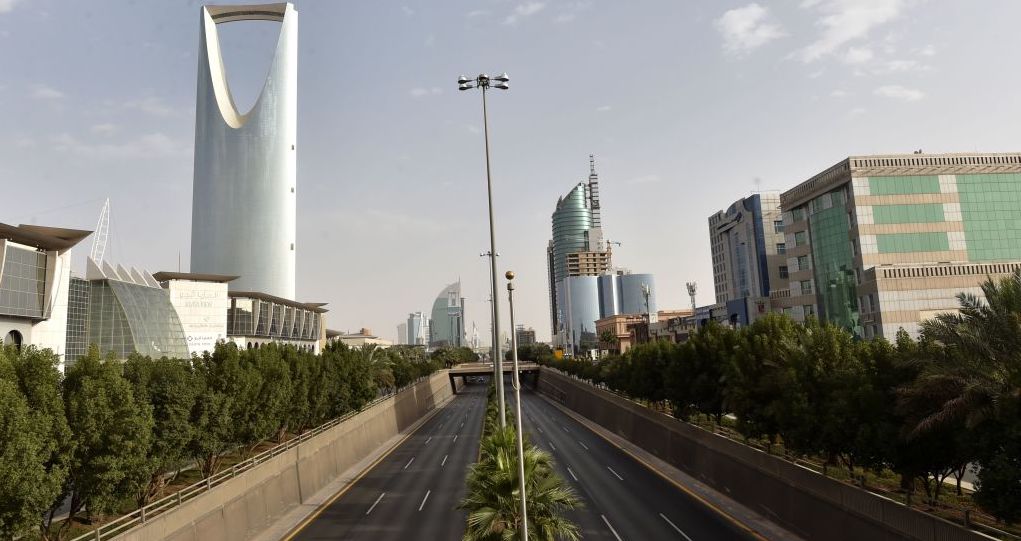
As MbS approaches three years as Saudi Arabia’s crown prince and, in the eyes of many, the de facto ruler of the kingdom, he remains an enigmatic figure on the world stage.
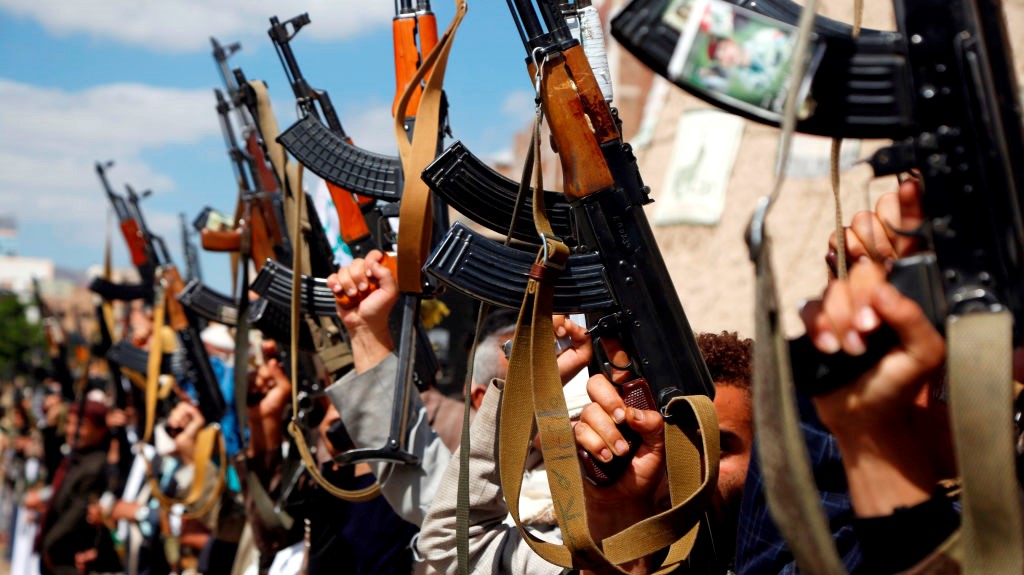
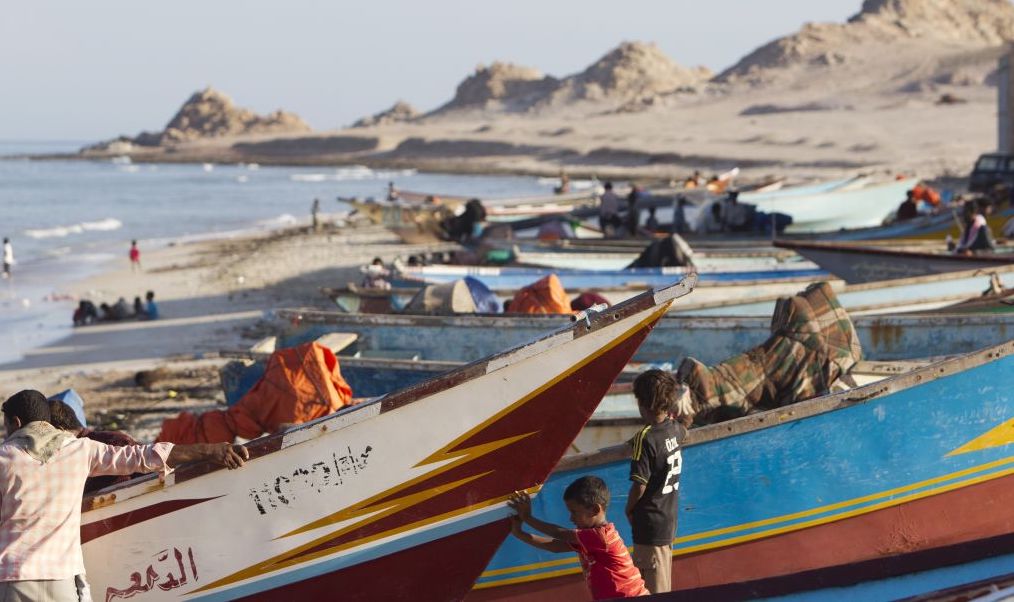
What happened in al-Awadh illustrates how the tribes are increasingly caught between the brutality of the Houthis and the incompetence of the Yemeni government.
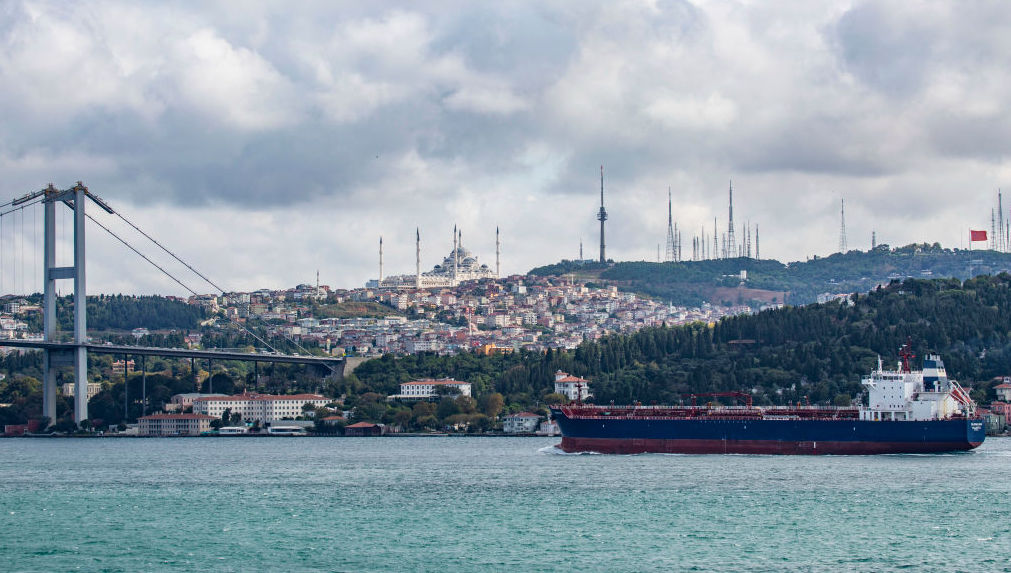
Turkey, the Gulf, and Libya: The economic impact of a growing geopolitical divide
Turkish support for the Tripoli-based Government of National Accord (GNA) in the Libyan civil war has added a new dimension to relations between Turkey and Gulf countries like the United Arab Emirates (UAE) and Saudi Arabia. But what impact have the growing geopolitical divides and diplomatic disagreements had on Turkish-Emirati and Turkish-Saudi economic relations?
Are the foreign patrons of the Libyan war ready to end it?
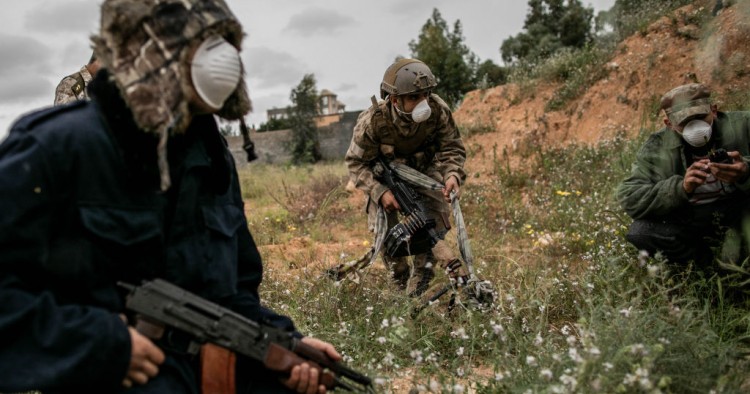
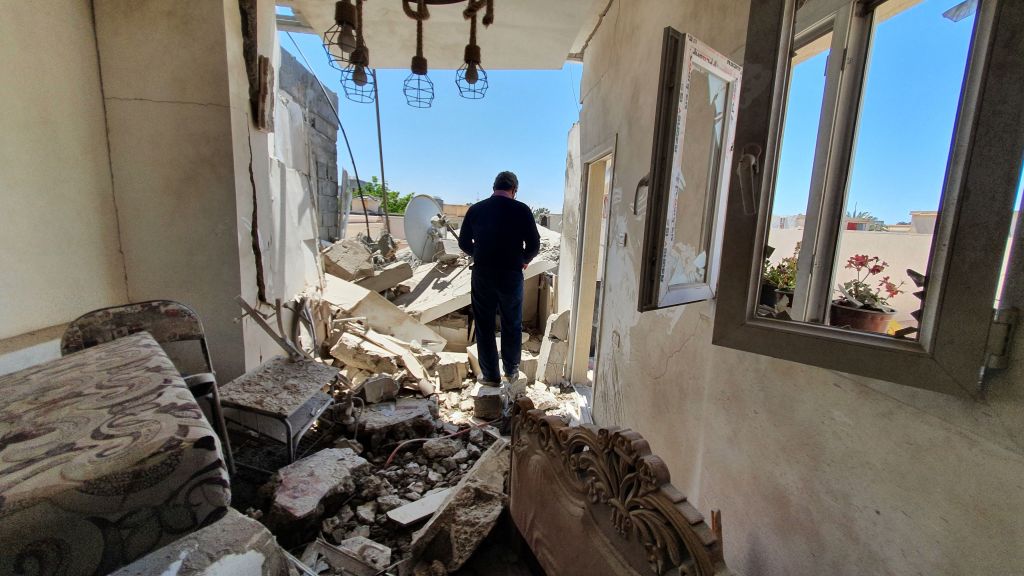
Absent major military escalation by his foreign patrons, Khalifa Hifter has now lost the war he initiated against Libya’s internationally recognized government in Tripoli. The question remains, however, of how to end Libya’s proxy war and restart the necessary political process to bring about sustained peace.
Mirette Mabrouk and Dr. Sherif Kamel join host Alistair Taylor to discuss Egypt’s economy and the role of entrepreneurship. Like countries across the Middle East and North Africa, Egypt has been hit hard by the coronavirus pandemic and the economic fallout is likely to be severe.
Egypt’s potential perfect storm: Pandemic, recession, returnees, and remittance losses
A possible influx of returnees from the Gulf swelling the ranks of the unemployed is bad enough, but it also comes with a serious complication — the possible loss of remittances.
While COVID-19 and historically low oil prices are disrupting the Gulf’s political economy, the pandemic has demonstrated the region’s tech resilience.
Saudi Arabia struggles to confront mounting challenges
A perceived lessening of the U.S. security umbrella would leave the Saudis far more vulnerable regionally and could force additional policy adjustments.
Protracted conflict on Yemen’s island of Socotra reflects rival geopolitical ambitions
On April 30, roughly a week after the Southern Transitional Council (STC) declared self-administration in Aden, a military confrontation broke out on the remote Yemeni island of Socotra between members of the STC and government forces. After just a few days, the situation was diffused when the island’s governor and the STC asked the Saudis to intervene. Although an agreement was reached quickly, it is likely to be fragile because the causes of the conflict are not entirely local. The island of Socotra is simply too important to multiple international players that are not willing to let it easily slip outside their sphere of influence.
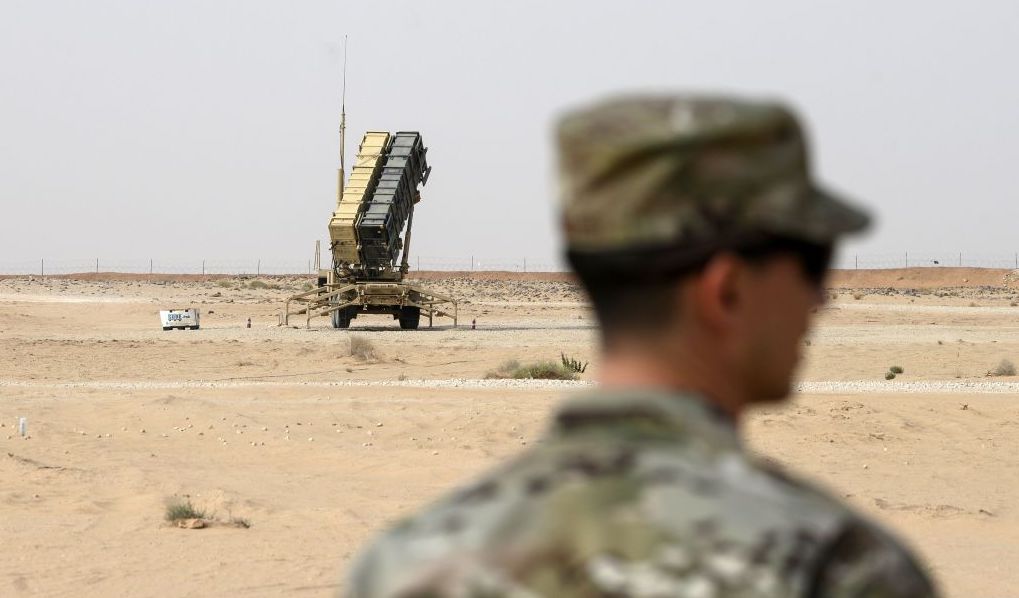
The best way to describe the Trump administration’s decision to remove Patriot missile defense systems from Saudi Arabia is by highlighting its military irrelevance and political significance.
Egypt’s Suez Canal: A ray of light amid the economic gloom
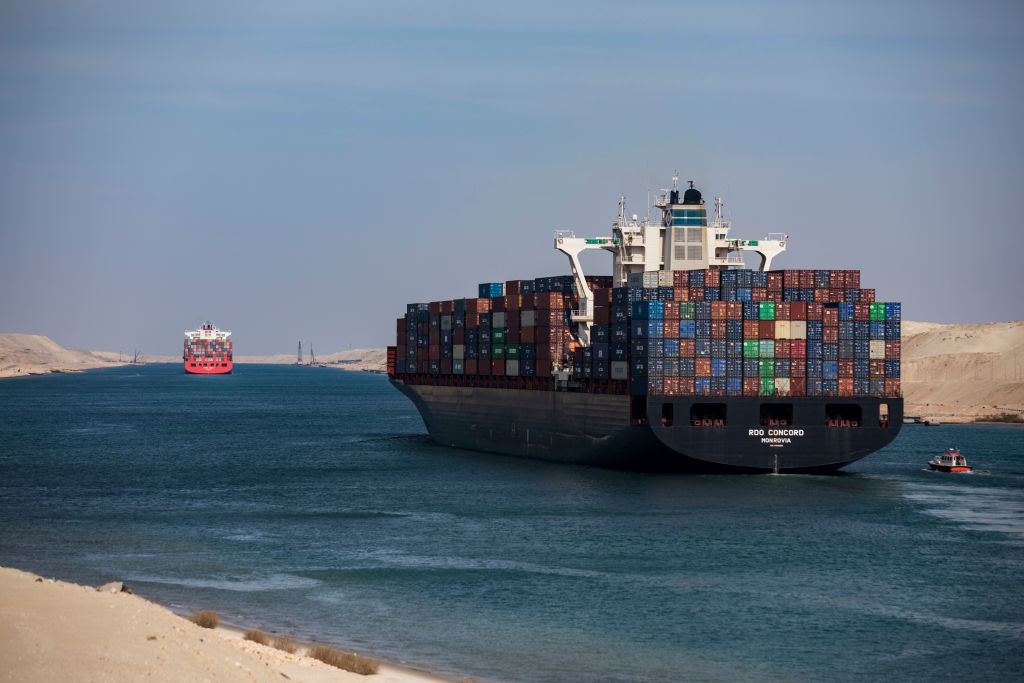
It’s difficult to overstate the importance of the Canal to the international shipping trade, but it’s importance to Egypt economy is even greater still.