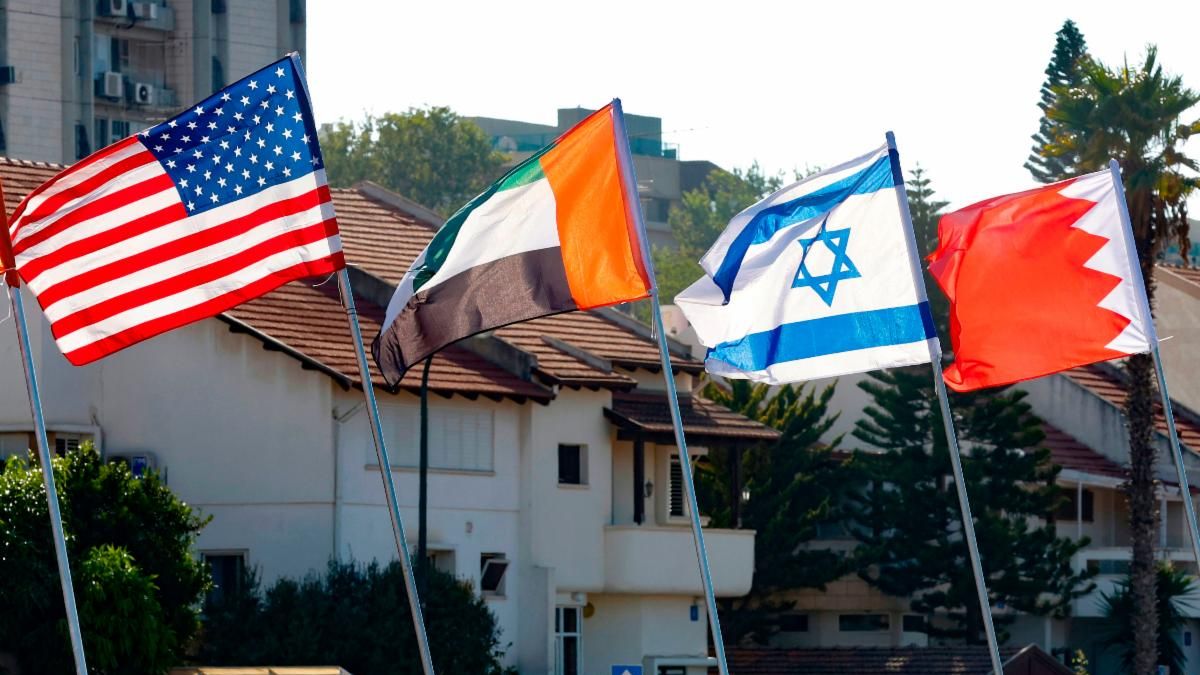
Monday Briefing: Despite strains, the Abraham Accords have proved resilient, but what’s next?
Read MEI’s weekly briefing featuring expert analysis of key regional developments for the week ahead.
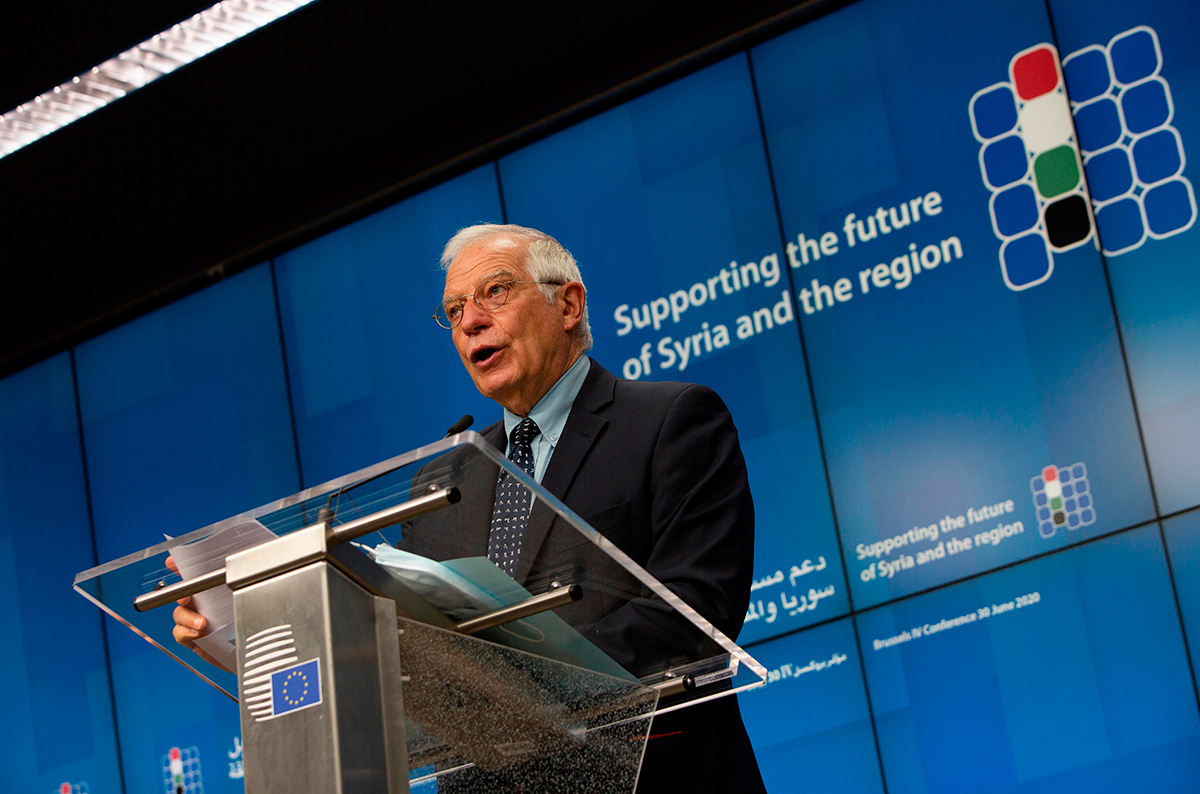
The subject of Western sanctions on Syria is a divisive one among analysts and policymakers interested in ending the misery of the country’s citizens. The division comes at a time when, more than ever, the country needs a comprehensive policy that ends the agony of most Syrians. This study assesses the effectiveness of the sanctions imposed on the regime of Bashar al-Assad by conducting a comprehensive review of their history, evaluating shortcomings in the current setup, and recommending ways to move forward.
EU institutions and individual member states remain committed to the peaceful settlement of the Syrian conflict, but after 10 years the question of what to do next seems most pressing. Will the EU be a passive bystander, idly watching the actions of other international players like Russia, China, Iran, or Saudi Arabia, or will it take on a more active role? And what would such a role look like?
Read MEI’s weekly briefing featuring expert analysis of key regional developments for the week ahead.
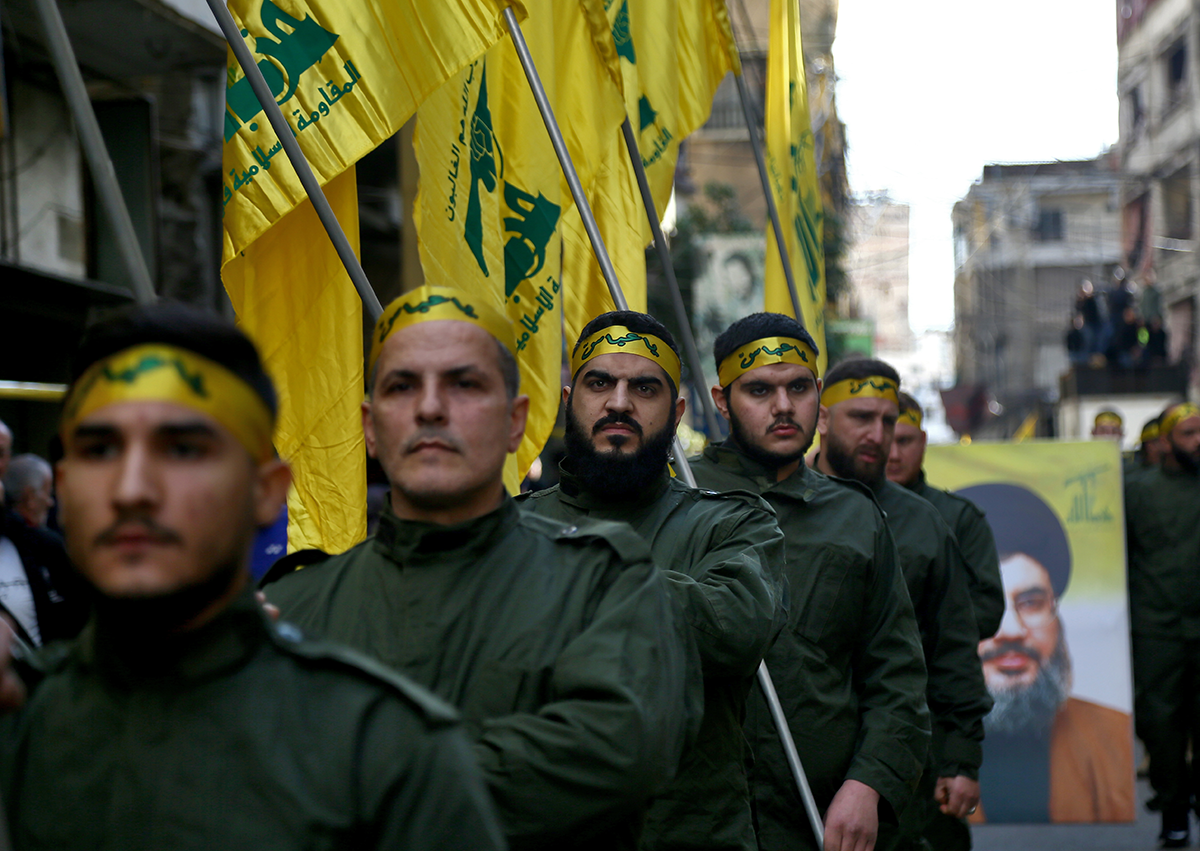
As a Lebanese actor ideologically tied to Iran, Hezbollah has multiple allegiances and objectives that do not always align symmetrically. Hezbollah’s regional activities are a reflection of the group’s increasingly close alignment with Iran, rather than the interests of the Lebanese state or citizenry. Today, Hezbollah’s regional adventurism is most pronounced in its expeditionary forces deployed in Syria and elsewhere in the region, but no less important are the group’s advanced training regimen for other Shi’a militias aligned with Iran, its expansive illicit financing activities across the region, and its procurement, intelligence, cyber, and disinformation activities. Together, these underscore the scale and scope of the group’s all-in approach to transforming from one of several Lebanese militias into a regional player acting at Iran’s behest.
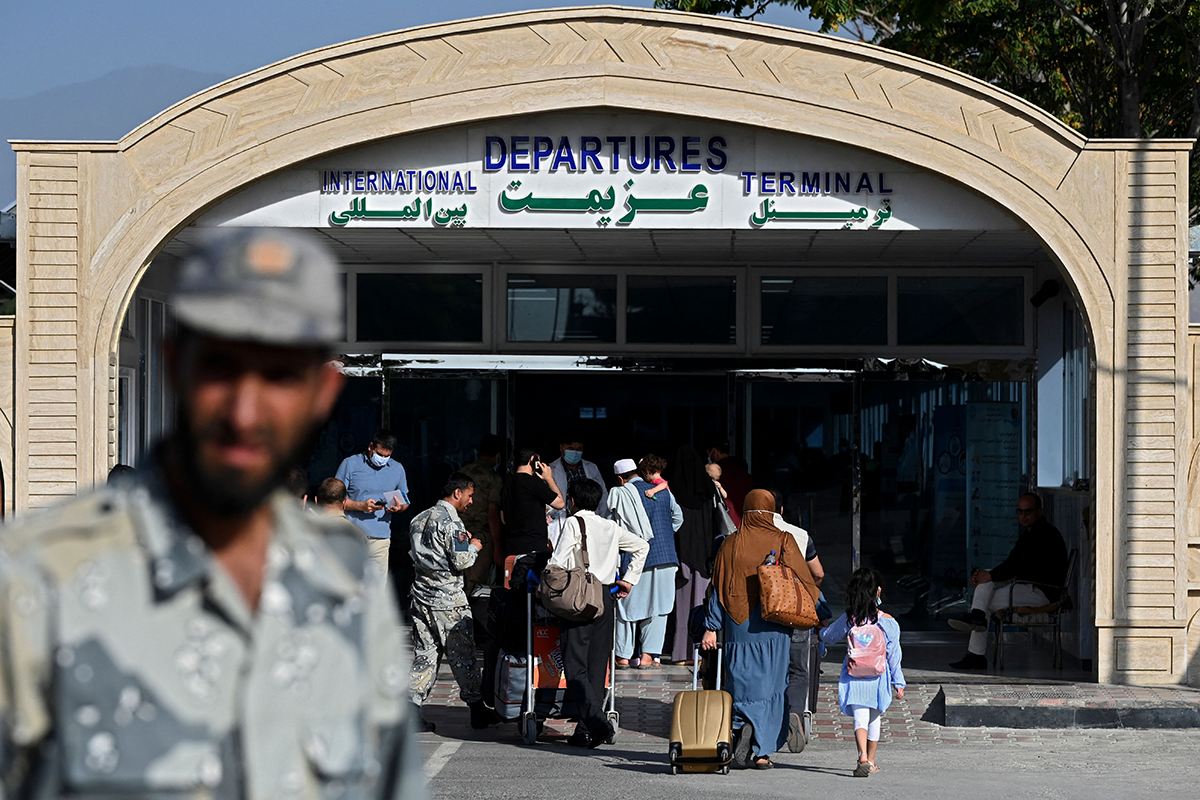
In a politically significant statement, Turkish President Recep Tayyip Erdoğan has asked the Afghan Taliban to “end the occupation of their brothers’ soil.” This follows a Taliban warning of severe consequences if Turkey were to remain in charge of security at Kabul Airport after the exit of American troops. Erdoğan’s message is likely to be interpreted differently by different stakeholders in the unfolding Afghan tragedy, a situation characterized by escalating violence, political uncertainty, and regional chaos.
منذ بداية الانتفاضة السورية مايو 2011 وحتى صيف العام 2015، فشلت الميليشيات الإيرانية إلى جانب الجيش السوري والميليشيات المحلية في إعادة السيطرة على البلاد، على الرغم من العدد الهائل لمجموع هذه القوات أمام المتمردين الذين كانت حركتهم فوضوية في مقابل أجهزة أمنية وقوات منظمة، حيث سيطرت هذه القوات المتمردة على النظام السوري مساحات واسعة من سوريا.
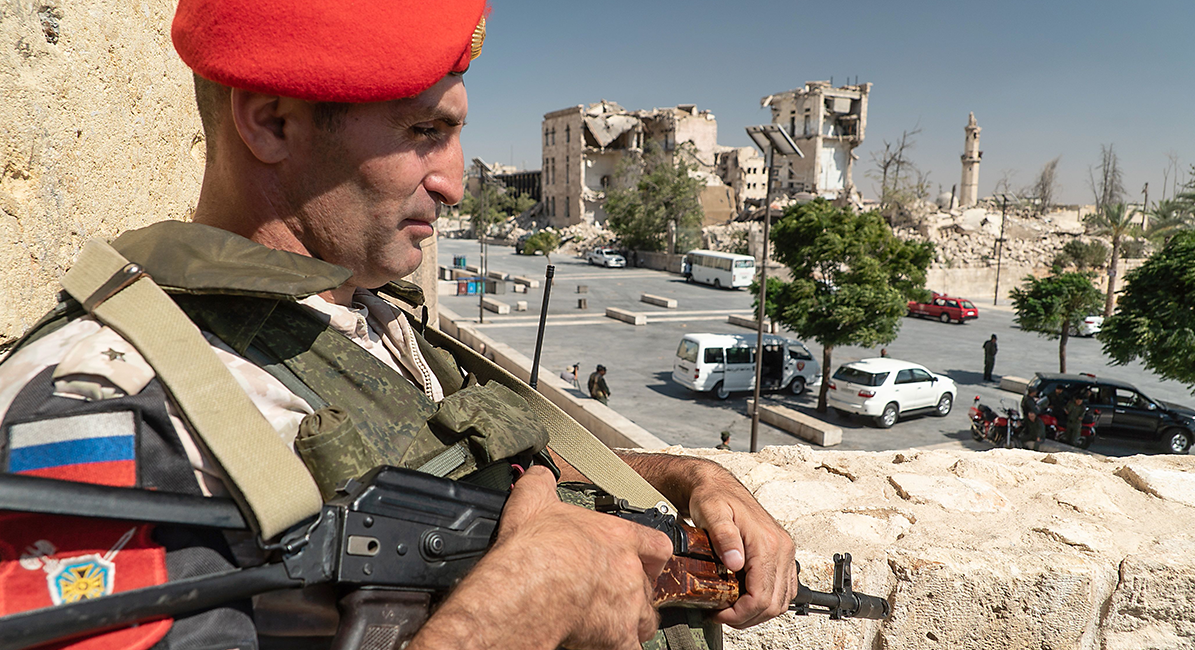
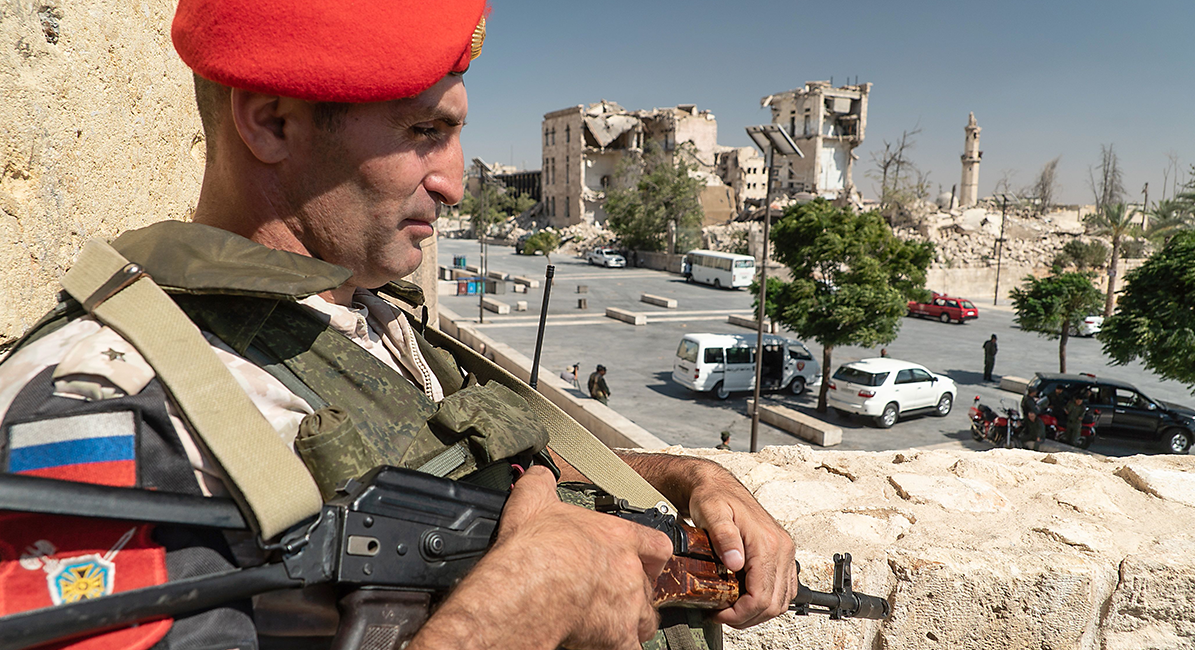
The Russian military intervention in Syria in late 2015 brought about a clear change in the balance of power in the military, political, and psychological spheres. The Russian military, especially its air force, dramatically tipped the scales in the conflict between the armed opposition, the regime, and the Iranian militias. Moscow’s intervention was also accompanied by a project to regain control over the security and military situation in Syria, but this effort proved far less successful.
في أواخر شهر نيسان إبريل الماضي، شهد حي طي الواقع جنوبي مدينة القامشلي في محافظة الحسكة السورية، اشتباكات عنيفة بين قوات “الدفاع الوطني” التابعة للنظام السوري وقوات “الأسايش” التابعة للإدارة الذاتية “الكردية”، هذه الاشتباكات انتهت باتفاق تم بين الطرفين برعاية روسية.
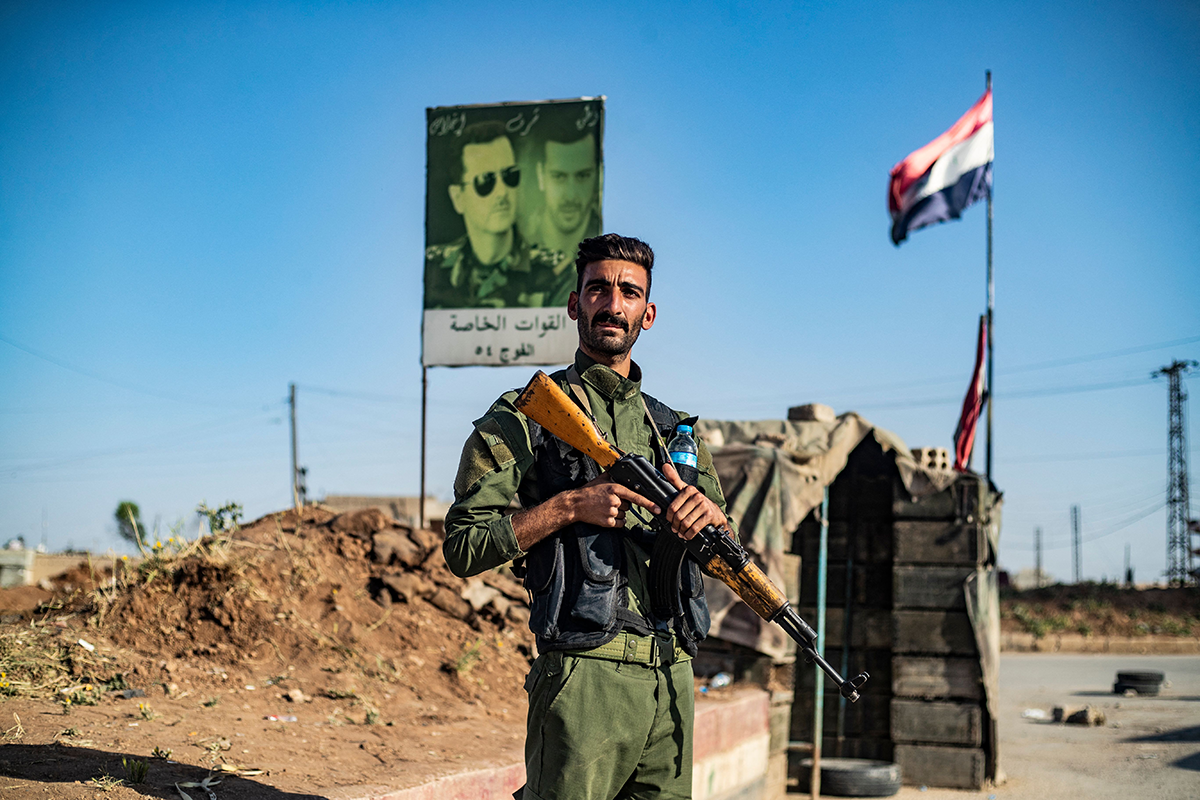
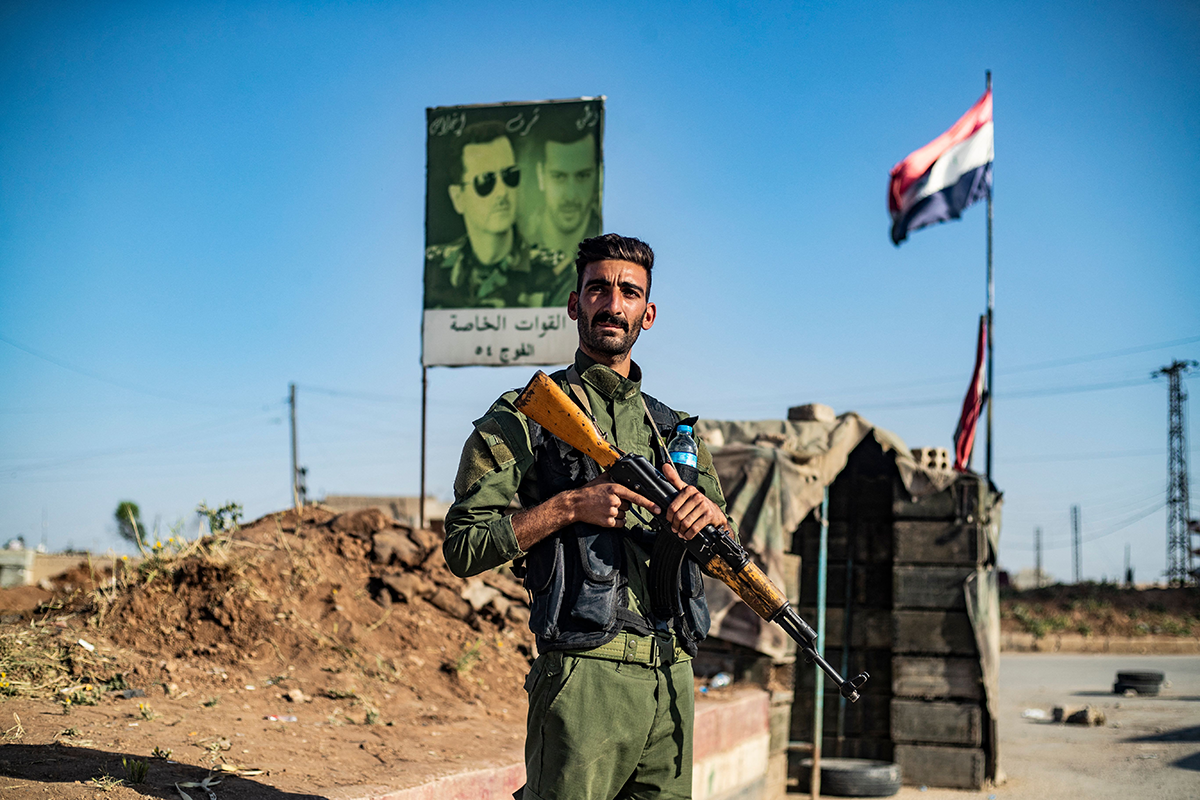
At the end of April, the Tayy neighborhood, in the southern part of the city of Qamishli in Syria’s Hasaka Province, witnessed violent clashes between the National Defense Forces (NDF) of the Syrian regime and the Internal Security Forces (Asayish) of the Kurdish Autonomous Administration of North and East Syria (AANES). The conflict ended with the negotiation of a permanent truce between the two parties under Russian auspices.
الأمر الجوهري الذي تضعه روسيا في الاعتبار قُبيل التصويت هو علاقتها مع أنقرة
Expert regional analysis by MEI scholars and contributors.
Charles Lister, Mona Yacoubian, and James Jeffrey join host Alistair Taylor to discuss the upcoming UN Security Council vote on the renewal of cross-border assistance for Syria, Russia’s threats of severing access, and how they might impact stability across the region.
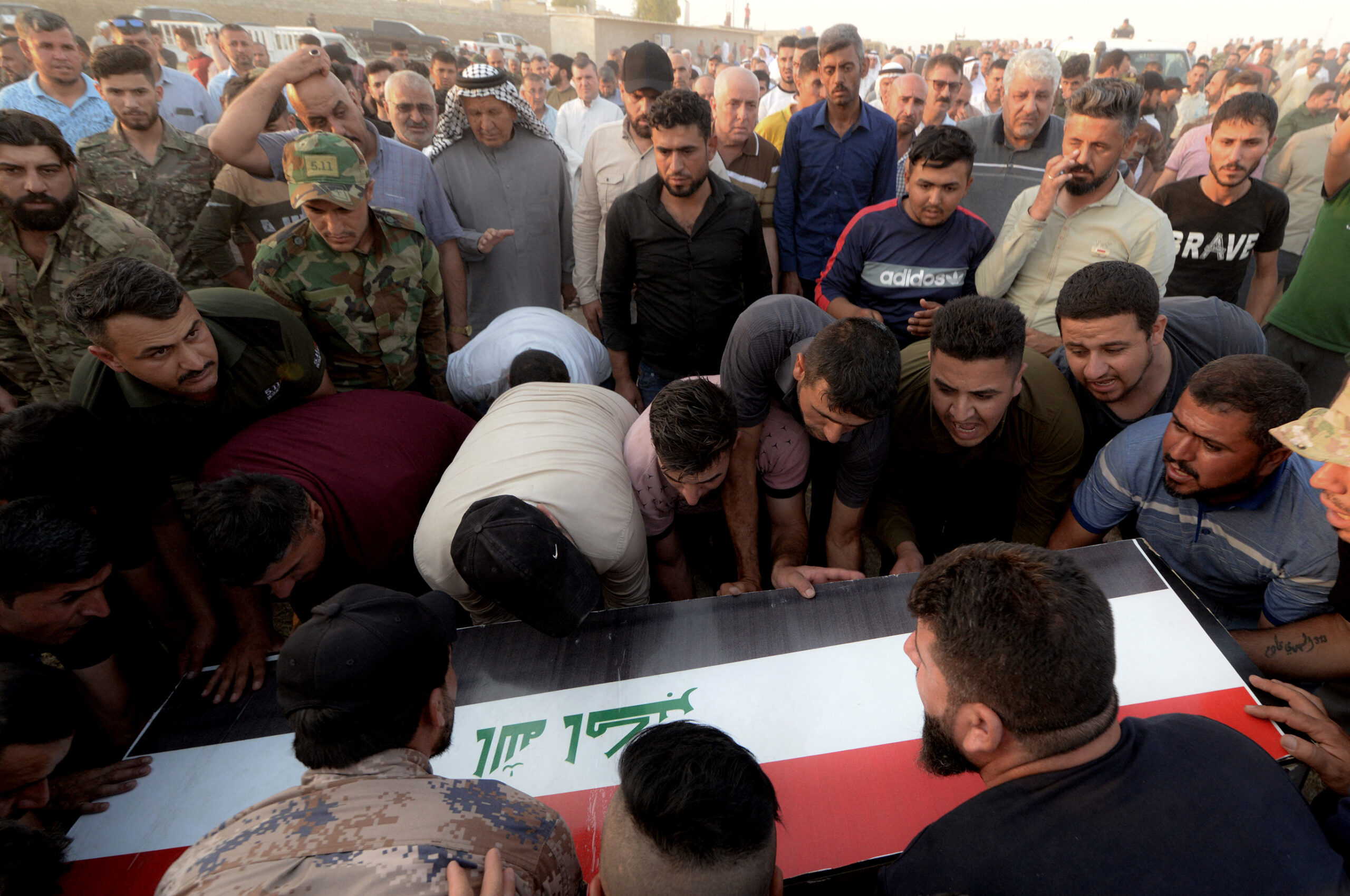
مهما كانت شدة محاولات الحكومة العراقية لتوجيه البلاد بعيدًا عن الصراع الإيراني الأمريكي، فإن الميليشيات العراقية المدعومة من إيران ستظل تسحبها مجددًا لهذا الصراع
Read MEI’s weekly briefing featuring expert analysis of key regional developments for the week ahead.