The eastern Mediterranean heats up as conflicts over energy move onshore
Not too long ago, the Mediterranean was described as “NATO’s lake” — a sleepy backwater in a world dominated by conflict. Today, Israel’s quarrels with Lebanon, Palestine, and Syria are viewed — and minimized — as legacy conflicts, overshadowed by a new and unstable strategic environment centered upon competing visions of offshore energy and security in the eastern Mediterranean.
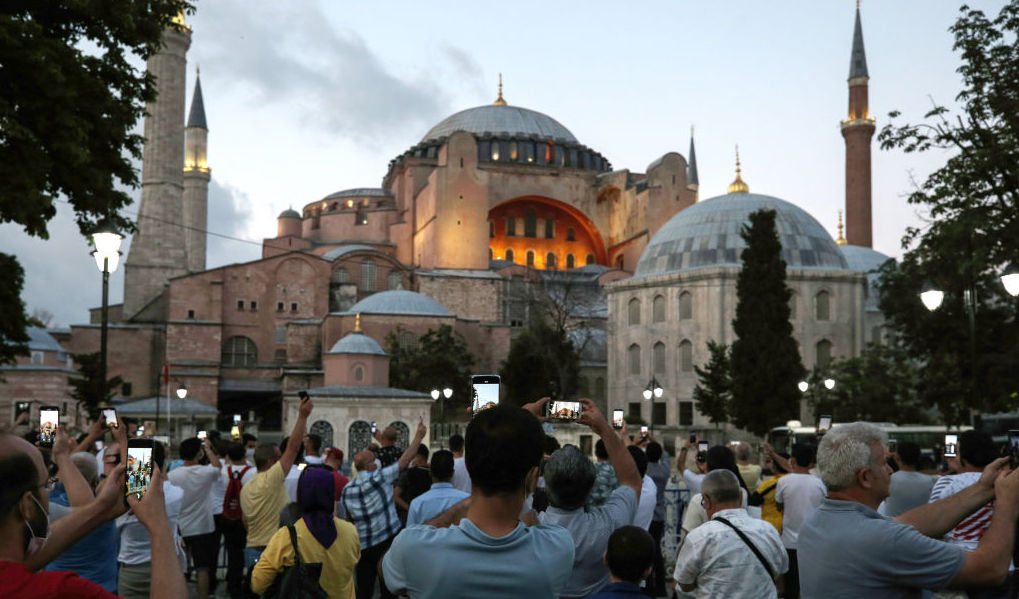
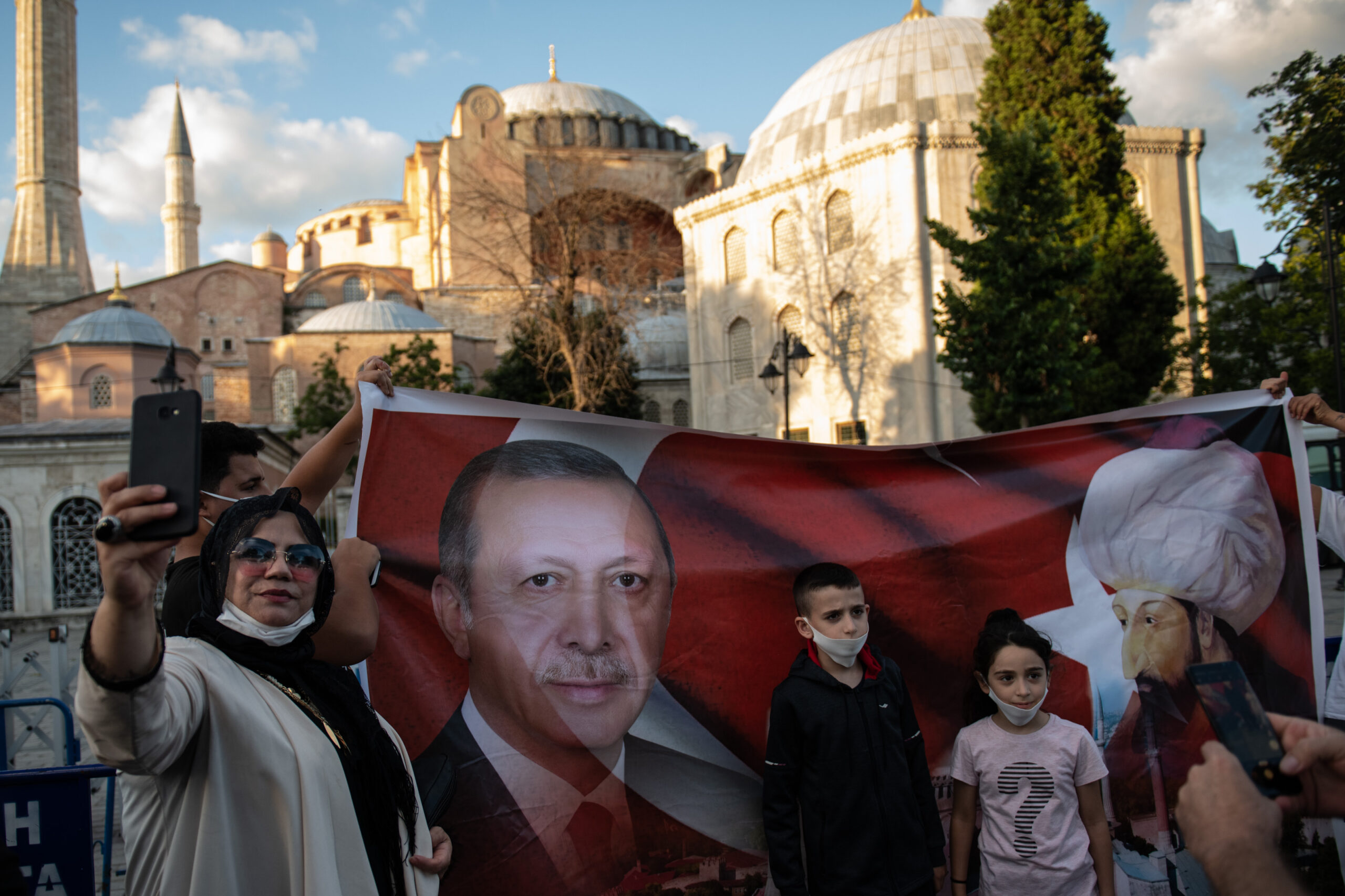
Monday Briefing: Erdoğan and the “symbolic war” over Hagia Sophia
This week’s briefing on recent news and upcoming events in the region featuring Seren Selvin Korkmaz, Marvin G. Weinbaum, Mirette F. Mabrouk, Robert S. Ford, and Nilsu Goren.
“في غياب سياسات ملموسة للتعامل مع المشاكل الاقتصادية والسياسية التي تواجهها البلاد، يجد أردوغان الخلاص في الشعبوية”.
أصدر الرئيس رجب طيب أردوغان مرسوما يوم الجمعة يأمر اسطنبول بتحويل متحف آيا صوفيا التاريخي إلى مسجد. آيا صوفيا الكاتدرائية البيزنطية التي اكتمل بناؤها عام 537 تم تحويلها إلى مسجد من قبل السلطان محمد الثاني بعد الفتح العثماني عام 1453. وفي عام 1934، في عهد الرئيس مصطفى كمال أتاتورك، تم تحويلها إلى متحف بموجب مرسوم حكومي.
Defusing a “floating bomb”: Yemen’s impending Safer disaster
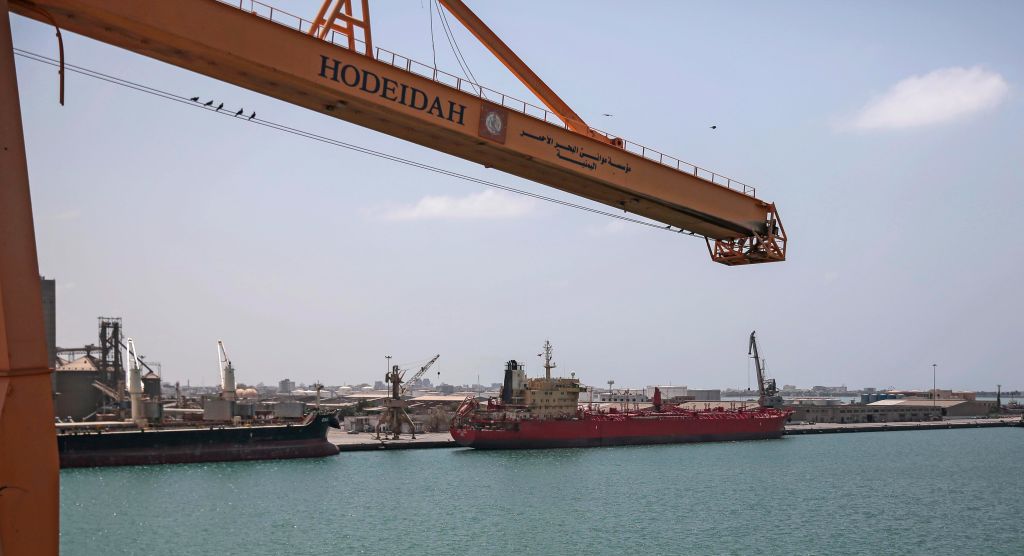
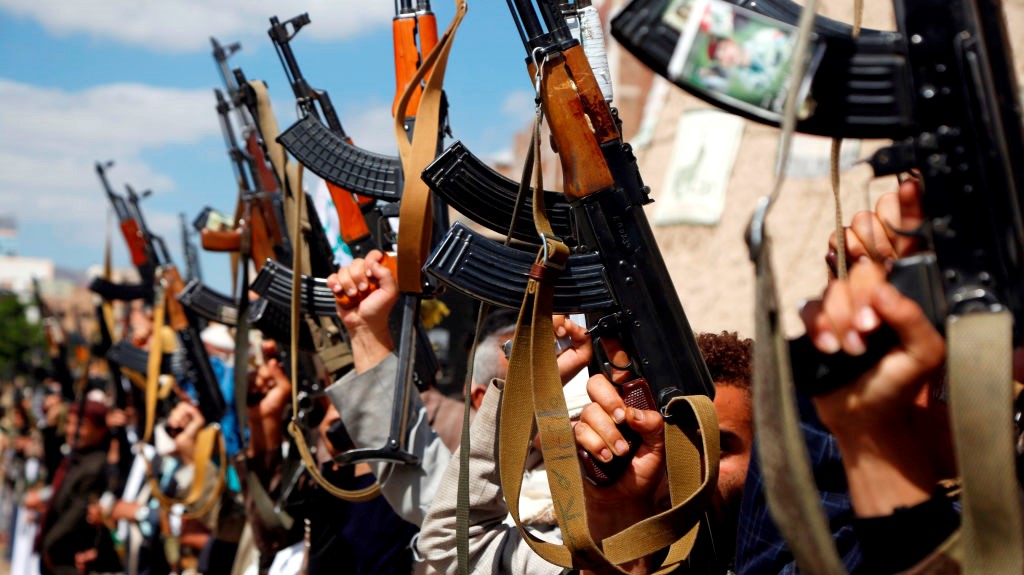
Having given Yemen’s Houthi rebels control over the ports of Hodeida governorate on humanitarian grounds as part of the December 2018 Stockholm Agreement, the international community has failed to address the looming environmental, economic, and political threats presented by the decaying Safer oil tanker sitting offshore — a “floating bomb” waiting to explode.
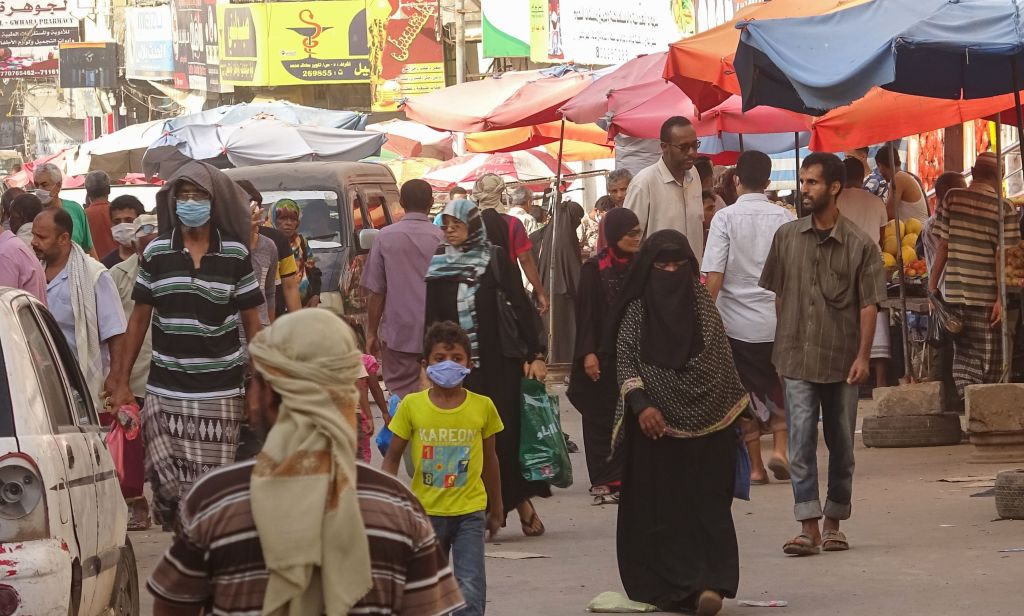
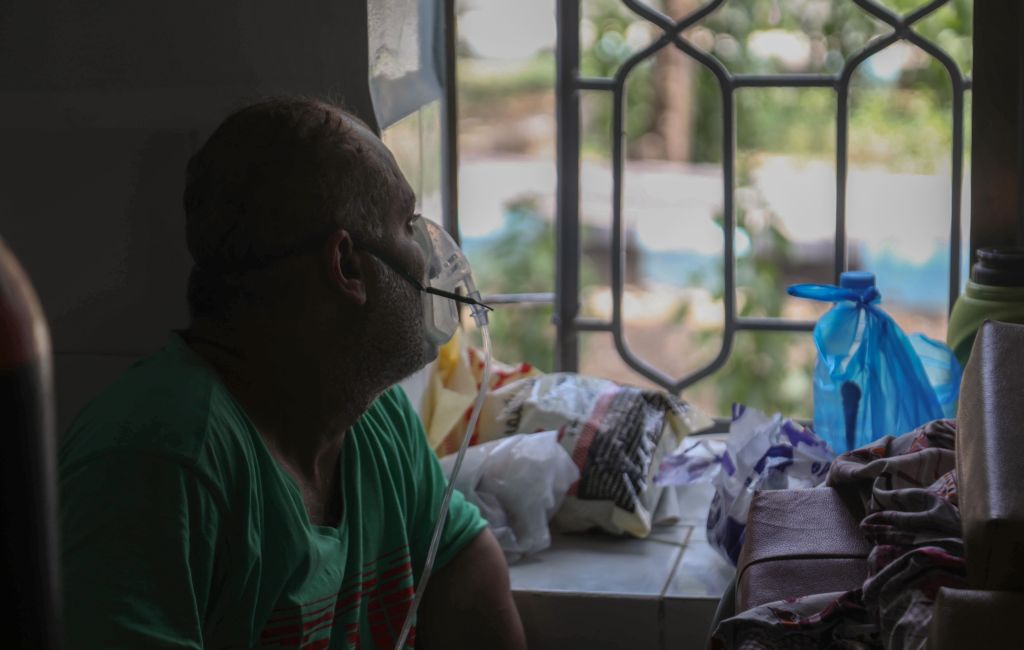
Since Yemen was first hit by the coronavirus in April, the southern port city of Aden has gone on to become the epicenter of COVID-19 in the country. While the number of cases and deaths remains low, the situation on the ground in Yemen is far more complex than the official numbers suggest.
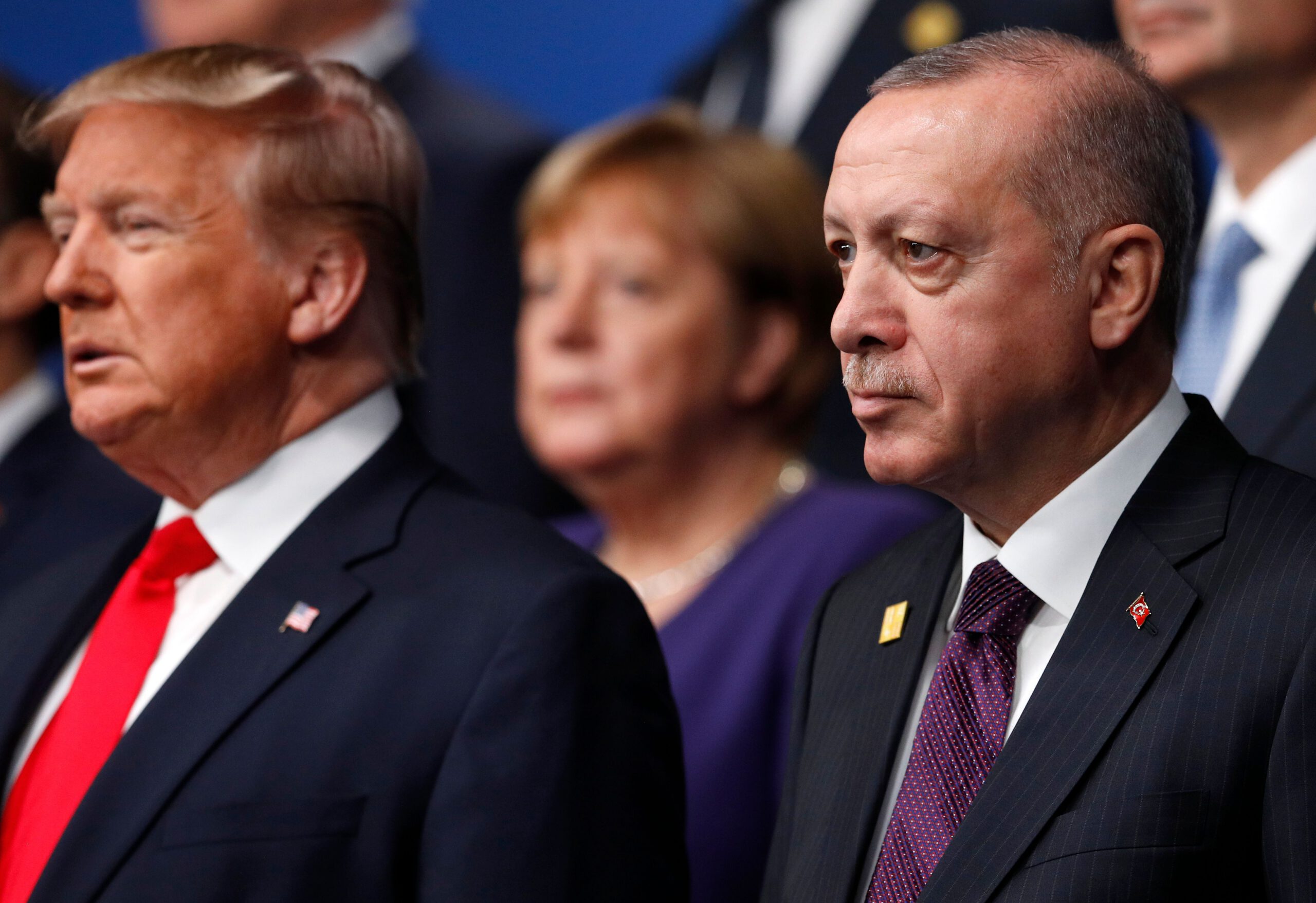
Turkish-US relations, while fraught with tension, must also align with a mutual interest in stability in the Middle East and preventing the spread of weapons of mass destruction.
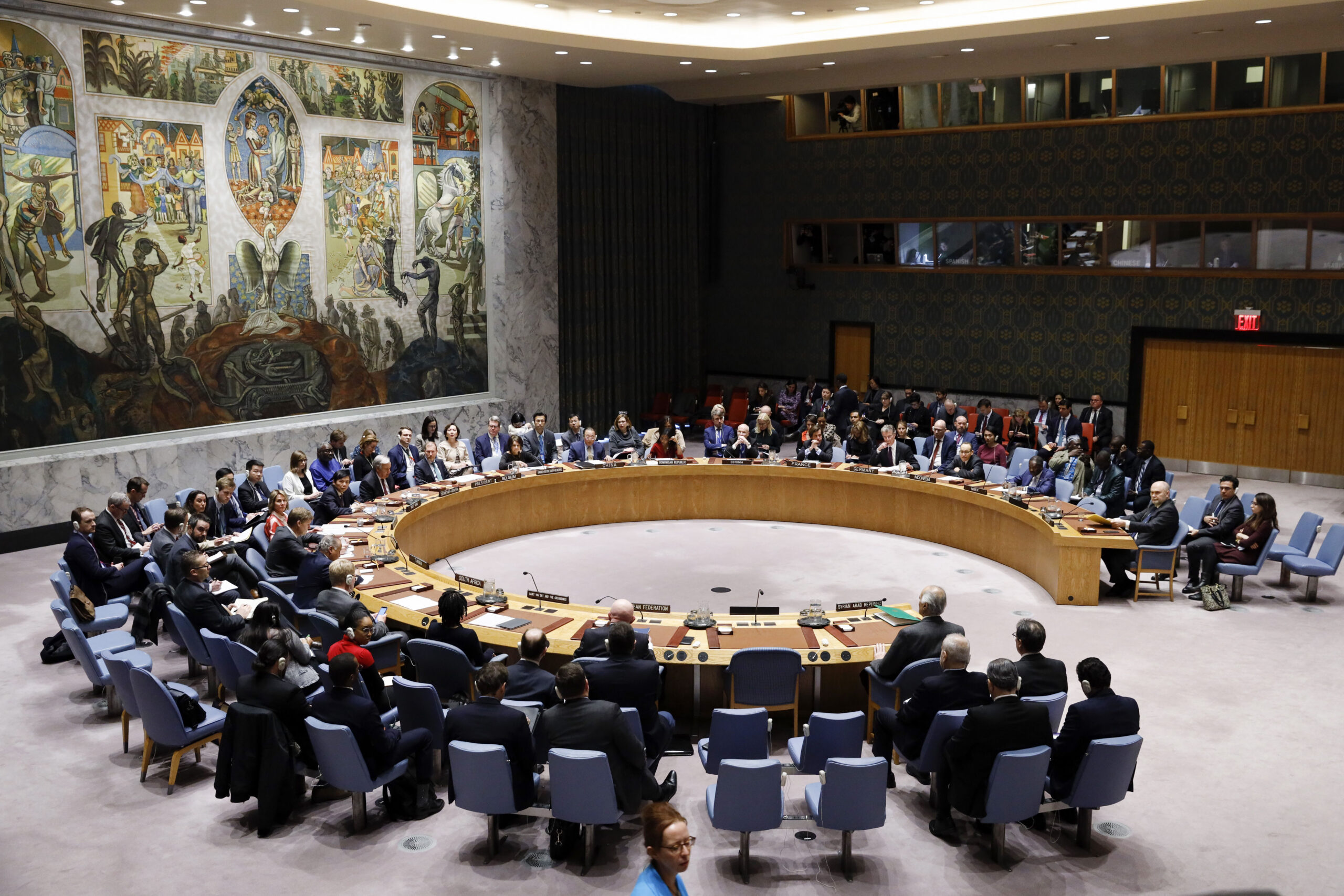
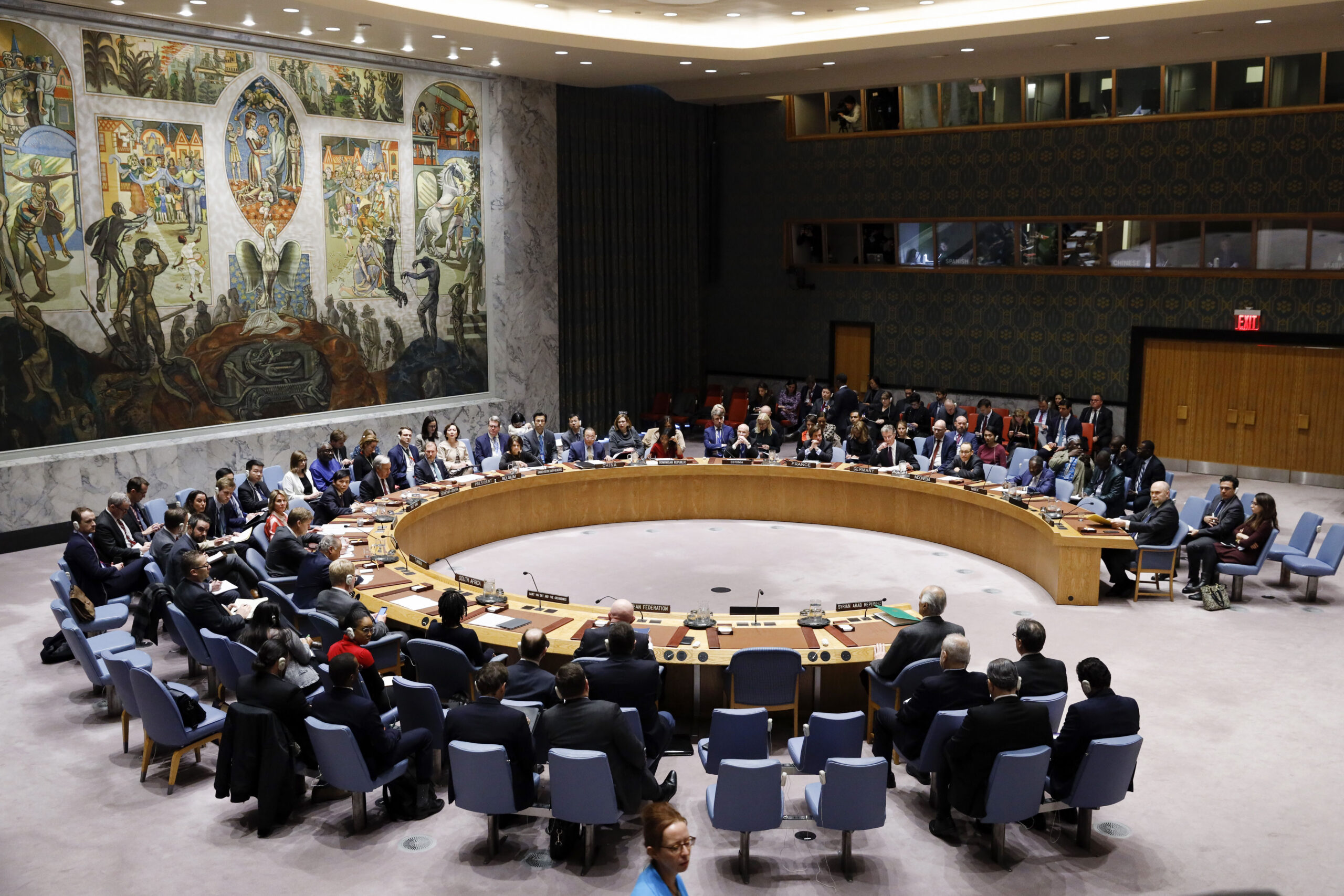
Monday Briefing: The UN Security Council must act now to save northwest Syria
This week’s briefing on recent news and upcoming events in the region featuring Dara Conduit, Marvin G. Weinbaum, Mark Heller, Syed Mohammad Ali, Gonul Tol, and Guled Ahmed.
“إن قرار المحكمة التركية الصادر في 3 يوليو/تموز القاضي بإدانة عضوين سابقين بمنظمة العفو الدولية/
الفرع التركي، بتهم الإرهاب هو أحدث مؤشر على أن التعسف ربما يكون السمة البارزة لنظام أردوغان الجديد”
حاول المراقبون للشأن التركي منذ فترة طويلة العثور على مصطلح يصف بدقة “تركيا الجديدة” تحت فترة حكم الرئيس رجب طيب أردوغان.
Yemen’s botched pandemic response and fragile conflict dynamics allow COVID-19 to spread undetected
On April 2, 2020, the Houthi version of Saba News Agency in Sanaa announced the first coronavirus case in Yemen, but shortly afterwards it retracted the news and the deputy chairman of the agency’s board of directors was fired. Many Yemenis had hoped the Saudi-led coalition’s blockade of the country and its resulting isolation might have helped to prevent an outbreak.
What happened in al-Awadh illustrates how the tribes are increasingly caught between the brutality of the Houthis and the incompetence of the Yemeni government.
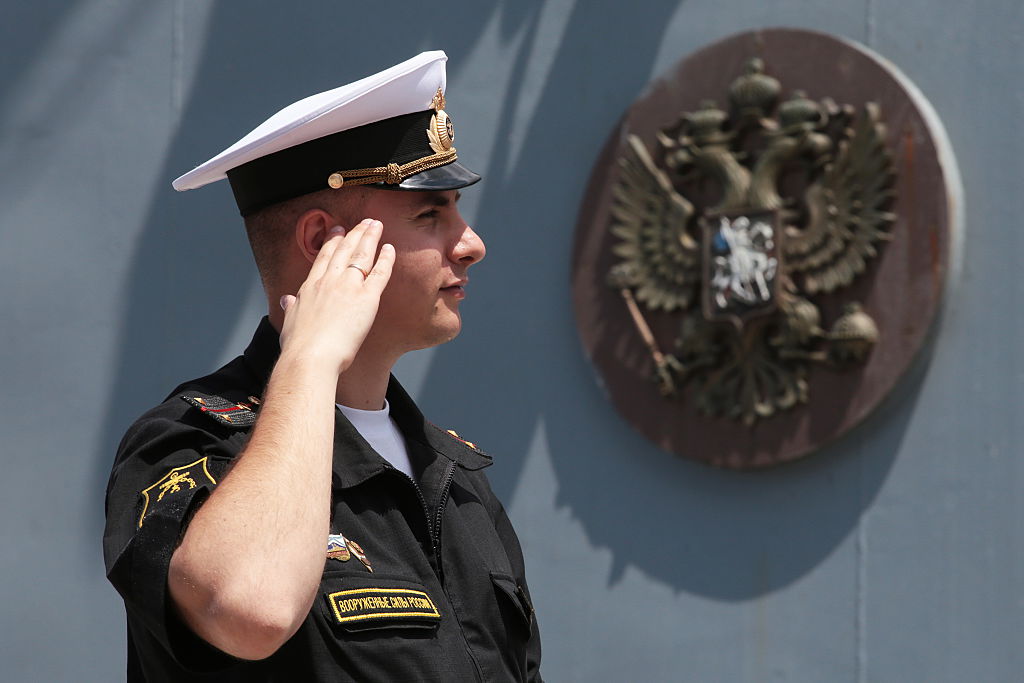
The Black Sea sits at an important economic and civilizational crossroads on the Eurasian landmass. The region contains oil and gas resources, key energy pipelines, shipping lanes, and fiber-optic cables. For Russia, the Black Sea is of particular importance for economic and geostrategic reasons.
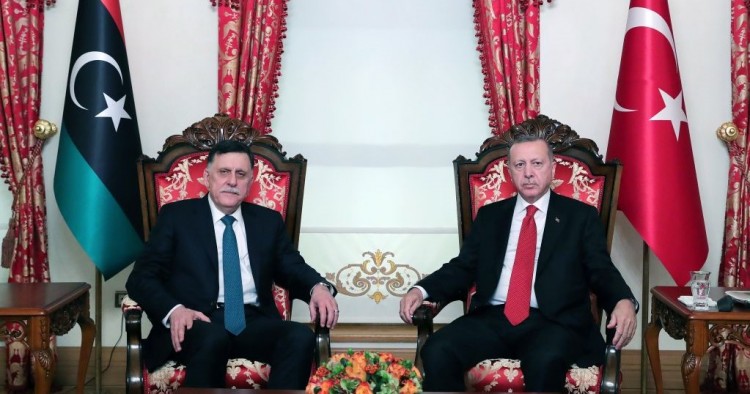
Turkey, the Gulf, and Libya: The economic impact of a growing geopolitical divide
Turkish support for the Tripoli-based Government of National Accord (GNA) in the Libyan civil war has added a new dimension to relations between Turkey and Gulf countries like the United Arab Emirates (UAE) and Saudi Arabia. But what impact have the growing geopolitical divides and diplomatic disagreements had on Turkish-Emirati and Turkish-Saudi economic relations?