How will the war in Ukraine affect EU-MENA relations?
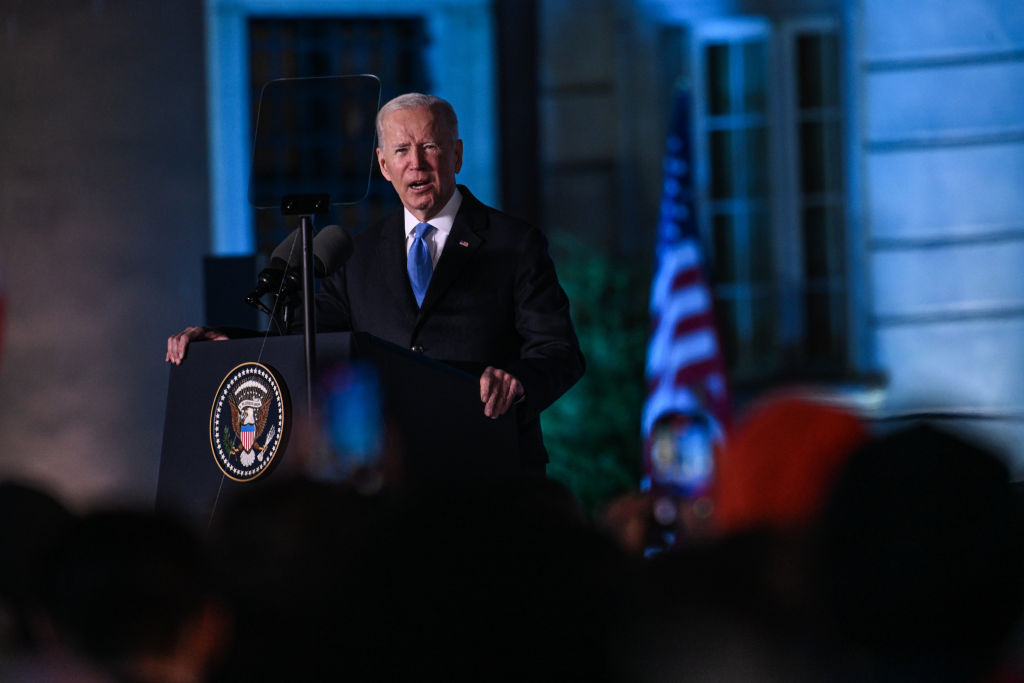
While most analyses of the war in Ukraine have tended to focus on the intra-European dimension, it is worth exploring the potential consequences of this conflict for the EU’s relations with countries further afield, especially those in the Middle East and North Africa.
الوجود الإيراني في الحسكة السورية دور متنامي ومصدر تهديد مباشر للقوات الأمريكية
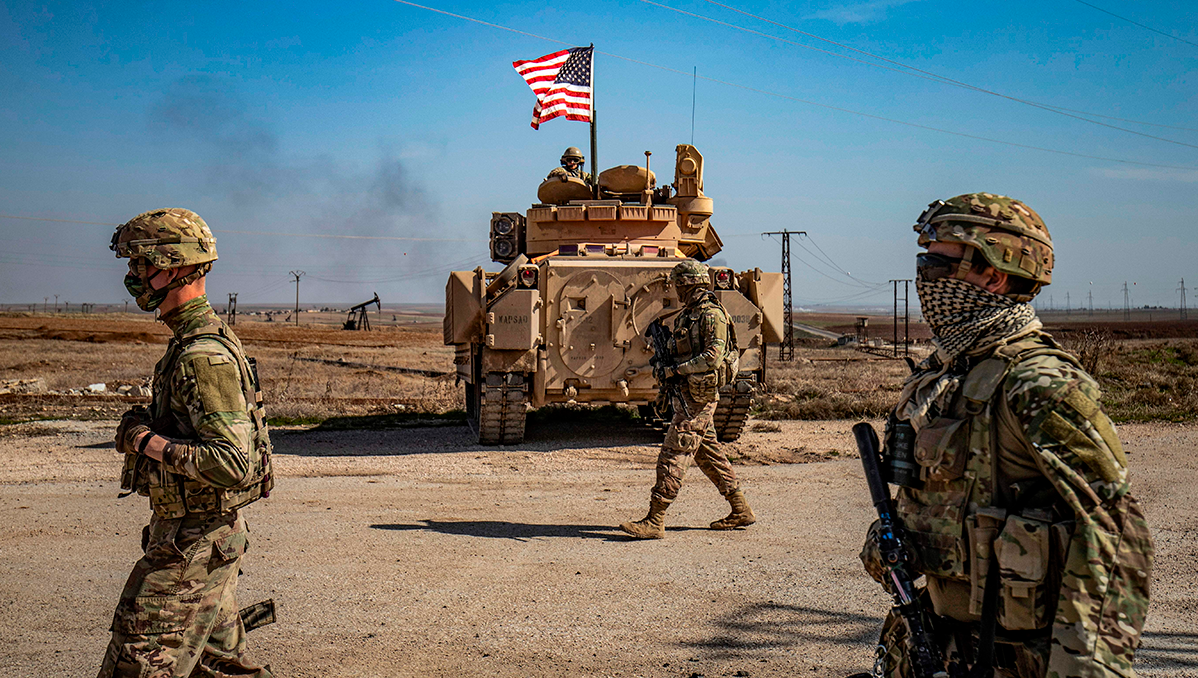
زيادة القدرات العسكرية واللوجستية للمليشيات الإيرانية في محافظة الحسكة، ازداد منذ مطلع عام 2022، بعد أن كان وجودها يقتصر على مجموعات عسكرية صغيرة وبعض المليشيات المحلية المدعومة من إيران، لكن الأحداث الأخيرة فتحت المجال لها للتغلغل داخل المجتمعات المحلية، مستغلة تراجع الدور الروسي في المنطقة وخلافات العشائر العربية مع الإدارة الذاتية وقوات سوريا الديمقراطية.
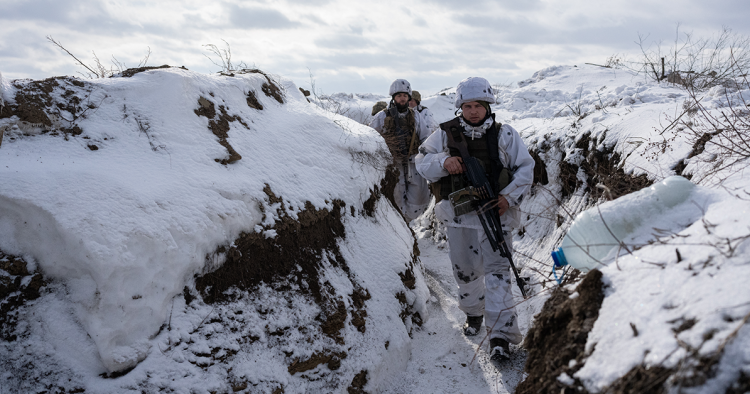
Fearing war fatigue in Ukraine or an escalation of tensions with the potential to spill over beyond region, the West is keen to act. But what can the EU and NATO do to help resolve the war in Ukraine?
Most of the reporting on Russian recruitment in Syria has involved half-truths, if not outright lies. While it does appear that some Syrians have signed contracts to fight in Ukraine, there is no guarantee these fighters will actually be sent there. The coverage of this topic has also missed a key aspect of who would actually be involved if Syrians really do deploy to Ukraine.
“Get them to the conflict zone”: Russia turns to Syrian fighters for support in Ukraine
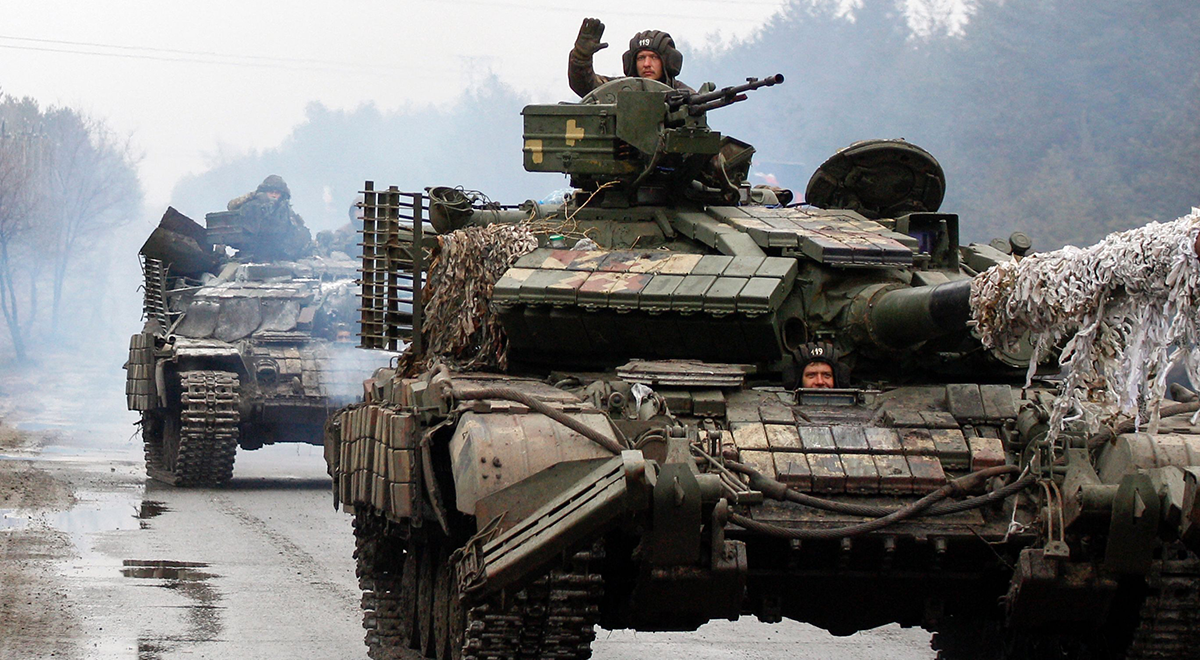
Doesn’t Russia’s egregious invasion of Ukraine look familiar? Whether it’s the flagrant attacks on civilians, the hospital bombings, siege tactics, or rampant disinformation, Ukraine’s parallels with Syria are just about everywhere one cares to look. However, yet another feature of Syria’s grueling war now appears set to be repeated amid reports that Russia is already recruiting Syrian fighters to join combat units on the frontlines in Ukraine.
Will Iran’s heavy-handed approach to deterring Israel backfire?
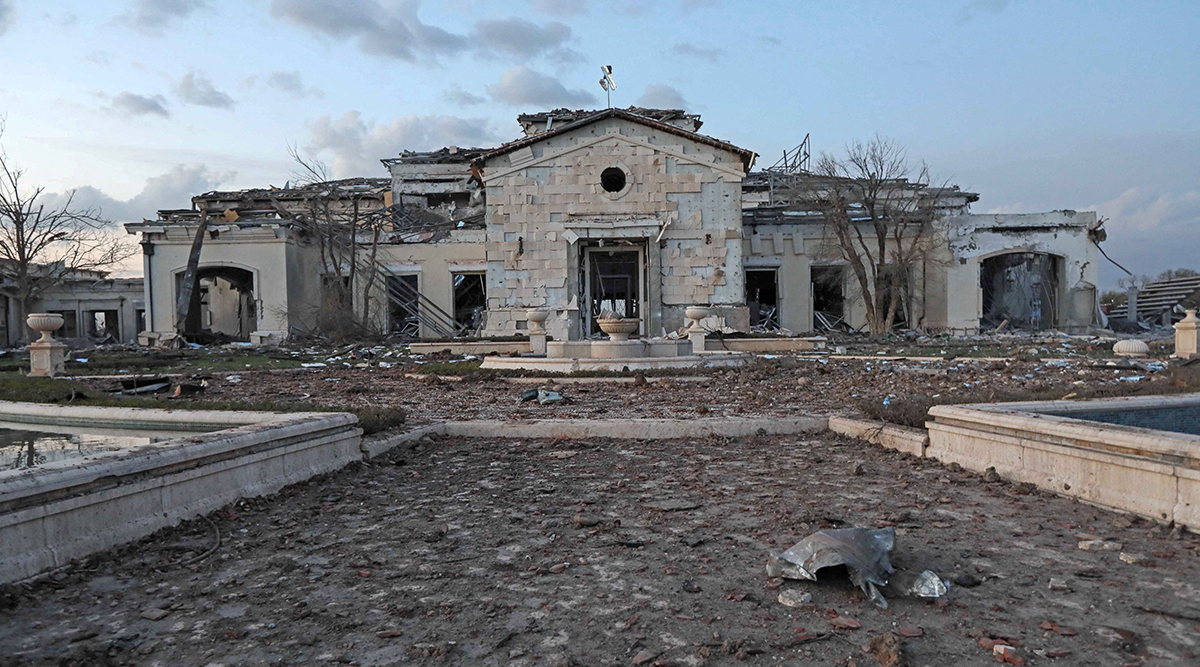
On March 13, Iran’s IRGC fired missiles at targets in the Iraqi Kurdish city of Erbil. While Tehran’s threat of force might shape the calculations of regional states that are weighing the pros and cons of establishing closer ties with Israel, the Iranians will inevitably have to reckon with the possibility that this heavy-handed approach may backfire.
Severe sand and dust storms are an underrated risk in the Gulf region, despite mitigation measures
The precise causes of sand and dust storms (SDSs) are not fully known, but they are becoming better understood. Armed with this knowledge, regional actors are beginning to respond in the face of intensifying SDSs.
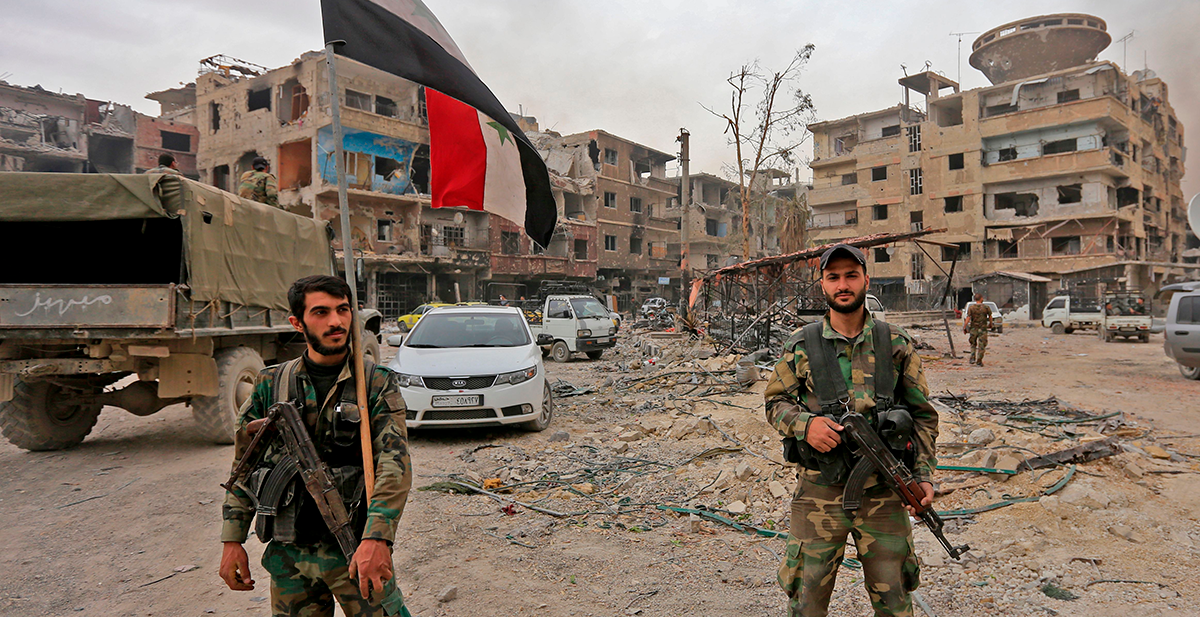
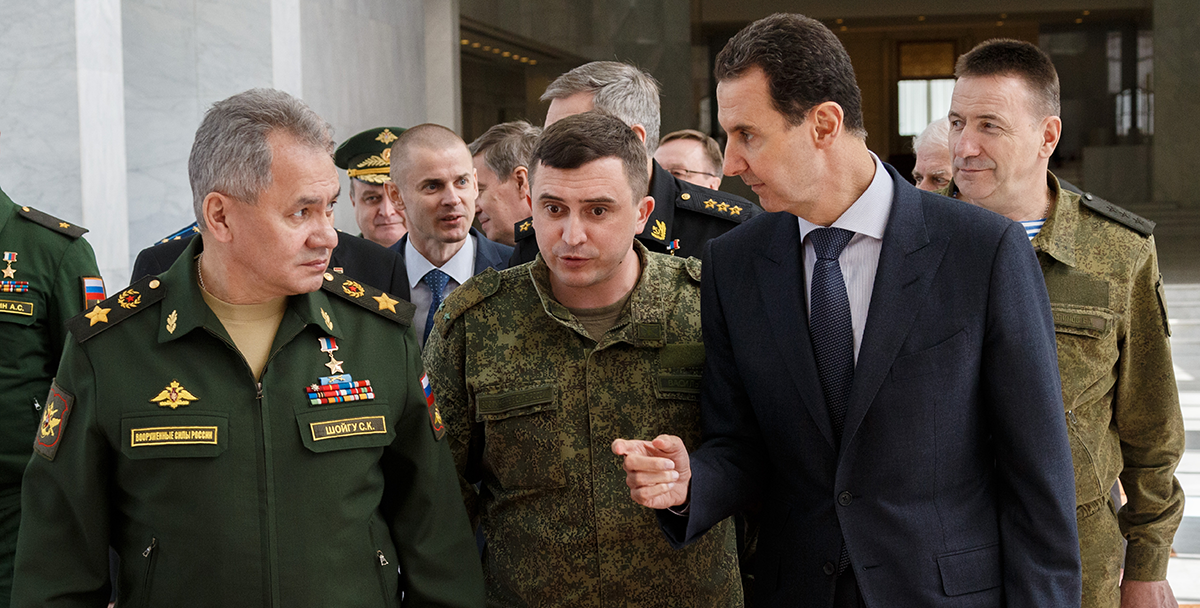
As Russia pushes on with its relentless invasion of Ukraine, Damascus has done more than toe the proverbial Kremlin line — it has shown complete solidarity with its superpower patron.
Drones are re-engineering the geopolitics of the Middle East
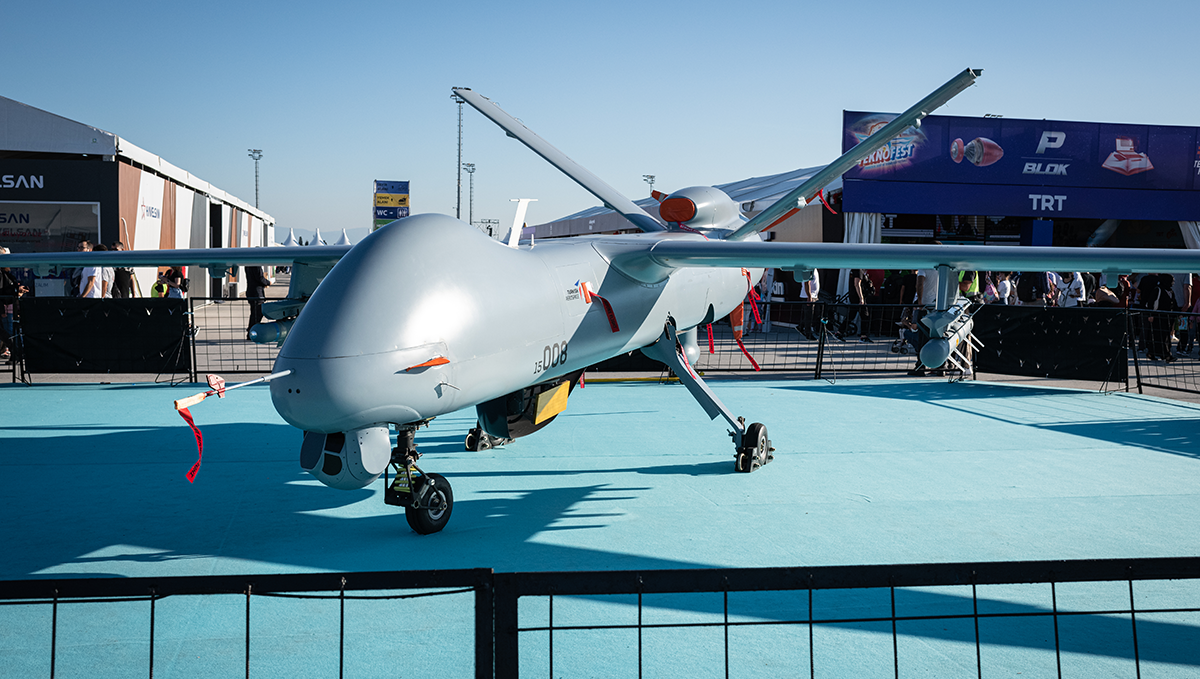
The Middle East is experiencing a seismic shift in its geopolitics: the dawn of the era of drones. From Syria to Libya and from Yemen to Iraq, UAVs have altered the dynamics on the battlefield. Agile and affordable, drones aren’t just a menace to remote conflict zones, but also to states far removed from theaters of war.
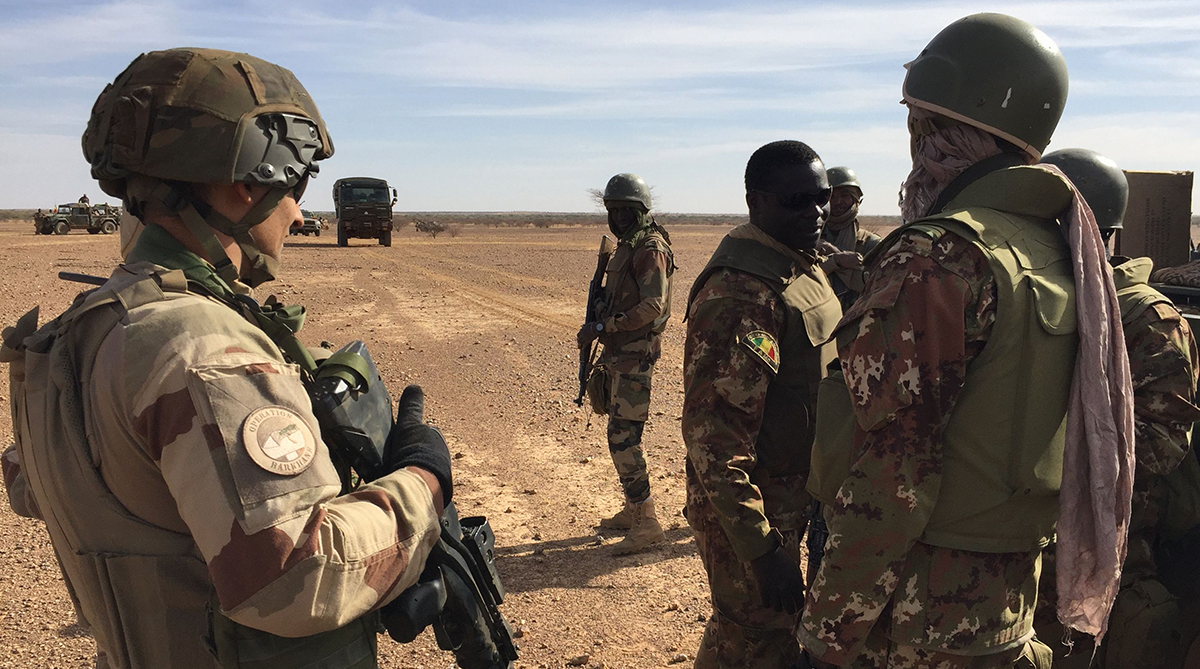
On Feb. 17, French President Emmanuel Macron announced the coming withdrawal of French armed forces from Mali. The decision put an end to nine years of French military intervention in the West African country.
While there are similarities between Georgia in 2008 and Ukraine today, we argue that overstating them leads to a deeper misunderstanding of both conflicts and leaves out significant differences that need to be addressed.
Russia doesn't see Israel as a preferred strategic partner over Iran
Iranian observers argue that Russia is willing to sacrifice Iranian interests when expedient, and some might even think that Russia is pivoting toward Israel in its Middle East policy. Nonetheless, the big picture of Russo-Iranian relations over the last decade reveals security cooperation between Tehran and Moscow that stands on a strong and reliable foundation, with both countries benefitting.
Is the Middle East next on Putin’s agenda? What the US can do to prepare
Conventional wisdom has it that the conflict in Ukraine will lead the U.S. to bolster its military presence along NATO’s boundary in Eastern Europe, with a concomitant downscaling in the Middle East. While presenting a robust front in support of NATO is of course critical, it would be a mistake to do so at the expense of the U.S. military presence in the Middle East at a time when it appears likely that Russian President Vladimir Putin has chosen the region as the venue for the next moves in his campaign to marginalize the U.S.
The new face of war: Devastating drone attacks in Ukraine have implications for the US military in the Middle East
In dramatic video coverage currently going viral on YouTube and TikTok, Ukrainian drones are seen to destroy a Russian convoy, with startling speed — and total impunity. The story of how destructive such drone attacks are proving to be was picked up by several U.S. papers, and brought to light the capability of the Turkish-made Bayraktar TB2 drone. Despite its emergence as an inanimate hero of the Ukraine conflict, the story of the TB2, and its employment by various actors over the last three years, brings with it a dire warning for the U.S. military.