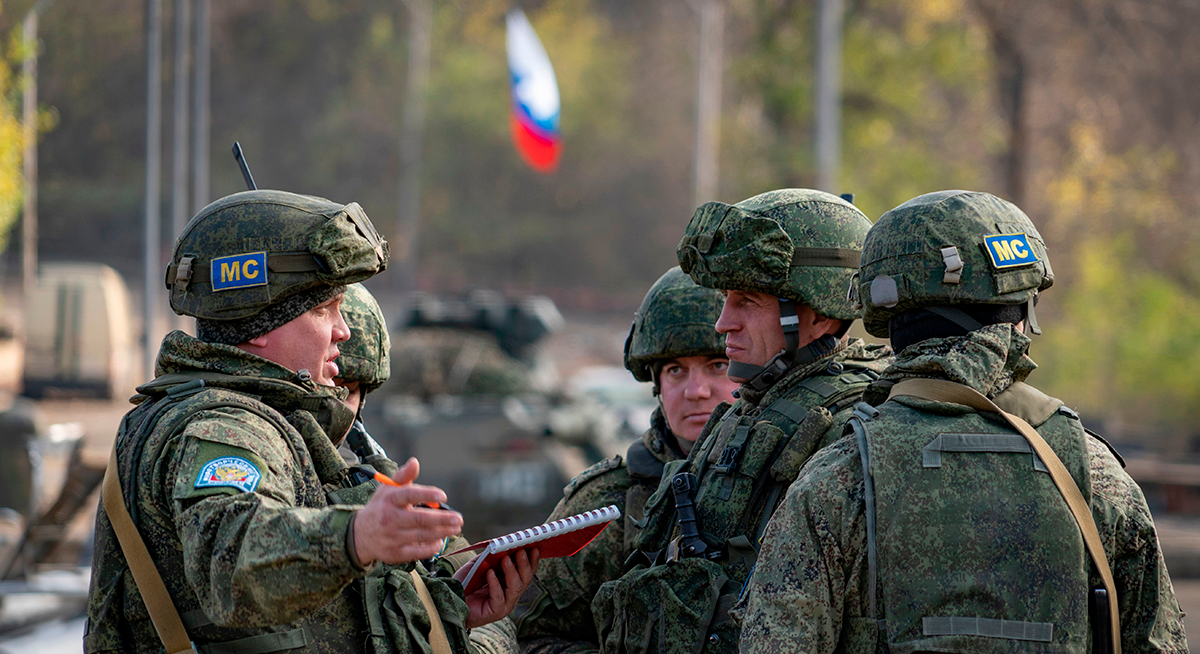
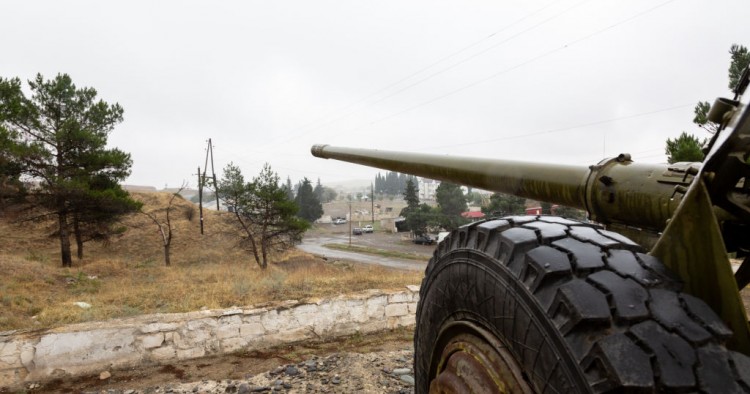
The recent ceasefire agreement signed by Armenia, Azerbaijan, and Russia halted the armed phase of the Nagorno-Karabakh conflict following 45 days of fighting and thousands of military and civilian lives lost on both sides. Russian peacekeepers have already been deployed to the conflict zone to oversee implementation of the agreement. It now remains to be seen whether they will be joined by Turkish counterparts, either in the field or at a joint monitoring center in Azerbaijan. The latter is the first disagreement between Moscow and Ankara over peacekeeping in the region.
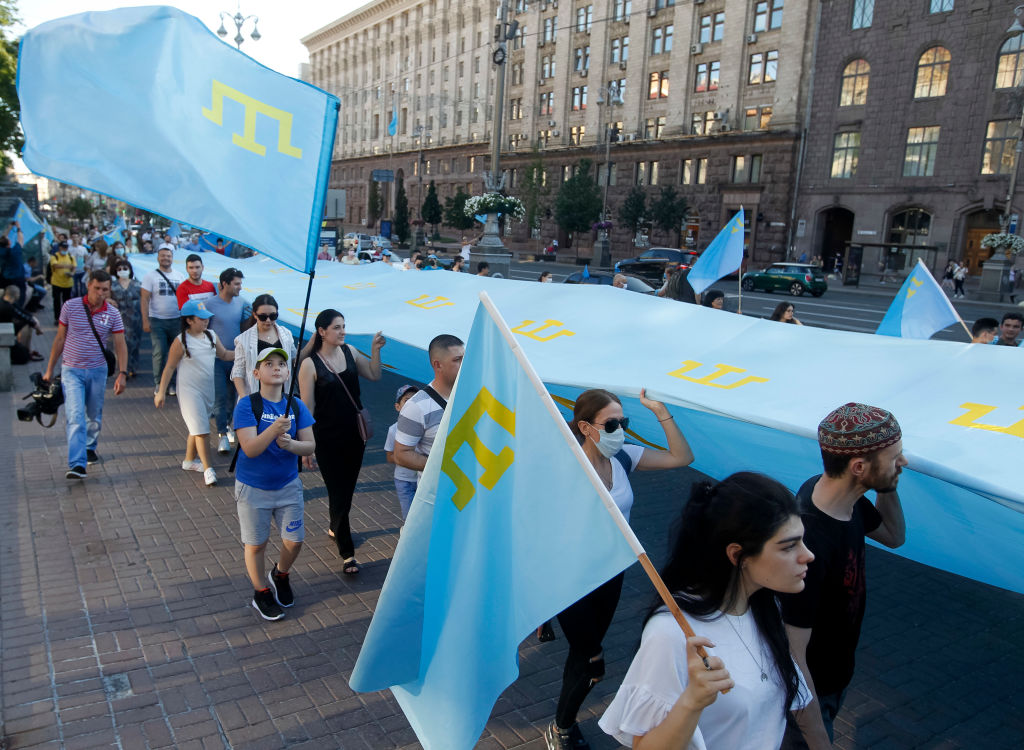
The geopolitics of Crimea are important, but we mustn't overlook the persecution of Crimean Tatars
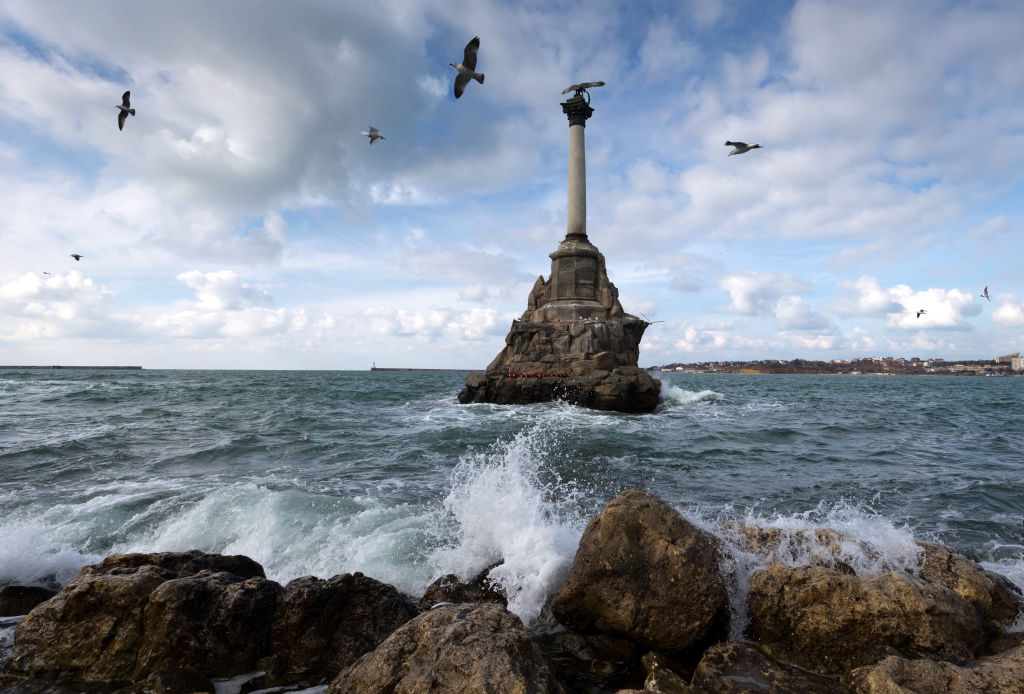
When commentators and policymakers discuss Russia’s illegal annexation of Crimea in 2014, the focus is often placed on geo-politics and Black Sea security. This is understandable. While the geo-politics of Crimea are important, one should not overlook the tragedy taking place to many of the people living there. This is especially true with the Crimean Tatar community – an ethnically Turkic and religiously Sunni Islam minority population which has faced decades of religious and political persecution under Russian domination.
Iran’s strong hand in the Arab world is missing in the Caucasus
Iranian military advisers and pro-Iran foreign proxy groups are present from Yemen and Iraq to Syria and Lebanon. Tens of thousands of armed men operating across the Middle East look to Tehran for guidance and patronage. This sort of sway has made Iran into a regional power broker — at least in the Arab world. But Tehran’s deep ideological and financial investments in Arab states have come at the expense of neglecting Iranian interests closer to home.
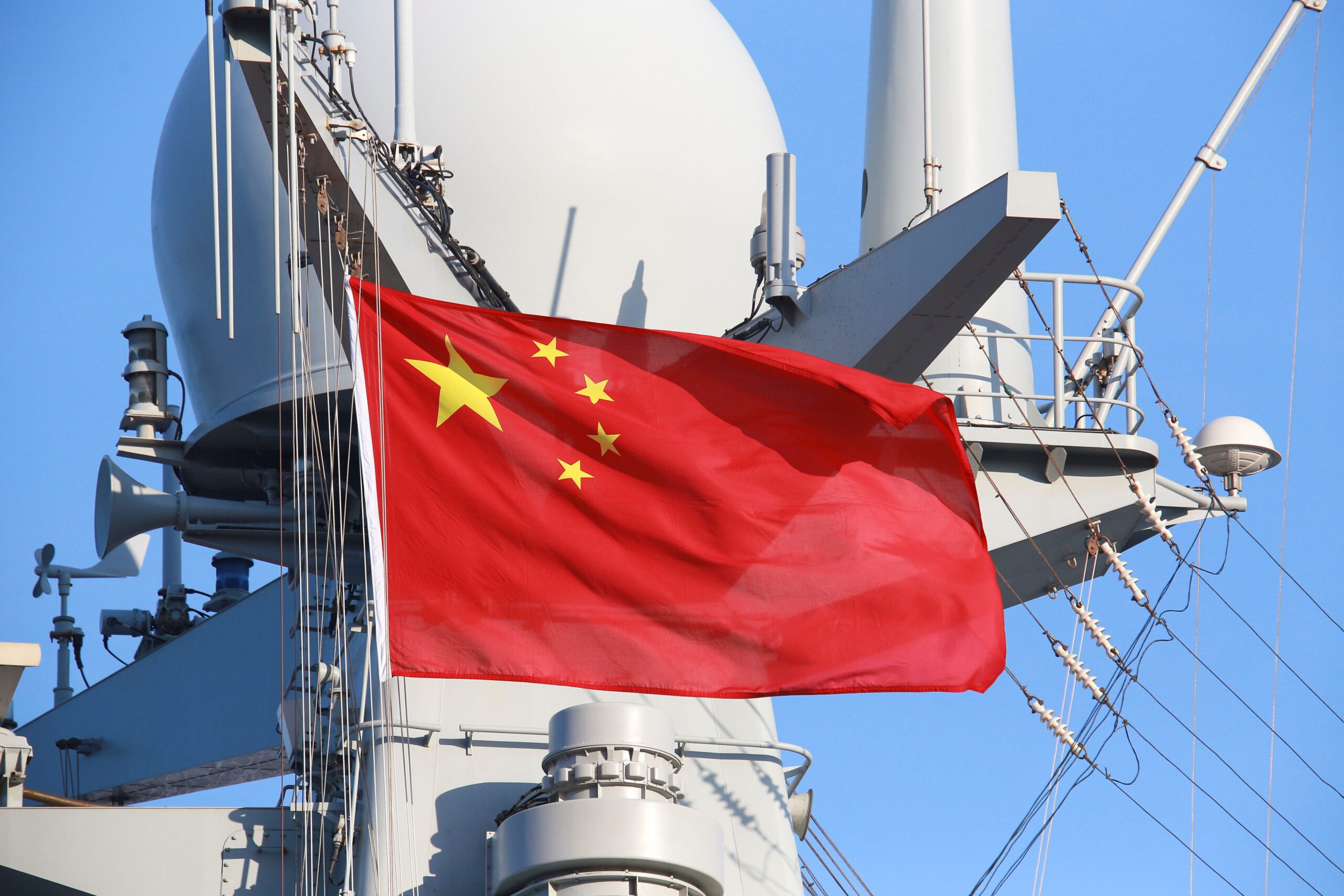
Through its Belt and Road Initiative, China seeks to play a larger role in the Black Sea region. China has been wooing littoral states in hopes of securing new markets for its goods and investing in infrastructure projects. But some worry that there is more to Chinese actions in the region than meets the eye. The worry is that China will increase its political and diplomatic clout in a region that is considered vital for Russian interests and create tension between Moscow and Washington. Despite the uneasiness in the West about China’s increasing presence in the Black Sea, there is not enough focus on the issue in the scholarly debates in Western capitals. The MEI’s Frontier Europe Initiative aims to contribute to the debate on the role of China in the Black Sea. We hope the articles in this report will help to address several important unaddressed questions.
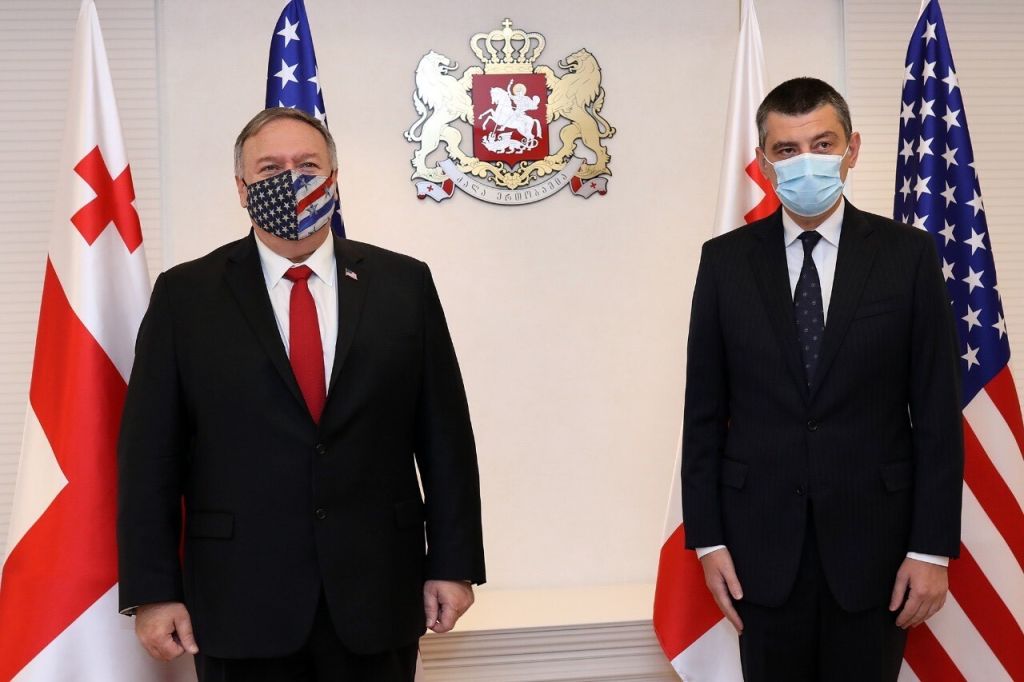
Pompeo’s visit to Tbilisi is a both a victory lap and an opportunity
Pompeo’s visit to the small post-Soviet democracy Georgia reflects U.S. efforts to reassure Georgia of its support as a strategic partner. As possibilities for Western engagement in Eastern Europe and the South Caucasus are increasingly diminished by Russia’s rising force projection, the visit is an opportunity to consolidate President Donald Trump’s regional focus on great power competition with China and Russia.
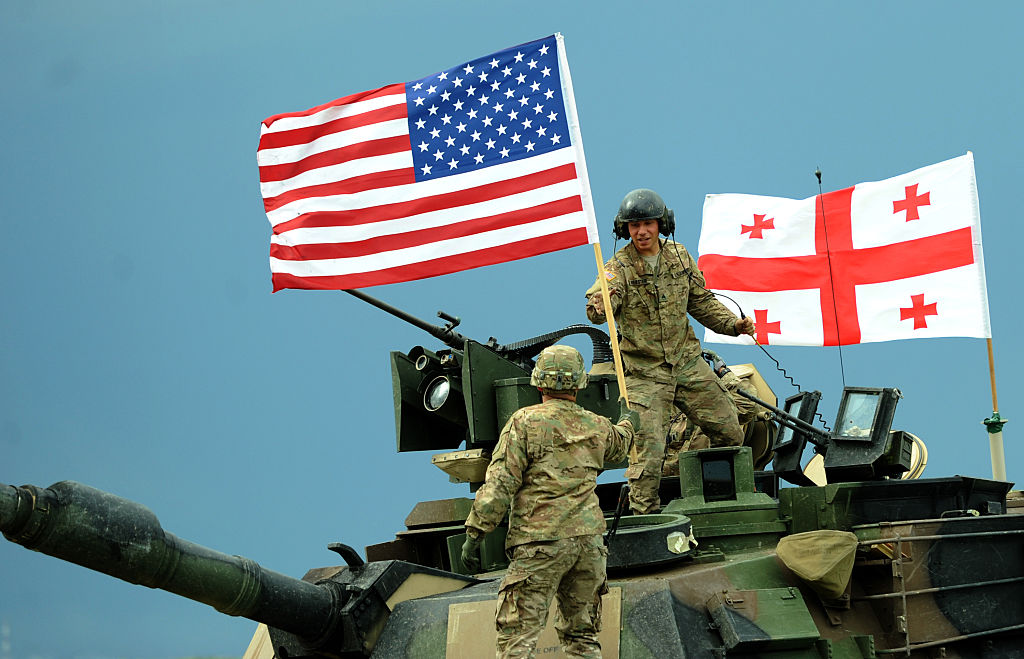
United States-Georgia Charter on Strategic Partnership: Defense and Security
As part of these two countries’ defense and security cooperation, the US provides financial support to the Georgian military, support for Georgia’s territorial defense and sovereignty, and, ultimately, for Georgia’s procurement of US defensive weapons. This triple combination ensures Georgia’s military strength and demonstrates America’s unwavering support for Georgia’s independence, sovereignty, and territorial integrity. However, a lack of medium- to long-term US political and military commitment to Georgia’s security could put Georgia in jeopardy.
The role of the West in countering Russian Passportization in the Black Sea
‘Passportization’ has been a longstanding policy of Russia as it seeks to maintain control over former Soviet countries. The policy is a functional ideological mechanism that has served as a complementary argument to Russia’s military interventions in the Black Sea region and influence in domestic affairs of post-Soviet countries. In recent years, the consequences of passportization have been felt in the Baltic States, as well as break-away territories of the Republic of Moldova and Georgia. It also preceded the annexation of Crimea and anticipated the breakaway of Eastern Ukraine.
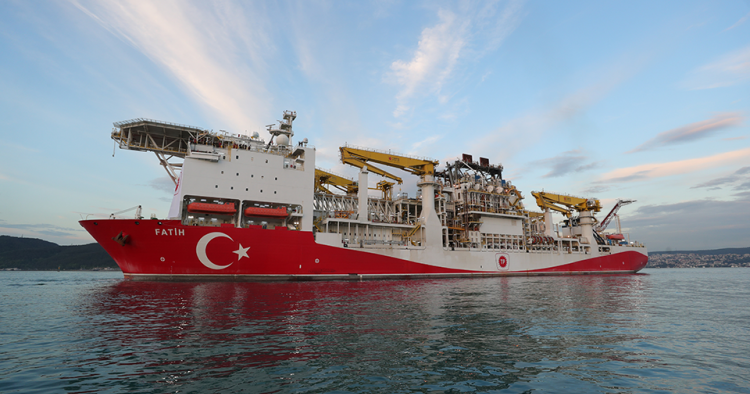
Running out of steam? The energy argument and the Black Sea
With the Trans Adriatic Pipeline (TAP) set to start operations in November 2020, the Black Sea once again lives up to its reputation as being of strategic interest to European energy security. As the final component of the European Union’s Southern Gas Corridor, TAP allows gas from Azerbaijan’s Shah Deniz field to be pumped to Georgia and onward to Turkey, Greece, and Albania.
Georgian Elections 2020: A strong mandate for democratization and Westernization
The Georgian Dream government managed the pandemic too well not to ensure a landslide. Georgia’s 2020 free and fair elections secure the country’s position as a regional beacon of democracy. Such well-deserved democratic progress shines bright in the context of democratic backsliding across Central and Eastern Europe. Georgia’s ruling party will face two major challenges over the next four years: first, a proportional electoral system which will institutionally strengthen the opposition, and second, the most difficult economic recovery it has seen in a decade of power.
Ukrainians are pondering what their recent local elections mean for the future of their nation. While results varied across different regions, it’s clear most of the population has grown ambivalent and cynical about the political process, with their country is battered by economic hardship, invasion by Russia, a thus-far disappointing record of performance by the current President Volodymyr Zelenskiy, and now the disastrous effects of COVID-19.
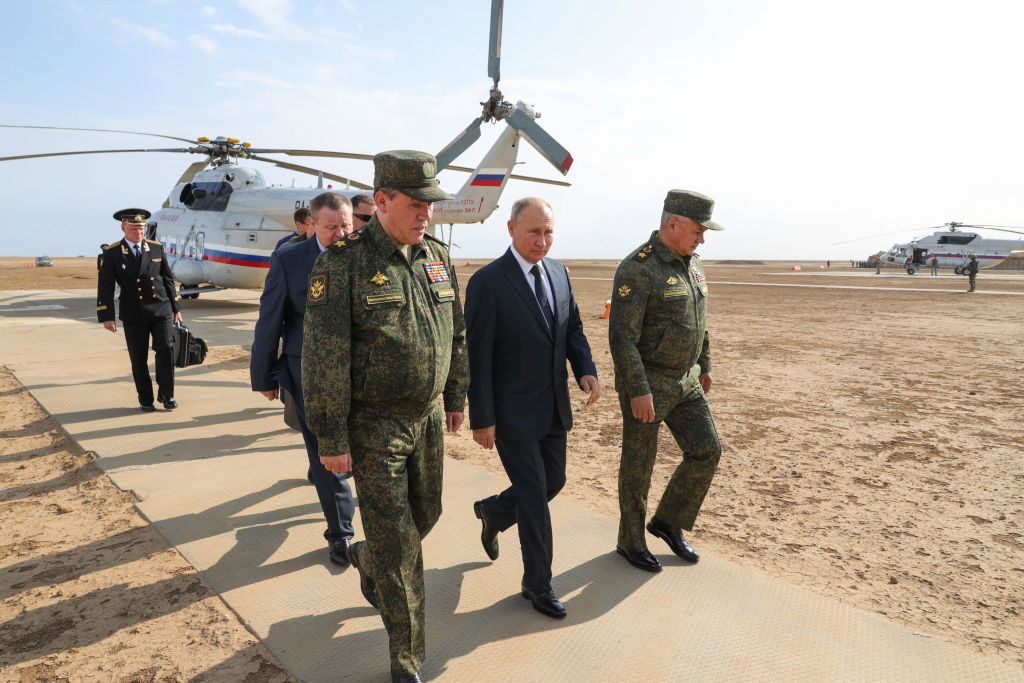
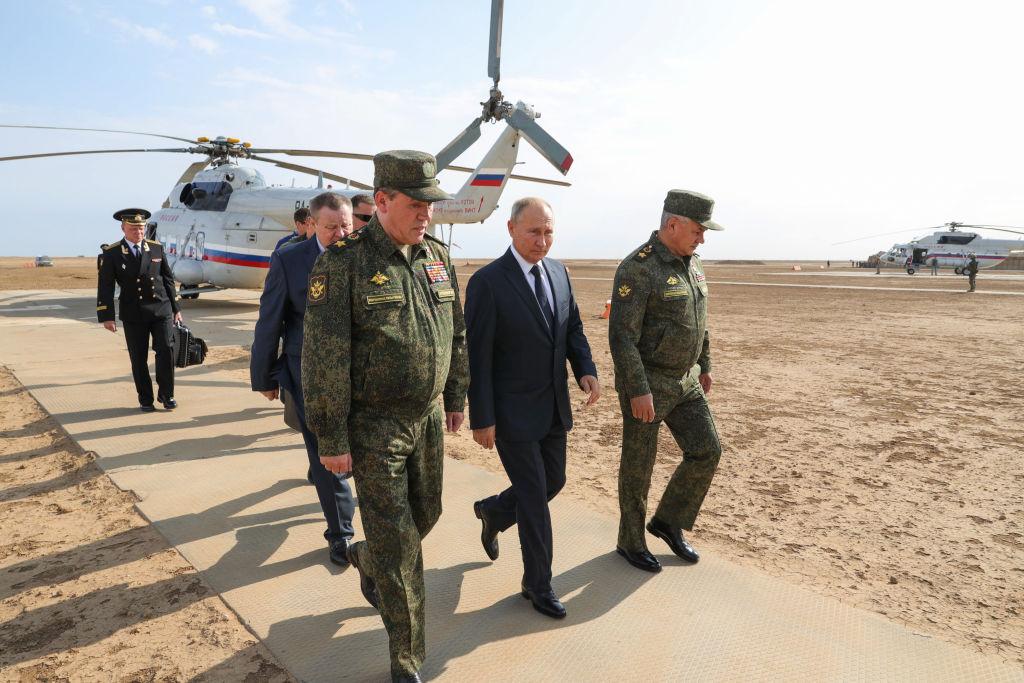
Kavkaz 2020: Russia’s latest military exercise highlights its strengths and limitations as a regional hegemon
Kavkaz 2020, the latest in Russia’s series of major military exercises, demonstrated its burgeoning military capabilities on its southern flank. Several lessons for both the region and outside observers can be drawn from the exercise, but when juxtaposed with the subsequent flare-up of hostilities between Armenia and Azerbaijan, they emphasise not just Russia’s strengths but also its limitations.
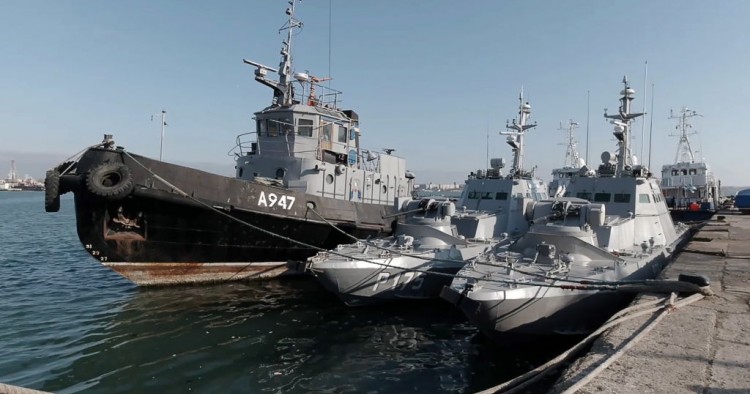
The Significance of Ukraine's Maritime Industry for the Black Sea, and Beyond
While the geopolitical importance of the Black Sea is indisputable, more attention is needed to its separate actors. Ukraine, having had the largest territory of coastline in the Black Sea before the illegal annexation of Crimea, is ideally positioned to play a central role in the future of the region.
TurkStream 2 or Balkan Stream? Either way, Moscow is the main beneficiary
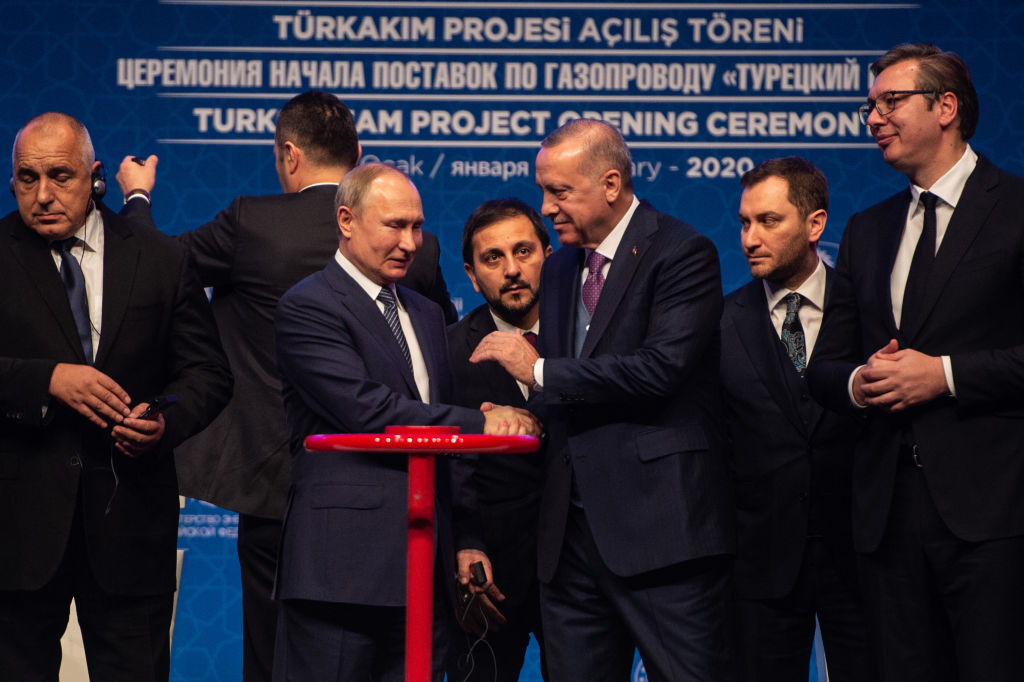
TurkStream, the much discussed gas pipeline across the Black Sea, is now a reality. In January, President Recep Tayyip Erdogan and President Vladimir Putin presided over the launch ceremony in Istanbul. Gas shipped over the so-called “Western route” is now pumped into the Turkish grid through TurkStream rather than via Ukraine, Romania, and Bulgaria as before.
Russia and Turkey in Nagorno-Karabakh: A recipe for long-term instability
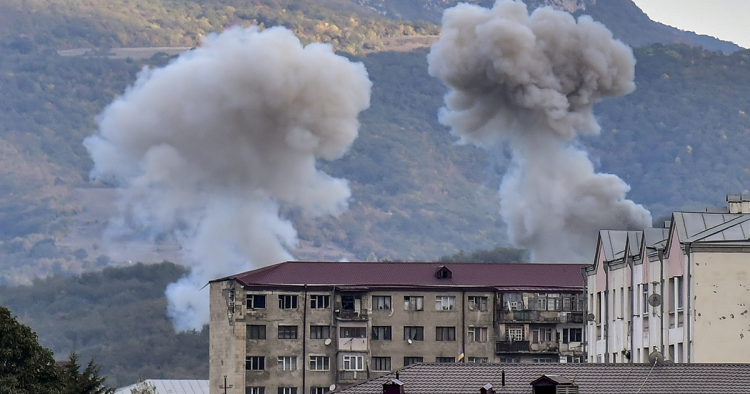
Deadly fighting between Armenian and Azerbaijani forces over the disputed enclave of Nagorno-Karabakh has continued unabated for over a month. This so-called “frozen conflict” on Russia’s periphery was never truly frozen. Unresolved grievances on both sides festered for almost three decades, and smaller skirmishes periodically erupted. But this time the fighting emerged as the largest and deadliest flare-up and even spilled into neighboring Iran. Turkish President Recep Tayyip Erdogan’s support for Azerbaijan played a decisive role in raising the scale and turning the tide in favor of Azerbaijan. Turkish involvement raises questions about Moscow’s role and expectations, and the broader Russia-Turkey relationship.
Escalation in Karabakh: Implications for the Southern Gas Corridor
The renewed military conflict in Nagorno-Karabakh between Azerbaijan and Armenia threatens geopolitical stability in the wider Black Sea-Caspian region, and has the potential to evolve into greater regional escalation. The scale of military operations, and range of heavy military equipment involved, is increasing risks for major energy and transportation infrastructure, which connect Caspian oil and natural gas fields in Azerbaijan to major energy markets in Turkey, the Mediterranean, and different parts of Europe.