Amb. Gerald Feierstein, Bilal Saab, and Karen Young join guest host Brian Katulis to discuss their recent MEI policy paper, US-Gulf Relations at the Crossroads: Time for a Recalibration, and why they believe now is not the time to disengage from the region.
The Yemen government reorganizes, but will it open the door to end the conflict?
At the conclusion of a week of Yemeni-Yemeni internal deliberations hosted by the Gulf Cooperation Council (GCC) in Riyadh, the government of Abdo Rabo Mansour Hadi announced sweeping changes meant to clear away obstacles to cooperation among the anti-Houthi forces in the country and, perhaps, open the door to negotiations to end the civil war now in its eighth year.
Saudi Arabia’s international natural gas aspirations
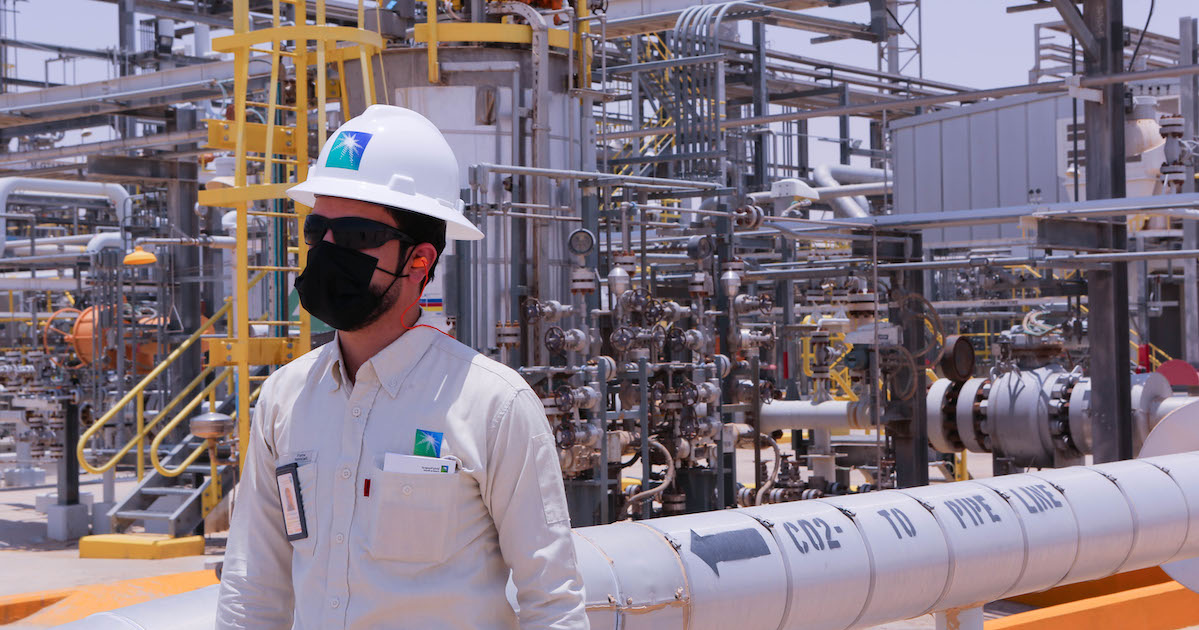
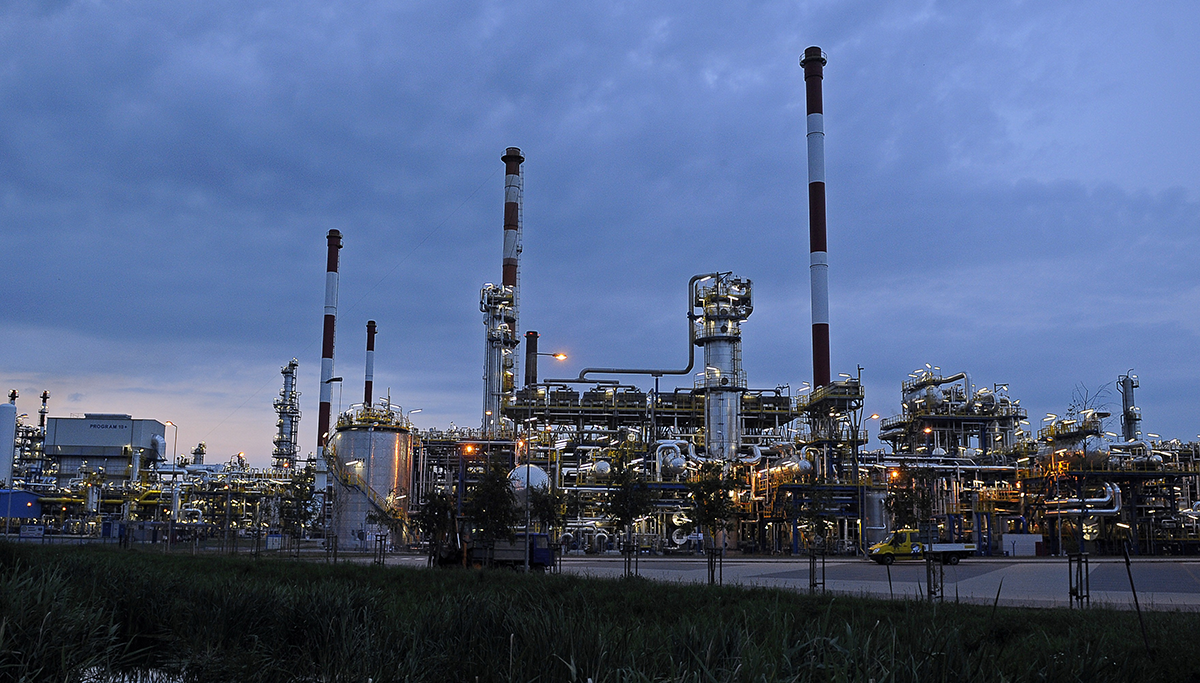
Saudi Aramco seeks to enter the global gas business again. The company aims to build new business opportunities in the hydrogen and CCS sectors utilizing forecasted new domestic gas production. Its main challenges are long-term consistent commodity-cycle-insulated investment and domestic gas resources.
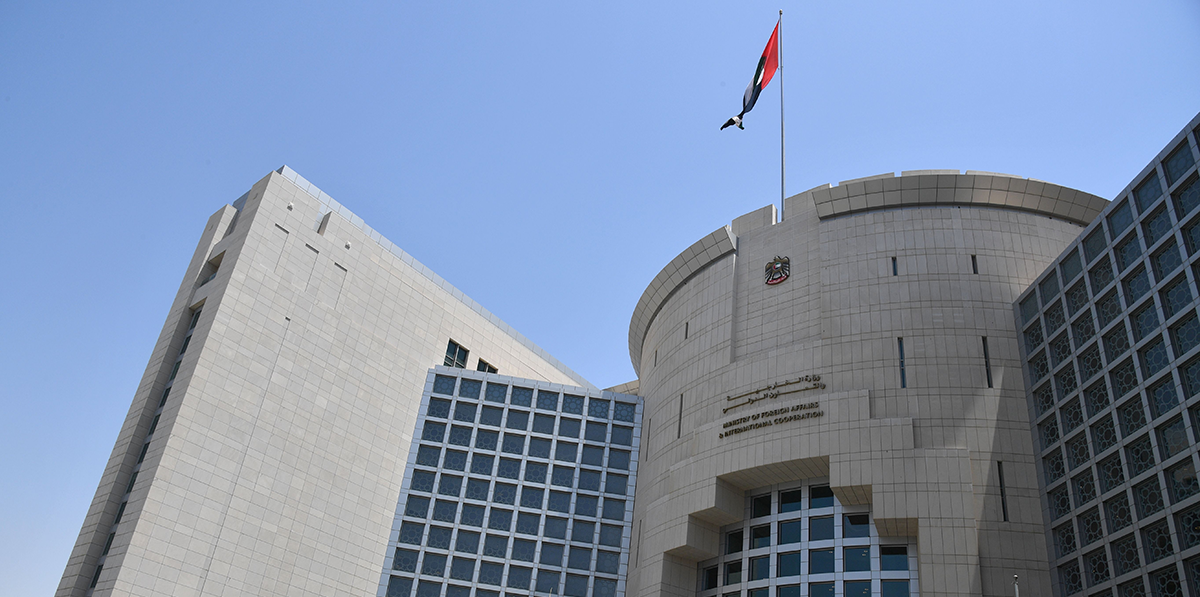
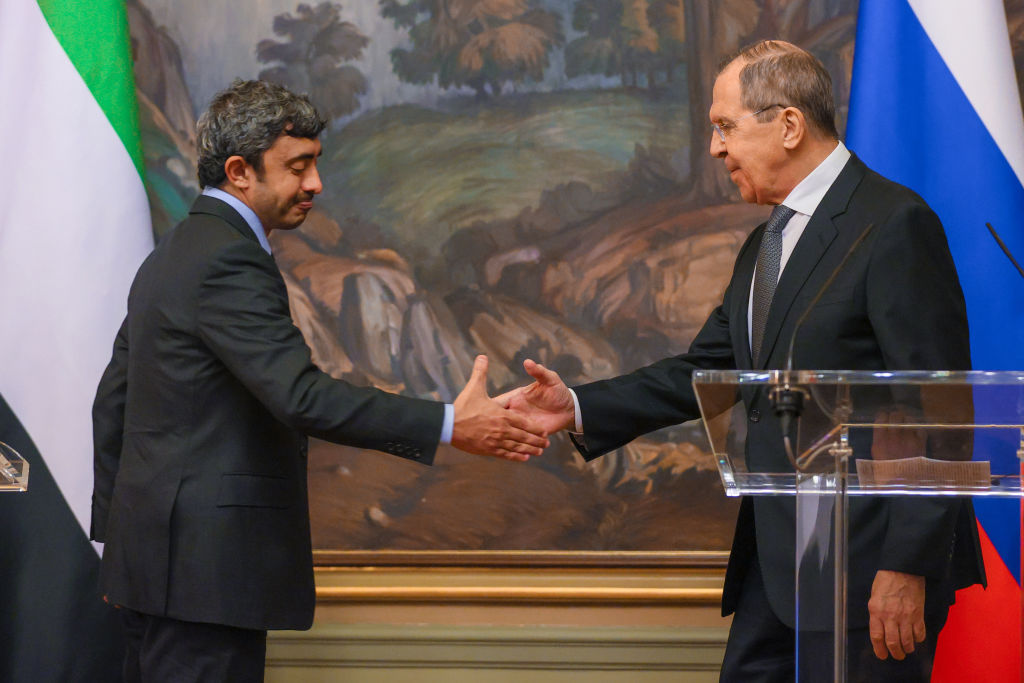
Some observers have been perplexed by perceived changes in the UAE’s foreign policy on a number of fronts. These supposed changes, however, are more consistent than they may first appear and certainly do not reflect the wider strategic direction of the UAE. These policy moves can be better understood through three “keys” that explain the UAE’s strategic map and its international engagement.
US-Gulf Relations at the Crossroads: Time for a Recalibration
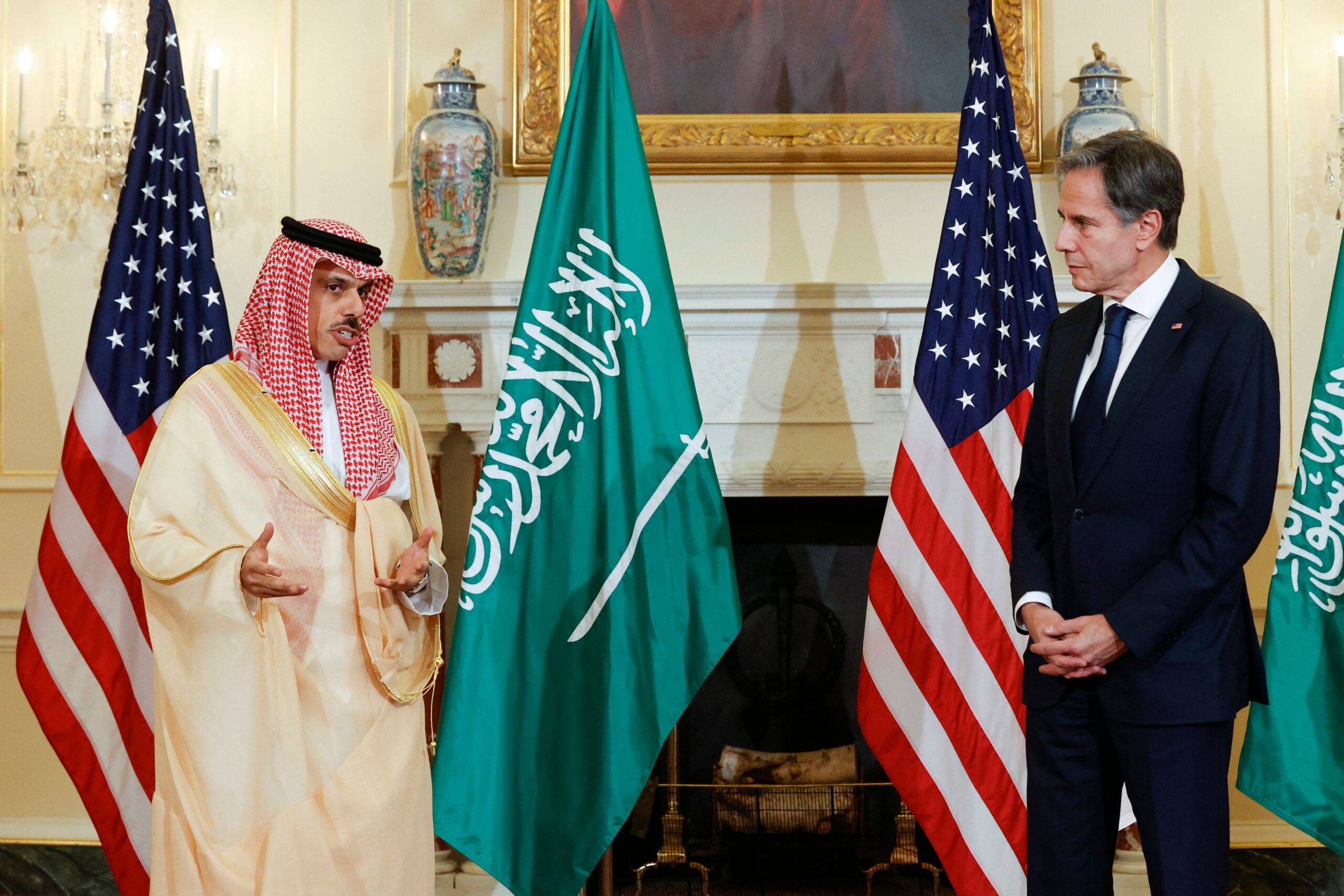
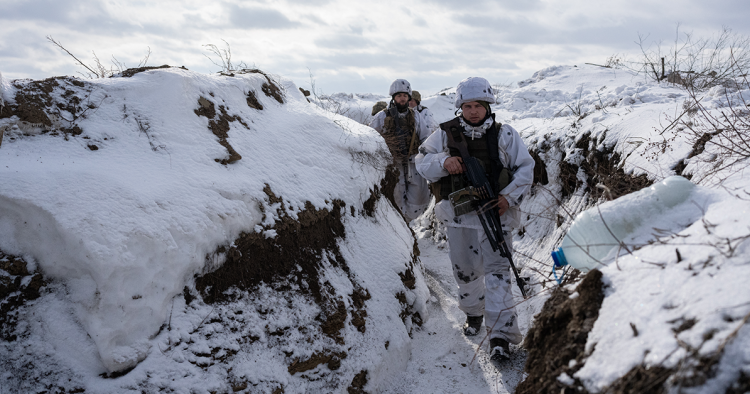
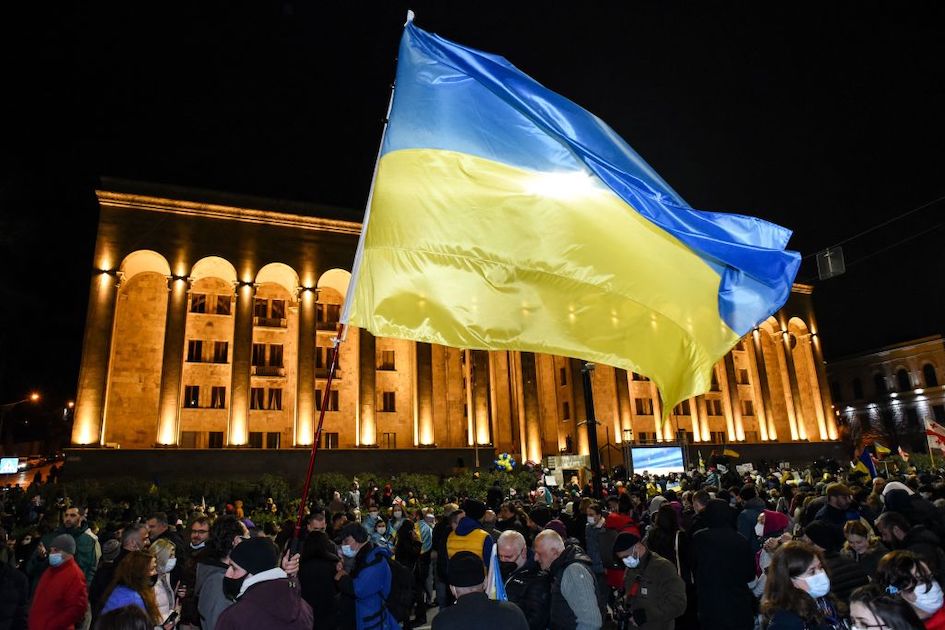
The global response to Russia’s invasion of Ukraine has focused new attention on friction between the United States and its traditional partners in the Gulf and reinforced skepticism regarding the United States’ status as the dominant international partner in the region. It’s time for both sides to identify a realistic way forward that sheds outdated notions of mutual obligation without becoming merely transactional.
Gulf oil producers feel vindicated, but don’t expect them to turn on Russia
The war in Ukraine has brought back to the forefront the conversation about the need for new investments in oil and gas for the foreseeable future. As the calls multiply for Gulf producers to step in and fill the gap in gas and oil supplies as Russia faces sanctions, producers now feel vindicated after being shunned, and even targeted, at the COP26 in Glasgow last year.
How will the war in Ukraine affect EU-MENA relations?
While most analyses of the war in Ukraine have tended to focus on the intra-European dimension, it is worth exploring the potential consequences of this conflict for the EU’s relations with countries further afield, especially those in the Middle East and North Africa.
Yemen: Ending the War, Building a Sustainable Peace
Seven years on from the launch of the Saudi-led coalition’s military campaign on March 26, 2015, the civil war in Yemen remains stalemated. The fundamental realities of the conflict have not changed substantially in over five years. Meanwhile, the conditions under which the majority of innocent Yemenis are living continue to deteriorate. It’s time to consider measures that can promote an end to the conflict and lay the groundwork for post-conflict reconstruction.
Iran’s regional agenda and the call for détente with the Gulf states
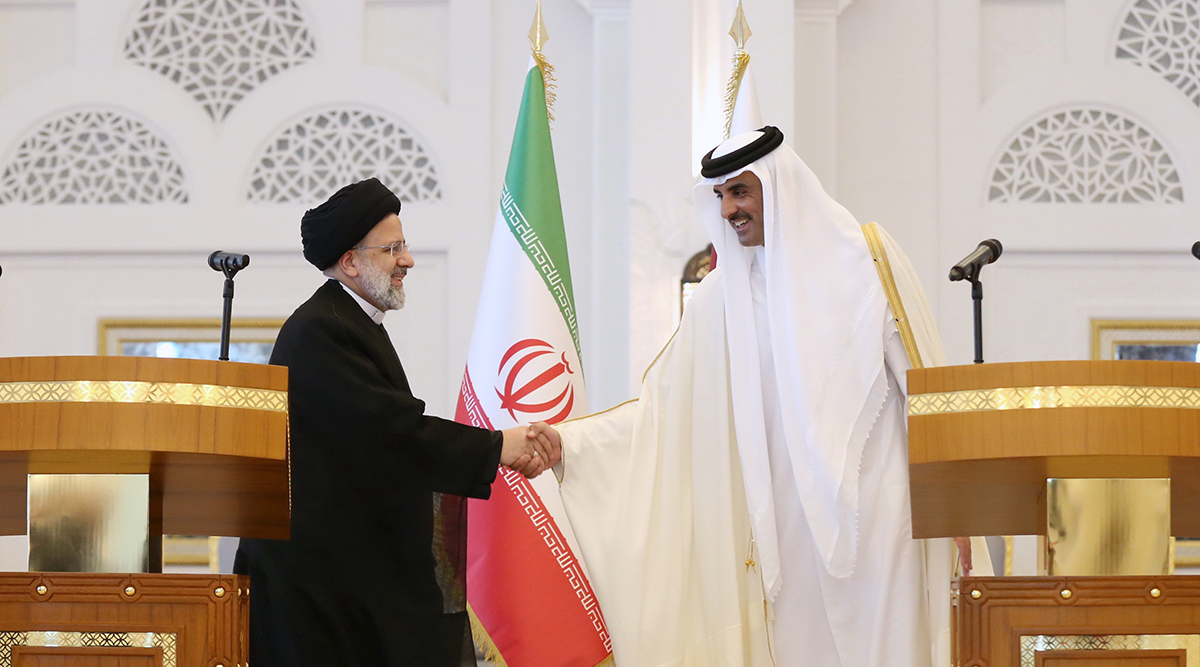
As both a candidate and as president, Ebrahim Raisi has repeated a basic mantra: that he will seek to quickly improve relations with Iran’s neighbors, and particularly the Arab Gulf states. But what are his motivations for this and what are the potential hurdles?
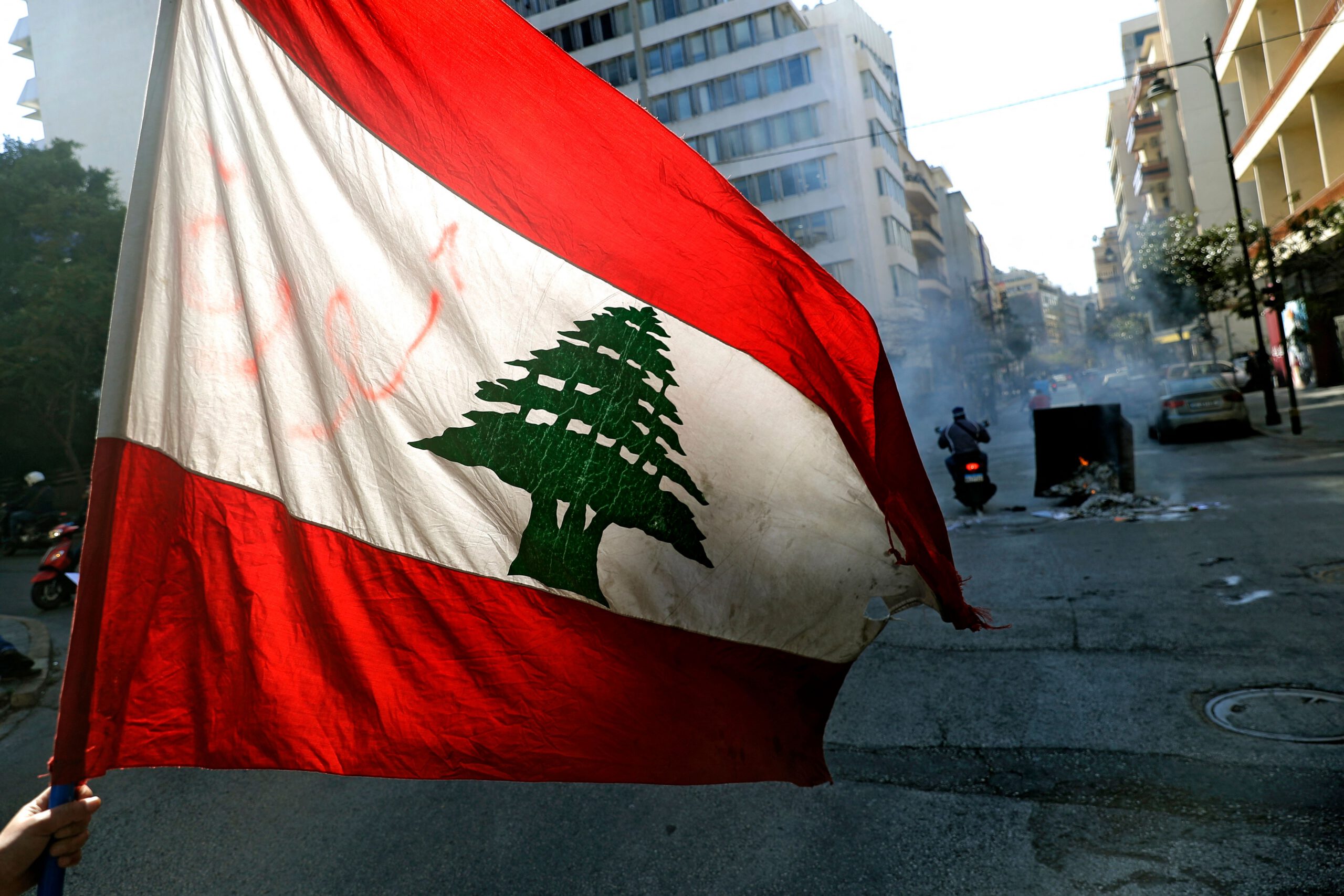
In two months, Lebanon is scheduled to hold parliamentary elections in the midst of a continuing economic meltdown and total failure of governance. The outcome of the vote is likely to be disappointing for anyone expecting to elect new leaders capable of reforming Lebanon.
Severe sand and dust storms are an underrated risk in the Gulf region, despite mitigation measures
The precise causes of sand and dust storms (SDSs) are not fully known, but they are becoming better understood. Armed with this knowledge, regional actors are beginning to respond in the face of intensifying SDSs.
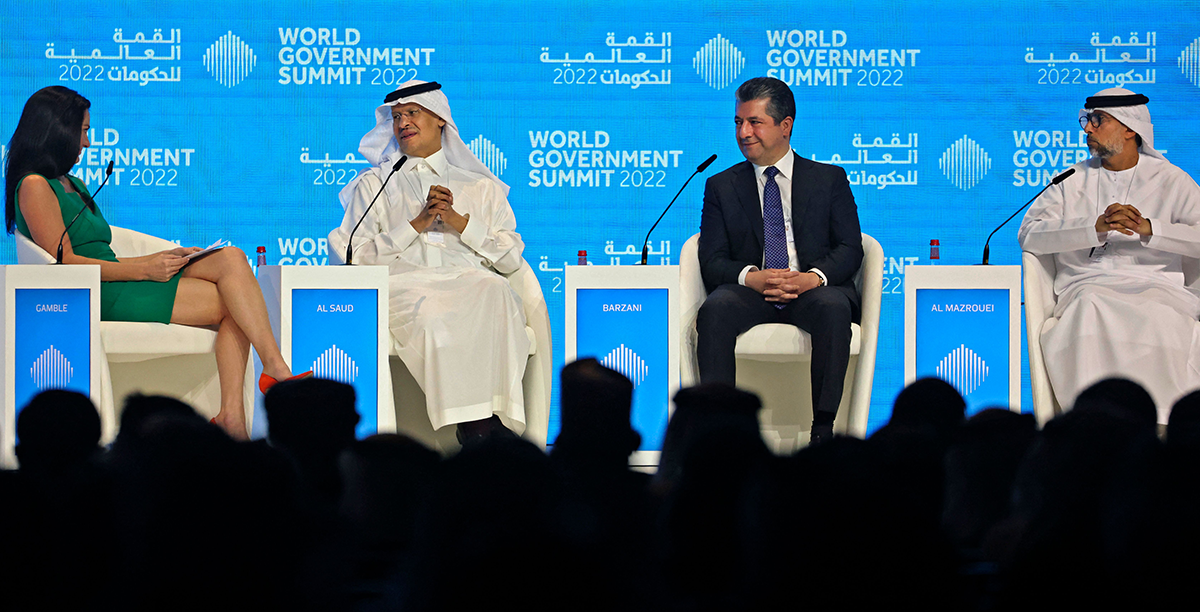
How will the war in Ukraine affect Gulf oil producers?
Although Western countries have managed to limit Moscow’s capacity to export oil, the Arab Gulf monarchies are unlikely to be able to benefit in the near term. This may change in the long run, however.