تمت ترجمة هذا النص بواسطة الذكاء الاصطناعي وقد يحتوي على أخطاء.
تخطي إلى المحتوى

Research & Commentary Results

تصفية حسب
846 Results
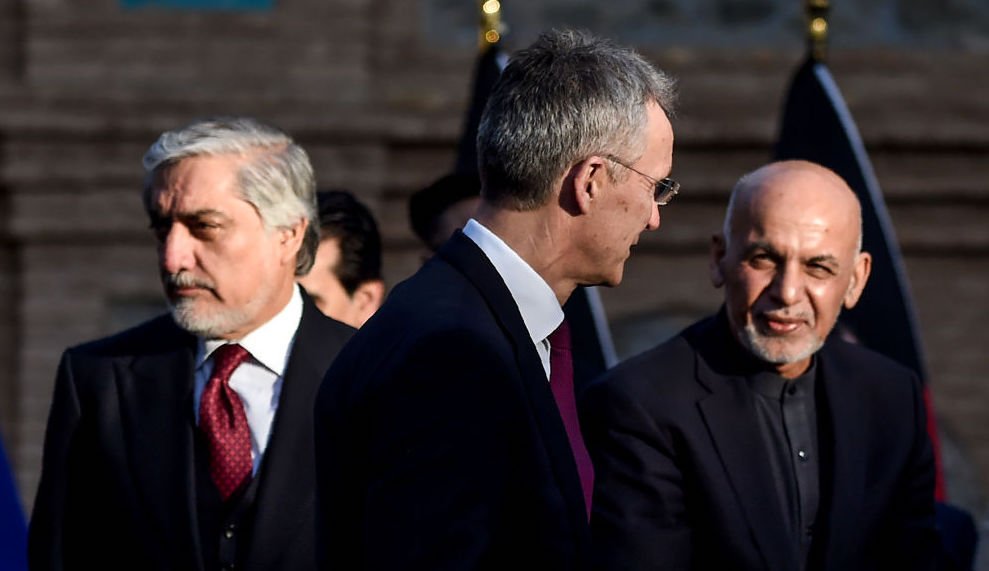
Uncertainty and chaos as Afghanistan’s political crisis deepens
NATO Secretary General Jens Stoltenberg (C) arrives along with Afghanistan's President Ashraf Ghani (R) and Afghan presidential election opposition candidate Abdullah Abdullah ahead of a press conference at the presidential palace in Kabul on February 29, 2020.
  • التحليل
  • Uncertainty and chaos as Afghanistan’s political crisis deepens

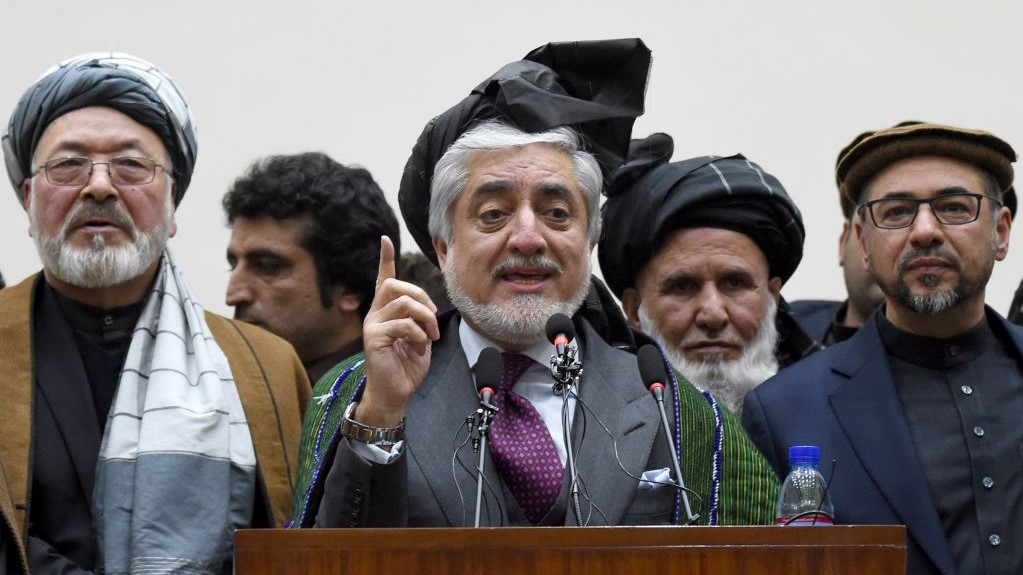
    On March 9, Afghanistan’s sitting president, Ashraf Ghani, took the oath of office for a second term. However, on the same day the country’s chief executive, Abdullah Abdullah, also declared himself president at a rival swearing-in ceremony. The controversy has plunged the country into further political uncertainty and potential chaos, dashing hopes of an immediate return to peace following the historic U.S.-Taliban deal on Feb. 29.

    March 13, 2020

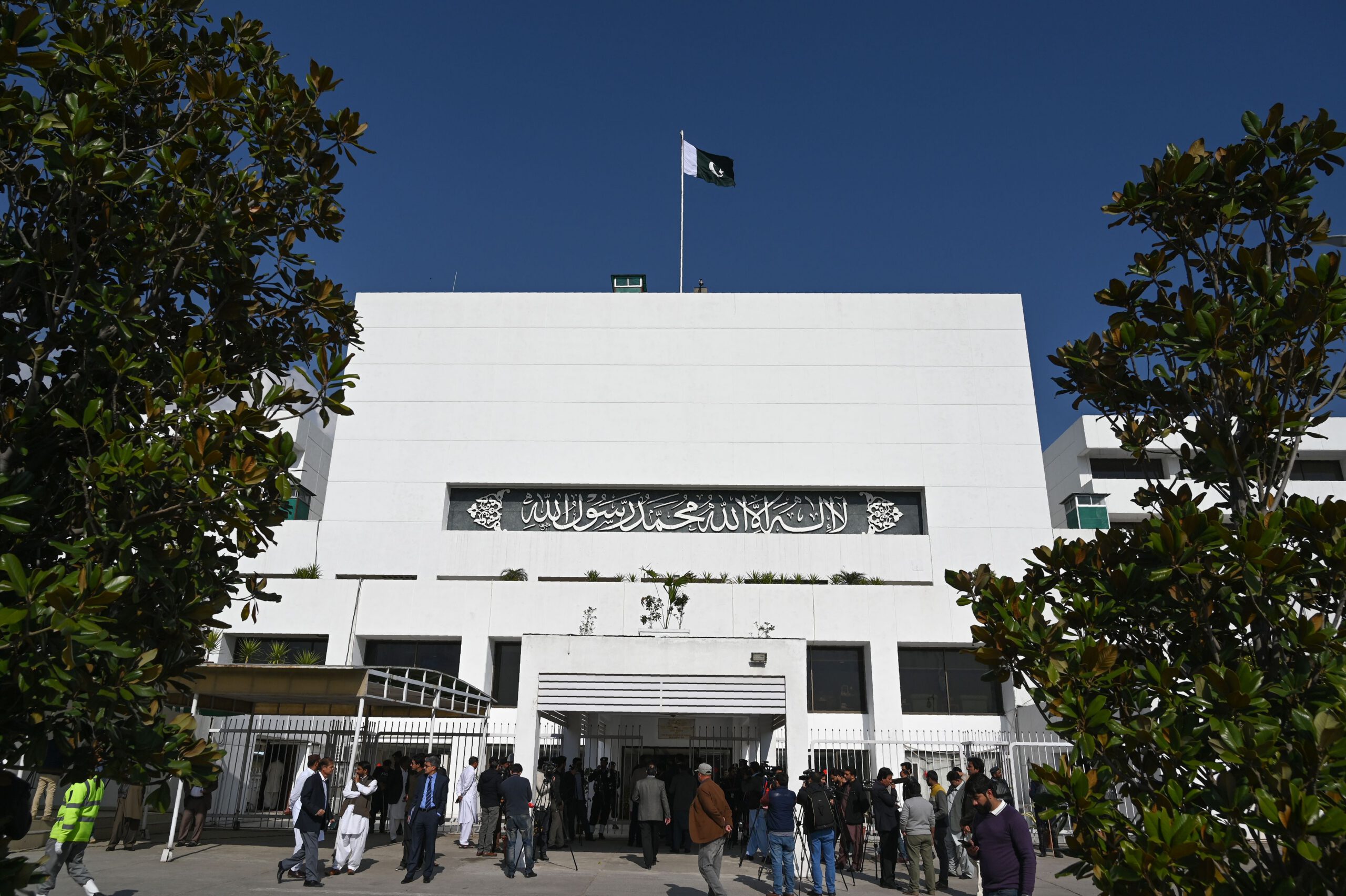
    Seizing the Moment for Change: Pathways to a Sustainable US-Pakistan Relationship
  • التحليل
  • Seizing the Moment for Change: Pathways to a Sustainable US-Pakistan Relationship

    It is a near truism that U.S. relations with Pakistan have been historically unstable, waxing and waning, climbing to heights of interdependence and sinking to mutual recrimination. Yet this is presently a period unmarked by either high promise or driven by crisis. Rather than a reason, however, for leaving the relationship untouched and unexamined, this can be a time of unusual opportunity to create a more deliberative approach to thinking about the bilateral relationship and for shaping fresh initiatives.

    US policy in Afghanistan: Smoke and mirrors, but not yet hopeless
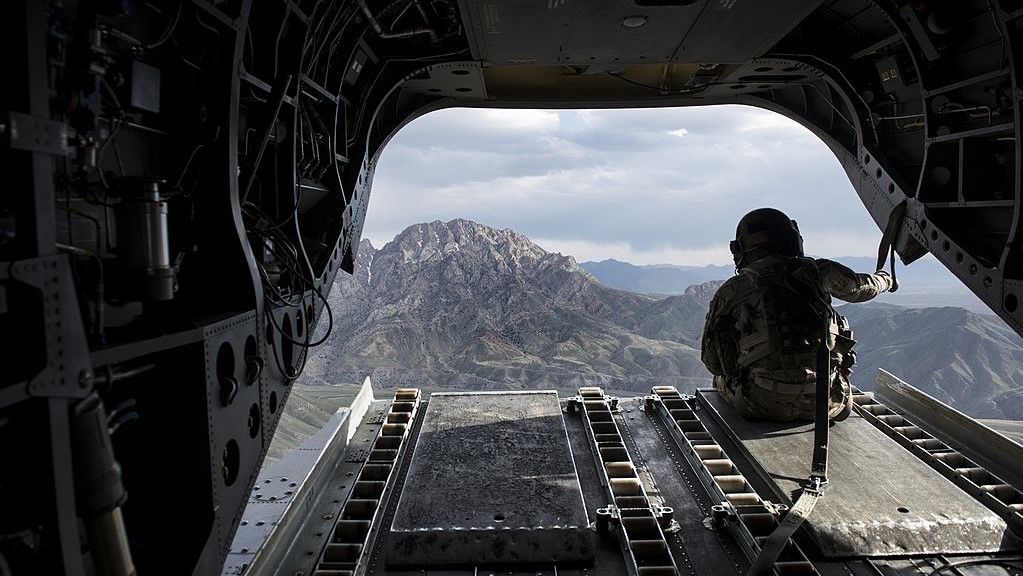
    A US Army serviceman sits at the tailgate of an helicopter carrying US Defence Secretary, after leaving the Resolute Support headquarters, in the Afghan capital Kabul on April 24, 2017.
  • التحليل
  • US policy in Afghanistan: Smoke and mirrors, but not yet hopeless

    18 years after CIA and U.S. special operations elements touched down in Afghanistan to pursue al-Qaeda and topple the Taliban, ongoing, incremental troop reductions reveal the smoke and mirrors manner in which the U.S. is withdrawing from the conflict in lieu of a negotiated settlement.

    January 16, 2020

    Jihadism in South Asia: A militant landscape in flux
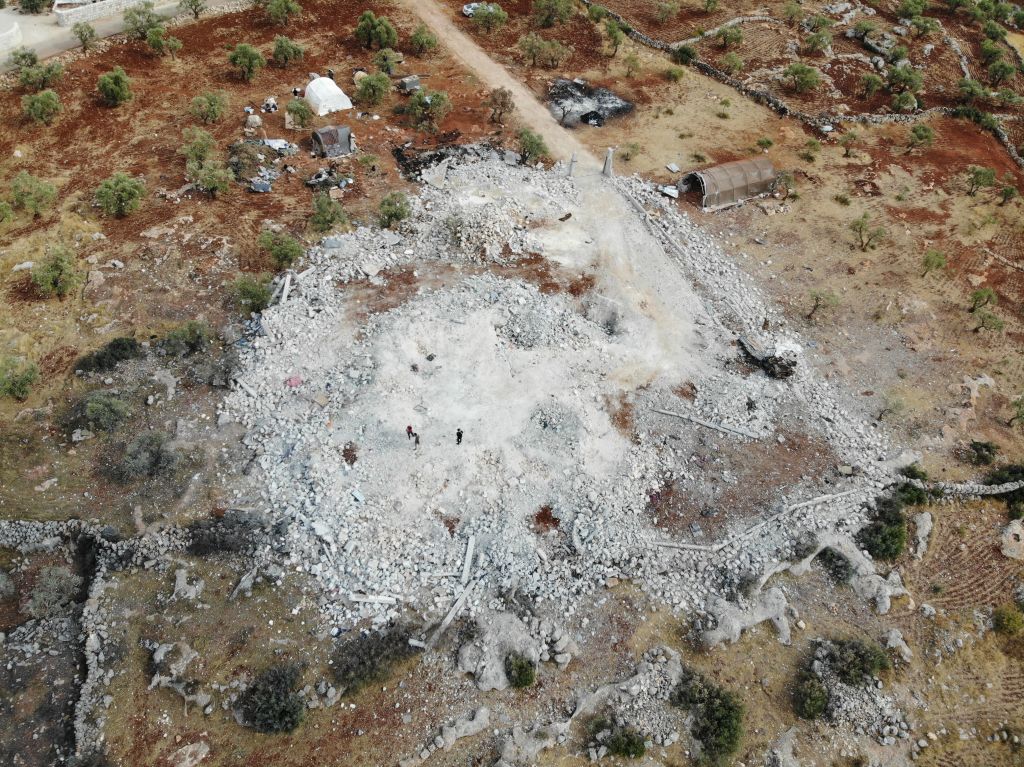
    An aerial view taken on November 1, 2019, shows the site where the Islamic State group leader Abu Bakr al-Baghdadi was reportedly killed according to US president Donald Trump, in a daring nighttime raid by US special forces near the small village of Barisha in northwestern Syria.
  • التحليل
  • Jihadism in South Asia: A militant landscape in flux

    Over the past five years, the focus of U.S. counterterrorism strategists has remained on the Middle East, especially after the emergence of ISIS in 2014, while Islamist terrorist organizations operating in South Asia have been considered a secondary threat. However, the fact remains that South Asia is home to more Islamist terrorist organizations than any other region of the world. Al-Qaeda was born there, in Afghanistan, and ISIS has roots in the region. But at the turn of the decade both global jihadist groups are now facing major challenges and the critical question is whether they will manage to survive this period of crisis amid a severe leadership vacuum following the death of ISIS’s supreme leader and caliph, Abu Bakr al-Baghdadi, and the killing of al-Qaeda heir apparent Hamza bin Laden. 
    January 8, 2020

    What do recent successes against ISIS mean for a US withdrawal from Afghanistan?
    Member of the Islamic state ISIS militants stand alongside their weapons, as they surrendered to government in Jalalabad, Nangarhar, Afghanistan on November 17, 2019.
  • التحليل
  • What do recent successes against ISIS mean for a US withdrawal from Afghanistan?

    Afghan security forces, working in concert with U.S. airpower, have launched a series of successful attacks in eastern Afghanistan on ISIS forces, which operate locally under the banner of ISKP. Simultaneously, the Taliban has conducted its own military campaign against ISKP in the same region. These campaigns have significantly degraded ISKP’s position in eastern Afghanistan, a development that may well increase the likelihood of an eventual U.S.-Taliban peace deal.

    December 23, 2019

    Kuala Lumpur summit: A challenge to Saudi leadership?
    Pakistan's Prime Minister Imran Khan (C) is accompanied by his Malaysian counterpart Mahathir Mohamad (L) as he reviews a guard of honour during a welcoming ceremony at the prime minister's office in Putrajaya on November 21, 2018. (Photo by Mohd RASFAN / AFP) (Photo credit should read MOHD RASFAN/AFP via Getty Images)
  • التحليل
  • Kuala Lumpur summit: A challenge to Saudi leadership?

    On Nov. 23, Malaysia’s prime minister, Mahathir Mohamad, announced that his country will stage an Islamic summit in Kuala Lumpur from Dec. 19-21. The event, on the theme of “The Role of Development in Achieving National Security,” will feature representatives from the host country as well as Indonesia, Pakistan, Qatar, and Turkey. Around 450 leaders, scholars, clerics, and thinkers from 52 countries will attend, along with Turkish President Recep Tayyip Erdoğan, Qatari Emir Sheikh Tamim bin Hamad al-Thani, Indonesian President Joko Widodo, and Pakistani Prime Minister Imran Khan.

    December 10, 2019

    Pakistan’s Gen. Bajwa gets an extension amid political drama
    Pakistan Army Chief General Qamar Javed Bajwa arrives to attend the Pakistan Day parade in Islamabad on March 23, 2019.
  • التحليل
  • Pakistan’s Gen. Bajwa gets an extension amid political drama

    Understanding a state and its society involves understanding how the state treats its military, its record of governance, and the relationship between the military and civilian politicians. By all accounts, Pakistan, a state founded in 1947 as a homeland for the Muslim population of British India, is a unique case where the military dominates all other institutions in both state and society. This was on clear display in the recent court battle over the extension of Army Chief of Staff Gen. Qamar Javed Bajwa’s tenure.

    December 6, 2019

    Gen. Votel on US Policy in Afghanistan
    معهد الشرق الأوسط
  • Video
  • Gen. Votel on US Policy in Afghanistan

    Gen. (Ret.) Joseph Votel discusses the role of Afghanistan in US regional strategic interests, whether a peace deal is possible with the Taliban, and how important Pakistan is to achieving a sustainable political settlement.

    December 3, 2019