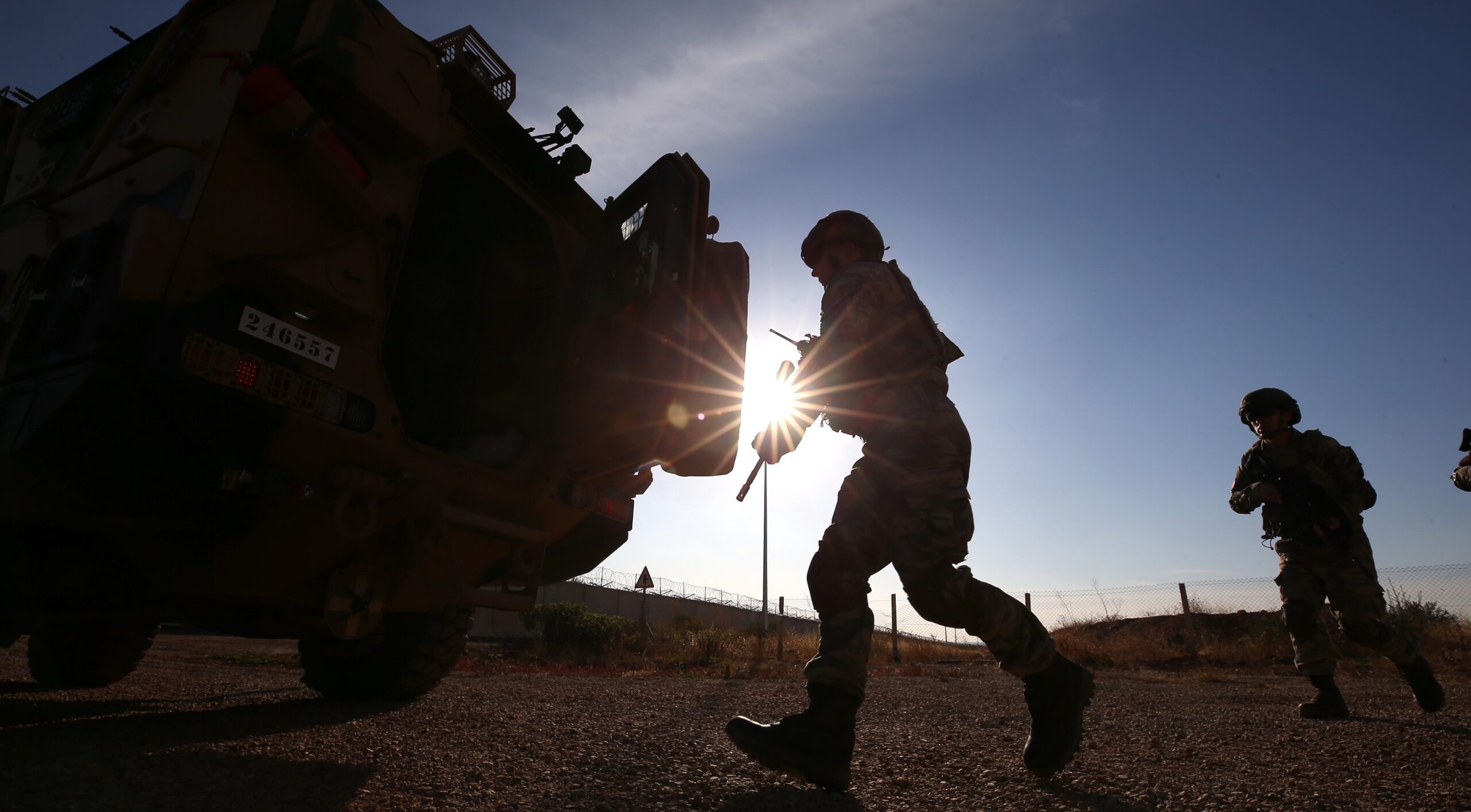
Should the Turkish government make good on its threats to launch yet another military incursion into northern Syria, it would lead to a sharp escalation in violence in a country afflicted by a more-than-decade-long brutal conflict. Not only would Turkey’s military incursion have significant immediate effects on civilians and combatants in Syria, but it could also reverberate further throughout the region and world.
America’s Defence of Its Partners in the Middle East
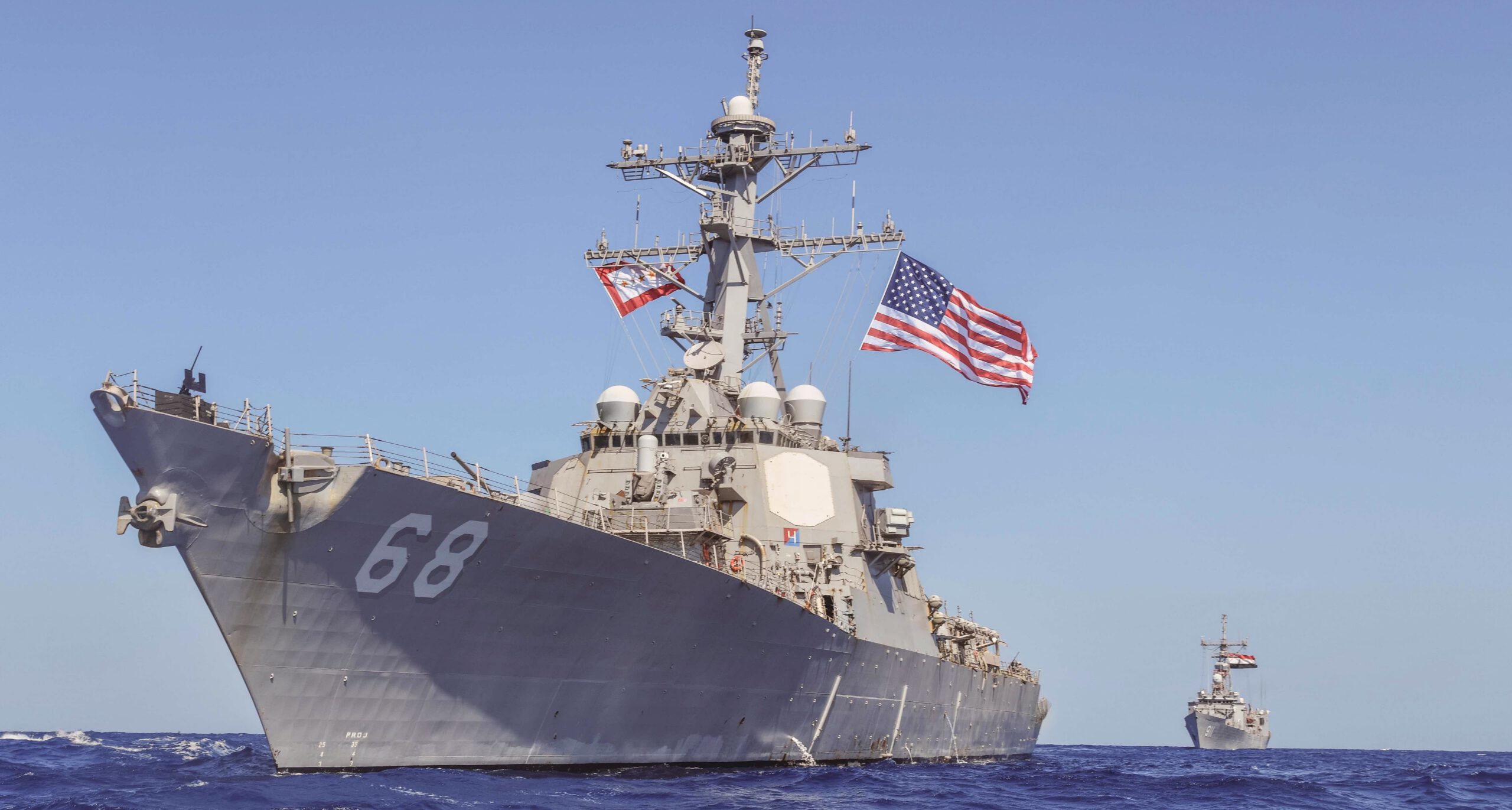
Under what conditions is the United States likely or unlikely to intervene militarily on behalf of a close partner with which it may have defense arrangements short of a formal alliance? This is an increasingly relevant question for the United States as it engages in strategic competition with China and Russia for regional partners, as well as for resources and broader influence.
The Future-Seeking, Team-Building 5th Fleet Is Busier Than Ever
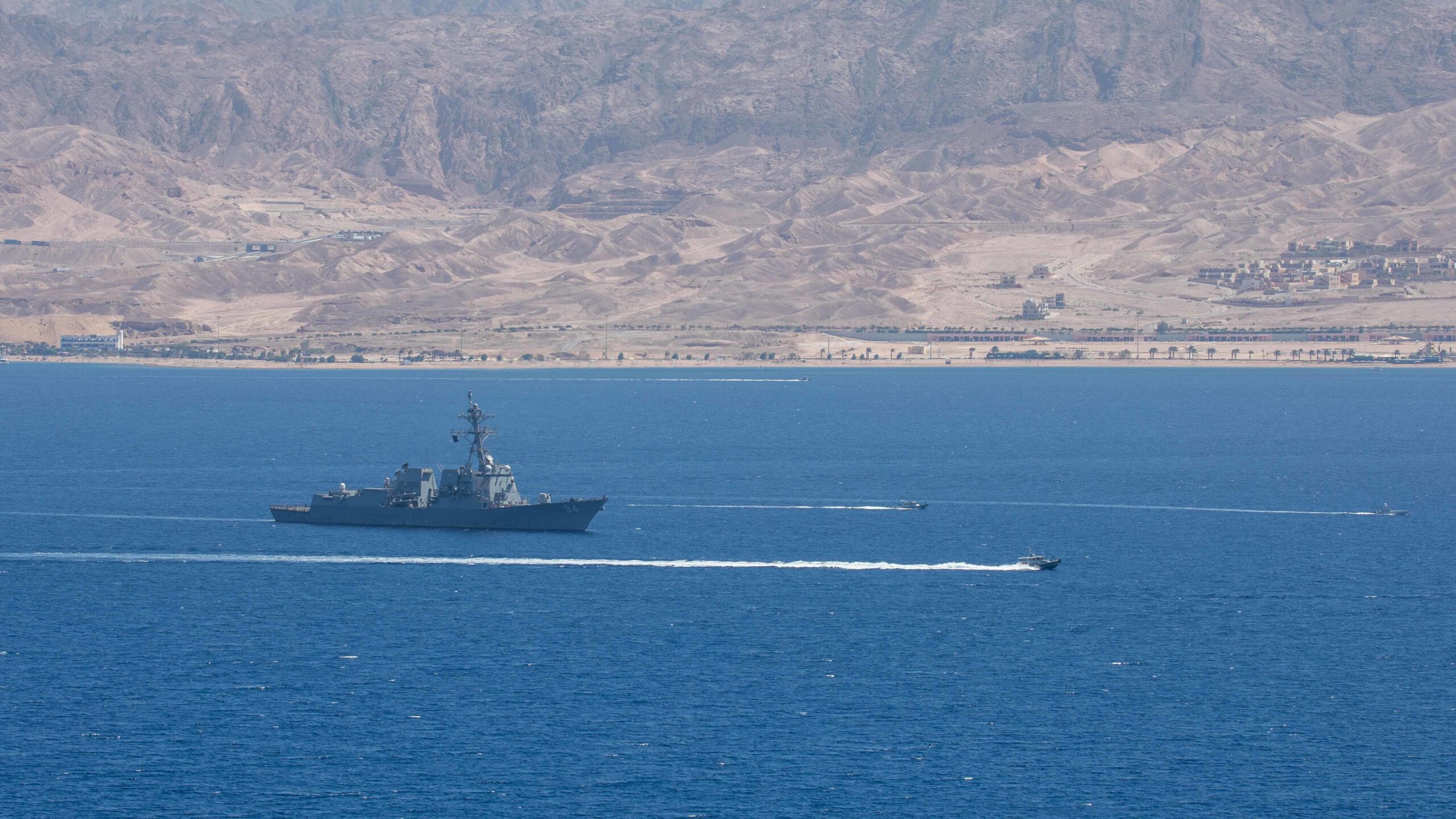
In recent years, the United States has stepped up its efforts to promote a Middle East security order in which cooperation is more widely preached and effectively practiced among like-minded nations. Nowhere has this multilateral approach to regional security been more credible and fruitful than in the maritime domain.
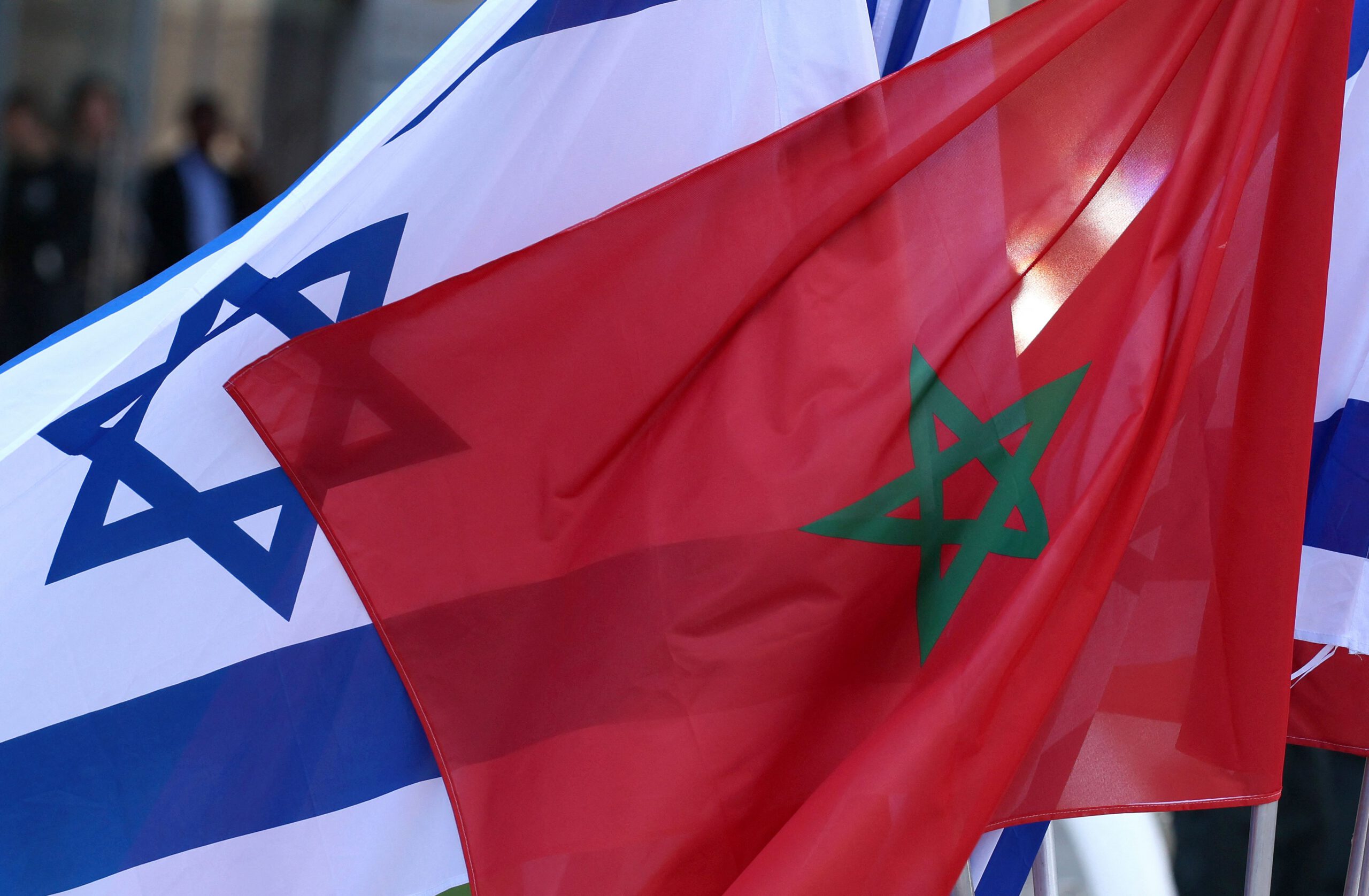
Morocco and Israel: Economic Opportunities, Military Incentives, and Moral Hazards
The December 2020 Moroccan-Israeli normalization deal has evolved from a vehicle enabling Morocco to gain long-sought U.S. recognition of its claims on Western Sahara to a broader strategic partnership with Israel. But the relationship further strains relations with neighboring rival Algeria.
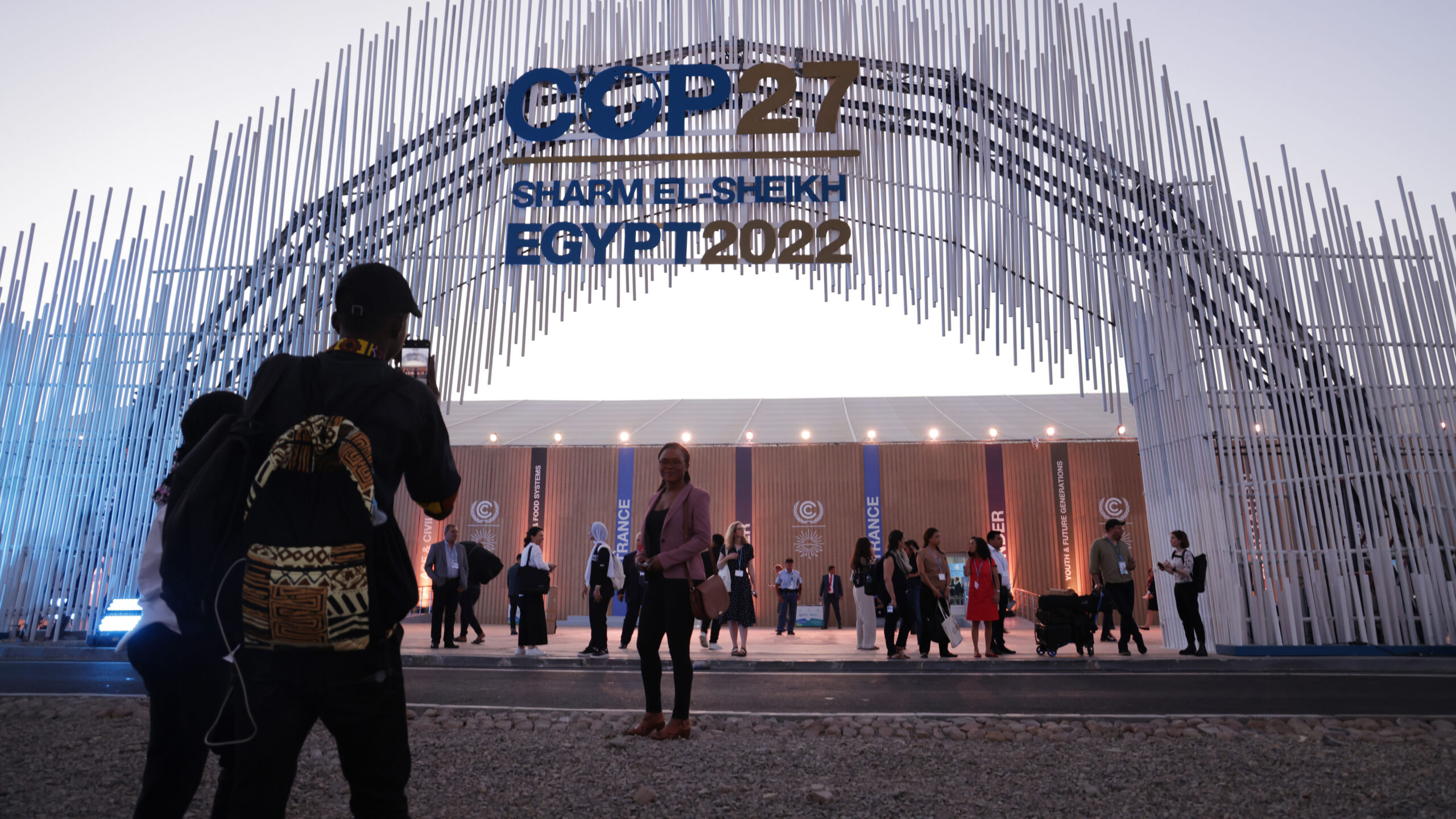
Dispatches from Sharm el-Sheikh: Reviewing COP27 from the MENA perspective
Participating in COP27 provided a unique opportunity to view the proceedings firsthand and evaluate the effectiveness of the meeting in advancing critical climate priorities that can alter the alarming trajectory of future climate change.
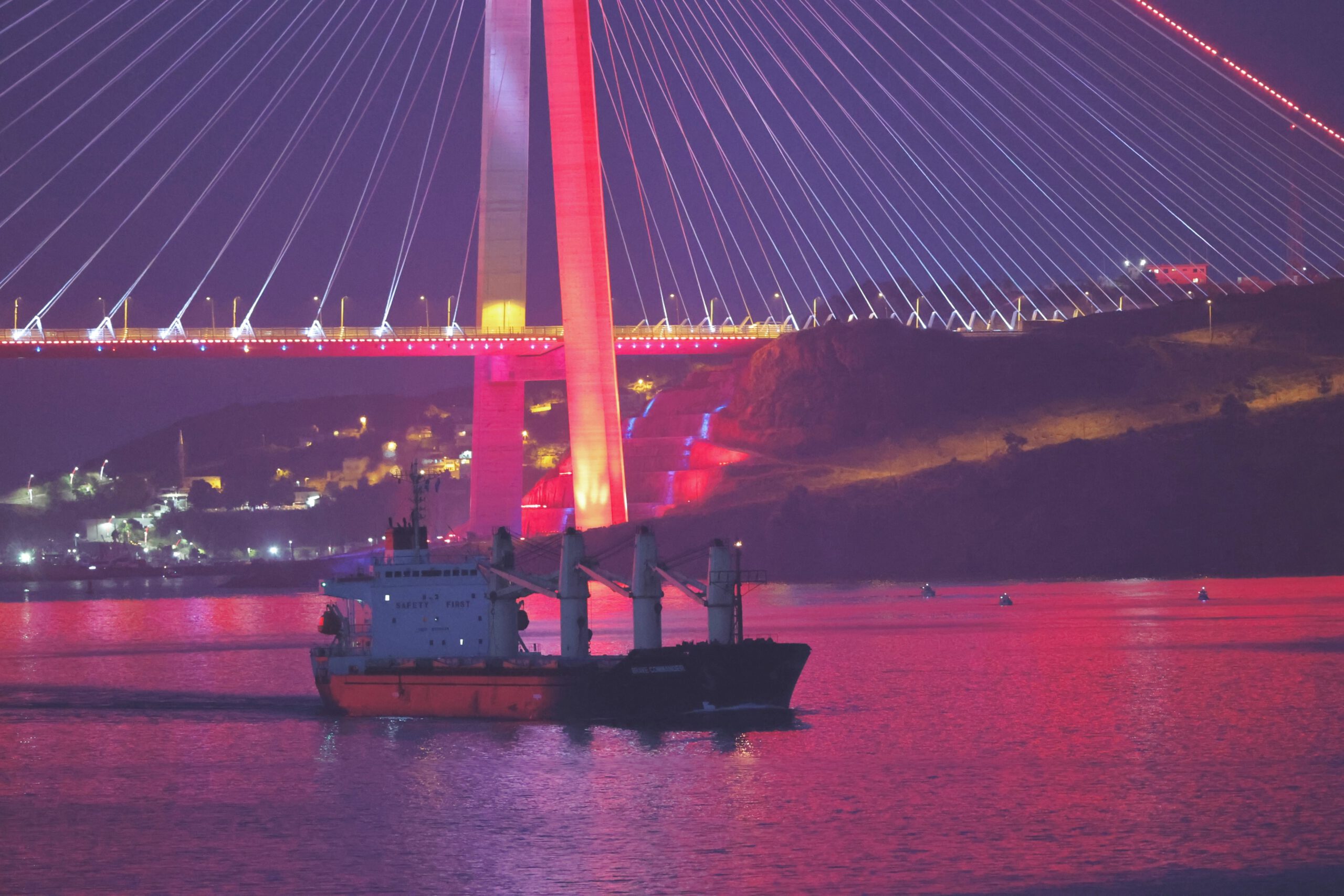
In Turkish-Russian relations, the Ukraine grain deal is not the point
The Ukraine grain export deal, which Turkey helped mediate over the summer, was saved last week to much fanfare; but the central unaddressed issue remains lifting Russia’s illegal blockade of Ukrainian ports, so Ukraine can freely trade with the world.
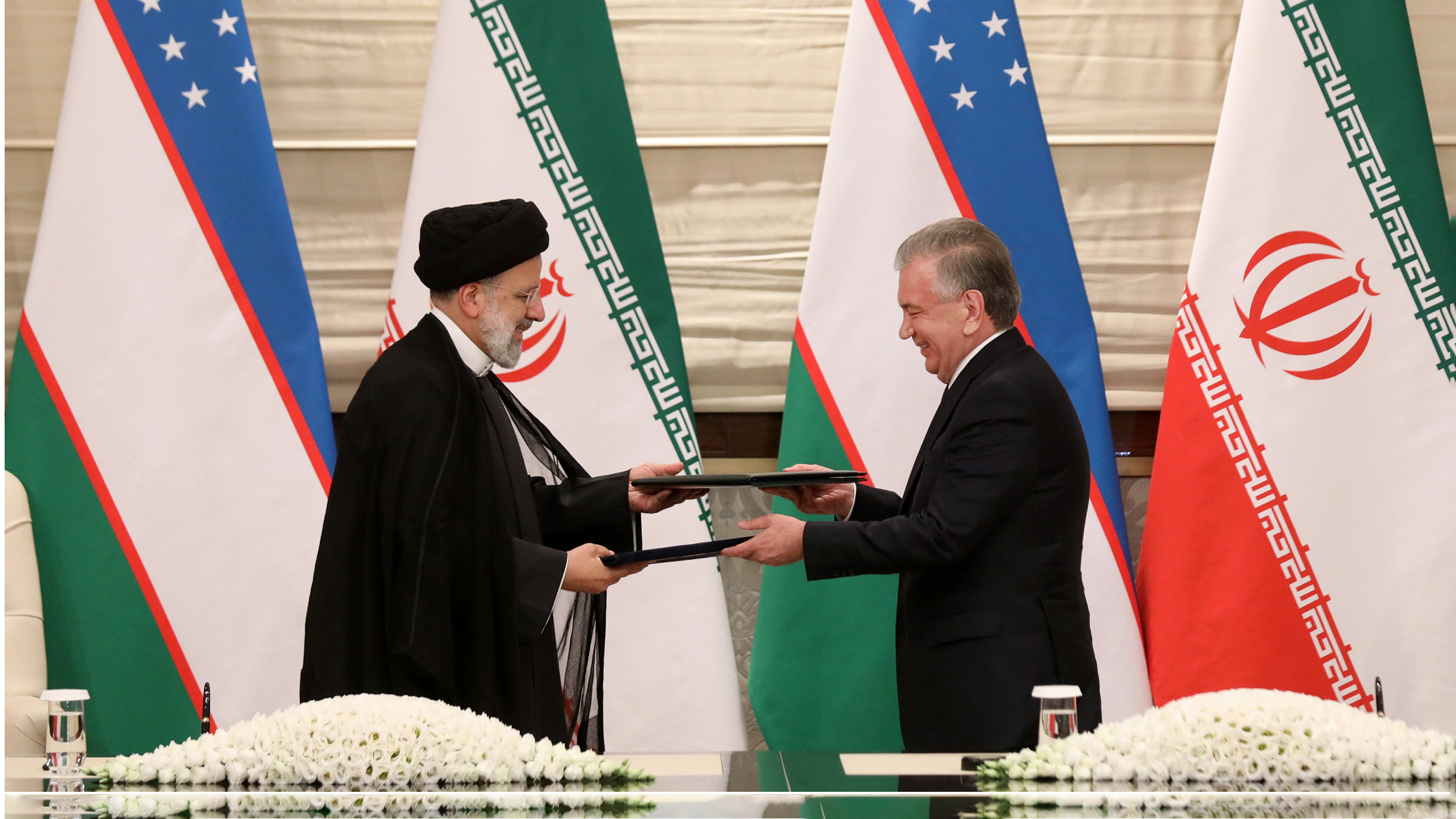
The SCO Summit in Samarkand: Reviving Iran and Uzbekistan relations on an oil and transit axis
The 22nd Shanghai Cooperation Organization (SCO) summit in the Uzbekistani city of Samarkand this past September turned out to be a boon for Iran’s regional policy. Not only was the Islamic Republic extended a roadmap to join the grouping, but the meeting also offered a convenient opportunity to revive and strengthen ties with Uzbekistan.
The Biden Administration’s National Security Strategy
The Biden Administration’s National Security Strategy has drawn some criticism for its relatively late release, but what of its actual substance? Today, Alistair Taylor talks with four experts, each with unique insights into the context and strategy of this document with regards to the Middle East, North Africa, and American foreign policy at large.
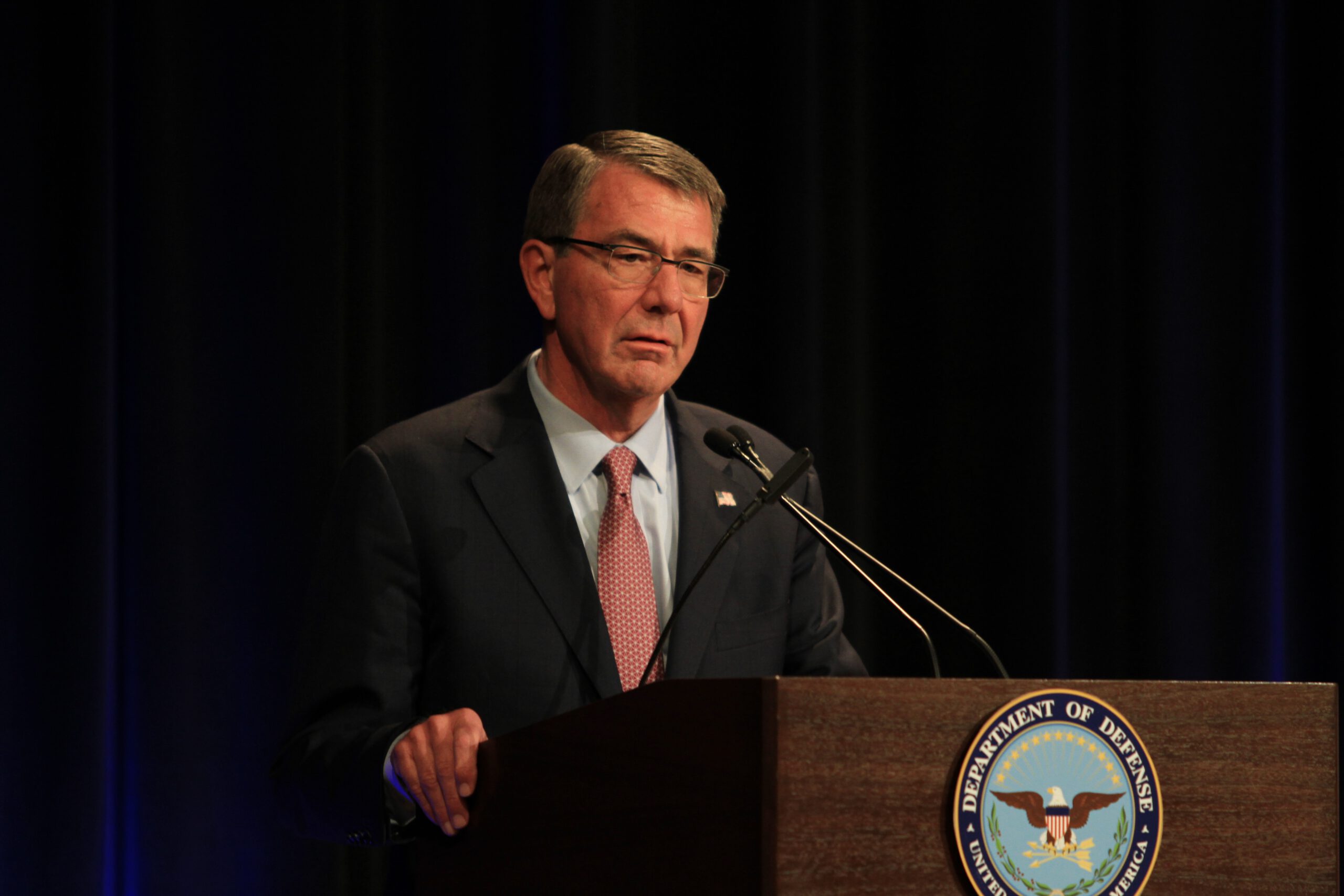
Ashton B. Carter, the 25th U.S. Secretary of Defense, who served under former President Barack Obama, passed away on October 24, 2022. MEI’s scholars react to the news and remember his rich legacy.
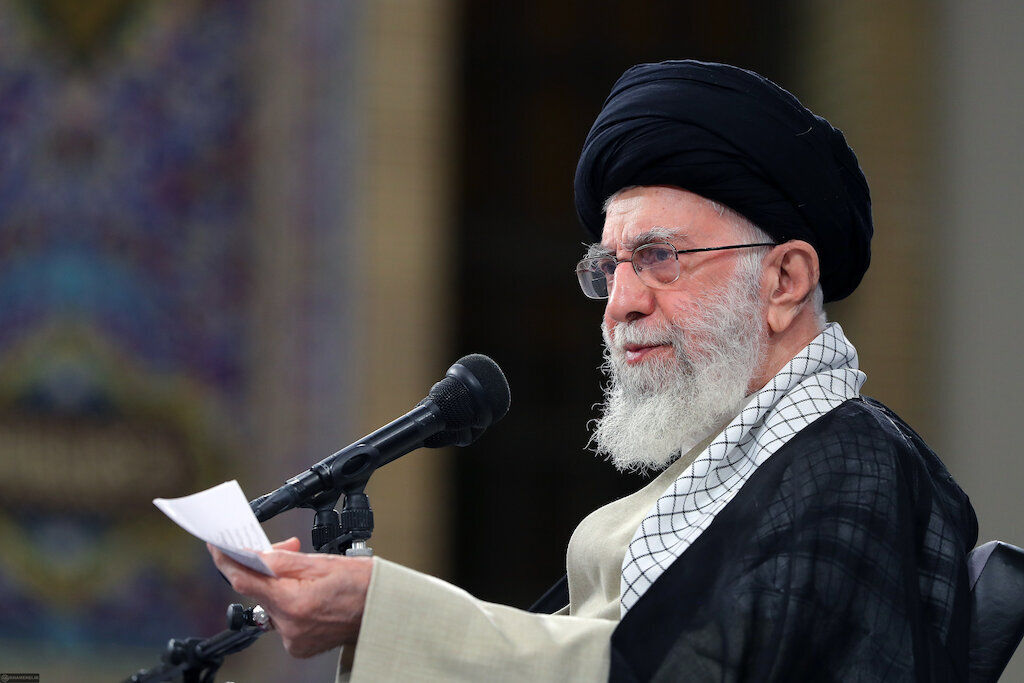
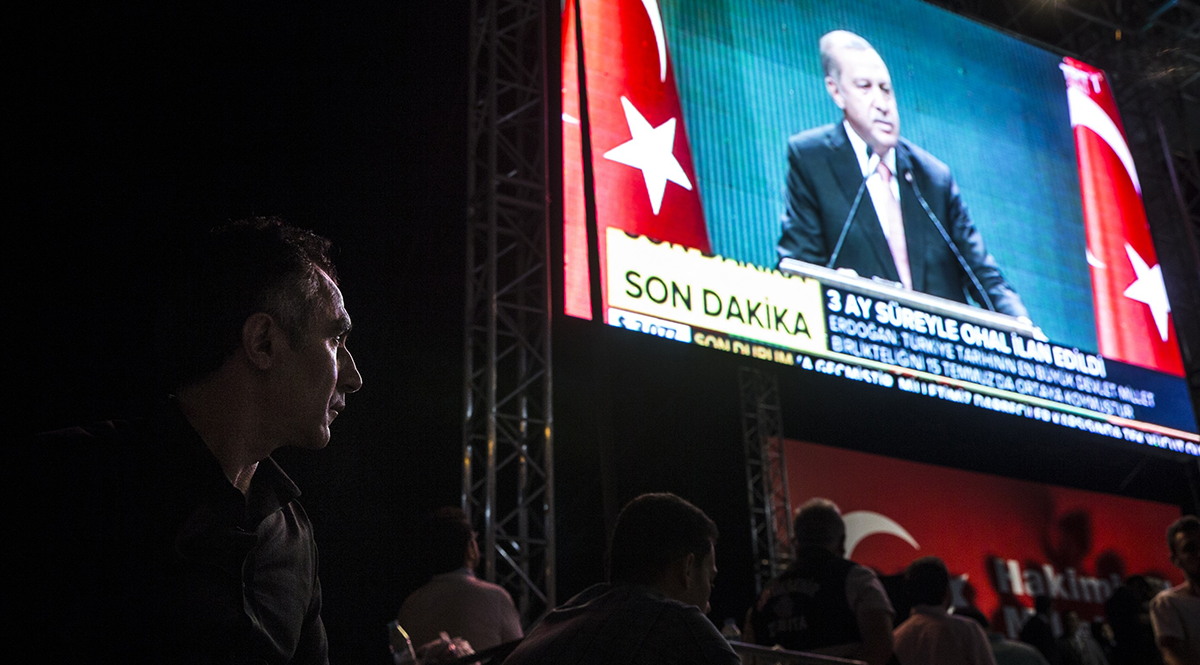
Following the AKP’s rise in 2002, civil-military relations in Turkey began to change significantly. The military’s tutelage over Turkish politics was gradually replaced with the AKP’s control over the Turkish Armed Forces. The July 2016 coup attempt put an end to the military’s prestige and popularity and ushered in a new era, with Erdoğan and his AKP asserting full civilian control over the military. This paper explores the factors that paved the way for the new civil-military relations between 2002 and 2016, reviews how the 2016 coup attempt became an opportunity for the AKP to further eliminate all opposition, and analyzes the impact of the upcoming 2023 elections and the opposition’s stance on civil-military relations.
As protesters’ slogans and chants have made clear, the current protests are definitely not about the economy, but about opposition to the regime more broadly and its political and social oppression. Yet Iran’s economic problems have created an atmosphere that encouraged and fueled protesters’ anger and have done nothing to help the regime.