Monday Briefing: New threats and a far more dangerous environment in Afghanistan
اقرأ تقرير MEI الأسبوعي الذي يتضمن تحليلات الخبراء للتطورات الإقليمية الرئيسية للأسبوع المقبل.
Premeditated political paralysis and the absence of economic leadership have brought Lebanon to its knees. Critical infrastructure has collapsed. Reliable electricity and safe water provision are rare. Hospitals and medical services are crippled by the lack of power, medications, and supplies. Food security is at risk for the majority of the population. Desertions from the ranks of security forces are growing. A nationwide security collapse is increasingly likely. The humanitarian collapse is already here.
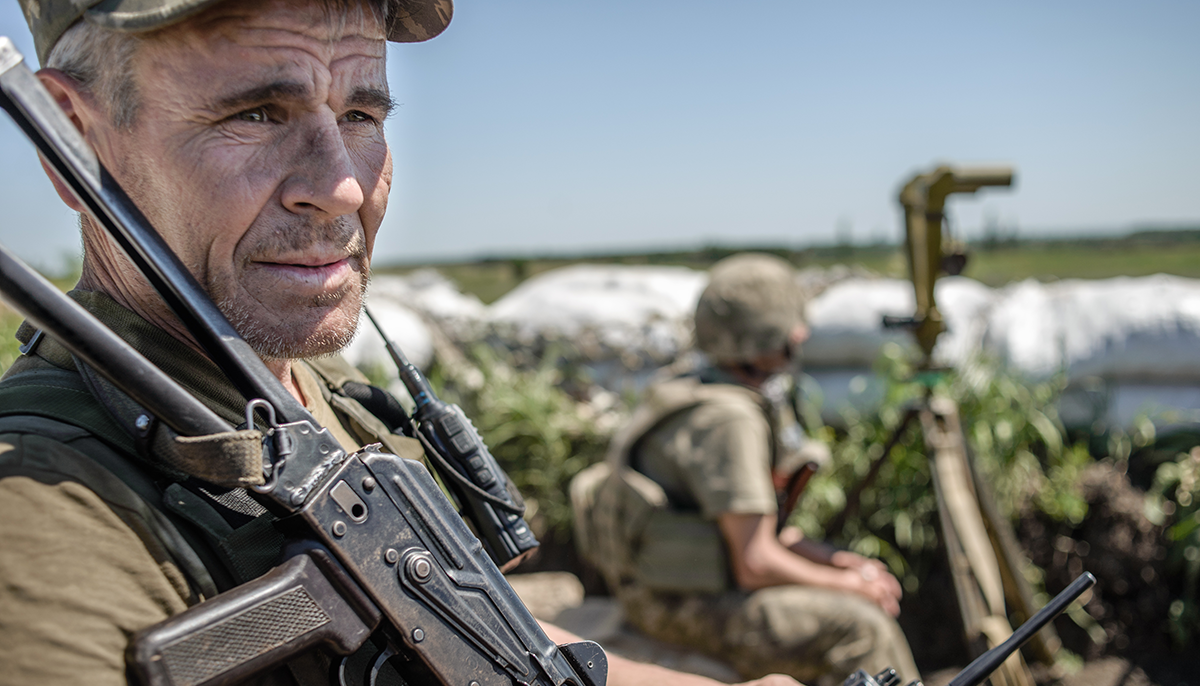
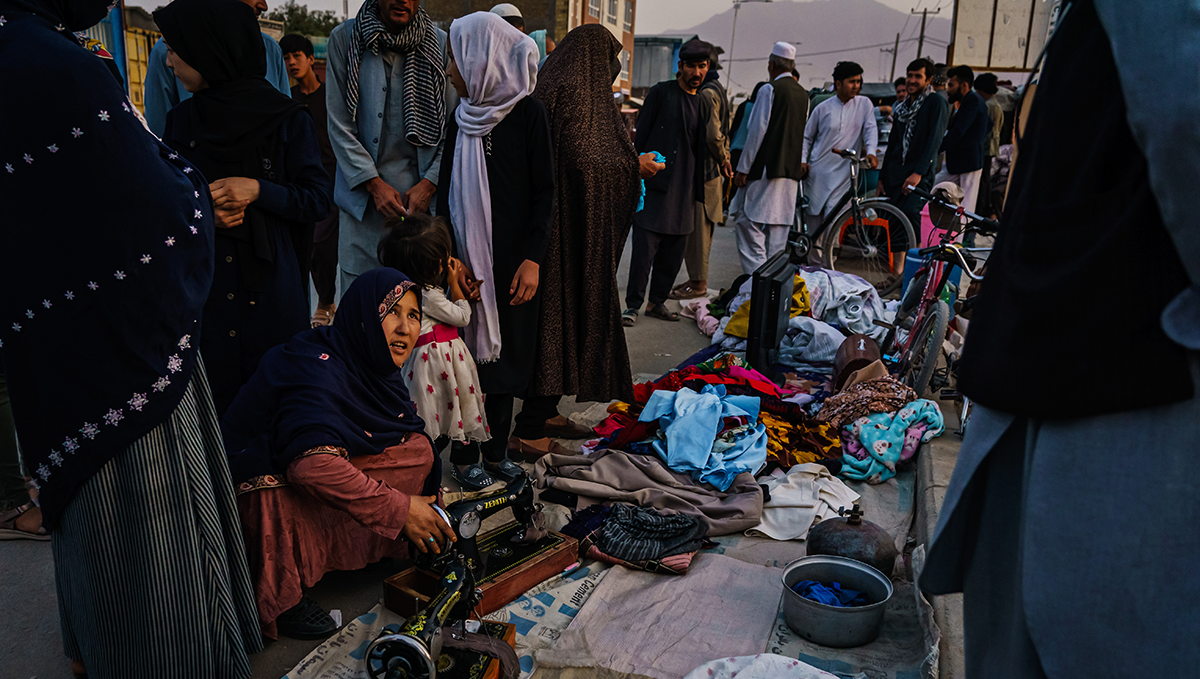
As the U.S. withdrew troops from Afghanistan, the Taliban pushed through large portions of the country, capturing strategic regional centers and ultimately securing the capital city of Kabul. In its pursuit, the Taliban faced relatively little resistance as it seized government strongholds. Rather than widespread fighting, reports indicate that Taliban fighters often cut deals with soldiers, offering payoffs or demanding surrenders. At the same time and as of the time of writing, the Taliban announced a general amnesty, encouraging former government officials and women to support the group.
Whether and how long this period of limited resistance and amnesty might last are unclear. What are the prospects for future political violence both within and outside the country?
On Sept. 15, 2020, Emirati Foreign Minister Abdullah bin Zayed al-Nahyan, Bahraini Foreign Minister Abdullatif bin Rashid al-Zayani, then-Israeli Prime Minister Benjamin Netanyahu, and then-U.S. President Donald Trump met on the South Lawn of the White House to sign the Abraham Accords, normalizing relations between the two Gulf Arab states and Israel. Morocco followed suit several months later, signing a similar agreement with Israel on Dec. 22, and a week and a half after that, on Jan. 6, 2021, Sudan and Israel also agreed to normalize relations. A year on, these accords have had a significant, if not yet fully realized, impact on the Middle East, affecting everything from geopolitics and economics to tourism and people-to-people (P2P) ties, and they also reflect the changing dynamics in the region and beyond, particularly with the U.S. and China.
One of the most consequential changes in the Middle East’s geopolitical map is happening at the water’s edge. Along the entire eastern rim of the Mediterranean basin, global and regional actors are engaging in a spate of port capacity expansions, new private port construction, and the sell-off of major state-owned ports that will determine who sits atop the region’s global trade flows for decades to come. The international competition to rebuild Beirut’s port is one key puzzle piece in this larger process that is reconfiguring the Levant’s maritime commercial architecture and, as a consequence, the geopolitical contours of the Middle East.
The possibility that the Lebanese government could opt for China to reconstruct Beirut’s port has raised alarm in Washington and European capitals given China’s already outsized commercial port presence in Egypt, Israel, and Greece. Increased Chinese involvement in Lebanon’s port operations could consolidate Beijing’s hold over the commercial connectivity architecture of the Levant. Re-orienting global commercial flows between Europe, the Middle East, and Asia according to Beijing’s priorities would make China’s Belt and Road Initiative a dominant organizing principle in the international relations of the Middle East. The most effective way to offset China’s ambition may be to facilitate Mediterranean rivals France and Turkey to jointly rebuild Beirut’s port.
The two countries in the Middle East with the highest growth expectations for 2022 are Israel and Egypt. Fitch Solutions estimates that MENA-wide GDP will grow by 3.6% in 2021, after a contraction of 4% in 2020. Egypt and Israel are the only countries within the region expected to grow their economies beyond the size of their pre-COVID-19 levels for 2021.
اقرأ تقرير MEI الأسبوعي الذي يتضمن تحليلات الخبراء للتطورات الإقليمية الرئيسية للأسبوع المقبل.
Weeks before the official U.S. military withdrawal, Afghanistan is unraveling rapidly as the Taliban continue their swift military advance. They now control more than two-thirds of the country and half of the provincial capitals. With the government’s hold on Kabul in doubt, the Biden administration has dispatched troops to evacuate U.S. citizens from the country. We asked experts and scholars from across MEI to weigh in with their thoughts on the situation and what it means for the country, the wider region, and key international players.
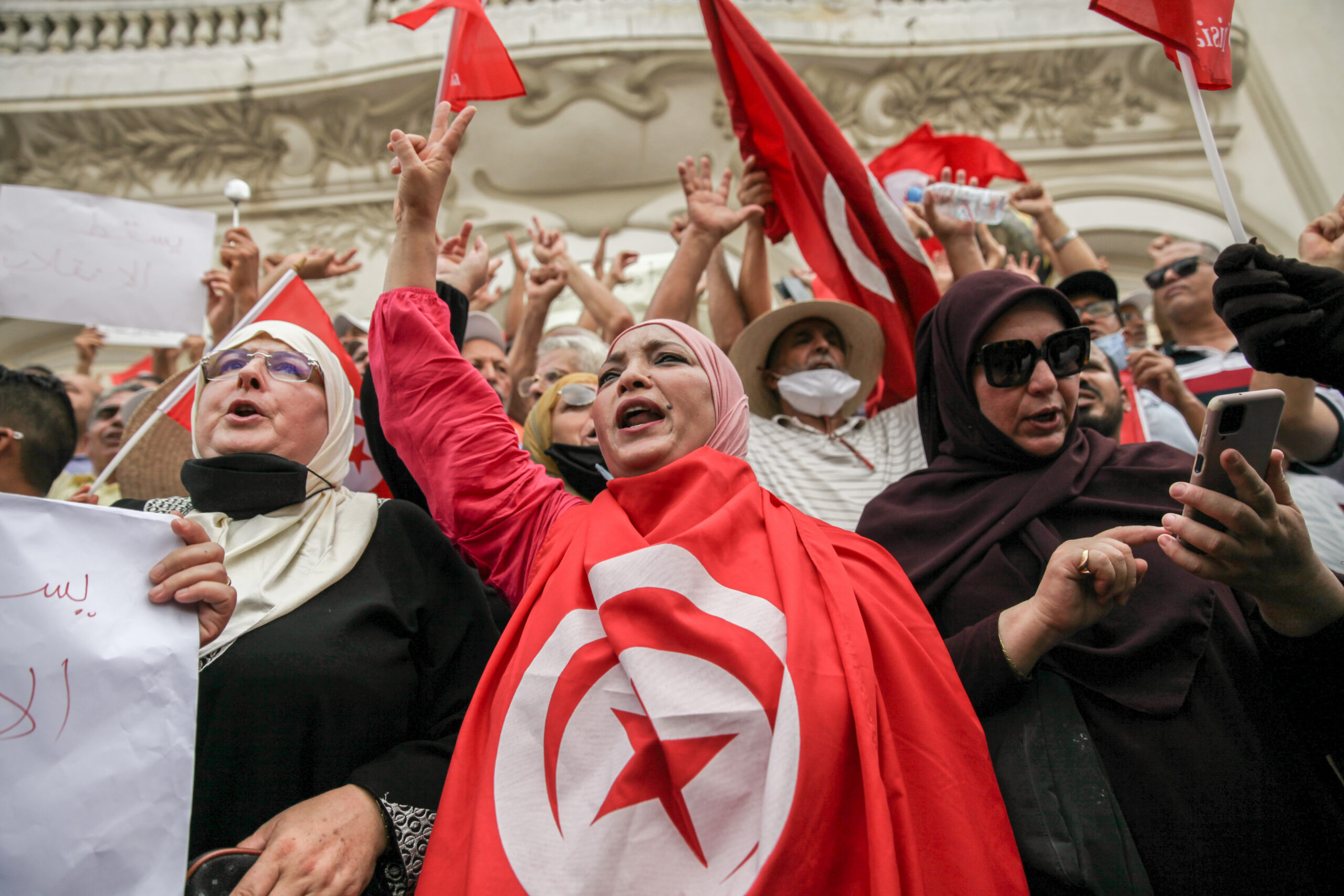
President Kais Saied’s July 25 decisions to suspend parliament and the government appear to have been largely popular, despite sharp criticism from those denouncing them as a coup, unconstitutional, or a dangerous overstep of his authority. The mass celebrations in the streets that broke out immediately after his televised announcement — in spite of a nighttime curfew — are evidence of the popularity of his moves. Some polling since then, which although unclear in their methodology, also seem to indicate that large majorities approve of Saied’s measures — for now.
اقرأ تقرير MEI الأسبوعي الذي يتضمن تحليلات الخبراء للتطورات الإقليمية الرئيسية للأسبوع المقبل.
The subject of Western sanctions on Syria is a divisive one among analysts and policymakers interested in ending the misery of the country’s citizens. The division comes at a time when, more than ever, the country needs a comprehensive policy that ends the agony of most Syrians. This study assesses the effectiveness of the sanctions imposed on the regime of Bashar al-Assad by conducting a comprehensive review of their history, evaluating shortcomings in the current setup, and recommending ways to move forward.
On the first anniversary of the catastrophic explosion at the Beirut port last August, Lebanon is threatened by political discord and economic collapse. The past year has been difficult for the average Lebanese citizen and it has been even worse for the country’s most marginalized communities. The ripple effects of the overlapping political, economic, and health crises have pushed the vast majority of refugees and migrant workers into extreme poverty. These communities now stand on the edge of the abyss.
اقرأ تقرير MEI الأسبوعي الذي يتضمن تحليلات الخبراء للتطورات الإقليمية الرئيسية للأسبوع المقبل.
The future of economic growth in the GCC is looking better than some analysts expected in the depths of the downturn in 2020. What may be different in this recovery compared to previous economic crises in the Gulf is a more limited fiscal policy space, and more variance among GCC countries in their ability to rebound with smart stimulus. As the global economic recovery now strengthens oil demand, taking advantage of this interim period of the global energy transition will mean accelerating government spending in areas where it can make a long-term impact on productivity growth and increased labor force participation among citizens in the private sector, especially women. Some governments will be able to accelerate productivity, including using highly skilled foreign labor and favorable long-term residency regimes, and others will be simply treading water to satisfy immediate demands of their populations.
Tunisian President Kais Saied’s opponents and international commentators more familiar with Egypt have been quick to condemn what they are calling a “coup.” In addition to the need to assess the Tunisian situation on its own unique terms, it may be useful to set aside legalistic and political science taxonomy for the moment and consider instead why many in Tunisia have celebrated the president’s recent decisions.