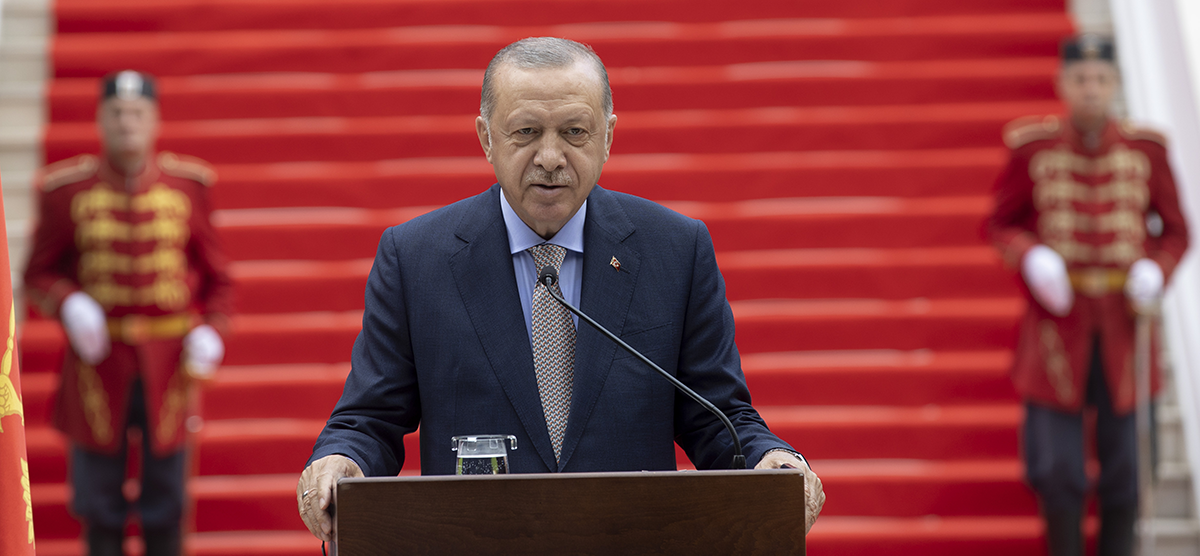
Just before visiting Turkish-occupied Northern Cyprus in late July, Turkish President Recep Tayyip Erdoğan gave Serbia an unpleasant surprise. He announced that Turkey would lobby to increase the number of countries that recognized independent Kosovo. Erdoğan stated on July 19, “Now 114 countries recognize Kosovo, and we want that number to increase. We hope that this year at the United Nations General Assembly, at the meeting I will have with [U.S. President Joe] Biden, we will discuss this topic again, that we will work together on the recognition of Kosovo.”
Building a Closer Black Sea: Promoting Trade and Economic Interdependence
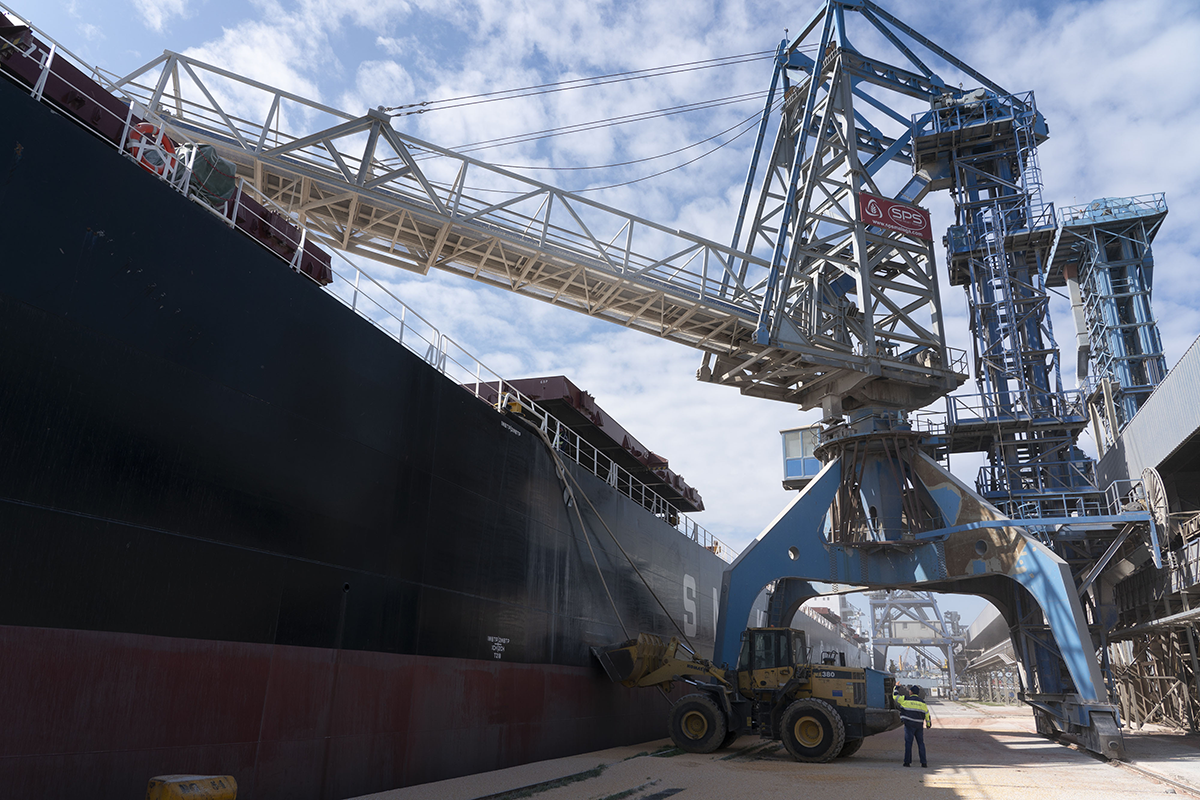
While the Black Sea has historically been an area of significant geostrategic importance, this has not made it a vibrant zone of commerce, transport, energy, tourism, or cultural exchange. Rather, it has become a theater of struggle for dominance and competing geopolitical and geo-economic interests. This situation has been exacerbated by conflict between Russia and countries in the region, like Ukraine and Georgia, that have sought closer ties with the West and aspire to NATO membership and EU integration. These developments have dire consequences for regional security and stability, disrupting political and economic ties in the area and beyond. A long-term solution to the region’s security issues could be based on intensifying trade relations and increasing economic interdependence between the states. This paper identifies major barriers to closer regional trade and economic cooperation and outlines ways to overcome them.
Afghanistan: The US decides, but will Europe pay the bill?
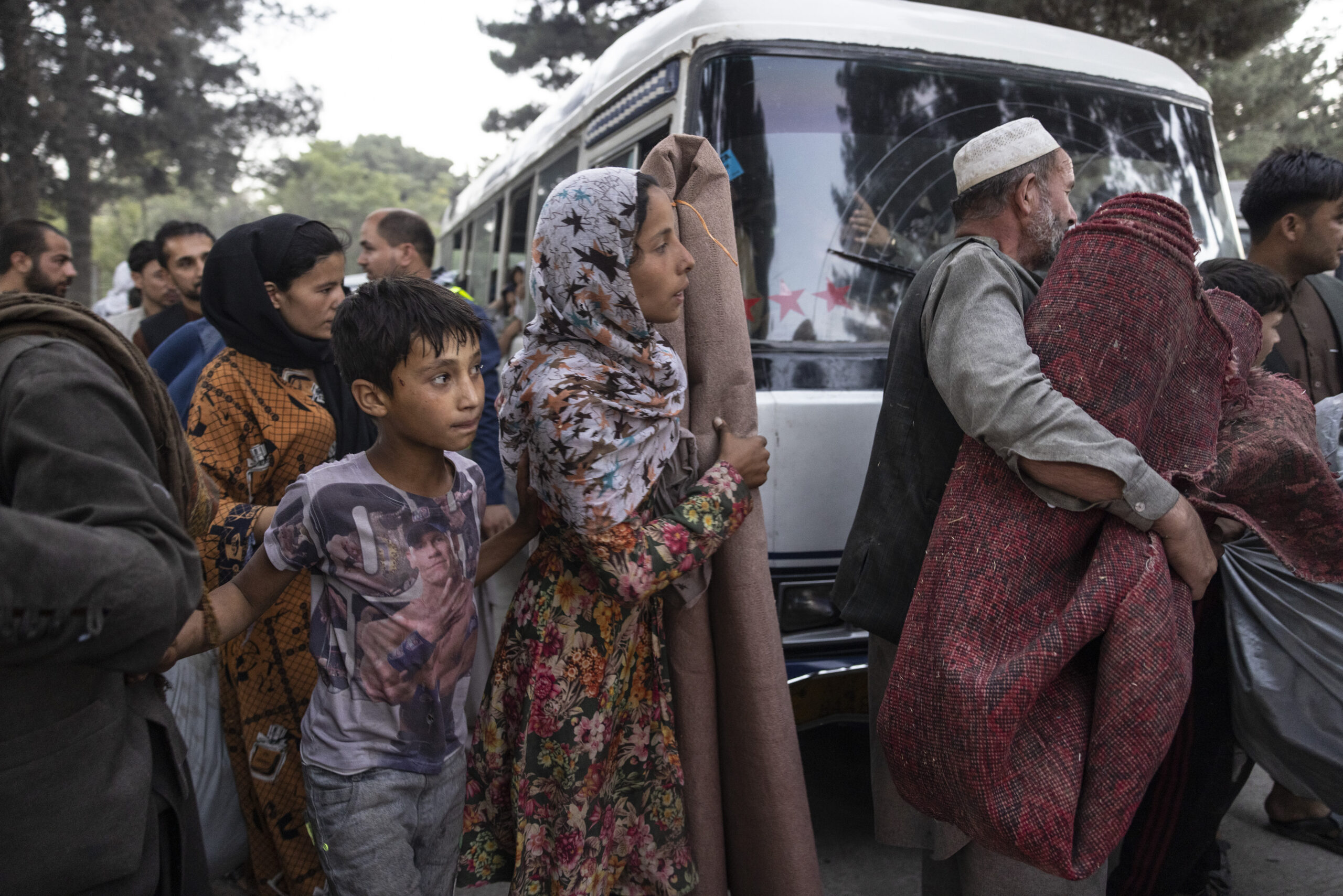
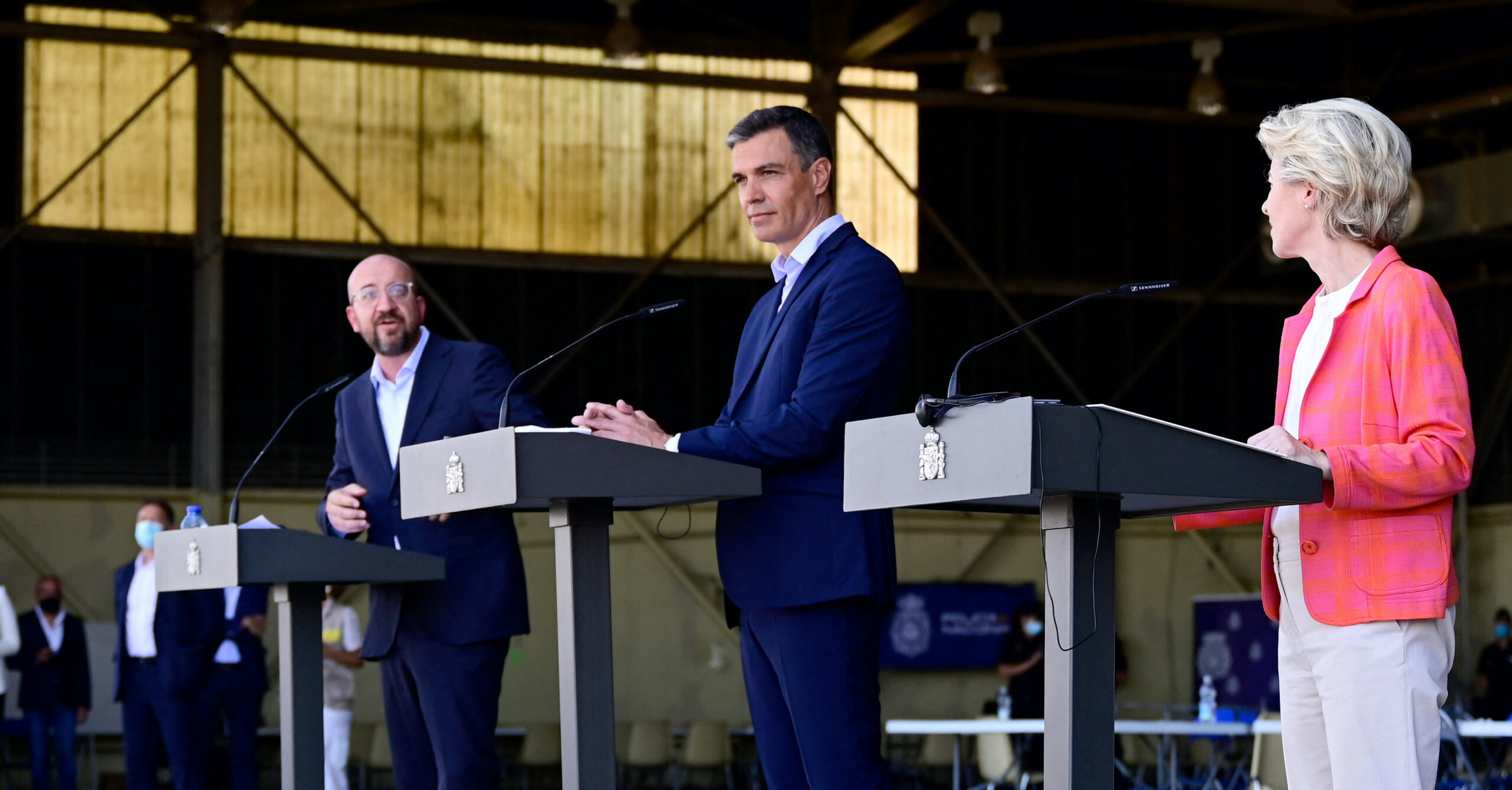
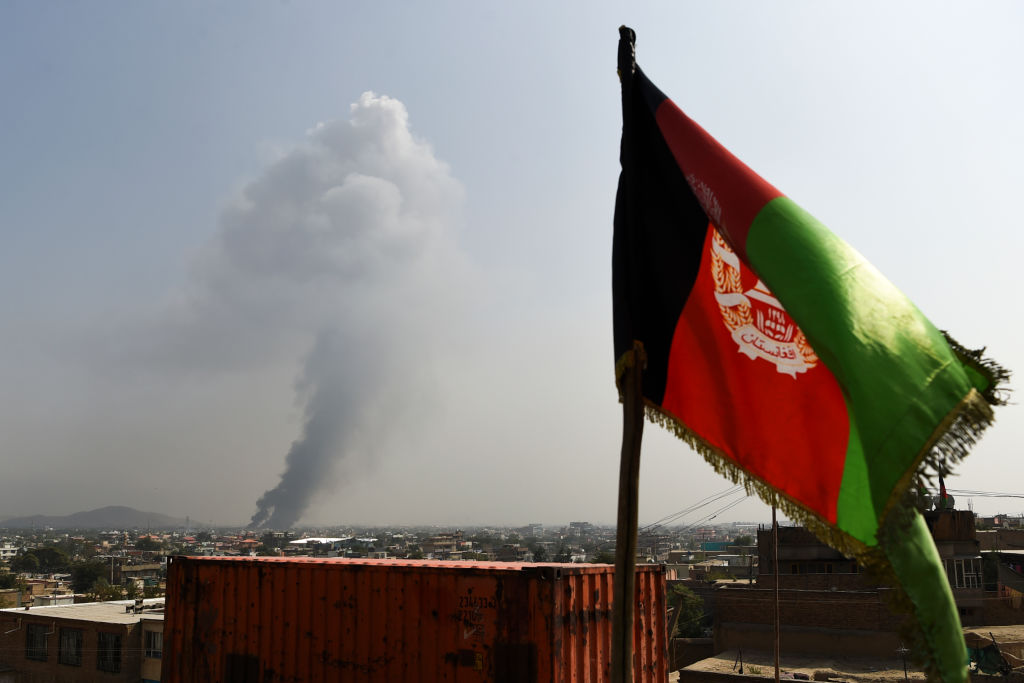
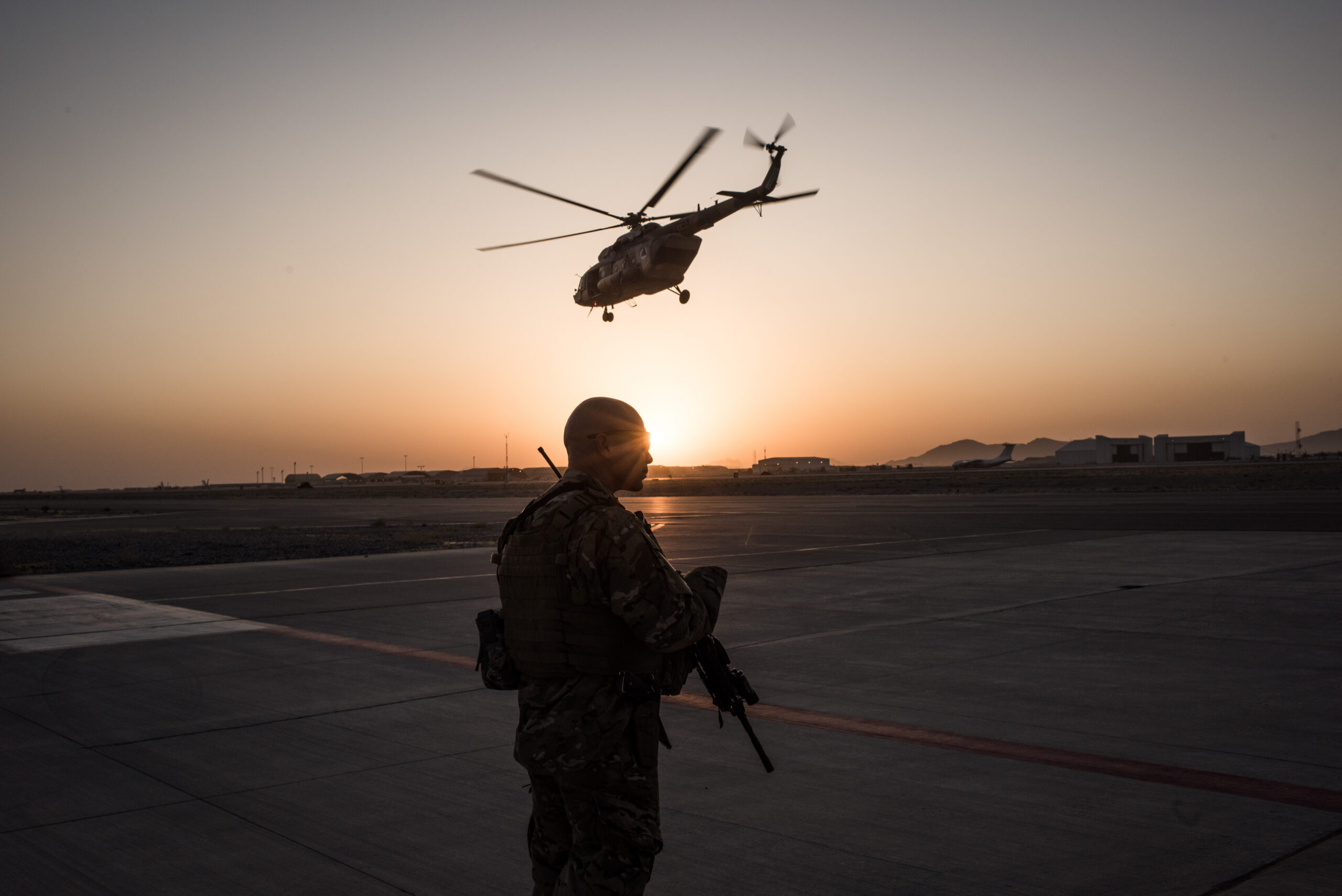
That the Taliban ended up taking over Afghanistan was not surprising, given the details of the agreement between the U.S. administration and the group’s leadership that have been known for many months. What was surprising for the international community, however, was the speed and manner of their takeover. The Taliban offensive and its consequences came as a particular shock to the institutions of the European Union (EU) and the member states that took part in the International Security Assistance Force (ISAF) mission and various aid programs in the country. When it comes to assessing the consequences of the Taliban’s takeover, there is no doubt that, first and foremost, it is the Afghan people that are most badly affected. Among the members of the international community, it is the Americans that have suffered the greatest reputational and financial losses so far, but from here on out the EU may well be the party that will face the greatest consequences.
Egypt needs a more inclusive approach to subsidy reform
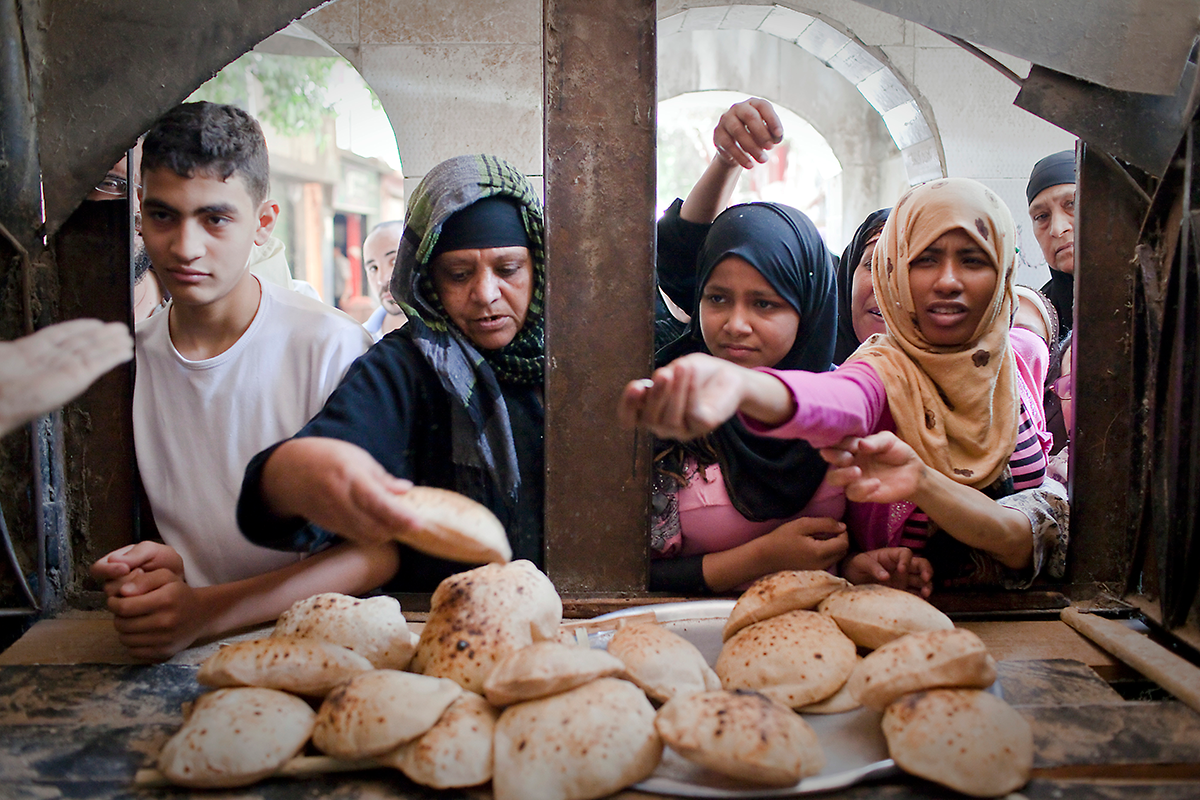
Speaking at a public event earlier this month, Egyptian President Abdel-Fattah el-Sisi made the surprise announcement that the next step in the country’s economic reform agenda will include the removal of bread subsidies. He becomes the latest in a long line of presidents to target the bread subsidies that provide cheap sustenance to a country of (now) over 100 million people at a huge cost to the state, although none of his predecessors ever successfully managed to remove or significantly reduce them.
Al Qaeda and lessons from the past 20 years of counterterrorism
Peter Bergen and Colin Clarke join guest host Charles Lister to discuss Bergen’s new book, The Rise and Fall of Osama Bin Laden, as well as the Biden administration’s handling of the US withdrawal from Afghanistan and concerns about the country once again becoming a safe haven for Al Qaeda under the Taliban.
Human rights consequences of Russian occupation: Georgia and Ukraine
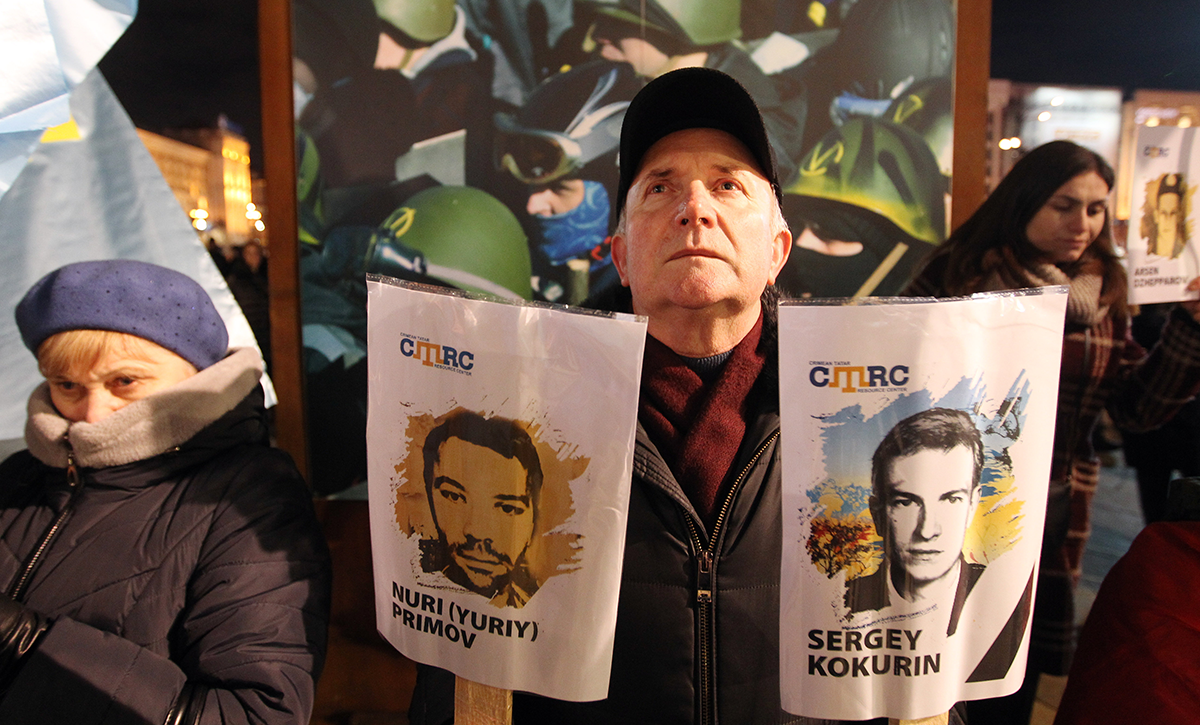
Despite their unique characteristics and contexts, the Russian occupation of two regions in Georgia and its annexation of Crimea in Ukraine share a variety of similarities when it comes to the human rights situation on the ground.
إسرائيل ومصر تتصدران توقعات النمو في الشرق الأوسط وشمال إفريقيا: قصة استراتيجيتين متباينتين
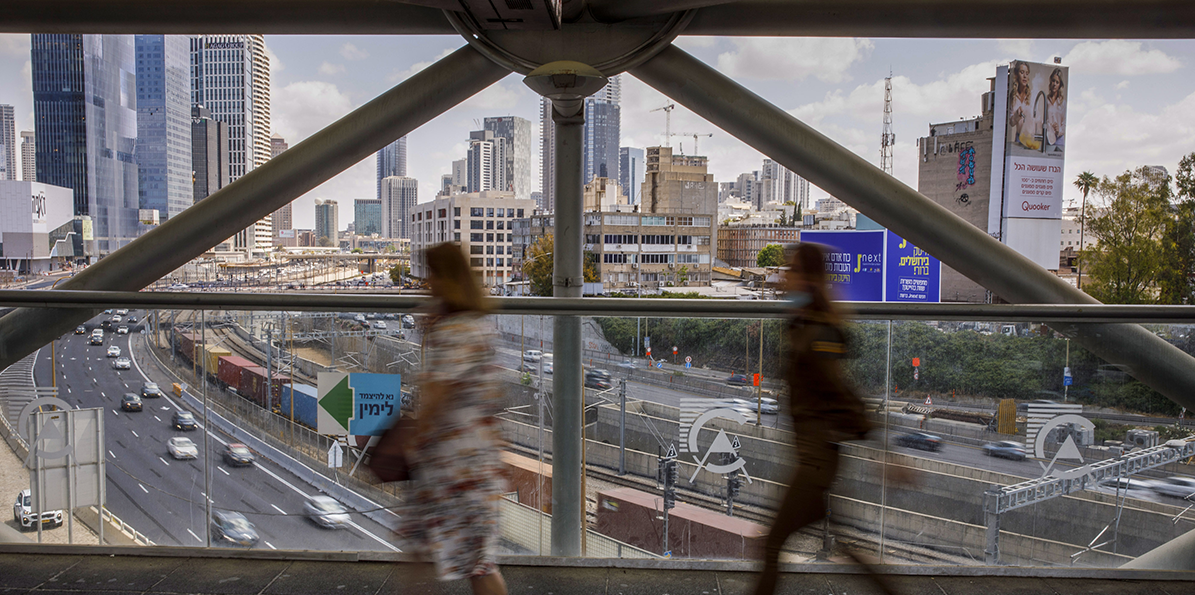
الدولتان في الشرق الأوسط اللتان تتمتعان بأعلى توقعات نمو لعام 2022 هما إسرائيل ومصر. وتقدر مؤسسة فيتش سوليوشنز أن الناتج المحلي الإجمالي على مستوى منطقة الشرق الأوسط وشمال إفريقيا سينمو بنسبة 3.6% في عام 2021، بعد انكماش بنسبة 4% في عام 2020. هنا نجد أن مصر وإسرائيل هما الدولتان الوحيدتان في المنطقة اللتان يُتوقع نمو اقتصادهما بما يتجاوز حجم مستويات ما قبل كوفيد-19.
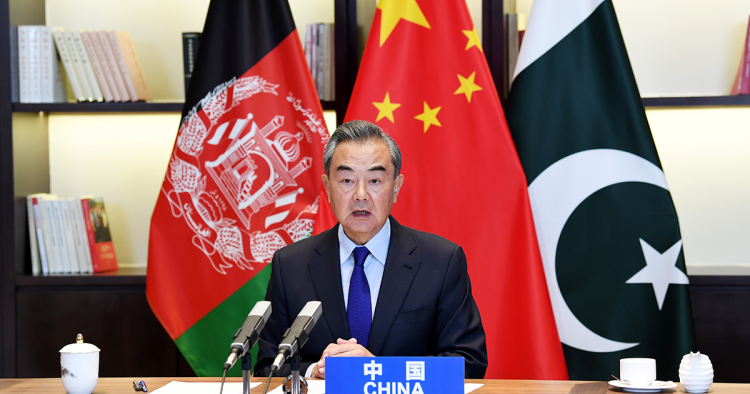
As the Great Game between the United States and China unfolds on a global scale, American and Chinese leaders have to make a choice — will they clash more openly in a struggle to dominate Afghanistan and its neighboring regions or will they rein in their ambitions and jealousies to accomplish goals that benefit themselves and many others?
"صفر يعني صفر": ما يمكن أن نتعلمه من خطأنا في العراق ونطبقه في أفغانستان
في ديسمبر/كانون الأول 2011، كُنتُ في مُعسكر أمريكي صغير بالقرب من بغداد أتحدث مع القادة الميدانيين لأحد أجهزتنا الاستخباراتية حول الخيارات للحد من فقدان كل من الاستخبارات التقنية والبشرية بعد أن تم تخفيض القوات العسكرية الأمريكية إلى الصفر في العراق. في وقت متأخر من تلك الليلة بعد انتهاء اجتماعاتي التي استمرت طوال اليوم، قمت بإجراء مكالمة مع قائدي الجنرال جيم ماتيس، الذي كان وقتها يتولى رئاسة القيادة المركزية الأمريكية (CENTCOM).
Preparing for advancements in Russian warfare in the Black Sea region
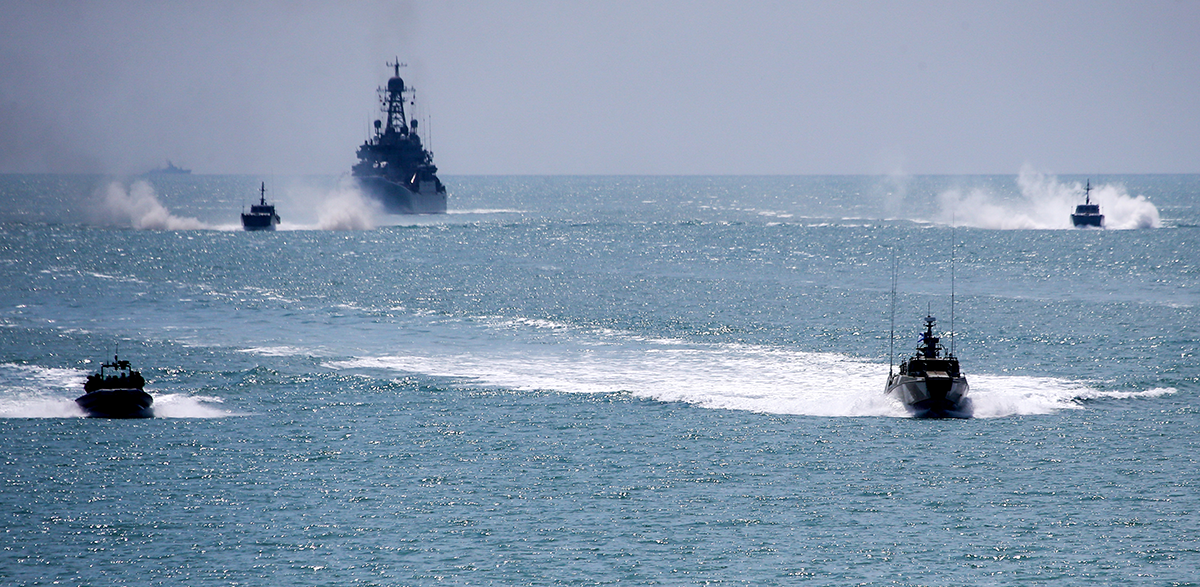
Suddenly and seemingly without warning, Russian forces amassed in Crimea and near the Ukrainian border in April 2021. Heavy armor, long-range missiles and artillery, modern air forces, and elite airborne infantry units deployed into positions that raised alarm in Ukraine and throughout Europe. The situation today appears stable, but reports of new and upgraded hardware, including unmanned vehicles, demand a fresh evaluation of the Russian way of war.
Biden Must Keep U.S. Operatives in Afghanistan To Enable the Counterterrorism Mission
We can and must provide that assistance not to help defeat the Taliban, fix Afghanistan, or remove our moral stain, but to achieve a much more limited objective, one that’s stated by the President himself, which is to ensure that no major attack against the U.S. or U.S. strategic interests is launched from Afghanistan.
Hezbollah, America, and the race to supply Lebanon with power
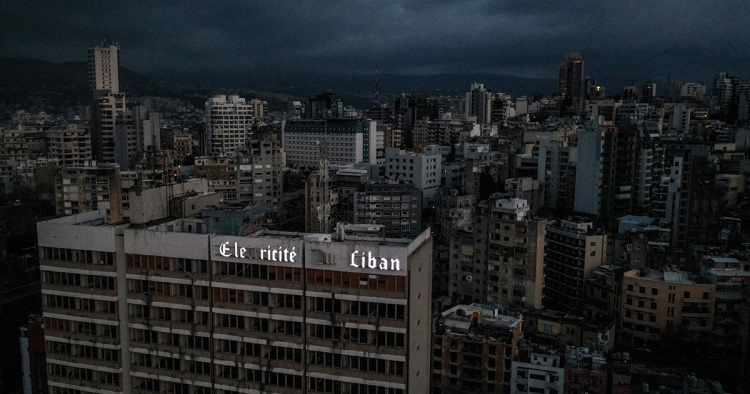
Amid typical governmental absenteeism, Hezbollah’s Secretary-General Hassan Nasrallah announced on Aug. 19 that the party had secured fuel shipments from Iran. He asserted that the first of many fuel tankers would set sail to Lebanon that same day. Hours later, U.S. ambassador to Lebanon Dorothy Shea declared that the U.S. was working closely with Egypt, Jordan, and the World Bank to find solutions to Lebanon’s crippling fuel shortages. Shea’s comments imply a U.S. willingness to loosen Caesar Act restrictions that would otherwise prevent Lebanon from importing natural gas and electricity through Syria from Egypt and Jordan respectively. The two announcements have been in the making for weeks, but both come at a time when Lebanon’s physical and human infrastructure is crumbling in the absence of essential fuel supplies and energy sources.