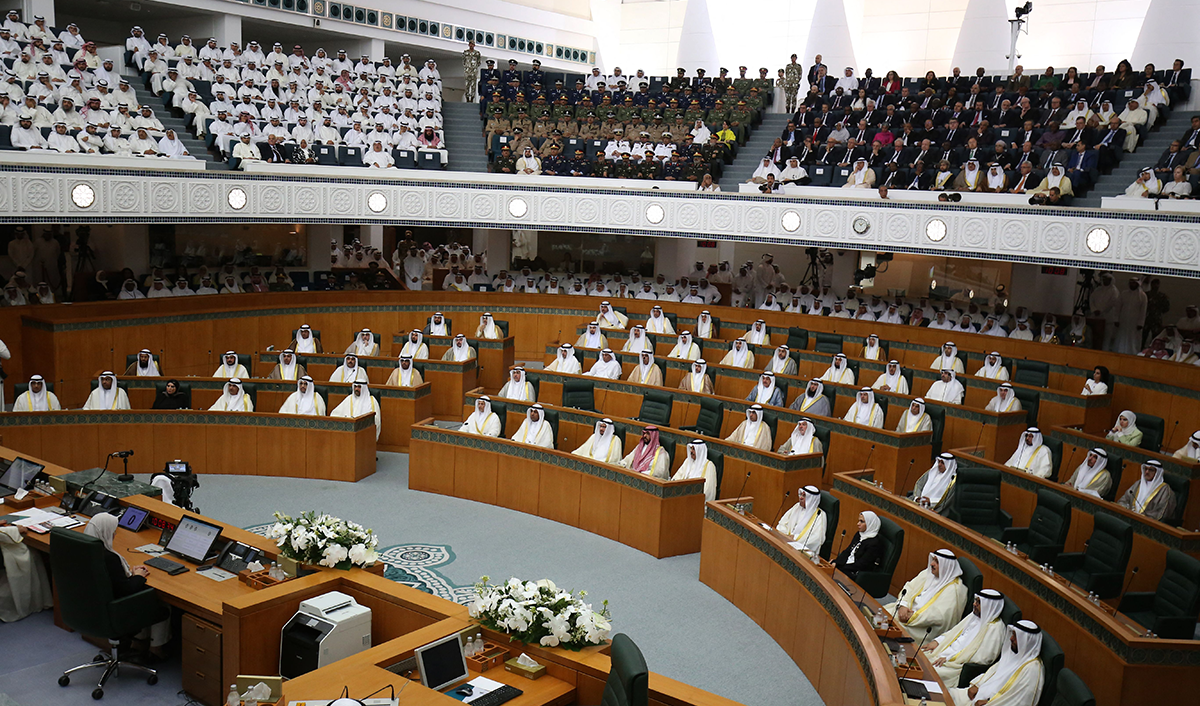
Will Kuwait’s new parliament resolve its political impasse?
Kuwait’s Sept. 29 parliamentary elections were supposed to bring change to the gridlock and governmental churn that had plagued the country in recent years. Kuwaitis initially appeared optimistic about the results, calling on the amir to appoint a strong government to work with the National Assembly. Questions remain, however, as to how well the government and the majority opposition parliament will be able to cooperate to implement the necessary reforms.
The Arab Peace Initiative returns. Will it supplant the Abraham Accords?
Although the Abraham Accords have been the main focus of Arab-Israeli peace-making since they were signed, the Arab Peace Initiative (API), introduced by the late Saudi King Abdullah 20 years ago, remains relevant and may be the better reflection of a path forward for Middle East peace
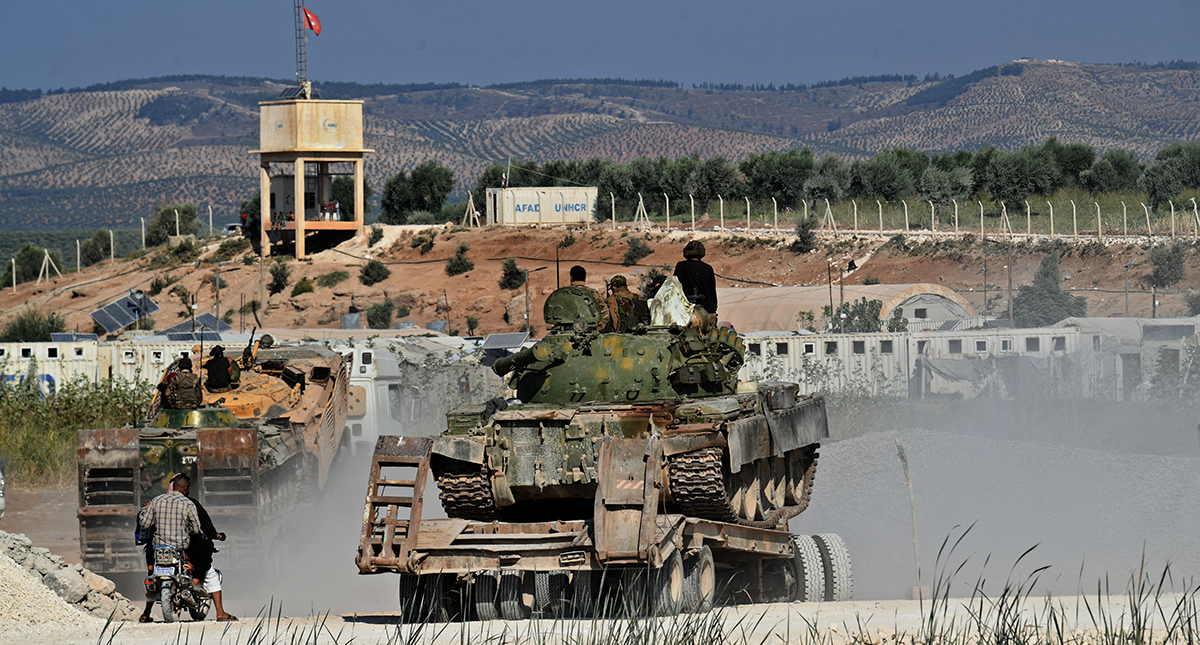
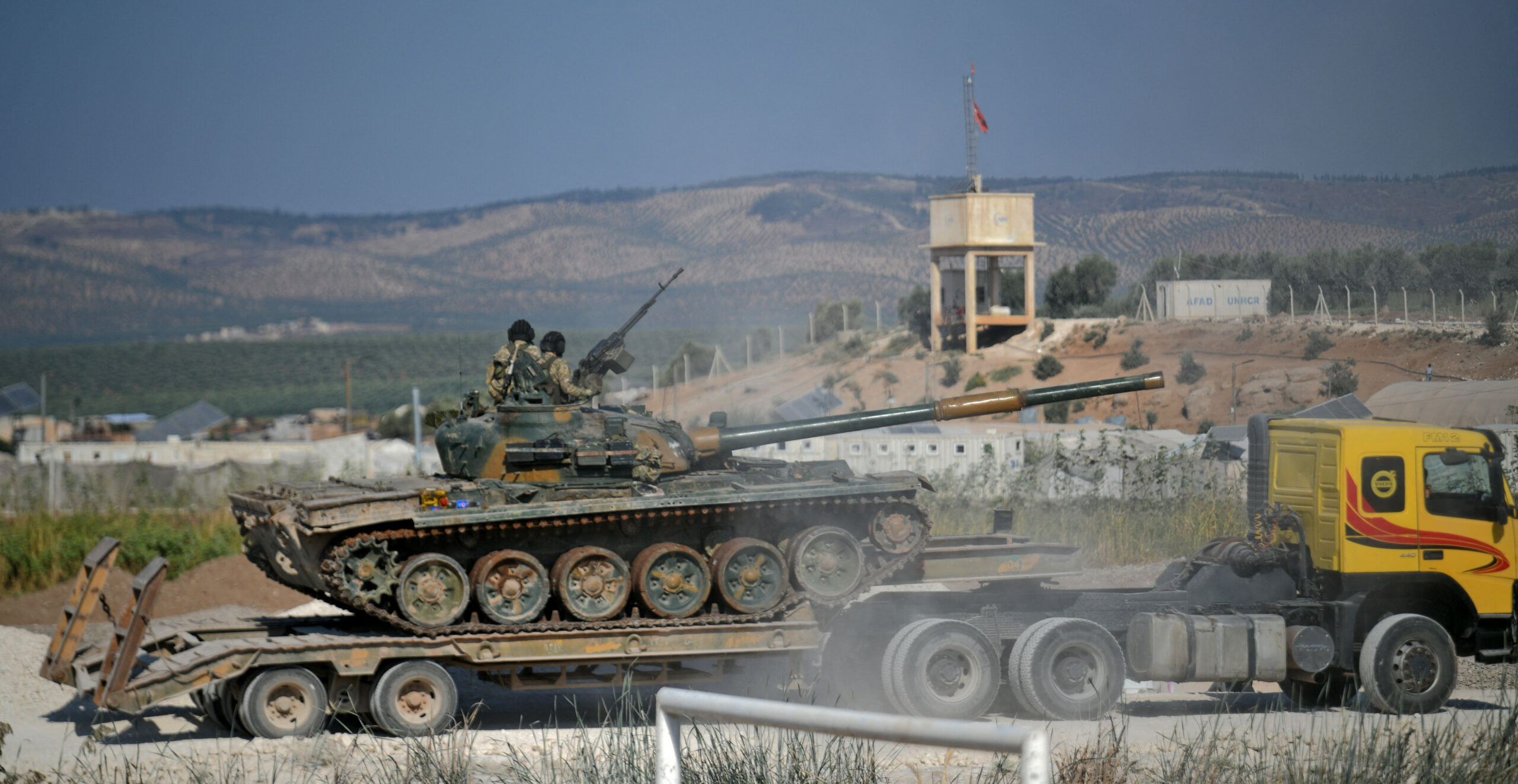
During the second week of October, unprecedented full-fledged military confrontations broke out in northern Syria between factions of the Turkish-backed Syrian National Army (SNA), with Hay’at Tahrir al-Sham (HTS) subsequently intervening in support of some factions over others. Tukey’s weariness about the constantly deteriorating state of security in the north, resulting mainly from infighting among the SNA forces it backs, and its willingness to impose order on them, could explain its silence on HTS’s military aggression. For HTS, however, expanding its rule and settling scores with some SNA factions may be the main drivers behind its recent attacks.
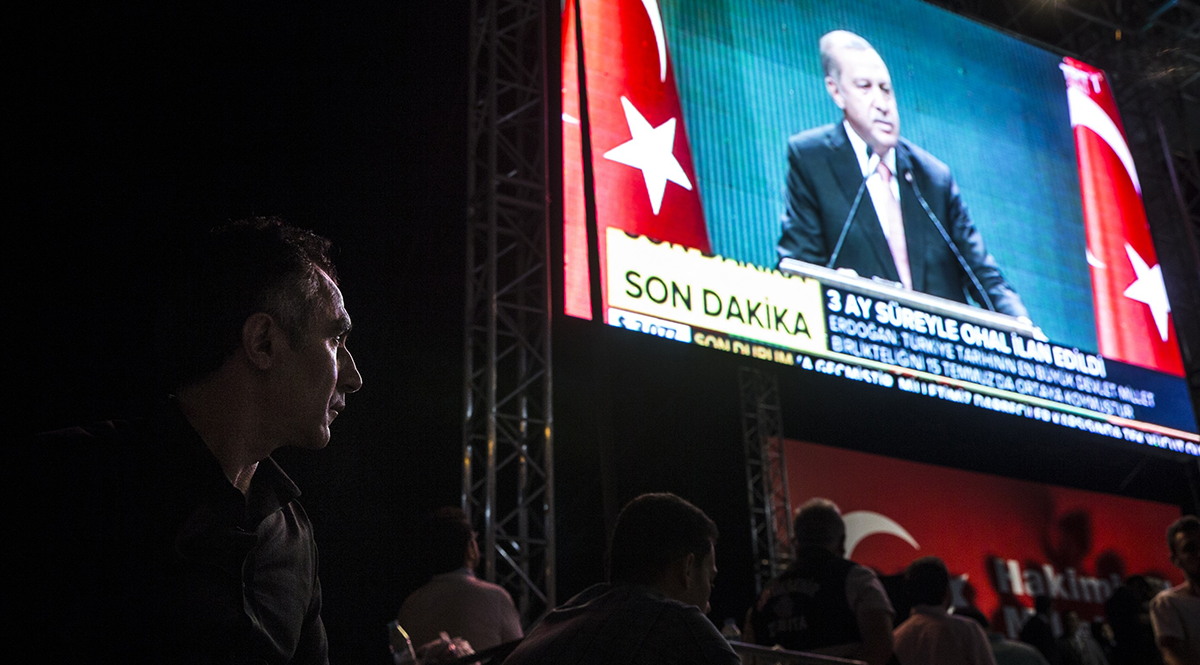
Since June 2015 and especially after the failed coup attempt in July 2016, the AKP has taken an increasingly nationalist and Eurasianist turn, as Erdoğan worked to consolidate power by satisfying various nationalist elements. The transition to the presidential system in mid-2018 has intensified Turkey’s existing foreign policy problems and given rise to new ones. This paper lays out the evolution of the AKP’s foreign policy, the consequences of the transition to the presidential system, the impact of Erdoğan’s coalition with the nationalists and Eurasianists, and potential pathways forward.
The Costs of a Presidential System: The Impact of Hyper-Centralization on Turkey’s Educational and Cultural Affairs
Turkey’s transition to a hyper-centralized presidential system has had a devastating impact on its educational and cultural affairs. The erosion of the rule of law and due process and the ensuing arbitrary rule by an all-powerful president have given rise to a growing malaise in the educational and cultural fields. The fragility of academic and media freedoms and the lack of legal and cultural norms guaranteeing freedom of speech compound the problem.
Following the AKP’s rise in 2002, civil-military relations in Turkey began to change significantly. The military’s tutelage over Turkish politics was gradually replaced with the AKP’s control over the Turkish Armed Forces. The July 2016 coup attempt put an end to the military’s prestige and popularity and ushered in a new era, with Erdoğan and his AKP asserting full civilian control over the military. This paper explores the factors that paved the way for the new civil-military relations between 2002 and 2016, reviews how the 2016 coup attempt became an opportunity for the AKP to further eliminate all opposition, and analyzes the impact of the upcoming 2023 elections and the opposition’s stance on civil-military relations.
Pragmatic jihadist or opportunistic warlord? HTS’s Jolani expands his rule in northern Syria
The jihadist group Hayat Tahrir al-Sham (HTS) in Syria has dispatched its fighters from greater Idlib eastward, taking full control of Afrin city and at least 26 towns and villages to its southwest, most without a fight. This has placed many of its jihadist opponents back under HTS’s control. The dynamics of northwestern Syria are shifting, and the consequences look likely to be extremely significant.
Over the past decade, Turkey has been on a steadily downward economic trajectory. Throughout this long period of turmoil the government has pursued a range of different economic policies, most of which were inconsistent with one another. The transition to a presidential system under Erdoğan has had a disastrous impact on Turkey’s economic institutions and administration. This paper explores the impact of the presidential system on the Turkish economy, the country’s economic outlook, and potential solutions to the current crisis, as well as the opposition’s role and ability to implement them, with an eye to the June 2023 elections.
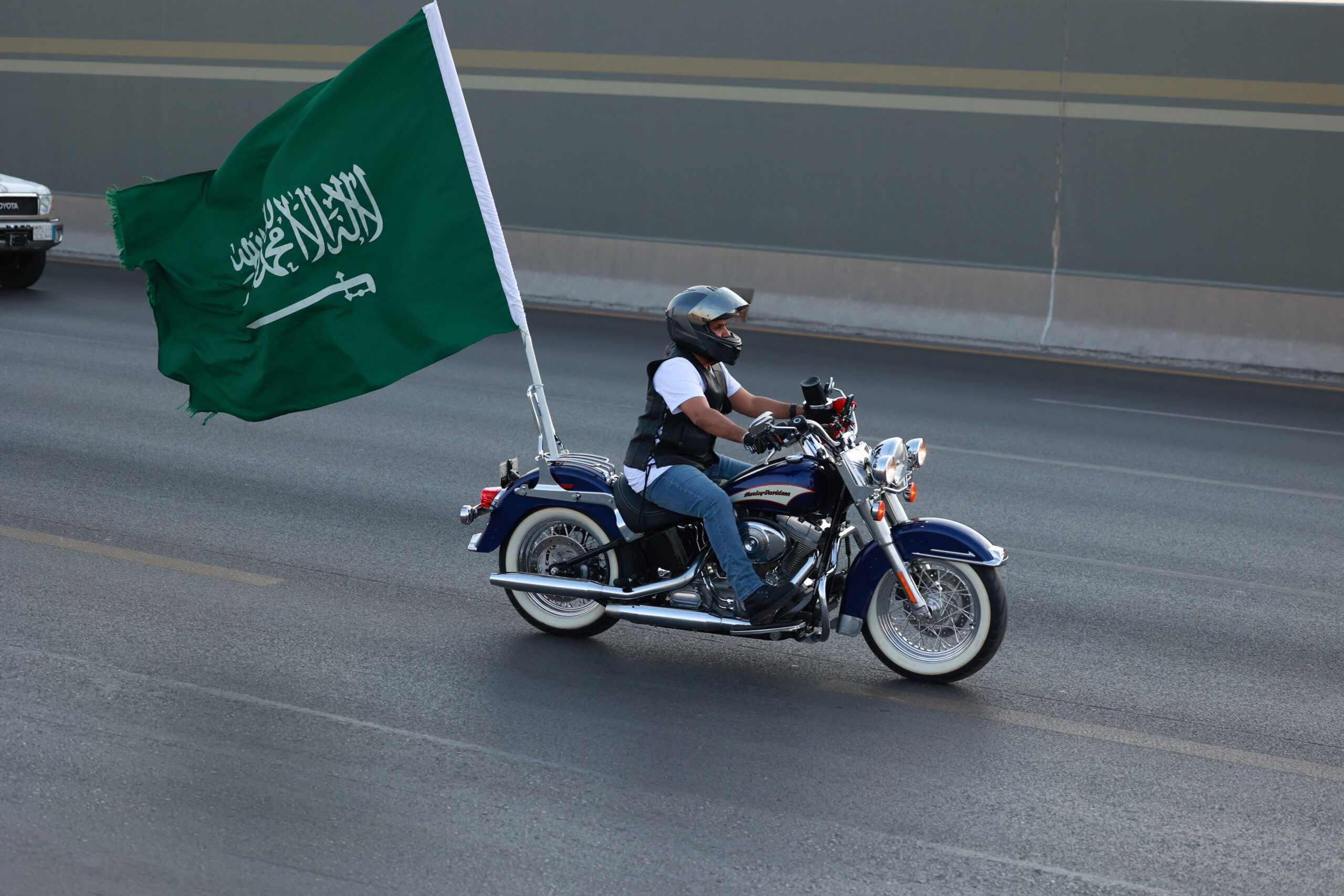
Saudi Arabia at 90: Ushering in a Neo-Saudi state?
Since being named crown prince of Saudi Arabia, Mohammed bin Salman has launched a series of far-reaching socio-economic reforms known as Vision 2030 and introduced a new form of nationalist identity — “Neo-Saudism.” Taken together, some see these changes ushering in what essentially amounts to a fourth Saudi state.
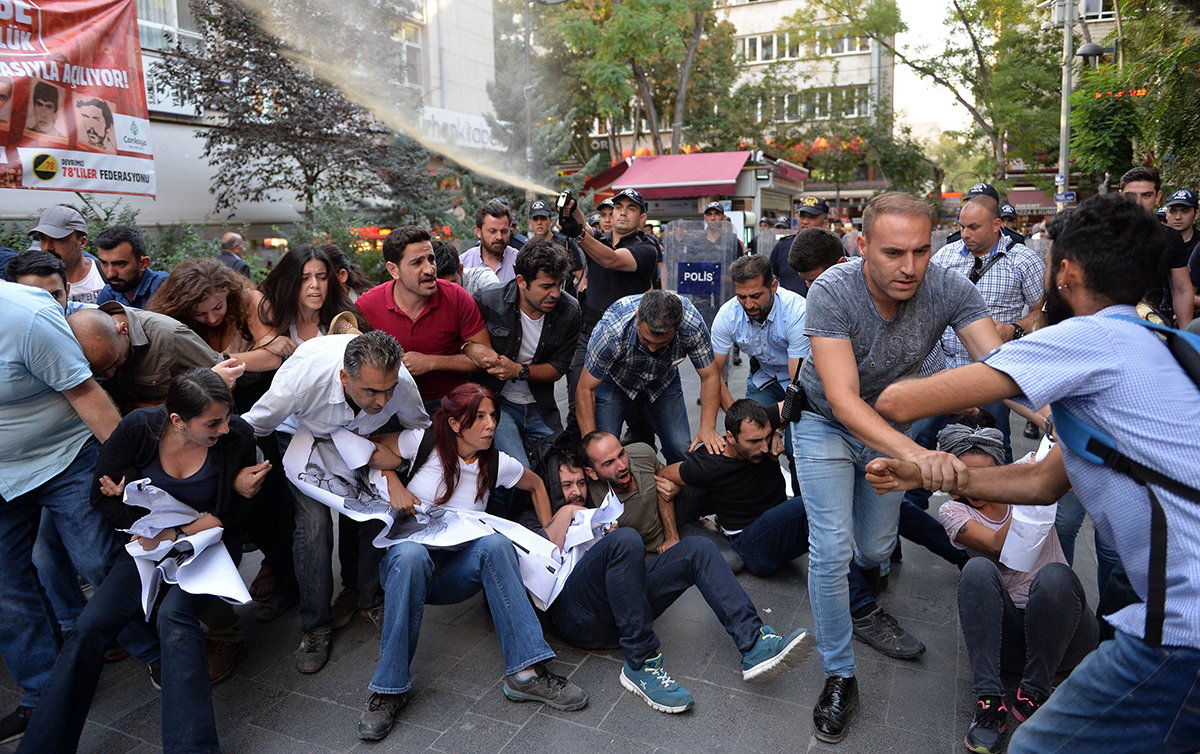
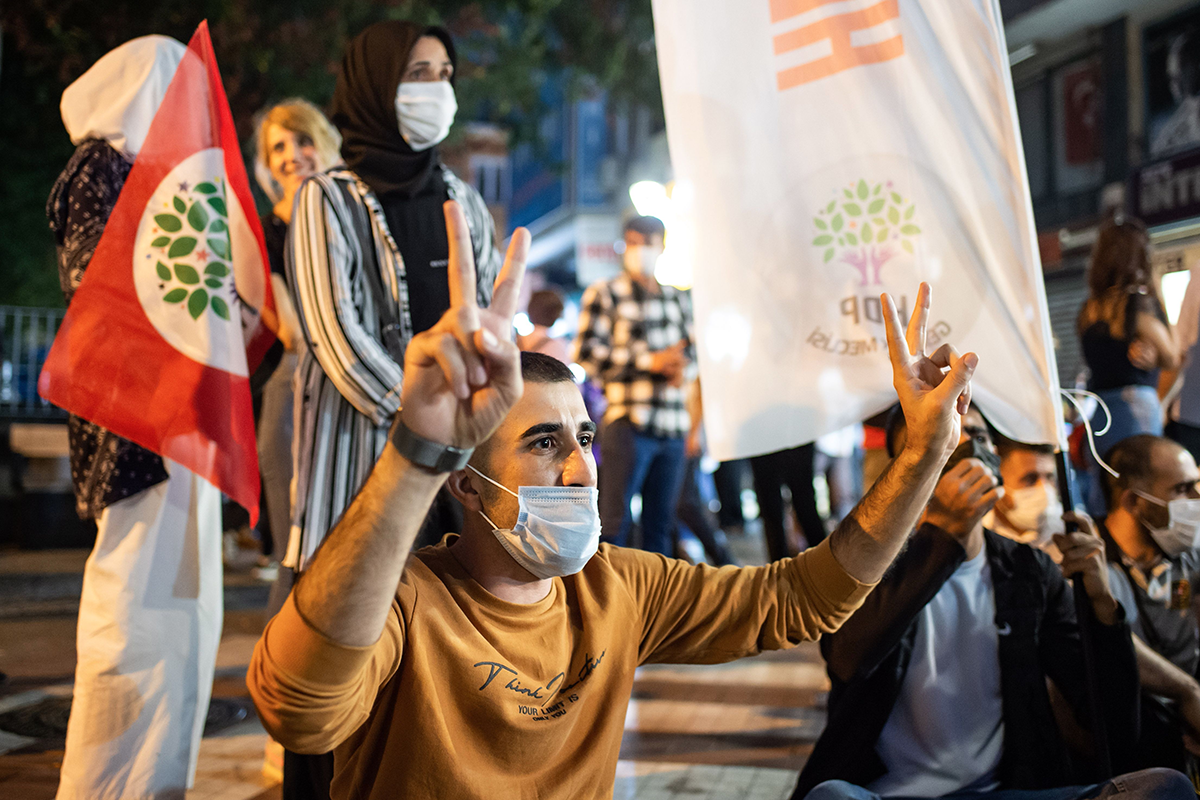
Since Erdoğan adopted a nationalist and militarist approach to reverse the results of the June 2015 elections, the Kurdish political movement has faced immense pressure. The line between the PKK and other non-violent political actors has blurred in the eyes of the elites in Ankara. Leaders and officials of the pro-Kurdish HDP have been arrested and the party has been demonized in the media. This paper aims to understand the motivation behind Erdoğan’s approach to the Kurdish question and explore the potential implications for the upcoming elections in June 2023.