تمت ترجمة هذا النص بواسطة الذكاء الاصطناعي وقد يحتوي على أخطاء.
تخطي إلى المحتوى

Research & Commentary Results

تصفية حسب
1713 Results
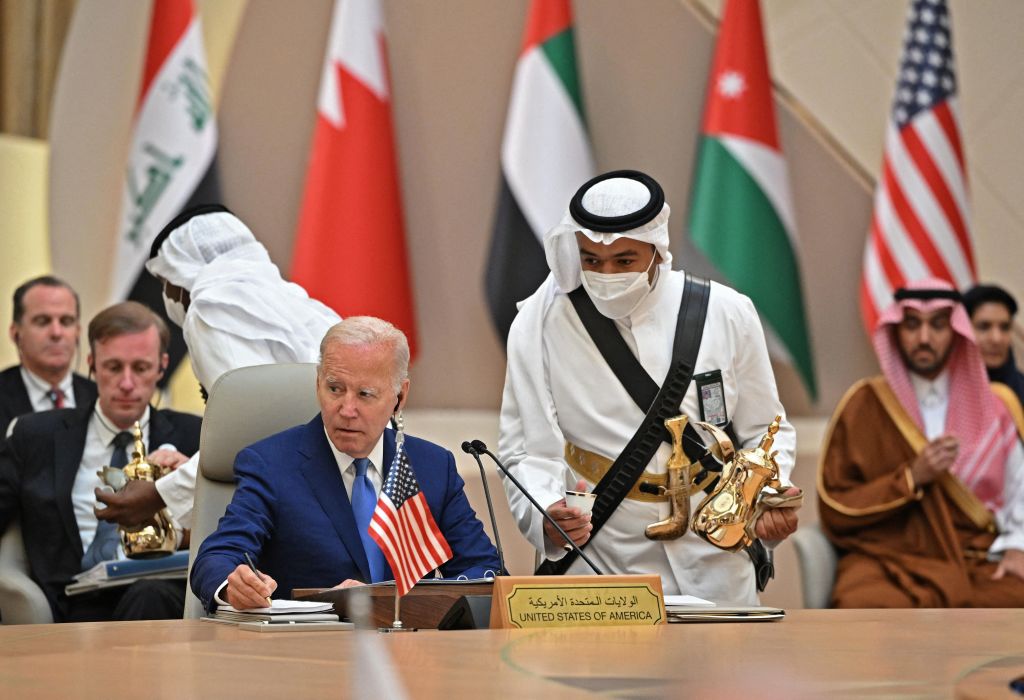
Opinion: Biden Has a Lot to Gain in Saudi Arabia
  • تعليق
  • Opinion: Biden Has a Lot to Gain in Saudi Arabia

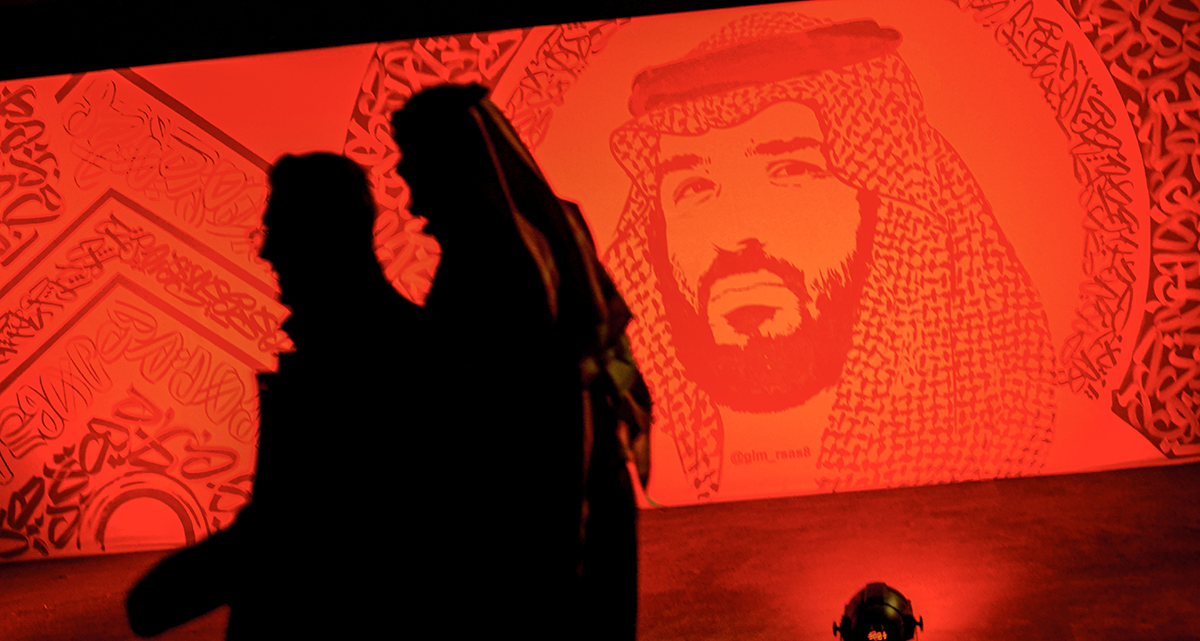
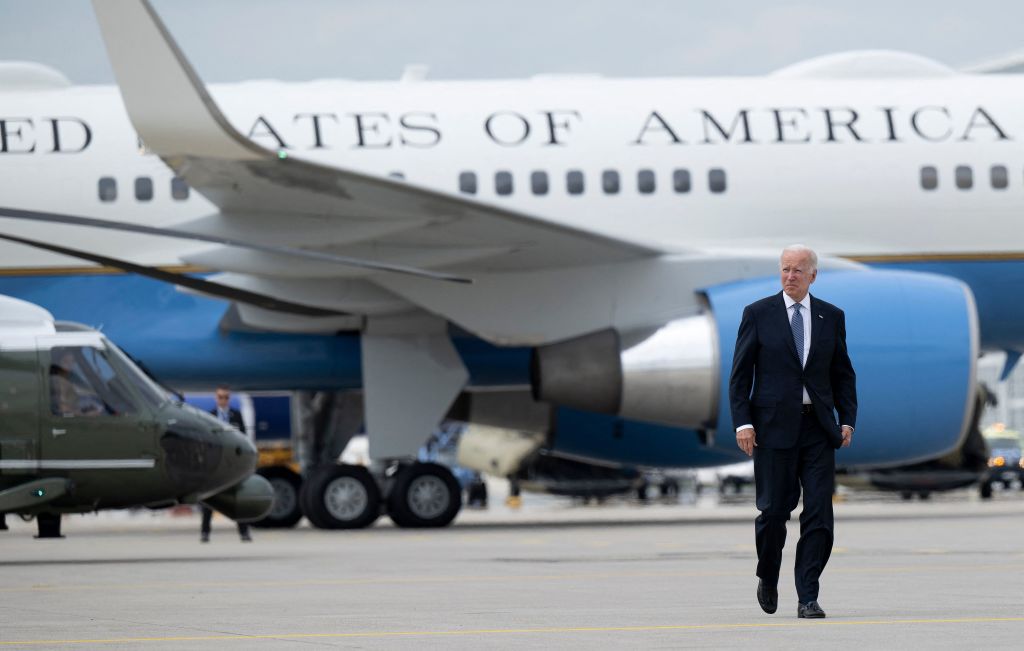
    Despite U.S. President Joe Biden’s meandering efforts to explain his about-face on Saudi Arabia—visiting the country this week after having dubbed it a “pariah” on the campaign trail—there remains much apprehension about his trip on both ends of the political spectrum. Progressives and human rights advocates worry the president will sacrifice U.S. values for short-term Faustian bargains in an attempt to secure cheap oil and expand Arab-Israeli normalization. Republicans and realists, who favor an interest-driven approach to foreign policy, aren’t sure there is enough to be gained by Washington on these fronts to justify a presidential visit.

    OPEC and maximum production: What is sustainable?
    Photo by Simon Dawson/Bloomberg via Getty Images
  • التحليل
  • OPEC and maximum production: What is sustainable?

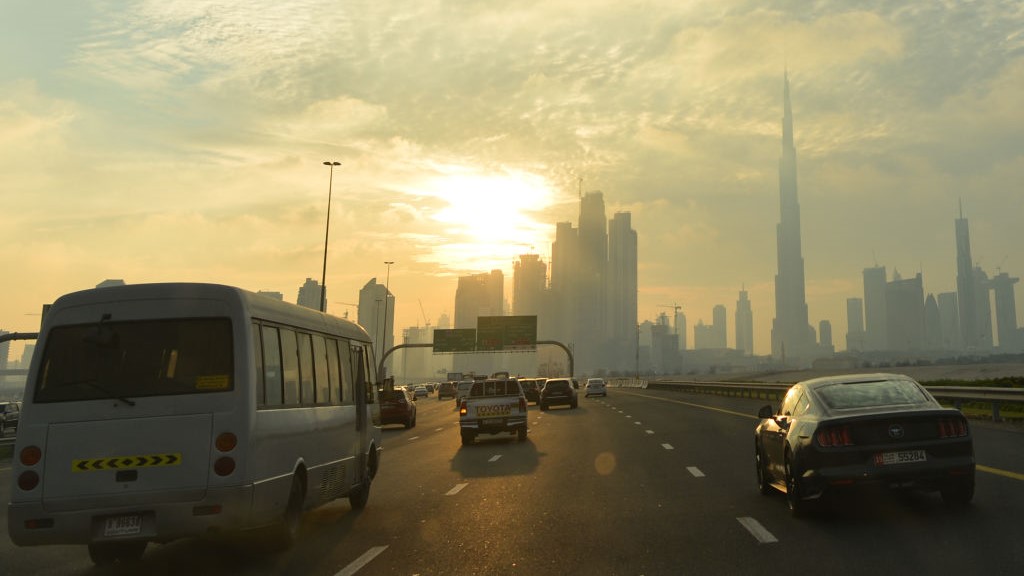
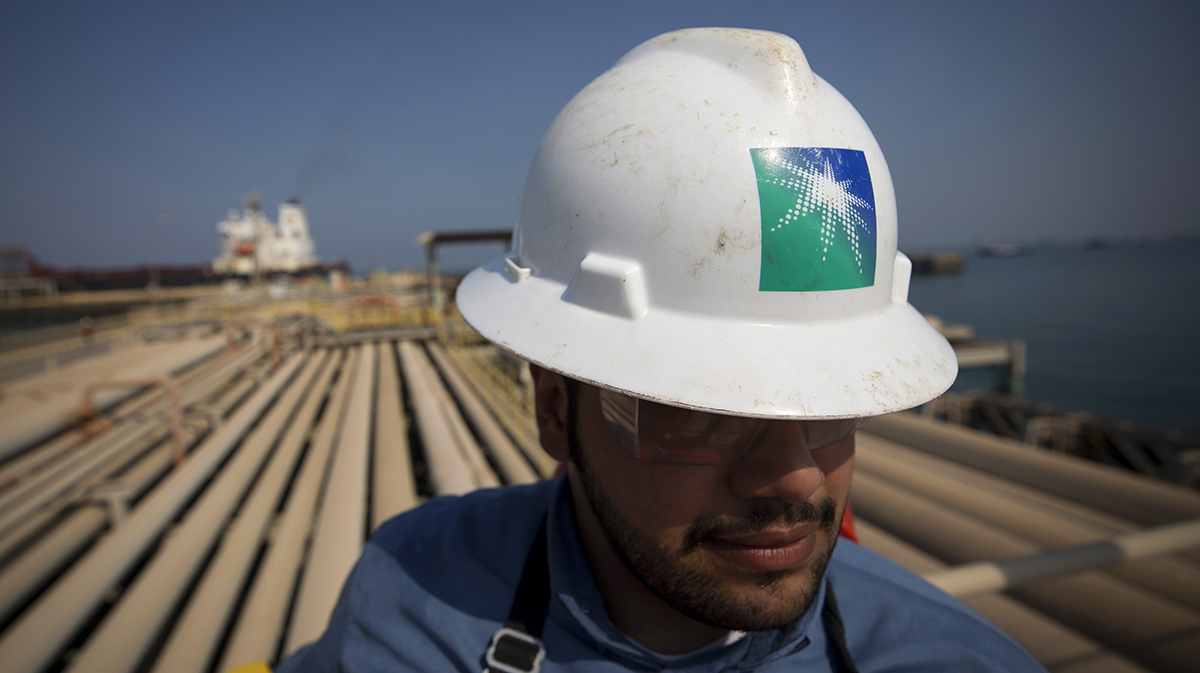
    Industry analysts widely agree that OPEC+ production levels are currently well below the members’ authorized quotas and that any production increases will mainly be met by Saudi Arabia and the UAE. The challenges facing the group are daunting, but if met, seven major OPEC countries could feasibly raise crude oil production while utilizing existing infrastructure, significantly narrowing the global demand-supply gap.

    July 13, 2022

    Saudi Arabia’s political trajectory
    Photo by Bandar Algaloud / Saudi Kingdom Council / Handout/Anadolu Agency/Getty Images
  • التحليل
  • Saudi Arabia’s political trajectory

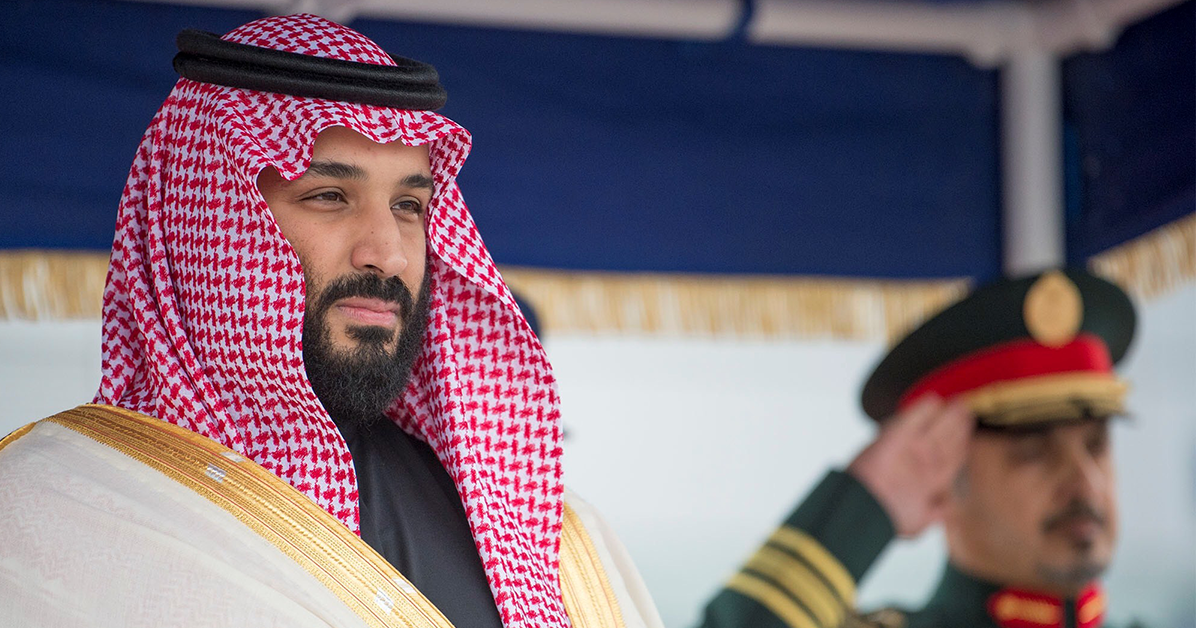
    When gaming out the country’s likely political trajectory, most fellow Saudi watchers I know agree that the likelihood of the kingdom imploding is slight, but were that to come to pass, the consequences for the U.S. and the rest of the world would be enormous. Yet Saudi Arabia has managed to negotiate several turbulent events in its recent history with a rather remarkable lack of destabilization. And it’s most likely to continue along that trend, even in the face of what could be more storms to come.

    July 7, 2022

    Erdoğan’s opportunism in the wake of the Russia-Ukraine war
    Photo by ADEM ALTAN/AFP via Getty Images
  • التحليل
  • Erdoğan’s opportunism in the wake of the Russia-Ukraine war

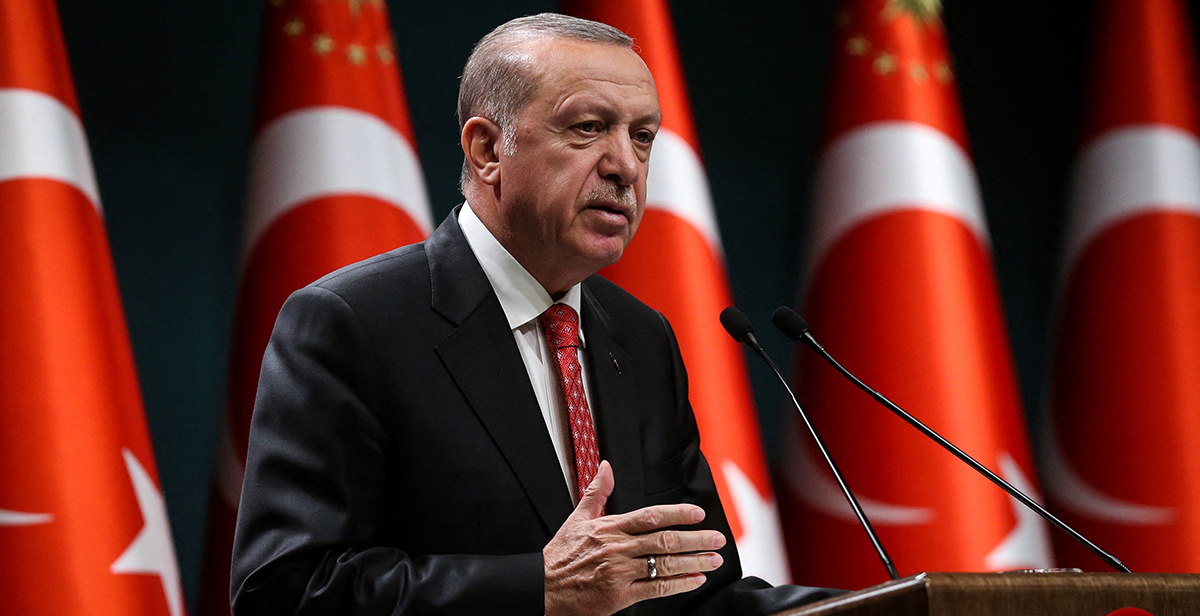
    Turkish President Recep Tayyip Erdoğan is notorious for pursuing a one-man foreign policy strategy to consolidate his popularity with his nationalist voter base. He has utilized bold, and sometimes reckless, foreign policy as a vehicle for his political ambitions. Now, Russia’s invasion of Ukraine has opened up new high-risk opportunities for Erdoğan to improve his domestic image, especially as the next Turkish presidential and parliamentary elections approach.

    July 6, 2022

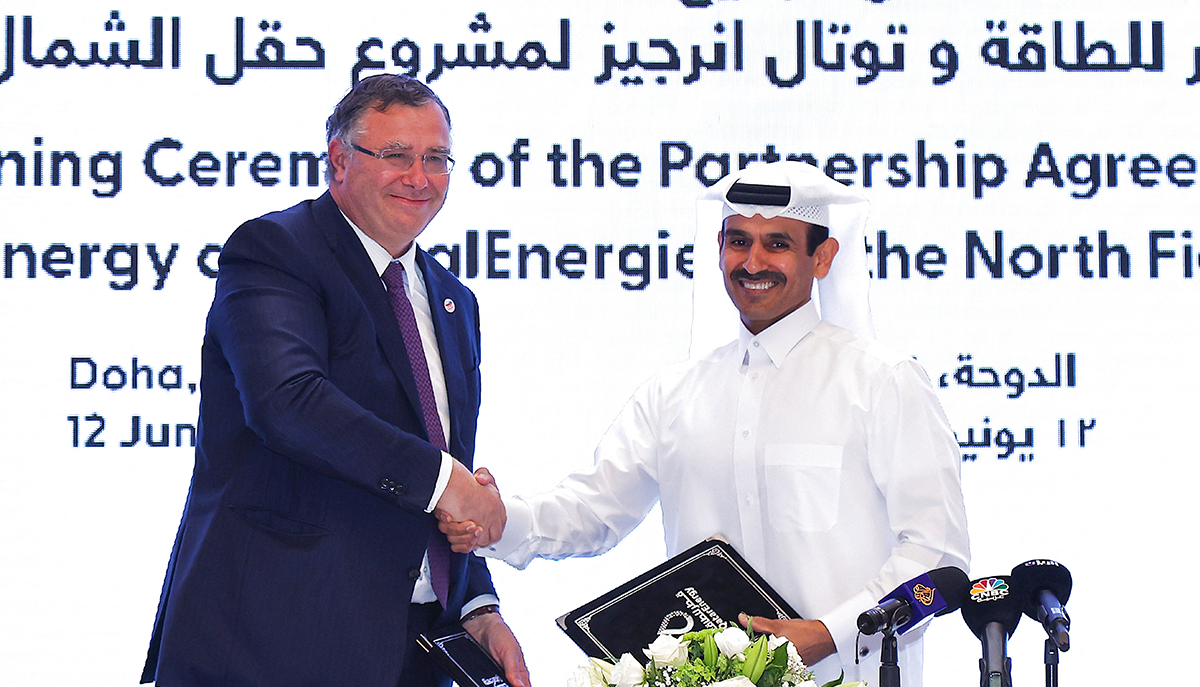
    Qatar strengthens ties with international energy players through North Field East Project
    Photo by KARIM JAAFAR/AFP via Getty Images
  • التحليل
  • Qatar strengthens ties with international energy players through North Field East Project

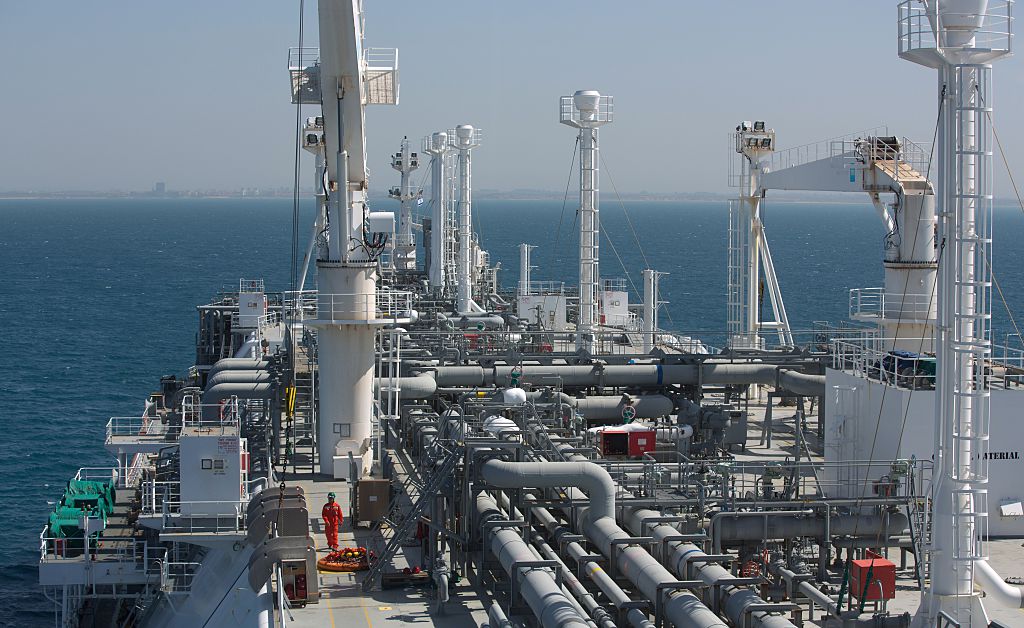
    Throughout the month of June, Qatar Energy, the state-owned energy company responsible for delivering the newly named North Field East Project, captivated the attention of global energy players. After more than six months of bid evaluation, the Qataris have selected the partners in the drive to expand their LNG capacity. While all partners have minor interests, the Qataris have publicly secured participation from representative Western energy players.

    July 5, 2022

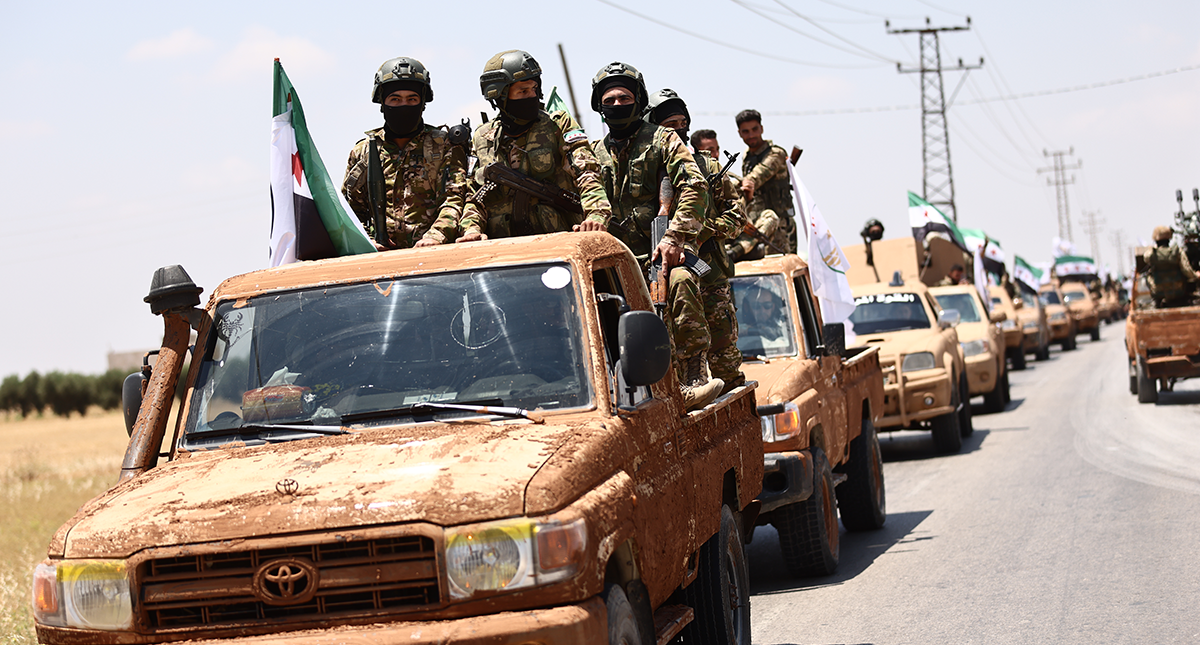
    How Iran sees Turkey’s plan for a new military operation in Syria
    Photo by Anas Alkharboutli/picture alliance via Getty Images
  • التحليل
  • How Iran sees Turkey’s plan for a new military operation in Syria

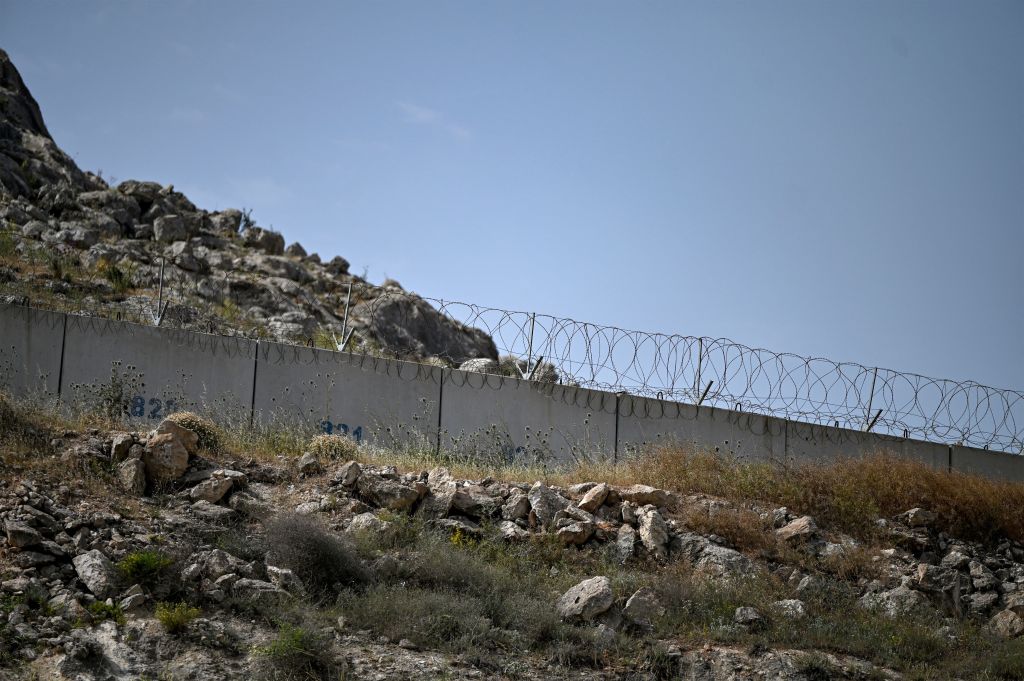
    As the threat of a new Turkish military incursion into northern Syria looms, other international stakeholders in the Syrian crisis continue to voice their concerns over Ankara’s ambitions. At odds with Turkey since 2011 over its desire to overthrow the regime of Syrian President Bashar al-Assad and its support for an array of armed opposition factions, Iran has been increasingly vocal of late in opposing a potential new Turkish military operation.

    July 1, 2022

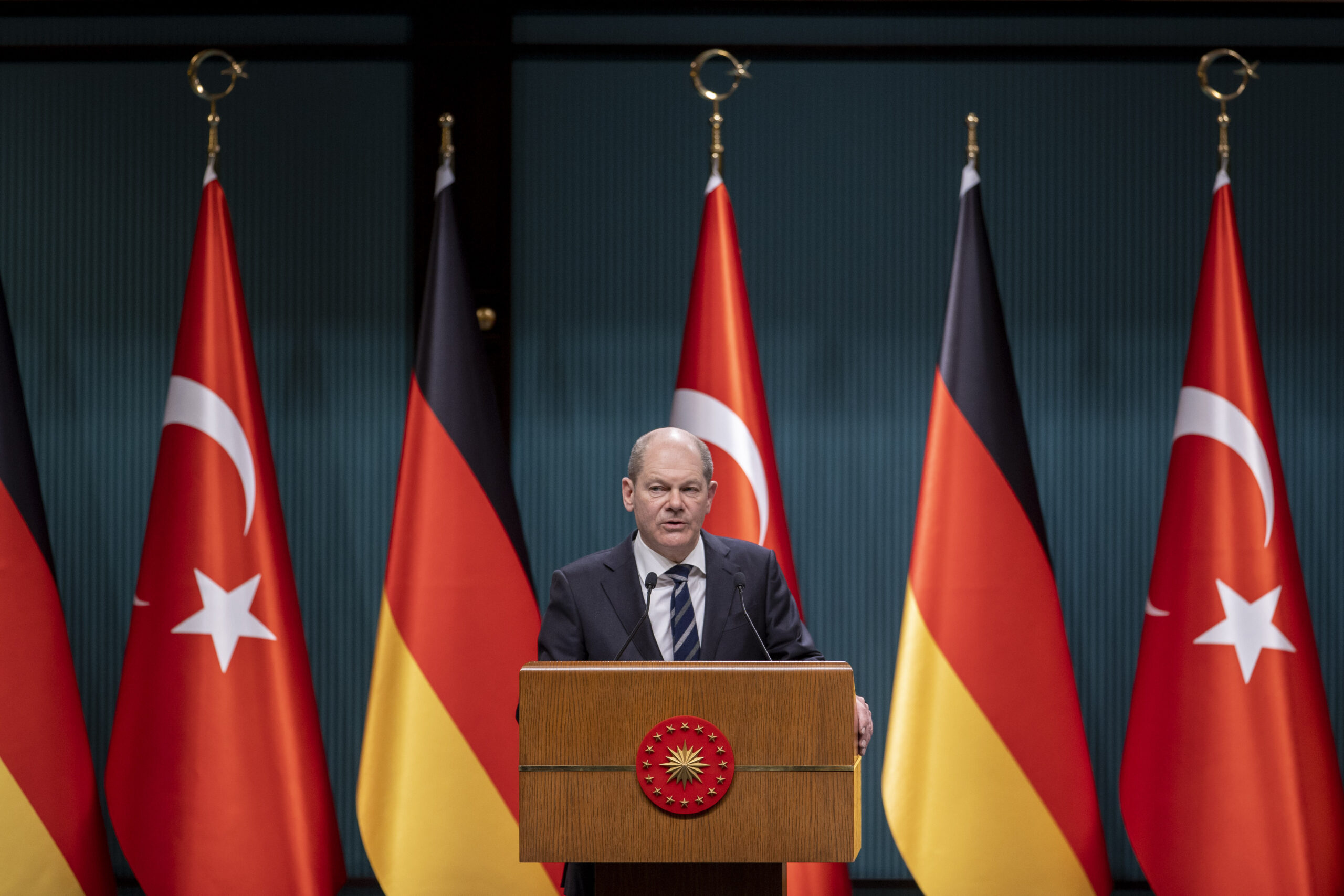
    Staying the course … for now: Germany’s MENA policy under the Scholz government
  • التحليل
  • Staying the course … for now: Germany’s MENA policy under the Scholz government

    After 16 years under Angela Merkel, Olaf Scholz’s assumption of Germany’s chancellorship on Dec. 8, 2021 marked a new chapter in the nation’s politics. Within the “traffic light” coalition government formed by the Social Democrats, the Free Democratic Party, and the Greens, Annalena Baerbock heads the Ministry of Foreign Affairs. Before taking office, the co-leader of Alliance 90/The Greens was known for both her welcoming attitude toward immigrants and her full-throated condemnation of human rights violations by authoritarian governments. The Middle East and North Africa (MENA) region has no shortage of the latter: According to the Economist Intelligence Unit’s Democracy Index, 17 out of the 20 countries in the region are “authoritarian” and not one is characterized as a “full democracy.” Beyond human rights, other key MENA policy issues for the new government include Iran, Turkey, ongoing conflicts in the region, and immigration. The challenges are numerous, if well-known, but how will Berlin respond? Is Germany’s policy toward MENA likely to change or remain the same under the new government?
    June 22, 2022

    Economic Diversification and Energy Transition in Iraq and the Gulf
    Photo by AHMAD AL-RUBAYE/AFP via Getty Images.
  • التحليل
  • Economic Diversification and Energy Transition in Iraq and the Gulf

    To identify pathways to deal with demands for economic reform and volatility in resource revenue in Iraq, in November 2021 the Middle East Institute (MEI) and Iraq Policy Group (IPG) convened a high-level workshop on the side-lines of the American University of Kurdistan’s annual Middle East Peace and Security Forum. This report provides the insights and analyses of a select group of participants, and forms part of a series of forthcoming Iraq- and Gulf-focused reports and initiatives that MEI and IPG will be convening.

    Bridging the Cost Gap: Three Labor Policies to Close the Wage Gap Between Saudi and Foreign Labor
    Photo by FAYEZ NURELDINE/AFP via Getty Images.
  • التحليل
  • Bridging the Cost Gap: Three Labor Policies to Close the Wage Gap Between Saudi and Foreign Labor

    Since the launch of Vision 2030 six years ago, Saudi Arabia has made considerable progress in reducing the labor-cost gap between national and foreign workers in the private sector. While the total unemployment rate has declined recently among nationals, it remains high at 11%. Drawing on evidence from Bahrain’s experience with labor market reform, this can be significantly reduced through policies designed to bridge the cost gap between citizens and foreign labor in the private sector.

    June 15, 2022

    Turkey: A new emerging gas player with resources and infrastructure
    Photo by Mustafa Kamaci/Anadolu Agency via Getty Images
  • التحليل
  • Turkey: A new emerging gas player with resources and infrastructure

    With its recent deepwater exploration success in the Black Sea and prominent geographic location for interregional hydrocarbon pipelines, Turkey can play a material role in shaping the geopolitical landscape today, especially in the natural gas sector. The country will face a strategic conundrum, whether to utilize newly discovered gas resources entirely for domestic needs and thereby reduce gas imports that come with political baggage as well as foreign currency expenditures, or export gas to capture foreign revenue that Ankara desperately needs.

    June 15, 2022