تمت ترجمة هذا النص بواسطة الذكاء الاصطناعي وقد يحتوي على أخطاء.
تخطي إلى المحتوى

Research & Commentary Results

تصفية حسب
501 Results
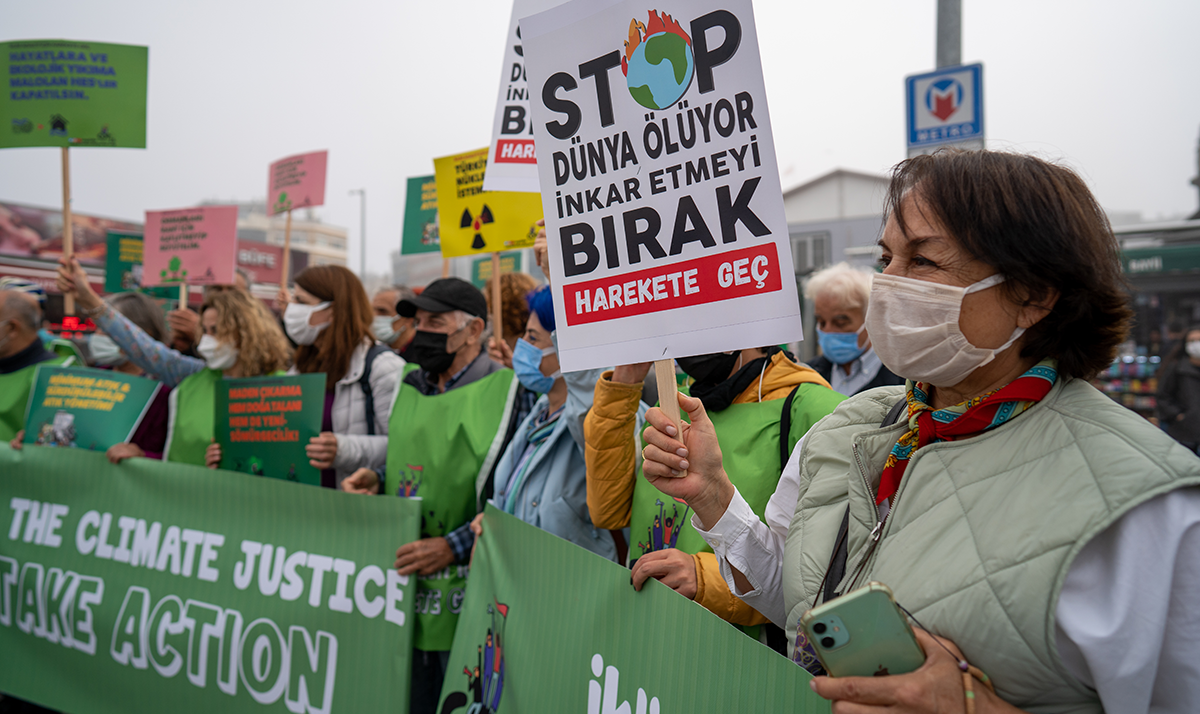
Turkey finally ratified the Paris Agreement. Why now?
Photo by Ali Balikci/Anadolu Agency via Getty Images
  • التحليل
  • Turkey finally ratified the Paris Agreement. Why now?

    Turkey, like many countries worldwide, has recently faced severe environmental events. Suffering from floods and the worst wildfires in its history in the summer of 2021, the country finally took an important step to tackle climate change, ratifying the Paris Agreement international treaty on climate change on Oct. 6, 2021.

    October 27, 2021

    The IPCC Sixth Assessment Report on Climate Change and what it means for the Middle East
    Photo by Ozkan Bilgin/Anadolu Agency via Getty Images
  • التحليل
  • The IPCC Sixth Assessment Report on Climate Change and what it means for the Middle East

    The Intergovernmental Panel on Climate Change (IPCC) released their Sixth Assessment Report on the Physical Science Basis of Climate Change in August of this year. This report brings together the latest advances in climate science, observations, paleoclimatology, and climate simulations to provide the most up-to-date physical science understanding of climate change. The report also describes the anthropogenic influence on the current state of climate and how future climate can distinctly affect different regions across the world.

    October 25, 2021

    Extreme Heat: The Urgent Climate Impact
    Photo by KHALED DESOUKI/AFP via Getty Images
  • التحليل
  • Extreme Heat: The Urgent Climate Impact

    The most immediate threat posed by climate change to the Middle East, one that will be in the forefront of climate adaptation efforts within the next five years, is extreme heat. Average global temperatures have been projected to increase up to 1.5°C by 2030.

    October 20, 2021

    Cyclone Shaheen: A reminder of the Arabian Peninsula’s vulnerability to extreme weather events
    Photo by HAITHAM AL-SHUKAIRI/AFP via Getty Images
  • التحليل
  • Cyclone Shaheen: A reminder of the Arabian Peninsula’s vulnerability to extreme weather events

    On Oct. 3 Cyclone Shaheen made landfall in Oman, near Muscat, after traveling through the Gulf of Oman from the Arabian Sea. According to the India Meteorological Department, which monitors and tracks the formation of cyclones in the North Indian Ocean, Cyclone Shaheen was categorized as a severe cyclonic storm when it made landfall with sustained winds of 70 miles per hour. Its arrival brought on heavy rainfall and excessive flooding in the many valleys that are a natural part of Oman’s topography. The high winds of the cyclone generated massive storm surges along the coast and caused serious damage to infrastructure and homes, displacing many.

    October 8, 2021

    Avoiding water bankruptcy in the drought-troubled Southwest: What the US and Iran can learn from each other
  • تعليق
  • Avoiding water bankruptcy in the drought-troubled Southwest: What the US and Iran can learn from each other

    It was another hot, dry year in the western U.S., with almost the entire region in drought. Vital reservoirs have fallen to dangerous lows. More than 7,000 miles away, Iran is grappling with water problems that are similar to the U.S. Southwest’s but more severe.

    October 1, 2021

    Could climate risk insurance reduce the cost of climate change adaptation in the Middle East?
    الصورة من فاضل سينا/وكالة فرانس برس عبر غيتي إيمدجز
  • التحليل
  • Could climate risk insurance reduce the cost of climate change adaptation in the Middle East?

    As one of the hottest and driest spots globally, the Middle East region faces some of the worst impacts of climate change. Many of these events have not only been socially and politically devastating but have also resulted in huge financial losses for countries already experiencing economic insecurity. Countries in MENA have found themselves increasingly exposed to extreme weather events and natural disasters, which have affected more than 40 million people and cost more than $20 billion over the past 30 years, according to the World Bank. During the last five years alone, 120 disasters were recorded in the region, resulting in an average of $1 billion annually in damages and losses.

    June 23, 2021

    With the Hope Line, Iran aims to boost seawater transfer to fight growing drought
    Photo by Presidency of Iran / Handout/Anadolu Agency via Getty Images
  • التحليل
  • With the Hope Line, Iran aims to boost seawater transfer to fight growing drought

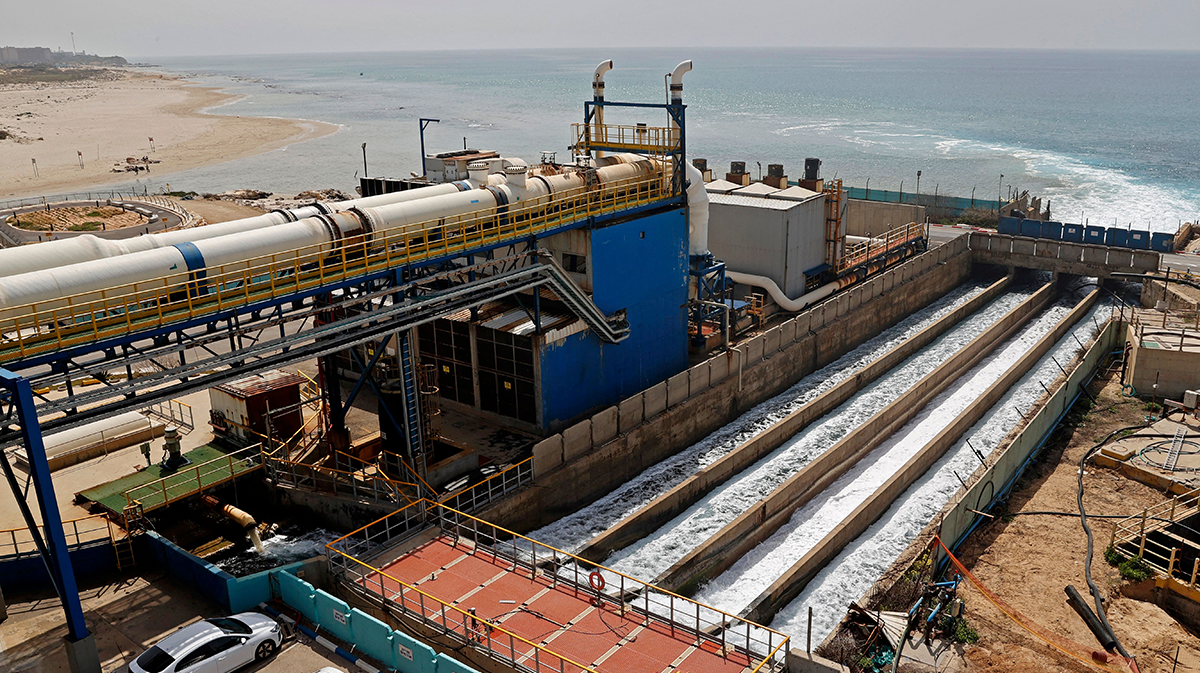
    Blessed with milder temperatures than its Gulf neighbors as well as abundant rain and snow fall, Iran is one of the last countries in the region to introduce a seawater transfer plan to fight unprecedented levels of drought. The plan, once fully implemented, could help build water corridors linking the shores of Iran’s southern Gulf to those of its northern Caspian Sea. Named the Hope Transfer Line, the plan promises prosperity for farmers and industrialists, and potable water for communities in some 10,000 villages and urban areas located in so-called Red Zones, a category that applies to regions coping with severe water scarcity. 

    June 9, 2021

    Agricultural technology in the Middle East: Sowing the seeds of the future
     Christopher Pike/Bloomberg via Getty Images
  • التحليل
  • Agricultural technology in the Middle East: Sowing the seeds of the future

    Over the last decade, new technology has been developed to address agriculture’s longstanding structural problems related to unproductive farming soils and water shortages. Such initiatives could potentially play a pivotal role in promoting food systems’ resilience across the region. These technologies are designed to increase and improve the outputs of the agricultural sector, while using less energy and more sustainable methods. Responding to the need to promote sustainable agricultural growth, agricultural technology (or “agritech”) today aims to reduce agrarian waste and the use of chemical fertilizers. Looking to the future — while taking cues from the past — may unlock the solutions to the region’s desperate food insecurity.

    May 19, 2021

    Necessity or luxury?: Environmental sustainability and economic growth in MENA
  • التحليل
  • Necessity or luxury?: Environmental sustainability and economic growth in MENA

    The Middle East and North Africa (MENA) region is grappling with many challenges on several fronts. Air pollution, water scarcity, and climate change in general are some of the serious challenges facing the MENA economies and residents that have been overshadowed by energy, security, and political debates surrounding the region. Nonetheless, considering their significant negative impact on the economic development of the MENA countries, inclusive, sustainable, and stable economic growth will require timely and effective solutions for the region’s environmental challenges.

    April 22, 2021

    Key environmental challenges facing the Middle East
    Photo by KHALED DESOUKI / Stringer
  • التحليل
  • Key environmental challenges facing the Middle East

    The Middle East and North Africa faces a host of major environmental challenges, from water scarcity and food insecurity to climate change adaptation. In recognition of Earth Day on April 22 and in conjunction with MEI’s Climate Week 2021 events, we asked experts and scholars to weigh in with their thoughts on the most pressing environmental issues facing the region.

    April 22, 2021

    The challenge of overfishing in Iran’s Gulf waters
  • التحليل
  • The challenge of overfishing in Iran’s Gulf waters

    Overfishing in the Gulf waterway is an acute problem, and Iran and China might not be enforcing proper restrictions on commercial trawlers. In recent years, the introduction of industrial-scale fishing has harmed local fishermen off the coast of Iran. Equipped with sonar systems, commercial trawlers are responsible for a 50% decline in yields for local fishermen in the past five years.

    April 21, 2021

    ندرة المياه مشكلة إقليمية وتحتاج إلى حل إقليمي
  • تعليق
  • ندرة المياه مشكلة إقليمية وتحتاج إلى حل إقليمي

    “بينما تعد ندرة المياه في إيران وبقية دول الشرق الأوسط مشكلة طويلة الأمد، فإن بعض الجهود للتعامل معها تبدو محاولات يائسة ولم يتم التخطيط لها دائمًا بعناية”.

    Valuing water on World Water Day
    YOUSEF MASOUD/SOPA Images/LightRocket via Getty Images
  • تعليق
  • Valuing water on World Water Day

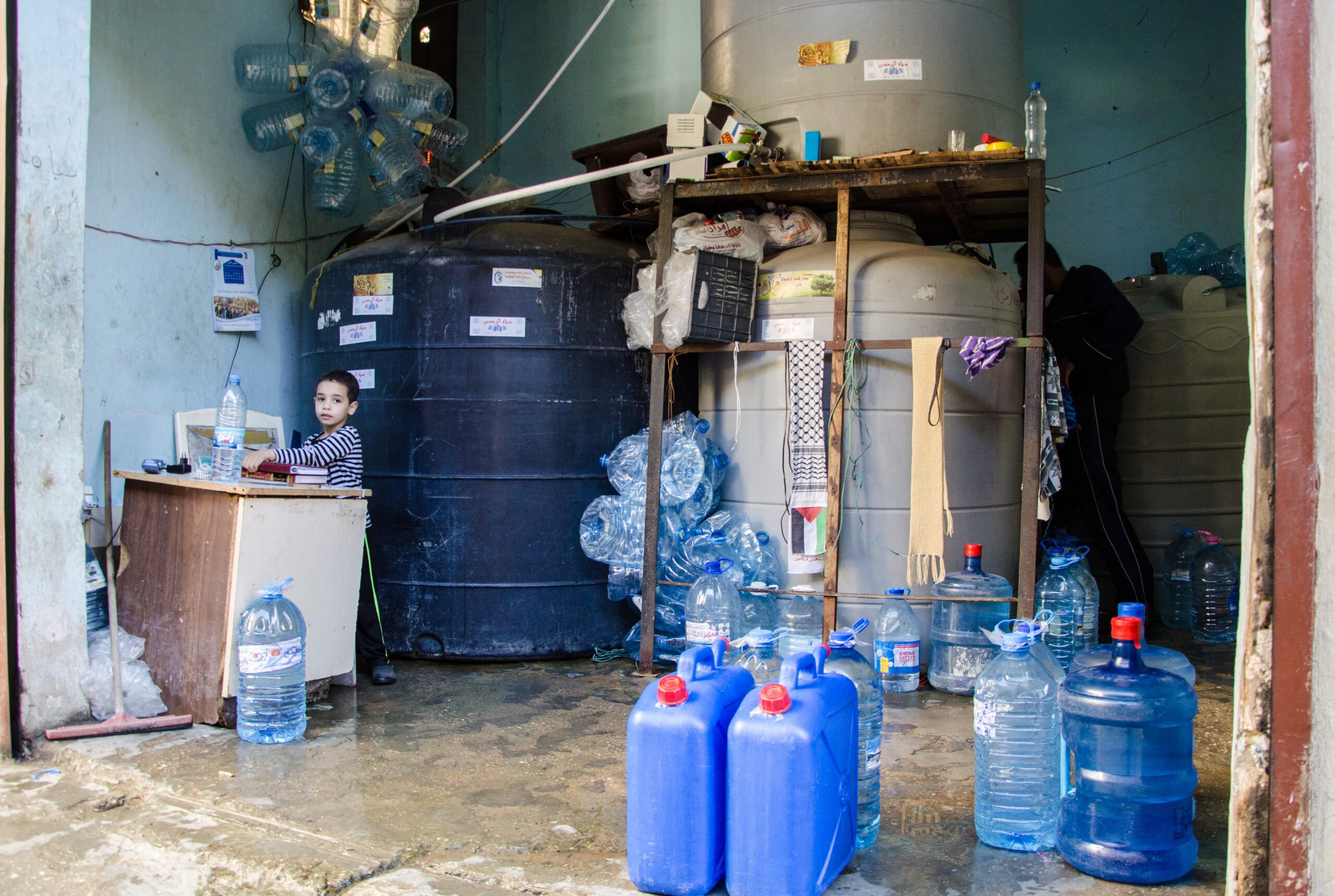
    The issue of access to water is of particular relevance in the Middle East and North Africa, the world’s most water-scarce region.

    March 22, 2021