تمت ترجمة هذا النص بواسطة الذكاء الاصطناعي وقد يحتوي على أخطاء.
تخطي إلى المحتوى

Research & Commentary Results

تصفية حسب
1060 Results
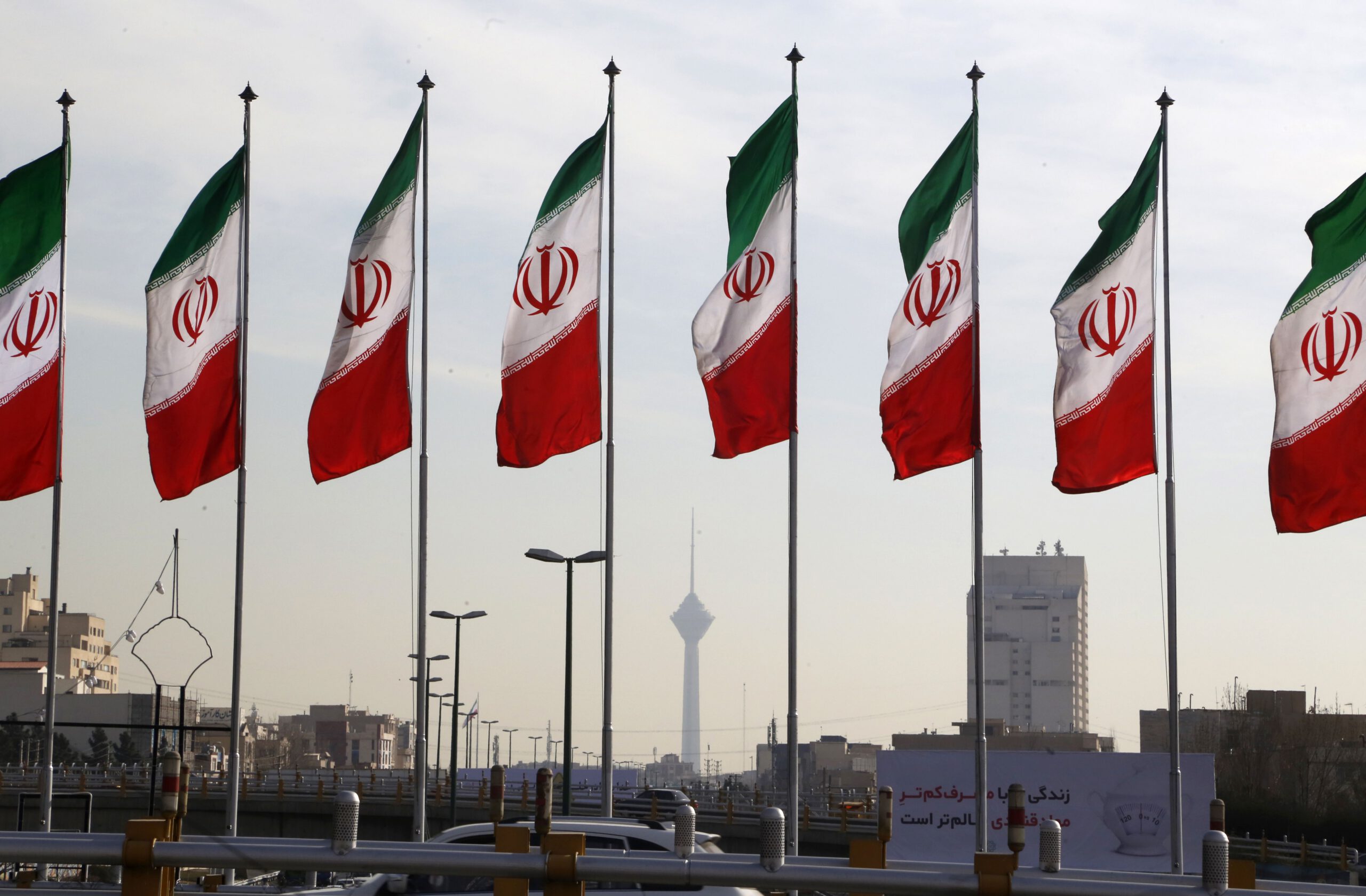
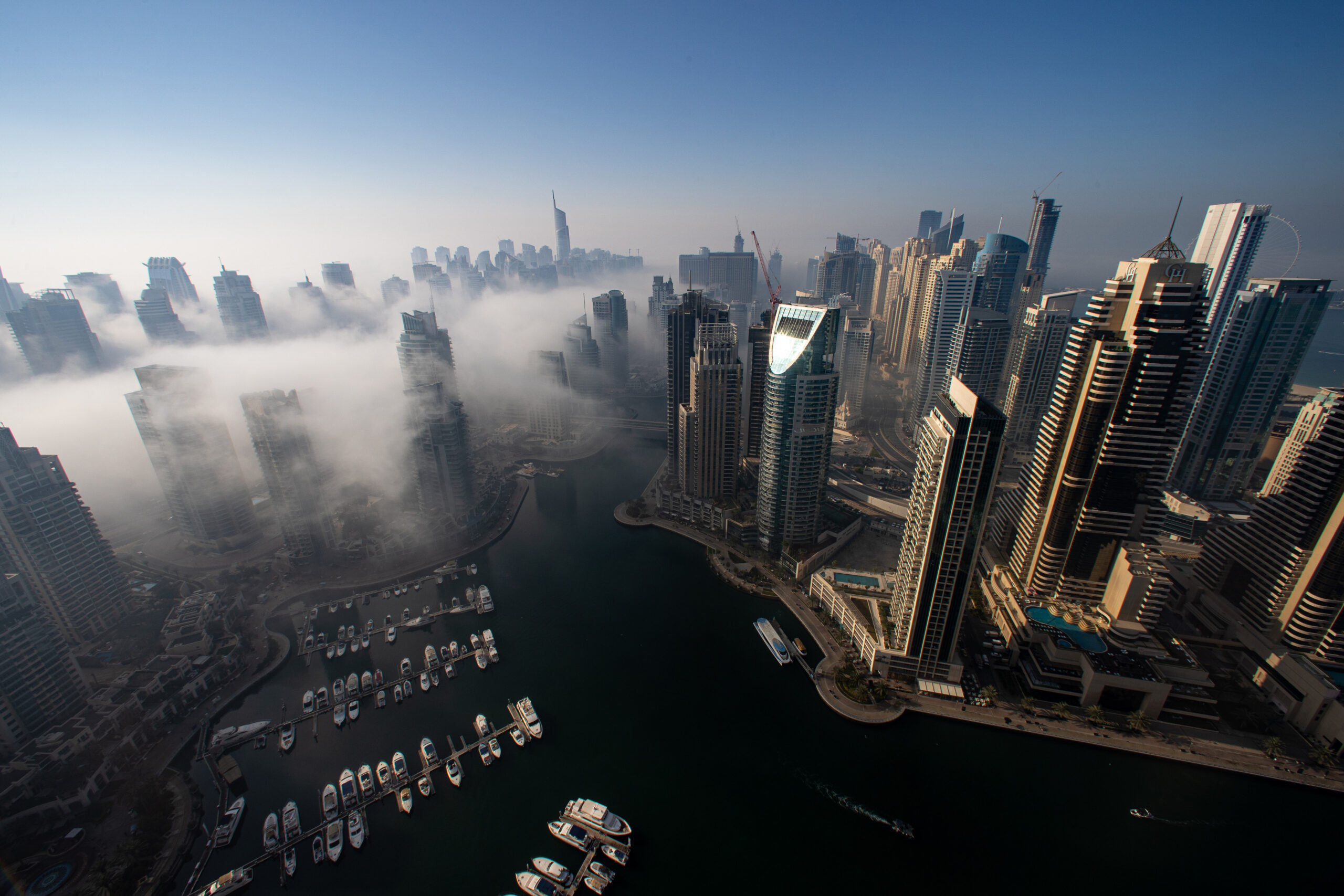
Geo-technology trends to watch in MENA in the 2020s
Photo by GIUSEPPE CACACE/AFP via Getty Images
  • التحليل
  • Geo-technology trends to watch in MENA in the 2020s

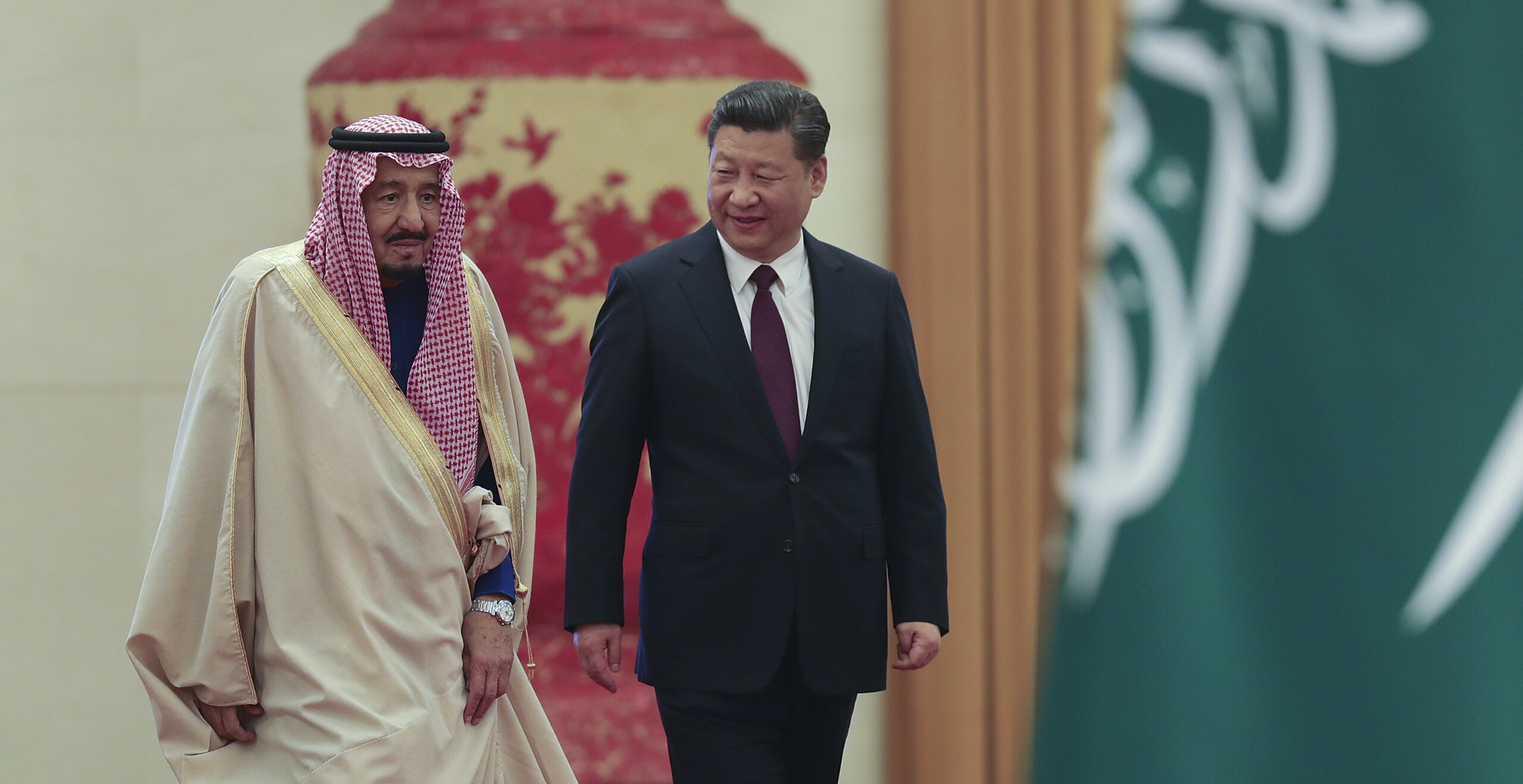
    Ongoing conflicts in Syria, Libya, and Yemen are expected to continue to destabilize the Middle East and North Africa (MENA) in 2021. However, technology will likely add another layer of complexity to these conflicts and reshape the region throughout the 2020s. When the Arab Spring began a decade ago, the biggest challenge facing long-standing Arab autocrats was grappling with the power of social media and the rise of online political opposition by tech-savvy millennial activists. In the 2020s, however, regional governments are now facing a new set of emerging technologies that will shape not only domestic politics but also regional geopolitical dynamics. These advancing technologies include: drone, cyber, and space technologies.

    وُلد قرار التصنيف الأمريكي للحوثيين كمُنظمة إرهابية ميتا، إلا أن مأرب تدفع الثمن.
  • تعليق
  • وُلد قرار التصنيف الأمريكي للحوثيين كمُنظمة إرهابية ميتا، إلا أن مأرب تدفع الثمن.

    “لم تحقق الولايات المُتحدة أي نتائج، بل وجهت إشارات خاطئة عندما تراجعت عن دورها في مواجهة الحوثيين”.

    February 16, 2021

    Opinion: Yemen's Arab Spring goals were lost. Here's how to bring them back
  • تعليق
  • Opinion: Yemen's Arab Spring goals were lost. Here's how to bring them back

    The president’s decision to end support for Saudi Arabia’s offensive operations in Yemen was certainly broadly anticipated. Nevertheless, it offers new hope for an end to more than six years of brutal conflict that has largely pitted Saudi-led coalition forces against Houthi rebels supported by Iran.

    February 11, 2021

    As Farmaajo digs in with Qatari backing, Somalia’s election crisis grows worse
    Photo by Minasse Wondimu Hailu/Anadolu Agency via Getty Images
  • التحليل
  • As Farmaajo digs in with Qatari backing, Somalia’s election crisis grows worse

    Mohamed Abdullahi Farmaajo’s presidential term ended on Feb. 7, 2021, but he remains in office, determined to hold onto power. Backed by Qatar, the incumbent president has become increasingly dictatorial, waging wars against the country’s independent media, political opposition, and the federal member states.

    February 9, 2021

    Why the “end the Yemen war” narrative is problematic
    الصورة من وكالة فرانس برس عبر غيتي إيمدجز
  • التحليل
  • Why the “end the Yemen war” narrative is problematic

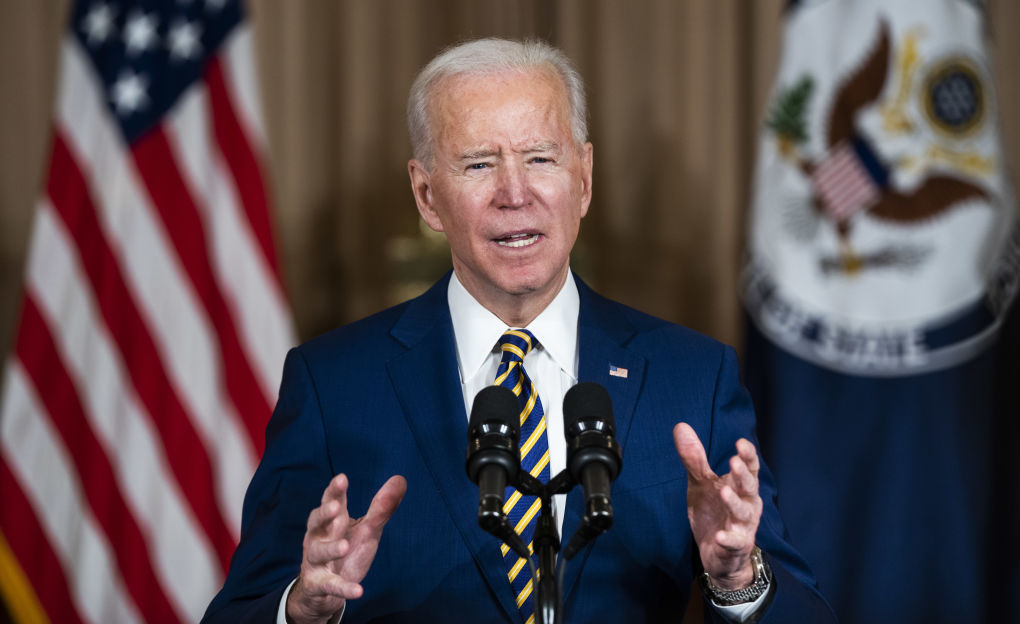
    On Feb. 4, the Biden administration announced the appointment of Timothy Lenderking as the U.S. special envoy to Yemen. In a televised speech, President Joe Biden said that by appointing Lenderking, the U.S. is stepping up its diplomatic efforts to end the war in Yemen and by extension the humanitarian catastrophe the war has created. While Lenderking’s appointment is a much-needed step, the “end the Yemen war” discourse championed by Western policy analysts, diplomats, and peace advocates is highly problematic and disconnected from the reality on the ground.

    Monday Briefing: What exactly is the Biden Plan in Yemen?
  • تعليق
  • Monday Briefing: What exactly is the Biden Plan in Yemen?

    اقرأ تقرير MEI الأسبوعي الذي يتضمن تحليلات الخبراء للتطورات الإقليمية الرئيسية للأسبوع المقبل.

    February 8, 2021

    Finding common ground: Fostering environmental cooperation in the Persian Gulf
    Photo by Eric Lafforgue/Art in All of Us/Corbis via Getty Images
  • التحليل
  • Finding common ground: Fostering environmental cooperation in the Persian Gulf

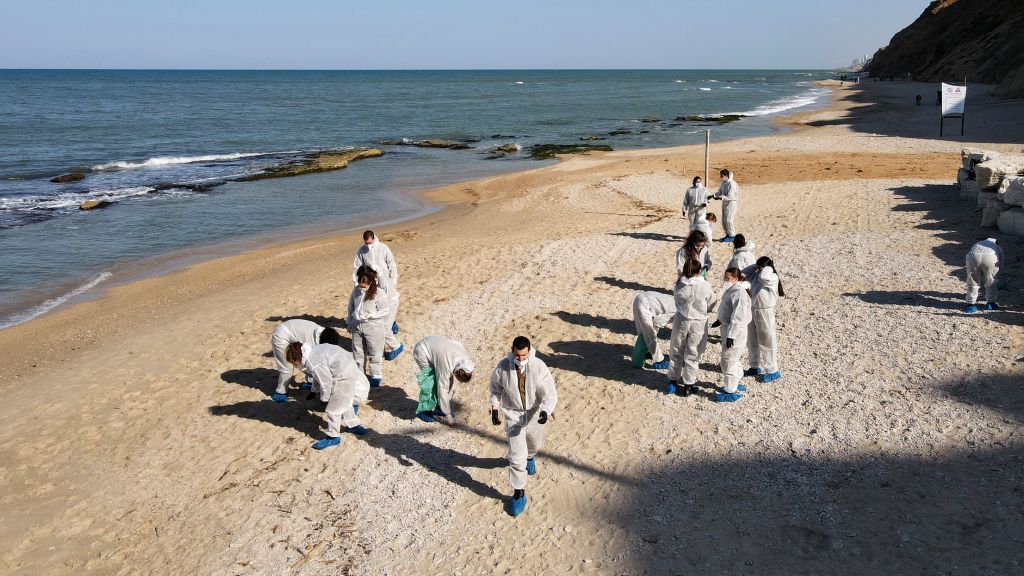
    When it comes to the Persian Gulf, saving the environment might seem like it would be the last item on the to-do lists of the region’s Iranian and Arab rivals. It is an urgent matter, however — and one that could help turn these foes into friends. The United States can play an important role in this: It has helped the region to resolve conflicts over water in the past, and it could do so again.

    February 4, 2021

    The Riyadh Agreement: Yemen’s new cabinet and what remains to be done
  • التحليل
  • The Riyadh Agreement: Yemen’s new cabinet and what remains to be done

    On December 18, Yemeni President Abed Rabbu Mansour Hadi announced a new cabinet as part of his efforts to implement the political annex of the Riyadh Agreement (RA) signed on November 5, 2019 between the Republic of Yemen Government (ROYG) and the UAE-backed Southern Transitional Council (STC). The agreement included several political, security and economic provisions such as: the formation of a new government that includes the STC; the disarmament and integration of militias and military formations under the auspices of the ministries of defense and interior; support of the Yemeni economy; and the demilitarization of Aden.

    February 1, 2021

    Regional tensions and proxy conflict
  • Podcast
  • Regional tensions and proxy conflict

    MEI’s Paul Salem and Ross Harrison join host Alistair Taylor to discuss what the Biden Administration can do to reduce regional tensions and proxy conflicts in the Middle East.

    January 28, 2021

    Understanding the Emirati-Greek relationship
    Photo from Greek Prime Minister's Office
  • التحليل
  • Understanding the Emirati-Greek relationship

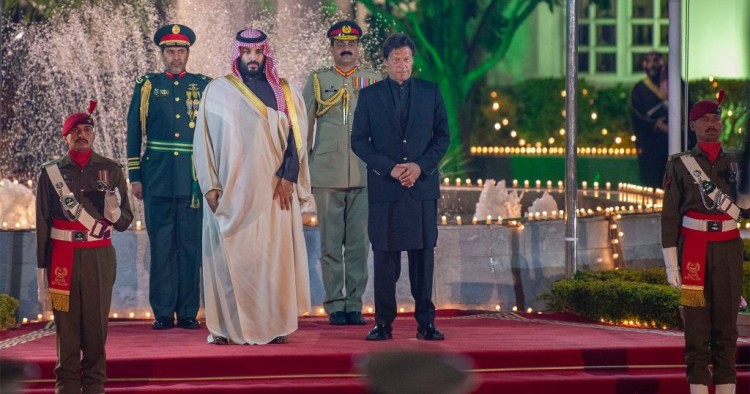
    In mid-January the press reported that the United Arab Emirates (UAE) will soon participate in a joint military exercise with the United States, Canada, Slovakia, Spain, Cyprus, and Israel. While Israel’s inclusion is certainly newsworthy, it is also quite significant that the drill will take place in and be coordinated by Greece. This is just the latest step in a long process of engagement between Athens and Abu Dhabi.

    January 27, 2021

    Building peace by restricting arms in Yemen
    Photo by ABDULLAH AL-QADRY/AFP via Getty Images
  • التحليل
  • Building peace by restricting arms in Yemen

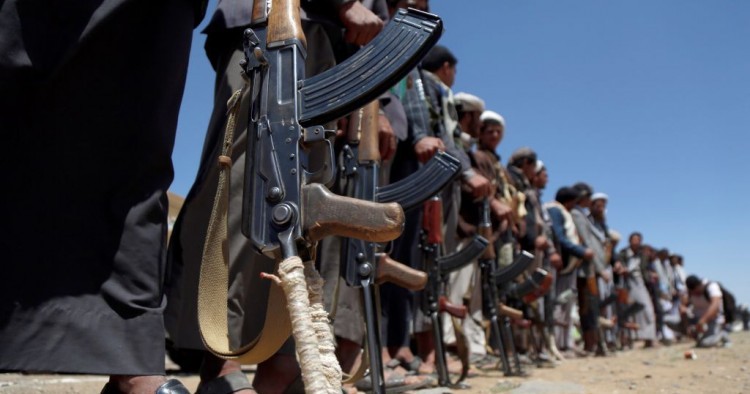
    As long as weapons transfers to armed non-state actors are not adequately restricted and the monopoly of violence is not exclusively in the hands of the government, it will be impossible to build sustainable peace in Yemen.

    January 25, 2021

    The Biden administration and the Middle East: Regional perspectives on the first 200 days
    Photo by JIM WATSON/AFP via Getty Images
  • التحليل
  • The Biden administration and the Middle East: Regional perspectives on the first 200 days

    As the Biden administration takes office, it faces a host of challenges, both at home and abroad. Where does the Middle East fit into all of this and what should the new administration prioritize in its first 200 days? In the second part of a two-part series, we asked experts and scholars from across the region to weigh in with their thoughts. 

    January 21, 2021

    COVID-19 & Conflict in the Middle East
  • التحليل
  • COVID-19 & Conflict in the Middle East

    The Middle East is in turmoil, with civil wars raging in Syria, Iraq, Yemen, and Libya. COVID-19 is now an additional factor on top of the violence and monumental international support tasks, all of which require a sustained commitment. The effects of the deadly COVID-19 pandemic highlight the need for more robust international stabilization efforts to achieve long-term peace and self-sufficiency in the Middle East.