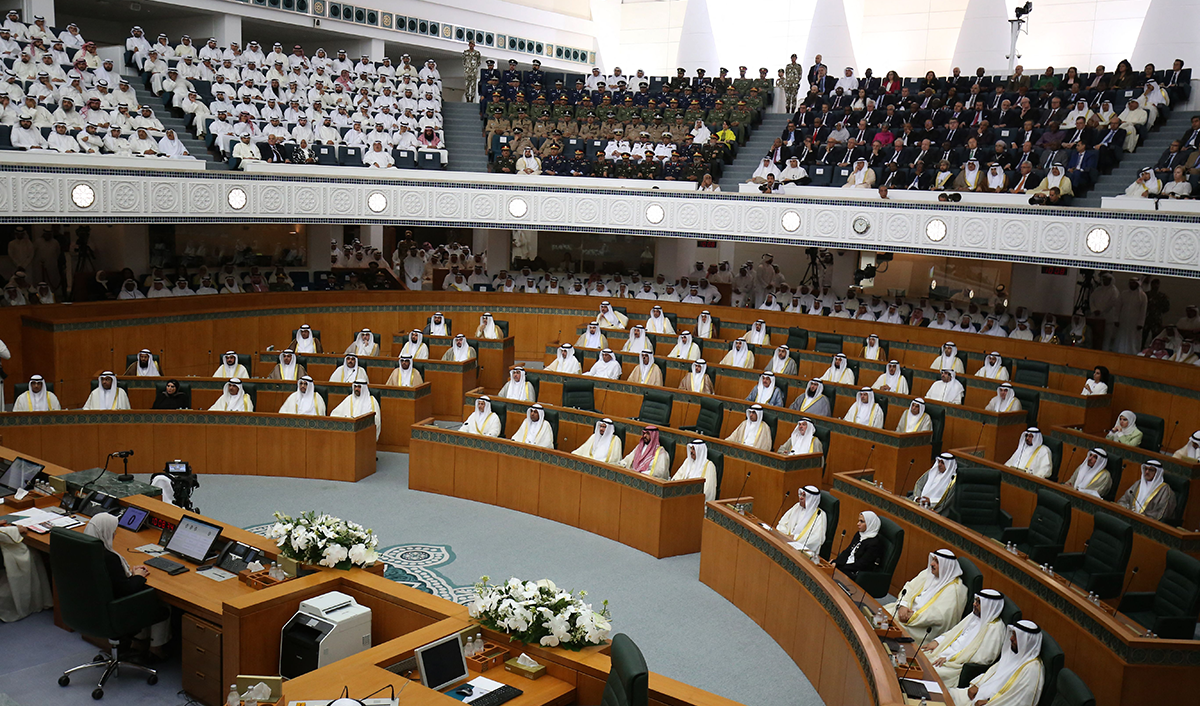
Will Kuwait’s new parliament resolve its political impasse?
Kuwait’s Sept. 29 parliamentary elections were supposed to bring change to the gridlock and governmental churn that had plagued the country in recent years. Kuwaitis initially appeared optimistic about the results, calling on the amir to appoint a strong government to work with the National Assembly. Questions remain, however, as to how well the government and the majority opposition parliament will be able to cooperate to implement the necessary reforms.
The Arab Peace Initiative returns. Will it supplant the Abraham Accords?
Although the Abraham Accords have been the main focus of Arab-Israeli peace-making since they were signed, the Arab Peace Initiative (API), introduced by the late Saudi King Abdullah 20 years ago, remains relevant and may be the better reflection of a path forward for Middle East peace
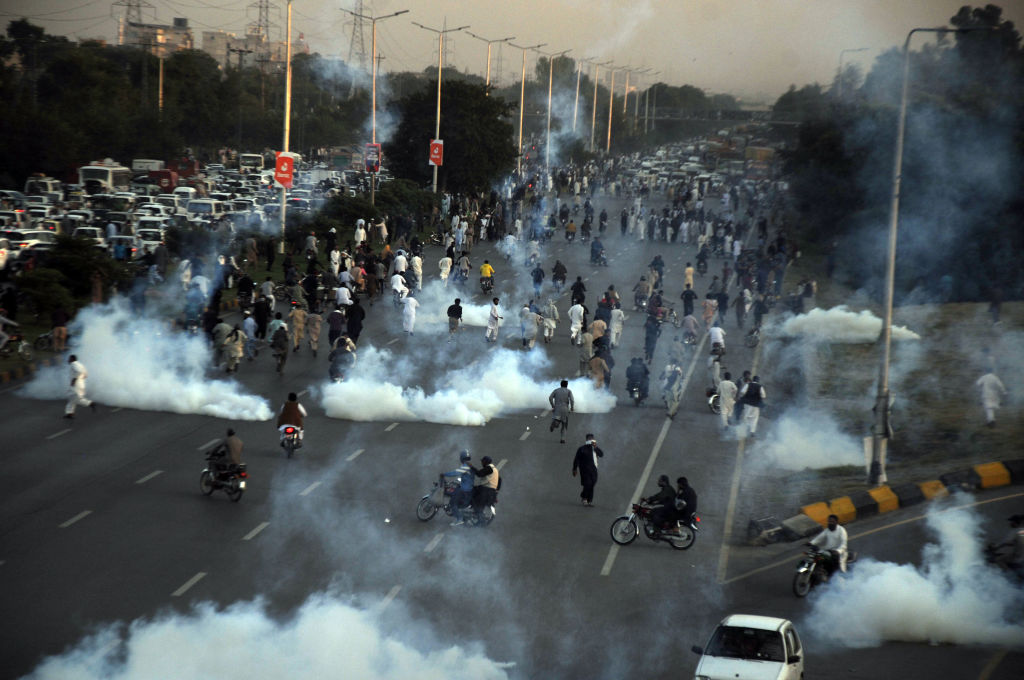
Pakistan's Climate, Economic, and Political Crises
Relentless floods in Pakistan have resulted in thousands of deaths, widespread displacement, and economic devastation. Today, we discuss these impacts as well as Pakistan’s broader economic and climate change challenges, the ongoing political crisis, and developments on the foreign policy front.
Saudi Arabia at 90: Ushering in a Neo-Saudi state?
Since being named crown prince of Saudi Arabia, Mohammed bin Salman has launched a series of far-reaching socio-economic reforms known as Vision 2030 and introduced a new form of nationalist identity — “Neo-Saudism.” Taken together, some see these changes ushering in what essentially amounts to a fourth Saudi state.
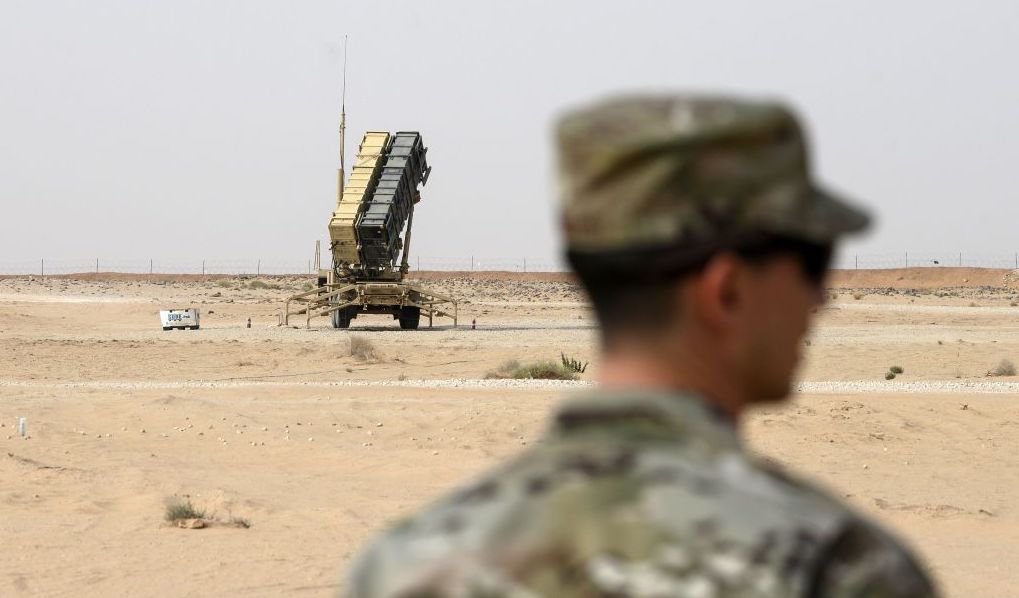
Is Red Sands the future of Middle East defense cooperation?
Drawing comparisons to the U.S. Army’s White Sands Missile Range in New Mexico, the Red Sands Integrated Experimentation Center will increase US-Saudi cooperation to counter two of the greatest threats emanating from Iran and its proxies — drone and missile attacks.
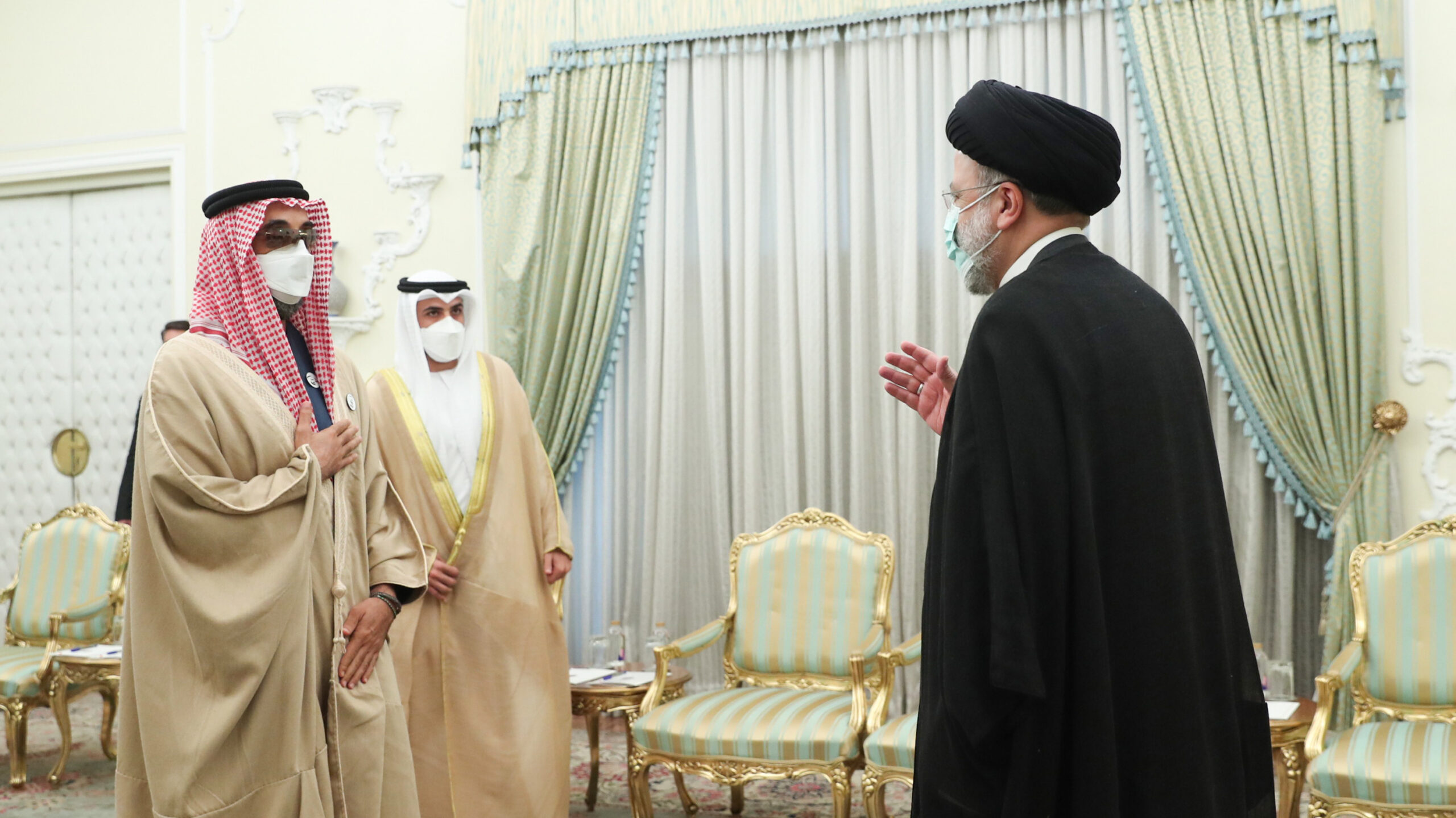
Structural impediments to Iranian-Gulf Arab reconciliation
As welcome as recent moves toward Iranian-Gulf détente have been, extensive obstacles continue to stand in the way of a real and sustained relaxation of tensions, cause by what international relations scholars call the “security dilemma.”
Since seizing the capital of Sana’a in September 2014, the Houthis have been transforming the portions of Yemen under their control in line with a radical political and religious ideology. The Houthis’ war is complicated and may not be resolved quickly. But for now, the main obstacles to peace are ones that only Yemenis can resolve, which are rooted in rival concerns over the distribution of political power and equitable delivery of public services.
America and Iran’s Tough Tango with the Gulf States
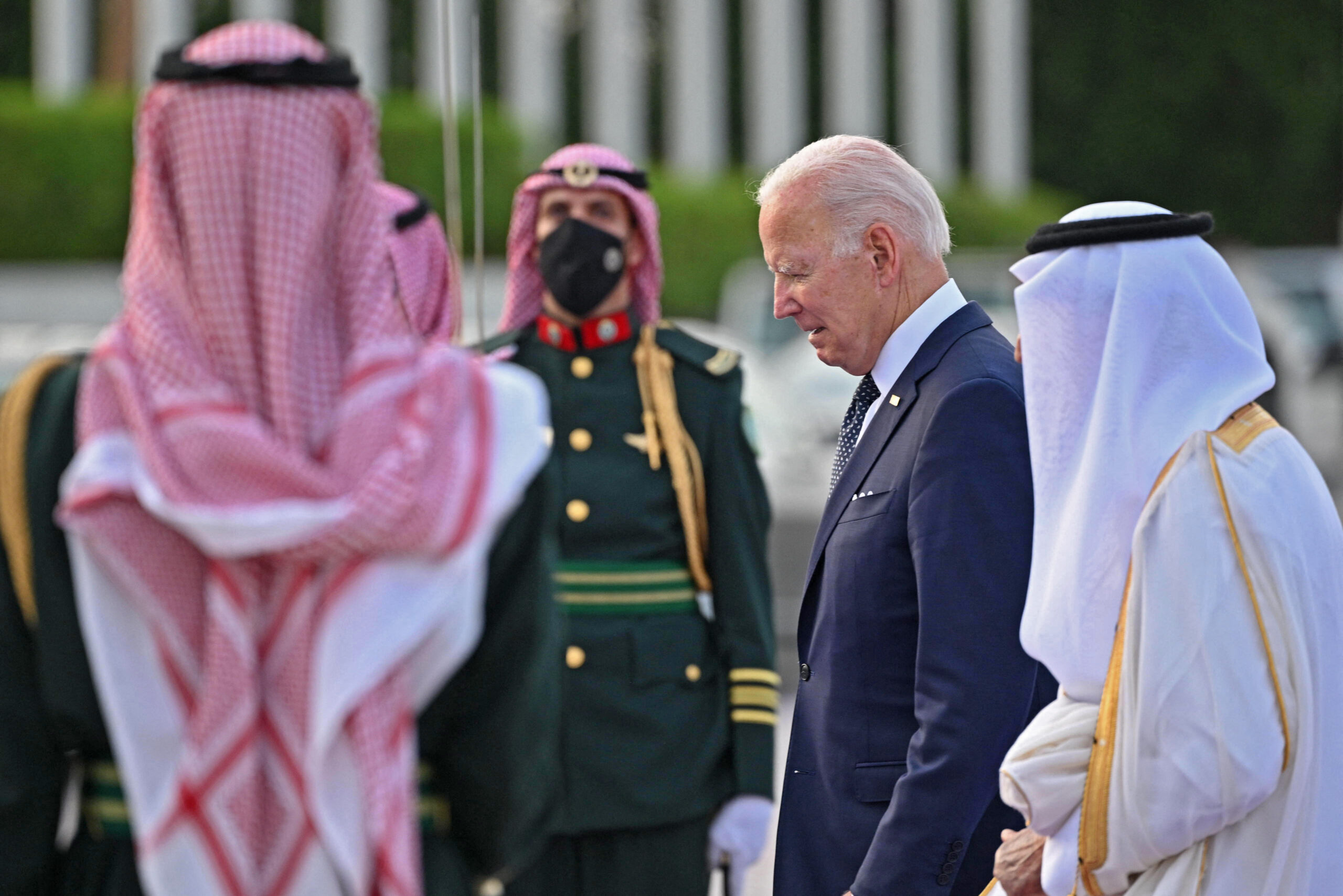
Since the Biden Administration came to office, Washington has been full of reports that the United States and its Gulf allies are drifting apart. The core argument was that in order to deliver for the Democratic Party’s grassroots base, U.S. President Joe Biden would seek to pursue a foreign policy that prioritized American values over American interests. In such a policy turn, Gulf States would be adversely impacted as the U.S.-Gulf relations are much more about common interests than common values—such as political democracy, the issue of human or labor rights, etc.