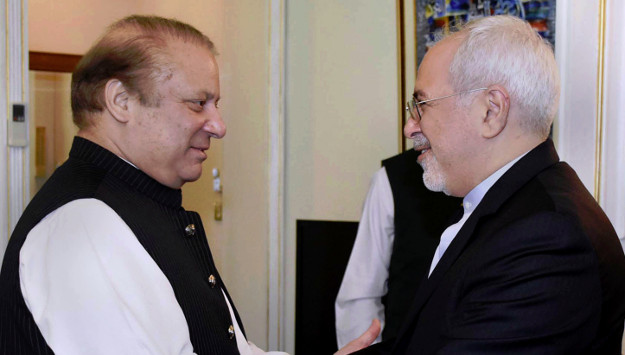
Zarif Visits Pakistan for Security Talks after Gunmen Killed 10 Iranian Border Guards
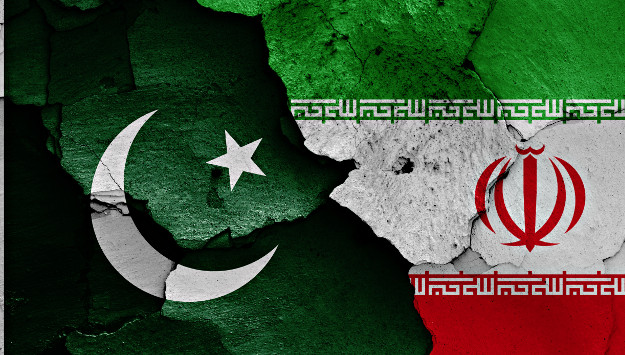
Iran and Pakistan agreed Wednesday to work together to boost security along their shared border after Pakistan-based militants killed 10 Iranian border guards in the Iranian province of Sistan and Baluchestan last week. A militant group called Jaish al-Adl claimed responsibility for the attack.
Rouhani Calls on Islamabad to Prosecute Border Guards’ Killers to Save Ties with Tehran
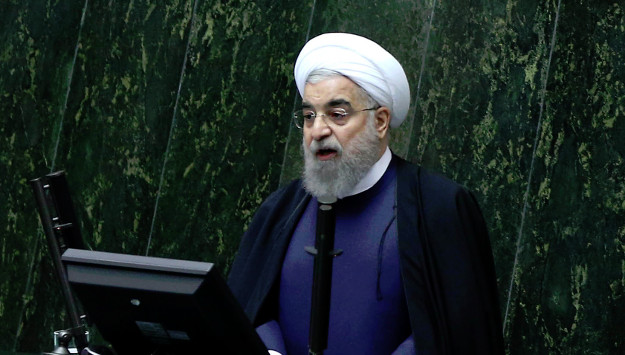
Iran’s President Hassan Rouhani has sent a letter to Pakistani Prime Minister Nawaz Sharif, calling on Islamabad to prosecute perpetrators of an attack that killed 10 Iranian troops along the Iranian-Pakistani border on Wednesday. A militant group called Jaish al-Adl claimed responsibility for the attack. According to Iran’s Tasnim News Agency, Rouhani blamed the Pakistani government’s “inaction” and “lack of necessary measures” for repeated attacks originating from Pakistan against Iranian border guards.
Turkey's Erdogan Gets His Presidential Wish | Monday Briefing
In this week’s Monday Briefing, MEI experts Gonul Tol, Gerald Feierstein, Alex Vatanka, and Marvin G. Weinbaum provide analysis on recent and upcoming events including the victory of Turkish President Erdogan’s “Yes” constitutional referendum campaign to increase his powers, Secretary of Defense Mattis’ trip to the Middle East, the entry of 1,600 candidates for the upcoming Iranian presidential elections, and the alarming violence in Pakistan against accused “blasphemers”.
Islamist Terrorism in Pakistan: New Alignments, New Tactics
Much has been written on the evolution of Islamist terrorism in Pakistan, the role of military dictatorships in nurturing Islamist terrorist groups, and Islamist parties and proselytizing groups working hand in glove with terrorists. Al-Qaeda and the Afghan Taliban were born in Pakistan, in addition to the country’s own long list of local terrorist groups such as the multi-faceted Tehreek-e-Taliban Pakistan (T.T.P.). Pakistan is now going through a new phase of Islamist militancy, with new alignments and the adoption of new tactics by jihadists.
While the U.S. and Pakistani counterterrorism efforts have degraded al-Qaeda and the Pakistani Taliban in the Federally Administered Tribal Areas (FATA), sectarian violence across the country continues unabated and threatens to further destabilize Pakistan and the broader region.
Pakistani General's Role in Saudi-Led Coalition Troubles Iran
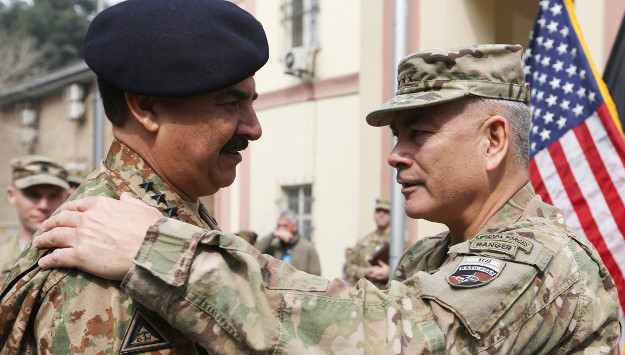
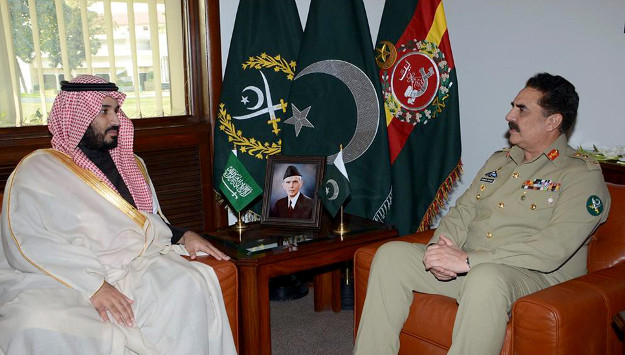
The Iranian government has said it has “reservations” about the appointment of Pakistan’s former army chief, retired Gen. Raheel Sharif, as the head of the Saudi-led coalition.
Shiite Mobilization and the Transformation of Sectarian Militancy in Pakistan
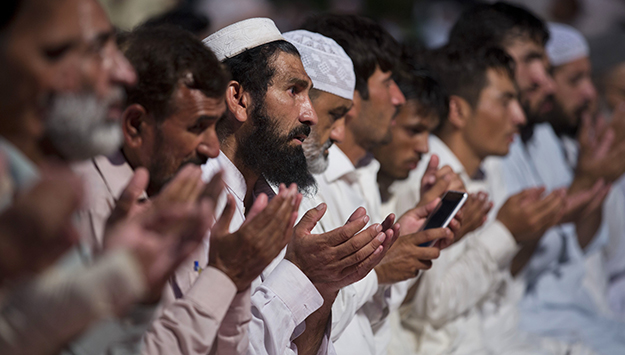
Historically in Pakistan, Shiite militancy has remained reactive and selective. But with thousands of Pakistani Shiites being recruited and trained by Tehran, the landscape of sectarian militancy is likely to undergo a momentous transformation with a possibility of a head-on confrontation between militant fronts of the two opposing sects. This essay assesses the future impact of Shiite mobilization in Pakistan on the country and how it could transform the local sectarian conflict by fueling radicalization and increasing prospects for ISIS to penetrate and exploit local militant groups to its favor.
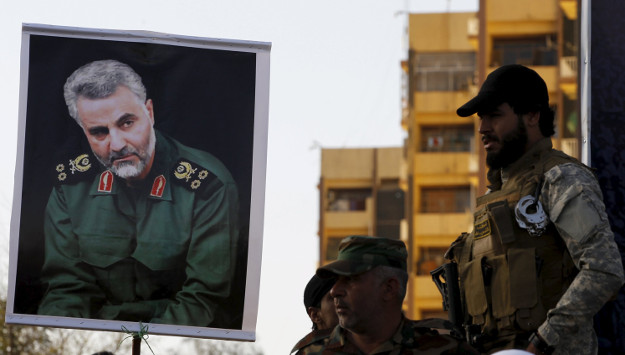
Pakistani Shiite Militias Fighting in Syria Say Quds Force Keep Their Passports
Iran’s Qom News reported on Friday that Sayed Abbas Mousavi, a commander of the Zainabyoun Brigade, was kidnapped in the Iranian holy city of Qom (the site has now deleted the report).
Senior Iranian Politician Glorifies Afghan Shiite Militiamen Fighting in Syria
Ezzatollah Zarghami, the former head of the Islamic Republic of Iran Broadcasting, has emphasized the significance of Afghan Shiite militias for the Iranian military intervention in Syria.
Monday Briefing: Al-Qaeda leader killed, U.S. & Russia at odds over Syria
Note: The latest issue of MEI’s Monday Briefing e-mail incorrectly linked to this page. If you’re looking for the Monday Briefing for March 6, click here.
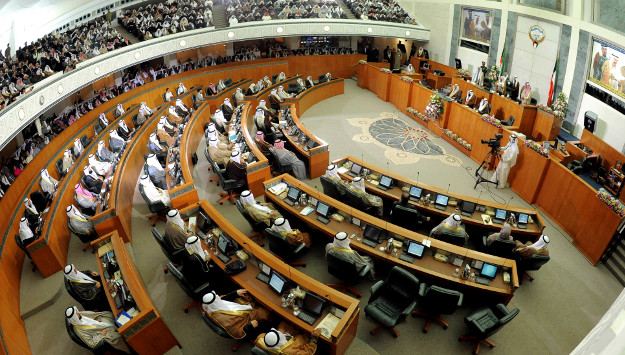
After boycotting parliamentary elections in 2012 and 2013, the Kuwaiti Muslim Brotherhood’s political wing, Hadas, ran their candidates in last year’s snap election. Four out of five of the party’s candidates won, bringing Hadas back into Kuwait’s 50-member National Assembly.
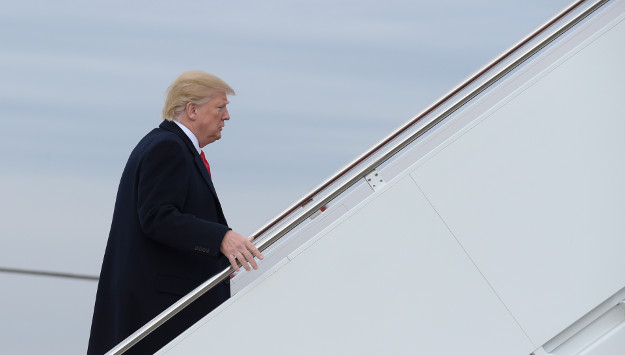
Monday Briefing: Trump’s Executive Orders Don’t Reveal a Coherent Strategy
In this week’s Monday Briefing, MEI experts Paul Salem, Paul Scham, Randa Slim, W. Robert Pearson, and Marvin G. Weinbaum provide analysis on recent and upcoming events including the Trump administration’s apparent lack of a coherent strategy in the implementation of executive orders, the possibility of an improved relationship between Israel and the UK in the wake of Brexit, the Astana meeting to discuss the Syrian cease-fire deal, bilateral efforts to improve Turkish-Israel relations, and the uncertainty surrounding U.S.-Pakistani relations under the Trump administration.
The introduction of the draft in Gulf monarchies — after decades of sovereign statehood — presents an interesting puzzle. What are the reasons behind the newly implemented conscription? What broader implications does this phenomenon have for the Gulf? This essay addresses these questions.
Tehran Views GCC Overture as “Sign of Weakness,” Not Goodwill Gesture
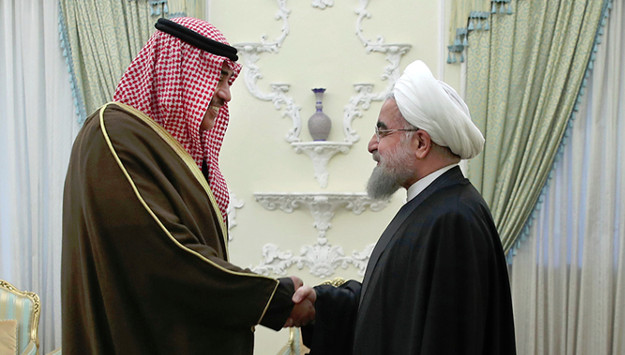
Kuwaiti Foreign Minister Sheikh Sabah Khaled al-Sabah has arrived in Tehran today to deliver a message from Gulf Cooperation Council (GCC) on a strategic dialogue between the Gulf Arab states and Iran, the Iranian and Arab media report. “Gulf states have a true desire that relations with Iran are normal and based on international law,” Sabah said on Tuesday after attending the inauguration of a NATO center in Kuwait.