Looking to the skies: The growing interest in cloud seeding technology in the Gulf
In response to water shortages exacerbated by population growth and climate change, an increasing number of countries have invested in weather modification technologies over the past decade, including precipitation enhancement, or cloud seeding. The UAE has been a leader in exploring this technology within the arid Gulf region, launching a cloud seeding program in 2002.
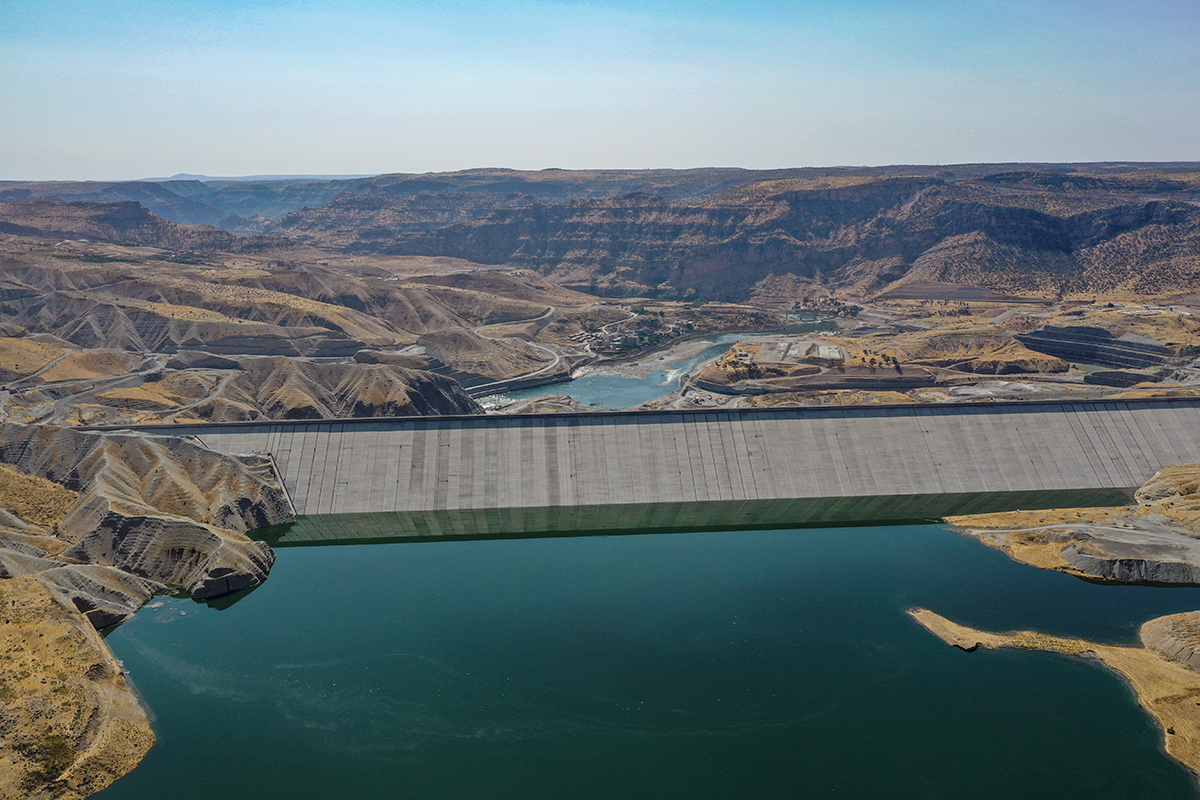
Amid dust storms and drought, Turkey and Iran are at odds over transboundary water management
Water is slowly emerging as yet another potential cause for dispute between Ankara and Tehran. As of late, the two neighboring states have been at loggerheads over a number of issues, including Syria and Iraq, where they have opposing interests. After years of quiet diplomatic juggling, the issue of transboundary water management is gradually taking center stage in the two countries’ relations, a development that could, in the medium run, have serious repercussions for regional security.
In this interview from MEI’s Climate and Water program, guest host Mohammed Mahmoud speaks with Athra Khamis about her journey to the remote continent of Antarctica, what she saw there, and how it impacted her views on climate change.
Protecting Gulf waters through regional cooperation
In collaboration with regional and international experts and organizations, the Middle East Institute is implementing a program aimed at promoting regional approaches to solve climactic and anthropogenic challenges to the waters of the Gulf.
How the MENA region’s climate regime influences its water resources
The MENA region faces unique challenges to environmental sustainability and human habitation. First and foremost among these is the limited availability of freshwater. The region sees most of its precipitation fall as mountain snow and sustained availability of water to river systems like the Tigris and Euphrates is dependent on the predictable transformation of mountain snowpack into runoff.
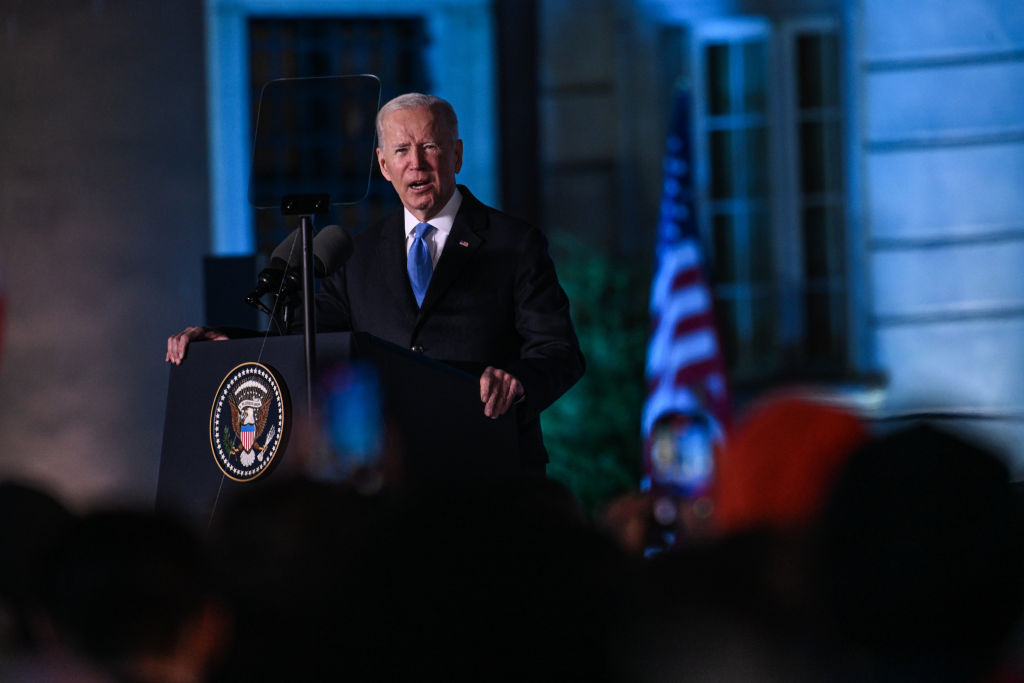
Amb. Gerald Feierstein, Bilal Saab, and Karen Young join guest host Brian Katulis to discuss their recent MEI policy paper, US-Gulf Relations at the Crossroads: Time for a Recalibration, and why they believe now is not the time to disengage from the region.
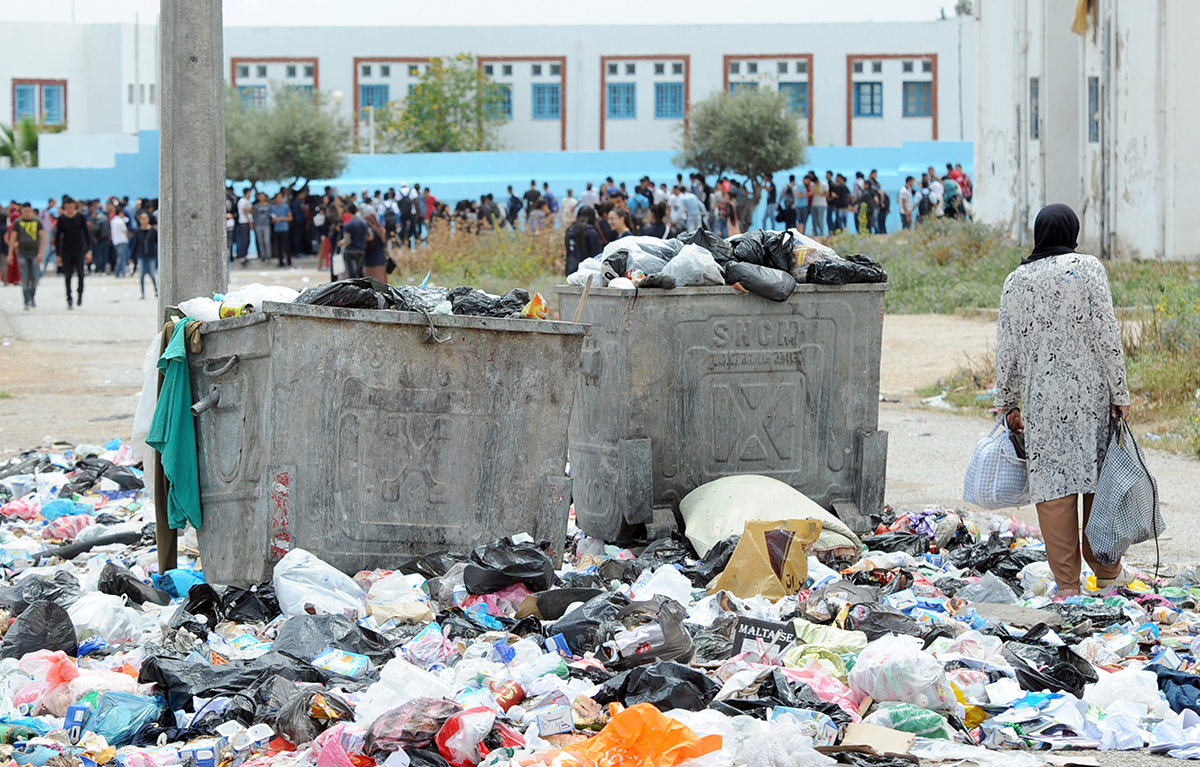
Solving Tunisia’s growing waste management problem
Given its outsized role in contributing to greenhouse gas emissions, waste management is an issue of global importance. Landfills account for almost 5% of total global greenhouse gas emissions and 12% of the world’s emissions of methane. The associated challenges are particularly acute in North Africa, and especially in Tunisia.
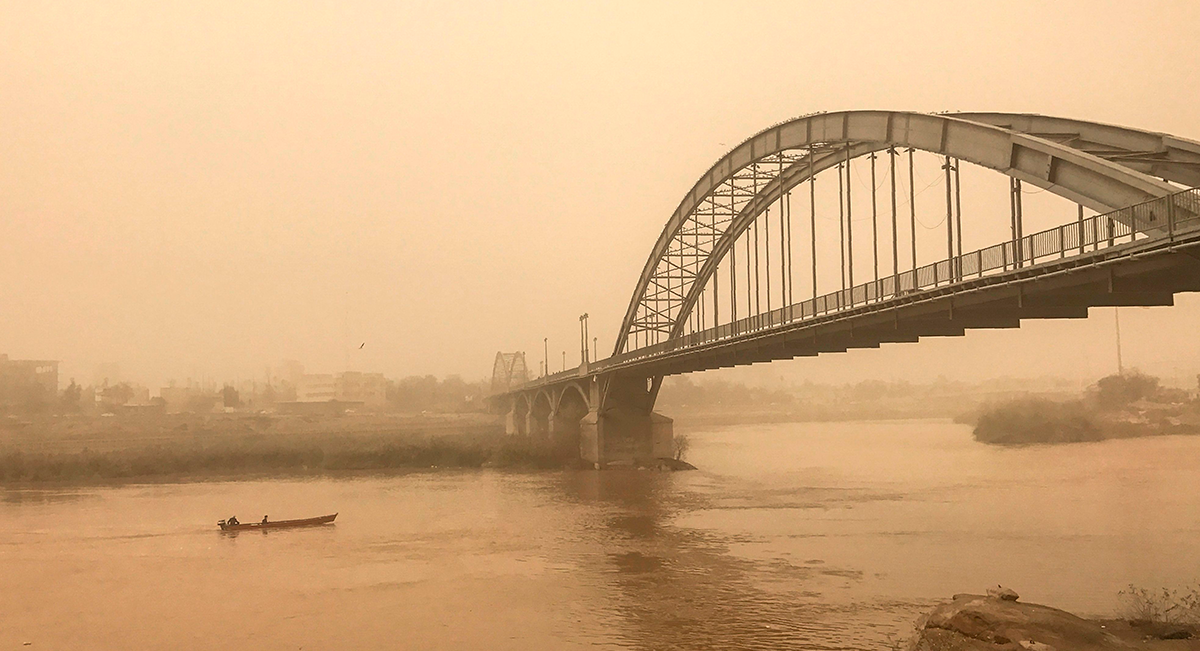
Severe sand and dust storms are an underrated risk in the Gulf region, despite mitigation measures
The precise causes of sand and dust storms (SDSs) are not fully known, but they are becoming better understood. Armed with this knowledge, regional actors are beginning to respond in the face of intensifying SDSs.
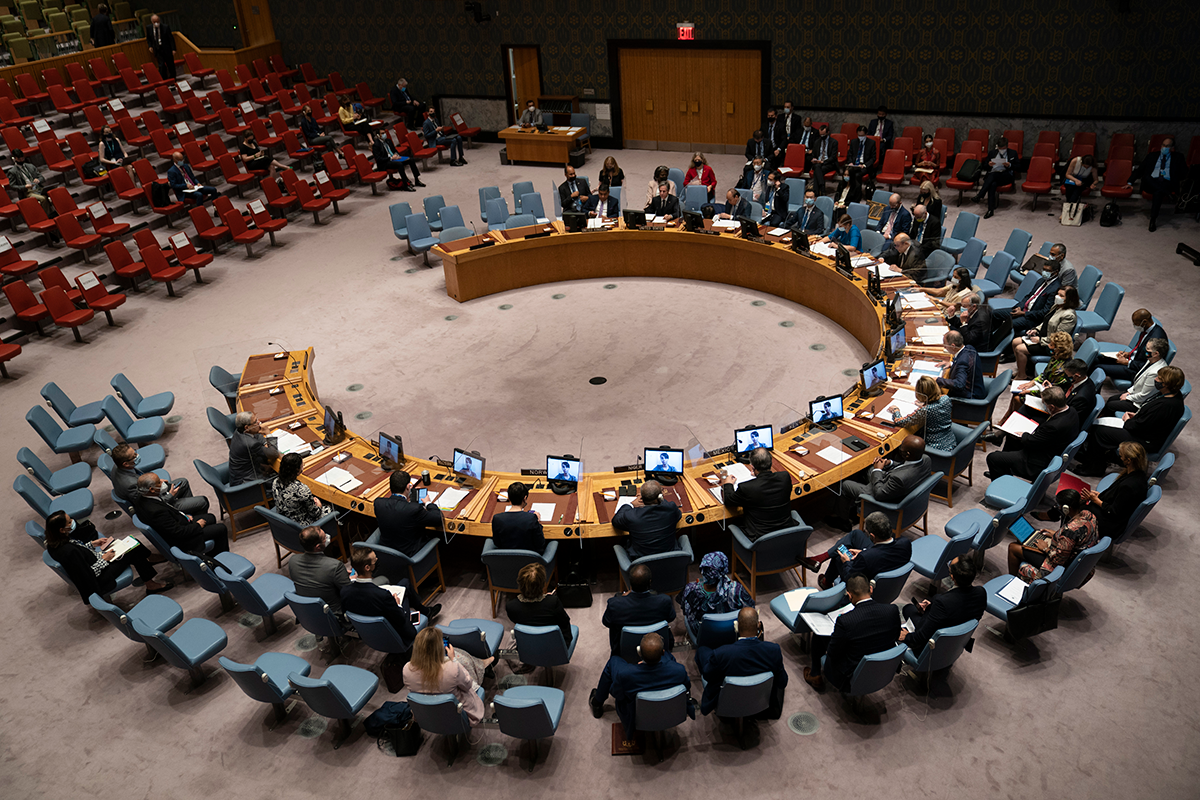
On Dec. 13, 2021, at a United Nations Security Council (UNSC) meeting, a draft resolution that would have recognized climate change as a security threat was rejected. The resolution, co-sponsored by Niger and Ireland, would have incorporated climate change as a security risk within the U.N. framework of conflict prevention strategies. What are the potential implications of this and what comes next? We asked seven experts to weigh in with their thoughts.
Confronting climate change, Turkey needs “green” leadership now more than ever
Turkey, like all other countries, is facing the harsh reality of climate change. Last year, it experienced one of the hottest summers on record. Blistering heat waves led to widespread wildfires in the country’s southwest, affecting five times more land than normal during the summer. Though Turkey usually has large water surpluses, some areas experienced shortages due to extreme drought. Others suffered heavy flooding, leaving scores dead.
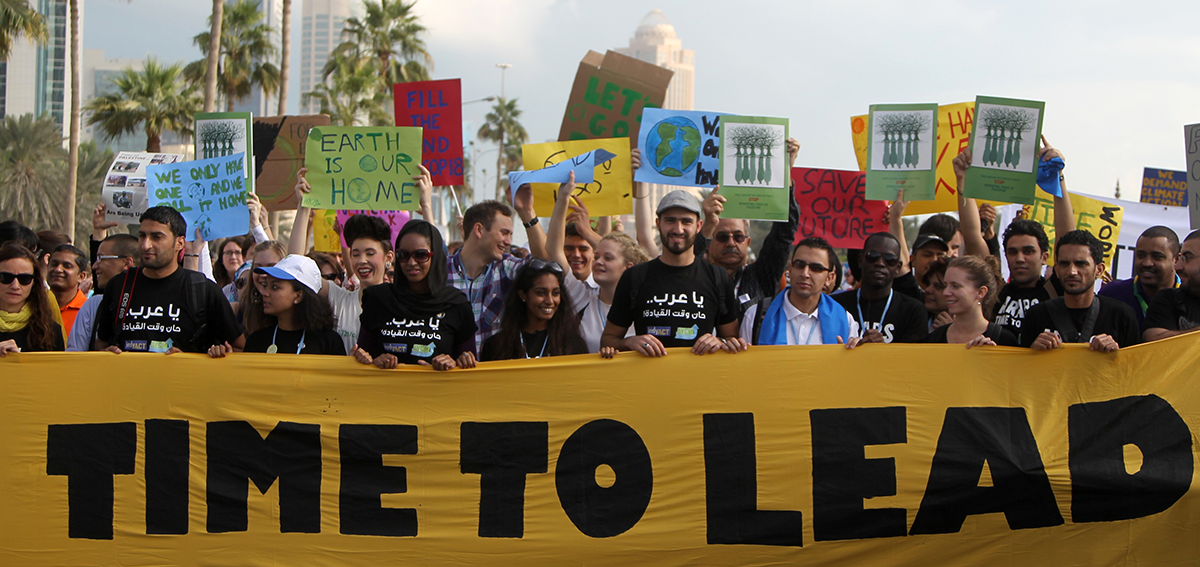
As UN climate summit returns to the Middle East, Arab youth fear a lack of representation and opportunities
It’s worth considering how youth in the Arab region have fared and are expected to fare in terms of climate activism. While this has historically been excellent, there are some disparities masked by the glossy big picture in the global climate movement.