As Turkey-Russia ties warm, will Georgia be left out in the cold?
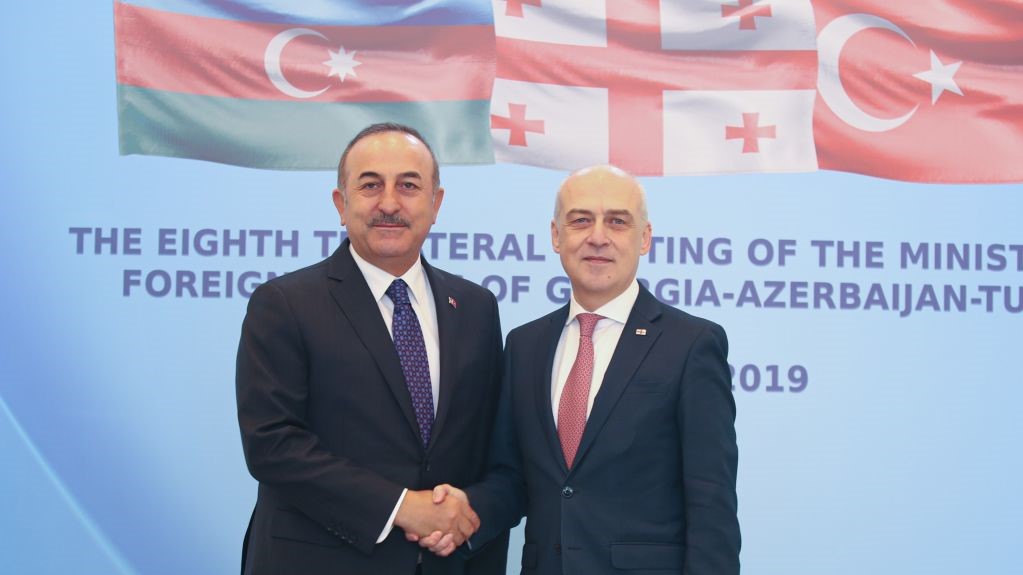
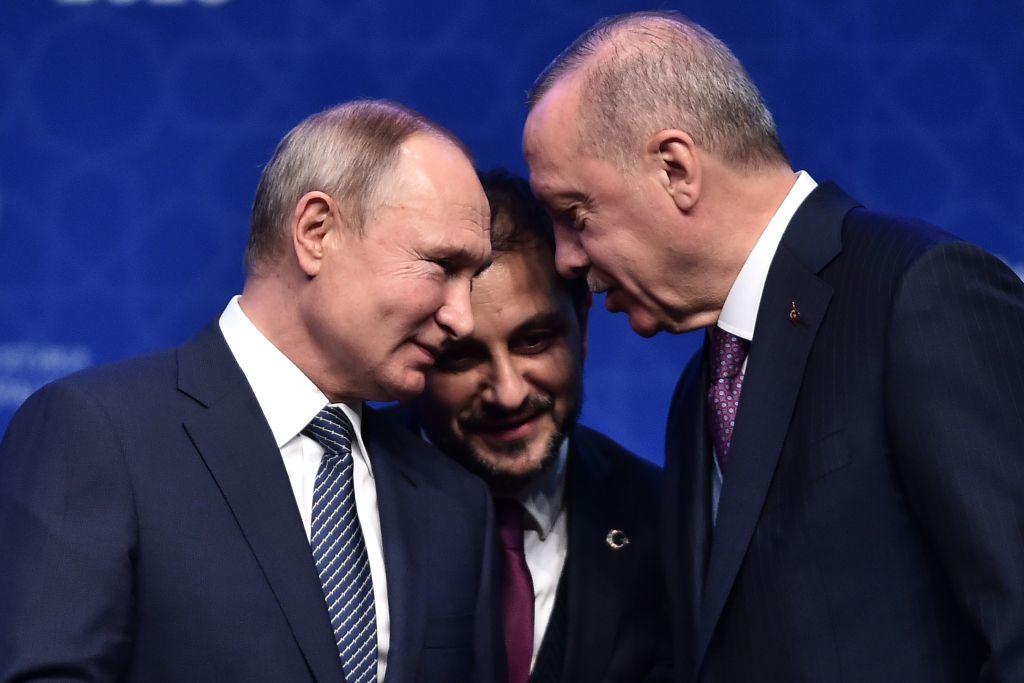
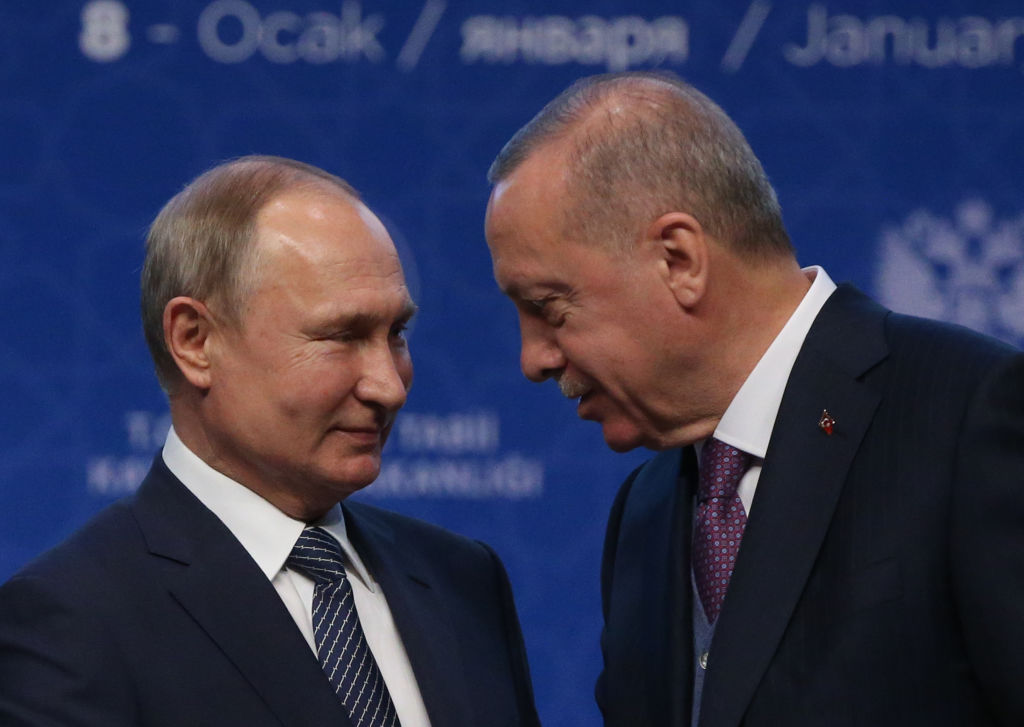
Turkey’s blossoming relationship with Russia has not only raised eyebrows in Washington and Western European capitals, it has also caused a great deal of discomfort in countries like Georgia that have borne the brunt of Russian aggression. A few recent scattered signals from Ankara, however, might comfort Turkey’s northeastern neighbor.
Turkey’s Parliamentary Purge and the HDP’s Dilemma
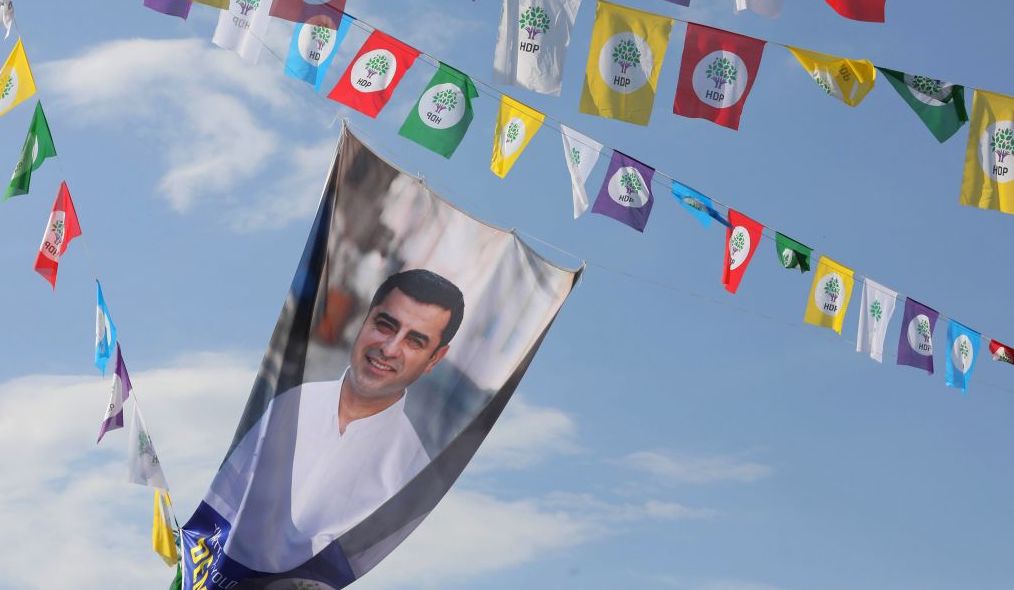
In 2016 the Turkish parliament voted to revoke parliamentary immunity and initiated the ruling Justice and Development Party’s (AKP) political purge of MPs with the Peoples’ Democratic Party (HDP). Despite the introduction of a new assembly in 2018, Turkey’s October invasion of northeast Syria provided ample incentives for the launch of new investigations into HDP members protesting the operation. The targeting of the HDP has set new legal and political precedents that could undermine the political capacity of the opposition coalition as a whole and create ideological divisions over the so-called “Kurdish Question.” This report records documented arrests of HDP MPs from June 2016 to January 2018 in order to identify prominent trends and waves of arrests that correspond to political and legal events.
US-Iran escalation and its implications for the South Caucasus
Over the past several weeks geopolitical experts have been talking a lot about what the surprise U.S. drone attack on Iranian Gen. Qassem Soleimani, head of the IRGC – Quds Force, on Jan. 3 means for the Middle East and relations between the major powers. What has received considerably less attention, however, is what Soleimani’s killing means for the South Caucasus, a region whose small size belies its strategic importance.
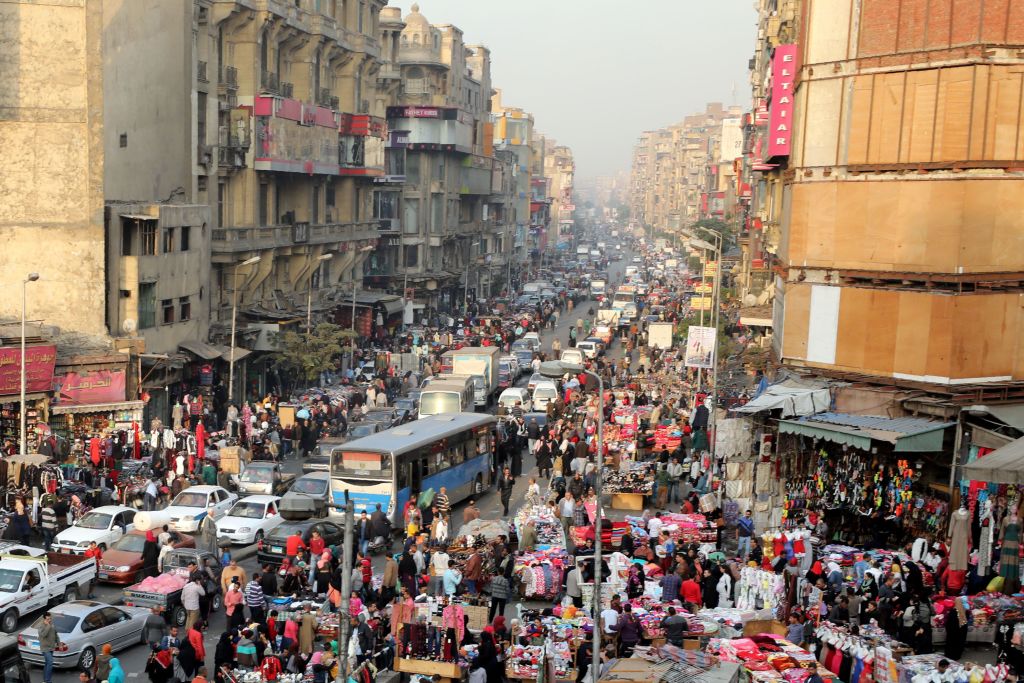
Sustainable development: An unavoidable path for Egypt’s future
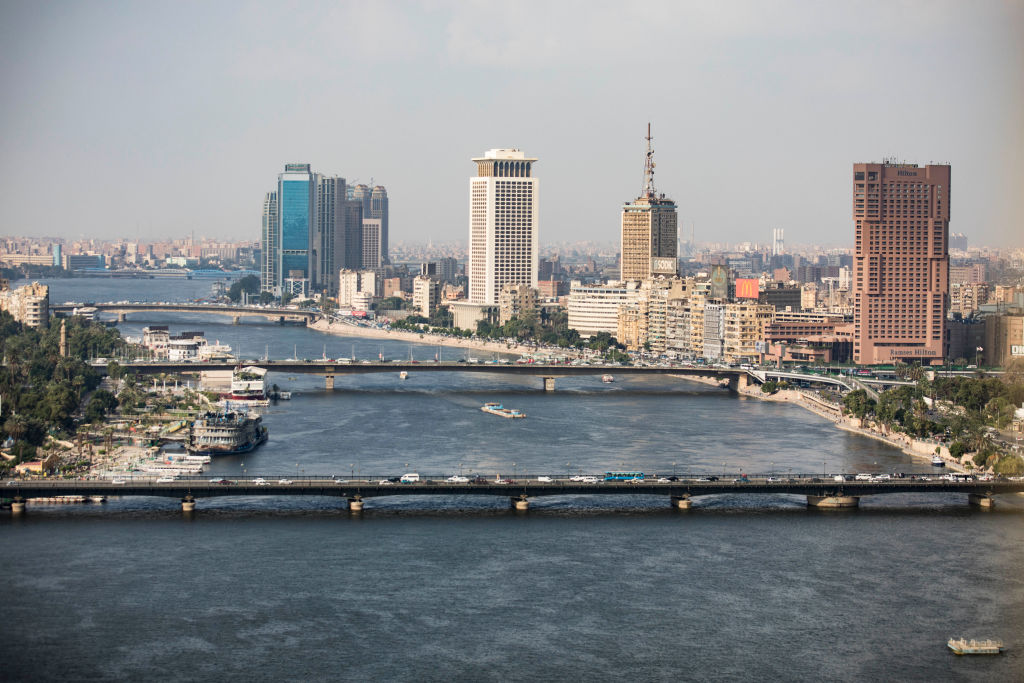
Egypt has realized a significant number of changes in healthcare, education, and economic reform policy over the past decade. It is also increasingly looking toward policy for development that emphasizes cohesive problem solving, in line with its Vision 2030 strategy, which highlights the need for positive knock-on effects from investments in human development
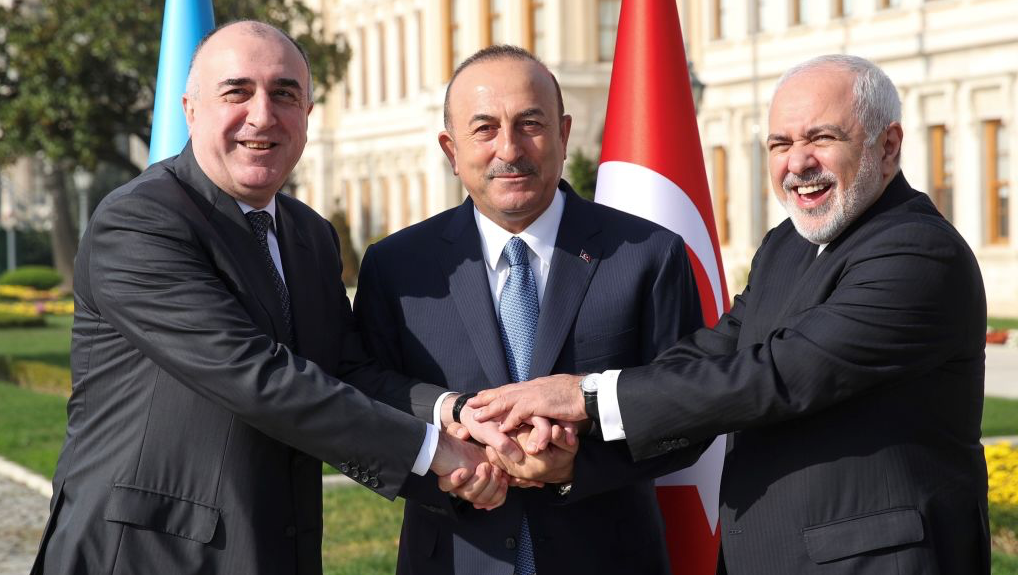
The ties that bind: The South Caucasus and the Middle East
As neighboring regions, the South Caucasus and the Middle East are inextricably intertwined — so much so that the former is sometimes even considered part of the Greater Middle East. While geographical proximity is the strongest driver of interconnectivity between the two regions, geopolitics, business ties, and energy interests also link countries from the South Caucasus and the Middle East and form the basis for important bilateral and regional relationships.
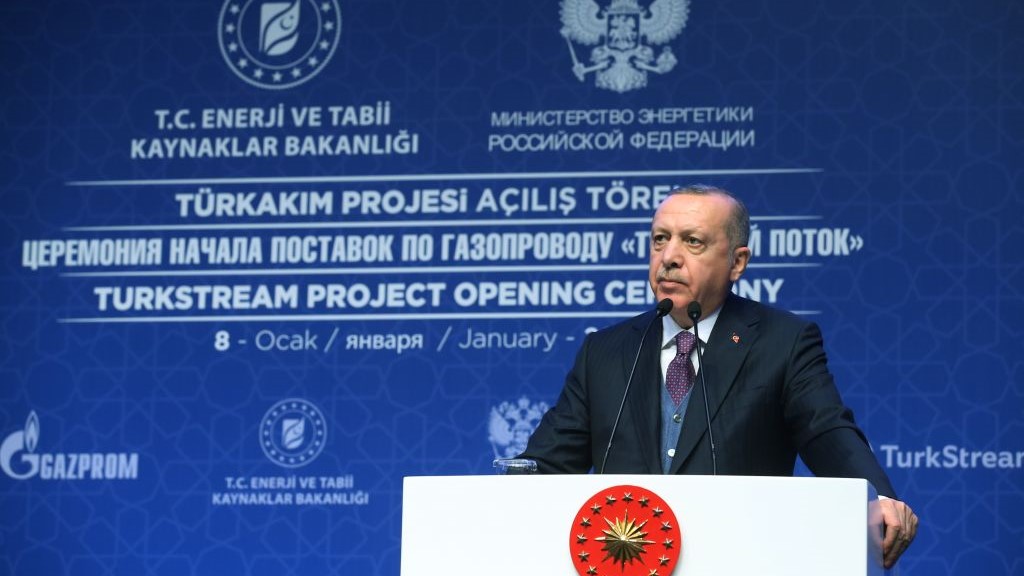
On Jan. 8, Turkey inaugurated the TurkStream natural gas pipeline from Russia, seemingly deepening Ankara’s ties with Moscow. However, a fuller analysis of Turkey’s current energy policies and consumption trends indicate a dramatic shift westward, away from Russia and Iran.
Safeguarding and celebrating Egypt’s traditional crafts
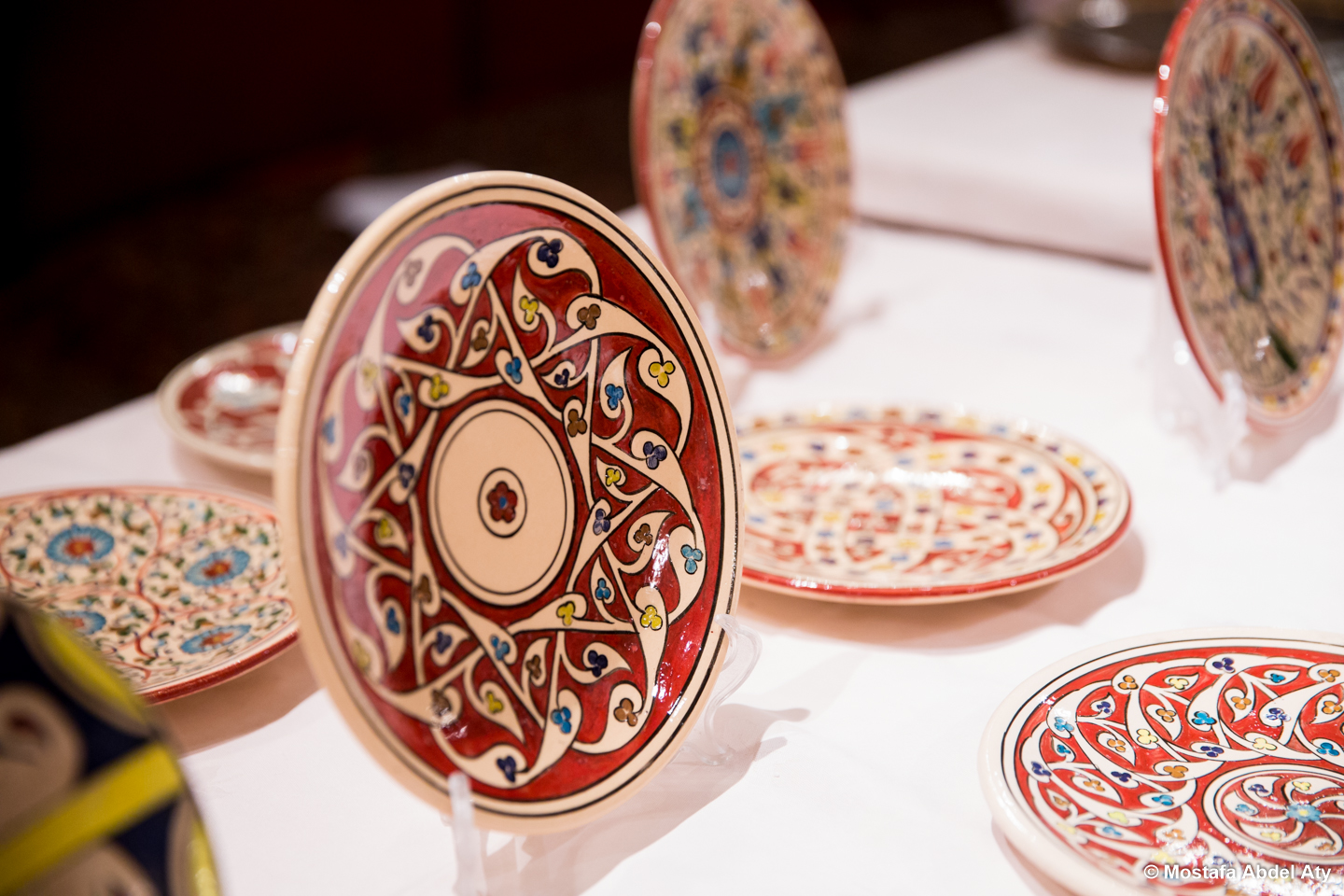
Accomplished craftspeople are a dying breed in Cairo, but Jameel House of Traditional Arts and Atelier Cairo are working to change that by training a new generation of artisans in traditional media like ceramics, wood, brass, glass, and gypsum work (stucco), helping to replenish the stock of skilled Egyptian craftspeople and keeping rare and beautiful art forms alive.
Cease-fires in Idlib and Libya as Turkey looks to buy time
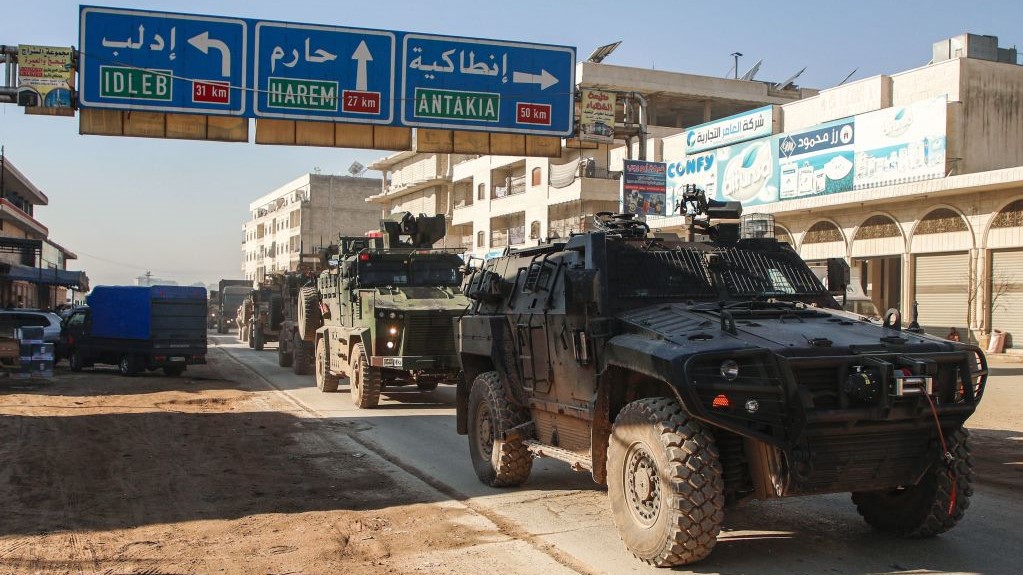
It is increasingly the case that the Russian-Turkish decisions on Idlib or Syria need to be understood as part of a broader Russian-Turkish partnership.
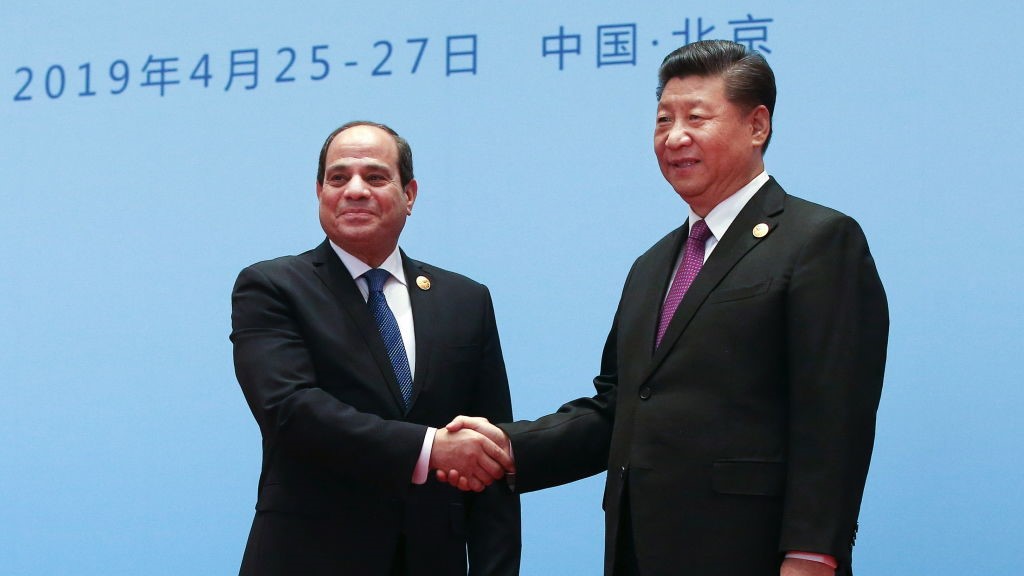
While the world is engaged in an ongoing discussion about the ramifications of the trade war between Washington, DC and Beijing, the economies of the Middle East are shifting away from their longstanding ties with the U.S. toward economically powerful China. This may have long-term implications for economic and political dynamics in the region.