Sahar Khamis, Sabina Henneberg, Karam Shaar, and Ibrahim Jalal join host Alistair Taylor to examine the legacy and impact of the Arab Spring in Tunisia, Egypt, Yemen, and Syria ten years after the uprisings began.
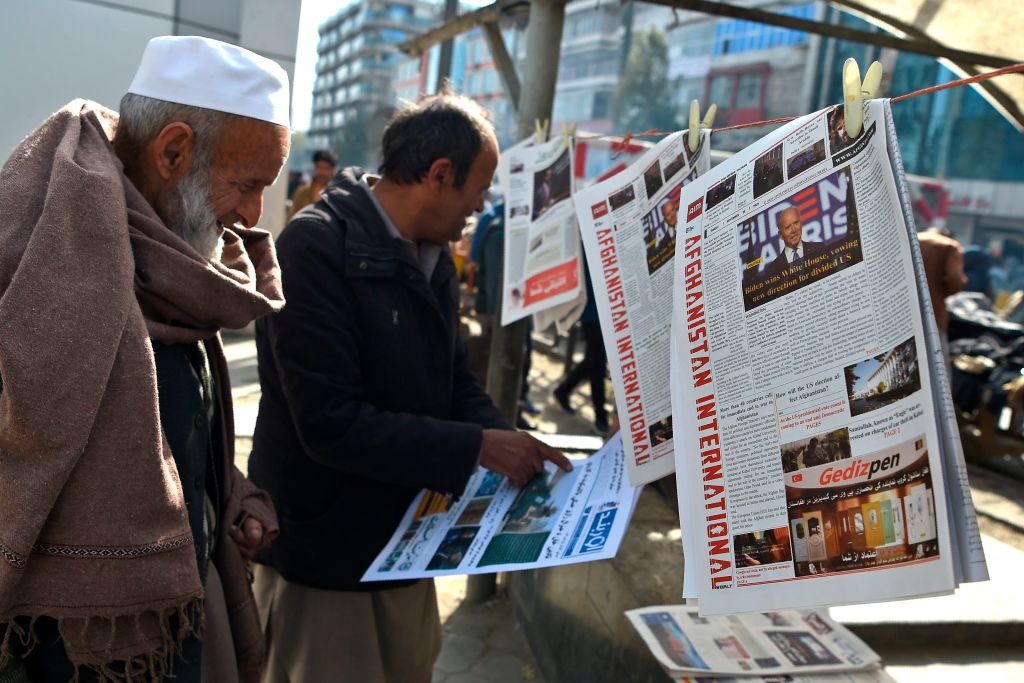
The role of US special forces in the war in Afghanistan
Jessica Donati, foreign affairs reporter for the Wall Street Journal, joins host Alistair Taylor to discuss her new book, Eagle Down: The Last Special Forces Fighting the Forever War.
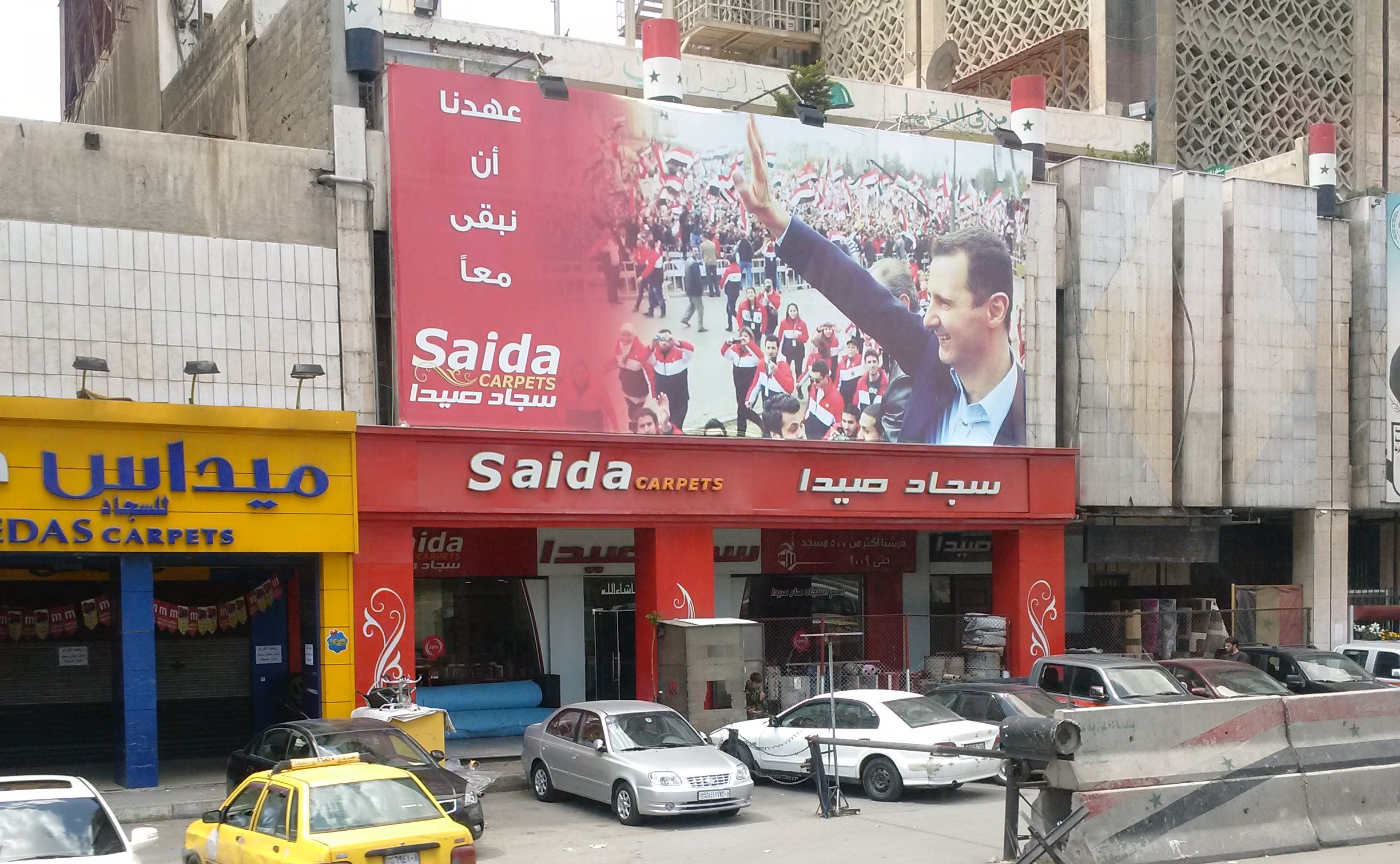
Can Syrian social cohesion survive “without Assad”?
“I have prepared the country for you for 20 years,” said Hafez al-Assad before his death in 2000, to his son Bashar. What did Hafez mean and what are the implications for the future of Syria, now that presidential elections loom once more?
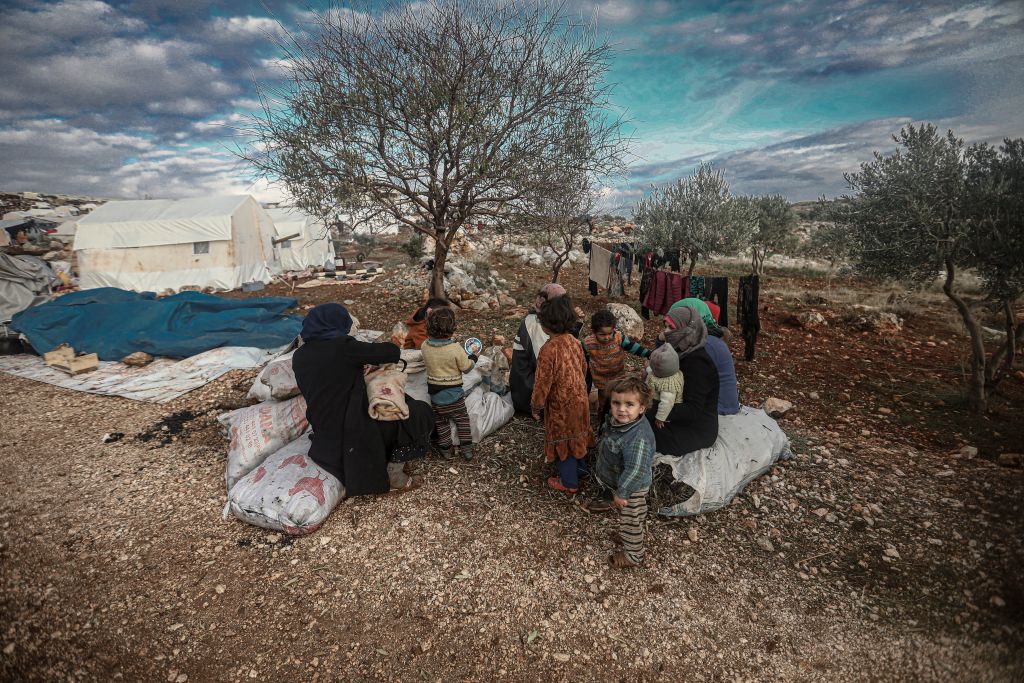
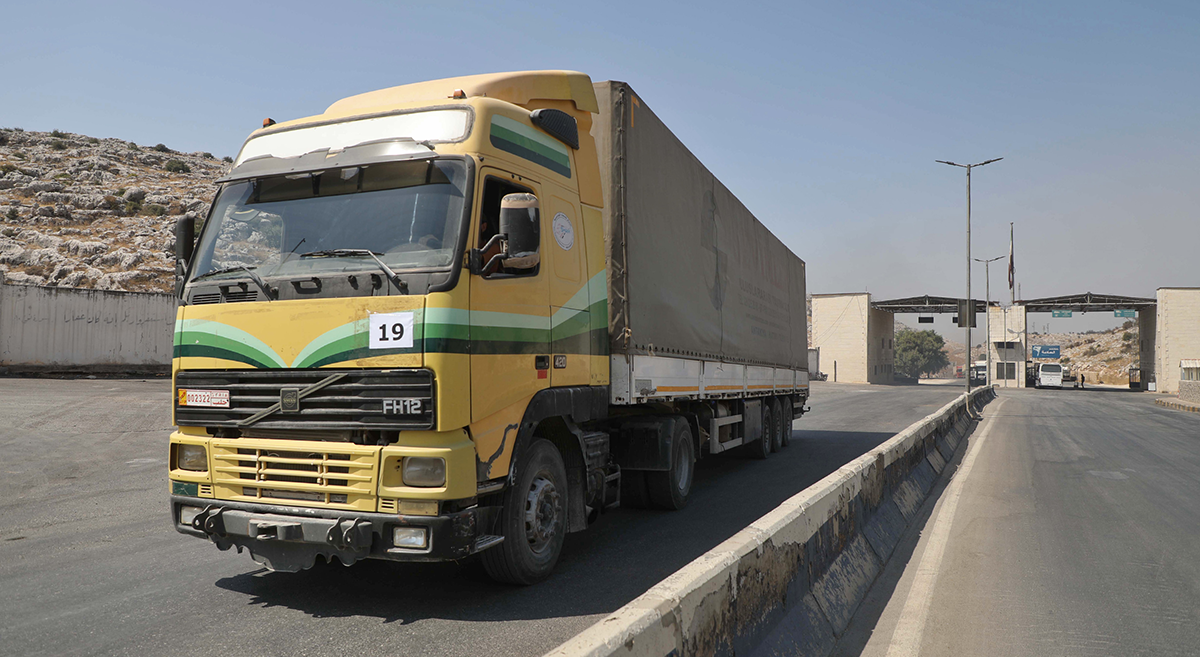
More destabilization and human suffering is certain unless the Biden administration is ready to respond to Russian efforts that would impede aid flows and reinforce Syrian President Bashar al-Assad.
The Turkey-Pakistan entente: Muslim middle powers align in Eurasia
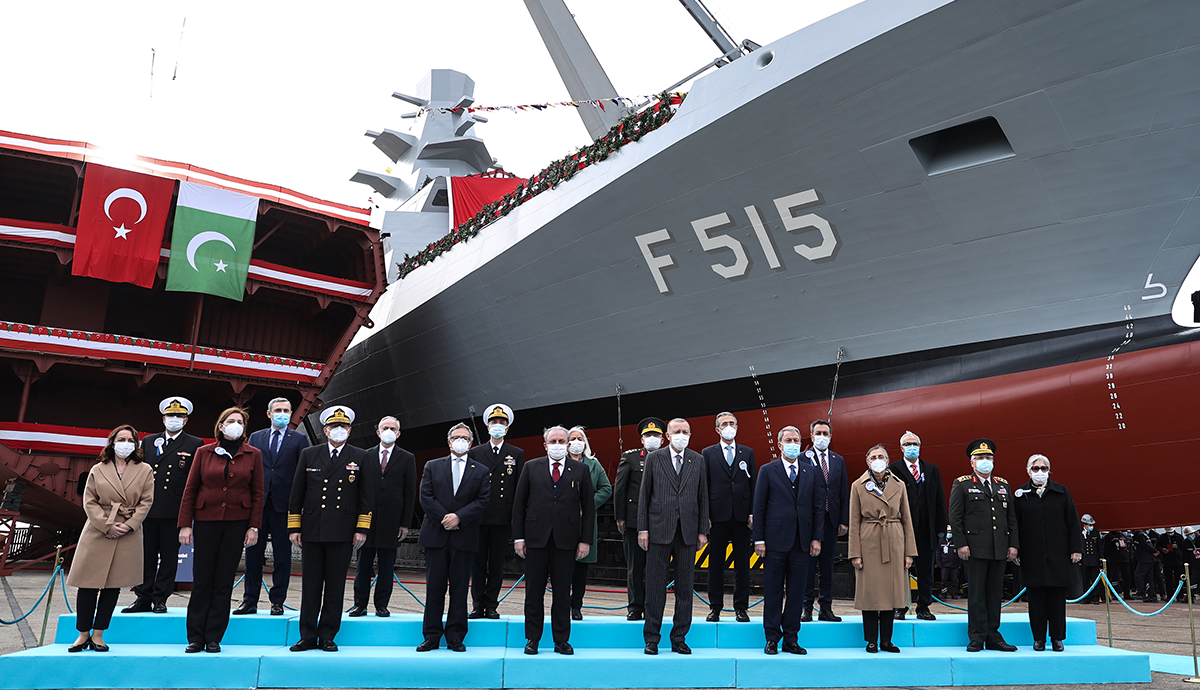
In the 1950s, at the onset of the Cold War, Pakistan and Turkey were part of the Central Treaty Organization or CENTO, a pro-Western bloc of Muslim-majority states. Today, the two countries — both with troubled relations with the United States — are Muslim middle powers with a growing entente in a multipolar Eurasia. In recent years, cooperation between Pakistan and Turkey has strengthened not just in the defense, diplomatic, and economic realms, but also in the cultural space, causing geopolitical ripple effects in the Himalayas, the Arabian Peninsula, and the South Caucasus.
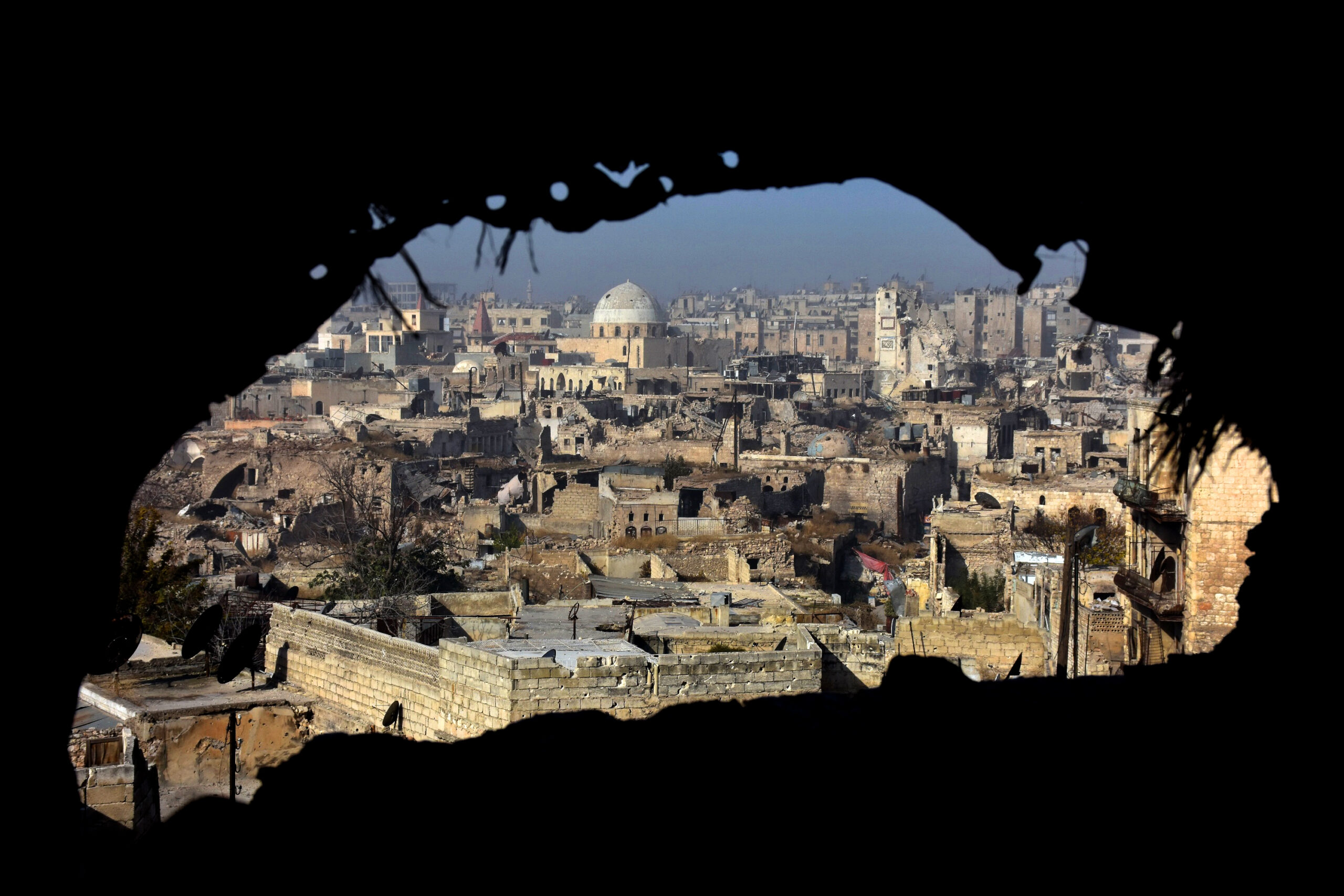
Inside Syria's Clapping Chamber: Dynamics of the 2020 Parliamentary Elections
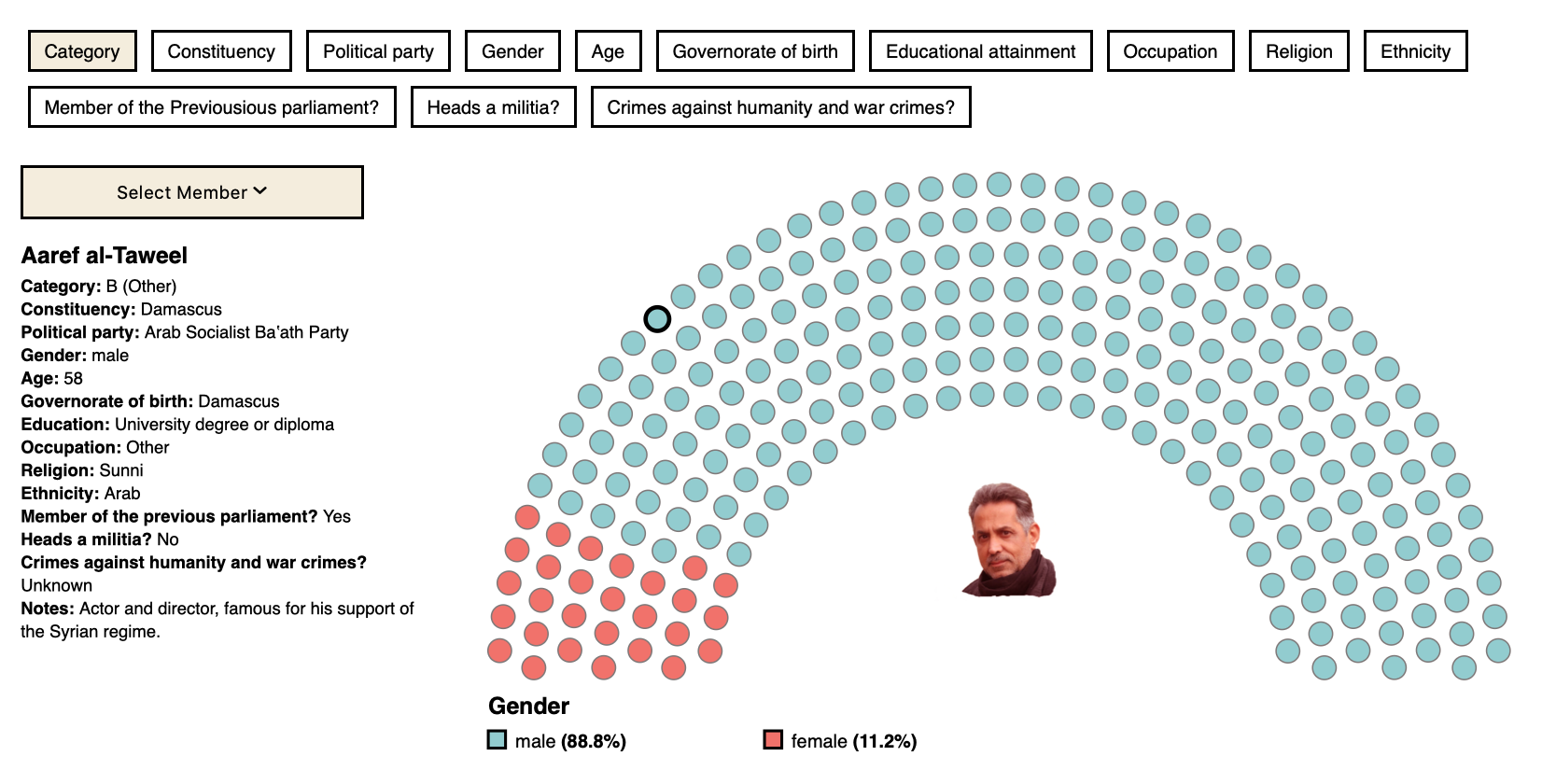
This report discusses the results of the 2020 Syrian parliamentary elections to illuminate shifts in the al-Assad regime’s strategy to restore and maintain control over the country. Using evidence gathered from a range of sources, it sheds light on recent changes in the ethnic, religious, political, commercial, and military networks through which Syria’s dictatorship is sustained, and the future directions these shifts imply.
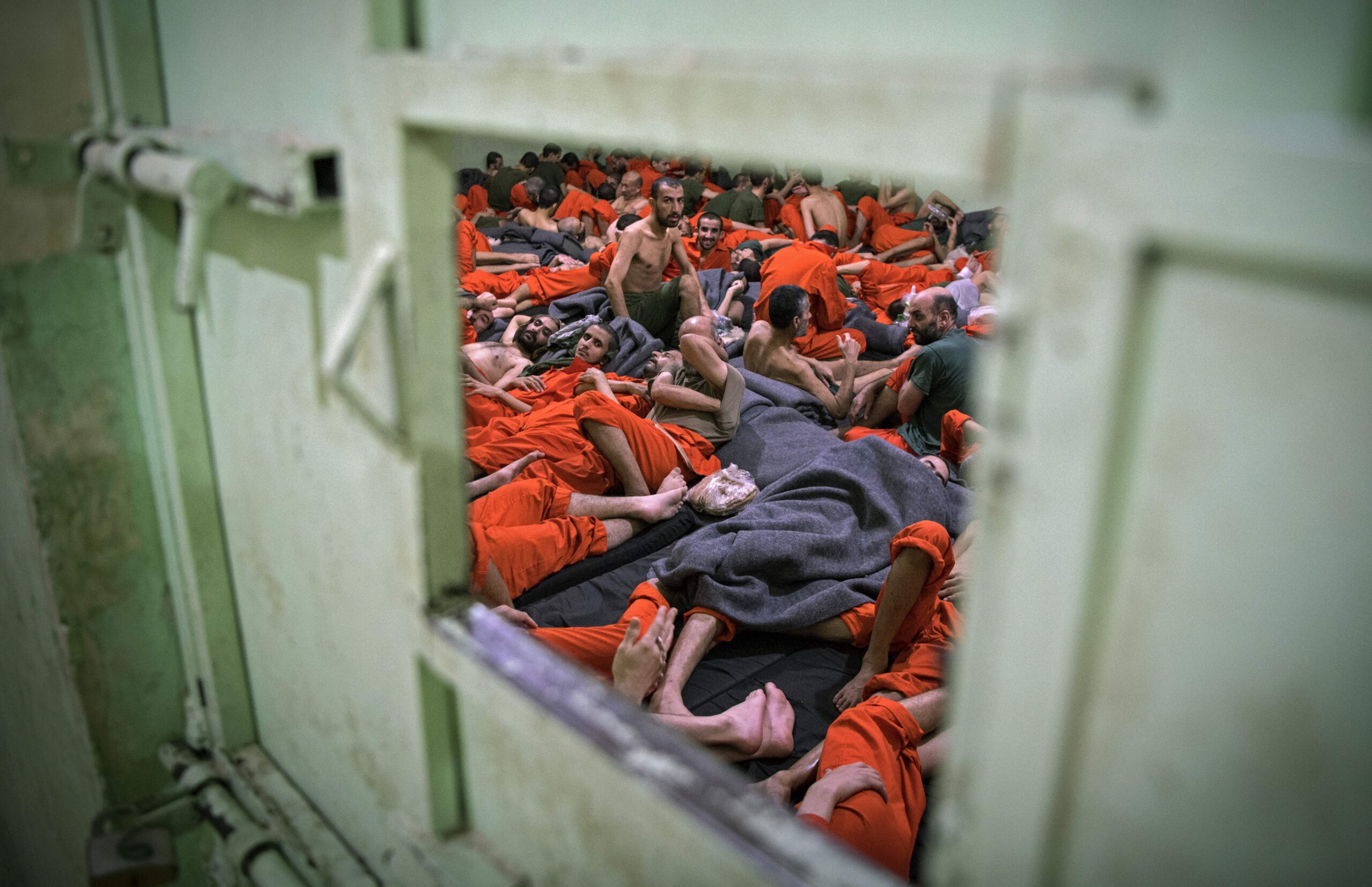
The Challenge of Foreign Fighters: Repatriating and Prosecuting ISIS Detainees
From the U.S. and the U.K. to Iraq and Syria, the way countries are handling the repatriation and prosecution of accused ISIS members echoes the policies that drove their citizens to seek a utopian Islamic State in the first place. Not only are the policies that pushed people to start joining the group in 2013 continuing, but in many cases they have increased in both scale and scope. While the current repatriation and prosecution policies are arguably counterproductive, they may also be fueling future terrorist activity and support for radical anti-government groups. To reduce the chances of such negative consequences, foreign governments must switch gears and adopt an entirely different approach before it is too late.
سوريا تواجه أزمة تلوح في الأفق بشأن وصول المُساعدات الإنسانية
خلال جلسة مجلس الأمن الدولي، التابع للأُمم المُتحدة، والتي انعقدت في 20 يناير 2021، وصف المبعوث الأممي لسوريا، غيير بيدرسِن، ما يحدث في سوريا من انهيار اقتصادي، ومُعاناة إنسانية، وركود للعملية السياسية، على أنه “تسونامي بطيء يجتاح الآن جميع أنحاء سوريا”؛ ما جذب اهتماما أصبح نادرا بشأن الوضع في سوريا.