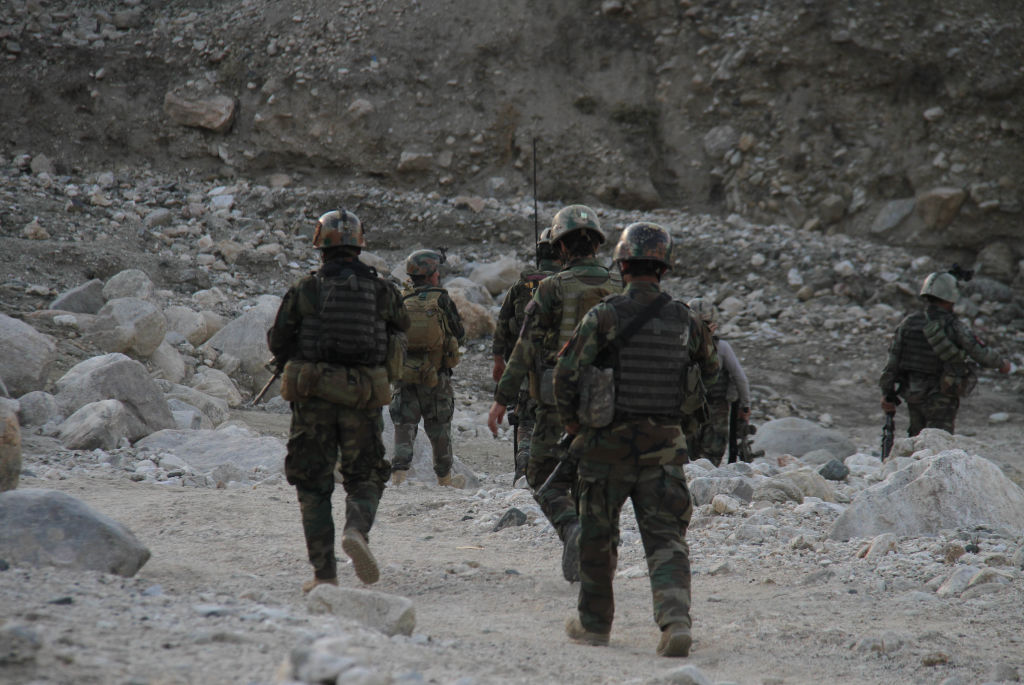
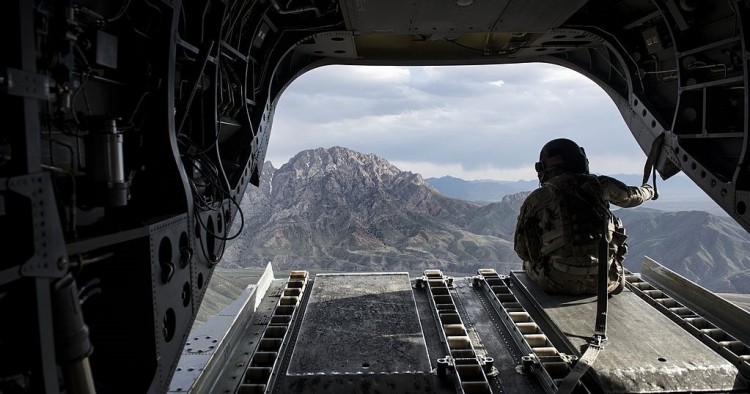
Monday Briefing: Will Afghanistan have a Christmas surprise?
This week’s briefing on recent news and upcoming events in the region featuring Marvin G. Weinbaum, Hafsa Halawa, Robert S. Ford, and Thomas W. Lippman.
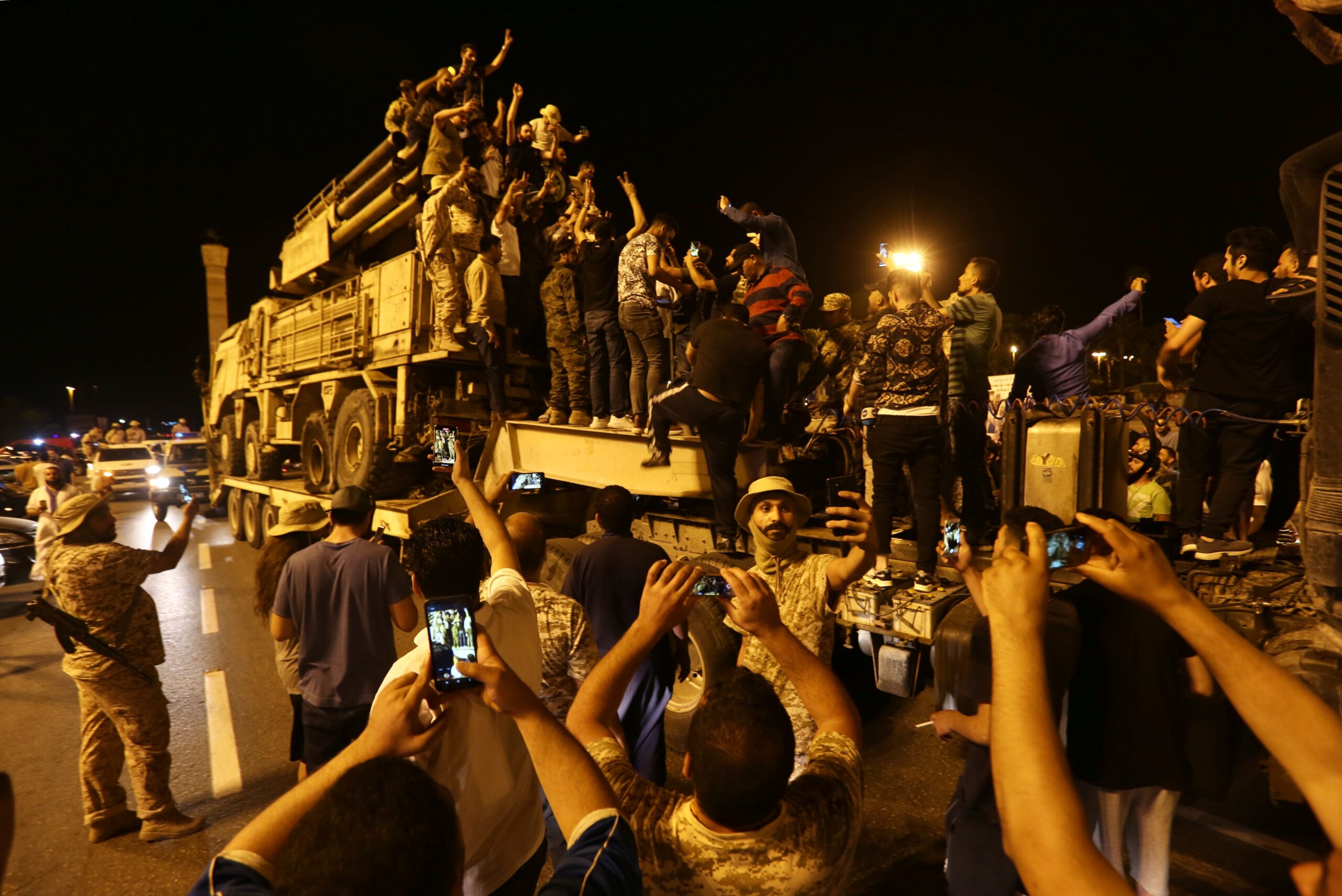
Turning the Tide: How Turkey Won the War for Tripoli
The War for Tripoli, launched by Gen. Khalifa Hifter in April 2019, came to an abrupt end in June 2020 after extensive Turkish military capabilities were introduced to the theater at the beginning of the year. This research paper seeks to drill down into the military, logistical, and technological aspects of the war, highlighting the unique role of drones, soft-kill and hard-kill air defense technologies, private military contractors, and extraterritorial military professionals in determining its final outcome.
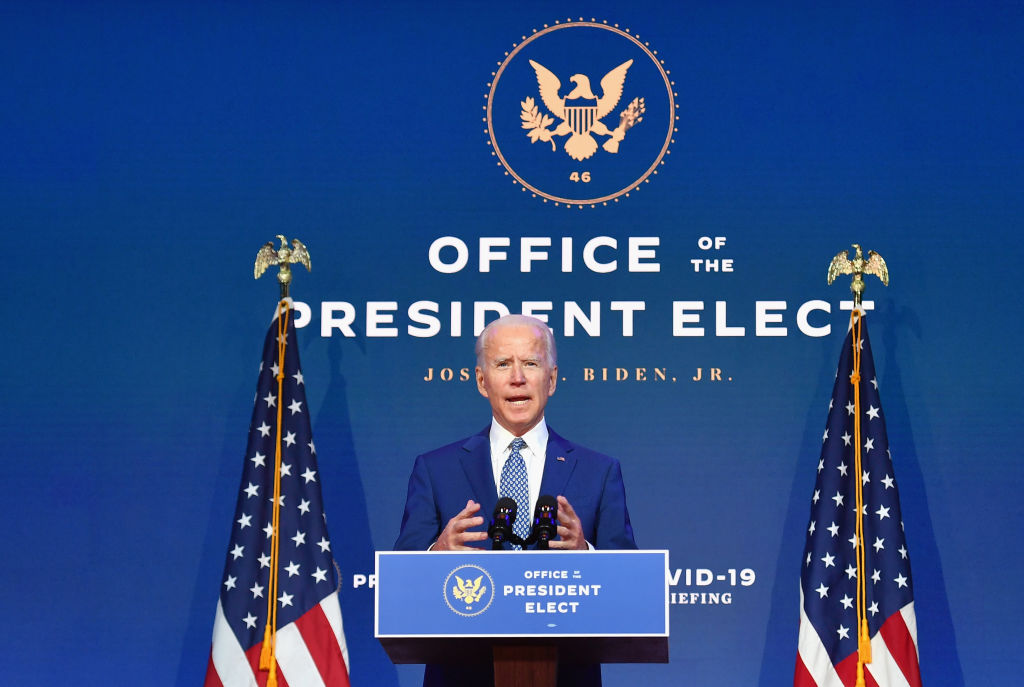
Monday Briefing: The reverberations of the US election in the Middle East
This week’s briefing on recent news and upcoming events in the region featuring Paul Salem, Alex Vatanka, Gonul Tol, Gerald Feierstein, Randa Slim, Khaled Elgindy, Charles Lister, Mirette F. Mabrouk, and Marvin G. Weinbaum.
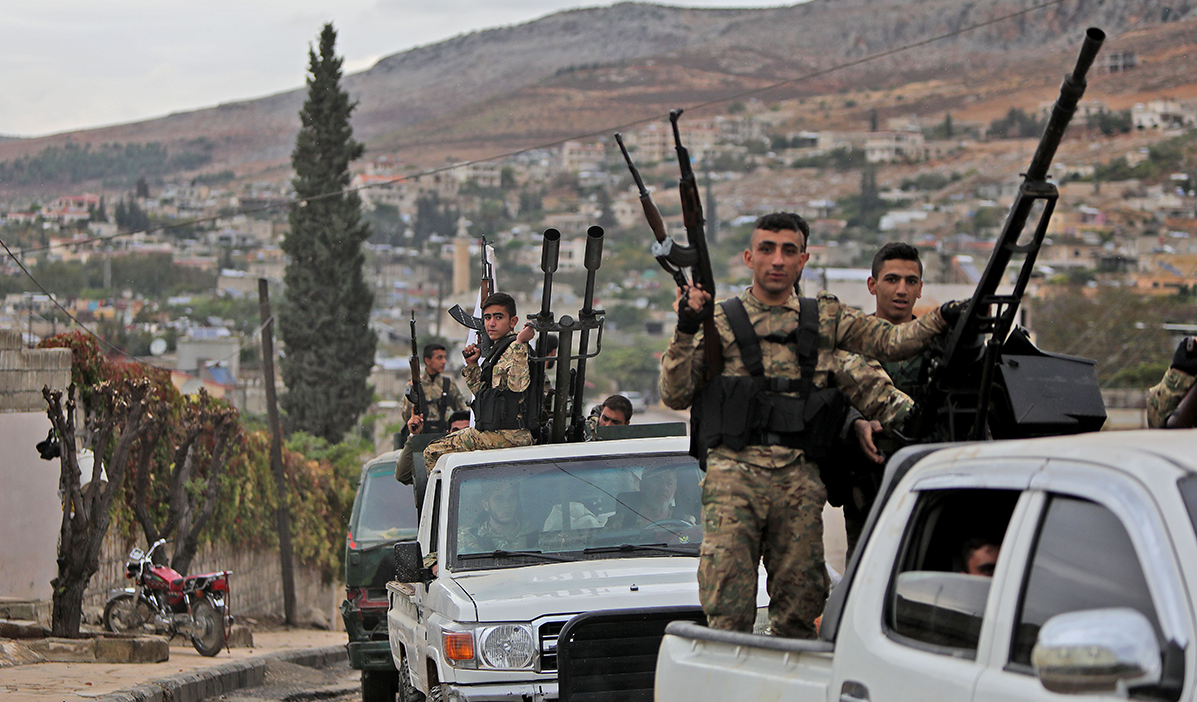
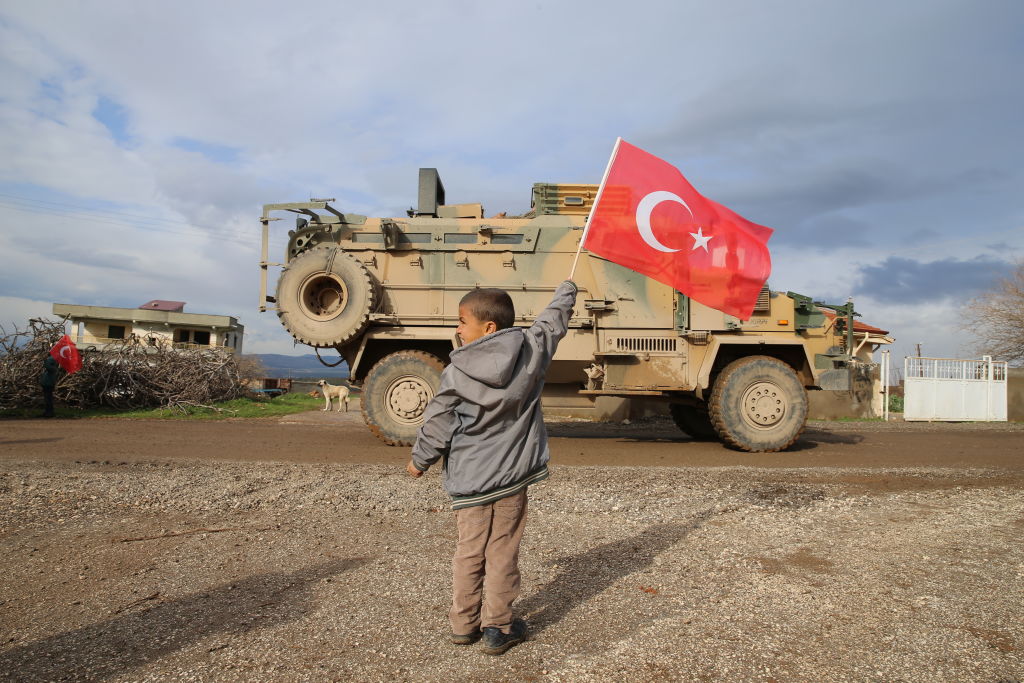
As the conflict in Nagorno-Karabakh rages between Armenia and Azerbaijan, Russia and Turkey once again find themselves on opposite sides in a regional geopolitical war. With the reverberations from the fighting now spreading across the region, the fate of Idlib could be tied to battles elsewhere as Moscow potentially seeks to open up another front against Ankara.
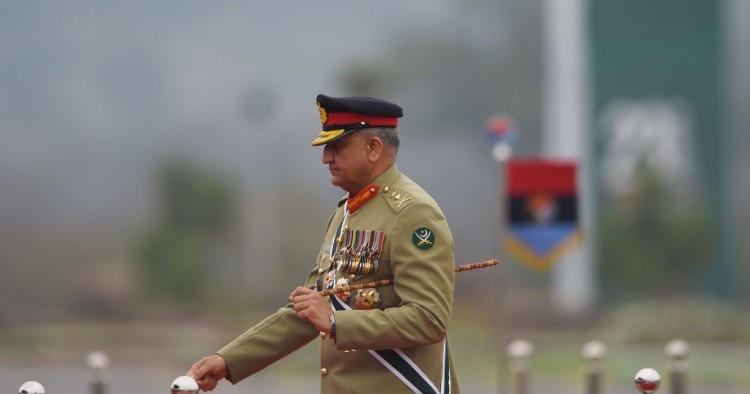
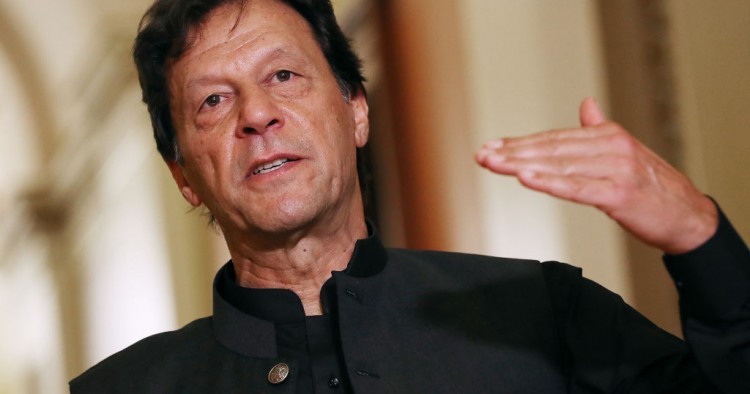
Pakistani politics at a crossroads: The new opposition to Imran Khan and to the military establishment
On October, 16, Pakistan’s former Prime Minister Nawaz Sharif set his country’s politics ablaze by offering a withering critique of the military establishment. Calling in from London via video conference, Sharif addressed a crowd of over 20,000 protestors at a rally in the Punjabi city of Gujranwalla organized by the Pakistan Democratic Movement (PMD), a recently formed coalition that brings together all major opposition parties. Under the PMD’s banner, erstwhile rivals like the Pakistan Muslim League-Nawaz (PML-N), the Pakistan People’s Party (PPP), and the Jamiat Ulema-e-Islam–Fazlur (JUI-F) have joined forces to achieve two goals that they see as intertwined: unseating Prime Minister Imran Khan and regaining power from the military.
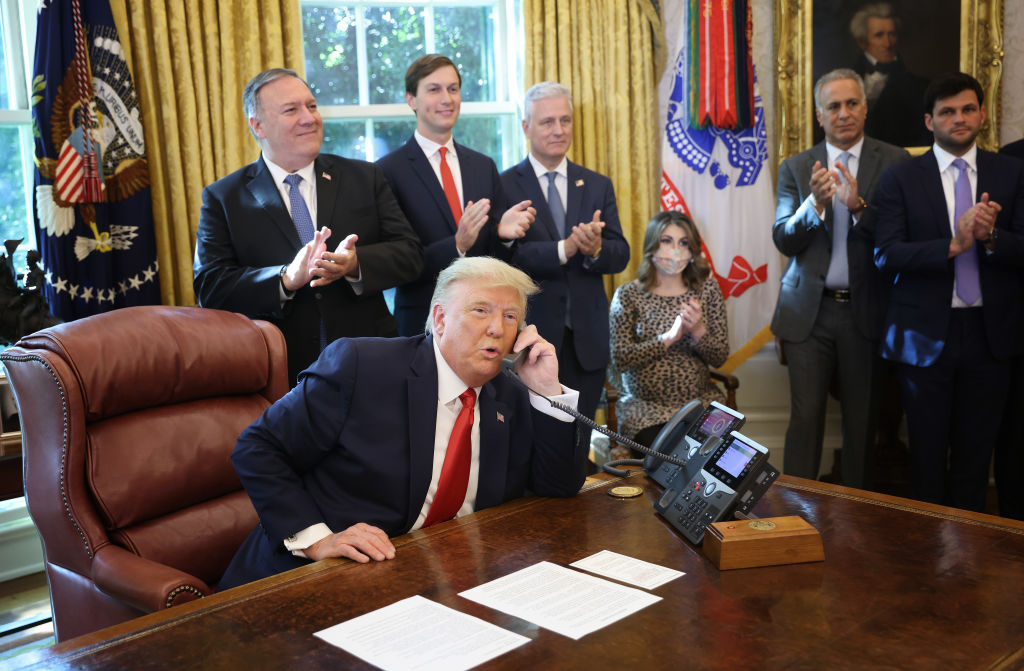
Monday Briefing: Regional reverberations of the Sudan-Israel announcement
This week’s briefing on recent news and upcoming events in the region featuring Paul Salem, Jonathan M. Winer, Gonul Tol, Mohammed Soliman, Marvin G. Weinbaum, Elizabeth Dent, Mirette F. Mabrouk, and Robert S. Ford.
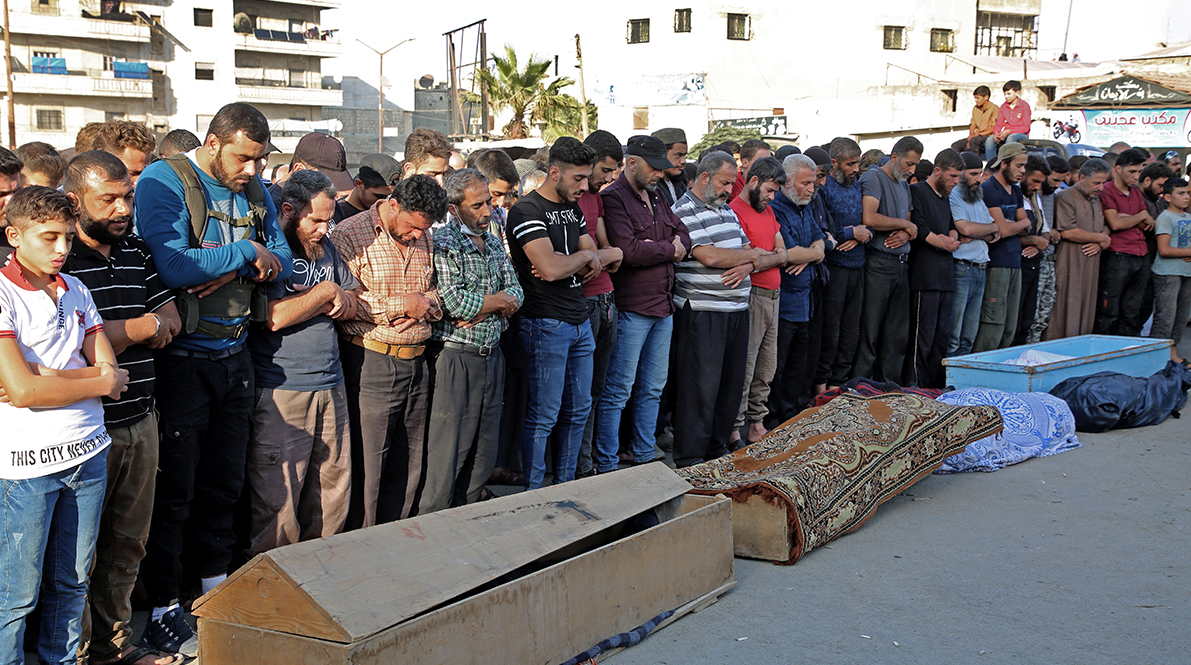
Monday Briefing: Secret diplomatic visit to Damascus raises questions about US Syria policy
This week’s briefing on recent news and upcoming events in the region featuring Charles Lister, Ruba Husari, Marvin G. Weinbaum, and W. Robert Pearson.
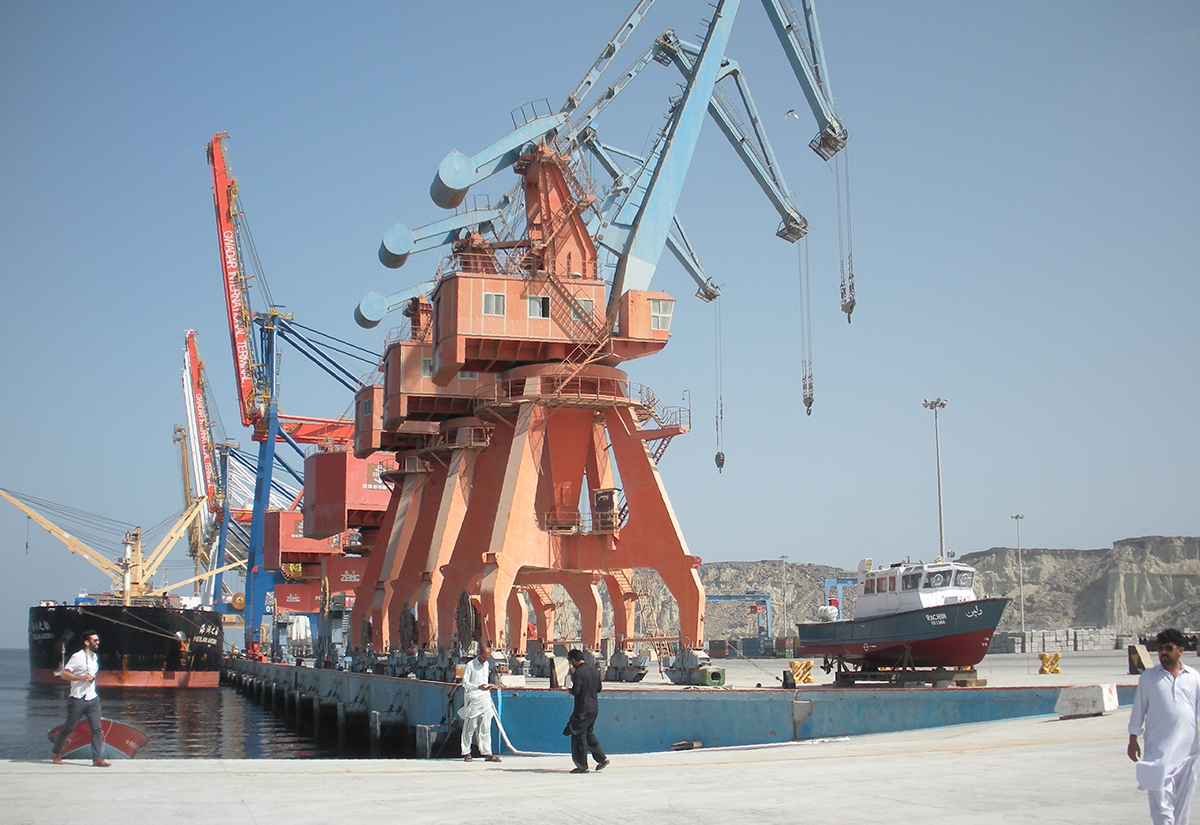
Regional transit trade isn’t enough to drive Pakistan’s Gwadar Port
Landlocked Afghanistan has begun using the Chinese-operated Pakistani port of Gwadar for transit trade — a development Pakistani officials see as marking the start of Gwadar’s role as a gateway port through the China-Pakistan Economic Corridor. Pakistan’s hope to develop the Arabian Sea port into a gateway for Afghanistan, Central Asia, and China’s Xinjiang region has been a long-standing one — and it is misguided. Islamabad should instead focus on local drivers to build the port and use it as a vehicle to develop the impoverished, but resource-rich region of southern Balochistan.
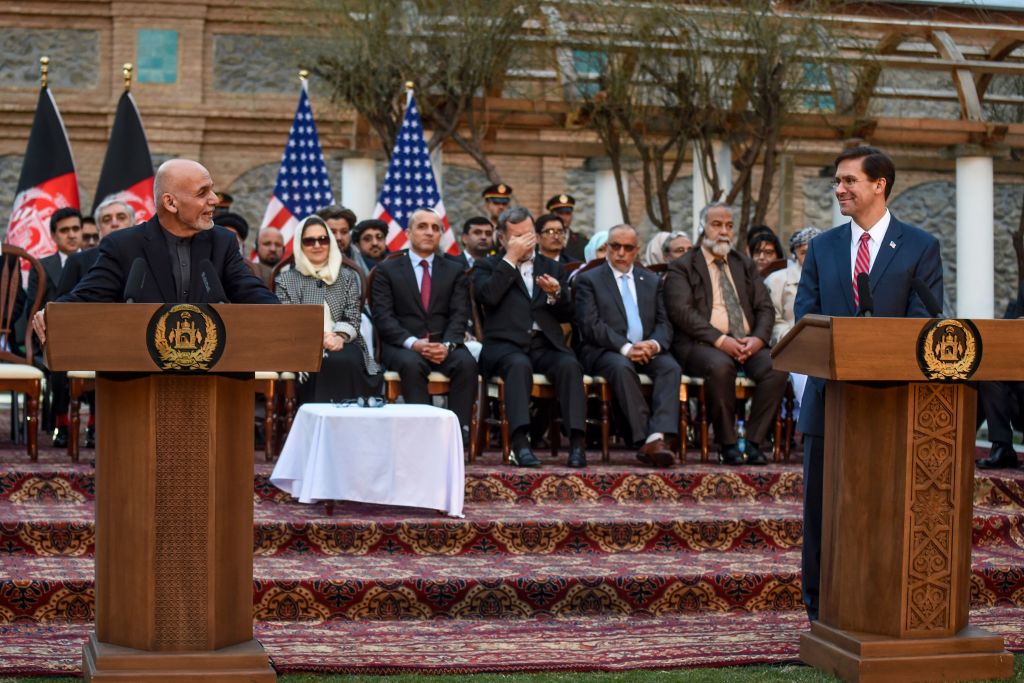
Weekly Briefing: The myth of US conditionality in Afghanistan
This week’s briefing on recent news and upcoming events in the region featuring Marvin G. Weinbaum, Alex Vatanka, Dima M. Toukan, and Syed Mohammad Ali.
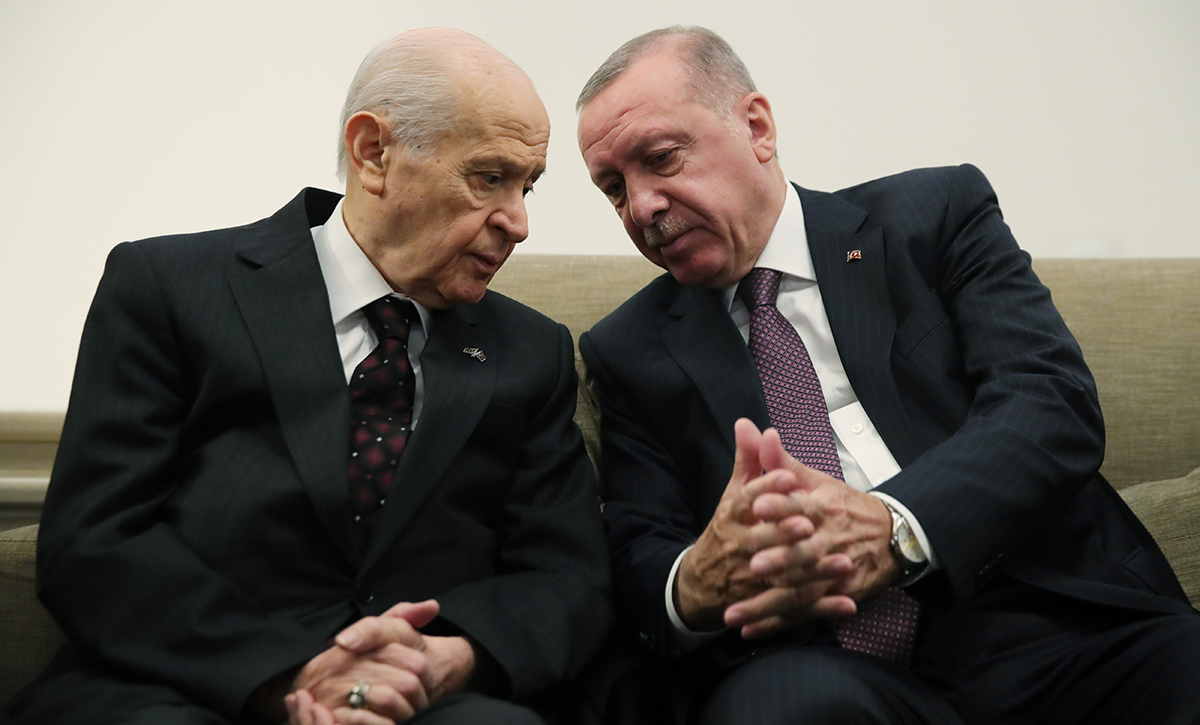
For those following Turkey, there is no doubt about who calls the shots. From the economy and landscape to the arts and sports, everything reflects the will and vision of one man: President Recep Tayyip Erdogan. To his supporters and many of his detractors, he is invincible and answers to no one but God. In reality, however, Erdogan has become increasingly reliant on Devlet Bahceli, the head of the hard-right MHP, who is playing a growing role in shaping his policies. And as Erdogan loses ground in the polls, Bahceli’s sway only increases.
Omar Samad and Marvin Weinbaum join host Alistair Taylor to discuss what to expect from the intra-Afghan talks underway in Doha, the ongoing violence on the ground in Afghanistan, and the challenges facing Afghan security forces as the US continues its troop drawdown.
On Sept. 13, Bahrain recognized Israel at a ceremony attended by US President Donald Trump at the White House. With the stroke of a pen, Bahrain became the fourth Arab state to have forged official ties with Israel, following in the footsteps of Egypt (1979), Jordan (1994), and most recently, the UAE (Aug. 13, 2020).
In the recently released Showtime documentary “Kingdom of Silence” by Alex Gibney and Lawrence Wright, I made the statement that with hindsight the U.S. may have been better off never having occupied Afghanistan. That comment has brought some questions and responses, so let me be clear about what I mean and why.