Dispatches from Jerusalem: On the brink in the Middle East between escalation and de-escalation
My week of meetings with Israeli and Palestinian officials and analysts in mid-September has left me groping for a coherent through line in the story about today’s Middle East. It’s the best of times and the worst of times, depending on where one sits.
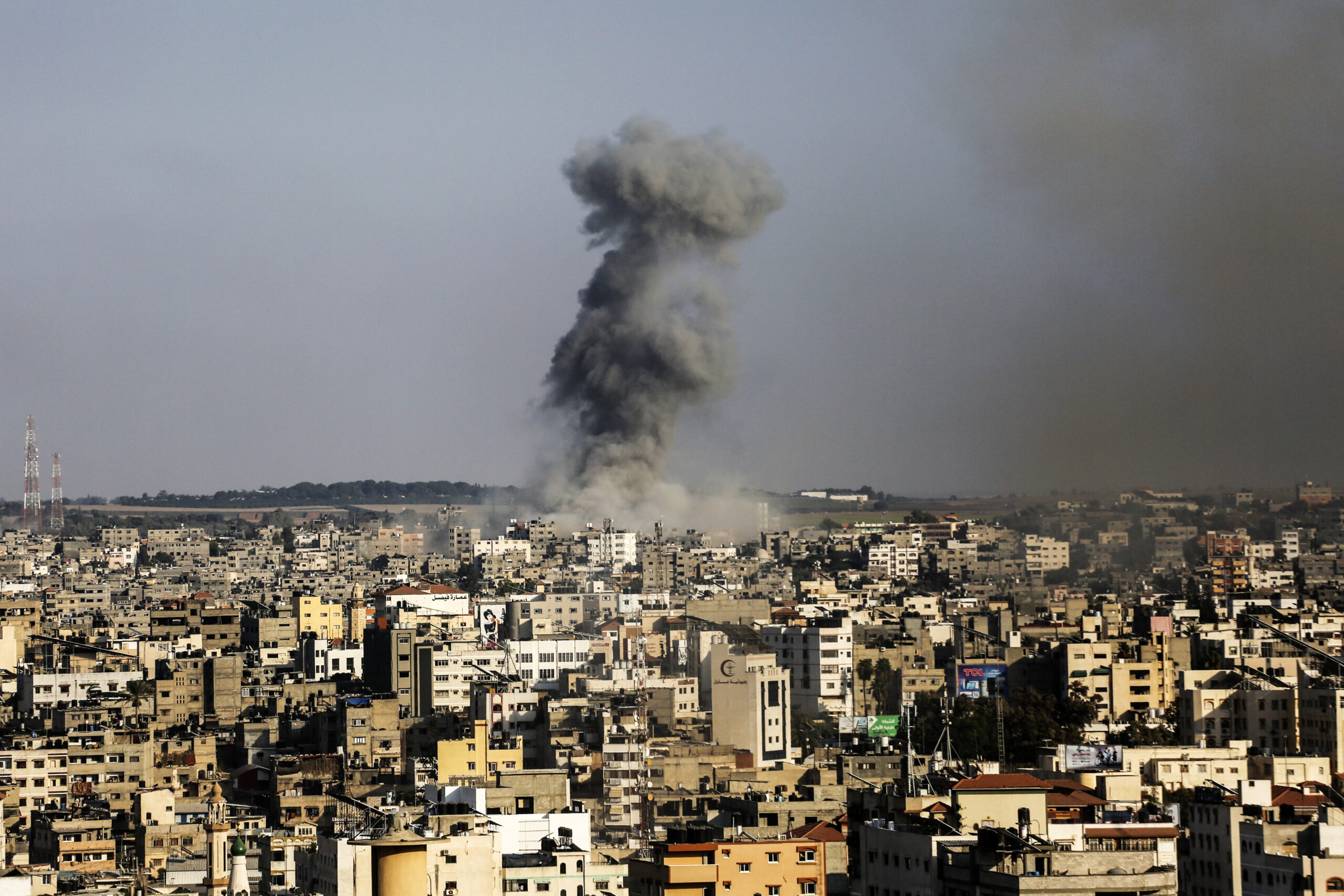
The causes and consequences of Israel’s latest attack against Islamic Jihad in Gaza
Israel’s early August offensive against Palestinian Islamic Jihad in Gaza achieved several strategic and tactical goals, but it failed to entirely sever the PIJ’s relationship with Hamas.
Refugees First: A New Approach to Middle East Peace
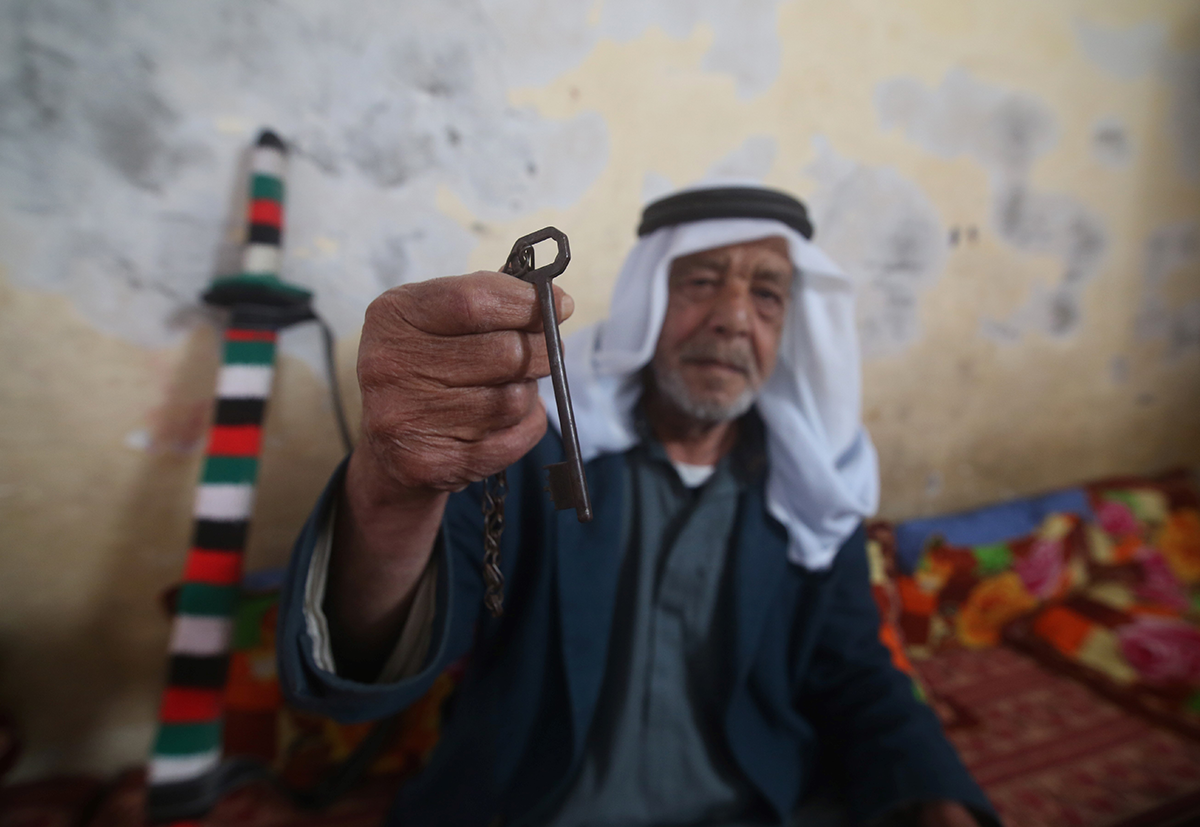
According to UNRWA, there are approximately 6.3 million registered Palestinian refugees across the Arab world. The majority of these are the descendants of the 750,000 Palestinians who were displaced between 1947 and 1949 over the course of Israel’s creation, an event known among Palestinians as the Nakba or “catastrophe.” This paper aims to evaluate past proposals on the refugee question and promote a new refugee-first framework that could produce tangible solutions for Palestinian refugees and for the conflict at large.
Biden v. Putin: Rival roadshows in an increasingly assertive Middle East
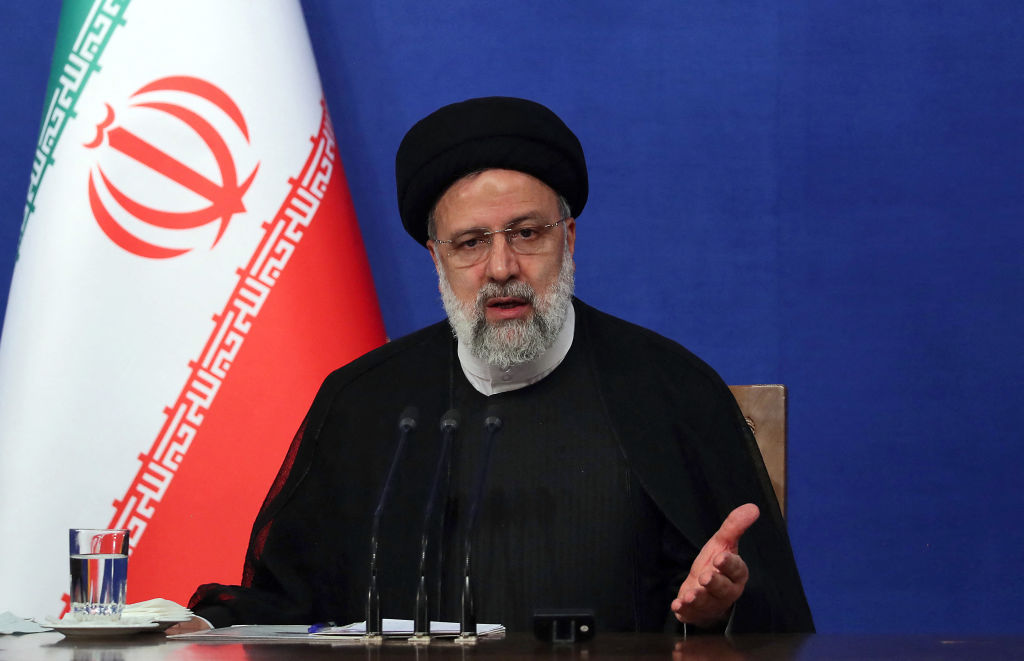
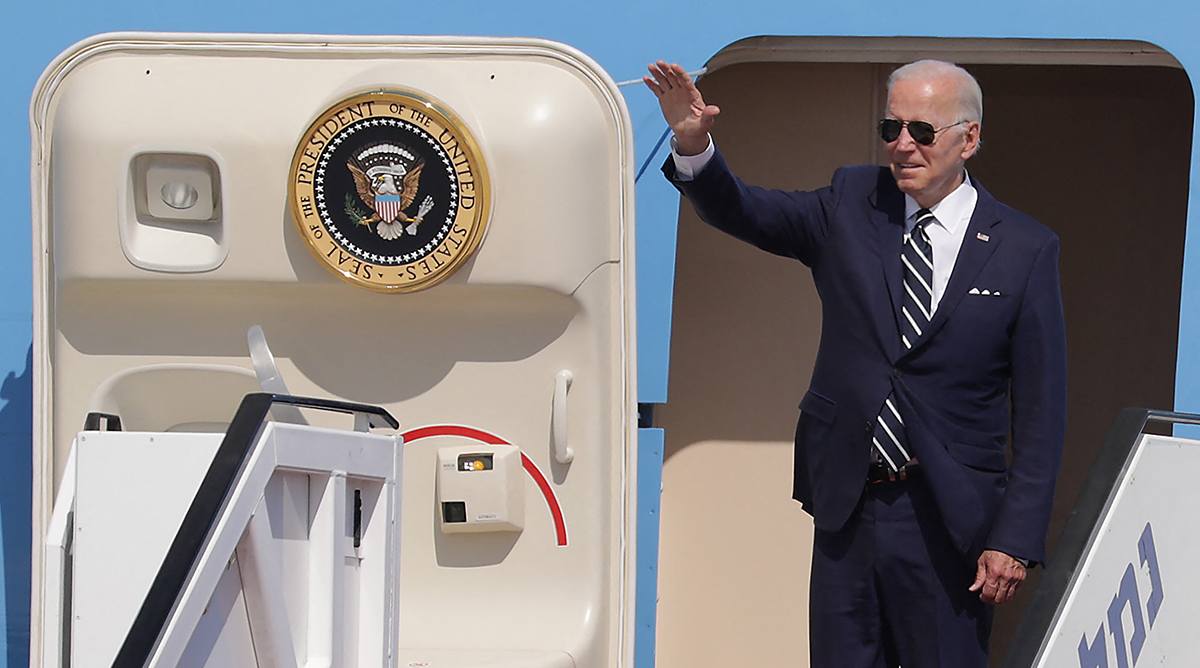
The U.S. and Russian presidents staged high visibility visits to the Middle East in the past week and a half. The visits were designed to assert each great power’s influence in the region at a time of escalating great power conflict. But both presidents cut a diminished figure on the regional stage at a time when leaders in Turkey, Iran, and Saudi Arabia are feeling increasingly empowered.
As Biden and Mideast leaders meet in Jeddah, human security should be urgently on the agenda
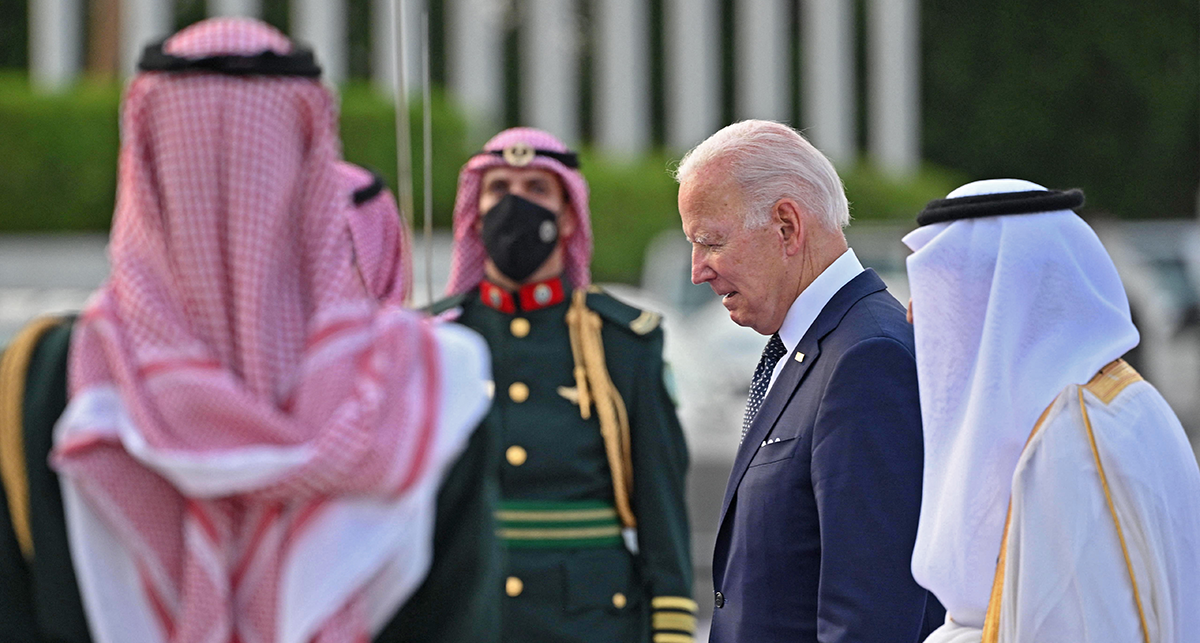
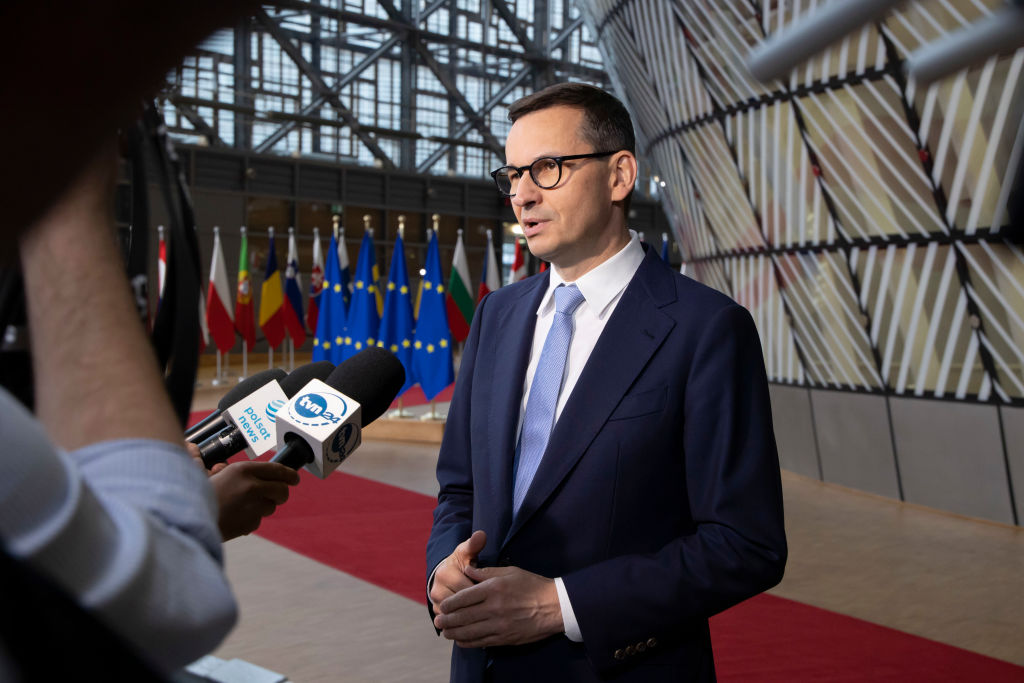
As President Joe Biden and several Gulf and Middle East leaders meet in Jeddah, they will be discussing global energy markets, regional security, countering Iran, and building on the Abraham Accords. But in the wake of the COVID-19 pandemic, and as the Russian war on Ukraine reverberates, half of the countries in the region, and tens of millions of people, are facing desperately worsening socio-economic conditions. If the summit seeks to work toward a more stable Middle East, the U.S. and Gulf leaders should agree on a sustained effort to use part of the region’s windfall from high energy prices to support vulnerable states and societies that are at risk of serious unraveling and instability.
Fearing a collapse: Palestinian refugees and UNRWA’s worsening financial crisis
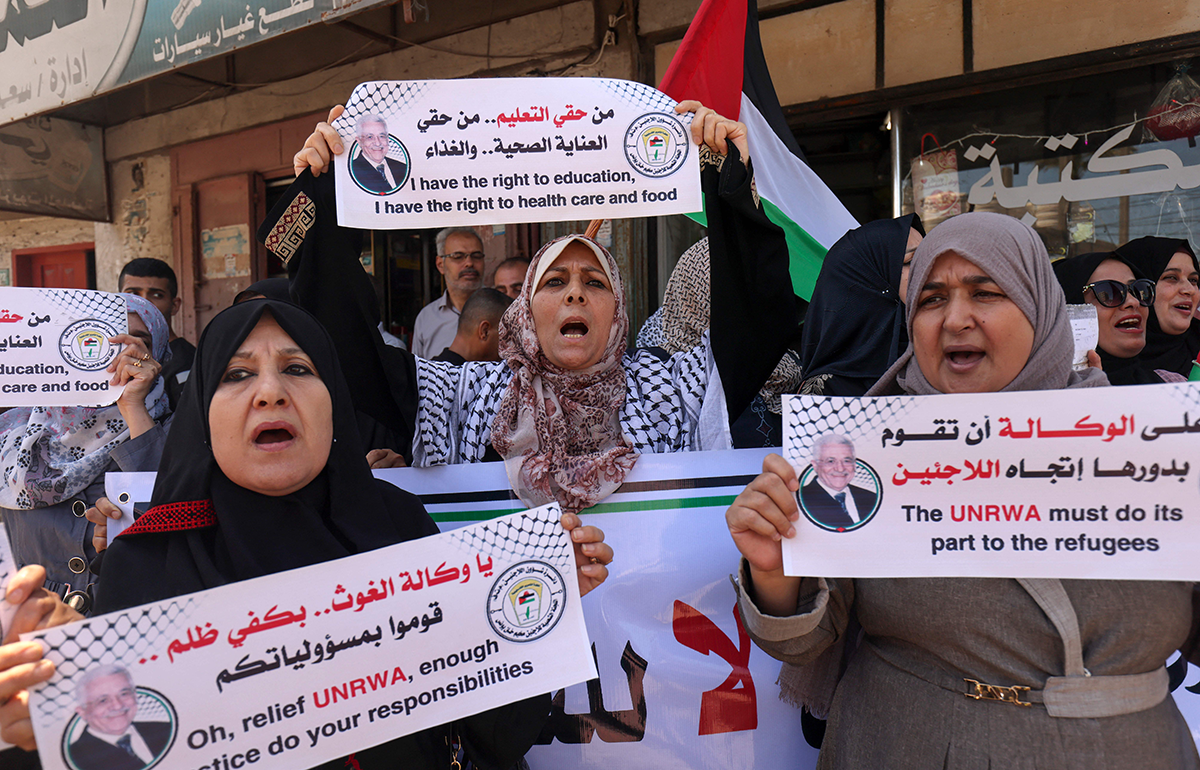
In early June 2022, the Advisory Commission of the United Nations Relief and Works Agency for Palestinian Refugees in the Near East met in Beirut. Facing a $100 million budget deficit and the indifference of donor countries, UNRWA’s future is uncertain.
Another blow for the unsteady Israeli coalition government
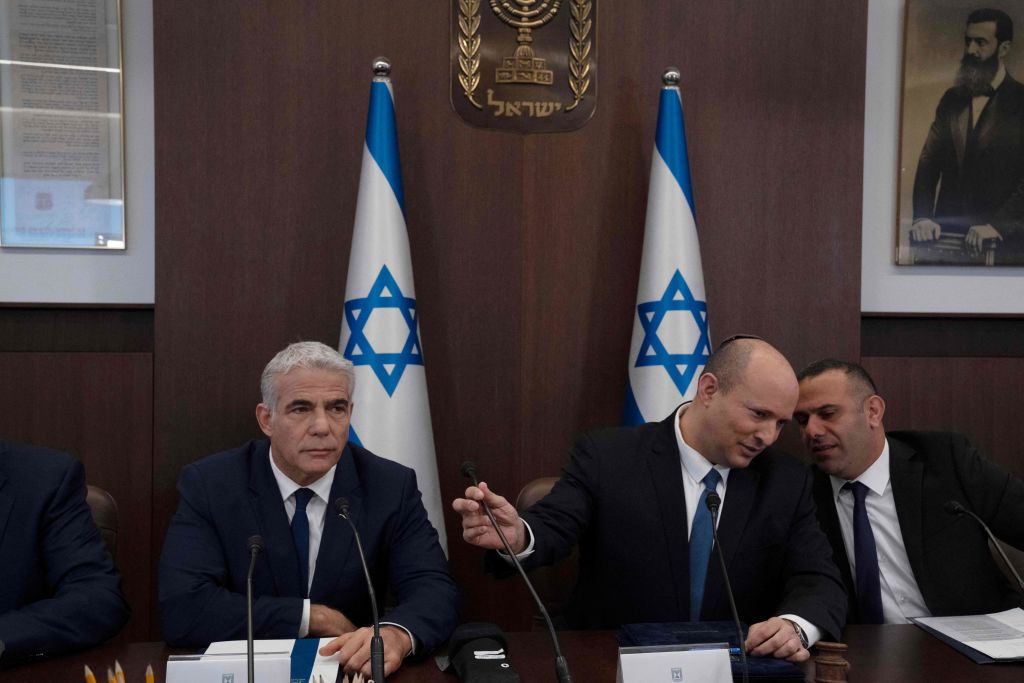
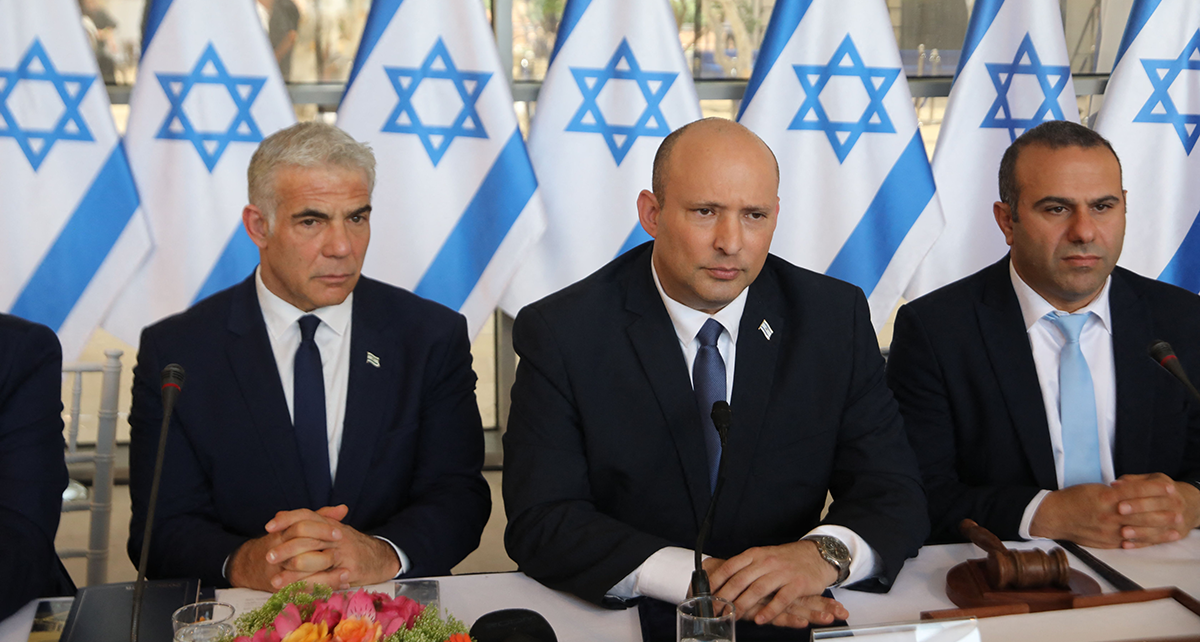
On June 6 Israel’s coalition government lost an important vote, in which more than half of the Knesset members on both sides voted against their own most fundamental beliefs in a desperate effort to either bring down the coalition or to save it. The substance of the legislation was barely more than a pretext, but the opposition smelled blood and was willing to do virtually anything to regain power.
A false alarm or a wake-up call for Israel’s fragile coalition?
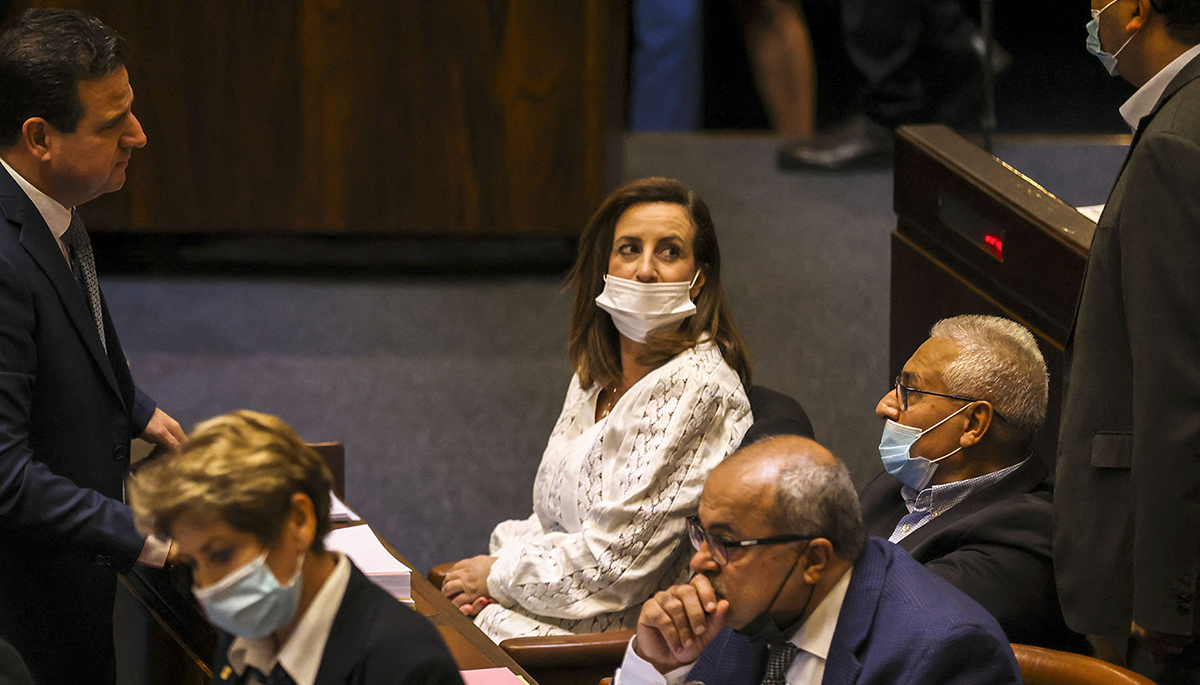
On May 19, Ghaida Rinawi Zoabi, one of Meretz’s two Arab Knesset members, announced she was leaving the governing coalition and her party. On May 22, however, it was announced that she had rejoined both. What happened and what does it tell us about the state of Israel’s fragile coalition government?