The election of Emmanuel Macron is certainly bad news for terrorist organizations in the Middle East. At the same time, it is unlikely that France will modify its attitude in regards to larger regional challenges, for instance, the ongoing Syrian civil war, the Israeli-Palestinian conflict, or the cold war between Iran and Saudi Arabia.
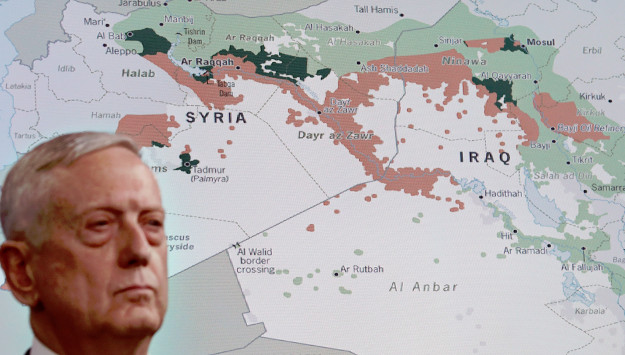
Iranian-Backed Forces Advancing to Southeast Syria despite U.S. Warning
The U.S. air strike last week targeting Iranian-led forces in southern Syria signaled escalating tension between Washington and Tehran over the six-year conflict in Syria. The U.S. military said it carried out the raid because an Iran-directed convoy was advancing toward a “de-confliction zone” near the al-Tanf region, where the U.S. military is training Syrian opposition forces to fight the Islamic State. The militia forces reportedly did not respond to U.S. warnings. The air strike – the first such action by the U.S.
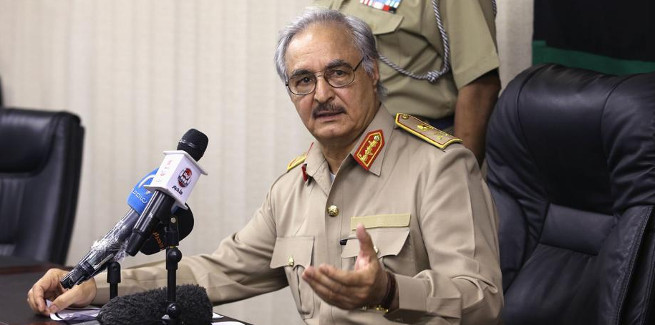
Foreign Powers Should Push for Compromise in Libya
Whenever power is contested in a country—any country—the political fight over who will ascend to the helm provides opportunities for foreign powers to intervene, and in some cases, influence the outcome of the political process.
Such behavior can carry short-term rewards when a new leader, put into power with the help of the foreign government, tilts favorably toward the sponsor; but it also can be counterproductive.
Bahrain-Malaysia Relations Set to Reach New Heights
On May 3, 2017, King Hamad Bin Eisa Al Khalifa concluded a four-day trip to Malaysia, the first visit by a Bahraini monarch since the two countries established diplomatic ties in 1974 and the initial leg of a tour that also included stops in Brunei and Thailand. This essay takes a brief look at the development of economic ties between Bahrain and Malaysia in recent years, and considers the prospects for their continued growth in light of the outcome of King Hamad’s visit.
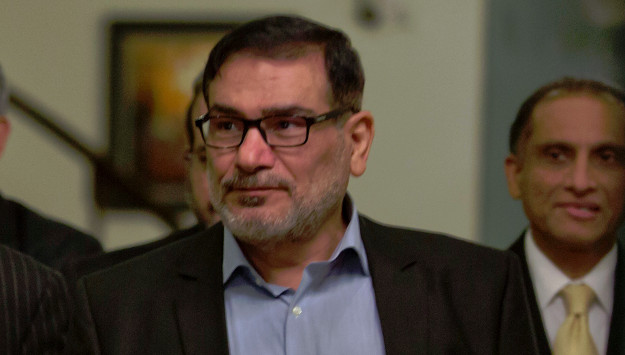
Senior Iranian Official Visits Moscow to Discuss Syria War Plan
The Secretary of Iran’s Supreme National Security Council Ali Shamkhani today met with his Russian counterpart Nikolai Patrushev in Moscow to discuss the conflict in Syria, state-run Islamic Republic News Agency reported. The two sides pledged to continue support for the Bashar al-Assad regime against armed opposition groups.
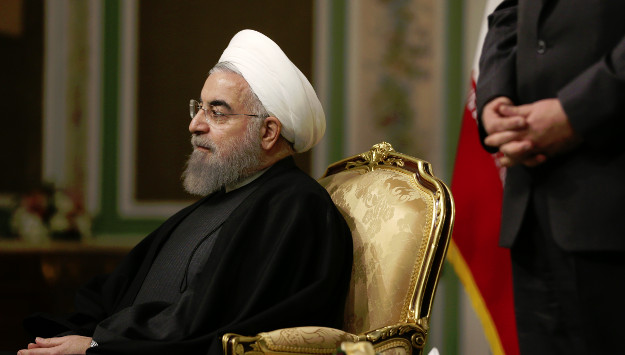
Rouhani Defends Hezbollah and I.R.G.C.’s Role in Regional Conflicts
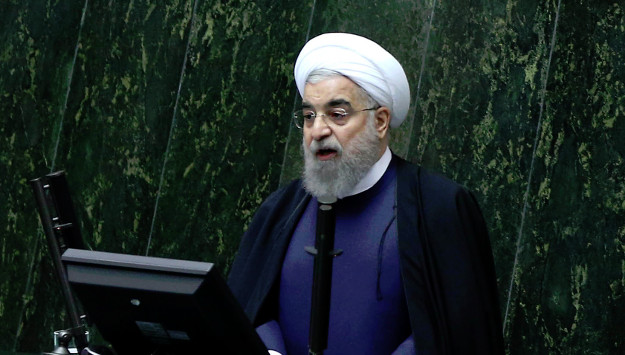
Iranian President Hassan Rouhani has dismissed his U.S. counterpart Donald Trump’s designation of Hezbollah as a terrorist organization and defended the Lebanese group and its role in both Lebanon and Syria.
Iran-Supported Iraqi Militias Seize Strategic Town in Western Mosul
Iran-supported units within the Hashd al-Shaabi, the Iraqi paramilitary forces called Popular Mobilization Forces (P.M.F.), have seized the al- Qairawan region in western Mosul from the Islamic State, Iran’s Fars News Agency reported today.
Rouhani Seeks France’s Help to Encourage Foreign Investment in Iran
Iranian President Hassan Rouhani has urged the new government in France to play a more active role in the implementation of the Joint Comprehensive Plan of Action (J.C.P.O.A.), the nuclear agreement t
Monday Briefing: Chances for MidEast Peace Remote under Trump
In this week’s Monday Briefing, MEI experts Yousef Munayyer, Alex Vatanka, Jonathan M. Winer, and Marvin G. Weinbaum provide analysis on recent and upcoming events including President Trump’s trip to Israel and the prospects for a peace process, the reelection of Iranian President Hassan Rouhani, Russia’s planned naval drill off the coast of Libya this week, and the Afghan Taliban’s decision to reject peace talks.
Rouhani Reacts to Riyadh Summit: Stability in Mideast Impossible without Iran's Help
On Monday, Iranian President Hassan Rouhani warned the United States and its regional allies that stability in the Middle East cannot be achieved without Tehran’s help.
Rouhani Says Iran’s Missile Program Will Continue despite Washington’s Concern
Iranian President Hassan Rouhani said on Monday that the Islamic Republic would continue its ballistic missile program despite Washington’s concerns, the Iranian media reported. “American authorities should know that whenever we need to test a missile for technical reasons, we will carry it out. And we will not wait for them or their permission,” he said defiantly after U.S. and Saudi leaders criticized Tehran’s regional policies at the Riyadh summit.
Iran Says U.S. Forces’ Withdrawal Only Way to Restore Regional Stability
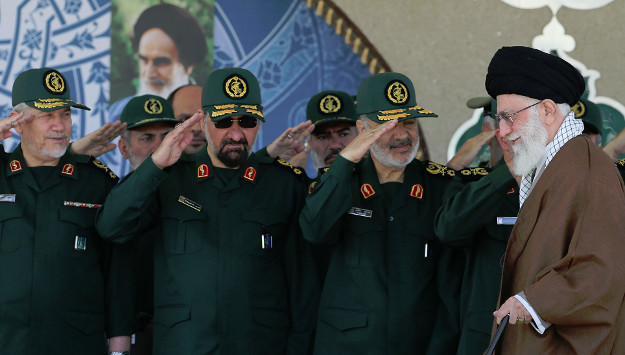
Deputy Chief of Staff of the Iranian Armed Forces has blamed the United States for regional instability and claimed that the withdrawal of the U.S. forces would restore peace and security in the Middle East. “The only way to [restore] peace and tranquility to the region is the departure of the Americans and the renunciation of aggressive and terrorist operations by dependent and reactionary regimes against independent countries,” Brigadier General Massoud Jazayeri said on Sunday. His remarks were a reaction to the latest comments by U.S.
Kayhan Editor: Rouhani’s “Submissiveness” Has “Sharpened Teeth” of America and Its Allies
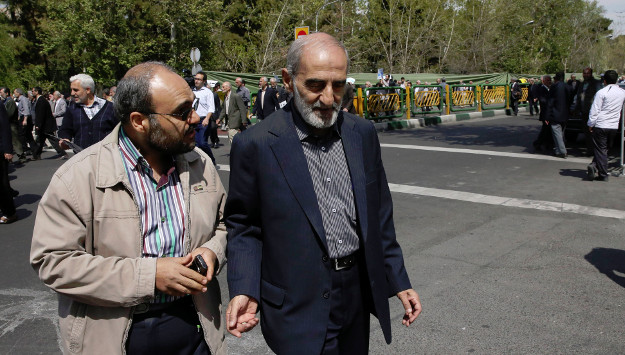
The editor of Iran’s most prominent hardline newspaper says President Hassan Rouhani’s “submissiveness” and campaign rhetoric have emboldened the United States and its Arab allies to threaten a military attack against the Islamic Republic. “Mr.
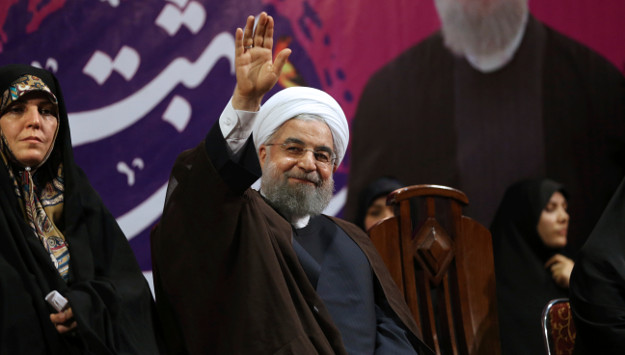
Iran’s presidential vote is now a two-man race. Tehran Mayor Mohammad Bagher Qalibaf’s 11th-hour withdrawal means that incumbent Hassan Rouhani will face the 56-year-old Ebrahim Raisi, a close associate of Supreme Leader Ayatollah Ali Khamenei and a man who was at the heart of the decision to mass execute political dissidents in the late 1980s.