Pensions, sovereign wealth funds, and industrial policy in the Gulf: A look at fund consolidation
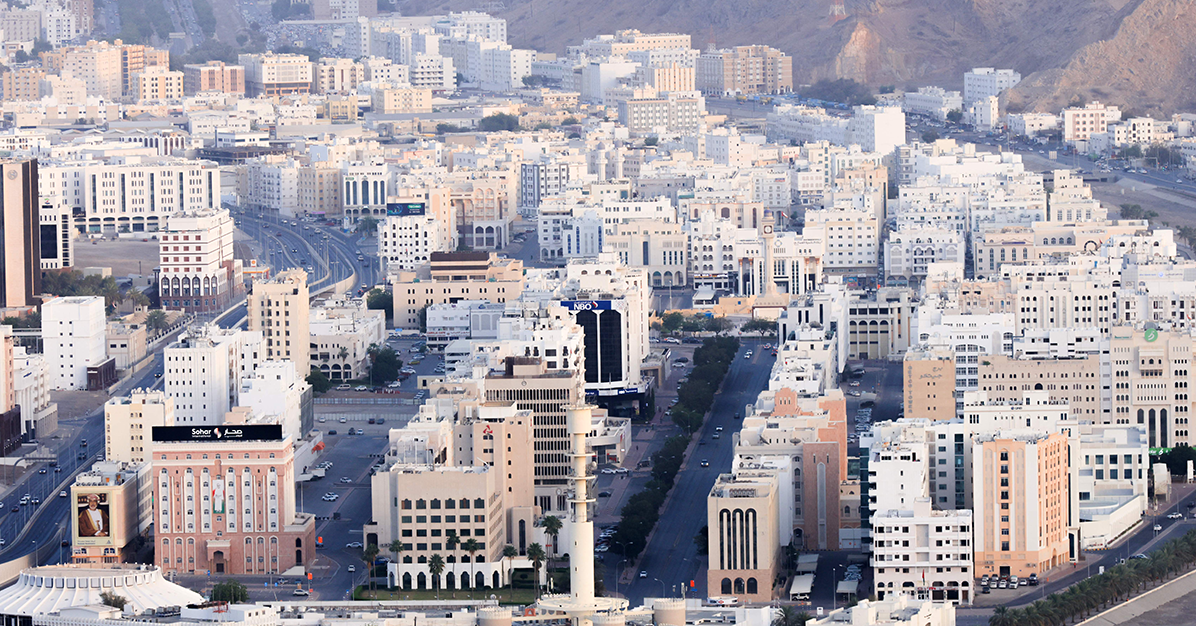
The last few years have seen a lot of consolidation in Gulf financial sectors. Not only do these mergers create economic benefits, the merged entities also become potent tools for economic development. The mega-funds and other major financial institutions are part of a trend where Gulf political elites sidestep ossified bureaucracies and instead centralize power in private entities over which they have even more control.
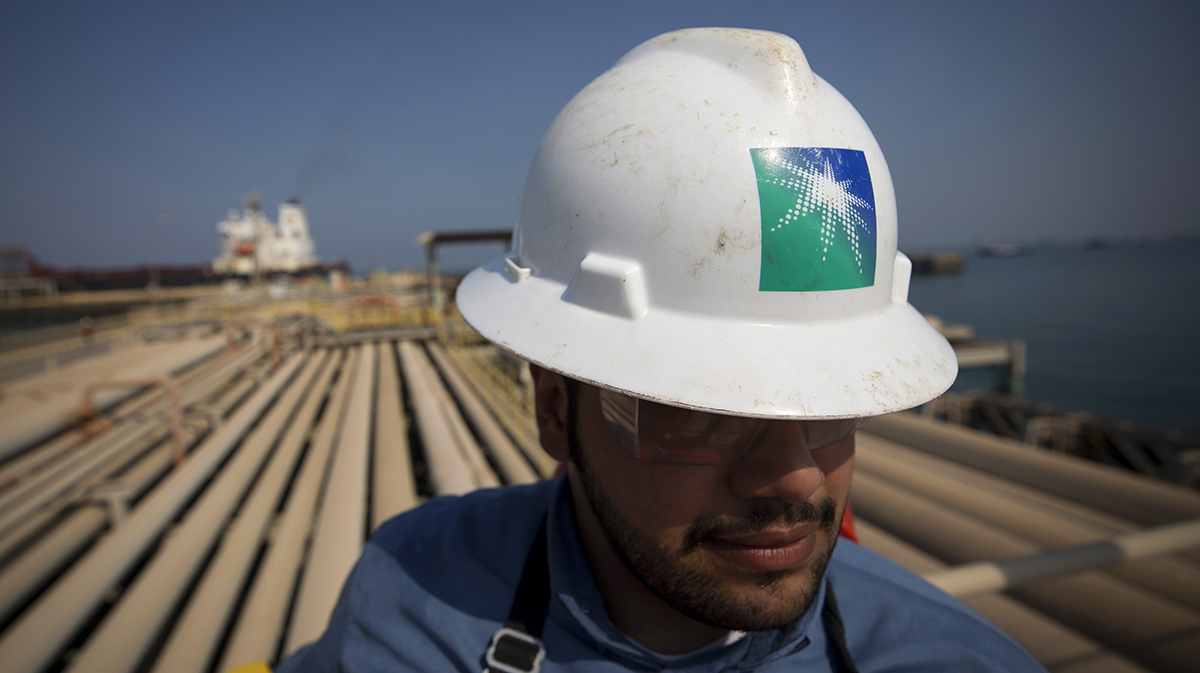
Industry analysts widely agree that OPEC+ production levels are currently well below the members’ authorized quotas and that any production increases will mainly be met by Saudi Arabia and the UAE. The challenges facing the group are daunting, but if met, seven major OPEC countries could feasibly raise crude oil production while utilizing existing infrastructure, significantly narrowing the global demand-supply gap.
Escalating emigration and the “drought” in Iran's IT industry
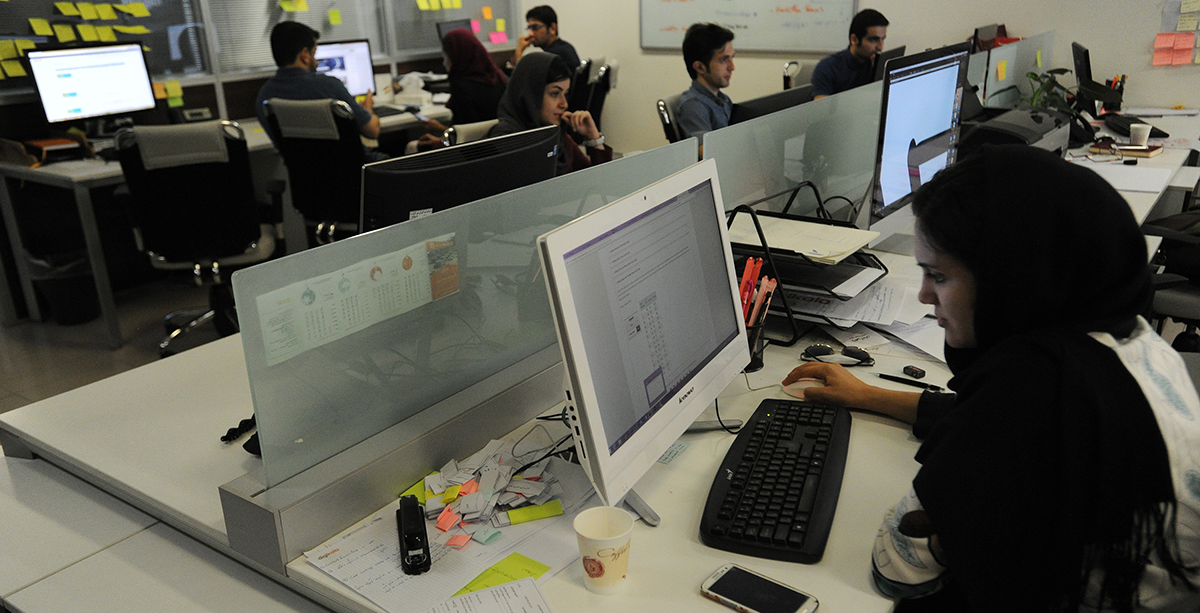
For many years, Iran’s educated elites have been leaving the country in growing numbers. They are emigrating, mostly to Western countries, for various reasons, but chief among them are poor economic conditions and a lack of political and social freedoms at home. Iran’s information technology sector is among the sectors hit hardest due to the burgeoning outflow of its experts in recent years.
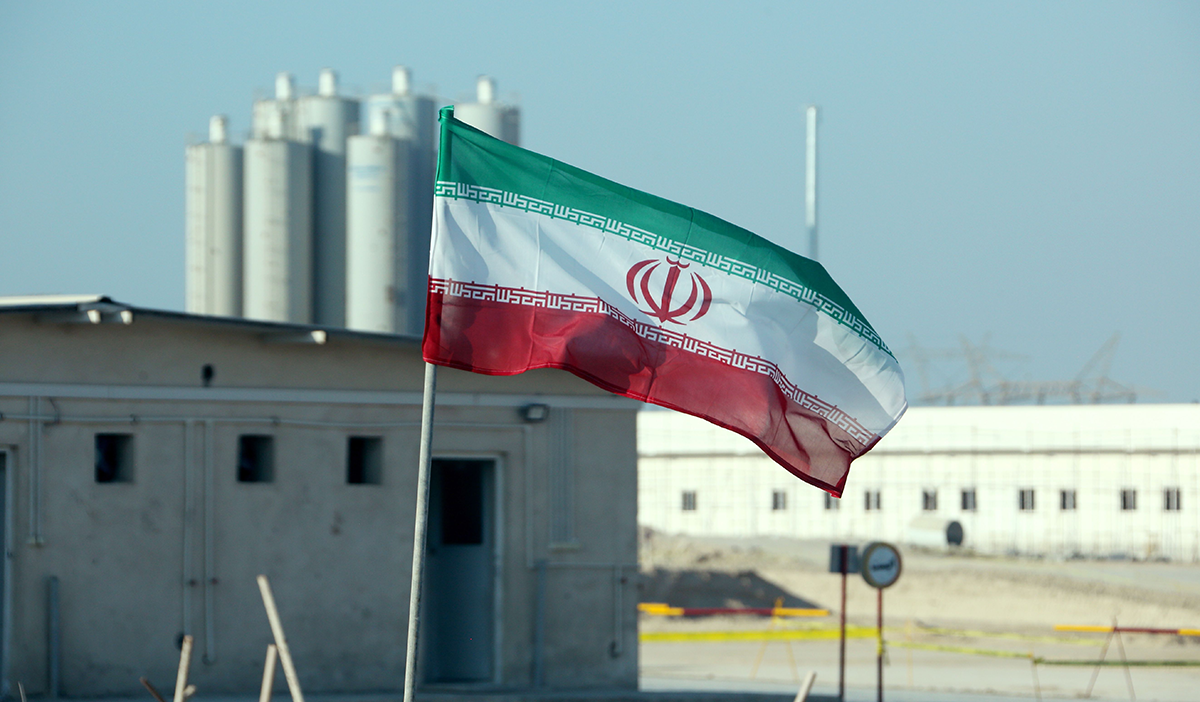
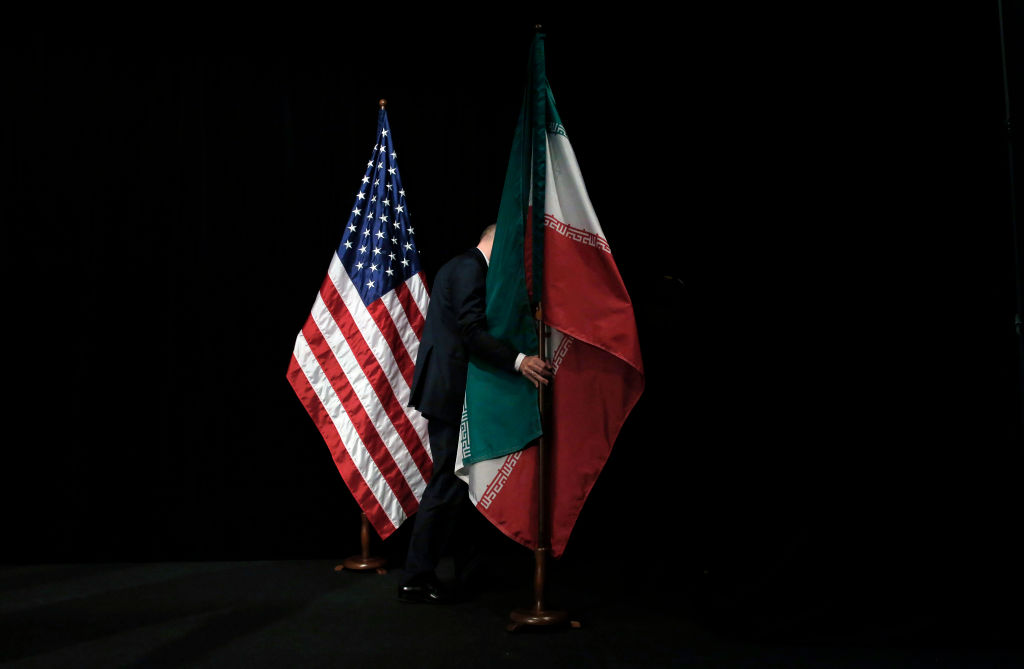
For the past year, negotiations over the revival of the 2015 Iran nuclear deal, known as the Joint Comprehensive Plan of Action (JCPOA), have not been conclusive. It appears that Iran’s current JCPOA calculations are shaped by three key factors: the future transition of power, lessons learned from the Ukraine war, and changes in the emerging international order.
The view from Tehran on Biden’s trip to the Middle East
The Iranian authorities anticipate that President Joe Biden’s visit to the Middle East is aimed at one top priority: to reaffirm the U.S. commitment to its partners in the region. To achieve this goal, the expectation in Tehran is that Biden will make some concessions to America’s regional partners, but the Iranians are very hopeful that these will be limited and not capsize the already tenuous U.S.-Iran nuclear talks.
How Iran sees Turkey’s plan for a new military operation in Syria
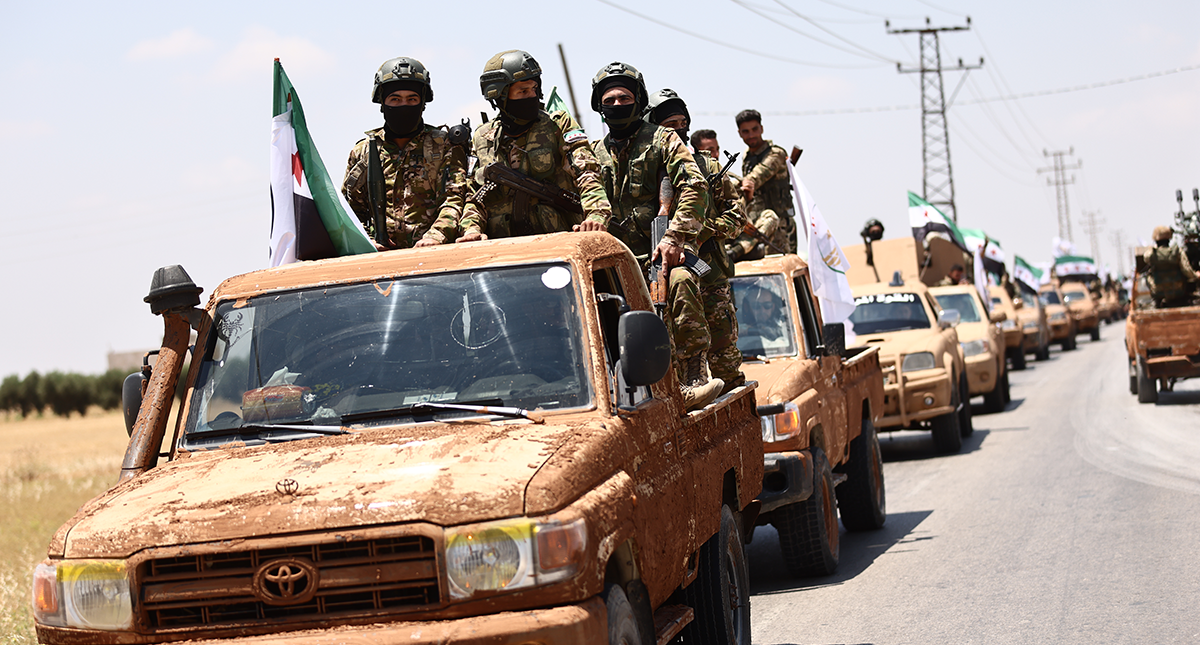
As the threat of a new Turkish military incursion into northern Syria looms, other international stakeholders in the Syrian crisis continue to voice their concerns over Ankara’s ambitions. At odds with Turkey since 2011 over its desire to overthrow the regime of Syrian President Bashar al-Assad and its support for an array of armed opposition factions, Iran has been increasingly vocal of late in opposing a potential new Turkish military operation.
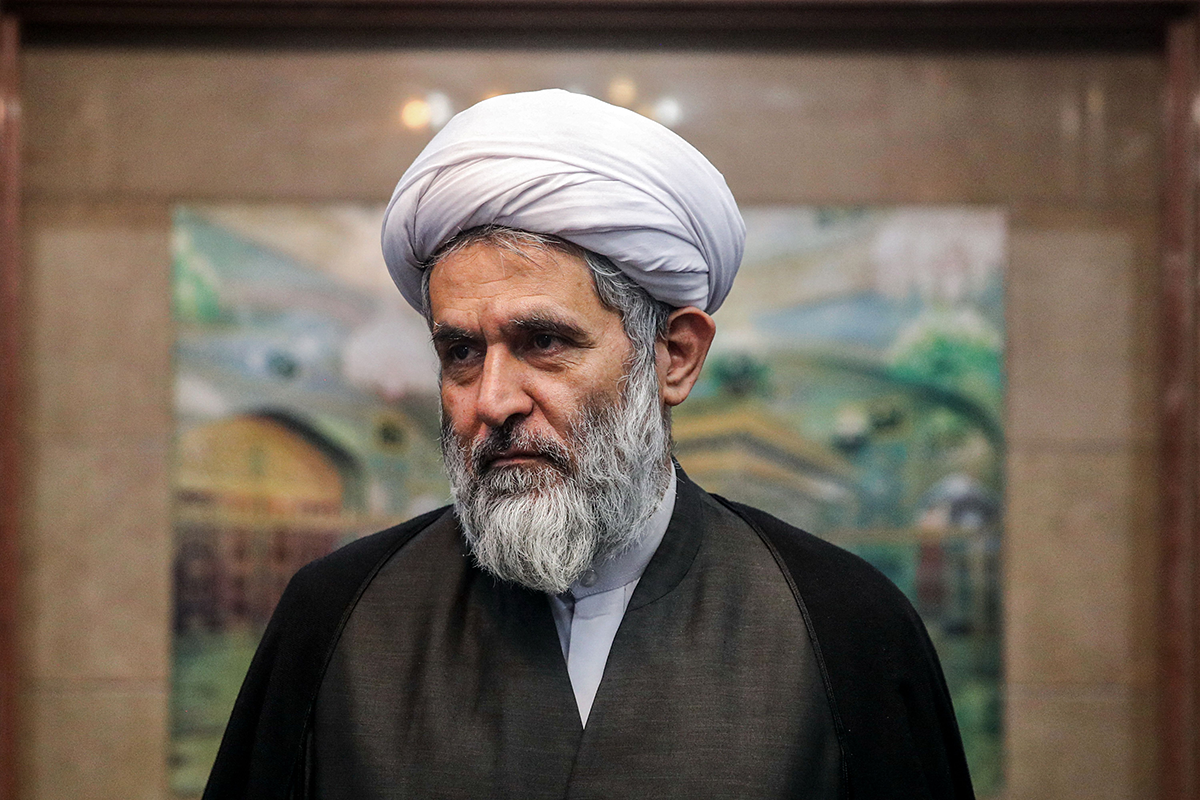
The departure of Hossein Taeb from his post as the head of Iran’s Islamic Revolutionary Guard Corps’ Intelligence Organization triggered a wave of reshuffling in the command structure of the guardsmen. But the story is more than just a reaction to Iran’s unsuccessful terrorist targeting of Israelis in Turkey and counterintelligence lapses. There are internal power struggles and a natural maturation of the Islamic Republic’s security structure that also likely figured into the decision to remove Taeb.
A moment of reckoning as the US and Iran prepare to resume talks in Doha
After a three-month-long suspension of the nuclear talks in Vienna, the U.S. and Iran appear set to resume diplomatic negotiations on June 28 in Doha, Qatar. While it is too early to be optimistic about the outcome, the Iranians and the Americans both seem to believe the talks in Doha represent a sink-or-swim moment for U.S.-Iran nuclear negotiations.
حزب الله الحجاز: جماعة شيعية سعودية يكتنفها الغموض
تهدف هذه الورقة البحثية إلى مقاربة النفوذ الإيراني داخل المجتمع الشيعي في السعودية من خلال التركيز على أتباع مرجعية المرشد الأعلى والمعروفين بـ “خط الإمام” والجناح العسكري المنسوب للتيار والمعروف دوليًا بـ “حزب الله الحجاز” أو “حزب الله السعودي” والذي تتوجه له أصابع الاتهام بتنفيذ تفجير الخبر ١٩٩٦.
Hezbollah Al-Hejaz: A Saudi Shi’a Group Cloaked in Mystery
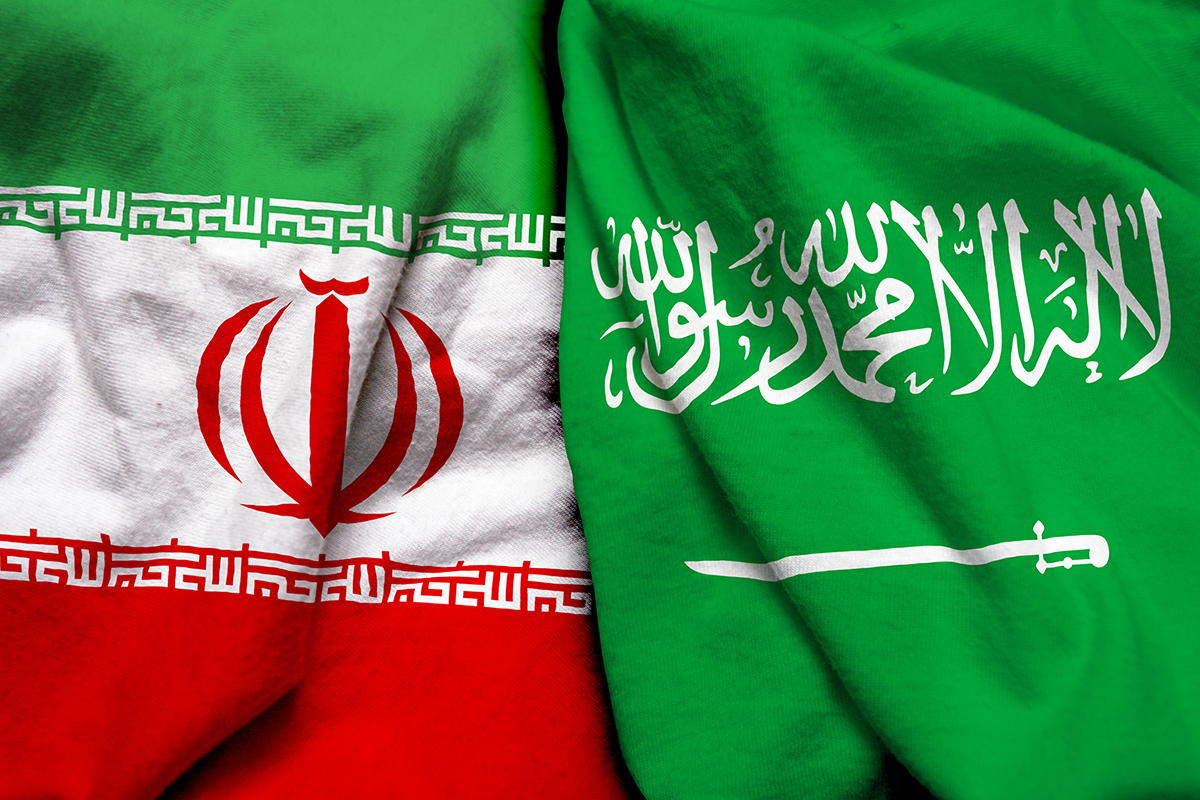
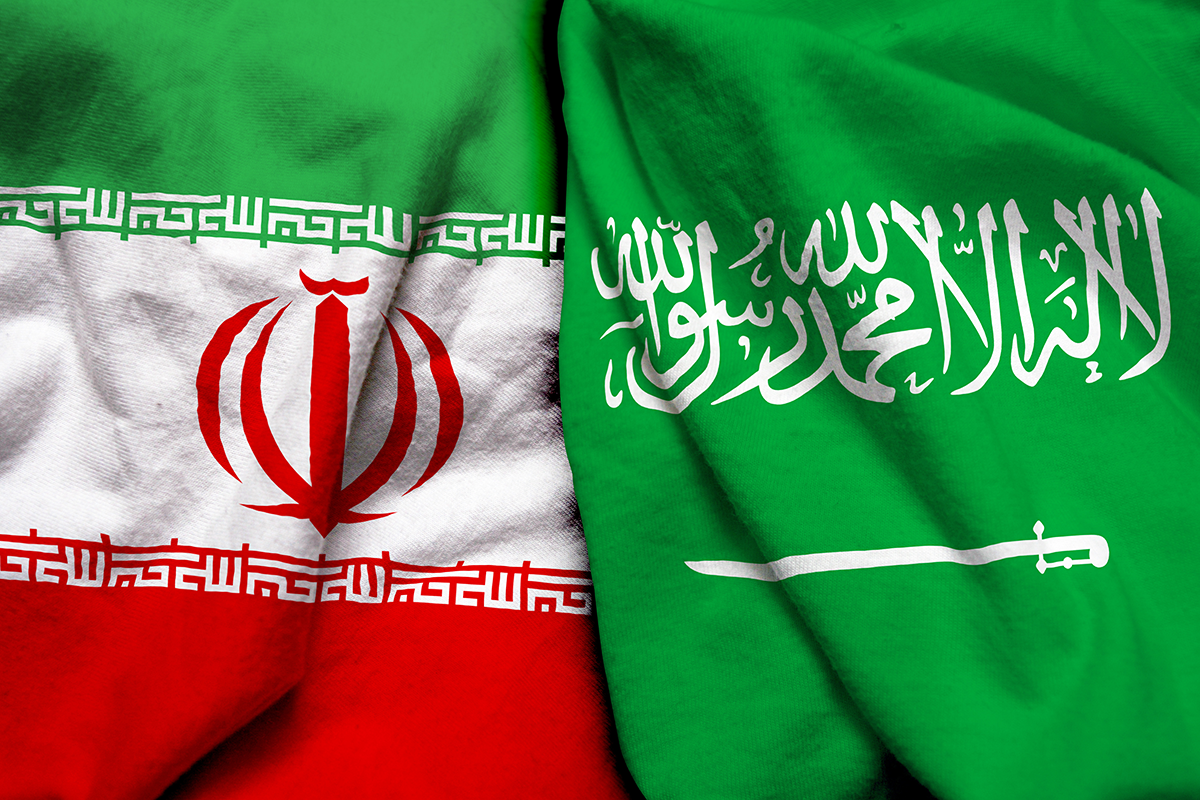
Since the 1979 Islamic Revolution in Iran, Saudi Arabia has been concerned about the potential influence of Iran’s supreme leader among its Shi’a population, especially since Ayatollah Sayyid Ali Khamenei took on the title of Vali-ye faqih, or “guardian-jurist.” Such concern is understandable given that the two countries are both neighbors and rivals: Khamenei is a marj’a, the highest-ranking Shi’a religious authority, but he is also the commander-in-chief of the Iranian Armed Forces. This paper aims to investigate the Iranian influence within the Shi’a community in Saudi Arabia by focusing on the followers of the supreme leader’s marj’aiyyah, known as “Khat al-Imam,” and its military wing, “Hezbollah Al-Hejaz,” often held responsible for carrying out the 1996 Khobar Towers bombing.
Staying the course … for now: Germany’s MENA policy under the Scholz government
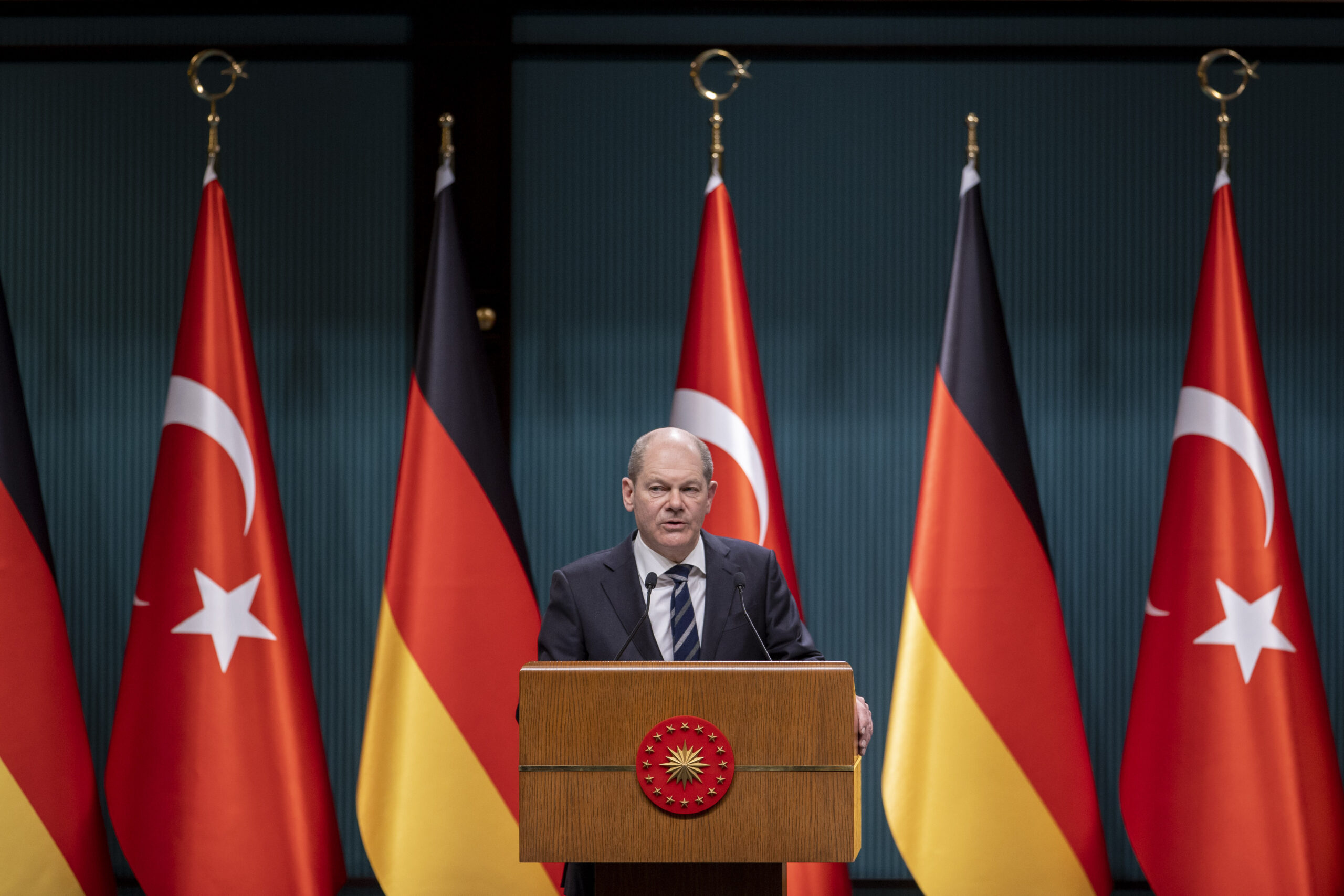
After 16 years under Angela Merkel, Olaf Scholz’s assumption of Germany’s chancellorship on Dec. 8, 2021 marked a new chapter in the nation’s politics. Within the “traffic light” coalition government formed by the Social Democrats, the Free Democratic Party, and the Greens, Annalena Baerbock heads the Ministry of Foreign Affairs. Before taking office, the co-leader of Alliance 90/The Greens was known for both her welcoming attitude toward immigrants and her full-throated condemnation of human rights violations by authoritarian governments. The Middle East and North Africa (MENA) region has no shortage of the latter: According to the Economist Intelligence Unit’s Democracy Index, 17 out of the 20 countries in the region are “authoritarian” and not one is characterized as a “full democracy.” Beyond human rights, other key MENA policy issues for the new government include Iran, Turkey, ongoing conflicts in the region, and immigration. The challenges are numerous, if well-known, but how will Berlin respond? Is Germany’s policy toward MENA likely to change or remain the same under the new government?
Canada-Iran soccer row highlights the ongoing fight over Flight 752
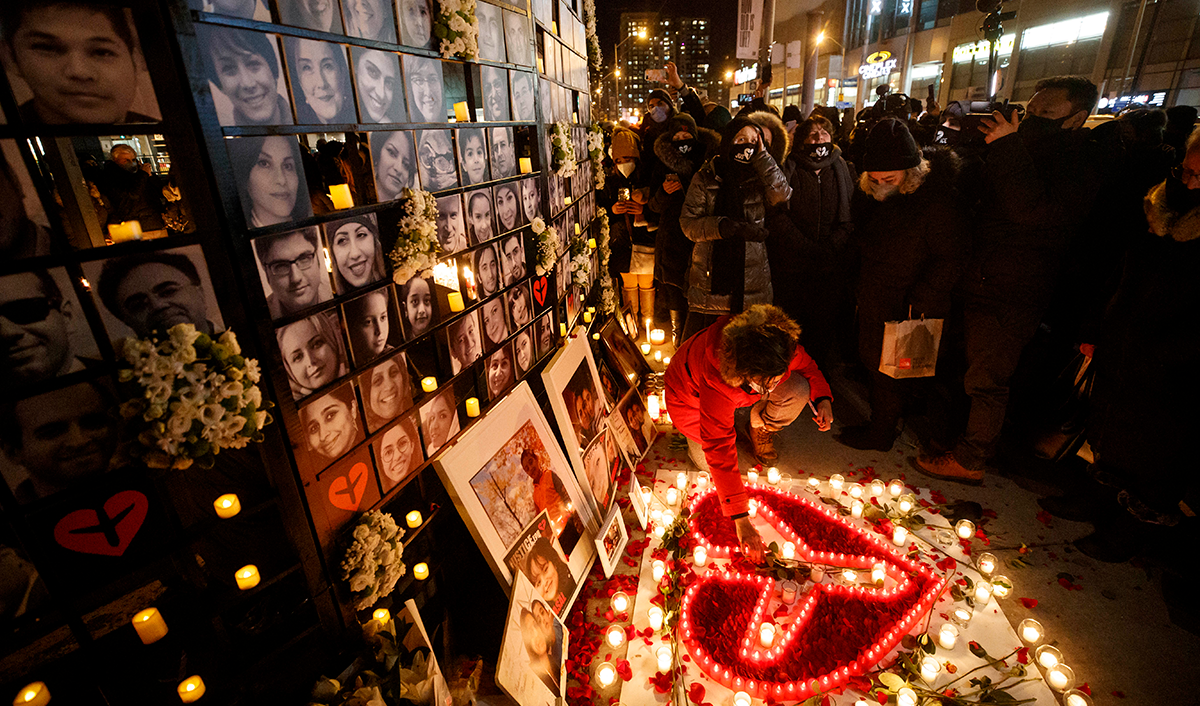
The international friendly soccer match scheduled to take place between the Canadian and Iranian men’s national teams on June 5 was canceled in the face of widespread opposition from the families of the Canadians killed in the downing of Ukrainian International Airlines Flight 752 by the IRGC. The Canadian government has called the January 2020 shootdown of PS752, which killed 55 Canadian citizens and 30 permanent residents, a “national tragedy” and the decision to cancel the match should serve as a reminder that the Iranian regime has been unresponsive to the demands of the PS752 families.
Pahlavi address highlights growing disillusionment with Iran’s leadership and the search for alternatives
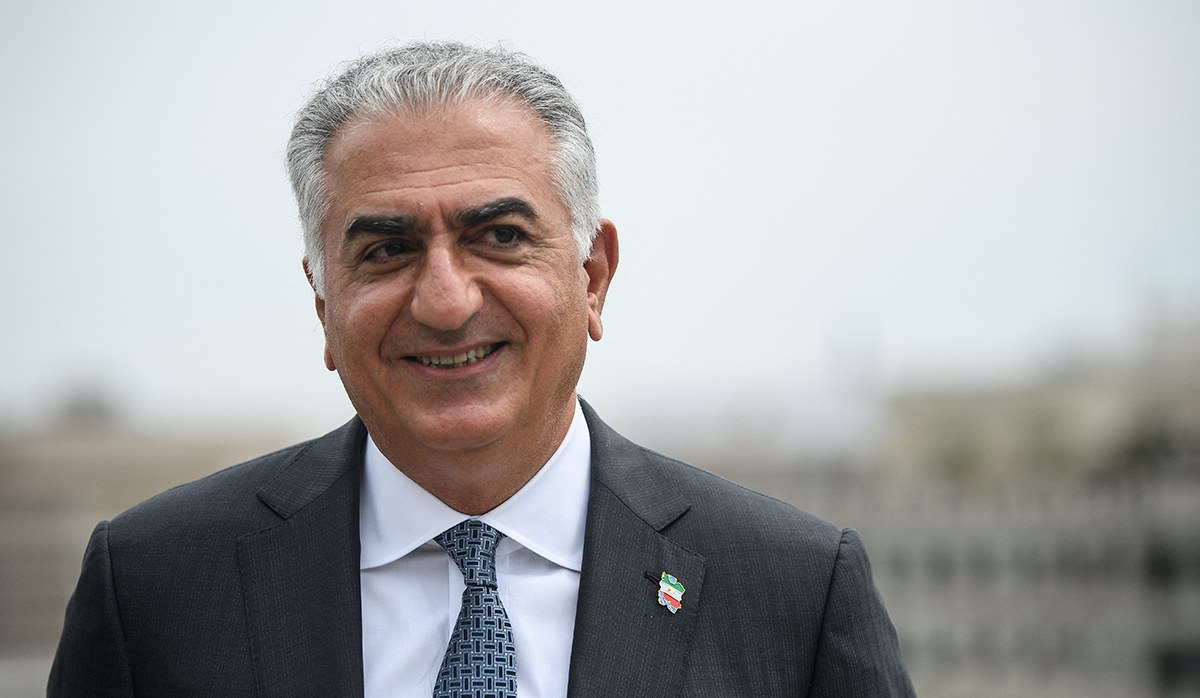
The June 3 address by Reza Pahlavi, son of the last shah, to the people of Iran was bad news for Supreme Leader Ayatollah Ali Khamenei. In his live televised speech, Reza Pahlavi made several accusations against the current leadership of Iran, and judging from their reaction, it has put Iranian officials on edge.
Amid dust storms and drought, Turkey and Iran are at odds over transboundary water management
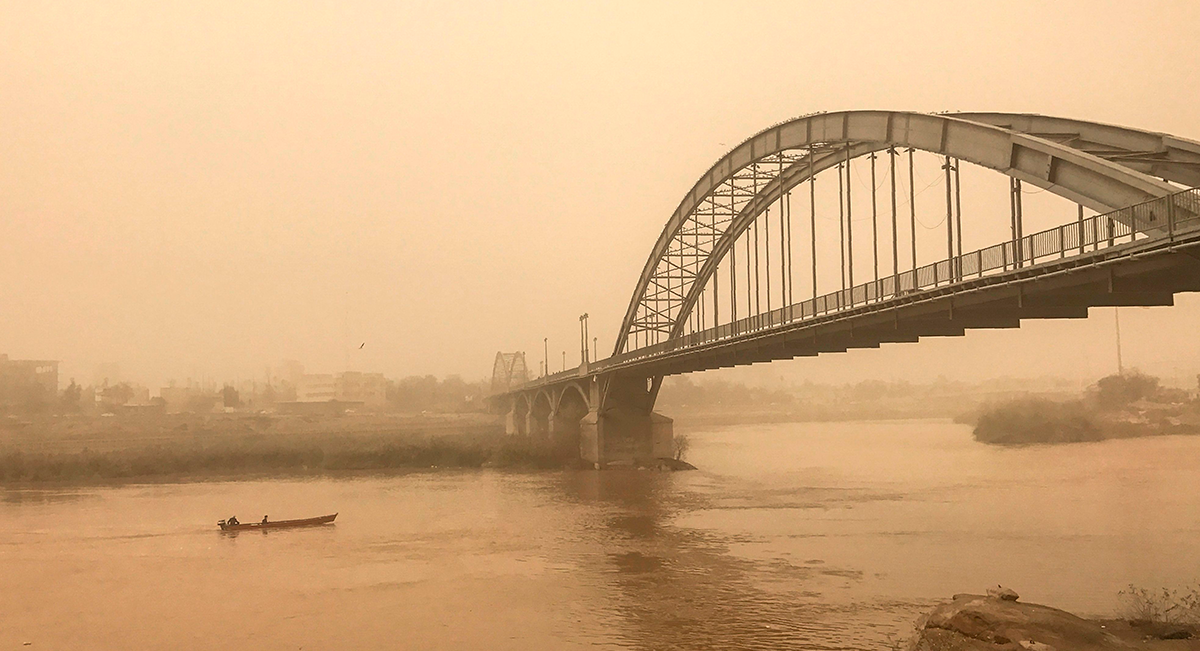
Water is slowly emerging as yet another potential cause for dispute between Ankara and Tehran. As of late, the two neighboring states have been at loggerheads over a number of issues, including Syria and Iraq, where they have opposing interests. After years of quiet diplomatic juggling, the issue of transboundary water management is gradually taking center stage in the two countries’ relations, a development that could, in the medium run, have serious repercussions for regional security.