Rampant inflation adds to Syria’s economic turmoil
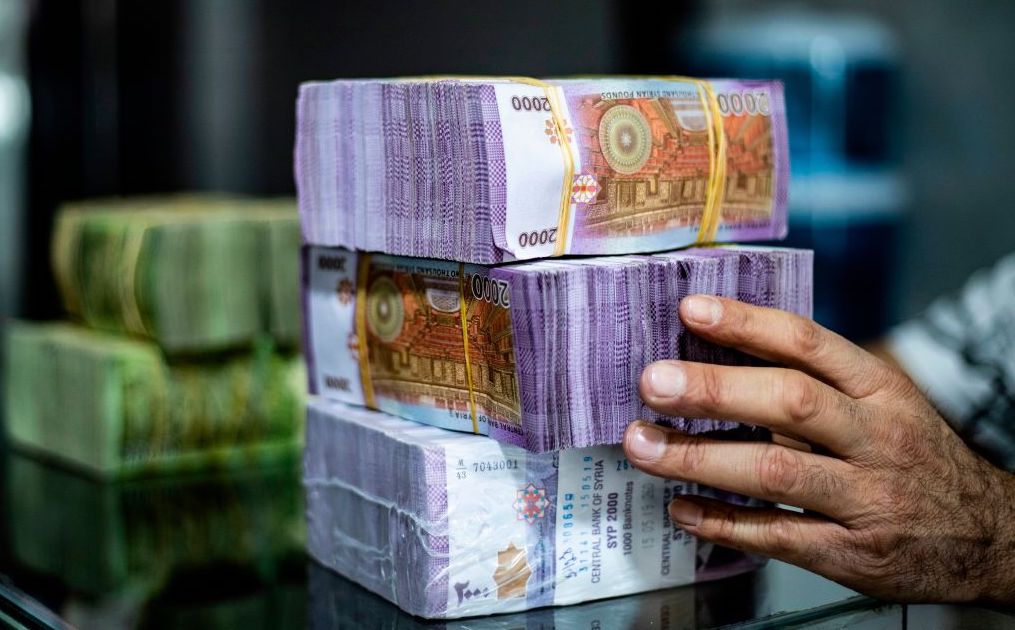
The Syrian economy is entering its most fragile phase yet in the country’s nine-year-long conflict. After being devastated by the fighting, constrained by biting Western sanctions, and ravaged by widespread corruption, it is now witnessing the sharpest rise in inflation in its history.
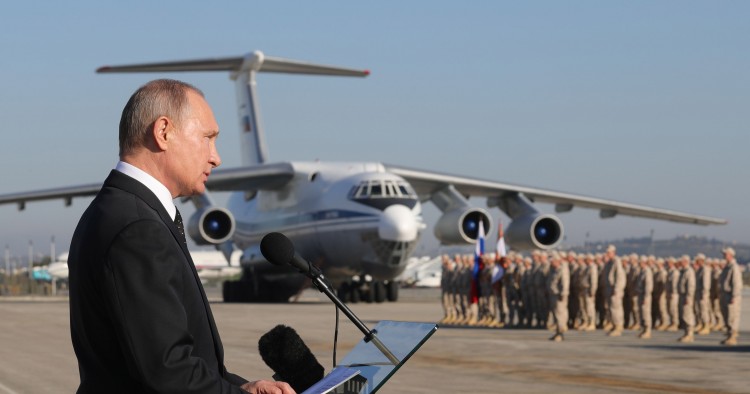
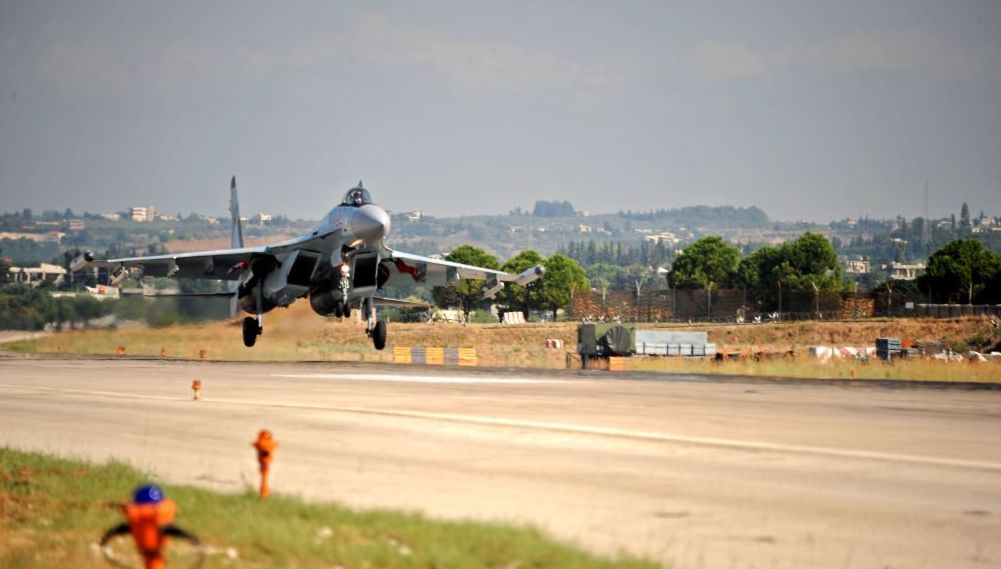
Why is Russia seeking to expand its military bases in Syria?
While Russia is currently struggling with the consequences of COVID-19 at home, its foreign policy projections suggest it is also bracing itself for the post-pandemic world.
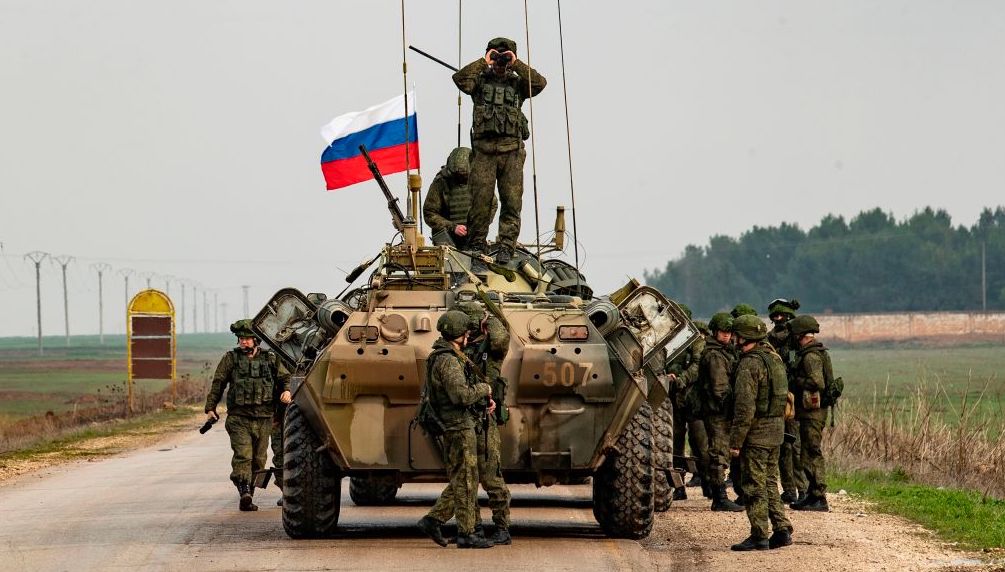
Russia’s involvement in the Middle East: Building sandcastles and ignoring the streets
The collapse of the OPEC+ deal and the diplomatic impasse in Syria reveal the intrinsic fragility of Russia’s gains in the Middle East. Building relations with the region’s autocratic leaders and maintaining a status quo based on a personalistic approach might be effective for some time, but in the long run the Kremlin’s strategy fails to institutionalize relations and thus will be unable to protect them from disruption.
How Russia made Hemeimeem air base its African hub
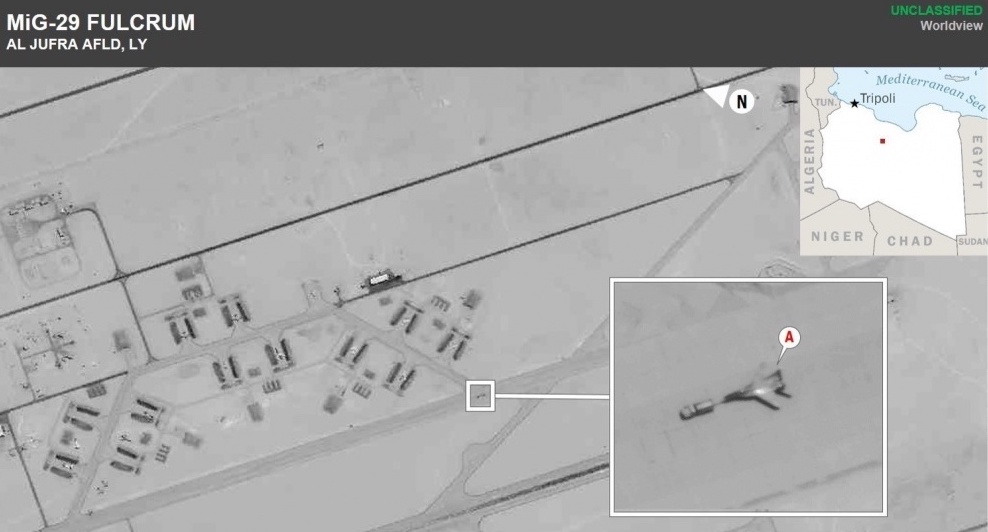
The satellite images published on May 26 by AFRICOM appear to confirm reports that Russian MiG-29 jet fighters had flown to Libya. In fact, the MiG-29s travelled to Libya via Russia’s Hemeimeem air base in Syria, and as this latest episode makes clear, Hemeimeem plays a central role in Russia’s growing involvement in both the Mediterranean and Africa.
As the May 26 AFRICOM statement makes clear, Russia’s strategy is fraught with the risk of new sanctions and its geopolitical maneuvers may not come for free.
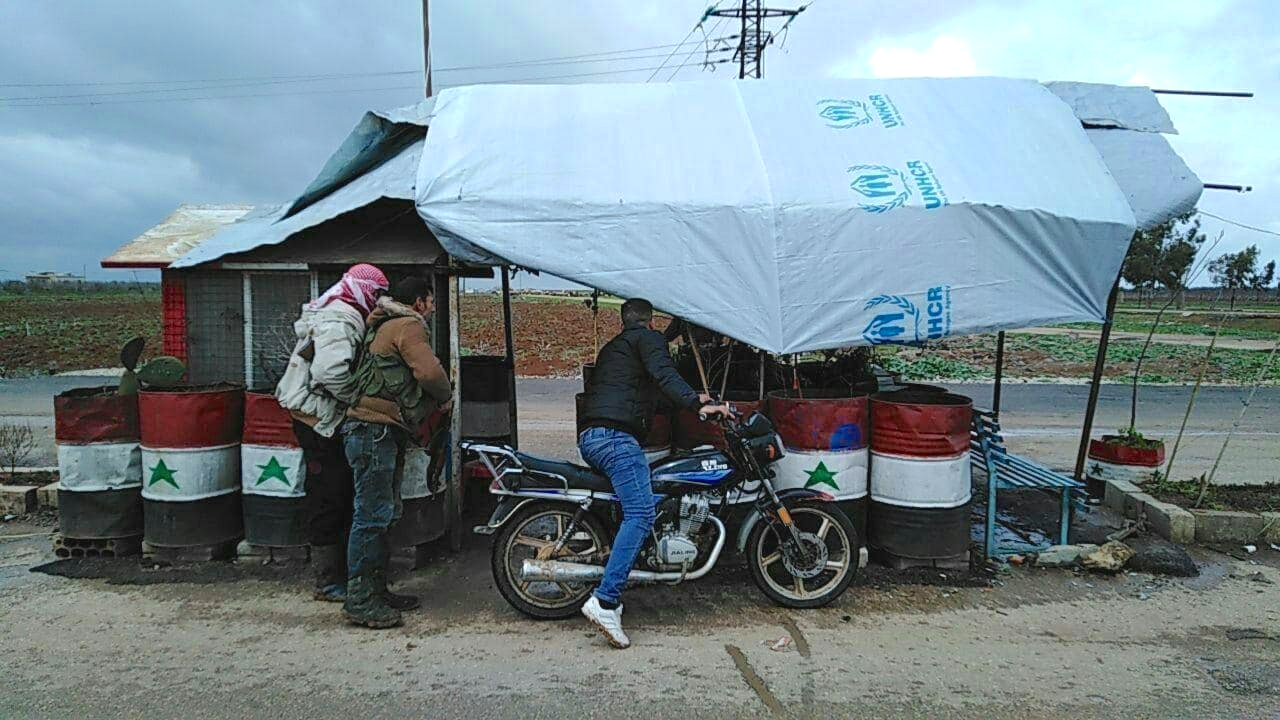
Kidnappings, cross-border clashes threaten increasingly fragile status quo in Syria’s south
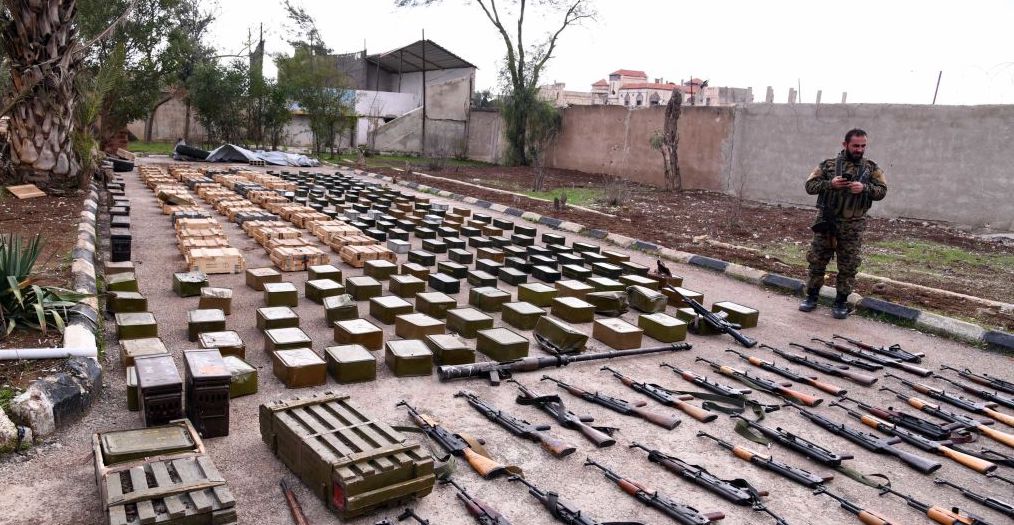
The recent deployment of Syrian army Fourth Division troops to Daraa is yet another reminder of the deadly unrest ongoing in southwestern Syria. Sent to pacify Mazayreeb following an unprecedented armed attack after which several soldiers were publicly executed, Daraa’s western countryside still regularly witnesses violent unrest including assassinations, hit-and-run attacks, and drive-by shootings.
The Syrian constitution will only be words on paper until power is devolved to the local level
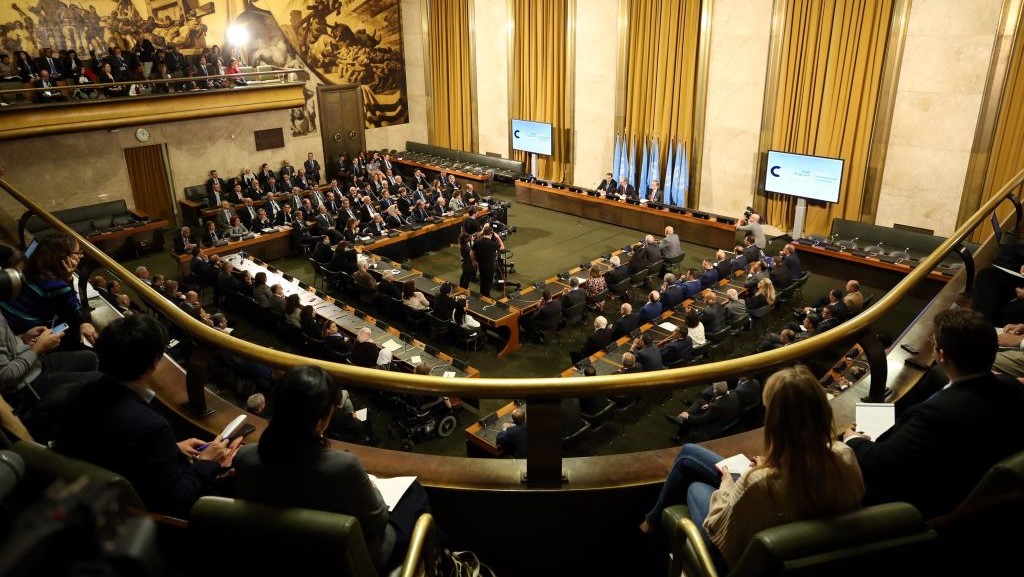
Syria faces long-standing economic problems that have been greatly exacerbated by its nine-year-long war. The cost of rebuilding the country will be enormous. But before there can be any discussion of sanctions relief or economic assistance, key political and economic reforms must be implemented. First and foremost among these is the devolution of power to the most local level of governance.
Hafsa Halawa, Shahla Al-Kli, and Yesar Al-Maleki join host Alistair Taylor to discuss the challenges facing Iraq’s new prime minister, Mustafa al-Kadhimi, from COVID-19 and the fall of oil prices, to long-standing issues in governance and foreign relations.
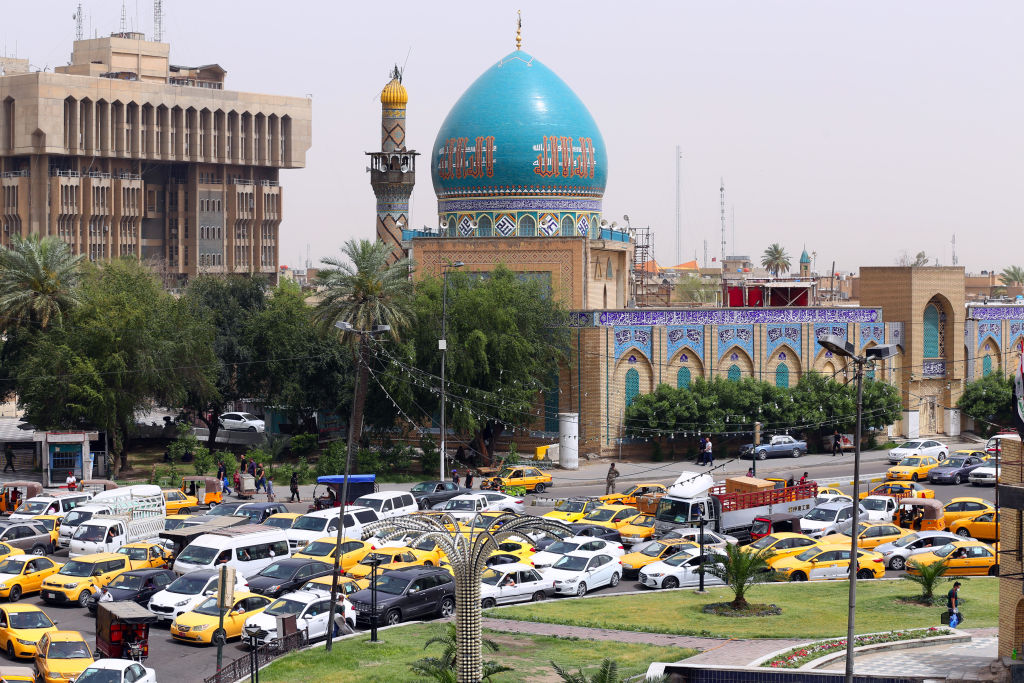
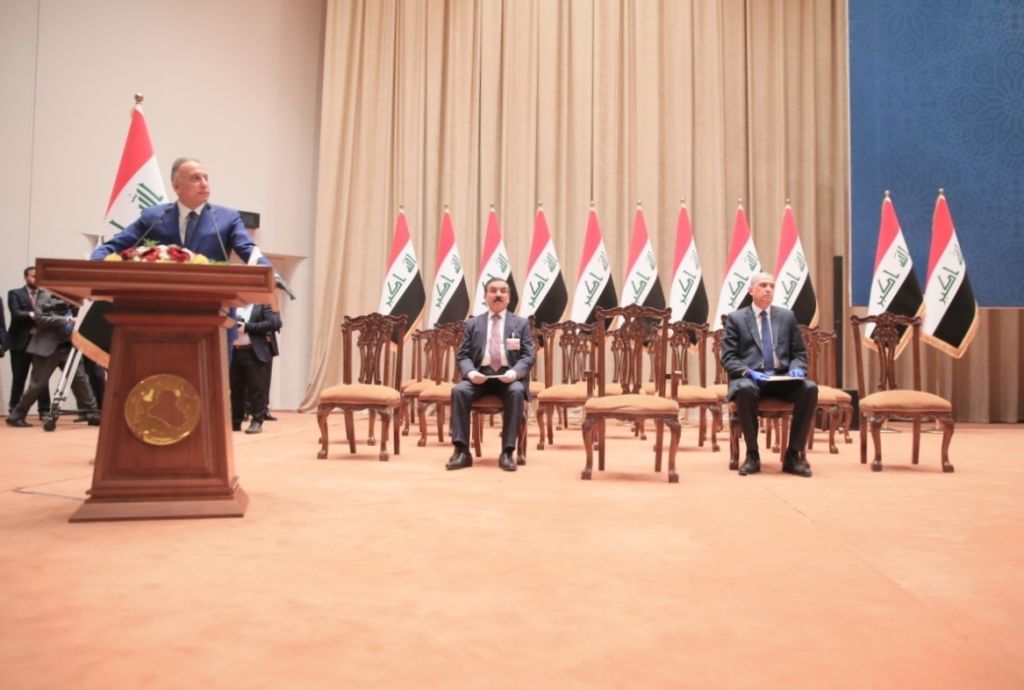
Iraq special briefing: The challenges facing Prime Minister Mustafa al-Kadhimi
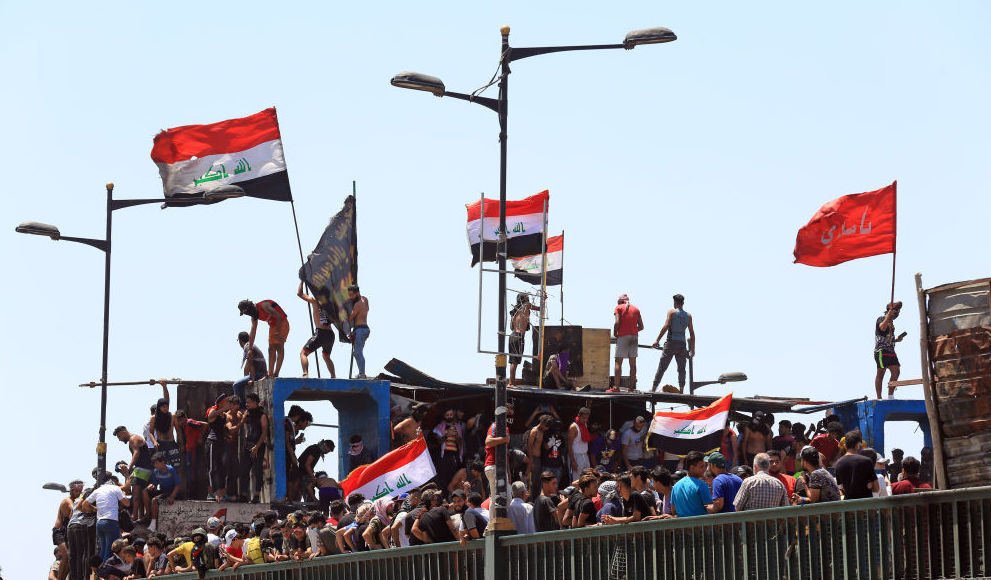
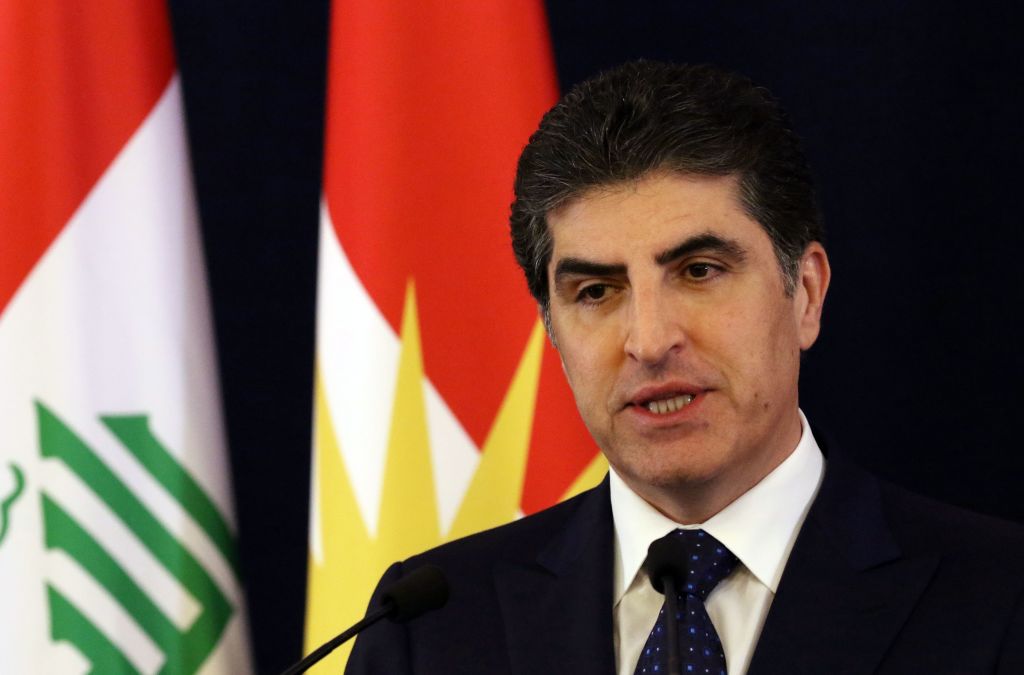
Six scholars from across MEI take a closer look at the challenges facing Iraq’s new prime minister, from the protest movement and Baghdad-Erbil relations to the balancing act between Washington and Tehran.
Baghdad will continue its outreach to its Arab neighbors
While regional tensions will complicate the task of promoting a centrist foreign policy, they will also create opportunities for a skilled mediator like al-Kadhimi