Monday Briefing: Protests in Sudan end in apparent coup
اقرأ تقرير MEI الأسبوعي الذي يتضمن تحليلات الخبراء للتطورات الإقليمية الرئيسية للأسبوع المقبل.
The rapid collapse of the U.S.-supported Afghan government after the withdrawal of U.S. troops raised a number of questions about America’s credibility and reputation in the eyes of its allies, especially those who had participated in and contributed to the 20-year war. Analysts and commentators have focused on how NATO member states or the European Union now perceive the U.S., but it is also important to consider the perspective of non-state groups or individuals who served or could serve as local partners for the U.S. government and military.
Iran-Azerbaijan relations have been going through a rough patch recently; both sides have genuine concerns that they want addressed.
Conflicts are enormously destructive. They destroy lives and property, uproot communities, and reduce the economic potential for all involved. This devastation often has an unaccounted cost, both in terms of the obvious direct destruction of lives and assets, as well as the indirect costs that weigh on economies, often for years to come. This is true of all conflicts, and has certainly been true, and visible, during Russia’s unjustified and illegal invasions of its neighbors, Georgia and Ukraine.
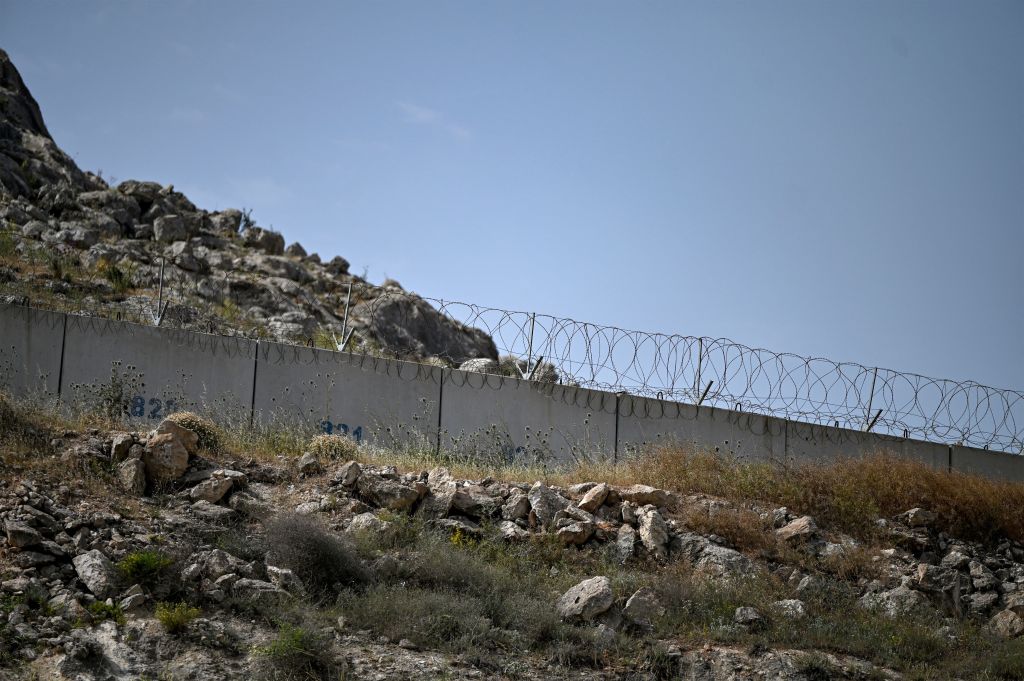
Tensions between Iran and Azerbaijan are high right now but both sides will very likely soon step down. Neither Tehran nor Baku can afford to let recent events lead to a full-fledged crisis or a military showdown between the two Shi’a Muslim-majority countries. On the surface, this latest spat is about Azerbaijan’s resentment toward Iran for providing an economic lifeline through trade and transit options to its landlocked arch nemesis, Armenia. In reality, the split that underpins the ongoing Iranian-Azerbaijani tensions is more about fundamental foreign policy choices that Tehran and Baku have each made and are unlikely to reverse.
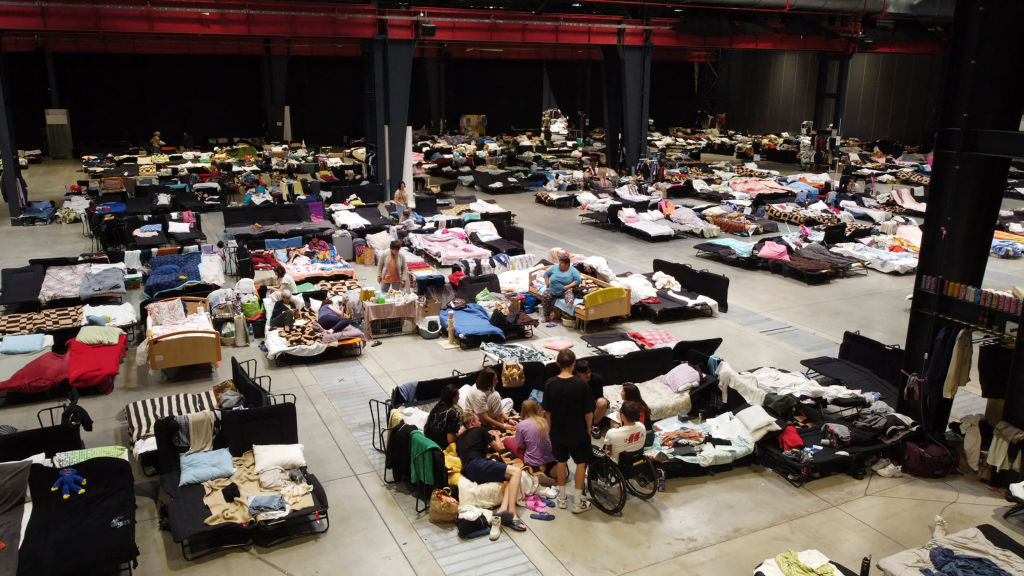
For the second time in the past two decades, a large number of Afghans find themselves escaping chaos. Twenty years ago, it was the American invasion of Afghanistan after the terrorist attacks of 9/11 that caused a large wave of refugees. More recently, the hasty American withdrawal from the country and the ensuing Taliban takeover have created another wave of refugees.
Iulia Sabina-Joja and Alex Vatanka join the program to discuss Iranian foreign policy and the Shanghai Cooperation Organization. Amid growing concerns about the regional repercussions of the Taliban takeover of Afghanistan, the SCO met for its 20th anniversary summit in Dushanbe, Tajikistan on September 16th and 17th. Regional security cooperation and Iranian accession were at the top of the agenda, with Iran formally joining the organization as a full member on September 17th.
For Iran, Washington’s Afghanistan fiasco has been touted as confirmation that U.S. policy in the Islamic world is doomed to fail. The immediate geopolitical and ideological gains, however, could be overshadowed by the potential challenges that a Taliban-ruled Afghanistan may pose for Iran’s security and regional interests in the long run.
China’s recent multi-sectoral engagements in Turkey suggest that the Black Sea region’s significance is on the rise in Beijing, and under President Erdoğan, Turkey has consistently sought its favor and investment.
The images of desperate Afghan citizens trying to leave their country, beyond highlighting a massive human tragedy, may become a symbol of the so-called war on terror. Many of those Afghans already understand the feeling of abandoning their homes, because their families experienced it. They know what happens when foreign armies withdraw from their country and the tragedies that can ensue. The difference this time, however, was the deadline — only a few weeks.
It took the Taliban just three and a half months to undermine a 20-year international effort to build a competent Afghan military. The Afghanistan National Army (ANA) collapsed once it was clear the U.S. was pulling out ground troops and ceasing air support operations after two decades of training and sustainment that cost the American taxpayer approximately $83 billion. When required to stand alone, against a Taliban force, the ANA failed unequivocally. Building the ANA as a mirror image of the U.S. military was strategically and operationally flawed. If they are designed to fight like the U.S. but cannot fight in the absence of U.S. forces, they are ineffective. What lessons should we learn from this and how could our approach be different in the future?
After 20 years of extensive involvement in Afghanistan by the U.S. and other NATO allies, now is the time to ask what China sees in the country and how it plans to approach relations with its new rulers, the Taliban.
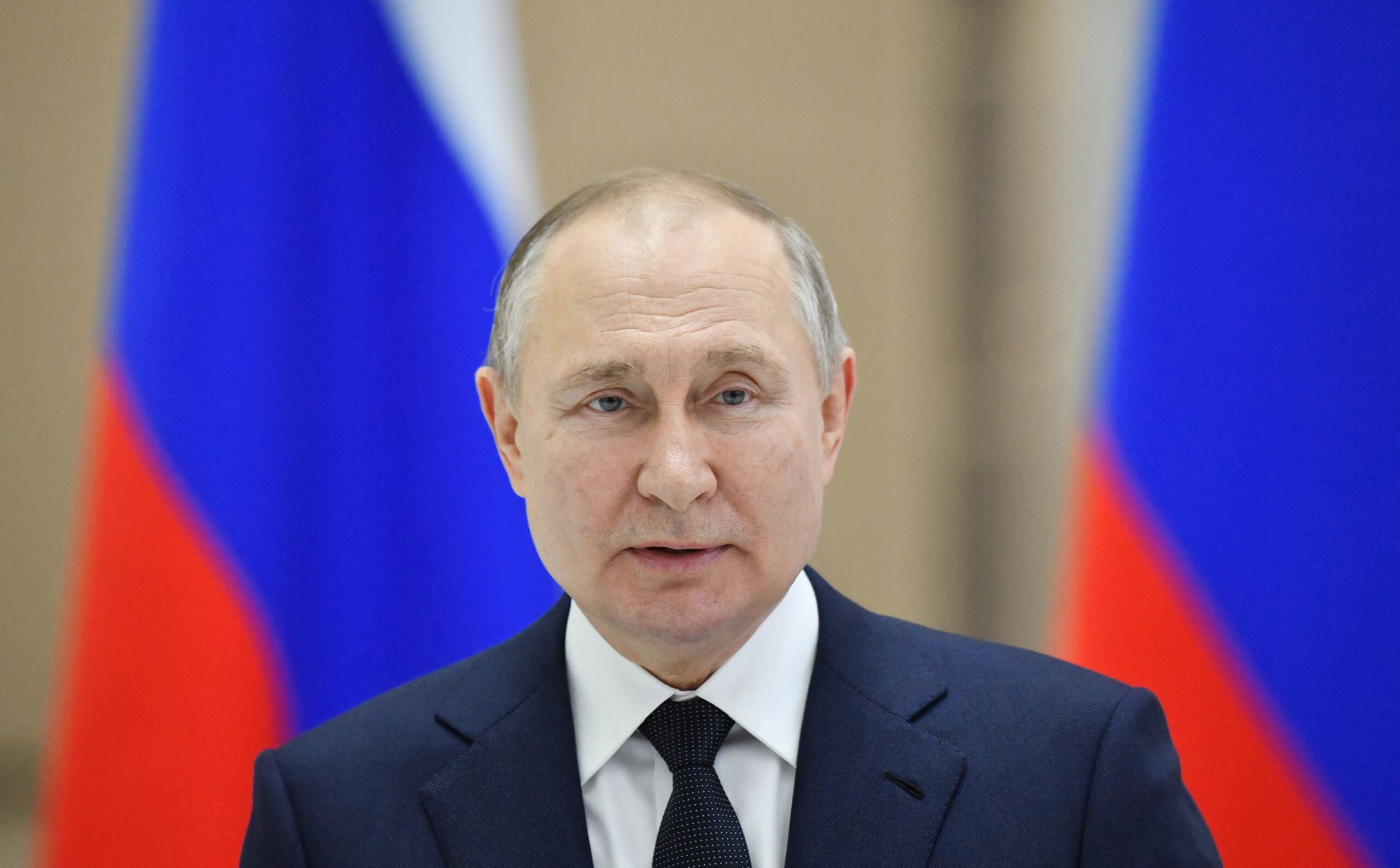
Since the Taliban seized control of Kabul on Aug. 15, Russia has expanded its engagement with India and Pakistan on Afghanistan. Russian President Vladimir Putin held talks with Indian Prime Minister Narendra Modi on Aug. 24, which resulted in the creation of a permanent bilateral channel for consultations on Afghanistan. On Sept. 8, Modi’s national security advisor, Ajit Doval, met with his Russian counterpart, Nikolay Patrushev, and agreed to expand Russia-India cooperation against terrorism and drug trafficking. On Aug. 25, Putin spoke with Pakistani Prime Minister Imran Khan about the situation in Afghanistan, which resulted in Khan inviting Putin to visit Pakistan. Russia’s simultaneous engagement with India and Pakistan on Afghanistan is the latest iteration of its balancing strategy toward the two South Asian rivals.
Ross Harrison, Paul Salem, and Randa Slim join host Alistair Taylor to reflect on 9/11’s impact on US policy in the Middle East over the past 20 years and how its legacy has been viewed by the region.
تحليل إقليمي متخصص من قبل باحثي ومساهمي معهد الشرق الأوسط.