Thanks to Iran, Israel emerges stronger as the US shifts its focus away from the Middle East
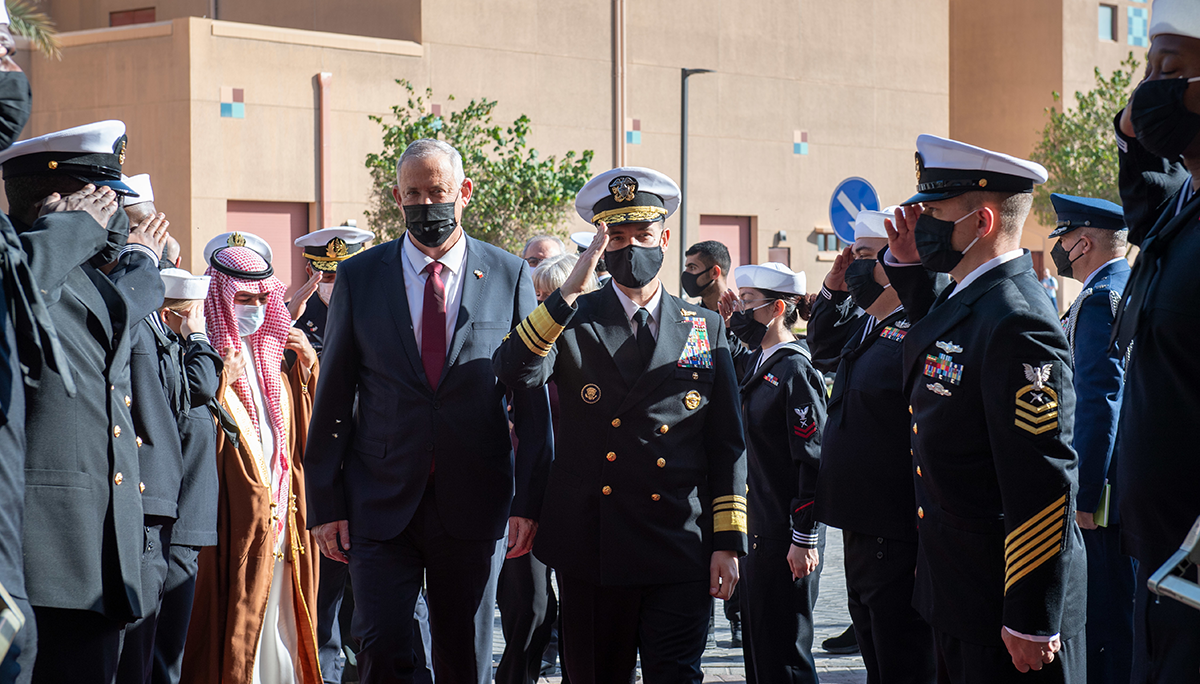
The U.S. is disengaging from the Middle East as it shifts its focus elsewhere, a move widely perceived within the region as a sign of a coming American departure. Many in Israel were concerned that this would strengthen Iran and its influence in the region. Instead, it is Israel that has emerged stronger.
Saudi Arabia’s natural gas aspirations: The domestic outlook
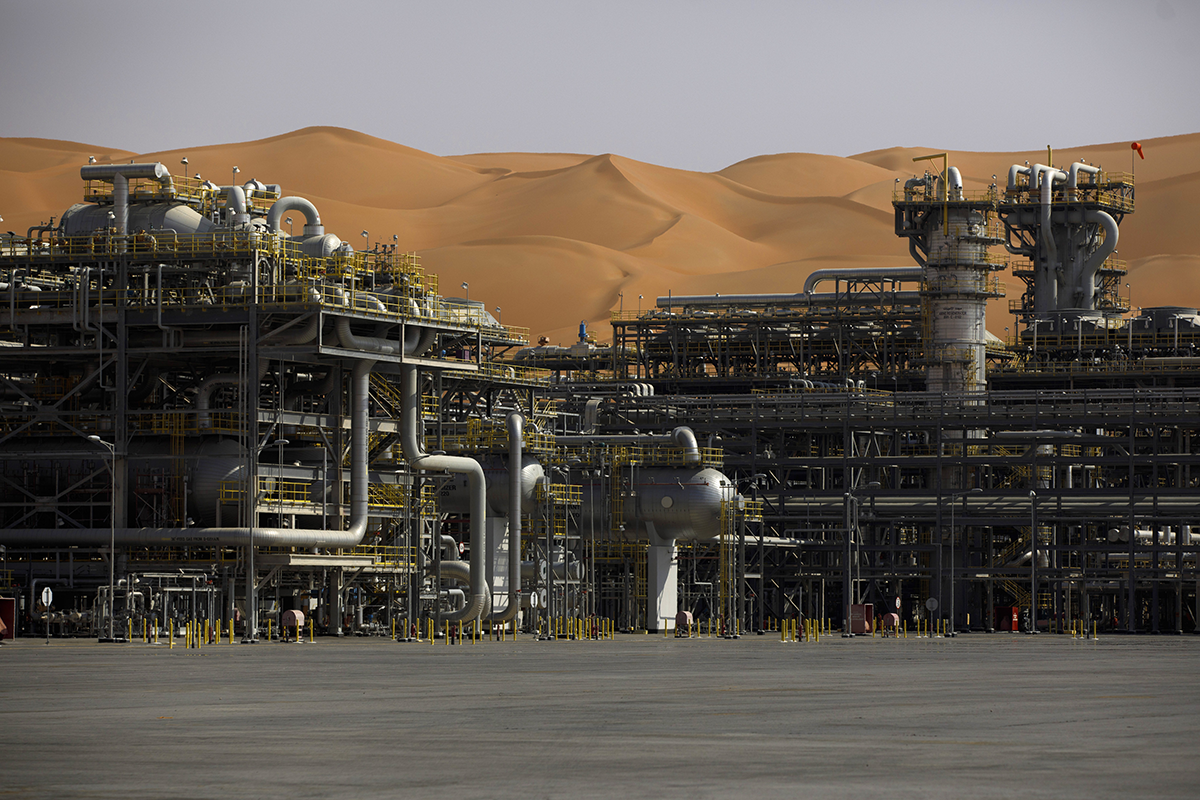
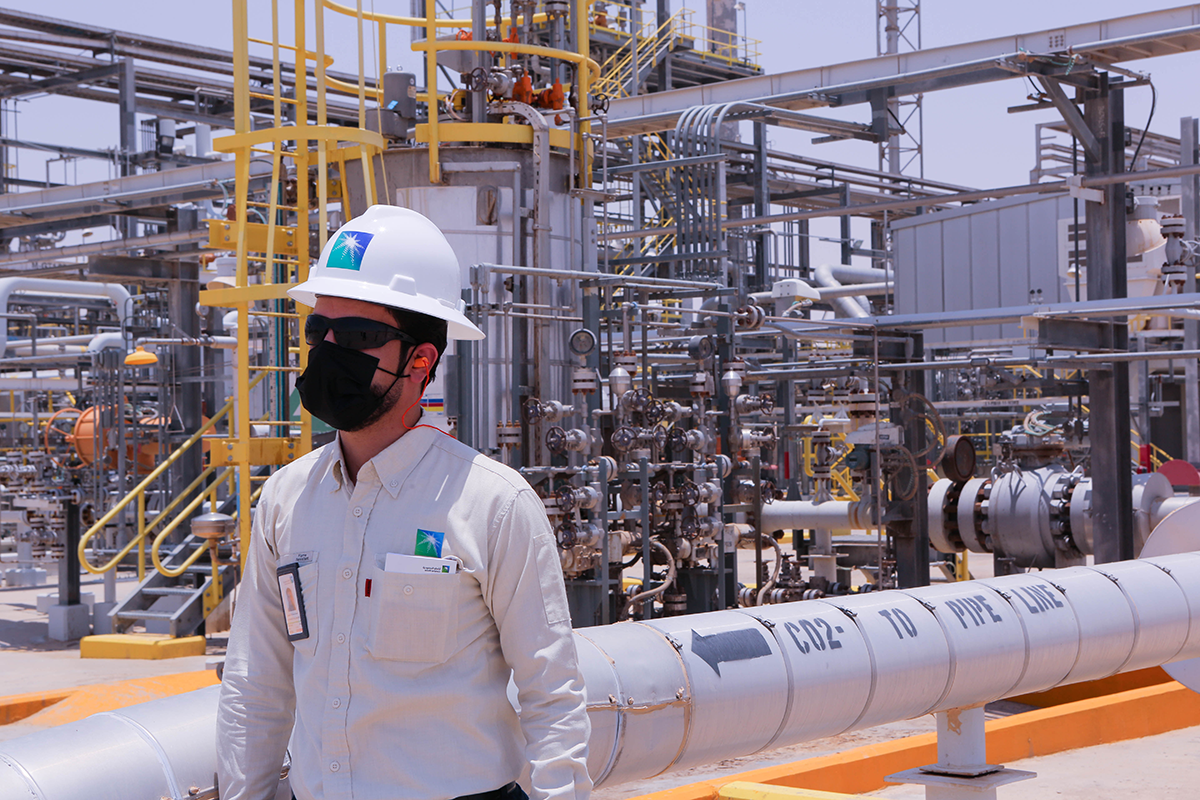
With the recent announcement of the Jafurah Field, a massive unconventional, non-associated gas play, Saudi Arabia is looking to enter the global gas sector. The field’s estimated reserves, while substantial, are insufficient to meet current domestic needs and, in the future, displace dirty heavy fuel oil used in power generation and satisfy international export goals. The kingdom thus faces difficult decisions regarding the allocation of the Jafurah gas — to either domestic or international markets — and both options have significant challenges.
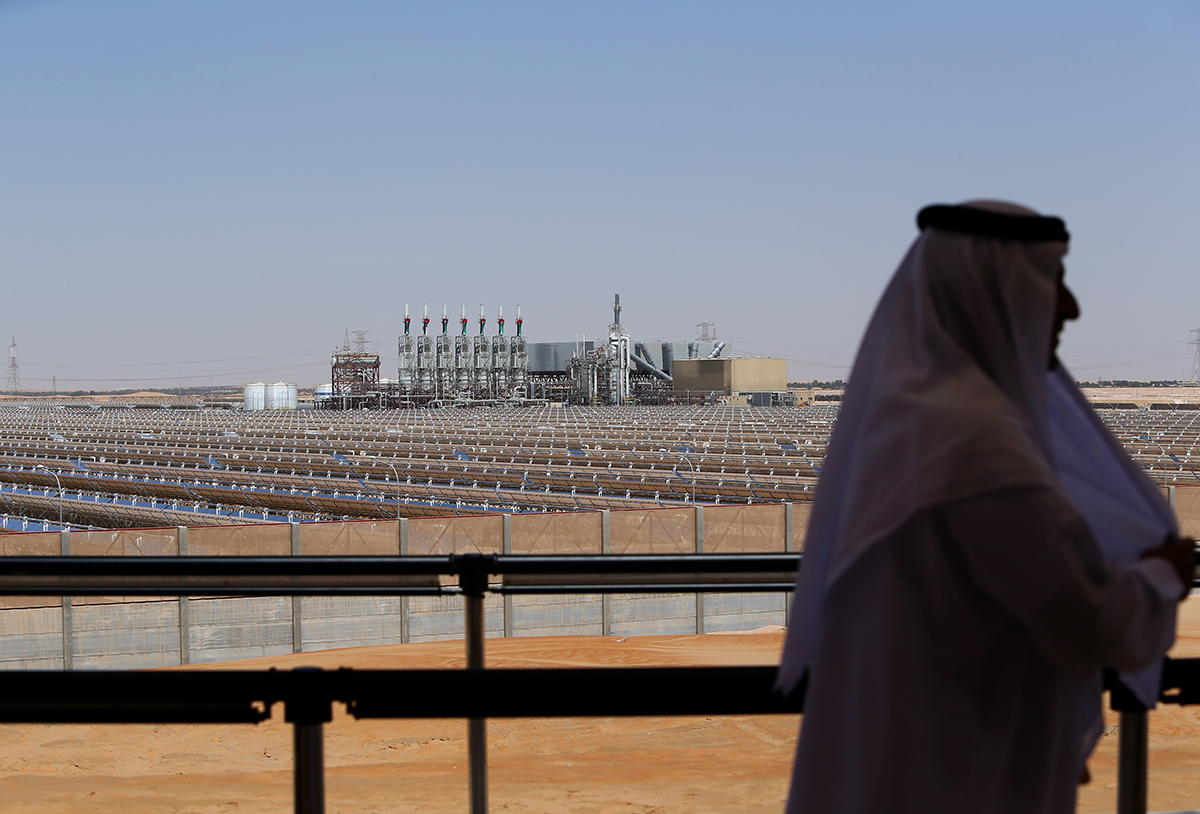
The Arab Gulf states appear to be following a common template in responding to the global transition toward an energy system in which renewables play an increasingly central role. They are publicizing renewable energy targets, decarbonizing upstream and downstream oil and gas operations, commissioning renewable energy projects, and improving energy efficiency, among other strategies. A closer look, however, reveals differences in how they have deployed solar and wind power capacity.
Qatar is no short-term savior, but it may still play a role in strengthening EU energy security
The U.S. request for Qatari assistance in ensuring the EU’s energy security in case of a Russian supply disruption should be perceived as a political gesture of support addressed to Western allies and a warning to Russia. In reality, however, the American request is just one factor in Qatar’s calculations as it considers increasing its energy exports to Europe, and Doha’s final decision will be determined by an intricate combination of long-term economic and political considerations. In this equation political reasons may not be dominant and economic drivers will not always be in the West’s favor.
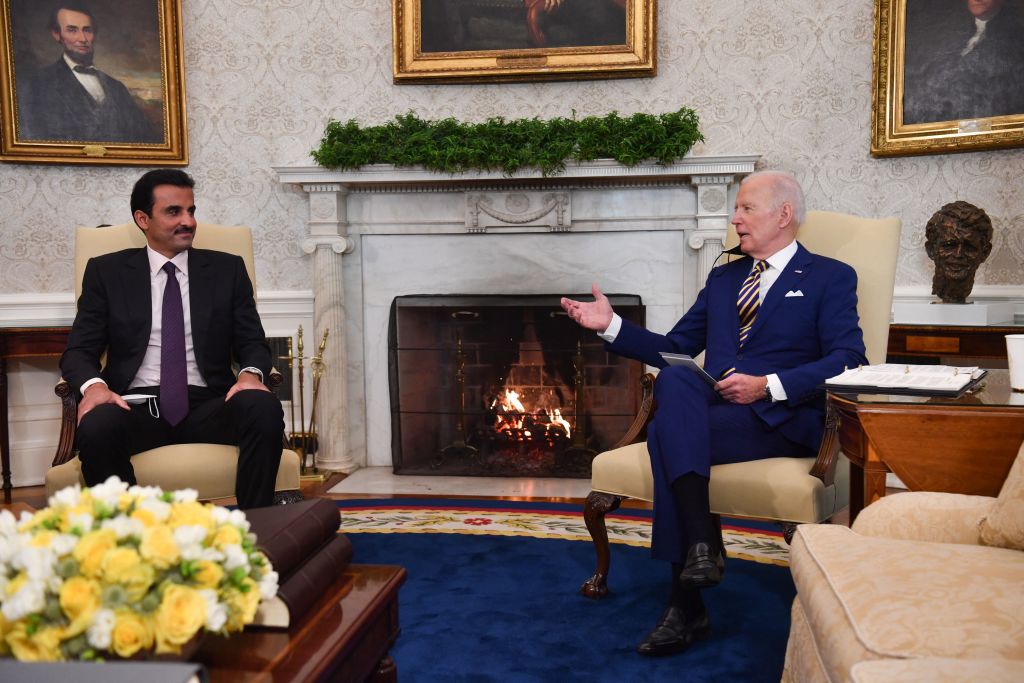
أمير قطر الشيخ تميم يصبح أول زعيم خليجي يزور البيت الأبيض في عهد بايدن
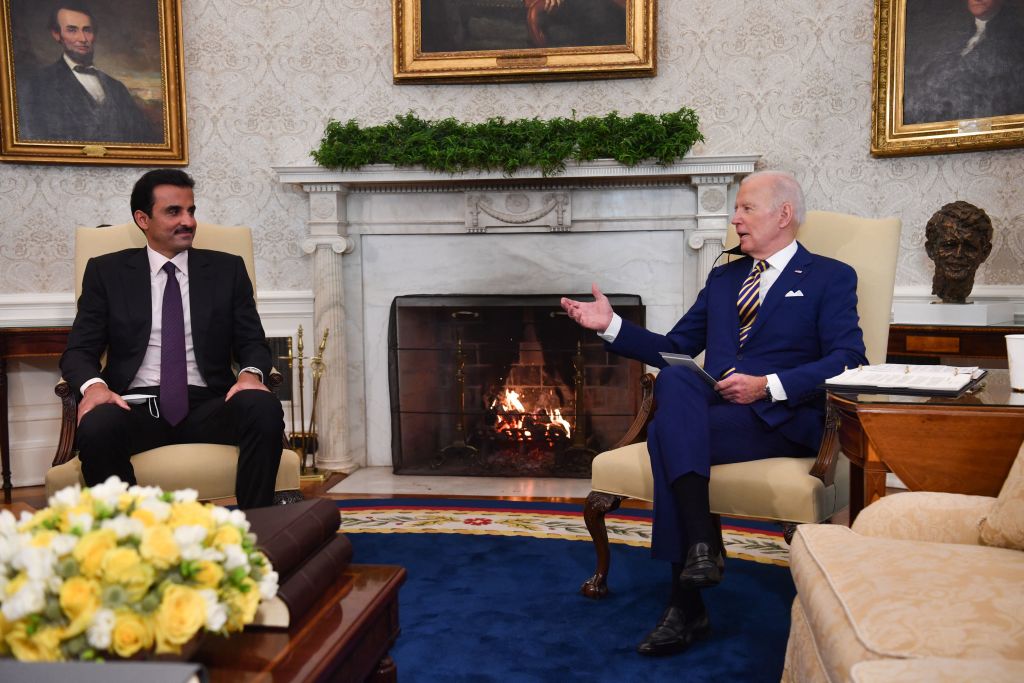
عندما يزور أمير قطر الشيخ تميم بن حمد آل ثاني الرئيس جو بايدن في 31 يناير/كانون الثاني، وعلى عكس العديد من القادة الآخرين الذين تلقوا دعوات إلى المكتب البيضاوي، هناك جدول أعمال جاد وحافل بالقضايا العالمية المُلحِّة للمناقشة بين الزعيمين. فعلى المدى القريب والعاجل، سيُطلب من الشيخ تميم التزام قطر بمساندة الجهود المبذولة لمعالجة احتمال انقطاع إمدادات الطاقة الروسية إلى أوروبا الغربية، وخاصة ألمانيا، في حالة إذا واصل الرئيس الروسي فلاديمير بوتين التهديدات بمهاجمة أوكرانيا.
Algeria’s recurring food crises: The sign of an ailing economy
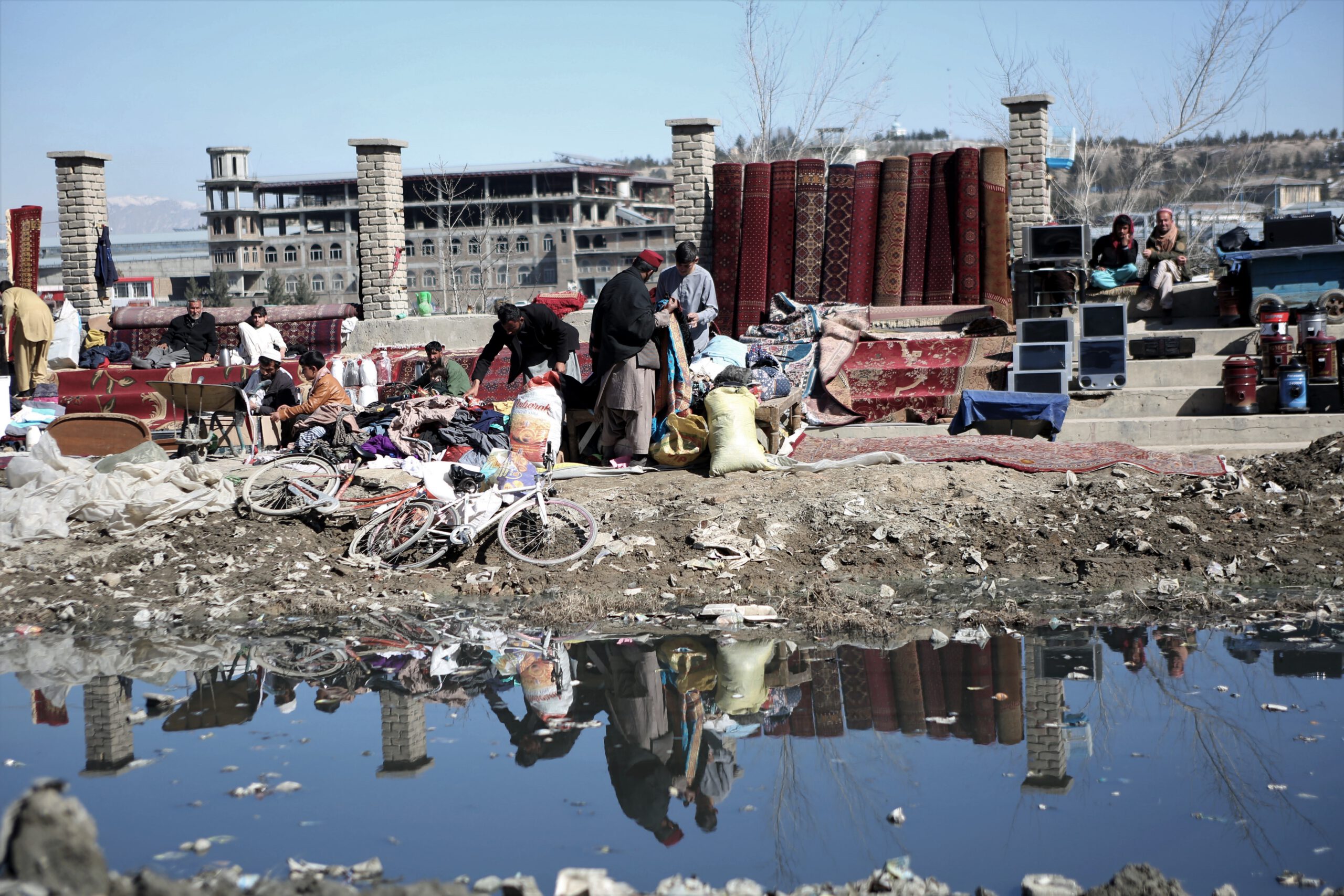
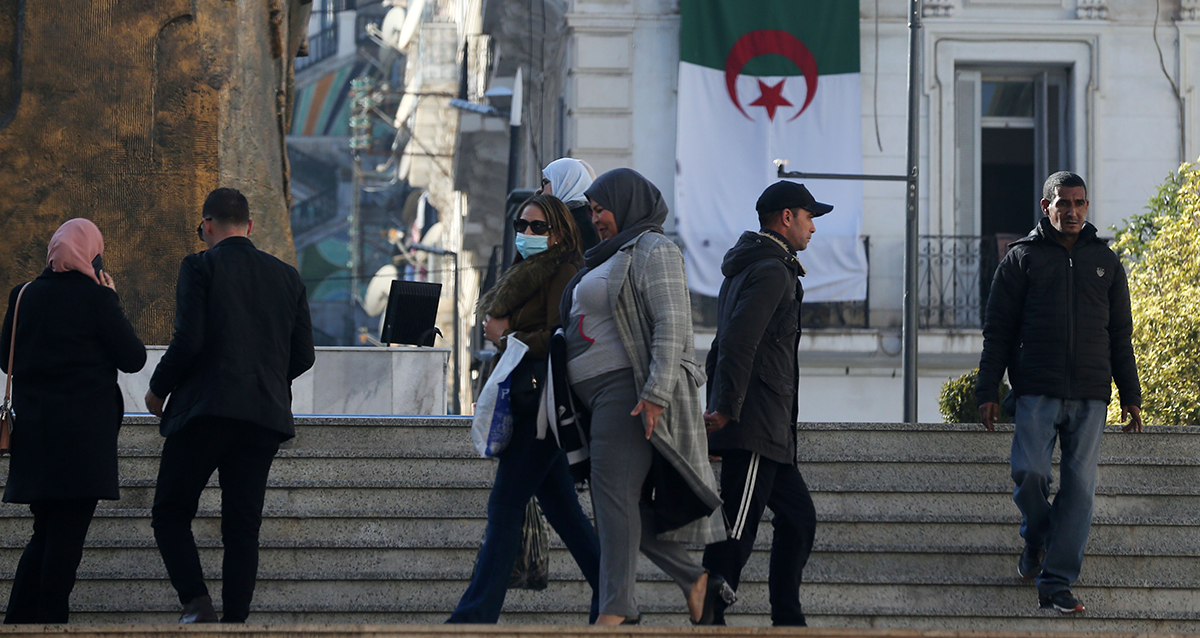
Beset by severe socioeconomic grievances, Algeria is now facing the most challenging economic situation since the 1988 October Riots, when thousands of young people took to the streets to protest an economic crisis caused by the decline in oil prices, austerity measures, and a youth bulge that led to mass unemployment. The latest food shortages are not the first, however, and given the administration’s current approach, they are unlikely to be the last. While the authorities have blamed business owners and even consumer behavior for the crisis, the underlying drivers are more systemic and structural.
For Gulf producers, decarbonization does not mean zero oil production
Gulf oil producers do not envisage a post-2050 world devoid of hydrocarbons, even though two of the region’s biggest producers, the UAE and Saudi Arabia, have committed to net-zero carbon emissions by 2050 and 2060, respectively. Reconciling their future environmental commitments with their current reliance on hydrocarbons is going to be an arduous and expensive journey that starts with decarbonizing their oil and gas production to reduce their carbon footprint and increasing their domestic green energy production. With demand for oil and gas forecast to continue post-2050 — albeit at lower levels than now — their net-zero target does not equate to zero oil and gas production. Instead, their transition will differ from that of other countries and will happen at a different pace.
The UAE paves way for Syria’s return to the Arab fold, but plenty of hurdles remain
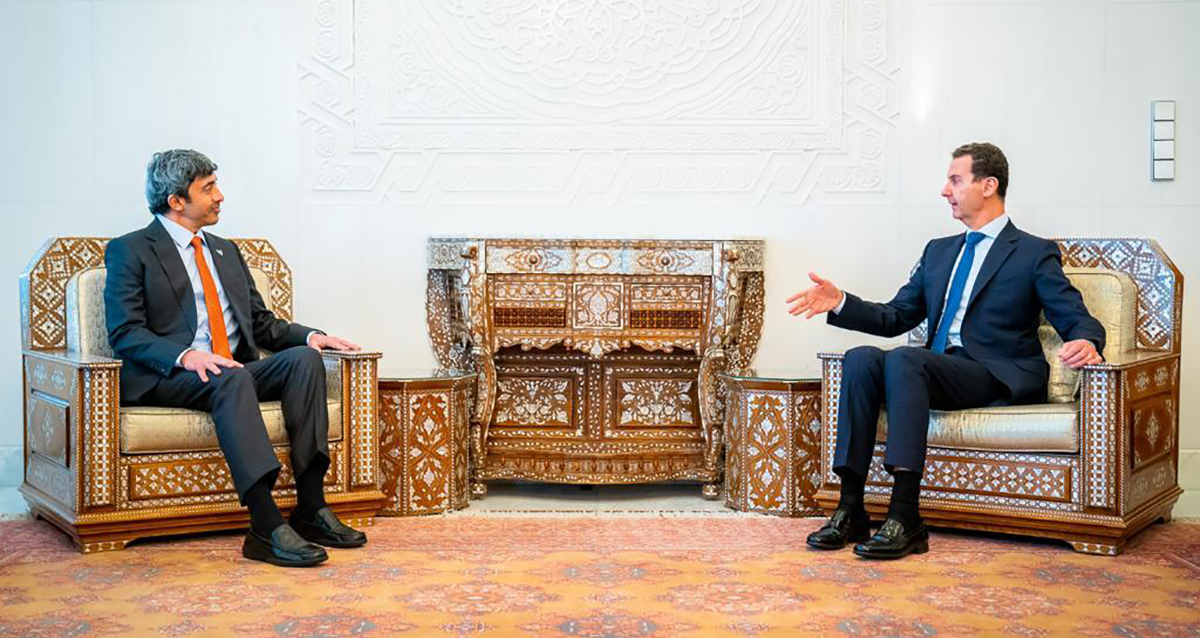
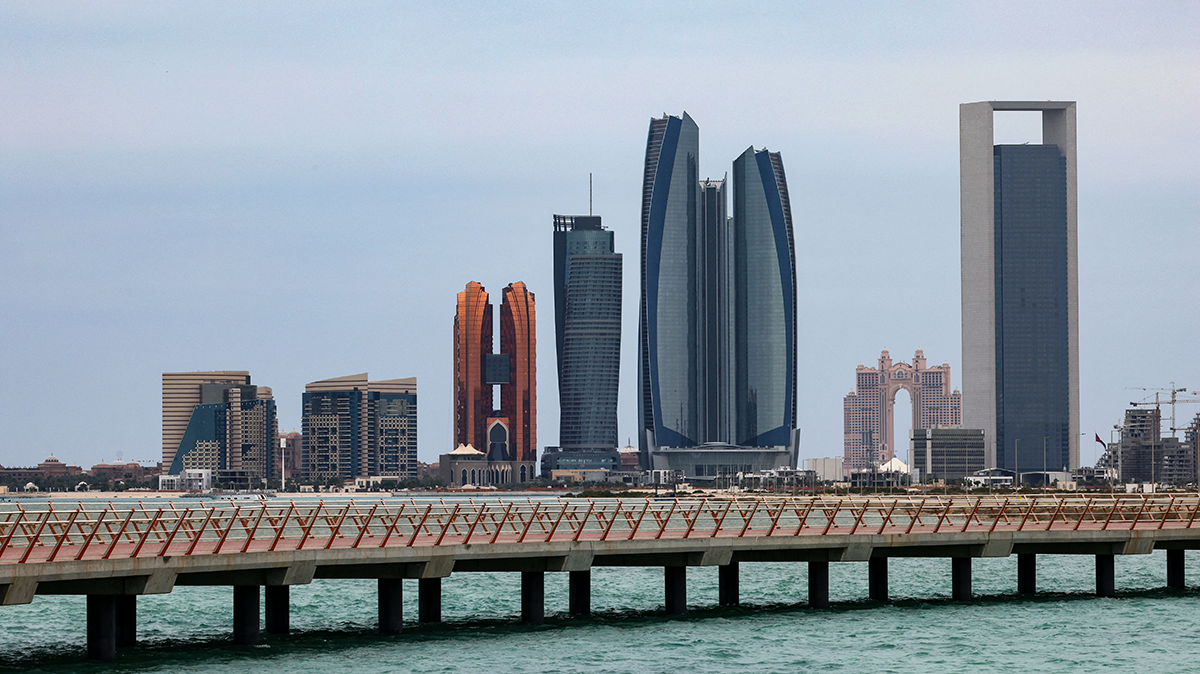
The UAE has made bold strides to normalize relations with embattled Syrian President Bashar al-Assad, opening itself up to criticism as many countries remain reluctant to reconcile with Damascus. Despite this measured reintegration of Assad into the Arab fold, many serious complications and challenges lie ahead. The most important of these is the lack of support from a hesitant Saudi Arabia, which would impede the crucial next step of Syria’s restoration to full membership in the Arab League before its upcoming summit.
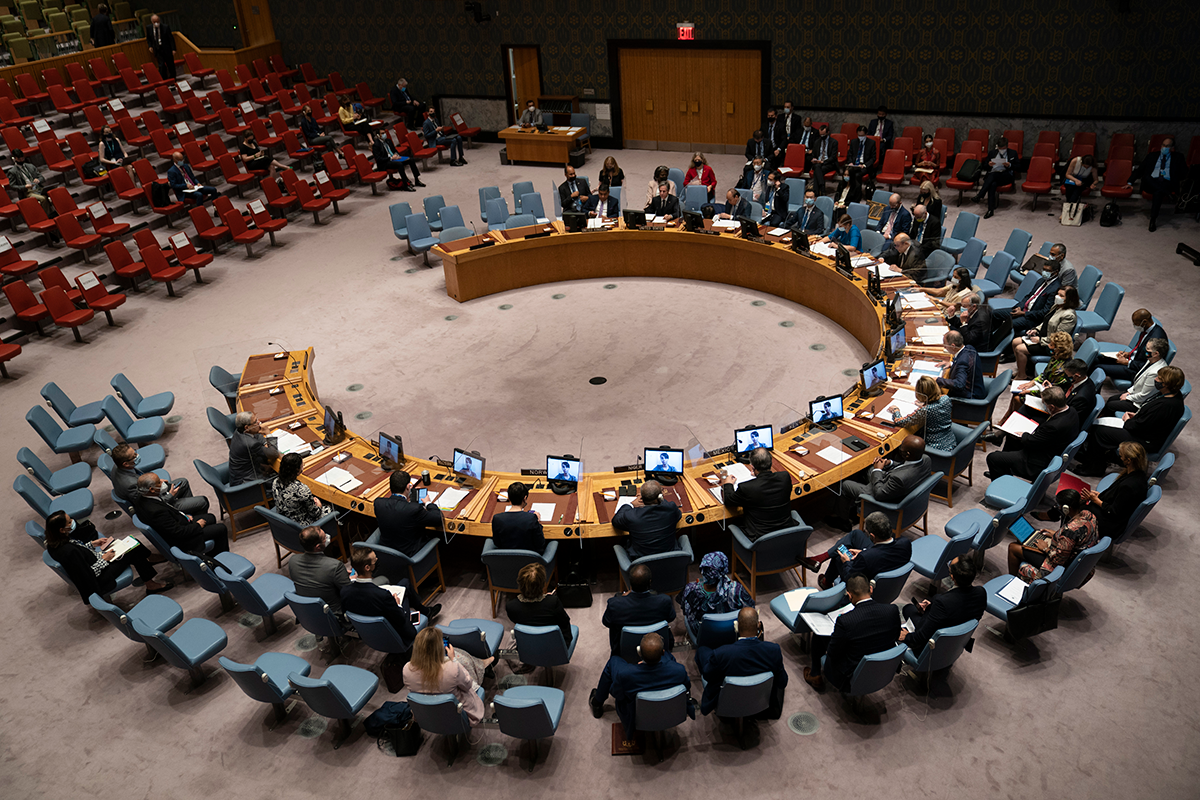
On Dec. 13, 2021, at a United Nations Security Council (UNSC) meeting, a draft resolution that would have recognized climate change as a security threat was rejected. The resolution, co-sponsored by Niger and Ireland, would have incorporated climate change as a security risk within the U.N. framework of conflict prevention strategies. What are the potential implications of this and what comes next? We asked seven experts to weigh in with their thoughts.
Iran to remain a key partner for Ethiopia in the Tigray conflict
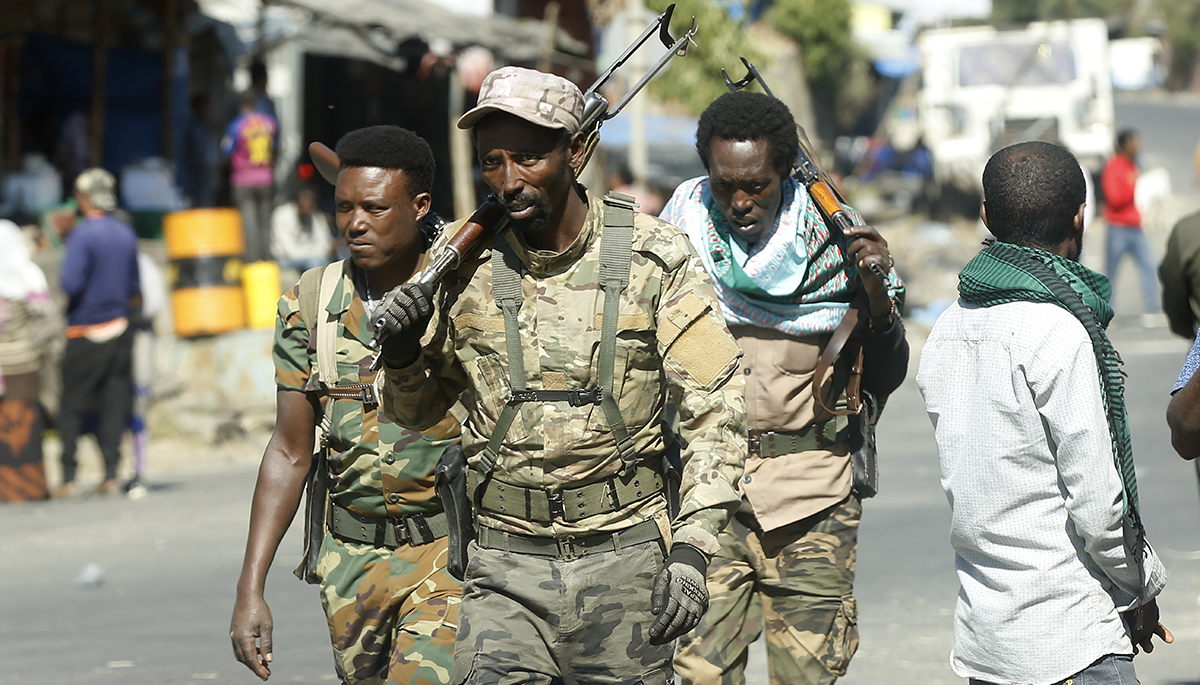
Ethiopia is Iran’s gateway to the Horn of Africa and the broader East Africa region. By helping Ethiopia in its ongoing conflict with the rebel Tigray Defense Forces, which represent the Tigray ethnic minority, Iran is preserving its so-called strategic depth in the region to bolster its influence.
What these attacks and many others in the region have in common is Iran’s irrefutable involvement. They may have different local contexts and their perpetrators, all loyal to Iran, may have different motivations, but every single one of those attacks was possible only because Iran provided either the weapons or the know-how to assemble and use them.