It’s not about Assad
Saying that Moscow is having a change of heart at this very moment, let alone is willing to publicly broadcast this to Damascus, may be a bit premature.
In recent weeks, a flurry of commentary from prominent voices and publications in Russia has seen a wave of criticism directed at Syria’s Assad regime. Accusations have been leveled against the regime of corruption, warlordism, and incompetence, as well as an obsession with achieving unrealistic military objectives at the expense of dwindling resources, reconstruction, and political and economic reforms.
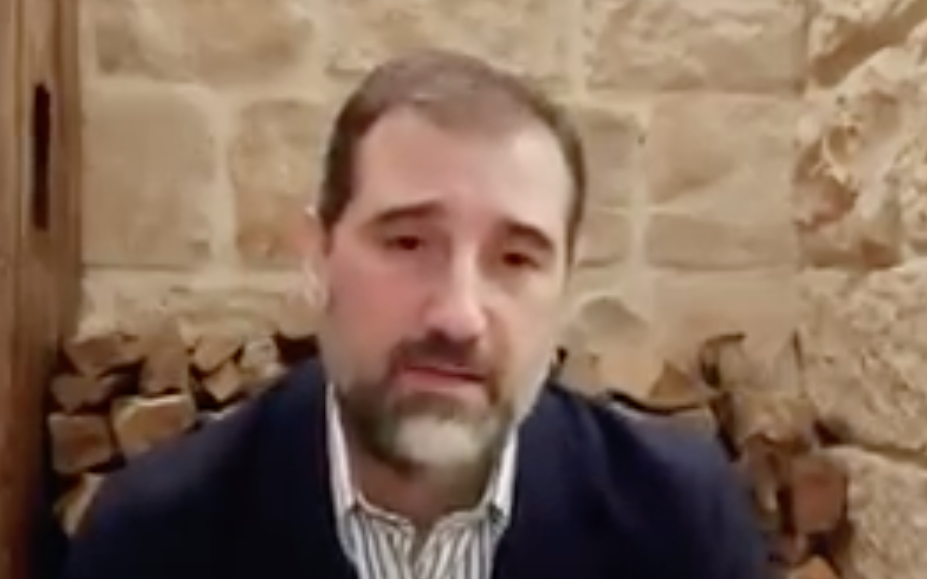
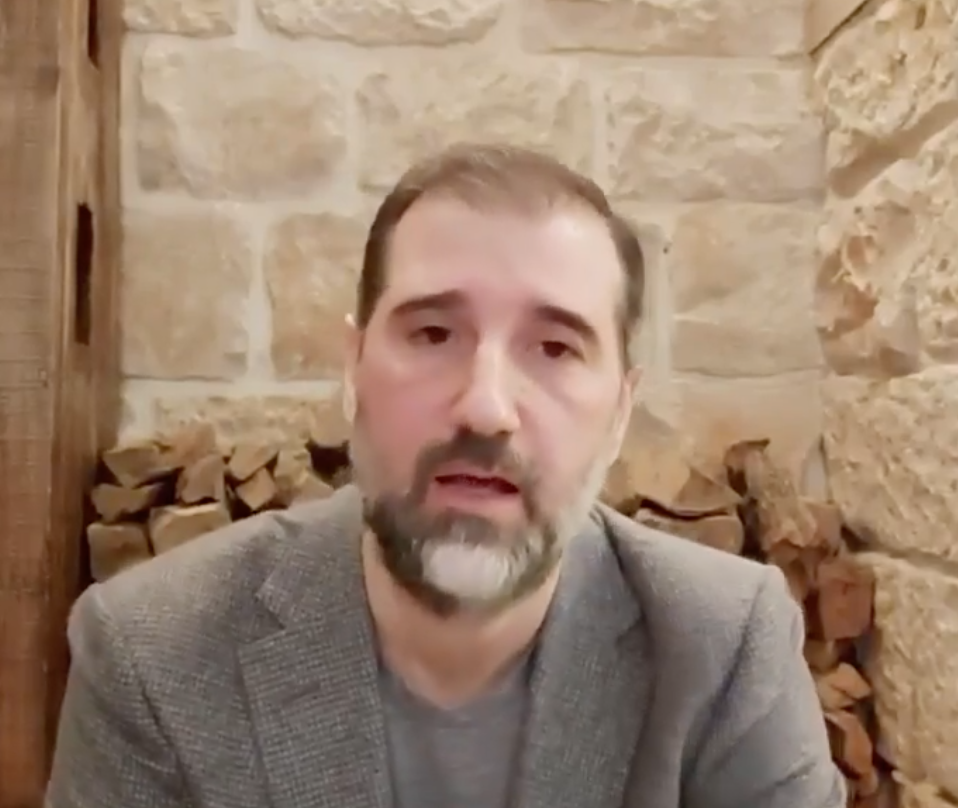
In a series of videos posted on Facebook this week, Rami Makhlouf called out the upper echelons of Syria’s political establishment, of which he had been an integral part for over two decades. By making his feud public Makhlouf has created an unprecedented rift within loyalist ranks, transforming his dispute with Syria’s ruling elite from one that was tightly controlled and behind closed doors to an out in the open, nationwide row the likes of which haven’t been seen since Hafez al-Assad’s standoff with his brother Rifaat in 1984.
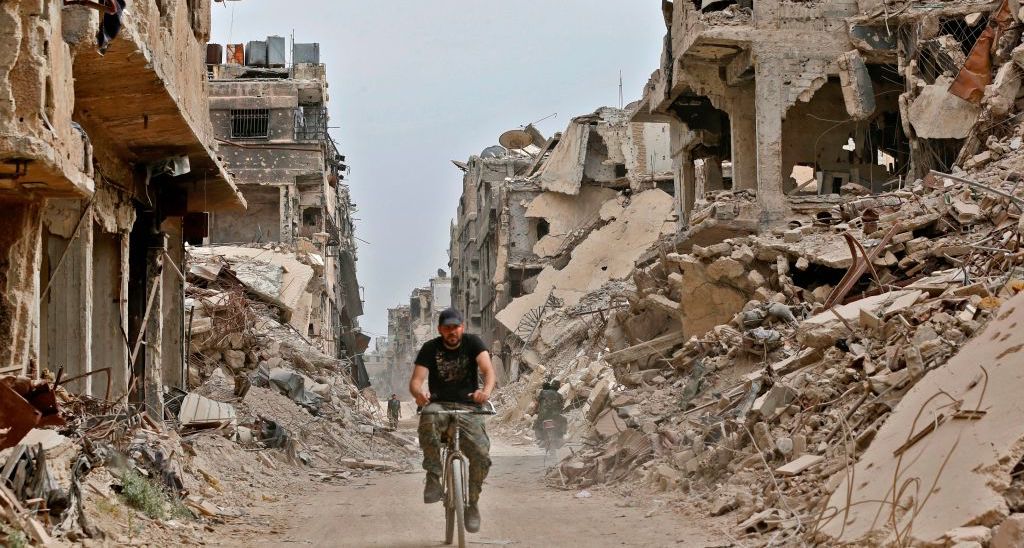
Officials in Damascus say reconstruction plans for what was once Syria’s largest Palestinian refugee community will pave the way for the return of large numbers of displaced residents “as soon as possible.” But with plans beset by delays and vague statements from those same officials, the available evidence suggests otherwise.
The fact that Makhlouf chose to go public heightens the stakes at play at the top of the regime and within the Alawite clan, arguably more than ever.
The arrival of COVID-19 into Iraq and the resulting reduction in frontline deployed forces has widened the scope for ISIS operations.
The uncertain political circumstances this time around make these efforts worth watching.
With its territory under increasing pressure, its finances dwindling, and manpower more challenged than ever, HTS’s ability to balance its extremism with controlled uses of pragmatism is under strain. Internally, its leadership is bitterly divided over decisions of the past, present, and future and externally, its rivals and enemies all appear to be conspiring against it. In an attempt to protect internal cohesion, HTS has become determinedly self-assertive in recent weeks, pursuing unpopular policies such as trading with the regime and lashing out at those brave enough to express their dissatisfaction. In response to HTS aggressions, a wider array of opposition voices — both moderate and Islamist — are declaring loudly that HTS now represents a threat to their revolution.
This precedent, along with the implementation of the Caesar Bill, guarantees the future isolation of the Syrian regime.
Basma El Husseiny (Action for Hope) and Samar El Yassir (Anera) join guest host Lyne Sneige to discuss the impact of the COVID-19 pandemic on refugee communities and the NGOs that work with them.
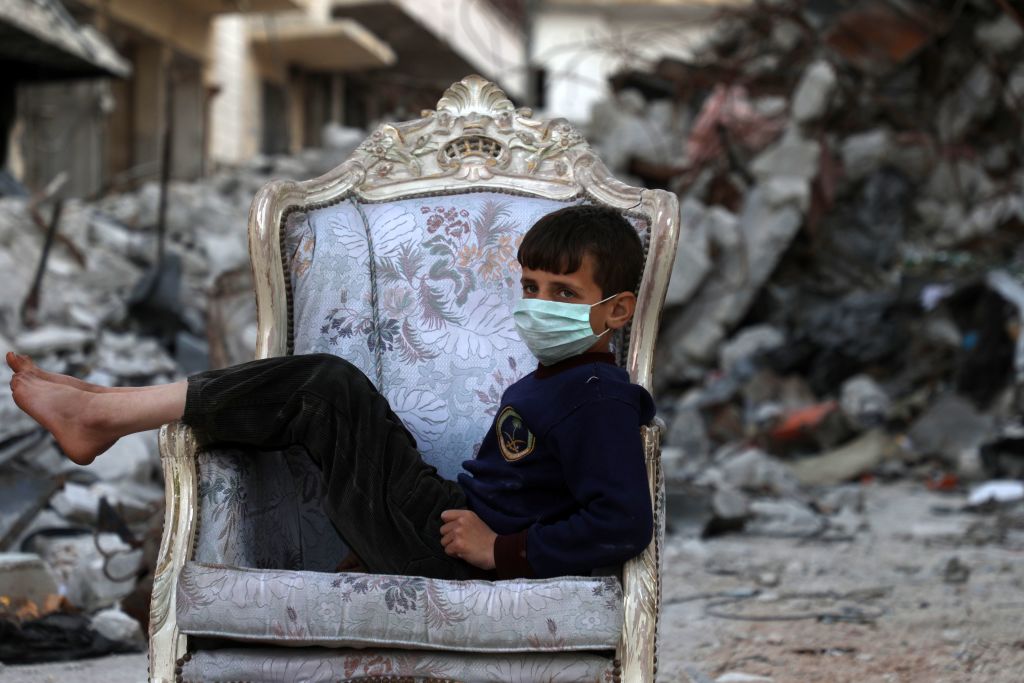
Officially, Syria has just 42 COVID-19 cases, all but one of them in regime-held areas, as testing capacity is almost non-existent elsewhere. The actual number is certainly higher, but there appear to be few severe cases at the moment. Yet, interviews with doctors and NGO workers conducted over the phone and via messaging apps across all areas of control in Syria — from regime-held areas and the northeast to Idlib and the Turkish-controlled region — paint a grim picture of a health care sector utterly unprepared for a pandemic.
When the American-backed Syrian Democratic Forces (SDF) captured the village of al-Baghouz in late
March 2019, ISIS’s self-proclaimed “caliphate” came to an end. The largest multinational military
coalition in modern history spent four-and-a-half years methodically rolling back ISIS’s control of an
expanse of territory the size of Britain, stretching across Syria and Iraq.
Immediately after the Syrian regime and its allies captured central Syria in late 2017, ISIS began waging an effective and deadly insurgency in the area. It first targeted urban centers along the western Euphrates before shifting focus in spring 2018 to the transport lines and mountains running along the M20 from Khunayfis to Shoula. These wide-ranging operations have killed a minimum of 860 pro-regime fighters of all ranks, units, and types. This report tracks self-reported regime losses in the region, as indicated on loyalist Facebook pages, community pages, and unit pages, from Nov. 10, 2017 through March 31, 2020.
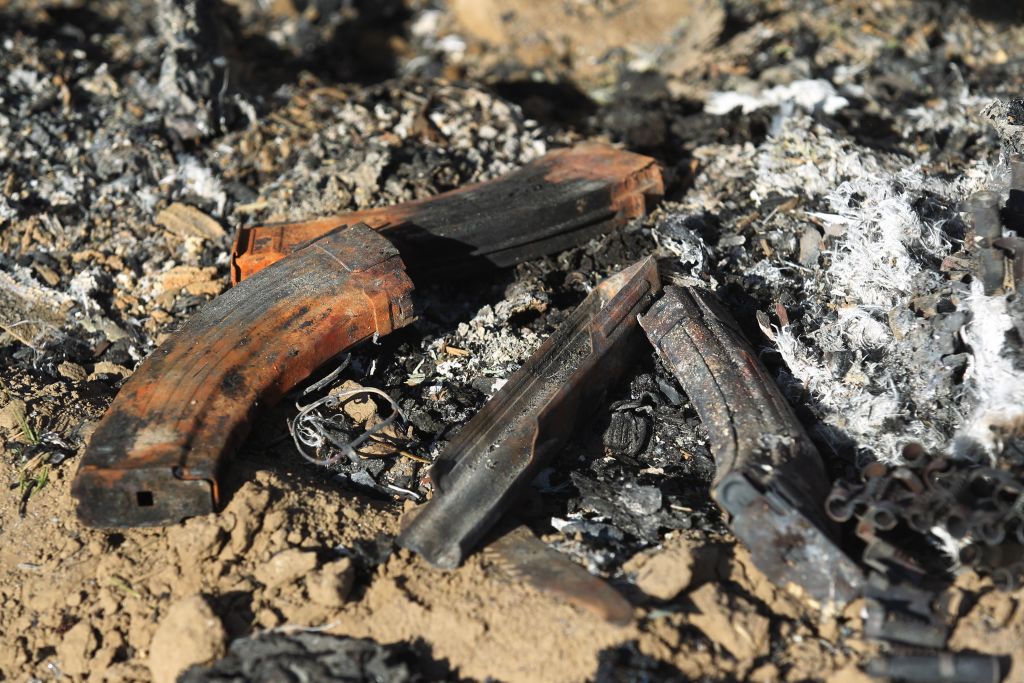
The ingredients that fueled ISIS’s explosive expansion in Syria in 2013-14 are not only still present today, they are worse.
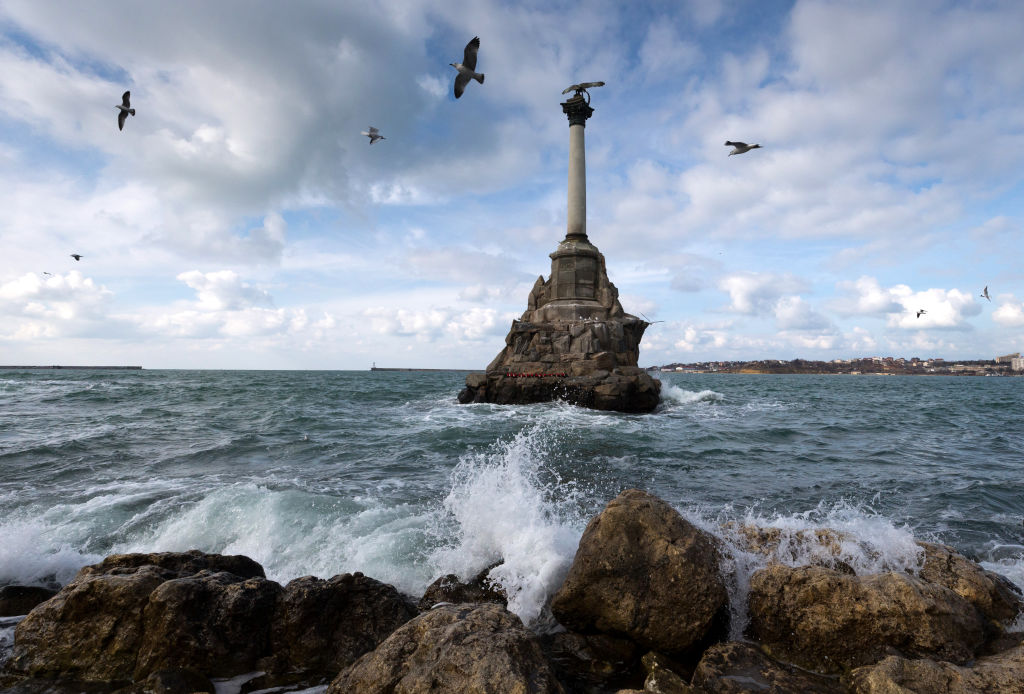
US support for the Black Sea and the Middle East has been through several phases in recent years, with President Donald Trump’s generals having the biggest impact on policy change. While there has been increased engagement in the region, much more is needed from the US – as well as NATO and the EU – to ensure Black Sea security.