The biggest losers from President Trump’s arbitrary decision to allow Turkish forces to enter Syria may end up being pro-revolution Syrians and civilians living in Idlib.
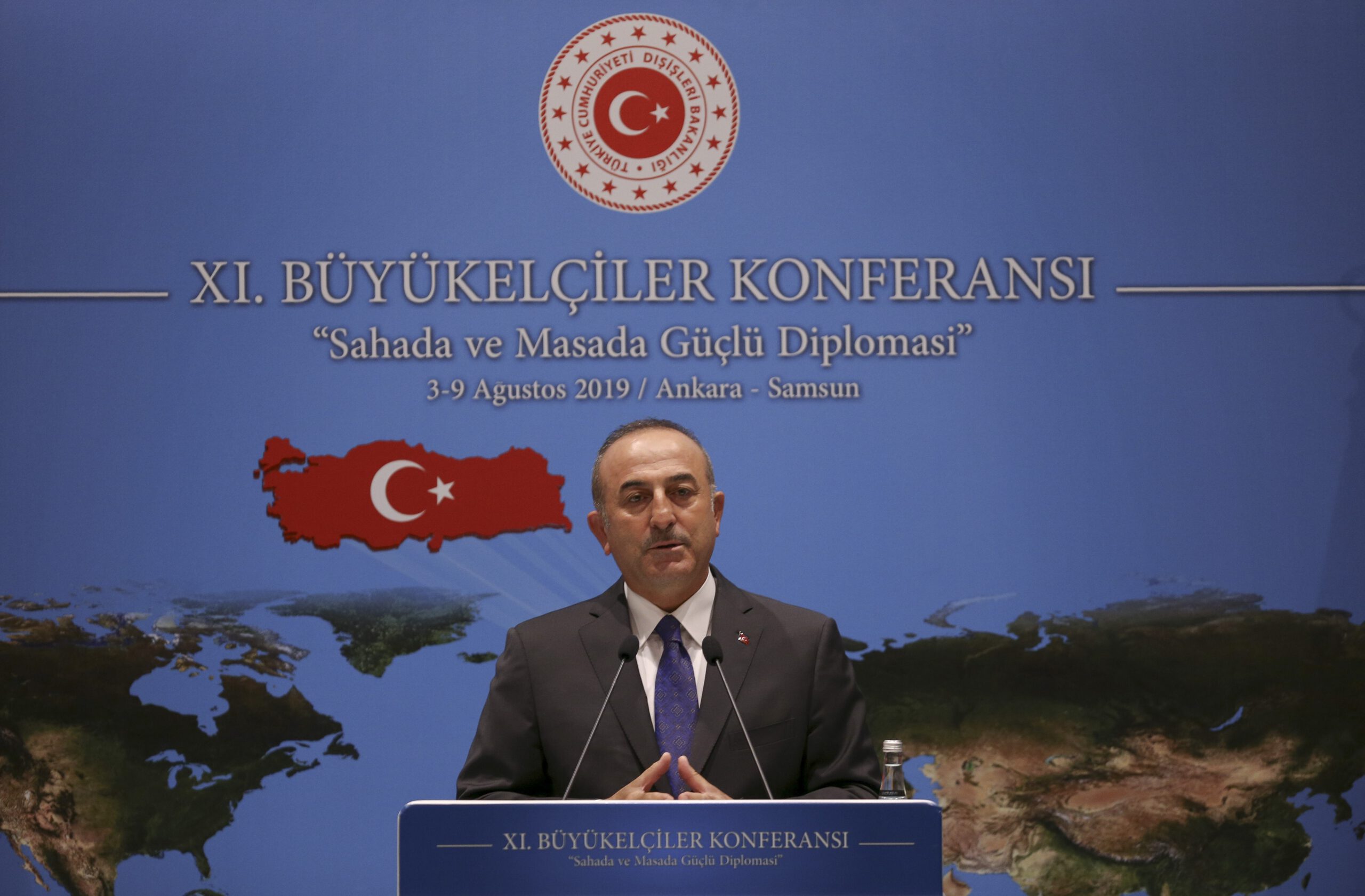
Turkey’s Asia Anew Initiative: Assessment and Shortcomings
On August 5, 2019 Turkey’s Foreign Ministry launched the Asia Anew initiative, whose declared aim is to give greater weight to cooperation with Asian countries in four substantive areas. This article shows that, although few details have emerged regarding how Ankara intends to implement this initiative, there is nonetheless sufficient reason to question whether it is viable or sustainable.
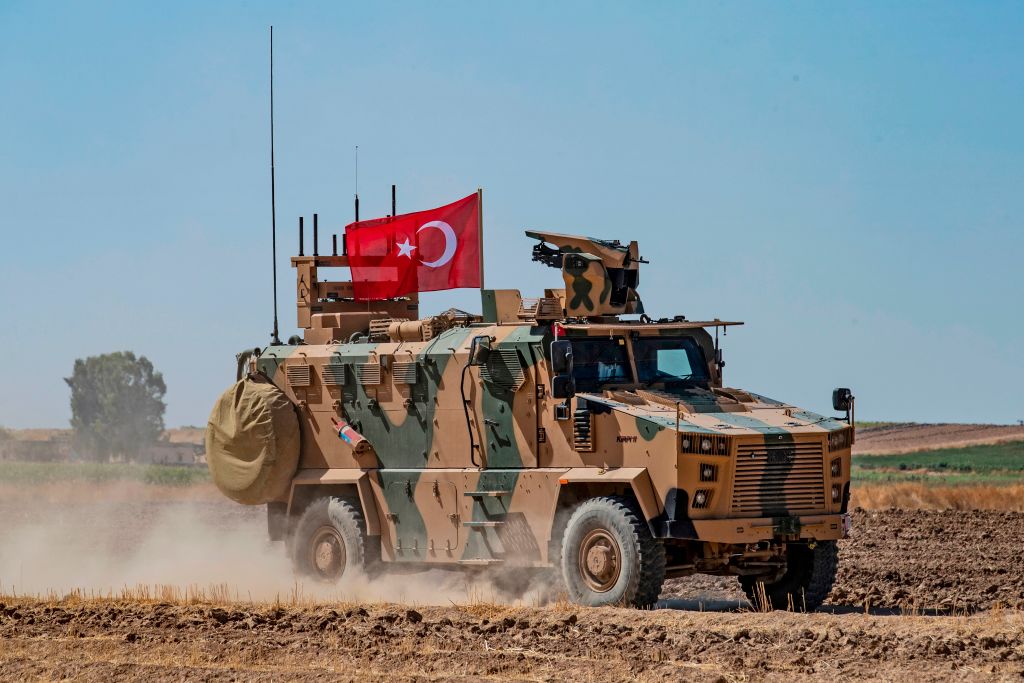
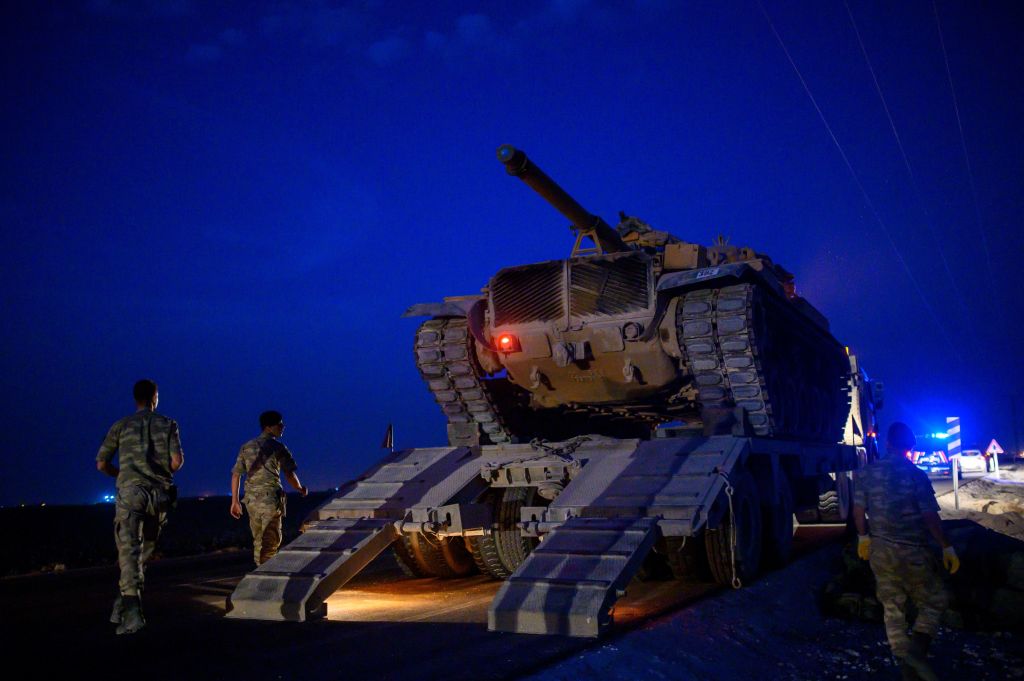
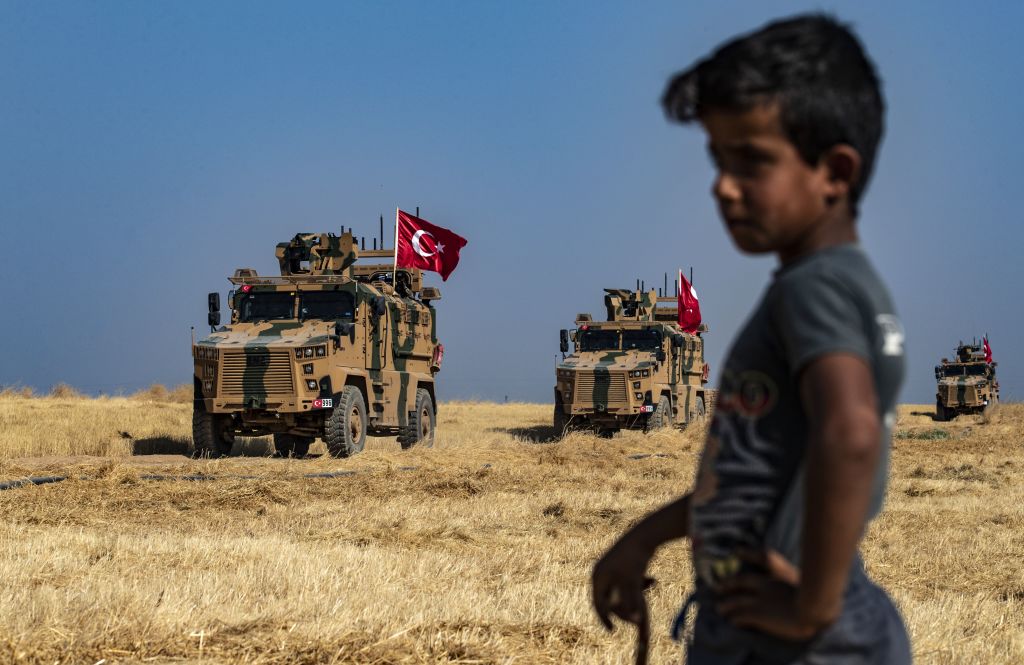
In a stunning announcement on Sunday, the Trump administration gave the nod to a Turkish military incursion into northeastern Syria, an operation that would entail clashes with Washington’s Kurdish allies in the area. The U.S. military, which has around 1,000 troops in Syria, would not “support or be involved in the operation.” But the White House said it would pull back U.S. forces stationed near the Syrian-Turkish border to clear the way for Ankara’s troops.
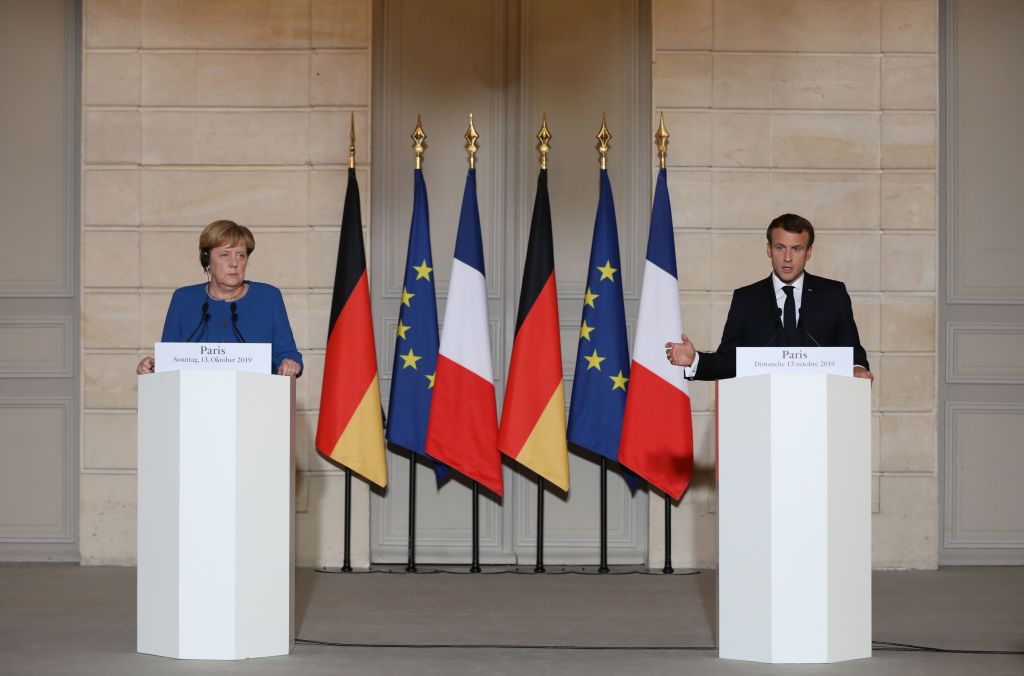
The Turkish offensive in northern Syria: The view from Europe
The Turkish offensive against Syrian Kurdish forces could result in a military success, but it will also seriously damage Turkey’s image in Europe and elsewhere.
Washington has a hard long-term choice when it comes to Syria. The best chance for an optimal solution through a negotiated political deal was lost years ago. The U.S. now must choose a policy which will yield only a “least-bad” result.
Operation Peace Spring: The Situation in Northeastern Syria
MEI Senior Fellow W. Robert Pearson and Non-resident Scholar Elizabeth Dent join host Alistair Taylor to discuss the Turkish incursion into northeastern Syria following the sudden withdrawal of US troops from the Turkish-Syrian border earlier this week.
Russia’s efforts to expand the Astana process in Syria
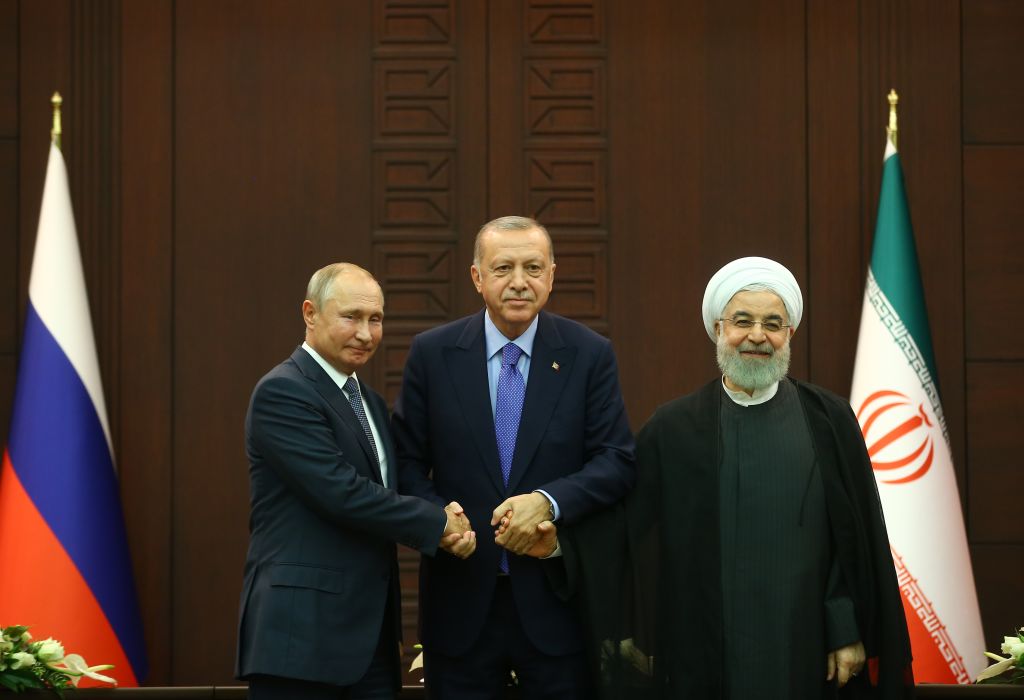
On Sept. 16, the presidents of Russia, Iran, and Turkey met in Ankara to discuss the resolution of the Syrian civil war. In all three countries, the Ankara summit was hailed as a major success, as negotiations on the formation of a Syrian constitutional committee concluded and progress was made toward resolving other outstanding challenges, such as the future of northeastern Syria and the ongoing struggle for Idlib.
Trade, Reform, and Revitalization: Toward a US-Egypt Free Trade Agreement
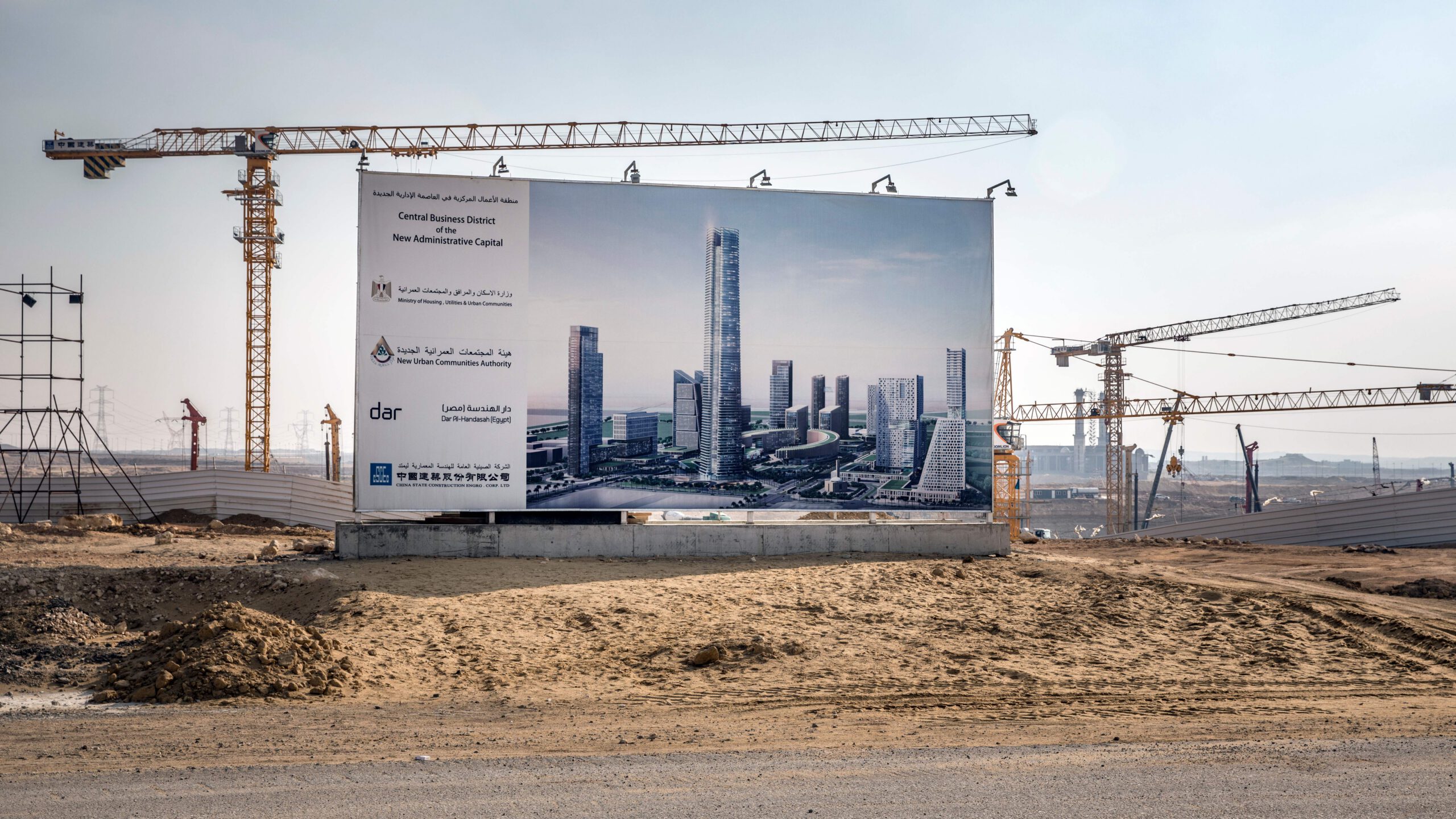
A question as to the value of a U.S.-Egypt Free Trade Agreement (FTA) misses the point. The question should not be whether an FTA would be in the interest of both parties since there is abundant evidence that it would. The question is what kind of FTA would best suit the needs, both short and long term, of the two parties: shallow integration or deep integration? This report argues that notwithstanding several hurdles, it is in the interest of both countries to move swiftly and decisively toward a deep FTA.
Trump greenlights Turkish incursion into northeastern Syria
A unilateral Turkish military operation will worsen the already toxic mood vis-à-vis Erdogan on the Hill and might prompt a new round of sanctions at a time when Trump was trying to convince the Congress to hold off on punishing Turkey.
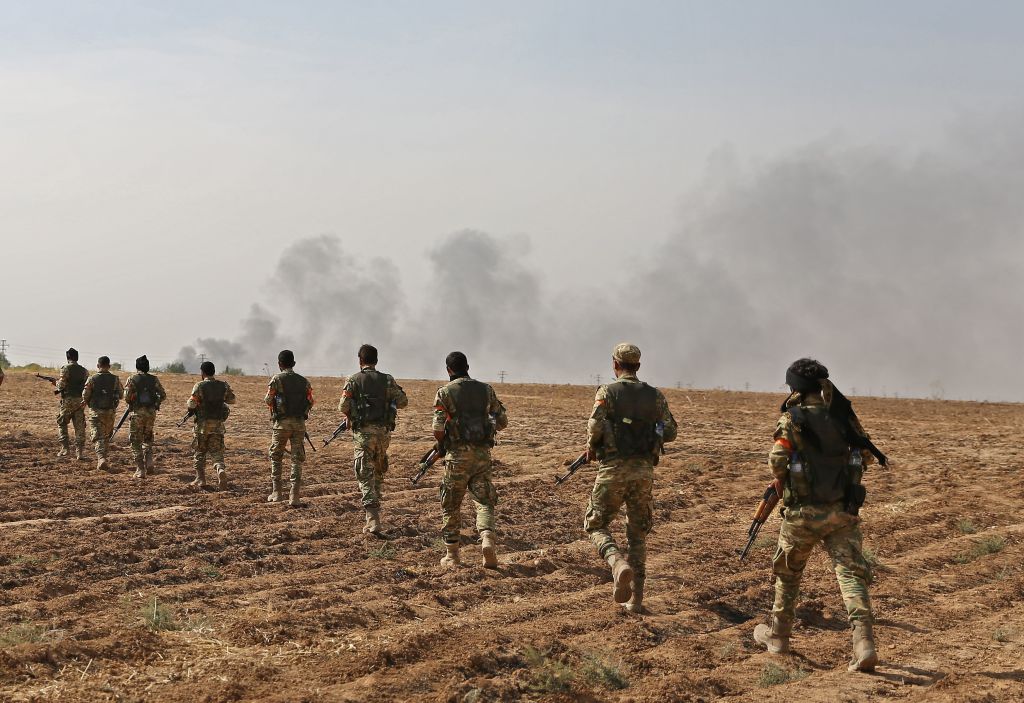
Turkish-backed Syrian armed opposition groups to unite under one banner
After a long-drawn-out series of negotiations, Turkey has successfully convinced more than 40 armed opposition groups in northern Syria to unite under a single umbrella, directly under the command of the Syrian Interim Government’s Ministry of Defense.
After Aramco: Will halting Houthi attacks on Saudi Arabia end Yemen’s war?
After five years of indecisive war, there is a clear desire on the part of the international community to bring the conflict in Yemen to an end, and the recent UN-endorsed Houthi initiative seems predicated on the assumption that ending the fighting between Riyadh and the Houthis would achieve this. A closer look at the situation, however, suggests this assumption is flawed.
Turkish President Recep Tayyip Erdogan used his speech at the UN General Assembly to advocate for a plan that would see the return of over one million Syrian refugees from Turkey to a strip along the Turkish border in northeastern Syria. While Turkey should not have to indefinitely host its 3.6 million Syrian refugees, the plan proposed by Erdogan would entail large-scale deportations of refugees, demographic re-engineering, and the destabilization of northeastern Syria. A better path forward would be to facilitate the return of refugees from northeastern and eastern Syria to their homes by investing in reconstruction of the area and encouraging political reforms.
Although the Houthi militia claimed the attacks on Saudi Aramco oil facilities in Saudi Arabia on September 14, experts doubt that the drones were launched from Yemen. Despite the Houthis’ affirmations and Iranian denials, investigations by the US and the Arab Coalition have demonstrated the weapons used were Iranian, and the location of the oil installations in northeastern Saudi Arabia makes them almost certainly out of range from Yemen.
Saudi makes cautious moves in Yemen, but remains far from a settlement
The Saudis made their first cautious moves to disentangle themselves from Yemen but remain far from any settlement. In response to an earlier announcement of a unilateral ceasefire by the Houthis on the fifth anniversary of their entrance into Sanaa, Saudi Crown Prince Mohammad bin Salman said that a settlement in Yemen would be far easier if the Houthis abandoned their Iranian backers. His comments come after the Saudis announced a partial ceasefire covering some areas in Yemen, but Saudi planes attacked Houthi positions in northern Yemen along the border as if to emphasize that it is only a partial ceasefire.
What does the Saudi oil facility attack mean for Russia?
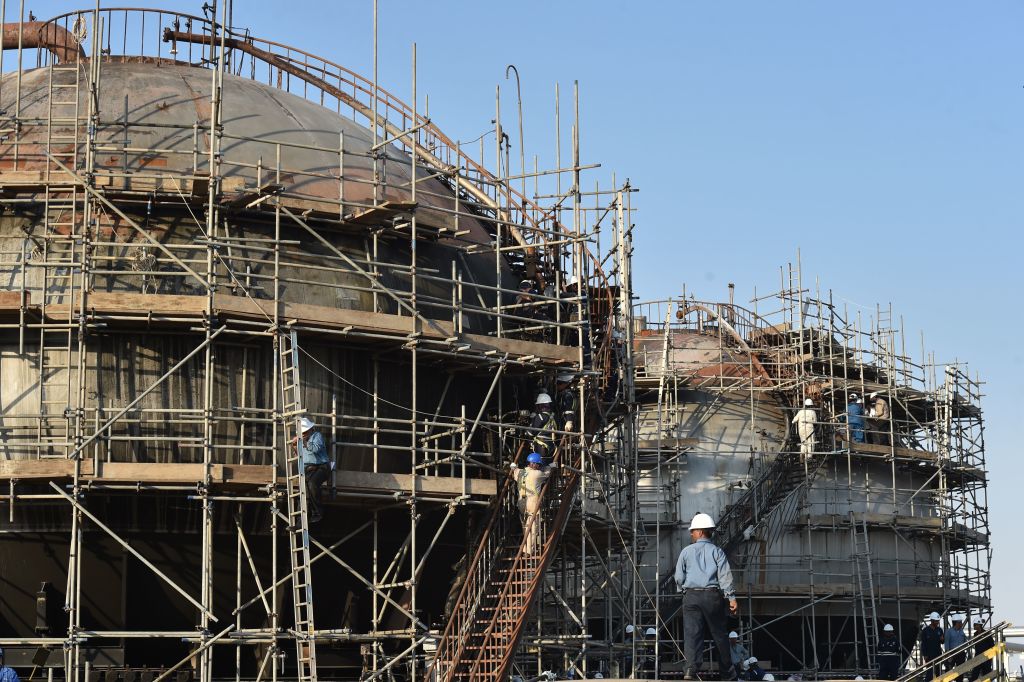
The Sept. 14 attack on key Saudi oil facilities, which knocked out over half of the kingdom’s oil production, has signaled a significant change in approach toward regional and global security. It’s clear that things won’t be the same again. But what does it mean for Russia?
The attack reduced Saudi oil production by 5.7 million barrels per day (bpd), leading to a sharp rise in global oil prices of nearly 20%. Although this was a very important development from an energy and economic perspective, we should not underestimate the political and security ramifications either. The entire paradigm of a secure Gulf under the protection of the U.S. military umbrella has been undermined.