Chinese Health Diplomacy and the Maghreb in the COVID-19 Era
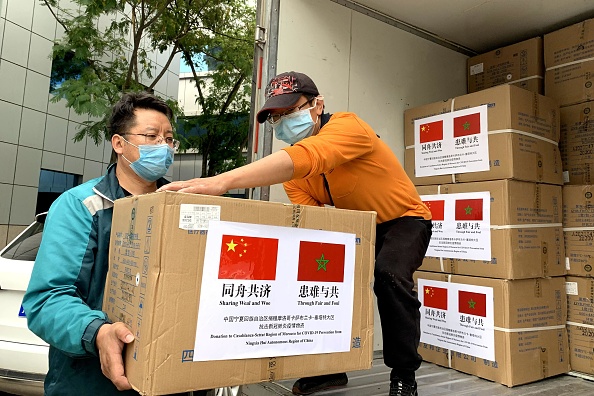
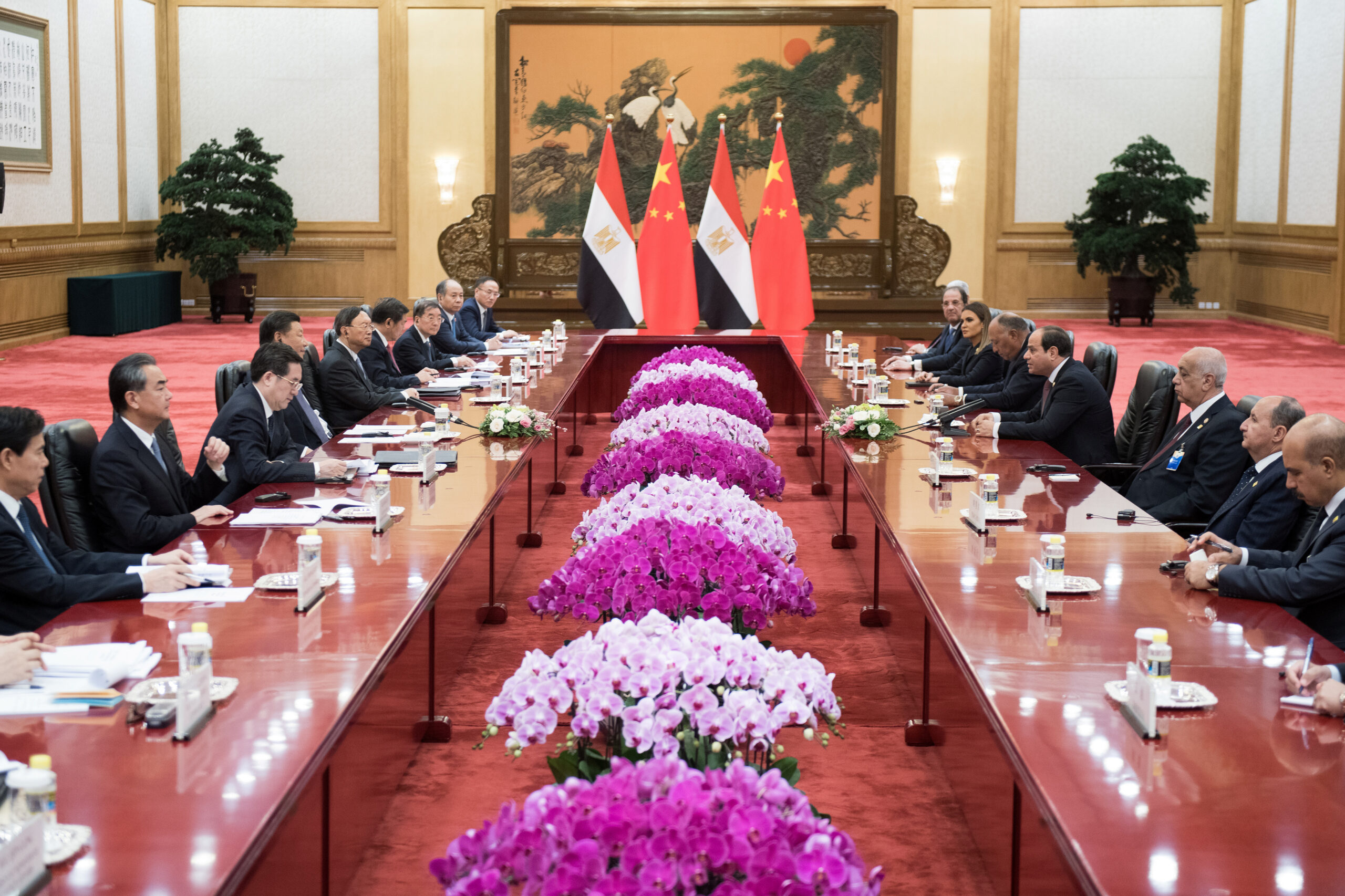
Beijing’s economic presence across the Maghreb has grown in recent years. The new global power has forged a close partnership with Algeria and Morocco, while also continuing to develop relationships with other countries in the region. The COVID-19 pandemic has illuminated the depth of Sino-Maghreb relations.
The role of US special forces in the war in Afghanistan
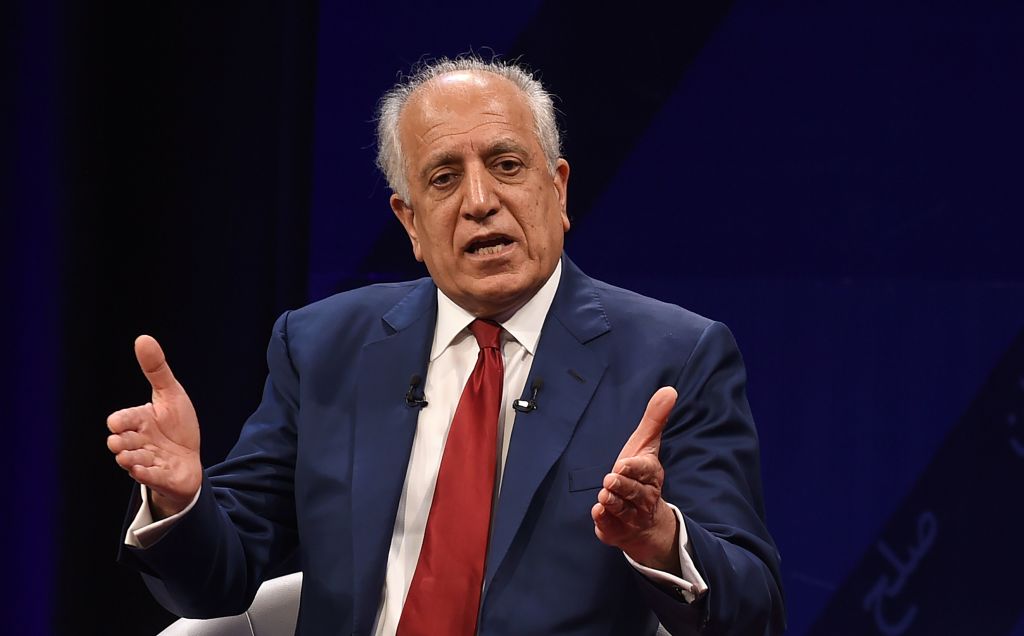
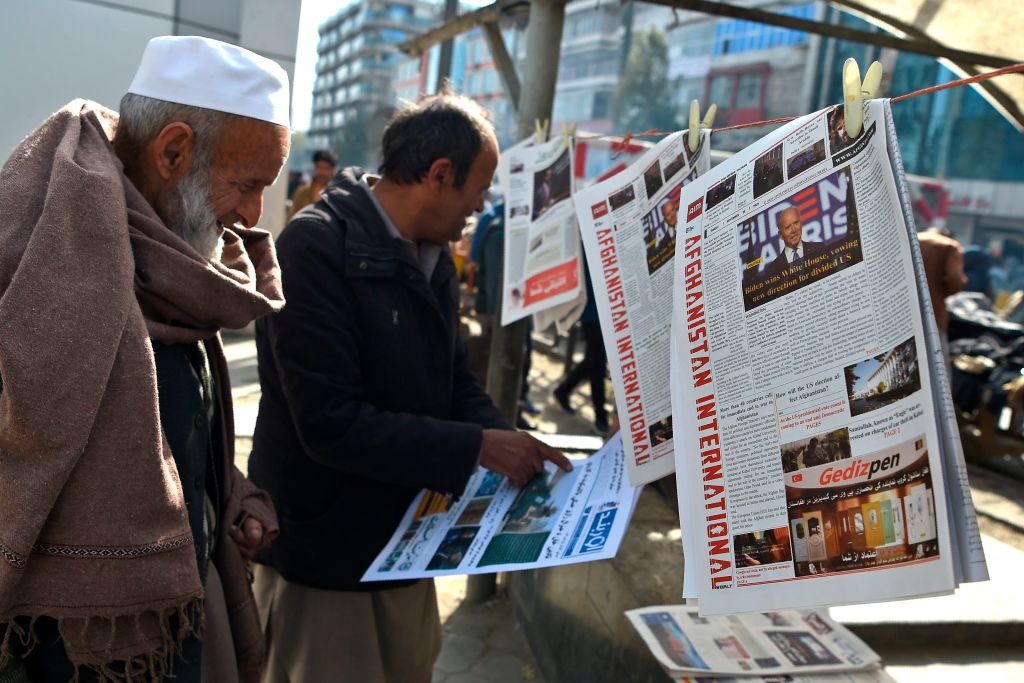
Jessica Donati, foreign affairs reporter for the Wall Street Journal, joins host Alistair Taylor to discuss her new book, Eagle Down: The Last Special Forces Fighting the Forever War.
Two years after the start of Algeria’s popular uprising, the regime is far from stable
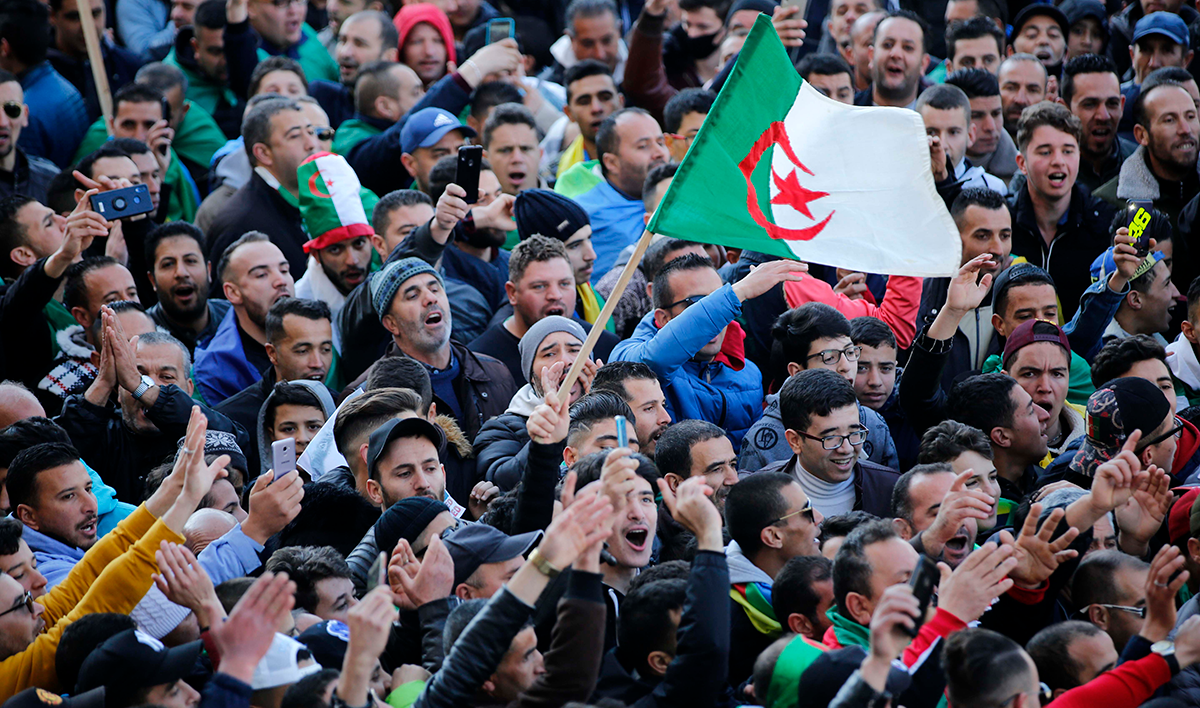
Abdelmadjid Tebboune’s rise to the presidency was supposed to bring a degree of predictability to Algeria’s military rulers. But since he was pronounced the winner of the presidential election in December 2019, the regime has entered a new phase of uncertainty. The COVID-19 pandemic, continued dissent, political volatility, and deepening economic malaise have affected the ruling oligarchy’s calculations. Two years after the start of Algeria’s popular uprising, known as the Hirak movement, the country is stuck in the same impasse it has faced since 2019.
Planning for the day 10 years after the fall of Gadhafi
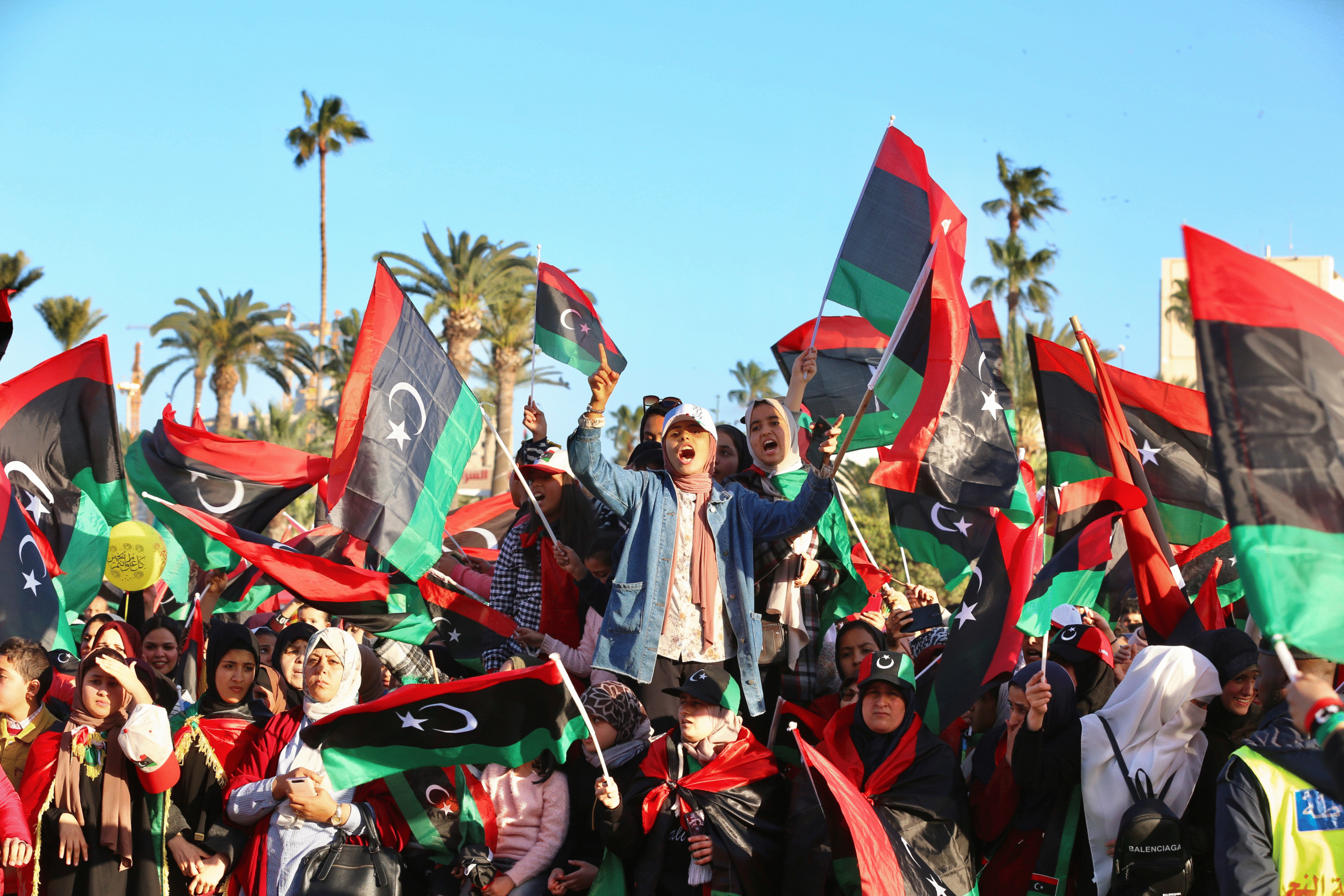
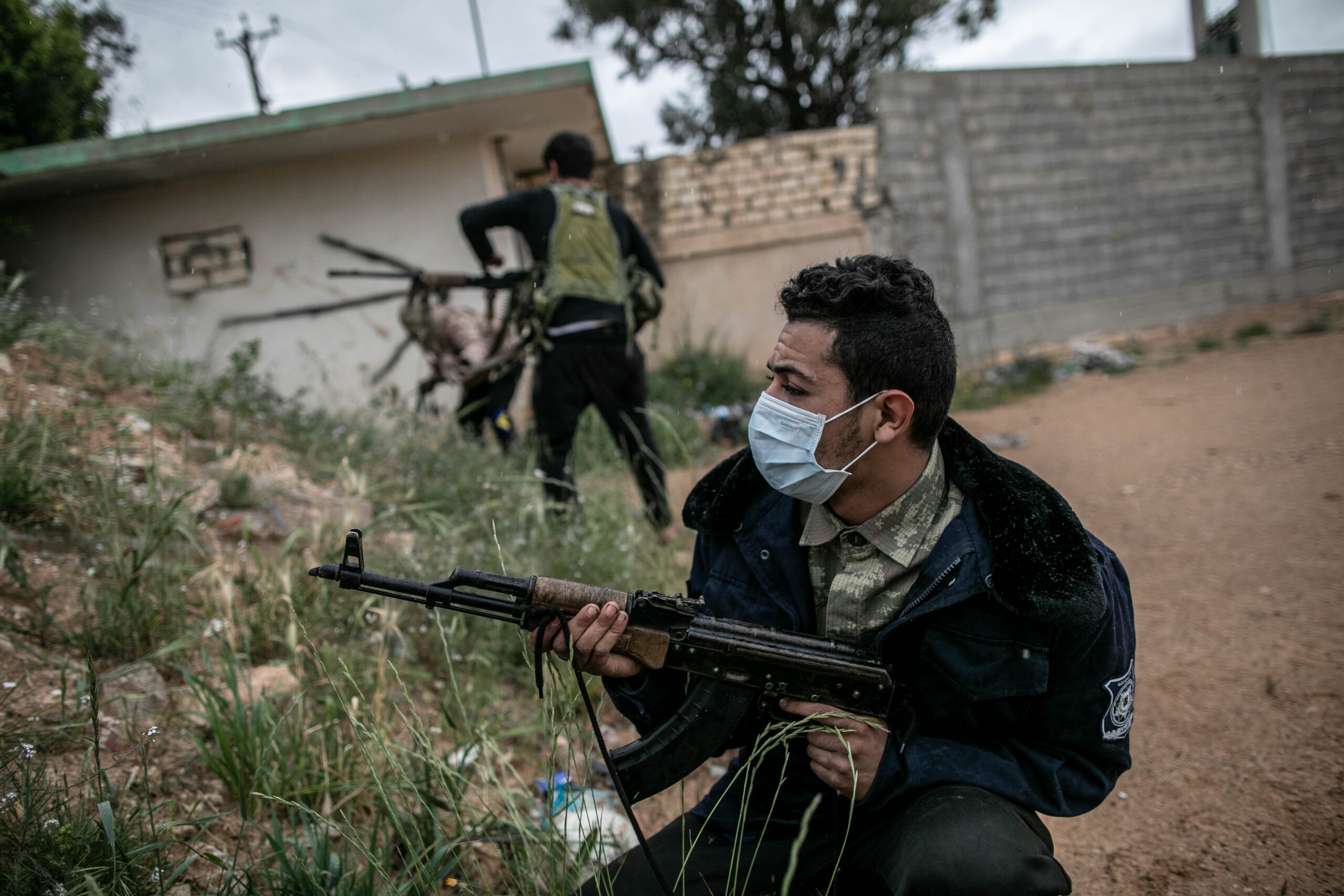
Five years ago, President Barack Obama characterized the failure “to plan for the day after” the U.S. intervention in Libya as his worst foreign policy mistake. Certainly, the aftermath of the decision to provide support for the Feb. 17, 2011 uprising, which ended 42 years of Moammar Gadhafi’s erratic and dictatorial rule, hasn’t been happy. Libya’s past decade has featured recurrent civil war, state collapse, terrorism, militias, and warlords, together with competing foreign interventions despite the continuing U.N. arms embargo.
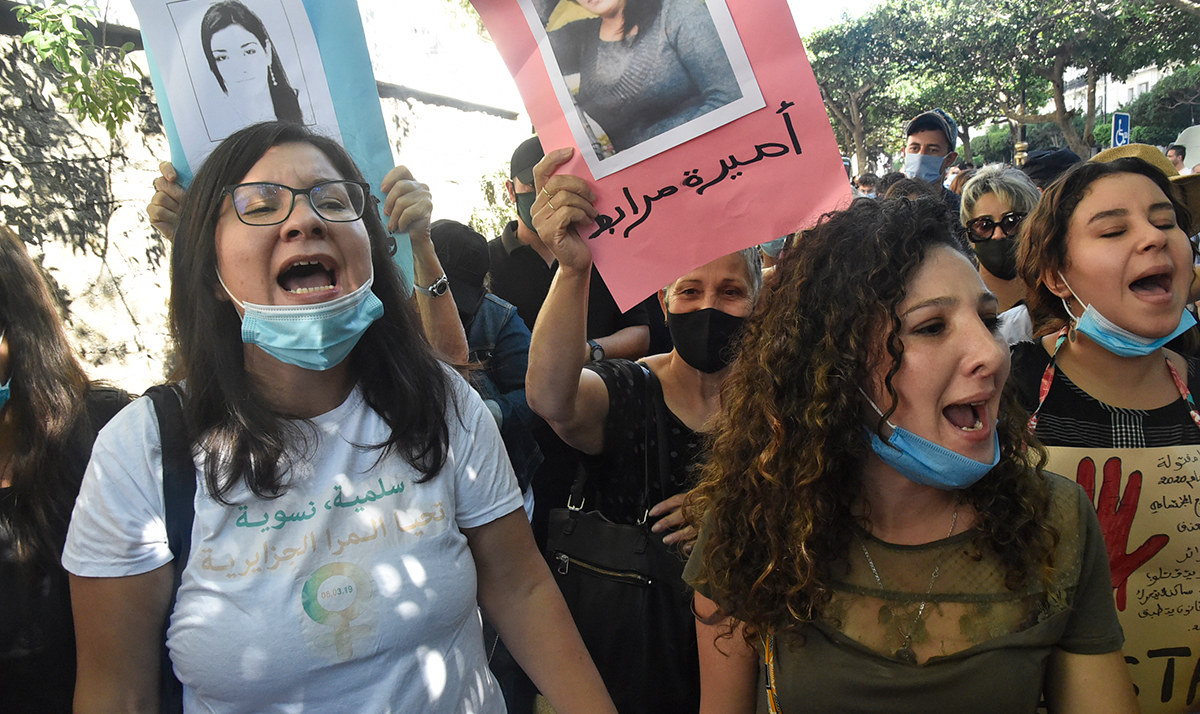
Femicide and other gender-based violence are turning into a real public-health crisis in Algeria. Recent killings have sparked outrage and many Algerians have expressed their anger on social media over this dangerous trend of violence against women, with the hashtag #WeLostOneOfUs trending on Twitter. In Algiers, Béjaïa, Constantine, and Oran, hundreds of women defied pandemic lockdown restrictions to protest and voice their anger over the increase in femicides in the country and the state’s inertia.
The Turkey-Pakistan entente: Muslim middle powers align in Eurasia
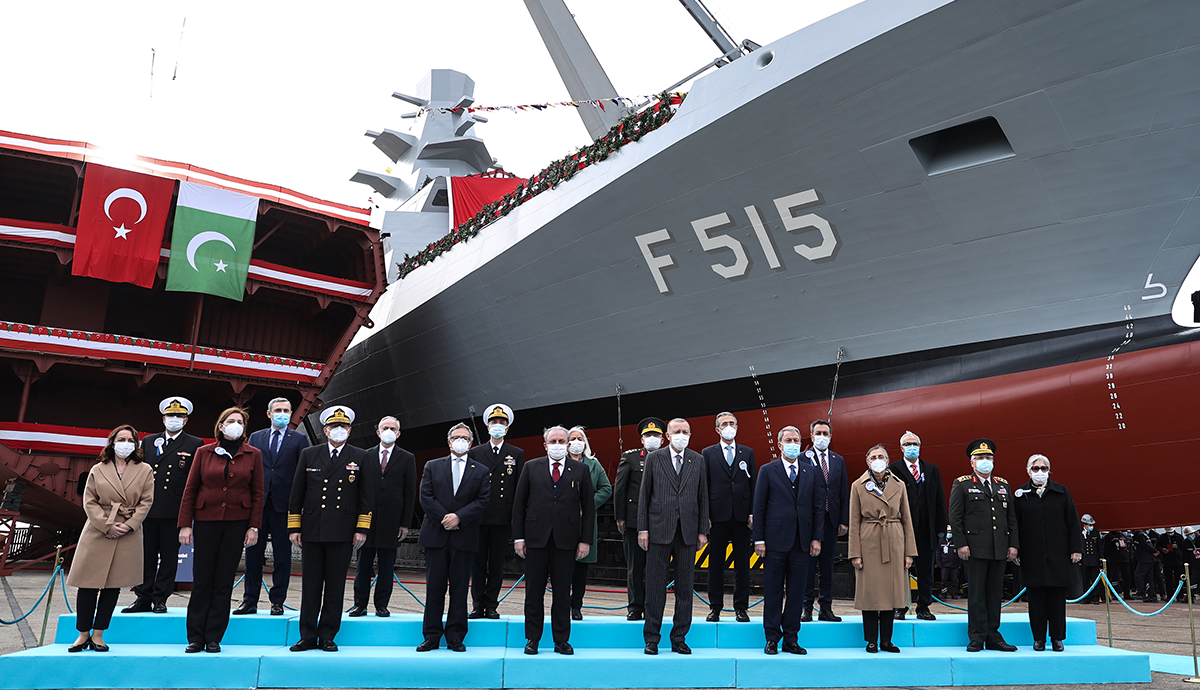
In the 1950s, at the onset of the Cold War, Pakistan and Turkey were part of the Central Treaty Organization or CENTO, a pro-Western bloc of Muslim-majority states. Today, the two countries — both with troubled relations with the United States — are Muslim middle powers with a growing entente in a multipolar Eurasia. In recent years, cooperation between Pakistan and Turkey has strengthened not just in the defense, diplomatic, and economic realms, but also in the cultural space, causing geopolitical ripple effects in the Himalayas, the Arabian Peninsula, and the South Caucasus.
Given the host of challenges that Algeria currently faces and consistent with past efforts to diversify its foreign relations, Algeria could seek to deepen its relationship with China — a rising global power with deep pockets and an expanding footprint in the Middle East and North Africa (MENA) region and a country with which Algeria has already established a comprehensive strategic partnership. Yet, even under a scenario in which Beijing answers the call, it should not be assumed that the scale and contours of Chinese engagement will fundamentally change, will consist mainly of predatory economic activities and malign influences, or can rescue Algeria from structural problems of its own making.
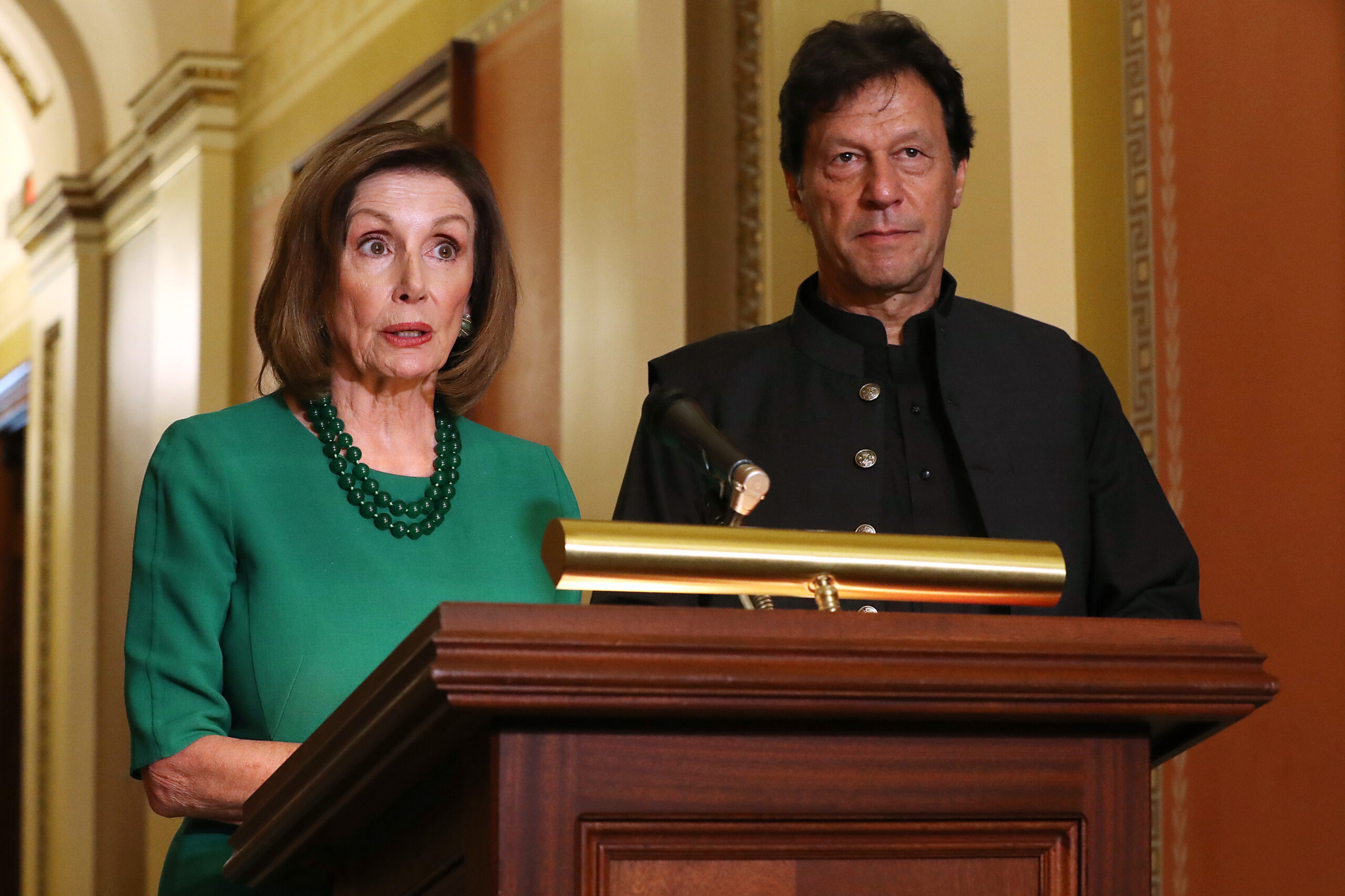
The incoming Biden administration has a full plate as it seeks to reinvigorate American foreign policy engagements around the world. The need to reimagine future U.S. engagement with South Asia may not be among the highest priorities for policy makers. Yet, this region, home to nearly a quarter of the world’s population, presents perennial challenges as well as new threats that U.S. policy makers cannot afford to ignore.
The Middle East is in turmoil, with civil wars raging in Syria, Iraq, Yemen, and Libya. COVID-19 is now an additional factor on top of the violence and monumental international support tasks, all of which require a sustained commitment. The effects of the deadly COVID-19 pandemic highlight the need for more robust international stabilization efforts to achieve long-term peace and self-sufficiency in the Middle East.