Reflecting on the global effort to fight violence against women
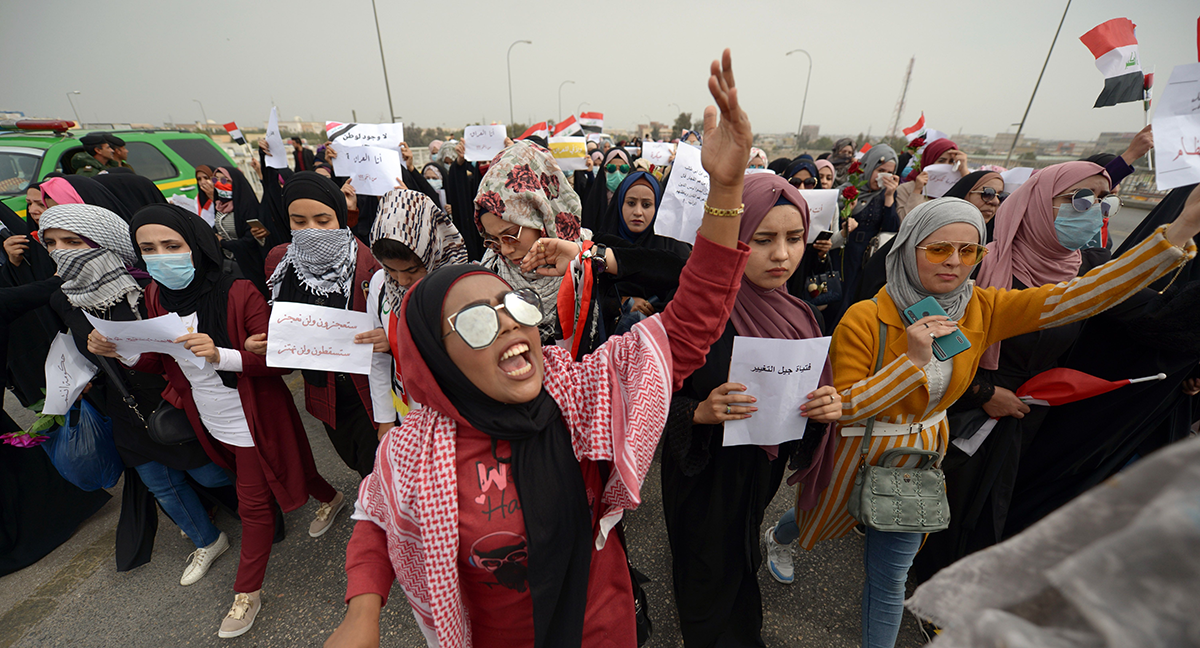
On March 8, the world came together to celebrate International Women’s Day (IWD), a barometer of annual development on global gender equality. This year, violence against women and women’s protection have been front and center on the political agenda across the world, including in the Middle East, as incidents of violence against them spark mass mobilization and anger from citizens. As civic activism grows, and citizens are increasingly politically and publicly engaged, women are fighting louder and harder than ever before to be a central voice in broader calls to action.
Political risk vs. risk to force: How policy decisions impact risk and capability in partner operations
Operation Inherent Resolve (OIR) is the U.S. military’s name for the international intervention to defeat ISIS in Syria and Iraq starting in 2014. While OIR has been a success, it has necessarily been imperfect. Throughout the campaign, cost-benefit calculations made by policymakers led to missed opportunities and possibly a longer conflict. These decisions will have lasting repercussions that could undermine the hard-won victory against ISIS, as well as the ability to partner in future interventions. In particular, the United States mishandled its partner relationships in the war to defeat ISIS. Political considerations apparently won out against supporting and sustaining the SDF, our military partner forces.
For Yemen’s Houthis, the status quo is the key to power
On Monday, March 22, Saudi Arabia’s foreign minister, Prince Faisal bin Farhan al-Saud, proposed an initiative to end the war in Yemen in an offer that addressed various long-standing issues that the Houthis wanted to resolve, including lifting land and sea restrictions, and allowing fuel and food imports to the Houthi-held port of Hodeidah. The initiative proposed engaging the parties to the conflict to find a comprehensive peace agreement. The problem, however, is that the Houthis have no incentive to accept any peace proposal for the time being because a resolution to Yemen’s war, at least for now, is at odds with their political and military strategy.
The geopolitics of space: Why did the UAE send a probe to Mars?
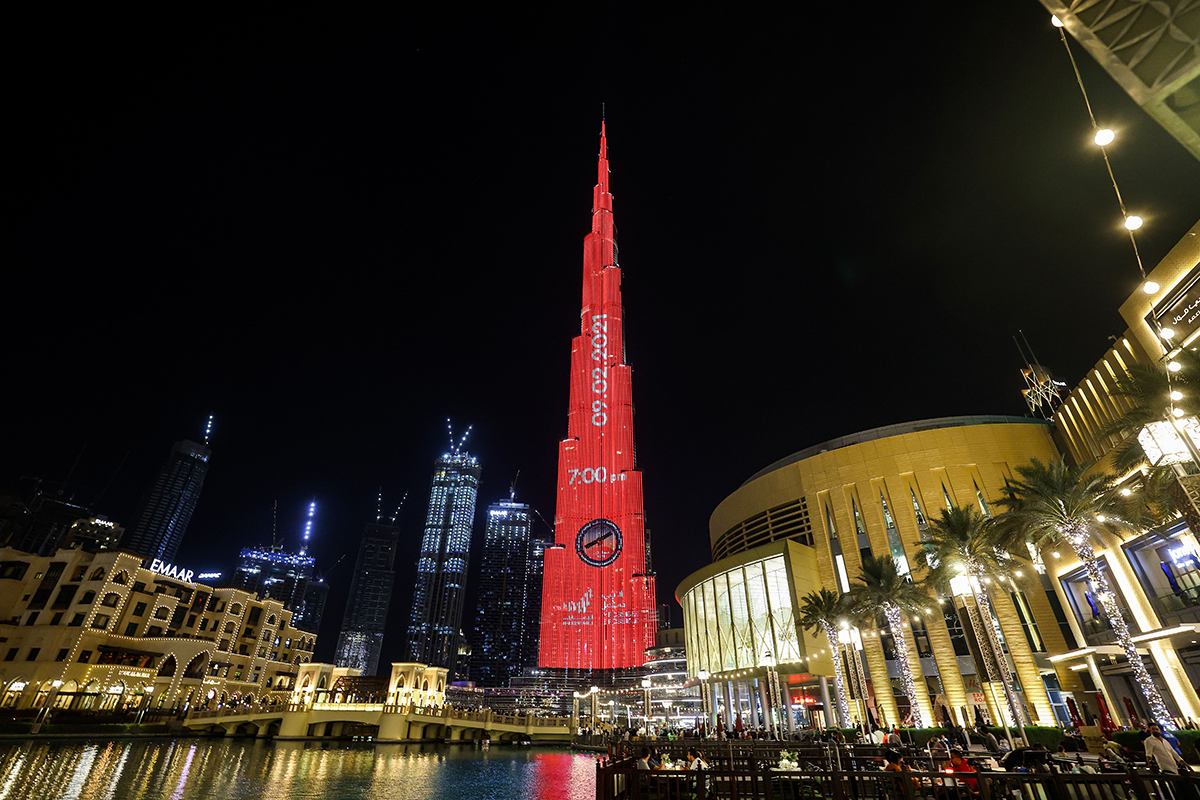
On Feb. 9, 2021, the UAE made history when its Hope Probe reached Mars and communicated back to Earth. This made it just the sixth member of the elite group of countries that have reached the Red Planet, and the first Arab nation to do so. The UAE stressed that the Mars mission is a success for all Arabs and this significant scientific feat positions Abu Dhabi not just as a leader in the Middle East, but also as an important global player in space.
Iraqi protesters’ perilous journey to the ballot box
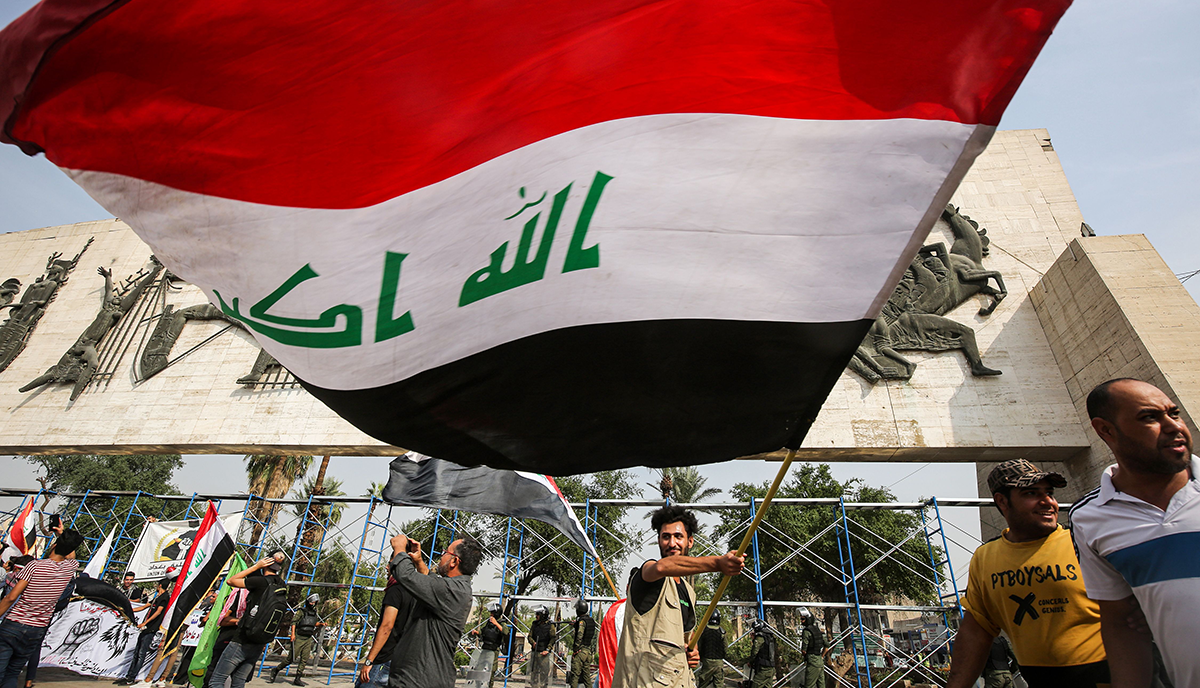
With the approach of Iraq’s next parliamentary elections in October 2021, pro-reform candidates are facing troubling obstacles as they prepare to compete against the country’s establishment parties, which include armed militias that have dominated Iraq’s parliament since 2018. To ensure a fair electoral playing field, reformers are asking the international community to quickly step up elections-related assistance and planned oversight, as well as publicly reaffirm a readiness to call out observed violations.
Water scarcity could lead to the next major conflict between Iran and Iraq
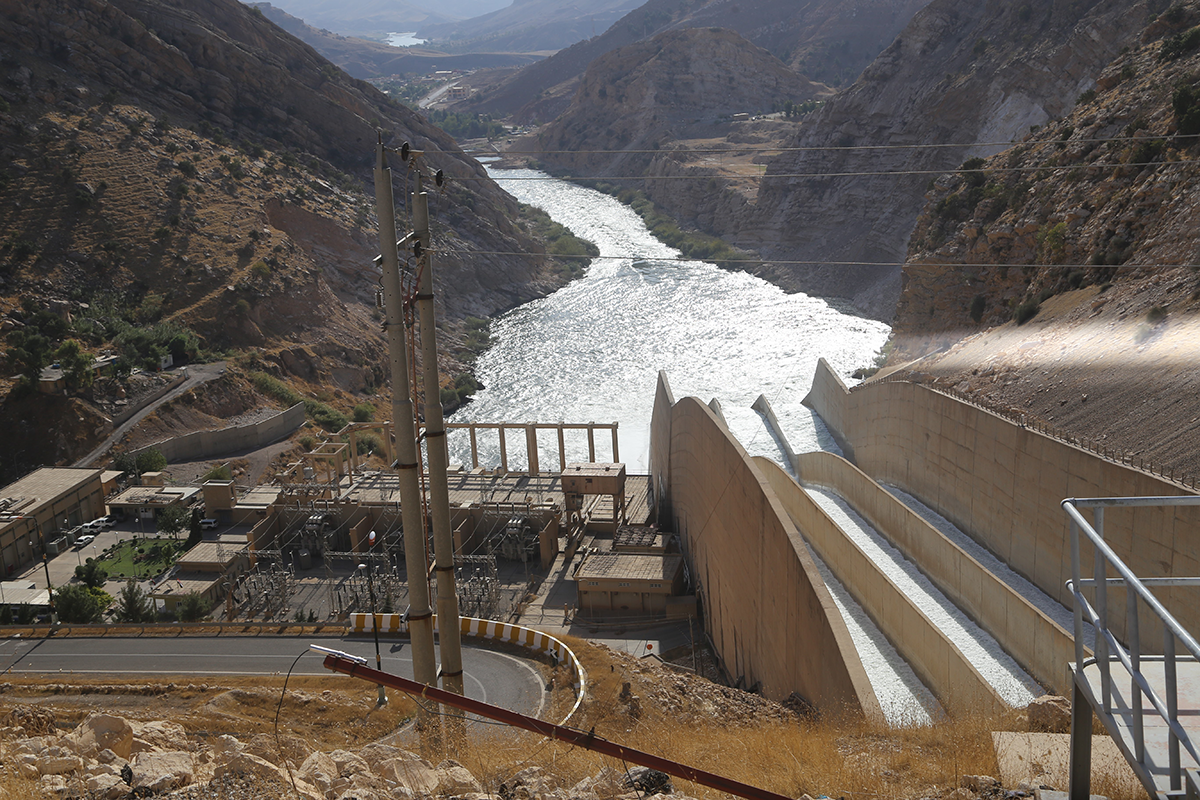
Iran and Iraq are frequently at odds over water issues. Iraq depends on the Tigris and Euphrates rivers for nearly all of its water. But Iran is building dams to redivert some of that water, causing alarm and creating major water shortages for Iraq.
Yemen’s prisoners of war and detainees: Lessons learned from local mediation
Prisoners of war and political and civilian detainees are two of the most important humanitarian issues in Yemen. Local mediation has had impressive results, and local mediators, including women, have become key players in resolving this issue. Experience has shown that to bring an end to the war in Yemen, international mediators need to stop ignoring and excluding local efforts and peace builders. Achieving sustainable peace will not happen without the equal involvement of women leaders and the inclusion of those who had no hand in the war.
The coming US-China cold war: The view from the Gulf
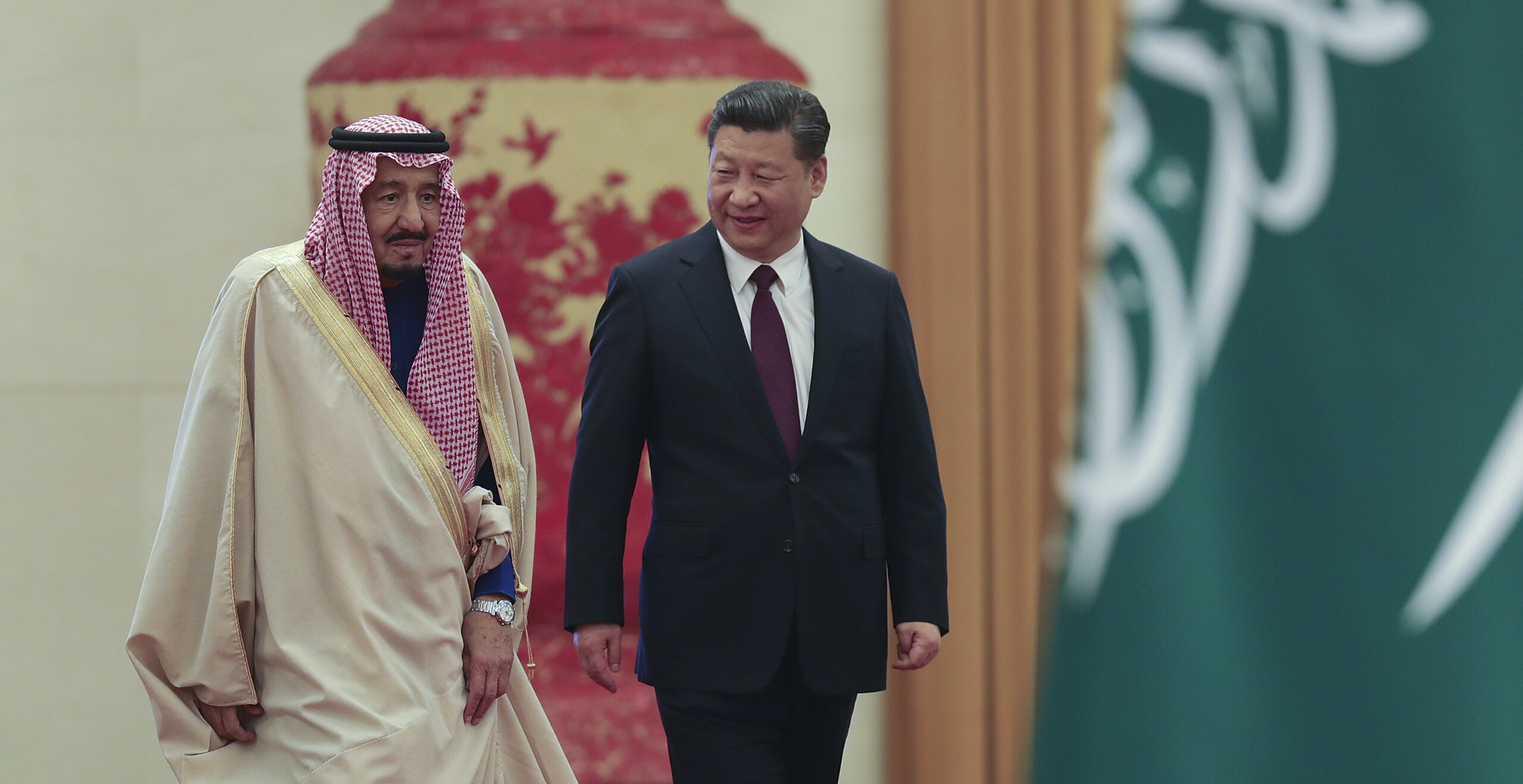
Around the world, leaders are scrambling to define their strategy for dealing with the inevitable U.S.-China cold war to come, and the Gulf is no exception. Considering the different objectives and perspectives that the region has in regard to the two superpowers, any misstep in forming alliances could be detrimental to its future.
After last year’s crisis, Pakistan and Saudi Arabia pursue a reset
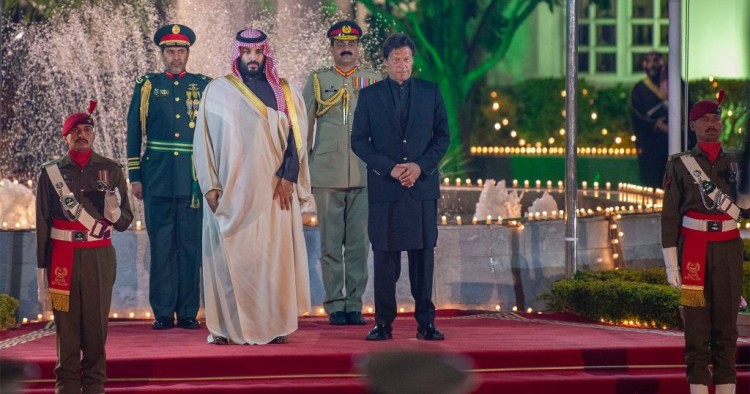
After last year’s much-publicized spat between Pakistan and Saudi Arabia — culminating with Riyadh’s demand for early repayment of $3 billion in loans meant to shore up Islamabad’s foreign exchange reserves — tensions between the two countries have since cooled. Pakistan and Saudi Arabia appear to be in the midst of a reset of relations.
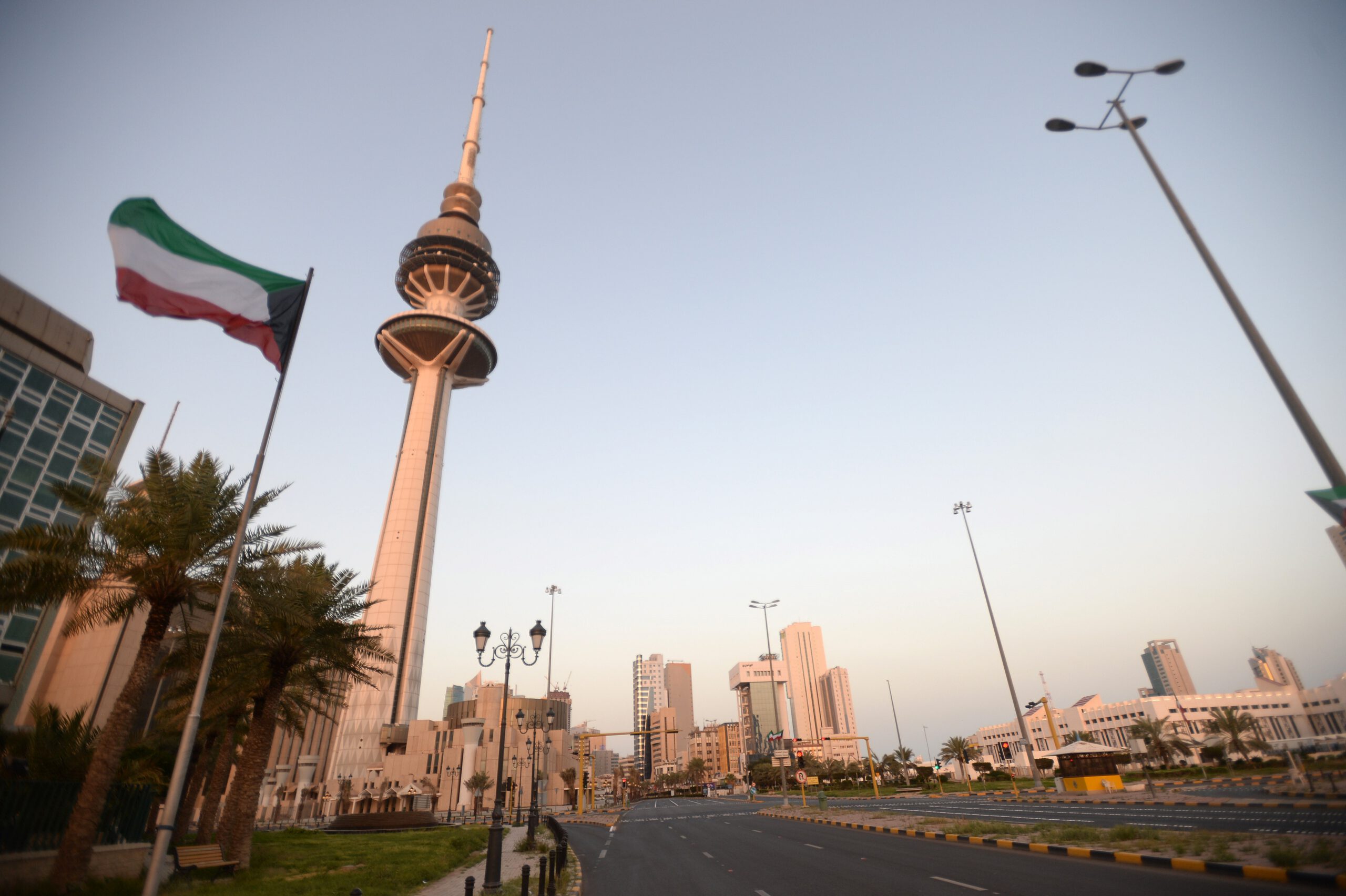
Kuwait is stuck in a major predicament. The government continues to engage in significant deficit spending, even as its readily available funds dwindle, while political gridlock limits the government’s ability to replace those shrinking financial resources.
The Biden Administration and the Middle East: Policy Recommendations for a Sustainable Way Forward
In a new policy briefing book, entitled The Biden Administration and the Middle East: Policy Recommendations for a Sustainable Way Forward, MEI scholars tackle a large number of country-specific and region-wide issue areas, laying out both the abiding U.S. interests and specific recommendations for Biden administration policies that can further U.S. interests amid a region in turmoil.
How is Iran responding to Biden’s policy shift on Yemen?
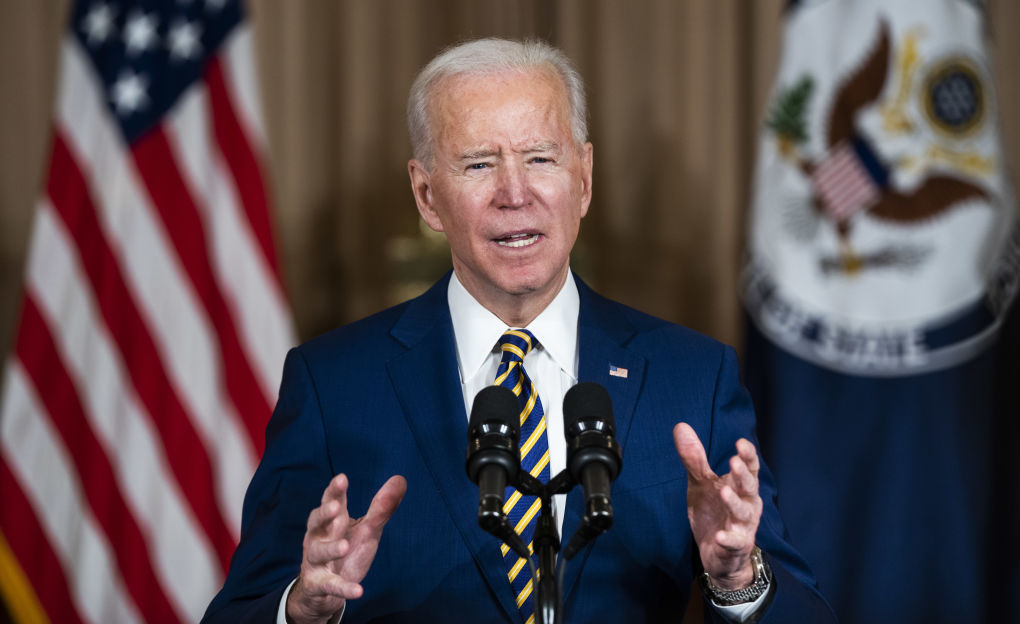
On Feb. 4, President Joe Biden announced the end of U.S. support for the Saudi Arabia-led coalition’s offensive military operations in Yemen. This decision fuelled optimism about a U.S. return to negotiations over the JCPOA with Iran. Instead of engaging with the United States, Iran has supported the Houthi-orchestrated Marib offensive and stepped up its diplomatic efforts in Yemen.
Iranian and Saudi women: Overcoming comparative suffering?
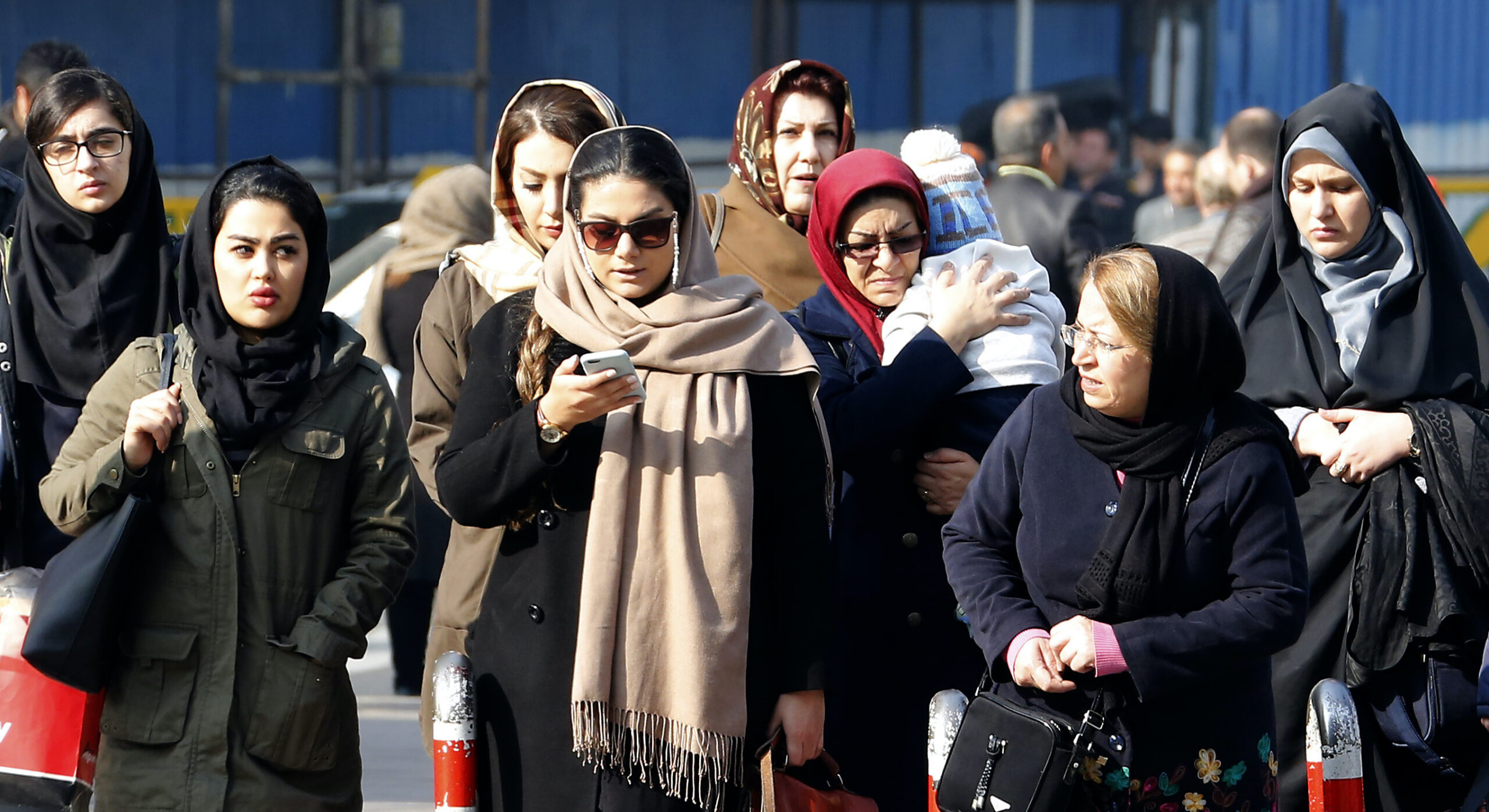
For many decades, Iran and Saudi Arabia have been bitter rivals, but not over women. If there was a competition, it was only over whose government could impose more limitations on their female population.